Want the best Bruschetta Olive Garden recipe and a home method that tastes restaurant-close? This guide walks you through making Olive Garden–style bruschetta with the right topping balance—juicy tomatoes, garlic, basil, and just enough olive oil—so every bite lands bright and savory. Follow these steps and you’ll get the closest match without guesswork, whether you’re serving it fresh at the table or as a party starter.
Bruschetta Olive Garden-style is all about building a fresh, garlicky tomato topping and serving it on properly toasted bread—so you get crunchy edges with a juicy (not soggy) bite. Below, you’ll learn how to prep the tomato mixture, season it for that signature Italian profile, and toast the bread to the right texture so your homemade bruschetta tastes restaurant-close.
Gather Ingredients for Bruschetta Olive Garden Recipe
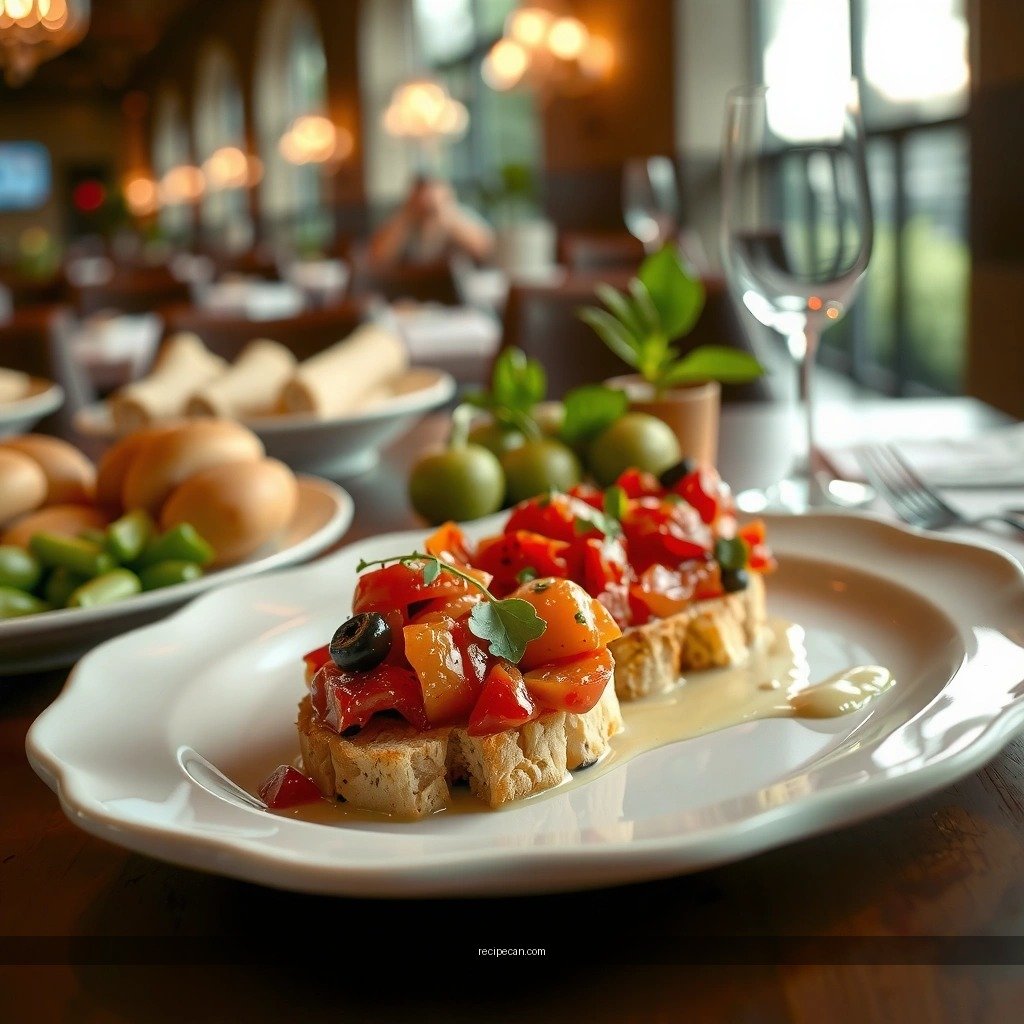
To make “at home” bruschetta taste like the version served in Italian-American dining rooms, start with ingredients that contribute real flavor—not just volume. Olive Garden’s style leans into bright tomato, basil freshness, and a garlicky olive-oil seasoning base. Your goal is to create a topping that clings to toasted bread while staying vibrant.
– Use ripe tomatoes, fresh basil, garlic, olive oil, and Italian seasoning
– Tomatoes: Choose varieties that are flavorful and not overly watery (Roma and Campari are common go-tos).
– Fresh basil: Look for fragrant, green leaves—store-bought dried basil won’t replicate the same aroma.
– Garlic: Use fresh cloves for a clean, aromatic punch rather than jarred minced garlic.
– Olive oil: Extra-virgin olive oil adds fruitiness and helps the topping coat the bread evenly.
– Italian seasoning: A blend (typically dried oregano, basil, thyme, and sometimes rosemary) helps pull everything together when tomatoes aren’t intensely sweet.
– Choose good-quality bread for sturdy toasting (baguette or ciabatta)
– Baguette gives a crisp, shattery edge; ciabatta offers a slightly chewier interior.
– Slice bread evenly (about 1–1.5 inches thick) so each piece toasts at the same pace.
– If your bread is already sliced thin, you risk faster browning and a softer bite—thicker is safer for “crunchy-yet-juicy” bruschetta.
Quick ingredient notes for best results
– Salt matters early: Salting tomatoes draws out excess liquid—use that to your advantage by draining briefly (more on that below).
– Add olive oil last in the topping: It helps distribute flavors and reduces harshness from raw garlic.
Tomato Choice Guide for Bruschetta (For Best Flavor-to-Water Balance)
| # | Tomato Type | Typical Wateriness | Sweetness Level | Best Use for Bruschetta |
|---|---|---|---|---|
| 1 | Roma | Low–Medium | Moderate | ★ ★ ★ ★ ★ |
| 2 | Campari | Low | High | ★ ★ ★ ★ ★ |
| 3 | Heirloom (Firm) | Medium | Variable | ★ ★ ★ ★ ☆ |
| 4 | Slicing Beefsteak | High | Moderate | ★ ★ ★ ☆ ☆ |
| 5 | Cherry/ Grape | Low–Medium | High | ★ ★ ★ ★ ☆ |
| 6 | Roma Paste | Low | Moderate | ★ ★ ★ ★ ☆ |
| 7 | Garden “Slicer” (Very Juicy) | Very High | High | ★ ★ ★ ☆ ☆ |
Prep the Tomato Topping Like Olive Garden

The tomato topping is where Olive Garden-style bruschetta wins: bold garlic-basil flavor with a bright, fresh tomato character. The most common reason homemade bruschetta turns out “good but not right” is watery tomatoes. To prevent sogginess, you need controlled moisture.
– Dice tomatoes and drain excess liquid to avoid soggy bruschetta
1. Cut tomatoes into small, even pieces (roughly 1/4–1/3 inch).
2. Lightly salt them and let them sit in a colander or mesh strainer for 10–20 minutes.
3. Gently press with the back of a spoon to encourage liquid to drain, then discard excess juice.
4. If you want extra reliability, blot the top layer with paper towels.
– Mix with garlic, basil, olive oil, and seasonings for bold flavor
Combine in a bowl:
– Drained diced tomatoes
– Minced garlic (start with about 1 clove per 2 tomatoes, then adjust)
– Chopped fresh basil
– Extra-virgin olive oil (enough to lightly coat the tomato pieces)
– Italian seasoning
– Black pepper and salt to taste
Flavor-building tip (key to the “signature” profile)
Raw garlic can taste sharp if used too heavily. Olive oil slightly softens garlic’s bite; basil adds aromatic lift. If your tomatoes aren’t very sweet, a small pinch of salt and a touch more olive oil can make the flavor read more “restaurant balanced.”
Toast the Bread for the Perfect Crunch
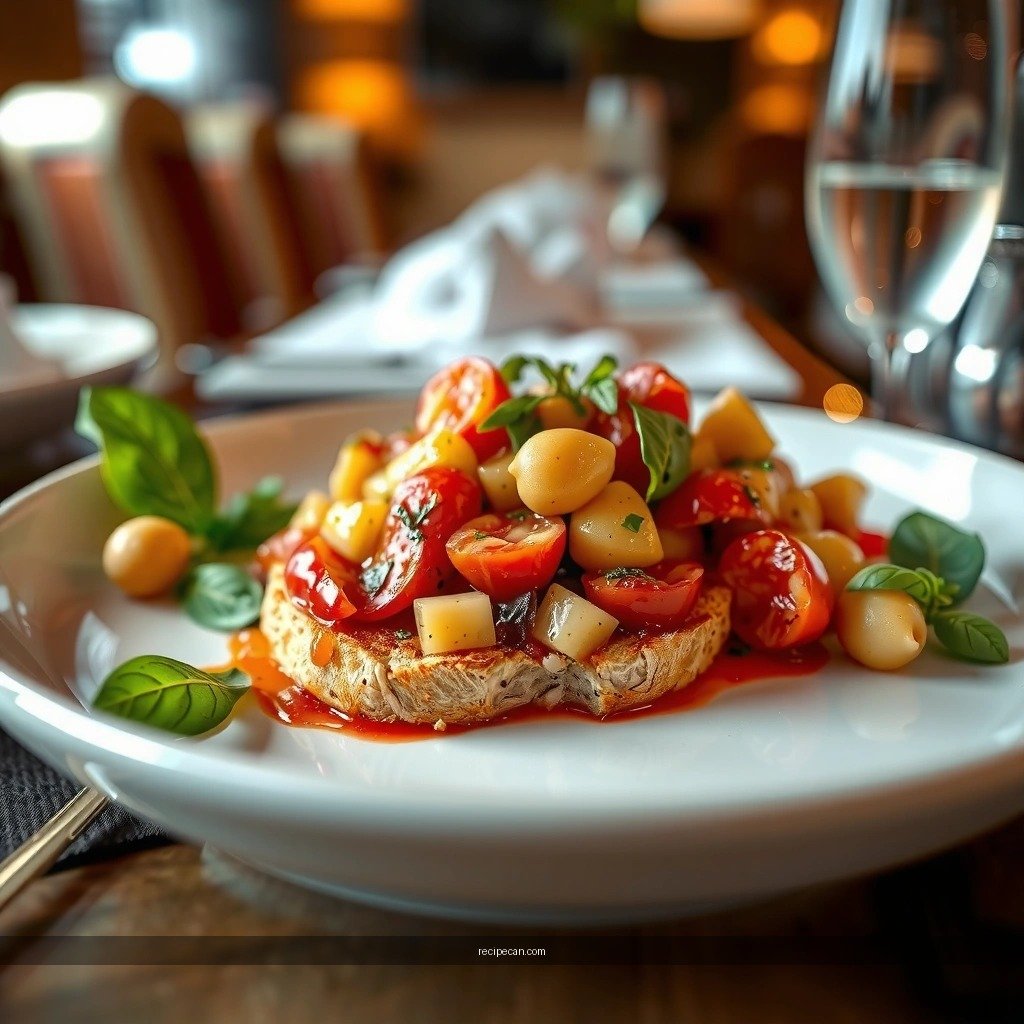
Crunch is not a garnish—it’s part of the flavor equation. The bread should be toasted enough to act like a base “platform” that holds the tomato topping without collapsing.
– Toast slices until golden and crisp on the edges
Options that work well:
– Oven broiler: Quick, high heat for crisp edges. Watch closely—bread browns in seconds.
– Skillet: Toast bread in a little olive oil over medium-high heat to build color and aroma.
– Grill: Adds subtle smokiness that complements tomato and basil.
Aim for:
– Golden color across the top
– Crisp edges
– A sturdy interior (not pale, not overly dried)
– Serve immediately after toasting to keep the bread from softening
Bruschetta is time-sensitive. Once bread is topped, moisture begins moving toward the crust. If you’re serving multiple pieces, toast in batches and assemble right before your guests eat—or keep toasted bread warm in a low oven (about 200°F / 95°C) until topping.
Practical timing strategy
– Toast bread first.
– Toss tomato topping second (or keep topping ready).
– Assemble one minute before serving for maximum crunch retention.
Assemble and Serve Bruschetta
Assembly is where you convert “ingredients” into “restaurant experience.” Olive Garden-style bruschetta tends to be generous with topping—enough that each bite has tomato, basil, and garlic seasoning.
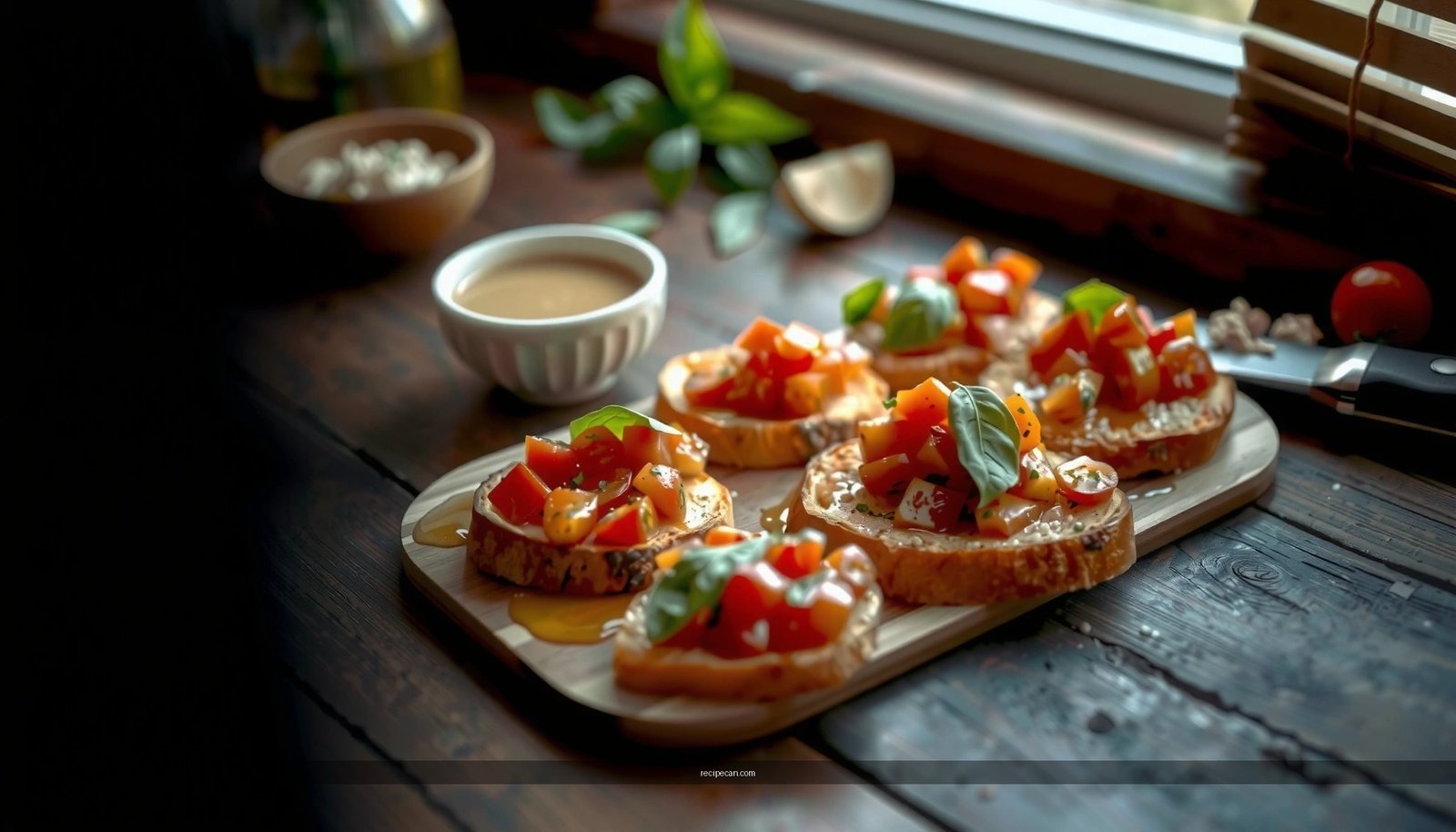
– Spoon tomato mixture generously over each toasted slice
Avoid piling on wet liquid. Use a spoon that transfers the tomato pieces more than the pooled juice. If you see extra liquid at the bottom of your bowl, drizzle only after distributing, or discard the extra.
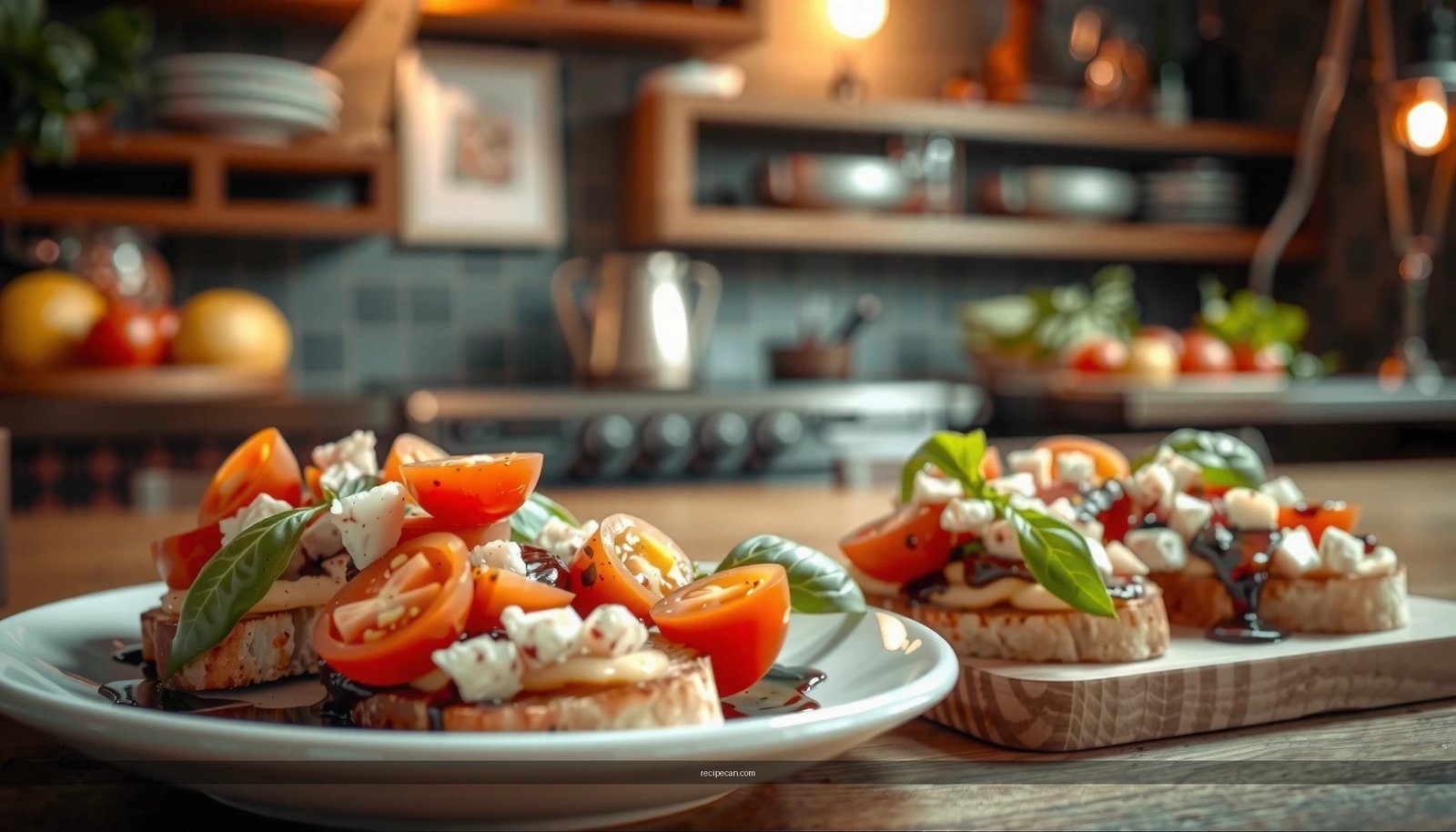
– Garnish lightly with extra basil or a drizzle of olive oil if desired
Consider:
– A few fresh basil leaves for visual freshness
– A small finishing drizzle of olive oil to enhance aroma
– Optional sprinkle of grated Parmesan if your preference leans richer (classic bruschetta often stays Parmesan-light, but many home cooks enjoy it)
Serving suggestion (for best “bite” consistency)
Plate immediately after topping. If you’re feeding a group, stage toast on a tray, then distribute topping at the last moment to keep texture consistent.
Pro Tips and Common Fixes
Even with a solid method, small variables—tomato variety, bread thickness, humidity—can shift results. Here’s how to troubleshoot like a seasoned line cook.
– If it tastes bland, add a pinch more salt and a touch more garlic
Bland bruschetta usually means tomatoes weren’t salted enough or garlic is too mild. Fix it by:
– Adding salt in tiny increments (start with 1/8 teaspoon)
– Adding a small amount of minced garlic, then tasting again
– Rebalancing with a bit more olive oil for smoothness
– If watery, rest the topping briefly and drain again before serving
If your topping looks glossy with excess liquid:
1. Let it sit 5–10 minutes.
2. Drain again lightly in a strainer.
3. Assemble once the topping looks more “thick” and clings to a spoon.
Additional quick fixes
– Too garlicky? Add more basil and olive oil, not more salt.
– Too acidic? Let the topping sit 15–20 minutes so flavors marry; add a teaspoon of olive oil to round sharpness.
– Bread not crisp enough? Increase toast time slightly and toast slightly thicker slices next time.
Make-Ahead Options and Storage
Bruschetta works best fresh, but you can still plan ahead—just separate tasks by texture. Moisture control is the key concept.
– Prep tomato topping up to a few hours ahead, then assemble right before eating
You can dice and mix the tomato topping in advance, then store it covered in the refrigerator. For best flavor, bring it back to near room temperature before serving; cold tomatoes can dull aroma.
– Store leftovers separately (bread un-topped) to maintain texture
– Store topping in an airtight container.
– Store toasted bread separately (or toast again briefly) so crunch returns.
– Combine only when you’re ready to eat.
Storage guidance
– Tomato topping: typically best within 1–2 days for freshness.
– Bread: best same day; if stored, re-toast in oven/air fryer for 2–4 minutes.
Summary Table: What “Olive Garden” Bruschetta Gets Right at Home (and How to Replicate It)
Texture & Flavor Targets for Restaurant-Style Results
| ID | Target | What to Do | Why It Matters |
|---|---|---|---|
| 1 | Drain tomatoes after salting | 10–20 min straining | Prevents sogginess |
| 2 | Use fresh basil | Chop right before mixing | Boosts aroma |
| 3 | Toast bread until golden | Broil or skillet ~2–4 min | Locks in crunch |
| 4 | Assemble right before serving | Top within ~1 minute | Maintains texture |
| 5 | Balance with salt + olive oil | Taste and adjust | Fixes blandness fast |
Bruschetta Olive Garden recipe is all about fresh tomato topping, flavorful garlic-basil seasoning, and properly toasted bread. Follow the steps above, assemble right before serving, and adjust salt/garlic to taste—then enjoy your restaurant-style appetizer at home.
Frequently Asked Questions
What is the Olive Garden bruschetta recipe and what makes it taste like the restaurant?
The Olive Garden bruschetta recipe is typically built with toasted bread, a fresh tomato topping (often with garlic and basil), and a drizzle of olive oil plus seasonings. What makes it taste like the restaurant is the balance of sweet, juicy tomatoes with bright acidity, complemented by olive oil and a garlic-forward flavor. Using ripe tomatoes and letting the mixture rest briefly helps the flavors meld for that classic Olive Garden bruschetta profile.
How do you make a bruschetta olive garden-style topping without it getting watery?
Dice tomatoes and remove excess seeds if your tomatoes are very watery, then season with salt and let the mixture sit in a bowl for 10–15 minutes. Drain any excess liquid before spooning it onto the toasted bread, and add the garlic and basil right before serving for maximum freshness. This approach prevents soggy bread while keeping the bruschetta topping flavorful and juicy.
Why do people add balsamic vinegar or garlic to a bruschetta olive garden recipe?
Garlic boosts the savory, Italian-inspired base flavor that makes Olive Garden bruschetta feel robust rather than plain. A small drizzle of balsamic vinegar (optional, but common in copycat versions) adds tang and depth that complements the tomatoes and makes the topping taste more “restaurant-style.” Use a light hand so the balsamic doesn’t overpower the fresh tomato flavor.
What’s the best bread to use for an Olive Garden bruschetta recipe, and how should it be toasted?
Use a sturdy Italian loaf, ciabatta, or French bread—something that can hold the tomato mixture without falling apart. Toast slices in the oven or on a grill until crisp and lightly golden, then optionally rub with a cut garlic clove while they’re warm for extra aroma. For best results, assemble bruschetta olive garden-style toppings immediately so the bread stays crunchy.
Which toppings and herbs work best for a classic bruschetta olive garden flavor?
Stick to a simple, traditional mix: diced tomatoes, olive oil, minced garlic, chopped fresh basil, salt, and black pepper. Many versions also include a hint of red pepper flakes for gentle heat and a touch of oregano or Parmesan for added savor, depending on preference. Keep the topping light and fresh so it complements the toasted bread rather than turning into a heavy salad—this is key to getting that Olive Garden bruschetta taste.
References
- Bruschetta
https://en.wikipedia.org/wiki/Bruschetta - Olive oil
https://en.wikipedia.org/wiki/Olive_oil - Tomato
https://en.wikipedia.org/wiki/Tomato - https://www.britannica.com/topic/bruschetta
https://www.britannica.com/topic/bruschetta - https://pubmed.ncbi.nlm.nih.gov/?term=Mediterranean+diet+olive+oil
https://pubmed.ncbi.nlm.nih.gov/?term=Mediterranean+diet+olive+oil - https://pubmed.ncbi.nlm.nih.gov/?term=lycopene+tomato+human+health+review
https://pubmed.ncbi.nlm.nih.gov/?term=lycopene+tomato+human+health+review - olive oil phenolic compounds health – Search Results – PMC
https://www.ncbi.nlm.nih.gov/pmc/?term=olive+oil+phenolic+compounds+health - Google Scholar Google Scholar
https://scholar.google.com/scholar?q=Olive+Garden+bruschetta+recipe - Google Scholar Google Scholar
https://scholar.google.com/scholar?q=bruschetta+recipe+tomatoes+olive+oil+basil+garlic - Google Scholar Google Scholar
https://scholar.google.com/scholar?q=bruschetta+effect+on+health+olive+oil+tomato+lycopene