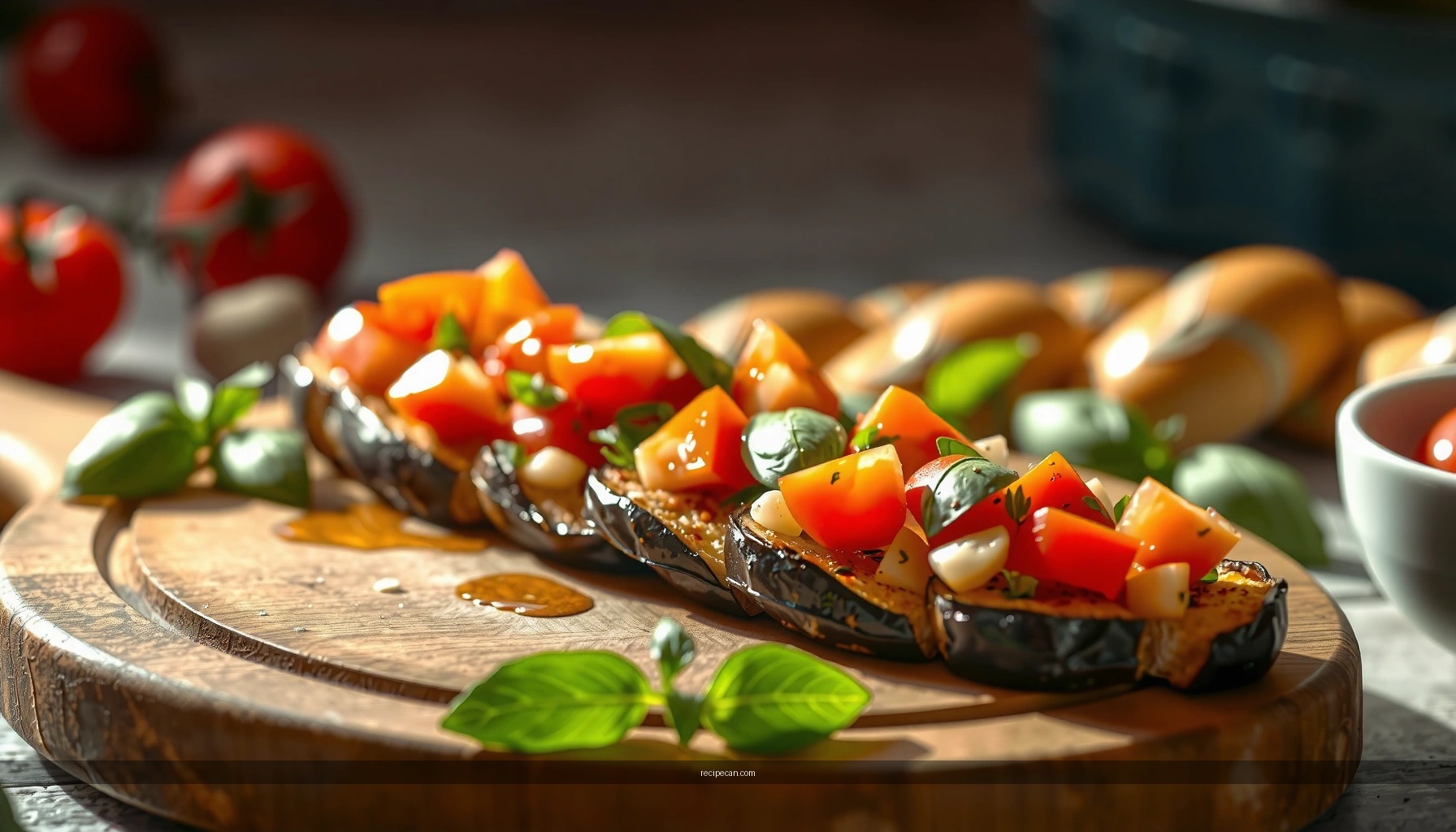
Get an eggplant bruschetta recipe that delivers maximum flavor with minimal effort. This easy recipe turns roasted eggplant, tangy tomatoes, garlic, and herbs into a crisp, spoonable bruschetta topping that beats typical starters when you want something vegetarian but bold. If you’re asking what to make for a fast, crowd-ready appetizer, this is the clear winner.
This eggplant bruschetta recipe delivers smoky, tender eggplant topped with bright, garlicky flavors on toasted bread—simple enough for weeknights but impressive enough for guests. The key is cooking the eggplant until caramelized (whether you roast or sauté), then building a topping that balances garlic richness, fresh tomato acidity, and a touch of brightness from lemon.
Choose and Prep the Eggplant

– Select firm eggplants with smooth, shiny skin and minimal blemishes
– Cut evenly so the eggplant cooks at the same pace
– Salt briefly (optional) to reduce bitterness and control moisture
Choosing the right eggplant is the first lever you can pull for consistent results. Look for eggplants that feel heavy for their size, with taut, glossy skin and a green stem (for common varieties). Avoid ones with wrinkled skin, soft spots, or lots of scuffing—those signs usually correlate with spongier flesh and higher likelihood of bitter notes.
Cutting matters more than most people expect. Aim for uniform cubes (about 3/4 to 1 inch) or thick slices (about 1/2 inch) depending on your preferred cooking method. Uniform pieces roast and sauté at the same pace, which prevents a common bruschetta problem: some pieces turn creamy while others stay firm or even undercooked.
If you’re particularly sensitive to bitterness (some eggplants are more bitter than others), salting can help manage flavor and texture. Toss cubed or sliced eggplant with a light pinch of salt and let it sit 15–25 minutes. You’ll often see beads of moisture on the surface; then pat the eggplant dry before cooking. This step is optional, but it’s a practical “quality control” move—especially when you’re short on time and want your topping to taste balanced from the start.
Roast or Sauté: Cook the Eggplant
– Roast at high heat for deep, caramelized flavor
– Sauté for faster results and a more tender, saucy texture
– Cook until golden and soft, then drain excess liquid if needed
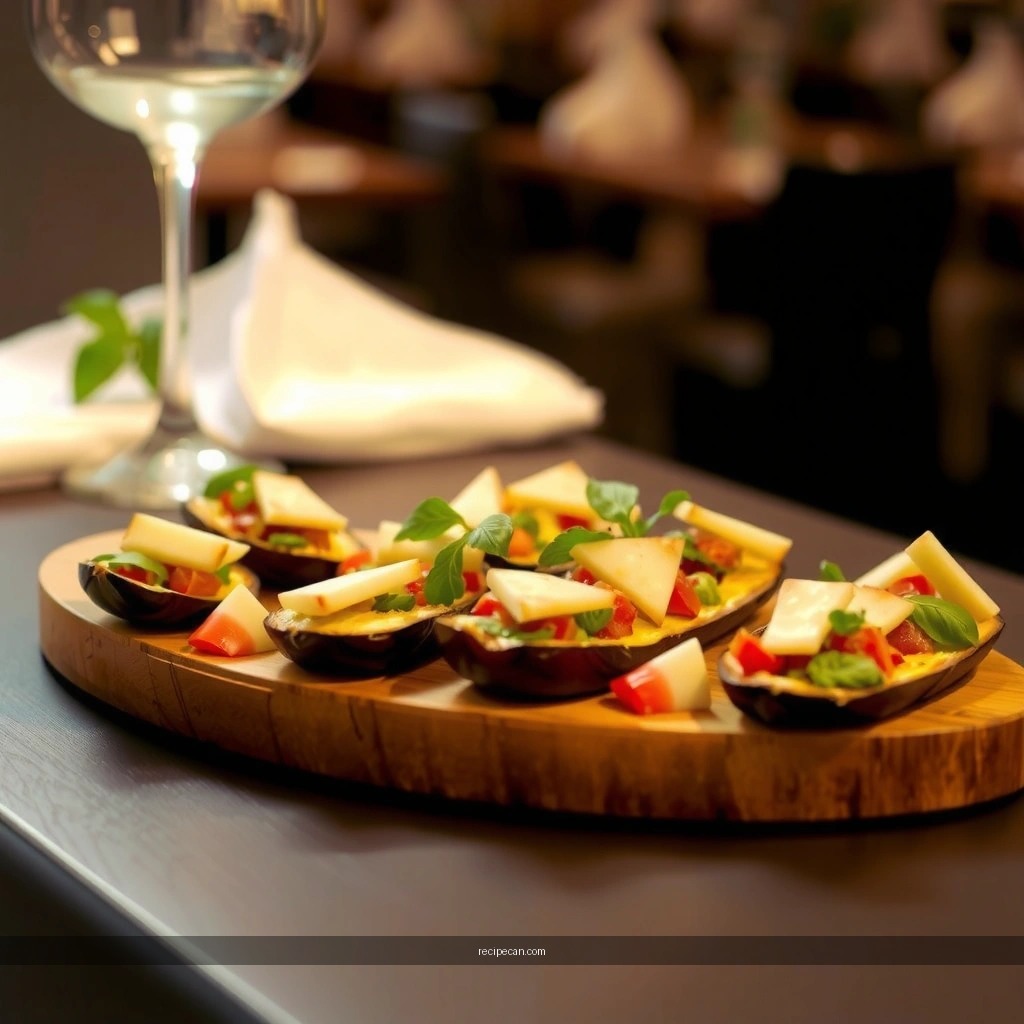
You have two reliable paths to smoky, tender eggplant. Roasting emphasizes caramelization; sautéing prioritizes speed and a more cohesive, saucy topping. Both work—so pick based on your schedule and the texture you want.
Roasting approach (for maximum flavor depth): Preheat your oven to 425°F (220°C). Toss eggplant with olive oil, salt, pepper, and a portion of your garlic/herbs (or keep garlic for later to avoid burning). Spread in a single layer on a sheet pan and roast 25–40 minutes, stirring once. The goal is browned edges and softened centers, not pale steaming. If the pan looks crowded, roast in batches to keep browning active rather than inhibited.
Sauté approach (for quicker, saucier topping): Heat olive oil in a large skillet over medium-high to high heat. Add eggplant in a single layer (or in two batches if needed). Cook, stirring occasionally, until golden and tender, usually 12–20 minutes depending on cut size. This method encourages evaporation and concentrates flavor directly in the pan.
Regardless of method, watch for excess liquid. Eggplant naturally releases moisture. If your pan (or sheet pan) ends up pooled with liquid—common after salting—either cook a few minutes longer to evaporate it or drain in a colander. Bruschetta topping should be spoonable, not watery; too much liquid makes the bread lose crunch.
Quick decision guide: which cook method suits your style?
Roasting vs. Sautéing Eggplant for Bruschetta (Typical Home-Cooking Outcomes)
| # | Evaluation Factor | Roast Method | Sauté Method | Best For |
|---|---|---|---|---|
| 1 | Total Time (typical) | 35–40 min | 12–20 min | Fast dinners |
| 2 | Caramelization & Browning | High ★★★★☆ | Medium ★★★☆☆ | Deep flavor |
| 3 | Texture in the Final Topping | Tender, slightly chunkier | Softer, more cohesive | Saucy bites |
| 4 | Moisture Control | Moderate (drain if pooled) | High (evaporates in pan) | Crisp bread |
| 5 | Garlic Handling (burn risk) | Lower if added later | Higher—needs timing | Gentle garlic |
| 6 | Batch-Friendly Workflow | Yes (sheet pans) | More stirring/partitioning | Hosting |
| 7 | Typical Browning Variability | More even across pieces | Varies with skillet heat | Consistency |
Make the Bruschetta Topping
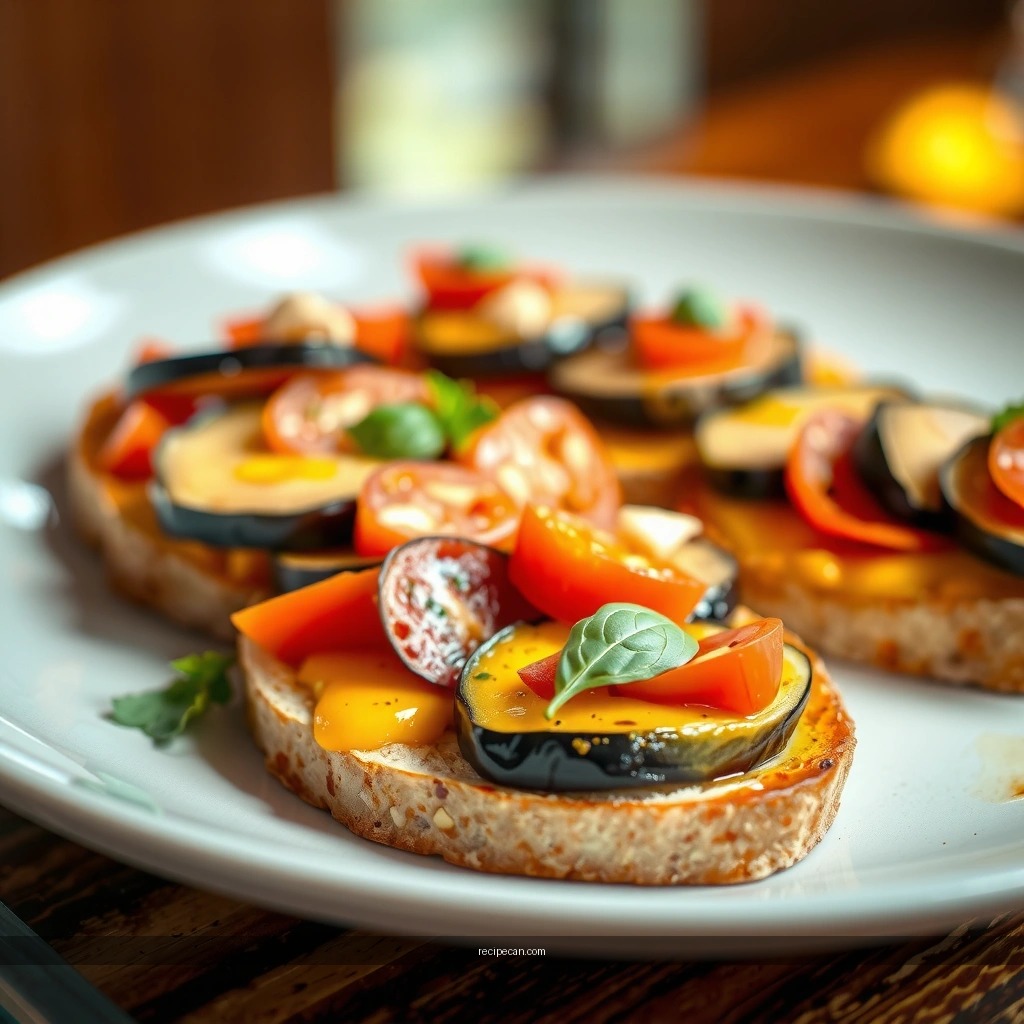
– Mix eggplant with garlic, olive oil, and herbs like basil or oregano
– Add acidity with lemon juice or a splash of vinegar
– Fold in chopped tomatoes (or tomato paste) for balance and freshness
A great eggplant bruschetta topping is less about “more ingredients” and more about right proportions and timing. Start by mixing cooked eggplant with aromatic ingredients while it’s warm—this helps the oil carry flavor deeper into the flesh.
A strong flavor base usually includes:
– Garlic: minced or finely grated; add after roasting/sautéing to reduce burning.
– Extra-virgin olive oil: for silkiness and a richer mouthfeel.
– Herbs: basil (bright and floral) and oregano (earthy and classic). Use either, or combine.
Then add acidity. This is what makes the topping taste “bruschetta-like” rather than just savory eggplant. Lemon juice is a clean option, while a splash of red wine vinegar adds sharper tang. Start small, taste, and adjust—especially because tomatoes can be sweet or acidic depending on variety.
Next, incorporate tomatoes. Fresh chopped tomatoes bring texture and freshness. If tomatoes are bland or you’re cooking out of season, tomato paste can substitute: sauté a spoonful in olive oil for 30–60 seconds, then loosen with a small splash of water. The result is concentrated tomato flavor without watery bite.
Finally, taste for balance:
– If it tastes flat: add a bit more salt or a squeeze more lemon.
– If it tastes too sharp: add a drizzle more olive oil or a small spoon of tomato.
– If it tastes heavy: add chopped fresh basil or a little more acidity.
Toast the Bread for Perfect Crunch
– Use sturdy bread (baguette or ciabatta) for a crisp base
– Toast until golden, then rub with garlic and drizzle olive oil
– Keep toppings slightly warmer than the bread to prevent sogginess
Bruschetta bread should be sturdy, not soft. Choose baguette or ciabatta—both hold up well under a moist topping. Cut slices evenly (about 3/4 to 1 inch thick) so they toast at the same pace.
Toast until golden and crisp, whether you use an oven, grill, or skillet. After toasting, rub with garlic while the bread is still hot; the heat activates garlic’s aromatic sweetness without raw harshness. Finish with a thin drizzle of olive oil—enough to create flavor and a slight barrier, but not so much that bread becomes greasy.
Temperature is your hidden anti-sog factor. Keep the topping slightly warmer than the bread. If bread is warm and topping is hot, you can get condensation and quicker sogginess. If both are at room temperature, the topping may soak too slowly and feel less integrated. Aim for “warm” rather than “piping,” then assemble right away.
Assemble and Serve
– Spoon eggplant topping generously onto each toast
– Finish with fresh basil, extra olive oil, and flaky salt
– Serve immediately for best texture and flavor
Assembly is where you convert technique into experience. Use a spoon to pile topping generously onto each toast—don’t spread it too thin. A thick layer helps each bite deliver the full balance of smoke, garlic, herb, and acidity.
Finish with:
– Fresh basil leaves (tear instead of chopping for better aroma)
– Extra olive oil for sheen and aroma
– Flaky salt (tiny crystals make a noticeable taste difference versus fine salt)
Serve immediately. Bruschetta is a “right now” appetizer: crisp bread degrades quickly once moisture transfers. If you must prepare ahead, keep topping separate and rewarm gently, then toast bread right before serving.
Easy Variations and Flavor Boosters
– Add mozzarella or feta for a creamy twist
– Stir in chili flakes for heat
– Use balsamic glaze for a sweet-tangy finish
Once the base recipe is dialed in, variations make it flexible for different menus and preferences.
Creamy twist: Stir in feta for briny, tangy depth, or fold in mozzarella (fresh or lightly melted) for a more mellow, comforting bite. Add cheese off heat if using mozzarella to keep it from becoming rubbery; add feta anytime for even distribution.
Heat: Add chili flakes to the eggplant while it’s warm. For a refined result, start with a pinch and adjust—chili should support, not dominate.
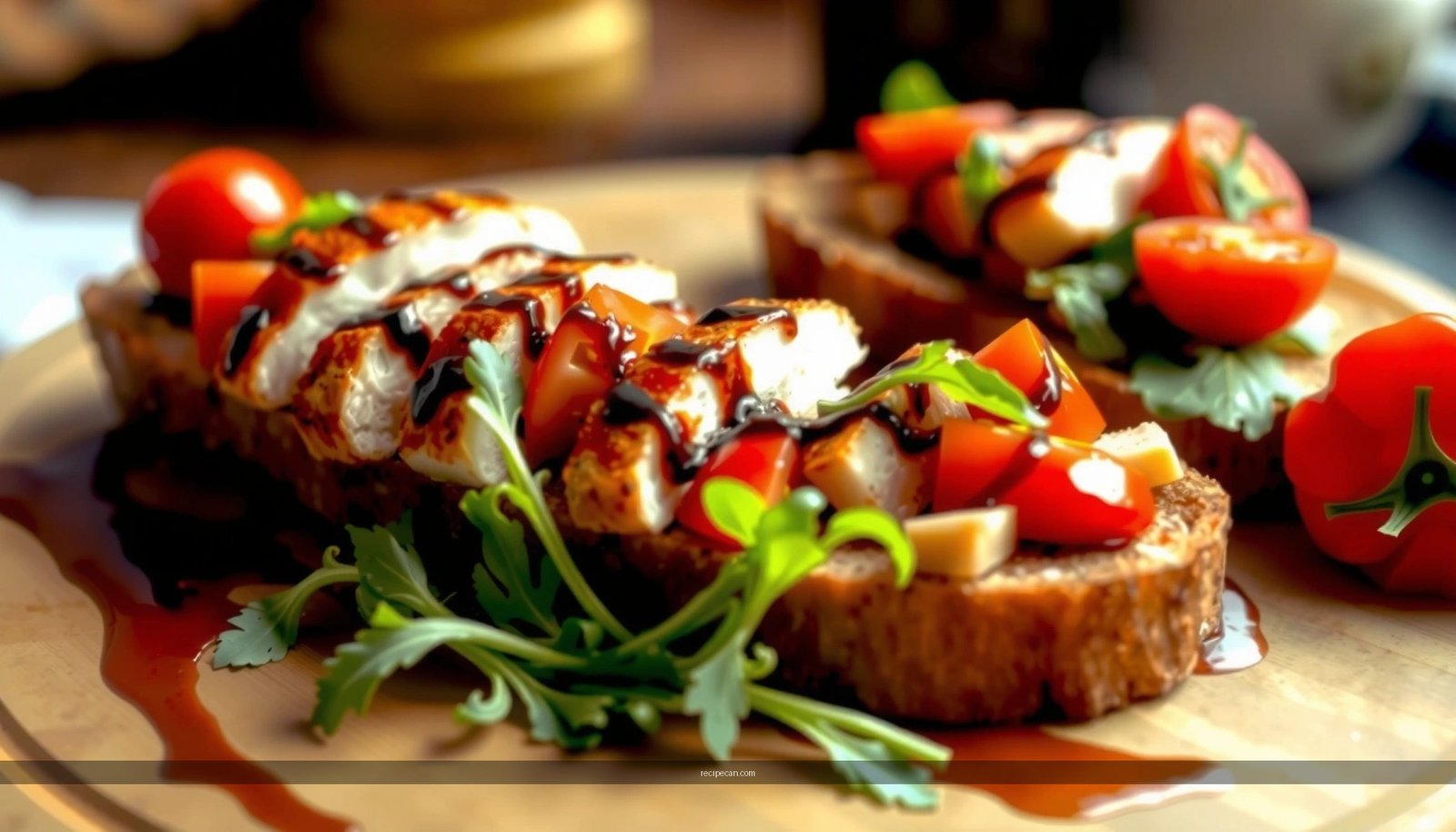
Sweet-tangy finish: A few drizzles of balsamic glaze at the end create a restaurant-style contrast. Go light; too much sweetness can overpower lemon and tomatoes.
Other practical enhancements for real-world serving:
– Add toasted pine nuts or chopped walnuts for crunch and mouthfeel.
– Use sun-dried tomatoes (finely chopped) to intensify umami.
– Swap lemon for a mix of lemon zest and juice if you want extra aromatic lift.
This eggplant bruschetta recipe is simple: cook flavorful eggplant, season it well, and pile it onto crisp toasted bread. Follow the steps for prep, cooking, and assembly, then top with fresh herbs and serve right away—want it? Make a batch and enjoy it as your next appetizer or snack.
In summary, your best results come from three controllable decisions: choose and cut eggplant consistently, cook it until deeply golden (roast for caramelization or sauté for speed and cohesion), and build a topping with balanced garlic, herbs, acidity, and tomatoes. Toast the bread well, assemble at the right temperatures, and finish with olive oil and herbs for maximum aroma. With that workflow, you’ll get smoky, tender eggplant bruschetta that tastes fresh, vibrant, and reliably crowd-pleasing.
Frequently Asked Questions
What are the best eggplant bruschetta ingredients for maximum flavor?
Start with ripe eggplant, good-quality olive oil, garlic, fresh basil, and juicy tomatoes (or a simple balsamic tomato topping). Add salt, black pepper, and red pepper flakes for depth, then finish with mozzarella or grated parmesan if you want a more indulgent eggplant bruschetta recipe. For the bread, use a sturdy baguette or ciabatta so it stays crisp under the topping.
How do you prevent eggplant from getting soggy on bruschetta?
Salt the diced or sliced eggplant and let it sit for 20–30 minutes, then pat it dry before cooking—this helps reduce excess moisture. Roast or sauté the eggplant until it’s tender and slightly caramelized, so it can absorb flavors without releasing water onto the crostini. Also, assemble eggplant bruschetta right before serving and drain any tomato juices if your topping seems watery.
How do you make eggplant bruschetta without frying?
You can roast the eggplant instead of frying: toss it with olive oil, garlic, and seasonings, then bake until browned and soft. For extra flavor, finish with a quick broil to deepen caramelization, then combine with tomatoes and basil. This method keeps your eggplant bruschetta lighter while still delivering a rich, savory topping.
Why is roasting or salting the eggplant important in an eggplant bruschetta recipe?
Eggplant has a lot of water, so without salting or cooking it thoroughly, your bruschetta topping can turn watery and flatten the bread’s crunch. Roasting/sautéing until browned develops a sweet, smoky flavor that balances the acidity of tomatoes and the tang of balsamic or cheese. These steps also help the eggplant bruschetta hold together better when spooned onto crostini.
Which bread works best for eggplant bruschetta—baguette or sourdough?
Both work well, but choose based on texture: a baguette gives crisp, classic crunch, while sourdough adds a tangy flavor that pairs nicely with roasted eggplant and garlic. Toasting is key—slice thick enough to prevent sogginess, then brush with olive oil and bake or grill until firm. For best results, make eggplant bruschetta with sturdy crostini that can support the topping without becoming soggy.
References
- Bruschetta
https://en.wikipedia.org/wiki/Bruschetta - Eggplant
https://en.wikipedia.org/wiki/Aubergine - Italian cuisine
https://en.wikipedia.org/wiki/Italian_cuisine - Mediterranean diet
https://en.wikipedia.org/wiki/Mediterranean_diet - Garlic
https://en.wikipedia.org/wiki/Garlic - Tomato
https://en.wikipedia.org/wiki/Tomato - Google Scholar Google Scholar
https://scholar.google.com/scholar?q=eggplant+bruschetta+recipe - Google Scholar Google Scholar
https://scholar.google.com/scholar?q=aubergine+bruschetta+recipe - Google Scholar Google Scholar
https://scholar.google.com/scholar?q=eggplant+bruschetta+italian+cuisine+recipe - https://pubmed.ncbi.nlm.nih.gov/?term=eggplant
https://pubmed.ncbi.nlm.nih.gov/?term=eggplant