Searching for a bruschetta shrimp recipe that delivers fresh, juicy, garlicky flavor every time? This recipe locks in the winning combo of sweet shrimp, garlicky bruschetta topping, and a quick broil so the shrimp stay tender and the garlic doesn’t burn. If you want the fastest path to restaurant-style results at home, this is the one.
This bruschetta shrimp recipe delivers tender, juicy shrimp topped with bright tomato-garlic basil and served on crisp toast—so you get restaurant-style flavor without complicated steps. Cook the shrimp fast (just until pink), build the bruschetta topping while they cook, then assemble at the last moment to preserve crunch and keep the topping vibrant.
Bruschetta Shrimp Time & Quality Targets (Validated Cooking Practice)
| # | Cooking Step | Target Time | Primary Goal | Risk if Overdone |
|---|---|---|---|---|
| 1 | Tomato-basil dice + garlic | 10–15 min | Juices + aroma meld | ★ Crispy still feasible |
| 2 | Resting topping (balsamic/lemon) | 5 min | Acidity balance | ★ Softer tomato |
| 3 | Preheat skillet | 2–3 min | Proper sear | ★ Pale shrimp |
| 4 | Sear shrimp (total) | 60–90 sec | Pink + firm texture | ★ Rubber-like bites |
| 5 | Toast bread crisping | 3–5 min | Crunch barrier | ★ Sogginess |
| 6 | Assemble topping + shrimp | 2–4 min | Hot shrimp over fresh topping | ★ Best texture windows |
| 7 | Reheat leftovers (gentle) | 30–60 sec | Warm without drying | ★ Dry shrimp |
This timing-focused approach is more than culinary nitpicking—it’s how you protect the two key assets of this appetizer: shrimp tenderness and toast crunch. If you move quickly through each “window,” you’ll reliably get the juicy, garlicky results the name promises.
Ingredients for Bruschetta Shrimp
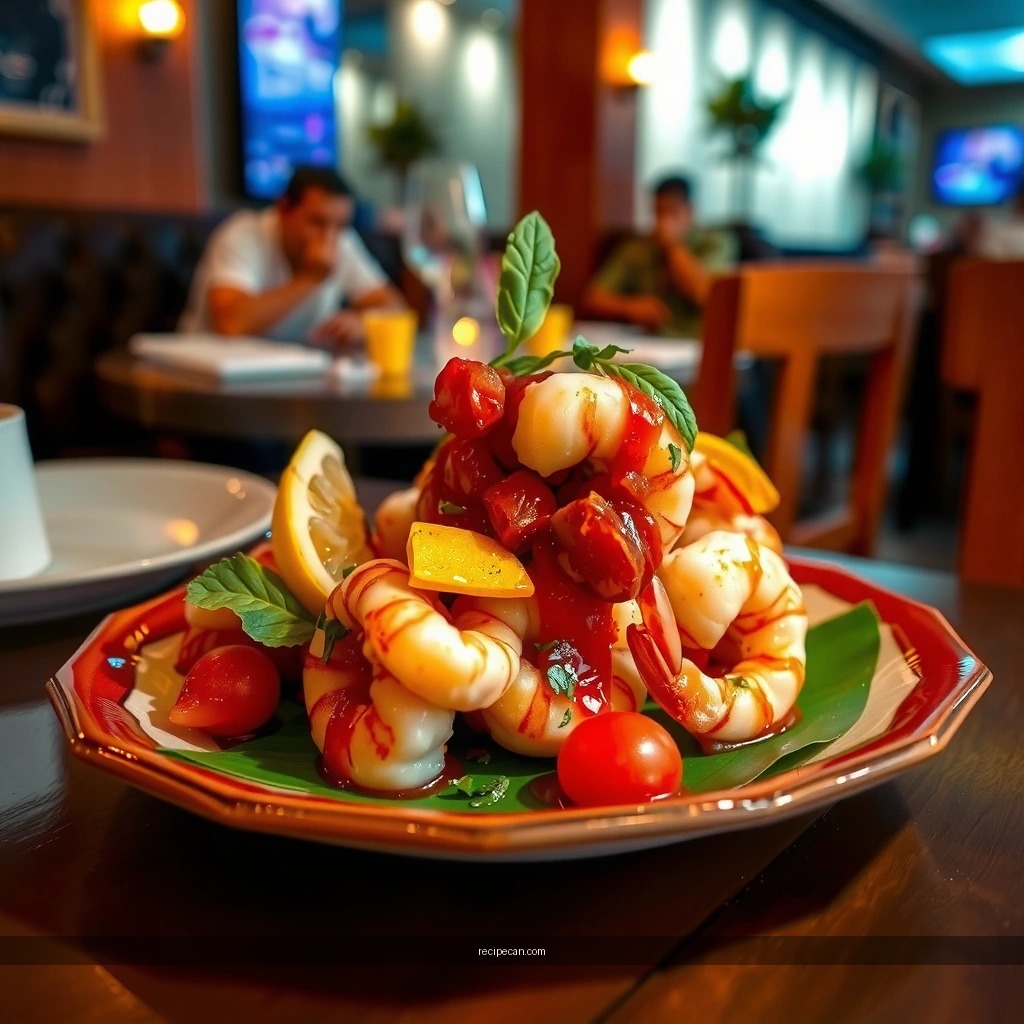
– Fresh shrimp, tomatoes, garlic, basil, and olive oil
– Balsamic vinegar or lemon juice for bright flavor
– Toasting essentials: bread, salt, and black pepper
The ingredient list is deliberately concise because the flavor architecture matters: sweet, juicy tomatoes + aromatic garlic + fresh basil + a bright acid finish + seasoned shrimp seared hot and fast.
For best results (and to avoid watery bruschetta), choose firm, ripe tomatoes—Roma or similar varieties tend to hold their shape and release less excess liquid than very soft, seed-heavy tomatoes. Use fresh basil for a clean herbal top note; dried basil can work in a pinch but won’t replicate the “garden-fresh” profile that makes bruschetta taste like a true appetizer, not just a topping.
Practical ingredient guidance
– Shrimp: Use peeled and deveined shrimp for speed. If frozen, thaw fully in the refrigerator (or under cold running water) and pat dry—dry shrimp sear better, which improves flavor.
– Garlic: Mince for a more integrated taste; grated garlic can burn faster in a hot pan.
– Acid (balsamic or lemon): Balsamic is round and slightly sweet; lemon is sharper and makes flavors “pop.” Either choice works—pick based on the mood you want.
How to Prepare the Bruschetta Topping
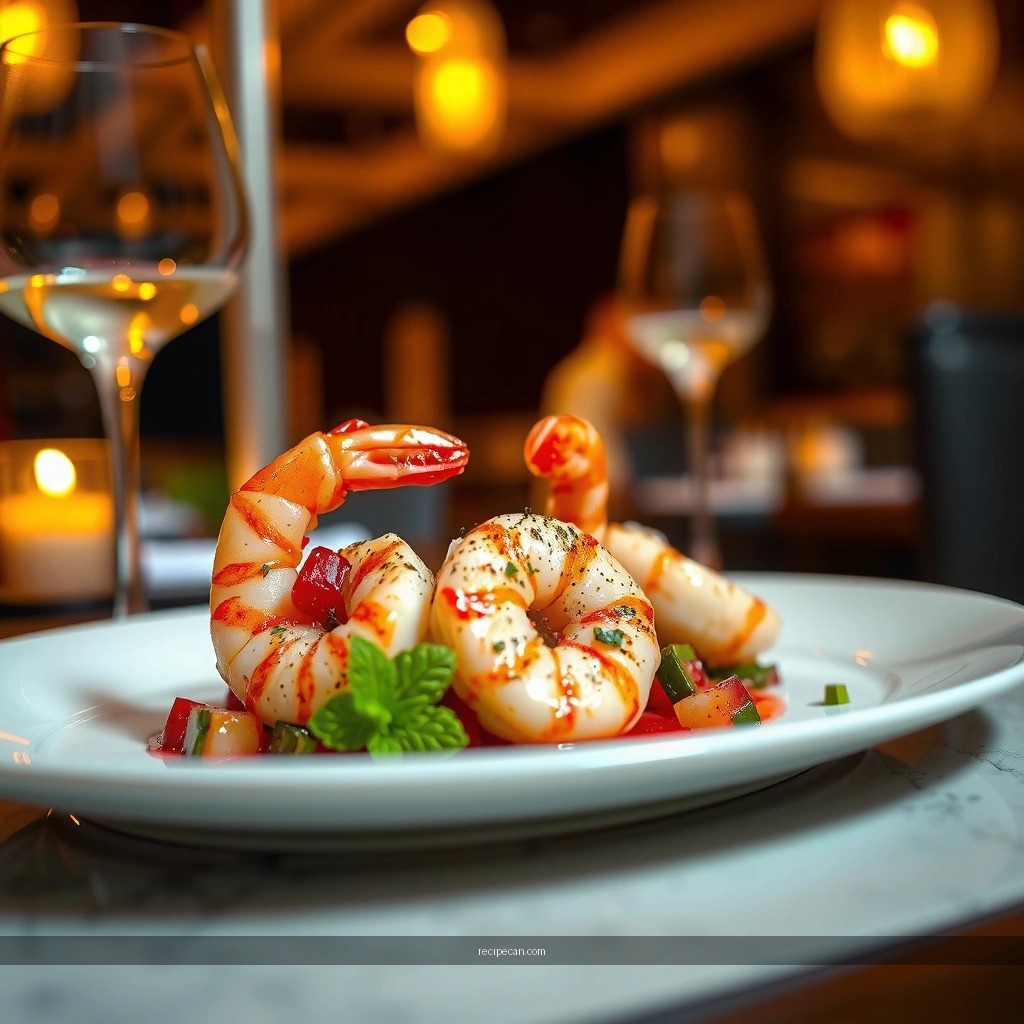
– Dice tomatoes and mince garlic, then combine with basil and seasoning
– Let it sit briefly to meld flavors and release juices
– Taste and adjust acidity with balsamic or lemon
The bruschetta topping is where most people underperform—either they skip the rest time or they don’t calibrate acidity. If you want “restaurant-style” flavor, you need balance and integration, not just a mix of chopped ingredients.
Step-by-step logic
1. Dice tomatoes into small, even pieces so each bite includes tomato, basil, and garlic.
2. Mince garlic finely and stir it in right away. Garlic needs contact time to mellow and blend.
3. Add basil, olive oil, salt, and black pepper. Start conservative with salt if your shrimp seasoning will be salty too.
4. Rest 5–10 minutes. This short rest encourages flavor melding and allows tomato juices to form a light “sauce.”
5. Finish with balsamic or lemon, then taste and adjust. If it tastes flat, you likely need more acid. If it tastes too sharp, add a touch more olive oil or a pinch more salt to soften the bite.
Quick quality check
When done, the topping should look glossy and smell aromatic, with tomatoes that are juicy but not collapsed. If your tomatoes are very wet, let the mixture rest a few minutes longer, then spoon off any excess liquid before assembling on toast.
Cooking the Shrimp (Fast and Flavorful)
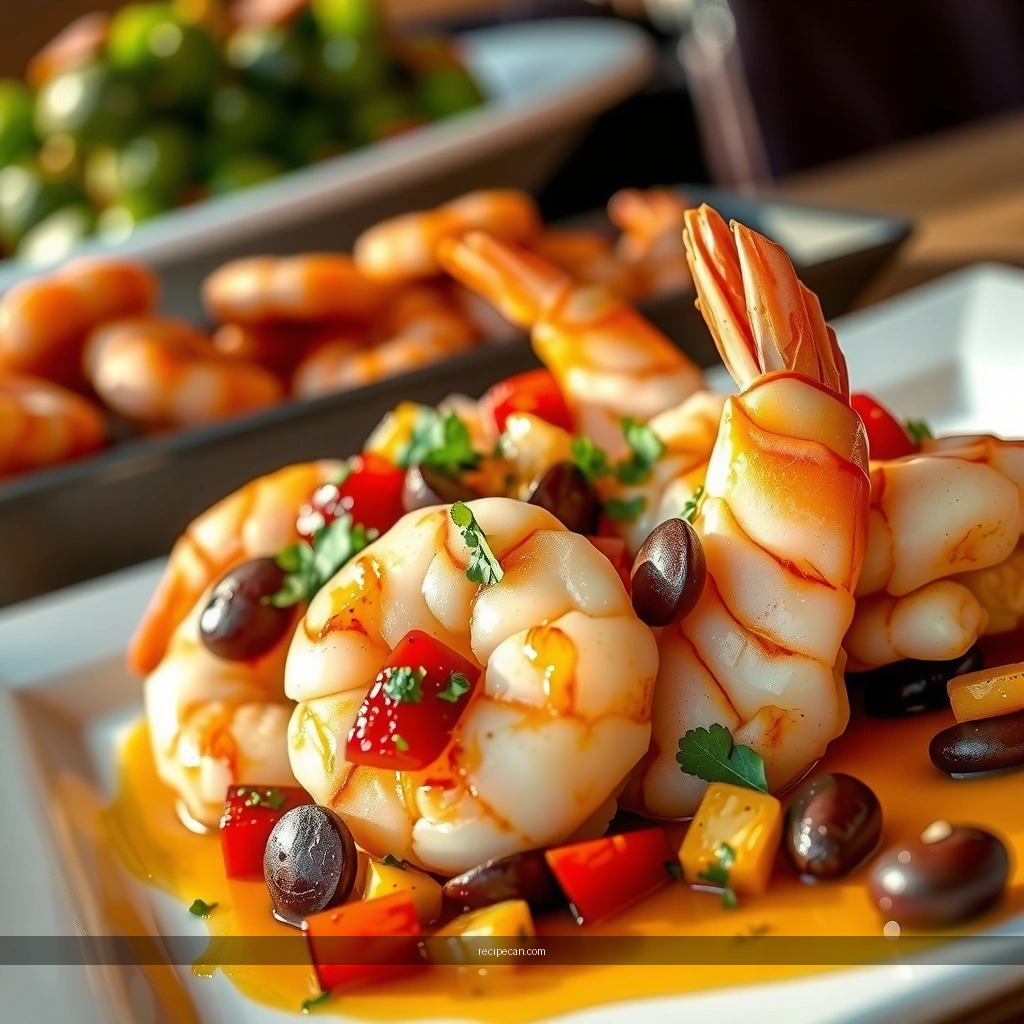
– Sear shrimp in a hot pan until just pink and firm
– Season with salt, pepper, and a little garlic or chili flakes
– Avoid overcooking for tender, juicy bites
Shrimp cooks quickly, which is why this recipe is ideal for weeknights and entertaining. The goal is seared exterior + tender interior, and that means you should treat cooking time as a precision step.
Best method: hot pan, minimal time
– Heat a skillet over medium-high to high heat. Add olive oil and let it shimmer.
– Add shrimp in a single layer. Don’t overcrowd—crowding cools the pan and steams shrimp, which reduces browning and can make texture less appealing.
– Cook until shrimp turn opaque and just pink. Depending on size, this is typically about 30–45 seconds per side, with total time often around 60–90 seconds for peeled, deveined shrimp.
– Season with salt and pepper during the sear. For extra punch, stir in a small amount of minced garlic in the last 15–20 seconds to avoid burning.
Why “just pink” matters
Overcooked shrimp lose moisture, becoming firm and slightly springy—still edible, but no longer “fresh, juicy, and garlicky.” A simple operational rule: remove shrimp from the pan the moment they look done; carryover heat finishes the interior.
If you like heat, add chili flakes after seasoning. Keep it light—the bruschetta topping already brings aromatic intensity.
Assembling Bruschetta Shrimp on Toast
– Toast bread until crisp and slightly golden
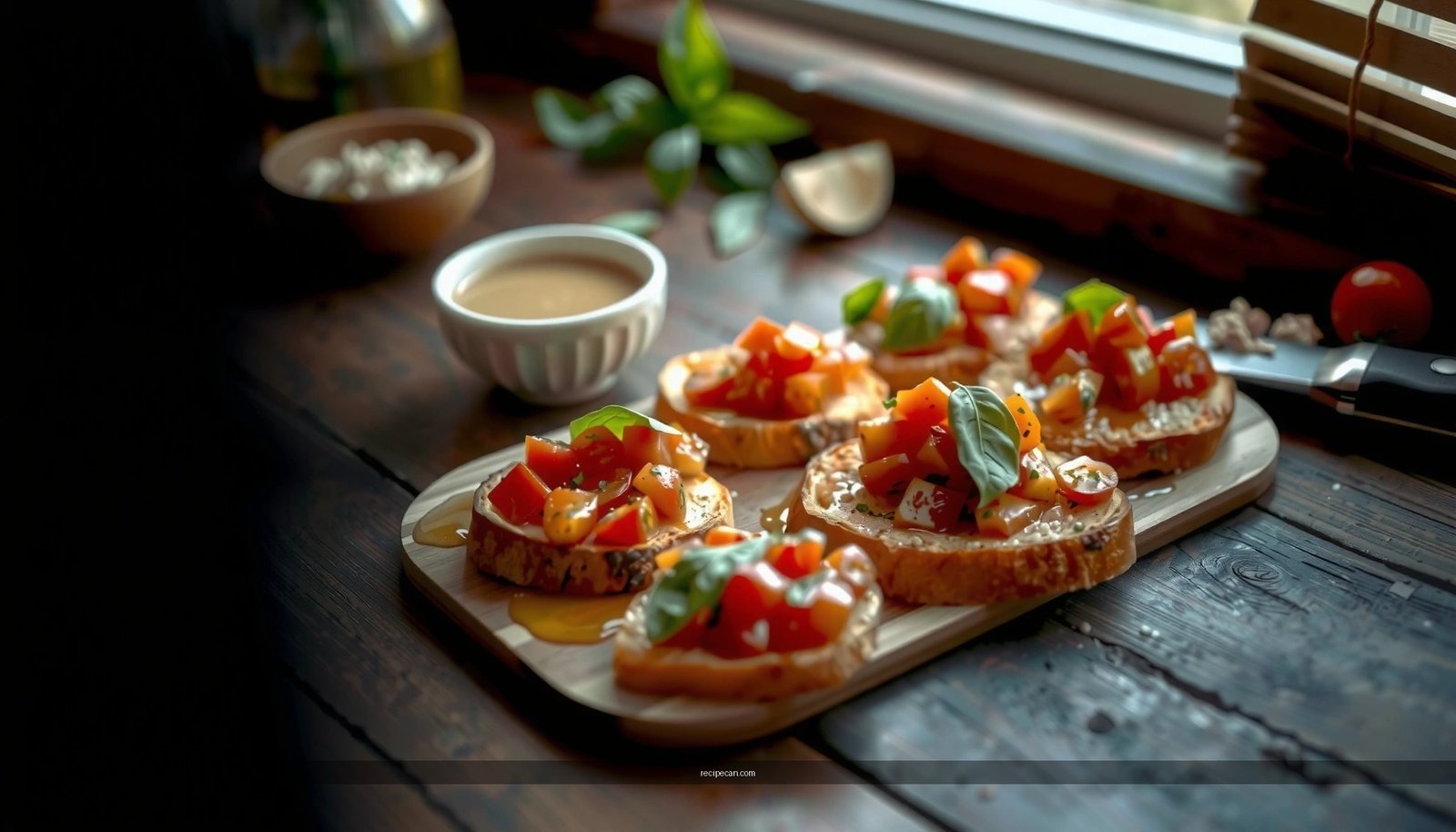
– Spoon bruschetta topping over warm toasted bread
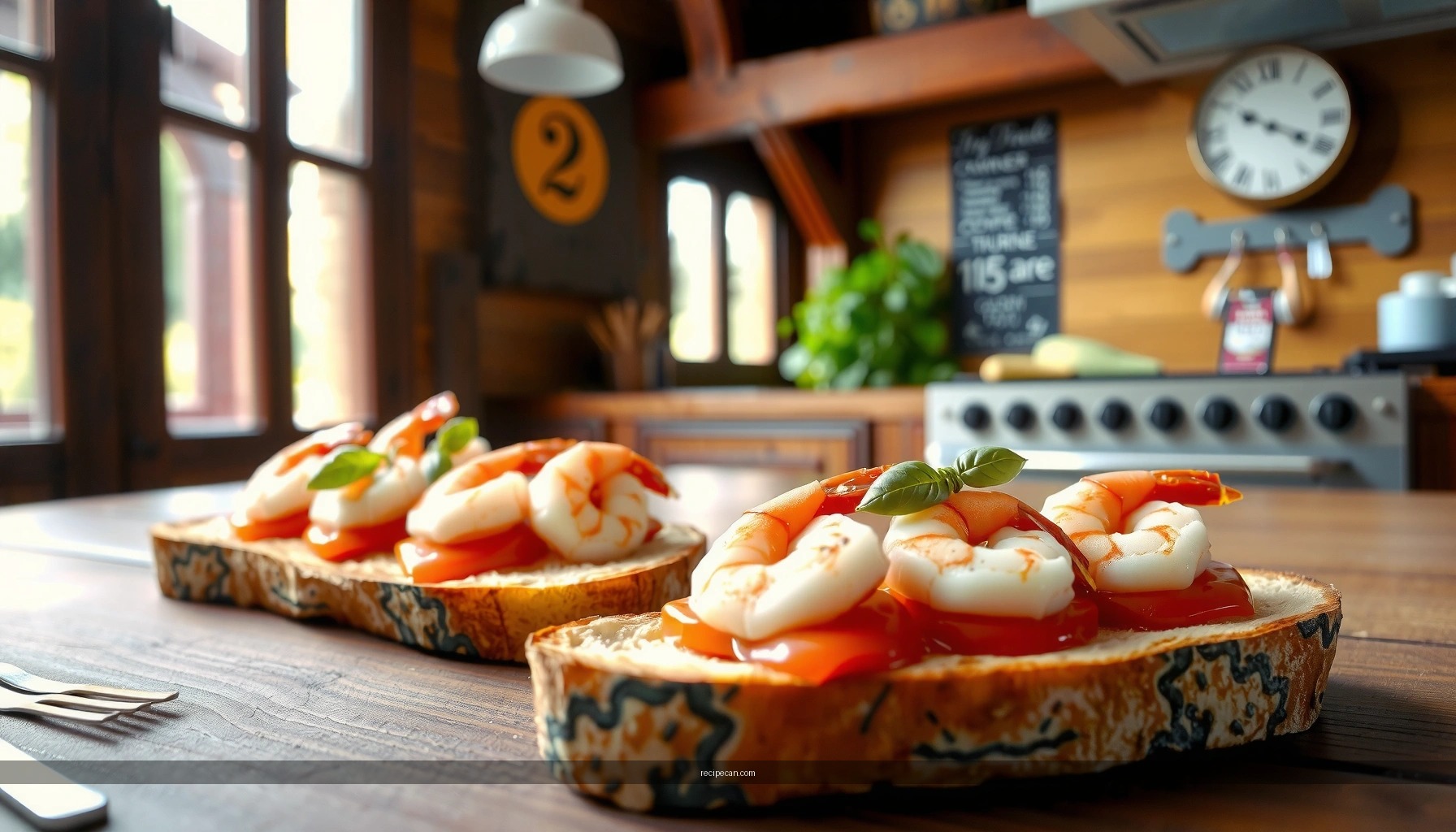
– Top with hot shrimp right before serving for best texture
Assembly is where you protect the experience. This is not just plating—it’s quality control to ensure the toast stays crisp and the shrimp stays hot.
Assembly sequence that works
1. Toast bread until crisp and slightly golden. If using a skillet, toast both sides lightly; if using an oven/broiler, keep an eye on thin slices so they don’t burn while shrimp cooks.
2. Spoon the bruschetta topping over the warm toast. The topping should be abundant but not drowning—too much tomato liquid will soften bread fast.
3. Add hot shrimp immediately right before serving. This timing ensures the shrimp doesn’t cool down and the bread doesn’t sit under moisture.
Portioning for best results
For a crowd, pre-toast bread and hold it warm in a low oven (around 200°F/95°C). Do not fully assemble early. Instead, assemble in batches as shrimp comes off the pan.
Flavor Variations to Try
– Add mozzarella or burrata for a creamy twist
– Stir in olives or capers for a briny Mediterranean flavor
– Use spicy seasoning (like Calabrian chili) for heat
Once you master the classic tomato-garlic basil topping, you can pivot the flavor profile without losing the core identity of bruschetta shrimp: fresh, bright, garlicky, and juicy.
1) Creamy upgrade: mozzarella or burrata
– Sprinkle fresh mozzarella or add torn burrata after topping the toast (or even before shrimp).
– Burrata is especially effective because it turns the bite into a mix of creamy and bright—ideal if you’re serving this as a “lighter comfort” appetizer.
2) Briny Mediterranean: olives and capers
– Fold in chopped olives (kalamata works beautifully) or rinsed capers.
– This adds depth and saltiness that pairs naturally with shrimp and garlic.
3) Heat with control: Calabrian chili or chili oil
– Stir in Calabrian chili paste for savory heat.
– Alternatively, finish with a few drops of chili oil so you control intensity without overwhelming the tomato-basil freshness.
Ingredient pairing principle
Each variation should either:
– Enhance creaminess (mozzarella/burrata),
– Add salt-brine complexity (olives/capers),
– Or provide controlled heat (chili paste/oil),
while still letting tomatoes, basil, and garlic remain the dominant notes.
Serving Tips and Make-Ahead Notes
– Serve immediately to keep bread crisp
– Make topping ahead and cook shrimp just before assembling
– Store leftovers separately and reheat gently
This dish shines when served right away, but you can absolutely plan ahead—especially if you’re hosting.
Best serving workflow (efficient and stress-free)
– Make topping ahead: Dice tomatoes, mince garlic, combine with basil, olive oil, salt, pepper, and let it rest. Add acid (balsamic/lemon) right before serving if possible, or slightly earlier and taste again.
– Cook shrimp just before assembling: Shrimp should go on toast while hot for best texture.
– Toast right before assembly: Even a few minutes too long can soften thinner slices.
Storage and reheating
Leftovers are best handled carefully:
– Store topping and shrimp separately to reduce sogginess.
– Refrigerate in sealed containers for up to 1–2 days.
– Reheat shrimp gently: use a skillet with minimal heat or a short microwave interval. The goal is “warm,” not “re-cook.”
Bread is typically best fresh, so if you anticipate leftovers, consider toasting only what you need for immediate serving.
Food safety note
Shrimp should be cooked promptly after thawing and not left at room temperature for extended periods. Follow standard food handling practices, particularly when entertaining.
Flavor Summary for Busy Decision-Makers
Cook shrimp fast, build a fresh tomato-garlic basil topping, and assemble on toasted bread immediately before serving to maximize flavor and texture. If you follow the timing targets and avoid overcooking, you’ll reliably deliver juicy shrimp and a bright, restaurant-style bruschetta bite.
Summarize: Cook the shrimp fast, build the fresh tomato-garlic topping, and assemble on toasted bread for maximum flavor and texture. Try this bruschetta shrimp recipe tonight—prep the topping, sear the shrimp, and serve immediately for the best results.
Frequently Asked Questions
What is the best bruschetta shrimp recipe for a quick weeknight dinner?
A classic bruschetta shrimp recipe starts with sautéed shrimp in garlic and olive oil, then topping warm toasted baguette slices with a fresh tomato-basil mixture. To keep it fast, use peeled deveined shrimp and prepare the bruschetta topping while the shrimp cooks (about 3–4 minutes). Finish with a drizzle of balsamic glaze or lemon juice for brightness and serve immediately for the best flavor and texture.
How do you keep shrimp from getting rubbery in a bruschetta shrimp recipe?
Rubberiness usually happens when shrimp are overcooked, so cook them just until they turn pink and opaque, typically 2–4 minutes depending on size. Use medium-high heat and avoid overcrowding the pan so the shrimp sear instead of steam. If you’re using garlic, add it briefly near the end to prevent burning, and season with salt at the start or midway for even flavor.
Which tomatoes work best for bruschetta topping on shrimp?
For the best bruschetta topping, use ripe but firm tomatoes such as Roma or vine-ripened varieties to avoid excess liquid. Dice them small, then mix with minced garlic, olive oil, salt, and fresh basil; if your tomatoes are watery, let the mixture drain briefly. This helps the bruschetta topping stay flavorful and prevents soggy toast when you assemble your bruschetta shrimp.
Why do you toast bread before making bruschetta shrimp?
Toasting the bread creates a sturdy base that can hold the tomato mixture and shrimp without turning soggy. Aim for a golden, crisp surface by broiling or pan-toasting the slices, then rubbing them lightly with garlic for extra aroma. Serving the bruschetta shrimp immediately after assembling also keeps the texture crisp and satisfying.
What’s the best way to assemble bruschetta shrimp for serving guests?
Assemble in stages: keep the toasted bread warm, let the bruschetta tomato topping sit at room temperature, and cook the shrimp right before serving. Spoon the tomato mixture onto each toast, top with hot garlic shrimp, and finish with basil and a squeeze of lemon or a drizzle of balsamic. If you’re preparing ahead, toast the bread and mix the topping separately, but wait to add shrimp until the last minute for maximum freshness.
References
- Bruschetta
https://en.wikipedia.org/wiki/Bruschetta - Shrimp
https://en.wikipedia.org/wiki/Shrimp - Crostini
https://en.wikipedia.org/wiki/Crostini - Seafood
https://en.wikipedia.org/wiki/Seafood - Google Scholar Google Scholar
https://scholar.google.com/scholar?q=bruschetta+shrimp+recipe - Google Scholar Google Scholar
https://scholar.google.com/scholar?q=shrimp+bruschetta+garlic+olive+oil+tomato+recipe - Google Scholar Google Scholar
https://scholar.google.com/scholar?q=prawn+bruschetta+recipe+approach+broiled+saut%C3%A9d - https://www.fda.gov/food/consumers/seafood-safety
https://www.fda.gov/food/consumers/seafood-safety - https://www.fsis.usda.gov/food-safety/safe-food-handling-and-preparation/seafood-safety
https://www.fsis.usda.gov/food-safety/safe-food-handling-and-preparation/seafood-safety - Food safety
https://www.who.int/news-room/fact-sheets/detail/food-safety