Get the bruschetta balsamic glaze recipe that turns dull toast into sweet, tangy perfection—fast. This simple reduction method delivers a glossy, syrupy glaze with the right balance of sweetness and acidity every time. Want to know if it’s worth the effort or how to do it without guesswork? Read on for the exact steps and timing.
Make bruschetta balsamic glaze by simmering balsamic vinegar until it reduces into a glossy syrup, then adjusting sweetness and seasoning to taste. In this recipe, you’ll get an exact cook time, clear guidance for achieving the perfect thickness, and practical ways to drizzle it over bruschetta for maximum flavor impact.
A balsamic glaze is essentially reduced balsamic vinegar: the water evaporates, the acids concentrate, and the remaining sugars create natural body and sheen. When done right, it delivers a restaurant-style finish—tangy at the start, gently sweet on the finish, and cohesive enough to cling to toasted bread and toppings. When done poorly (usually from high heat or over-reduction), it turns harsh, bitter, or overly sticky. The goal is to reduce slowly, monitor texture, and make small adjustments off heat so your glaze behaves predictably every time.
—
What You Need (Ingredients)
To make a dependable bruschetta balsamic glaze, focus on balance: acidity from balsamic vinegar, sweetness for palatability, and minimal seasonings to enhance—never overpower—the tomatoes, basil, and cheese you’ll pair it with.
– Balsamic vinegar as the main base
Use good-quality balsamic vinegar for the best flavor depth. Traditional-style balsamics are naturally more complex, while everyday balsamics are still workable—just expect a simpler profile.
– Optional sweetener (honey or brown sugar) for balance
Reduction intensifies both tang and sweetness potential, but not every balsamic is equally mellow. Honey adds a smooth floral note; brown sugar deepens caramel-like flavor.
– Seasonings (like garlic or a pinch of salt) to enhance flavor
A pinch of salt can reduce perceived sharpness. Garlic (fresh, minced, or lightly infused) can add savory dimension that harmonizes with classic bruschetta toppings.
Quick ingredient ratios (for consistent results)
– Base: 1 cup balsamic vinegar (yields roughly 1/3 to 1/2 cup glaze, depending on reduction)
– Sweetener (if needed): start with 1–2 teaspoons honey or brown sugar per cup, then adjust
– Salt (optional): a small pinch after reduction
—
Typical Balsamic Reduction Targets for a Spoon-Coating Glaze
| # | Starting Amount | Cook Time (Low Heat) | Reduction Goal | Glaze Finish |
|---|---|---|---|---|
| 1 | 1/2 cup (120 ml) | 10–14 min | Reduce ~35–45% | Light syrup |
| 2 | 3/4 cup (180 ml) | 14–18 min | Reduce ~40–55% | Classic drizzle |
| 3 | 1 cup (240 ml) | 18–24 min | Reduce ~45–60% | Spoon-coating glaze |
| 4 | 1 1/2 cups (360 ml) | 28–38 min | Reduce ~45–62% | Thick drizzle |
| 5 | 2 cups (480 ml) | 40–55 min | Reduce ~50–65% | Syrupy spoon trail |
| 6 | 1 cup + 1 tsp honey | Add after reduction | No extra reduction | Smoother finish |
| 7 | 1 cup (reduced longer) | 25–30 min | Reduce >65% | Risk of bitterness |
—
How to Make Bruschetta Balsamic Glaze (Step-by-Step)
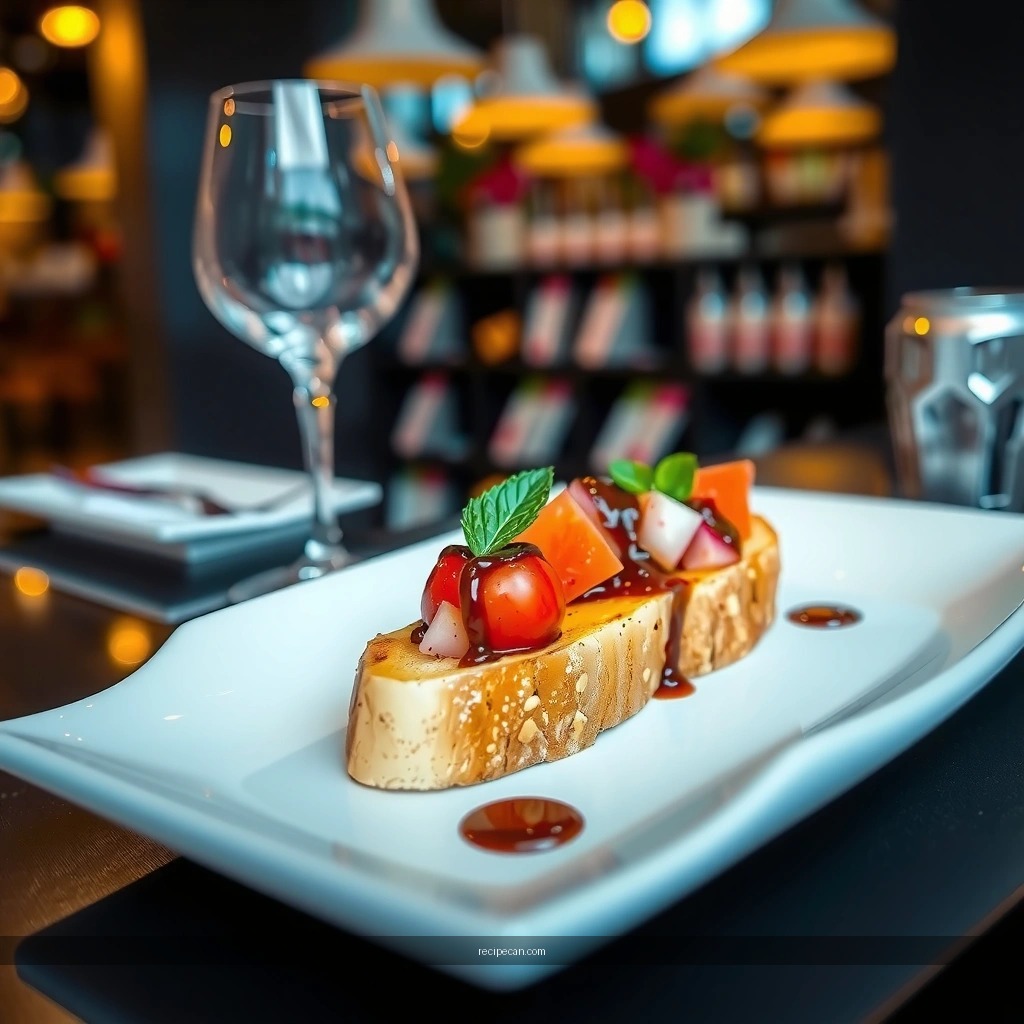
This method is built for control: low heat, frequent checks, and adjustments once the glaze has reached its intended concentration.
– Simmer balsamic vinegar on low heat until reduced and glossy
Pour balsamic vinegar into a small saucepan (wider pans reduce faster and more evenly). Bring it to a gentle simmer, then immediately reduce to low. You’re aiming for slow evaporation—not active bubbling.
– Stir occasionally and watch for thick, ribbon-like consistency
Stir every 1–2 minutes to prevent scorching on the bottom. As it reduces, the liquid will move more slowly. That’s your cue that reduction is progressing correctly.
– Add optional sweetener and seasonings off heat if desired
Take the pan off the heat when you reach the target texture. Add honey or brown sugar in small increments, tasting after each addition. If you’re using garlic, prefer infusing briefly off heat (rather than boiling it hard), or use a tiny amount of garlic powder to avoid bitterness.
Recommended cook time (practical baseline)
For 1 cup (240 ml) balsamic vinegar at low heat, plan for 18–24 minutes. If your glaze still looks thin, continue in 2–3 minute increments. If you overshoot, you can often rescue it by thinning (see the next section).
—
Get the Perfect Consistency
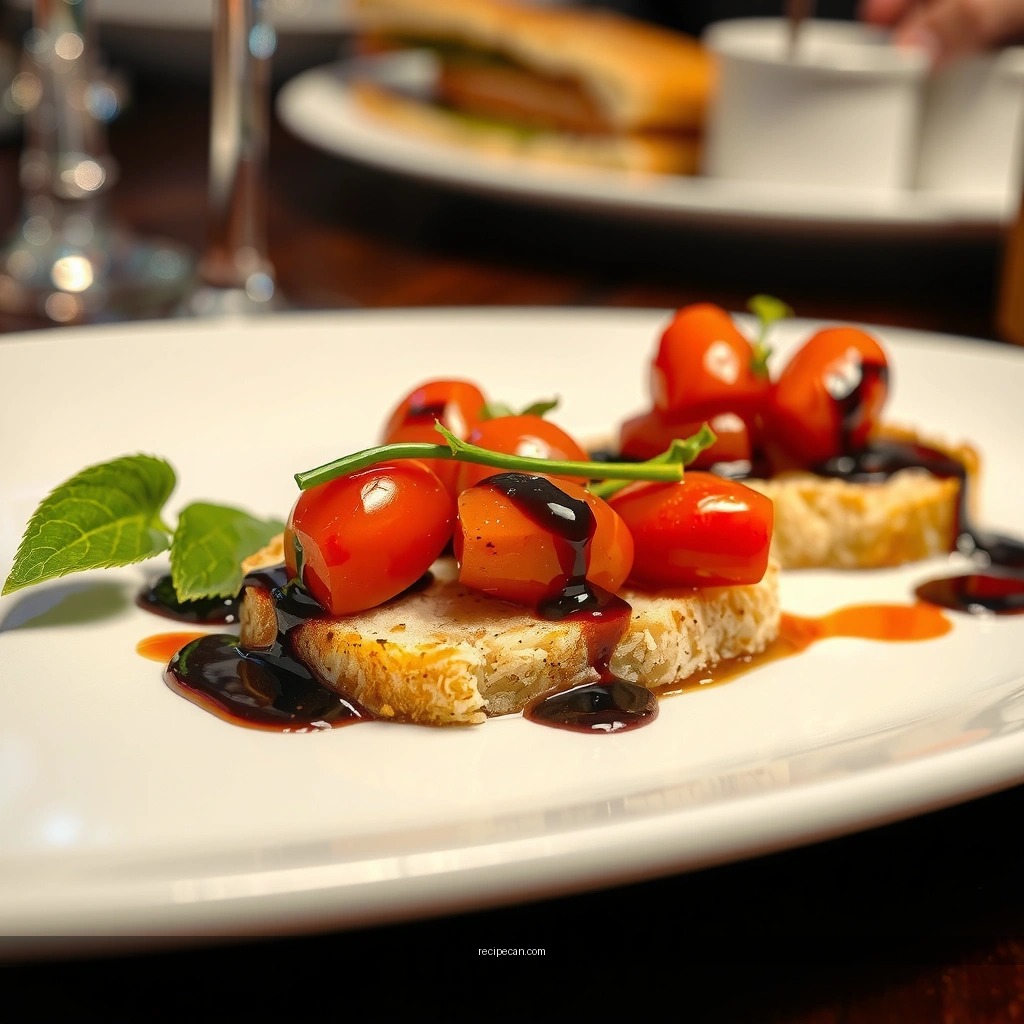
The best way to judge glaze thickness is by texture, not by the clock. Reduction can vary based on the vinegar’s starting sugar content, saucepan size, and how aggressively it simmers.
– Reduce until it coats the back of a spoon
Dip a spoon into the glaze, then run your finger across the back of the spoon. The glaze should leave a clear path that slowly reconnects. If it runs instantly like water, it needs more time. If it looks like syrup that clings heavily, you’re near the finish line.
– Keep heat low to avoid bitterness and over-reduction
High heat accelerates reduction but also increases the chance of scorching. Once balsamic is over-reduced, bitterness can become noticeable even after thinning.
– If it gets too thick, thin with a splash of vinegar or water
Stir in 1 teaspoon at a time. Use vinegar for tangy correction; use water if you need neutral thinning. Recheck spoon-coating after 30–60 seconds of gentle mixing.
Texture checkpoints you can use immediately
– Early stage: looks shiny but still watery; bubbles disappear quickly.
– Mid stage: thicker swirl forms; edges coat the pan.
– Finish stage: ribbon effect; spoon coats evenly; glaze holds a trail.
—
Best Ways to Use It on Bruschetta
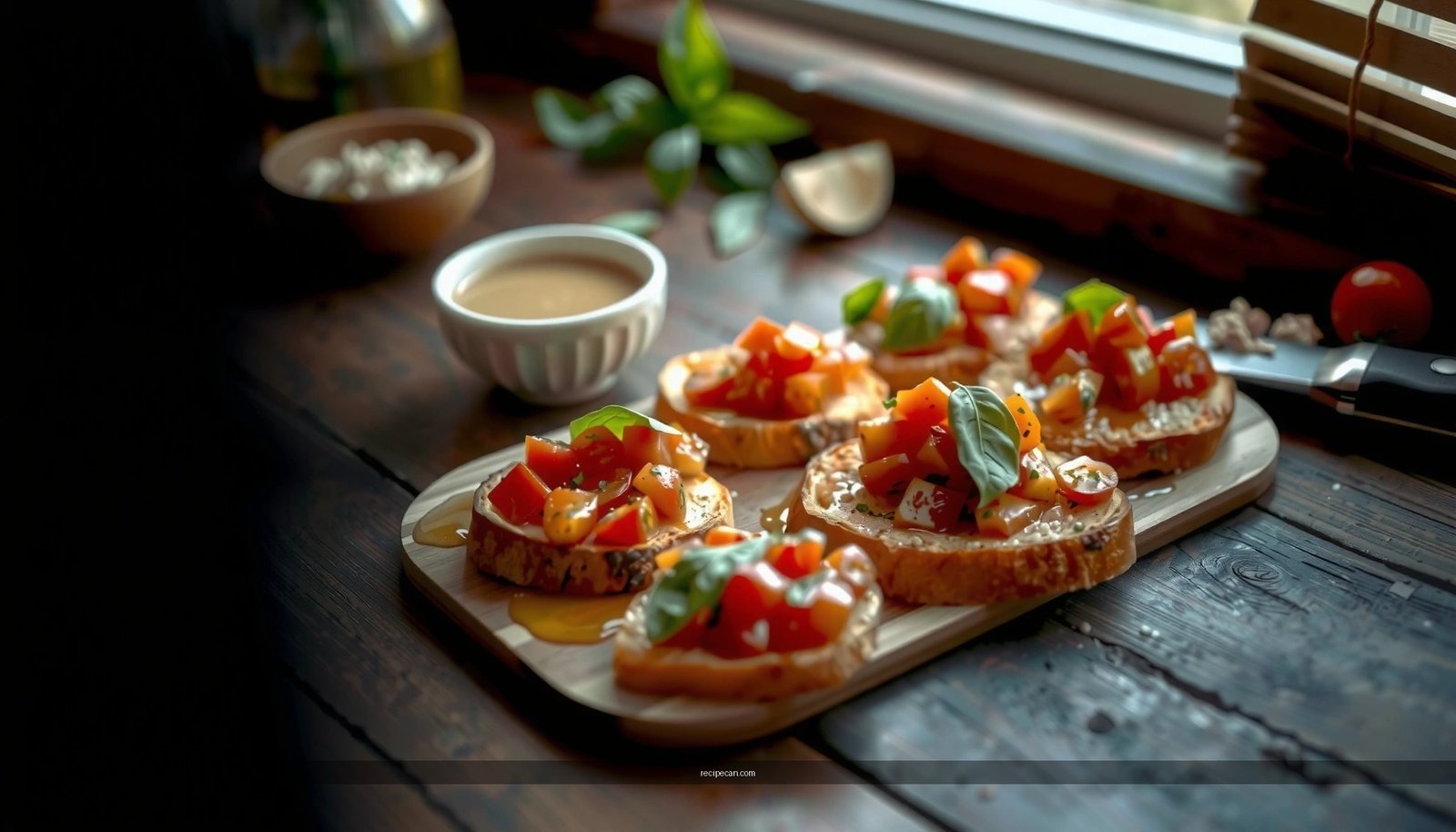
A great balsamic glaze does more than “add flavor.” It improves cohesion: it binds tomatoes, basil, and cheese into one unified bite and makes the bread taste more intentionally seasoned.
– Drizzle over toasted bread right before serving
Timing matters. Toasted bread can absorb glaze and soften. Add balsamic glaze at the final moment to preserve crunch and prevent sogginess during the first bite.
– Pair with tomatoes, basil, mozzarella, or roasted vegetables
The tangy sweetness complements:
– Tomatoes: bright acidity balances sweetness and olive oil richness.
– Basil: fragrant herbal notes carry the glaze’s aromatics.
– Mozzarella: creamy dairy smooths the vinegar’s sharpness.
– Roasted vegetables: caramelized flavors match the glaze’s reduced syrup character.
– Add a final swirl for presentation and extra tang
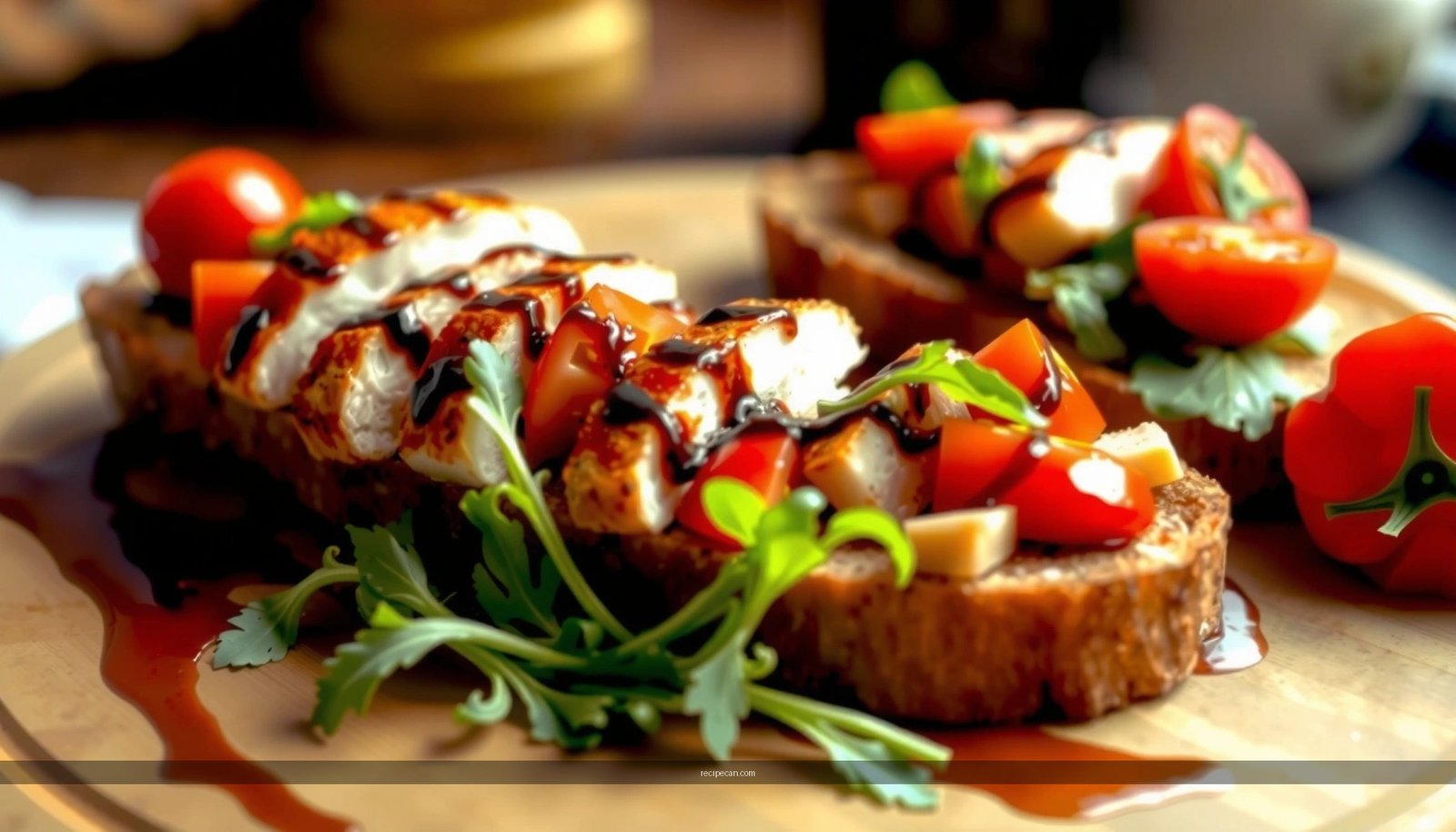
After topping your bruschetta, finish with a thin, controlled drizzle. For a “premium” look, use the back of a spoon to create a subtle swirl—especially on evenly sliced tomatoes.
Application strategy (so it tastes consistent)
If you’re serving a crowd, portion the glaze into a small squeeze bottle or use a spoon for controlled drizzles. This prevents uneven sweetness across the tray.
—
Flavor Variations to Try
Balsamic glaze is extremely customizable, but the best variations preserve the core sweetness–tang balance and avoid overpowering the bruschetta toppings.
– Add garlic, herbs, or pepper for a savory twist
Off heat, stir in finely grated garlic (very small amount) or a pinch of black pepper. Dried herbs like oregano or thyme work well, but start light—balsamic is aromatic and can make herbs taste stronger.
– Use fig or flavored balsamic for deeper sweetness
Fig balsamic is naturally fruit-forward and creates a glaze that feels rounder and dessert-like—particularly good for bruschetta with goat cheese.
– Try a honey-balsamic version for a smoother finish
For the smoothest flavor, add honey after reduction. Honey softens acidity without making the glaze cloying, which is ideal if your tomatoes are less sweet.
Business-friendly pairing ideas (quick reference)
– Fig + goat cheese + arugula: sweeter glaze, peppery greens.
– Classic balsamic + mozzarella + basil: balanced, universally crowd-pleasing.
– Garlic + pepper + roasted peppers: savory-forward for more complex appetizers.
—
Storage and Make-Ahead Tips
Glaze is one of the most time-efficient components of a bruschetta spread—make it ahead and you’ll reduce day-of prep stress.
– Cool fully, then store in a sealed jar in the fridge
Transfer to a clean jar and let it cool completely. Once chilled, it may thicken further, which is normal.
– Reheat gently or drizzle cold depending on your preference
– Reheating: warm in short bursts (15–20 seconds in the microwave or low heat on the stove), stirring until fluid.
– Cold use: for a thicker, more dramatic drizzle, use it straight from the fridge.
– Use within about 1–2 weeks for best flavor
Keep it refrigerated and ensure the jar stays clean to reduce spoilage risk. The glaze remains usable beyond that in some cases, but 1–2 weeks preserves peak aroma and taste.
Scaling tip
If you’re planning for a party, make a batch of 1 1/2 cups balsamic vinegar. It’s enough for a tray of bruschetta with confident drizzling while still manageable in storage.
—
Bruschetta balsamic glaze is quick: simmer balsamic vinegar until reduced and glossy, then adjust sweetness and seasoning only when you reach the spoon-coating texture. Keep heat low to protect flavor, use the drizzle at the last moment to maintain toast crunch, and try one variation—garlic-herb or honey-balsamic—to tailor the glaze to your toppings. Make a batch ahead so every bruschetta night feels fast, consistent, and restaurant-worthy.
Frequently Asked Questions
What is a bruschetta balsamic glaze, and what does it taste like?
A bruschetta balsamic glaze is a thick, sweet-tangy reduction made from balsamic vinegar, often cooked until it coats a spoon. It adds a glossy finish and a concentrated flavor that complements tomatoes, basil, garlic, and olive oil. The taste is typically slightly sweet with a deep, tangy acidity, making it ideal for bruschetta and other appetizers.
How do you make a balsamic glaze for bruschetta without it turning too thick or burnt?
Start with balsamic vinegar in a small saucepan and simmer on low heat, stirring occasionally to prevent scorching. Keep the reduction gentle and watch closely—glaze thickens quickly as it cools. If you want a less sticky consistency, remove it when it lightly coats the back of a spoon and let it cool to reach the final thickness.
Why should you use balsamic glaze instead of plain balsamic vinegar on bruschetta?
Plain balsamic vinegar is thin and can pool on bread, making bruschetta soggy and less flavorful per bite. A balsamic glaze for bruschetta is reduced, so it clings to toasted bread and toppings, enhancing sweetness and balancing acidity. That concentrated coating also improves presentation with a restaurant-style drizzle.
Which balsamic vinegar is best for a bruschetta balsamic glaze recipe—cheap or aged?
For the best bruschetta balsamic glaze, choose a balsamic vinegar you enjoy drinking or tasting on food, since reduction intensifies flavor. Aged balsamic (often labeled “aged” rather than “traditional” in some markets) tends to be smoother and more complex, which can reduce the need for extra sweeteners. However, even a good-quality commercial balsamic can work well if you simmer and taste until it reaches your preferred thickness.
What is the best way to drizzle balsamic glaze on bruschetta so it doesn’t make the bread soggy?
Toast the bread until crisp, then assemble bruschetta just before serving so the toppings don’t steam the crust. Drizzle the balsamic glaze balsamico at the end, in thin ribbons, allowing it to soak slightly without flooding. If you’re holding the toppings, keep glaze separate until the last minute for the best texture and flavor.
References
- Google Scholar Google Scholar
https://scholar.google.com/scholar?q=bruschetta+balsamic+glaze+recipe - Google Scholar Google Scholar
https://scholar.google.com/scholar?q=balsamic+glaze+vinegar+reduction - Google Scholar Google Scholar
https://scholar.google.com/scholar?q=bruschetta+recipe+balsamic+vinegar+reduction - Bruschetta
https://en.wikipedia.org/wiki/Bruschetta - Balsamic vinegar
https://en.wikipedia.org/wiki/Balsamic_vinegar - https://en.wikipedia.org/wiki/Reduction_(cookery
https://en.wikipedia.org/wiki/Reduction_(cookery - https://en.wikipedia.org/wiki/Glaze_(cooking
https://en.wikipedia.org/wiki/Glaze_(cooking - Traditional balsamic vinegar
https://en.wikipedia.org/wiki/Aceto_balsamico_tradizionale - https://www.britannica.com/topic/balsamic-vinegar
https://www.britannica.com/topic/balsamic-vinegar - https://www.britannica.com/topic/bruschetta
https://www.britannica.com/topic/bruschetta