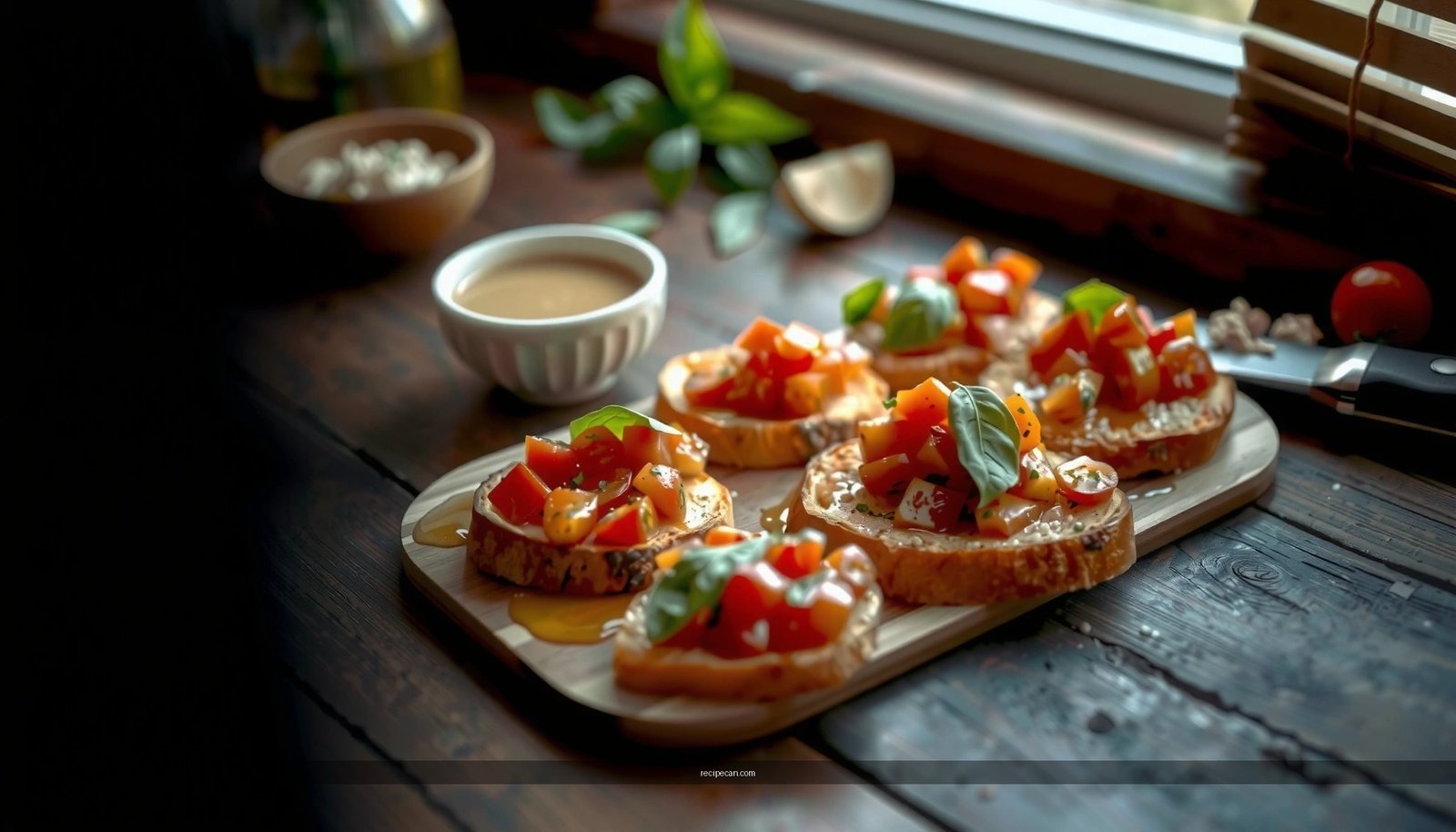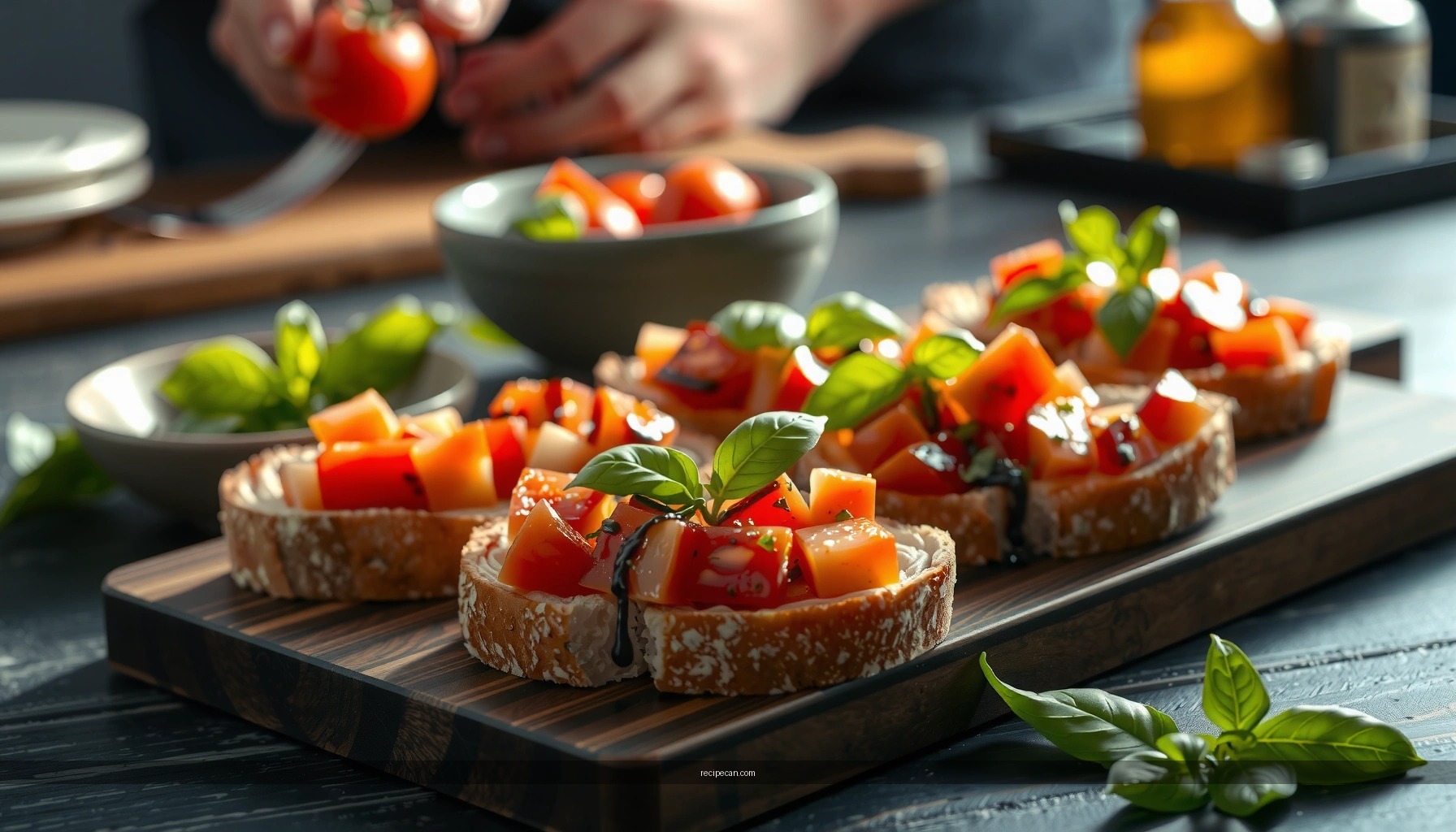
Get the authentic bruschetta Italian recipe that actually tastes like Italy: crusty bread, bright tomatoes, and just enough garlic and olive oil to let the ingredients lead. This guide delivers the simple, classic method with an exact flavor balance—so you’ll know the right topping proportions and timing for the best bite, every time. If your goal is a straightforward bruschetta that’s flavorful without gimmicks, this is the version that wins.
You can make an authentic bruschetta Italian recipe by toasting crusty bread until golden and crisp, then topping it with fresh tomatoes, garlic, extra-virgin olive oil, and basil—kept deliberately simple so the flavors stay bold and “true-to-Italy.” This guide breaks down the classic ingredients and the best step-by-step method to achieve the vibrant, well-balanced taste that defines authentic bruschetta.
Choose the Right Bread

The bread you start with is not a minor detail—it’s the structural foundation of great bruschetta. In Italy, bruschetta is built on bread with enough body to hold a tomato topping without collapsing, while still absorbing olive oil and tomato juices in a controlled way.
What to look for:
– Rustic, crusty Italian bread such as ciabatta, country-style loaves, or a rustic bâtard. These breads have a firm crust and an airy interior that crisps well.
– Thick slices (roughly 1–1.5 cm / ½–⅔ inch). Thin slices toast too quickly and can go hard or burn before the topping flavors come through.
– Texture matters more than flavoring. Avoid breads that are heavily sweetened, stuffed with seeds, or pre-sliced with soft, sandwich-like crumb.
Practical toast guidance:
– Toast on a hot pan or grill until the surface is deep golden with toasted edges.
– Aim for crisp + aromatic, not “dry cracker.” If your bread snaps instead of flexes slightly, it’s over-toasted.
From a quality-control standpoint, think like an Italian chef: bruschetta should be a balance of crunch (bread), juiciness (tomatoes), and aroma (garlic + basil + olive oil)—bread selection directly controls the first element.
Fresh Tomato Topping (The Heart of Bruschetta)
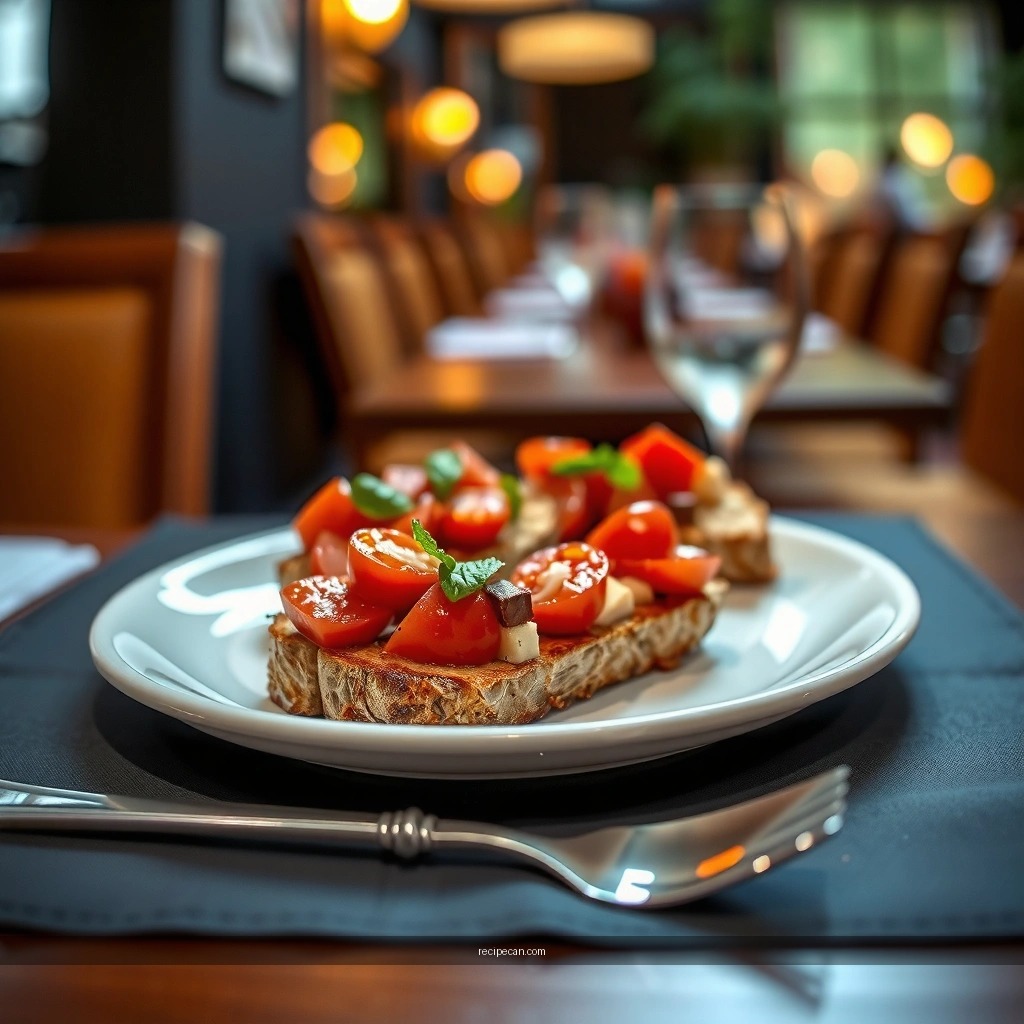
The tomato topping is where bruschetta earns its reputation: it should taste fresh, bright, and alive—not stew-like or watery. The key is to dice properly, manage liquid, and season thoughtfully.
Build the topping:
– Dice tomatoes finely (small, even pieces distribute flavor in every bite).
– If your tomatoes are very juicy (common in warm climates), drain excess liquid or gently blot after dicing. This prevents sogginess and keeps the topping tasting concentrated.
– Season with:
– Salt (enhances sweetness and draws out natural tomato flavor)
– Extra-virgin olive oil (for aroma and silkiness)
– A touch of vinegar (optional)—often used when tomatoes lack brightness. A small amount helps “lift” the flavor without turning the mixture tangy.
Add basil at the right time:
– Fresh basil should be chopped and mixed in right before serving.
– If basil sits too long in oil and tomato juice, it can darken and lose some of its fresh, peppery fragrance.
Timing strategy (important for texture):
– Ideally, prepare the tomato mixture shortly before assembling.
– If you must hold it longer, keep basil separate and fold it in at the end.
In professional kitchens, tomato preparation is essentially “mise en place,” but for bruschetta it also functions as a texture management process. Crisp bread + fresh topping only works if you prevent liquid overload.
To help you judge ingredient choices quickly, here’s a practical reference for what makes the “best” bruschetta tomatoes and what to expect in the final bite.
Tomato Choice vs. Bruschetta Bite Quality (Typical Results)
| # | Tomato Type | Water Content | Flavor Intensity | Best Use for Bruschetta | Bite Quality Score |
|---|---|---|---|---|---|
| 1 | Roma / Plum | Low–Med | High | Best for low-soggy toppings | ★★★★☆ |
| 2 | Heirloom (meaty) | Med | Very High | Flavor-forward, slice + season | ★★★★★ |
| 3 | Slicing tomatoes (classic round) | Med–High | Med–High | Great if you drain excess | ★★★☆☆ |
| 4 | Cherry tomatoes | Low | Med | Good for quick prep, fine chop | ★★★★☆ |
| 5 | Overripe tomatoes | High | Low–Med | Not ideal—can turn soupy | ★☆☆☆☆ |
| 6 | Cold-stored tomatoes | Med | Lower | Revive with vinegar + oil | ★★☆☆☆ |
| 7 | Garden tomatoes (fresh peak) | Low–Med | Very High | Authentic flavor with minimal seasoning | ★★★★★ |
Garlic-Toasted Base (Traditional Flavor)
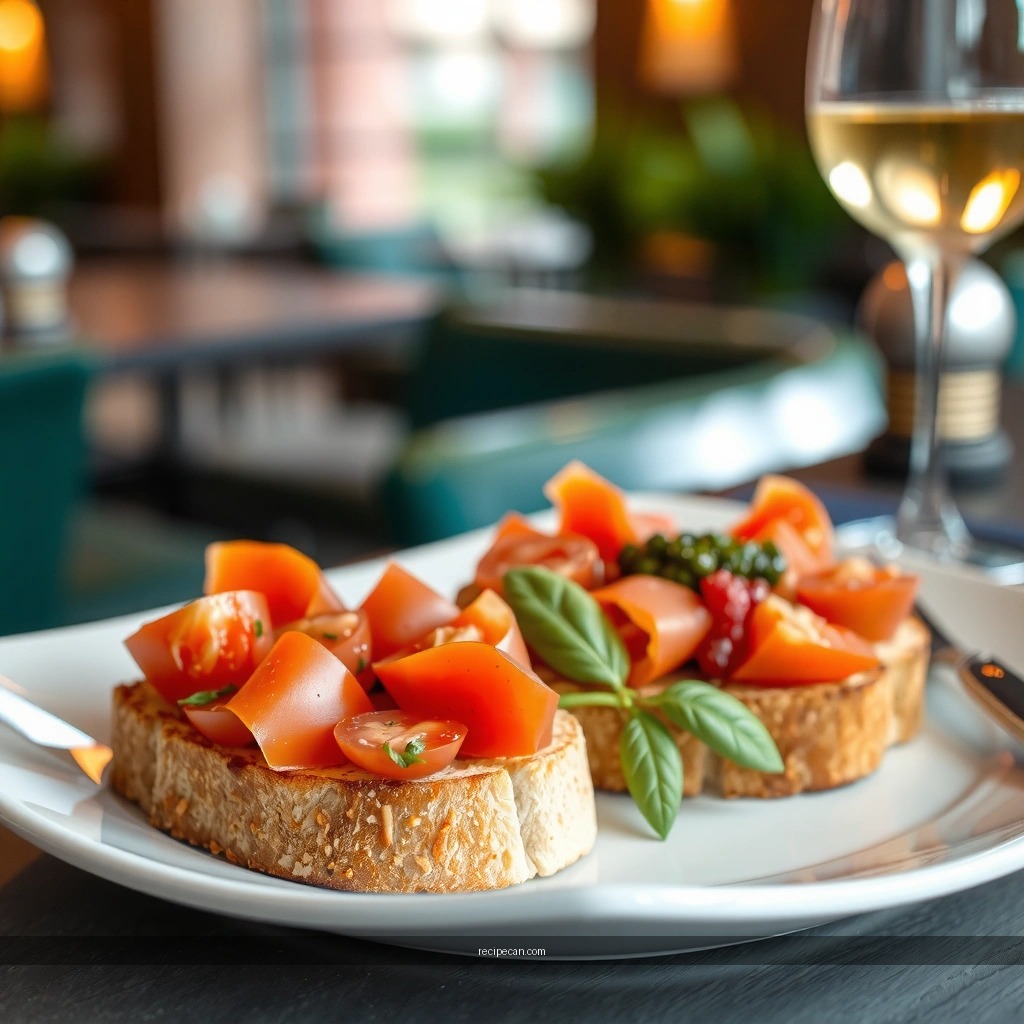
Garlic is the fragrance engine of classic bruschetta. You want the aroma of garlic absorbed into the toast—not raw garlic flavor biting through.
How to do the garlic correctly:
– Toast the bread first, then rub the warm surface with a cut garlic clove.
– Use a light hand: a few passes are usually enough for a fragrant, integrated result.
– If you like a stronger taste, rub more often rather than piling on garlic. Classic bruschetta is about balance.
Temperature control matters:
– Garlic should be rubbed onto warm toast, which helps release aroma without making the garlic taste harsh.
– Keep the toast warm while preparing toppings so the bread stays crisp.
Common mistake:
Skipping the rub and mixing garlic into tomatoes can dilute the garlic effect and make the topping taste “garlicky” rather than “garlic-aired.” The traditional approach keeps the garlic as a direct top-note.
Classic Seasoning & Olive Oil
Authentic bruschetta Italian recipe flavor depends heavily on seasoning discipline. The goal is to highlight tomato sweetness, not mask it.
Extra-virgin olive oil (EVOO)
– Choose extra-virgin olive oil—it brings fruitiness and peppery complexity that regular olive oil lacks.
– Add olive oil to the tomatoes and also finish the assembled bruschetta with a small additional drizzle if you want a more restaurant-style shine.
Black pepper
– Freshly cracked black pepper sharpens the flavor and adds depth against tomato sweetness.
– Keep it moderate; too much pepper can overpower basil.
Balance acidity and sweetness
– If tomatoes taste flat, add a small amount of vinegar (optional) or a tiny extra pinch of salt.
– If tomatoes taste overly acidic, a touch more olive oil and basil can soften the perceived sharpness.
A useful professional mindset is to treat seasoning like calibration: make small adjustments, taste, and then proceed. Bruschetta is not about “adding more”—it’s about getting the proportions right.
Assemble Like a Traditional Italian
Assembly is where many home cooks lose the authenticity: toppings go on too early, moisture wins, and the toast softens before serving. Traditional bruschetta is assembled at the last responsible moment to preserve texture.
Best practice assembly flow:
1. Toast bread until crisp.
2. Rub with garlic while bread is warm.
3. Spoon tomato topping evenly.
4. Finish with basil and (optionally) a final drizzle of olive oil.
– Top right before serving.
– If the tomato mixture has extra liquid, spoon tomatoes with minimal surrounding juice.
Serve temperature
– Serve at room temperature or slightly warm—this supports the contrast between crisp toast and chilled-fresh tomato brightness.
Portioning discipline
– Use consistent spoonfuls so each bite gets the right ratio of tomato to bread.
– Finish with basil on top rather than fully mixing it into the tomatoes if you’re serving a crowd.
This is also a service strategy: in Italy, bruschetta is often served quickly because freshness is the product. For events or business catering, that means you should stage components separately and assemble in batches.
Optional Variations Without Losing Authenticity
While classic tomato-and-basil bruschetta is the baseline, there are ways to introduce variation without breaking the Italian identity.
Chili flakes
– A pinch of chili flakes adds gentle heat and enhances perceived flavor complexity.
– Keep it subtle: the tomato should still be the lead ingredient.
Modern additions (use sparingly)
– Stracciatella or mozzarella can be used for a creamy, modern twist.
– If you add cheese, do it thoughtfully:
– Use a small amount so the toast still feels crisp.
– Place cheese in a way that complements—not replaces—the tomato texture.
Why minimal changes matter
Bruschetta is defined by restraint. When you keep variations small, you preserve the classic flavor architecture: bread + garlic aroma + tomato freshness + EVOO + basil.
You’ll get the most authentic result by focusing on great ingredients, properly toasted bread, and a fresh tomato topping assembled right before serving. Follow these steps, taste as you go, and serve immediately—then try your favorite tiny variation for a new but still Italian flavor.
In summary, authentic bruschetta comes down to three execution pillars: (1) crisp rustic bread, (2) carefully prepared fresh tomato topping with balanced seasoning, and (3) traditional garlic and olive oil used for aroma and integration rather than heavy-handed flavoring. If you respect the timing—especially assembling right before serving—you’ll reliably produce bruschetta that tastes classic, vibrant, and genuinely “Italian,” even in a home kitchen.
Frequently Asked Questions
What makes an authentic bruschetta Italian recipe different from other tomato toast recipes?
Authentic bruschetta Italian recipe keeps the focus on fresh, high-quality ingredients with minimal cooking. Traditional Italian bruschetta is typically grilled or toasted bread rubbed with garlic and topped with a simple mixture of ripe tomatoes, extra-virgin olive oil, salt, basil (or sometimes oregano), and a splash of vinegar. The toppings are usually prepared separately and added right before serving to avoid soggy bread.
How do I make the best tomato topping for authentic bruschetta?
Use ripe tomatoes with good flavor—Roma or similar varieties work well because they’re firm and hold their texture. Dice them small, then season with salt and extra-virgin olive oil, and add finely chopped basil. For balance, include a small splash of vinegar (or lemon juice) and let the mixture rest briefly so the juices and oil become cohesive, but don’t over-soak.
Which bread is best for bruschetta, and how should it be toasted?
Use rustic Italian bread like ciabatta, a country loaf, or unsliced baguette-style bread that can hold toppings without falling apart. Toast it until crisp with a light char, either on a grill or in the oven under high heat, then rub the warm toast with a cut garlic clove. Drizzle a little olive oil on the bread before topping for classic bruschetta flavor and better crunch.
Why do people say you should assemble bruschetta right before serving?
Because bruschetta relies on contrast—crispy toasted bread and juicy tomato topping—timing matters. Tomatoes release liquid, which can quickly soften the bread if it sits too long. For best results, keep the tomato mixture separate until you’re ready to serve, then spoon it over the toasted bread just at serving time.
How can I avoid watery bruschetta when using tomatoes in an authentic Italian recipe?
If your tomatoes are very juicy, gently drain or blot excess liquid before mixing with olive oil and seasonings, then stir so the flavor still coats everything. You can also use firmer tomato varieties and dice them evenly for consistent texture. Finally, prepare the topping close to serving and keep bruschetta at room temperature briefly rather than refrigerating, which can change the texture and dull fresh flavors.
References
- Bruschetta
https://en.wikipedia.org/wiki/Bruschetta - Italian cuisine
https://en.wikipedia.org/wiki/Italian_cuisine - https://www.britannica.com/topic/bruschetta
https://www.britannica.com/topic/bruschetta - Google Scholar Google Scholar
https://scholar.google.com/scholar?q=authentic+bruschetta+italian+recipe - Google Scholar Google Scholar
https://scholar.google.com/scholar?q=bruschetta+recipe+tomato+garlic+olive+oil+basil - Google Scholar Google Scholar
https://scholar.google.com/scholar?q=italian+bruschetta+history+traditional+preparation - https://www.theguardian.com/food/bruschetta
https://www.theguardian.com/food/bruschetta - Search Thousands of Recipes – NYT Cooking
https://cooking.nytimes.com/search?q=bruschetta - https://www.tasteatlas.com/bruschetta
https://www.tasteatlas.com/bruschetta - authentic bruschetta italian recipe – Search results
https://en.wikipedia.org/wiki/Special:Search?search=authentic+bruschetta+italian+recipe