Searching for a bruschetta recipe with tomatoes that delivers maximum flavor with minimal effort? This recipe is the clear winner: juicy tomatoes, garlic, and olive oil piled onto crisp bread, then finished for a bright, fresh bite. Follow it and you’ll know exactly how to prep the tomato topping so it stays flavorful instead of watery.
Bruschetta tomatoes are simple to make: toast rustic bread, top it with well-seasoned diced tomatoes, garlic, olive oil, and basil, then finish with a quick salt-and-pepper boost for maximum flavor. This recipe gives you a reliable balance of juicy tomato brightness and crispy bread texture—plus a few expert techniques to prevent sogginess and make it work every time.
Choose the Right Tomatoes for Bruschetta
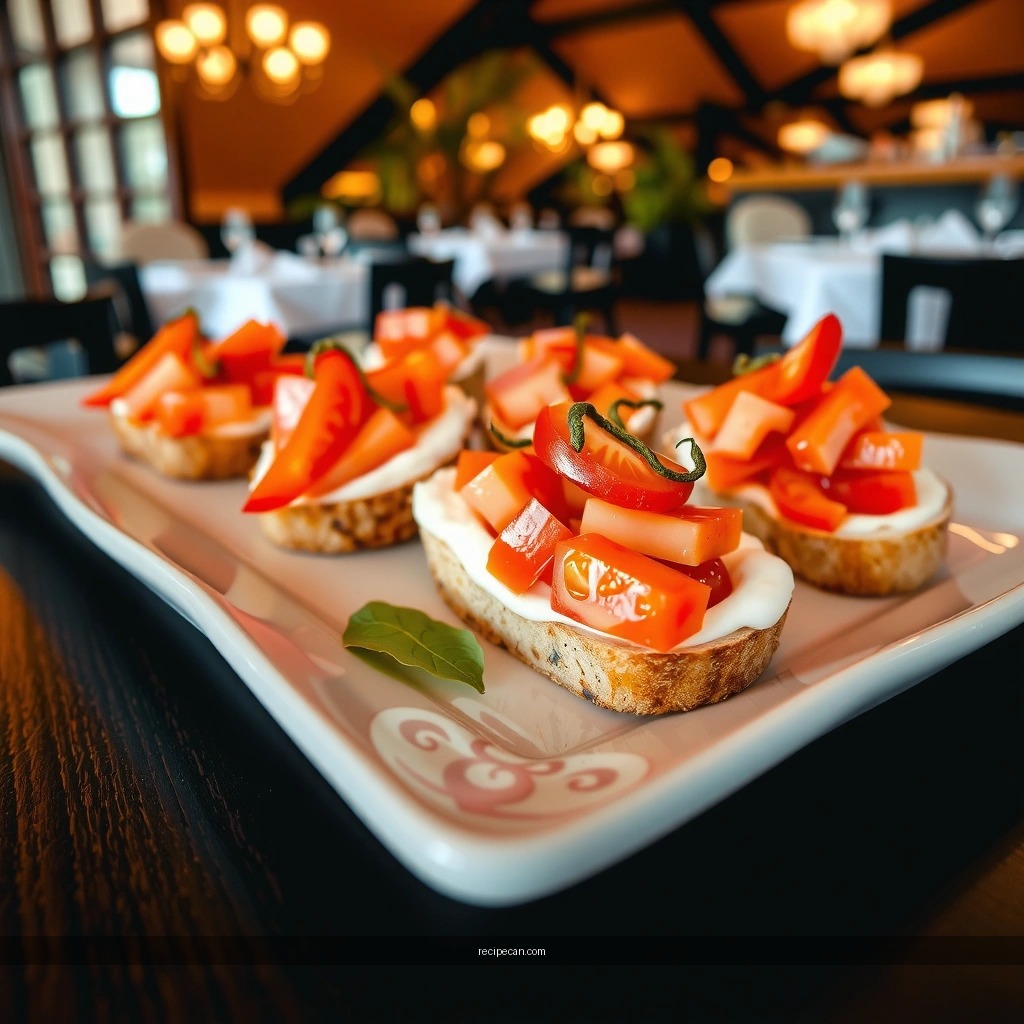
The quality of your tomatoes is the single biggest determinant of whether bruschetta tastes “fresh” or “watery.” For classic bruschetta, aim for tomatoes that are ripe (flavor-forward), but still firm enough to hold their shape when diced.
– Use ripe, firm tomatoes (Roma or vine-ripened work great)
Roma tomatoes are typically lower in moisture than many other varieties, which helps them stay cohesive on the bread. Vine-ripened tomatoes add aromatic sweetness and a more “garden-forward” taste when they’re truly at peak ripeness.
– Dice small so every slice gets tomato in each bite
Small dice (about 1/4-inch / 6 mm) distributes tomato evenly, so you don’t end up with bites that are all bread or all topping. For serving with guests, this also improves perceived “balance” because each bite includes tomato, oil, garlic, and basil.
– Remove excess seeds to prevent sogginess
Seeds and gel release extra liquid. Even if you salt correctly, too much seed pulp can flood the bread—especially if you assemble early. Scoop out the densest seed pockets for a sturdier, less soggy bruschetta topping.
A practical buying and tasting test: gently press the tomato. If it yields slightly but doesn’t collapse, it’s usually ideal for bruschetta. If it’s too hard, it may lack sweetness; if it’s overly soft, it will likely break down and release more water.
Tomato Variety Traits for Bruschetta (Practical Kitchen Use)
| # | Tomato Type | Water Content* | Best Use | Bread-Friendliness | Taste Profile |
|---|---|---|---|---|---|
| 1 | Roma (Plum) | Low–Medium | Traditional bruschetta | ★★★★☆ | Balanced, low seediness |
| 2 | Vine-Ripened | Medium | Peak-season flavor | ★★★☆☆ | Sweet-leaning, aromatic |
| 3 | Beefsteak | High | Max flavor, manage moisture | ★☆☆☆☆ | Juicy, bold tomato taste |
| 4 | Cherry/Roma Mix | Medium | Family-style toppings | ★★★☆☆ | Sweet bursts, flexible |
| 5 | Heirloom (Varied) | Medium–High | Flavor complexity | ★★★☆☆ | Complex colors, nuanced sweetness |
| 6 | Campari | Medium | Weeknight, fast prep | ★★★★☆ | Sweet, low acidity balance |
| 7 | Grape Tomatoes | Medium | Quick dicing, consistent bites | ★★★☆☆ | Bright, slightly tangy |
\Water-content categories are practical kitchen-use ranges based on typical varietal behavior; always adjust by removing seeds and assembling promptly.
Prep the Tomato Topping
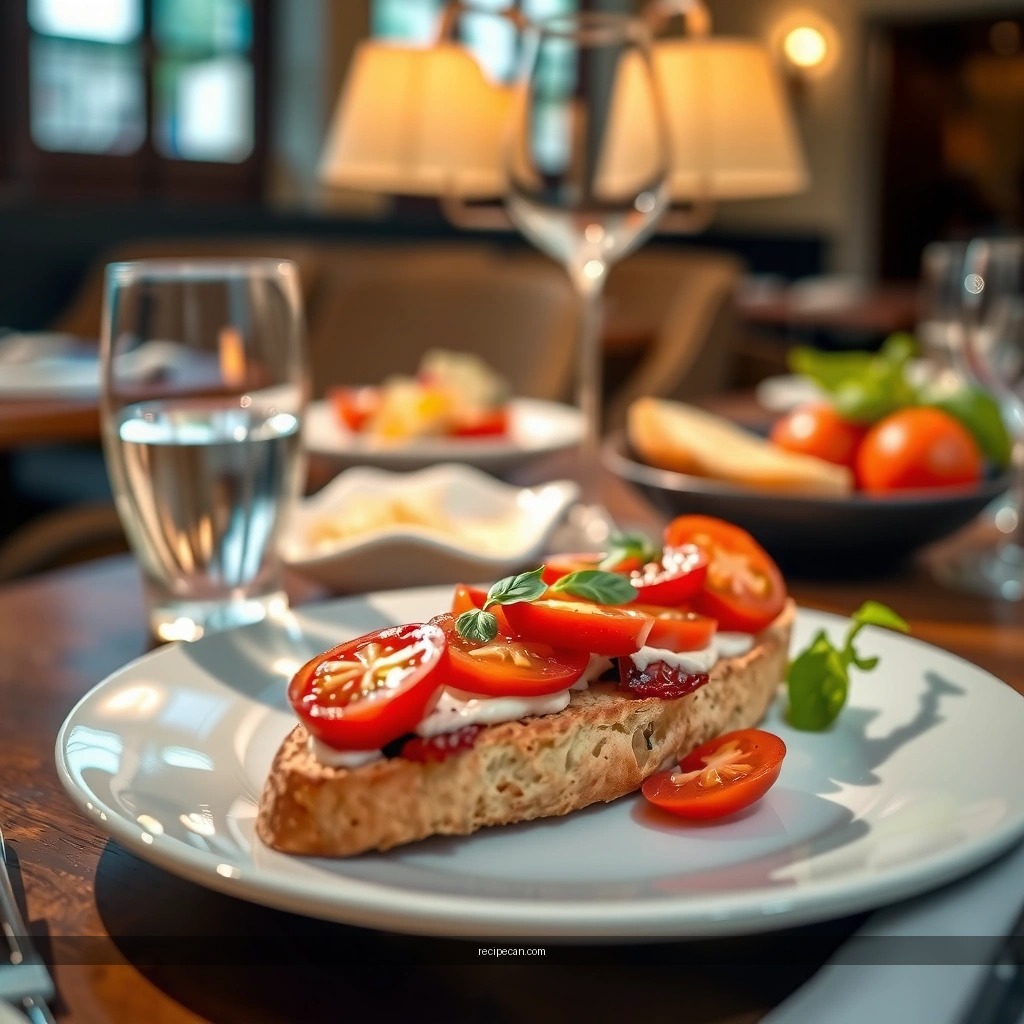
A well-seasoned tomato topping acts like a sauce, but it should remain structured. This is where garlic, olive oil, salt, and basil do their best work—if you time it correctly.
– Mix tomatoes with minced garlic, olive oil, salt, and pepper
Use minced garlic rather than sliced; it distributes more evenly across the diced tomato. Add olive oil to help carry aromatic compounds (garlic and basil flavor cling to oil), and add salt early enough to start flavor development.
– Add chopped basil (and optional oregano) for classic flavor
Basil should be chopped rather than left whole to release oils with each bite. Oregano is optional but works especially well when tomatoes lean slightly sweeter or when you’re serving with mozzarella/burrata.
– Rest 10–15 minutes to let juices and seasoning meld
Resting is not just for flavor—it also helps you gauge moisture. After 10–15 minutes, you’ll see how much juice the tomatoes release. If the bowl looks very wet, stir once and consider draining very lightly (or assemble immediately to prevent bread from absorbing too much liquid).
For a “restaurant-style” result, use a ratio approach: for every 2 cups (about 300–350 g) of diced tomatoes, start with roughly 1–2 tablespoons olive oil and 1 small to medium clove garlic (more if you prefer sharper garlic notes). Then salt and pepper to taste.
Toast the Bread for the Best Bruschetta
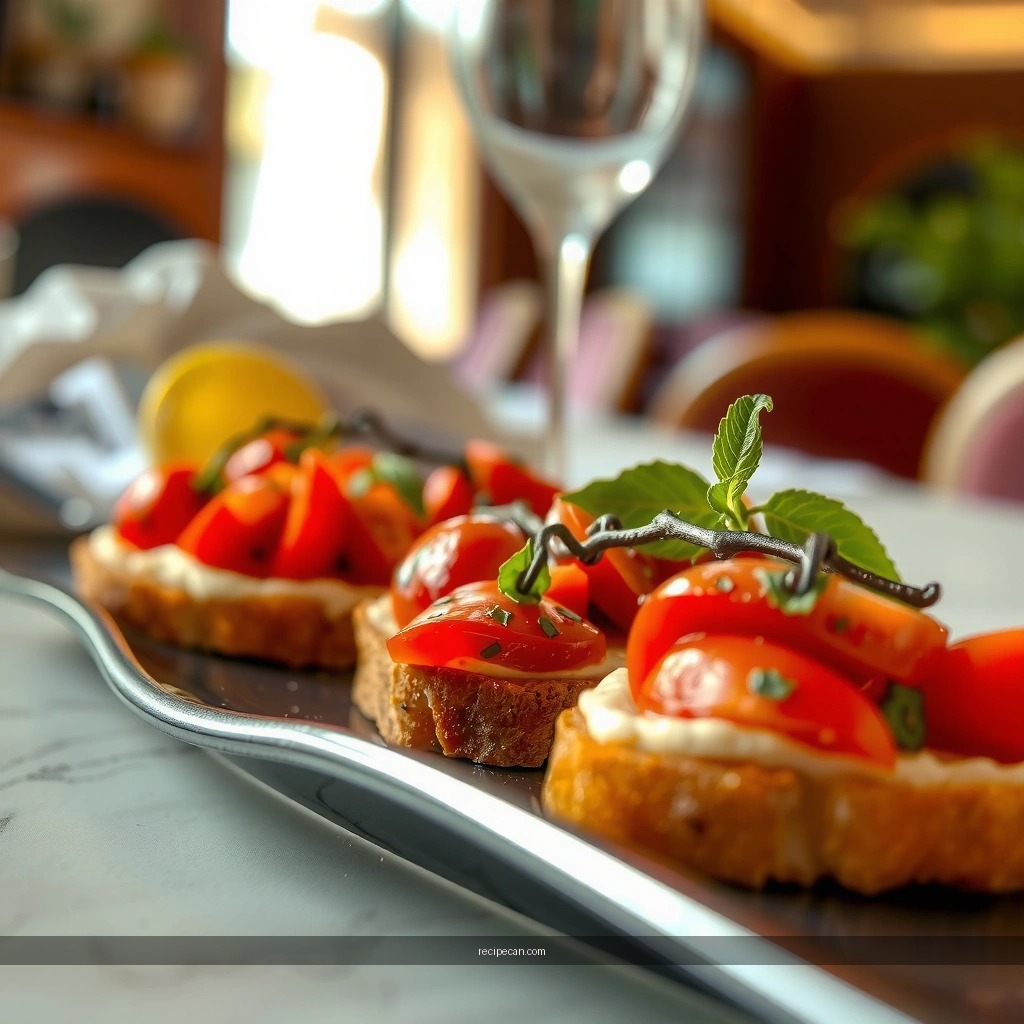
Crispness is the defining feature of bruschetta—so your bread choice and toasting method matter as much as the tomato topping.
– Use rustic bread and slice thick enough to stay crisp
Sourdough or a hearty Italian loaf holds up well. Cut slices thick enough that the outside browns without fully drying the center.
– Toast until golden, then rub with a cut garlic clove (optional)
Rubbing toasted bread with garlic gives a mellow, aromatic layer without overpowering the tomato topping. If you skip the garlic rub, the bruschetta still works—your tomato mixture has garlic—but the rub adds complexity.
– Drizzle lightly with olive oil before topping
A light drizzle creates a barrier and enhances aroma. Avoid heavy soaking; the goal is flavor transfer, not bread saturation.
Technique note: toast in the oven or on a skillet until golden brown with crisp edges. If you toast too lightly, the tomato juices can penetrate quickly and soften the bread.
Assemble for Maximum Flavor
Assembly is where timing becomes quality. The best bruschetta is served immediately because bread texture degrades the moment it meets wet topping.
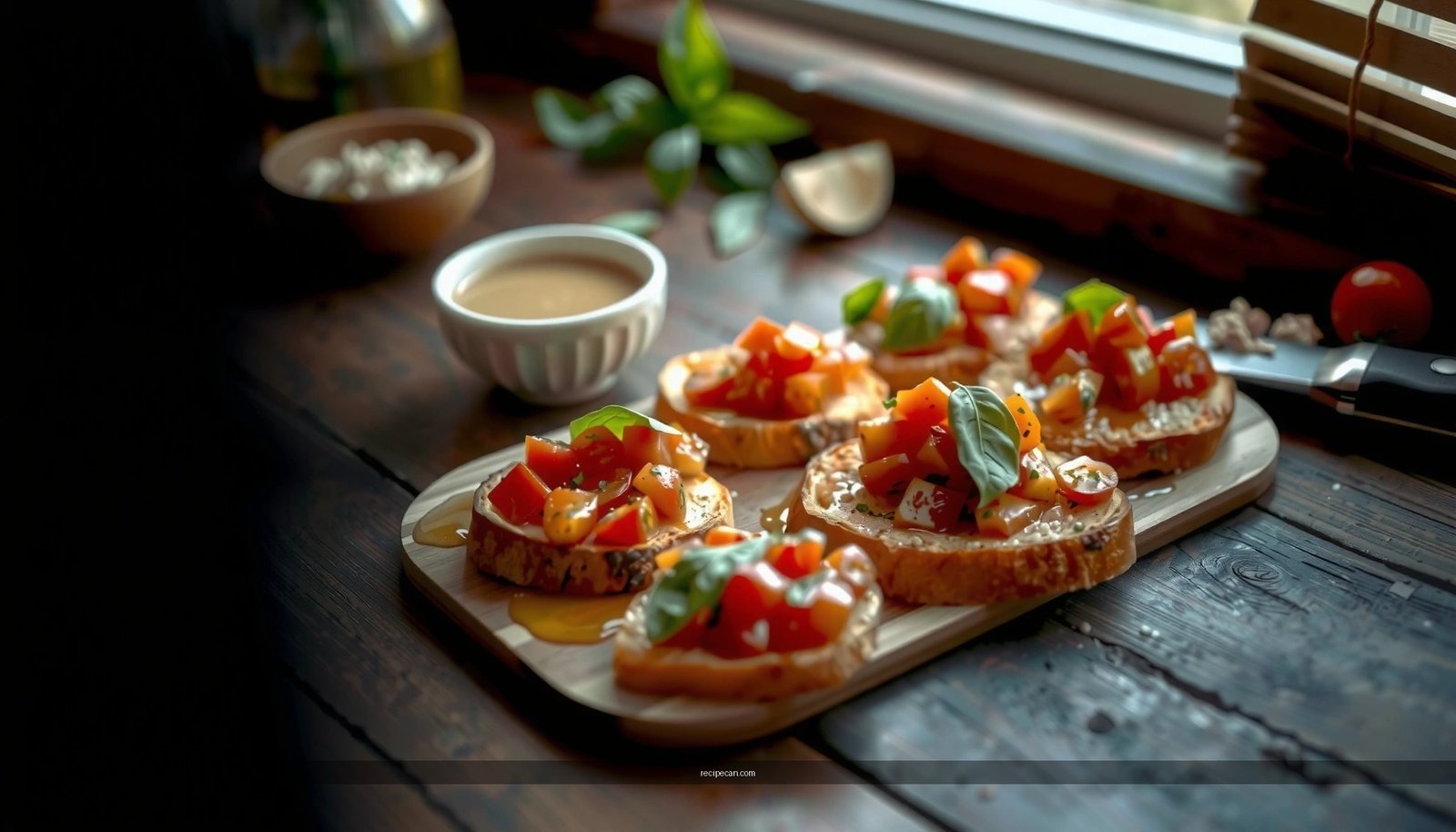
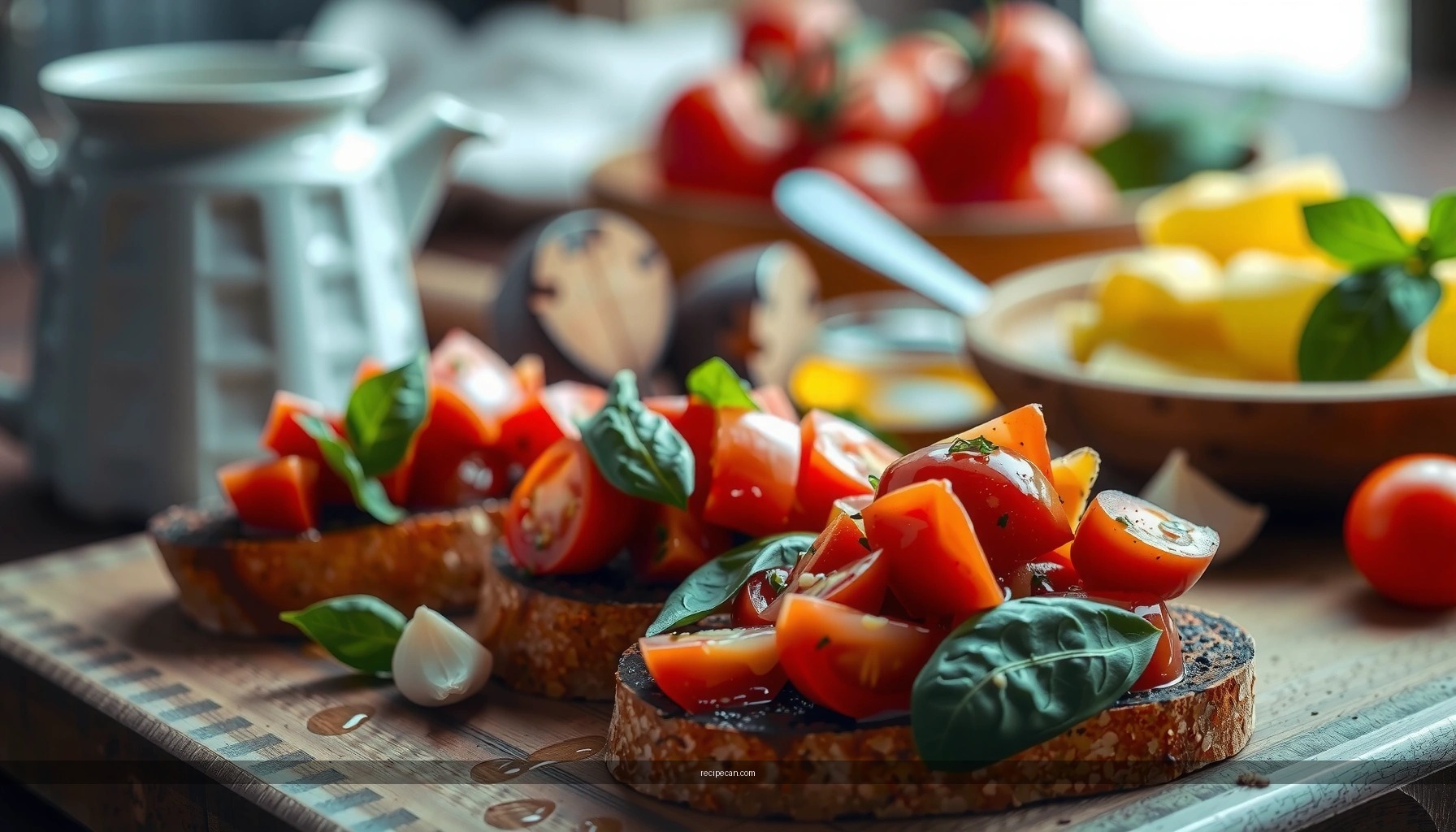
– Spoon the tomato mixture evenly over toasted bread
Even distribution reduces “hot spots” and prevents some slices from becoming soggy while others remain dry.
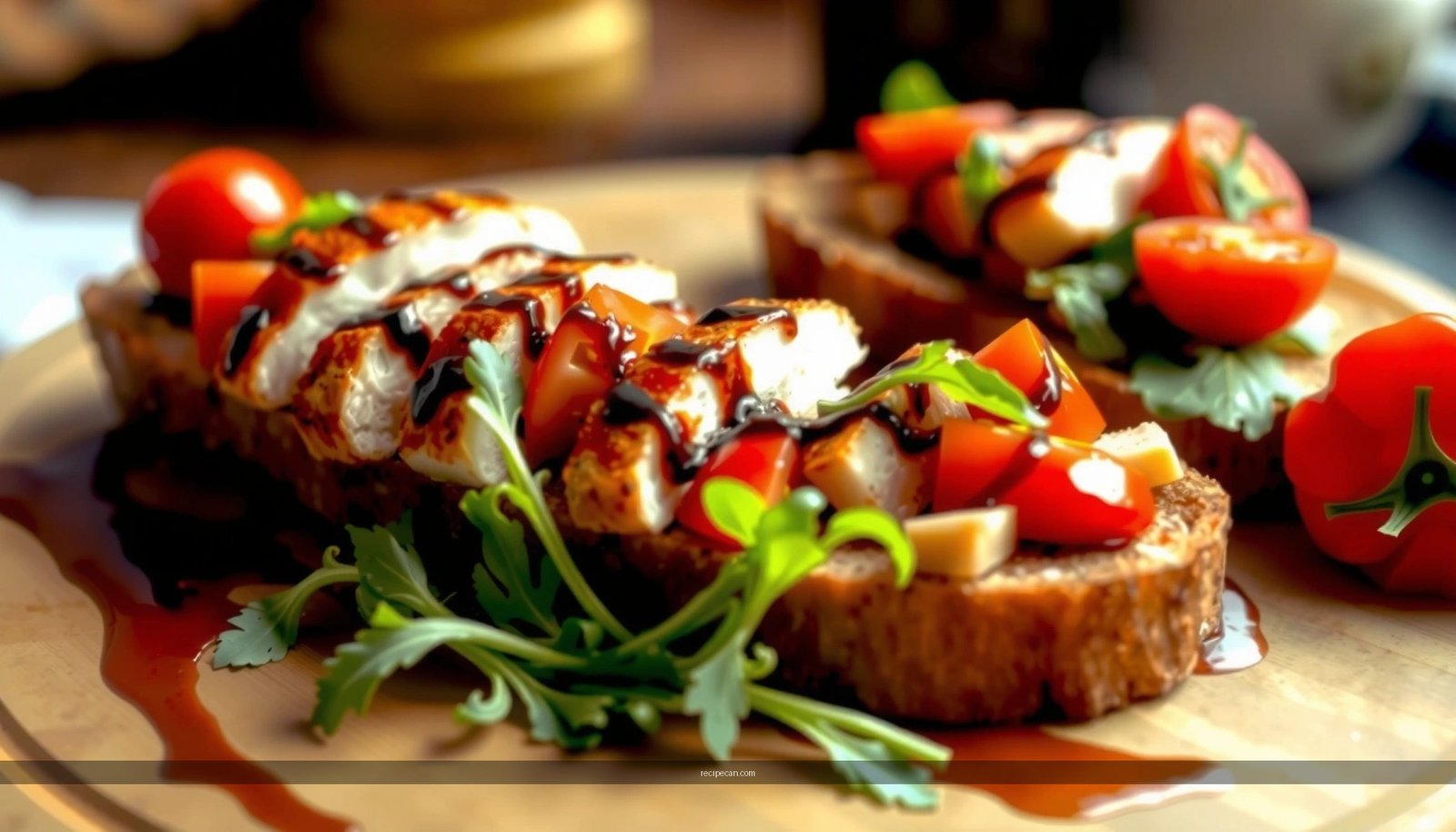
– Add a finishing touch like balsamic glaze or extra basil
A balsamic glaze adds a subtle sweetness and acidity that can make tomatoes taste even brighter. Extra basil on top provides visual freshness and additional aroma right before eating.
– Serve immediately for the crispiest texture
If you’re serving multiple people, pre-toasting is fine, but keep bread on a rack (not covered) and top only when ready to serve.
Operationally (for hosting), consider a two-step workflow:
1) Toast bread and prepare toppings on schedule.
2) Assemble right at the moment guests arrive or when the appetizer course starts.
This minimizes moisture transfer and keeps your bruschetta in its “peak bite” window.
Optional Variations (Still Tomato-Forward)
Bruschetta is flexible, but the tomato should remain the star. These variations enhance texture and flavor without overpowering the core recipe.
– Add mozzarella or burrata for a creamy twist
Fresh mozzarella adds a mild, milky contrast; burrata adds creaminess that turns the topping into a richer, spoonable bite. Use mozzarella sparingly—too much can turn bruschetta into a heavier open-faced sandwich.
– Use grilled tomatoes for a deeper, smoky flavor
Grilling tomatoes briefly (or grilling the diced pieces very fast) concentrates flavor and adds char notes. Then cool slightly before mixing with garlic and basil to avoid cooking the basil aroma away.
– Add a pinch of chili flakes if you want heat
Chili flakes introduce warmth that complements tomato sweetness. Start small; the goal is a gentle lift, not a dominant heat profile that masks basil and garlic.
These variations are especially useful for tailoring bruschetta for different audiences—buffet-friendly when you can serve “plain” and “elevated” versions side by side.
Storage and Make-Ahead Tips
To keep bruschetta tasting fresh, store components separately and reassemble at the last minute. This preserves texture, which is the main success metric for this dish.
– Keep tomato topping separate and assemble right before serving
If bread and topping sit together, moisture migration will soften the crust. Separating components maintains the signature crisp bite.
– Refrigerate topping up to 1 day, but toast bread fresh
Tomato topping holds up well for the next day because the flavors continue to meld. Bread, however, should be toasted or refreshed right before serving to regain crispness.
– Avoid soaking bread to maintain crunch
If you pre-toast bread and store it, keep it uncovered and dry. If you need to refresh, use the oven or toaster briefly to restore the crisp exterior.
If you’re planning a catered appetizer workflow, scale the recipe by portioning toppings into individual containers, then toast and assemble in small batches. Your guest experience improves measurably when each bite is crisp and freshly aromatic.
Bruschetta tomatoes taste best when assembled at the last minute: toast the bread, top with well-seasoned diced tomatoes, and finish with basil and olive oil. Make this recipe your go-to appetizer—prepare the topping ahead, toast fresh, and serve immediately for maximum flavor and crunch.
The most dependable path to great bruschetta is controlling three variables: tomato quality (ripe yet firm), topping preparation (small dice, controlled moisture, rested seasoning), and assembly timing (crisp bread + immediate serving). Follow the steps above and you’ll consistently produce fresh, easy, flavor-forward bruschetta with a perfect balance of juicy tomatoes and satisfying crunch—ideal for weeknight hosting or business-friendly entertaining.
Frequently Asked Questions
What type of tomatoes are best for bruschetta?
Use ripe, firm tomatoes like Roma, plum, or vine-ripened tomatoes because they hold their shape and have less excess juice than watery varieties. For the best flavor, choose tomatoes that smell sweet and are slightly soft when gently squeezed. If tomatoes are very juicy, pat them dry before mixing to keep your bruschetta from becoming soggy.
How do you keep bruschetta tomatoes from getting watery?
Dice tomatoes and sprinkle with salt, then let them sit in a colander or bowl for 10–15 minutes to drain excess liquid. After draining, gently blot with paper towels and mix with olive oil, minced garlic, and fresh basil. You can also add the tomatoes to toasted bread right before serving so the bruschetta recipe stays crisp.
How do you season tomato topping for the perfect bruschetta recipe?
Combine diced tomatoes with extra-virgin olive oil, minced garlic, chopped basil, and a pinch of salt and black pepper. Add a small splash of balsamic vinegar or a squeeze of lemon for brightness and balance, which makes the tomatoes taste more vibrant. Taste before topping your toasted bread and adjust seasoning to ensure the flavors pop.
Why should you toast the bread before adding tomatoes to bruschetta?
Toasting creates a crisp base that can stand up to the juicy bruschetta tomatoes without turning soggy. Aim for bread that’s golden and sturdy, like a baguette or rustic Italian loaf, rubbed lightly with garlic if you want extra flavor. Assemble just before serving so the bruschetta recipe maintains texture and crunch.
Which bread and toppings pair best with tomato bruschetta?
A crusty baguette or ciabatta works best because it absorbs flavor while staying firm. For classic bruschetta recipe toppings, keep it simple with tomatoes, basil, olive oil, and garlic, then finish with grated Parmesan or a drizzle of balsamic glaze. Optional add-ons like fresh mozzarella, burrata, or a few olives can work well, but they should complement rather than overpower the tomatoes.
References
- Bruschetta
https://en.wikipedia.org/wiki/Bruschetta - Tomato
https://en.wikipedia.org/wiki/Tomato - Google Scholar Google Scholar
https://scholar.google.com/scholar?q=bruschetta+tomatoes+recipe - Google Scholar Google Scholar
https://scholar.google.com/scholar?q=tomato+bruschetta+sensory+evaluation - Google Scholar Google Scholar
https://scholar.google.com/scholar?q=lycopene+tomatoes+cooking+effect - https://pubmed.ncbi.nlm.nih.gov/?term=lycopene+tomatoes+heat+processing
https://pubmed.ncbi.nlm.nih.gov/?term=lycopene+tomatoes+heat+processing - https://pubmed.ncbi.nlm.nih.gov/?term=tomato+cooking+lycopene+bioavailability
https://pubmed.ncbi.nlm.nih.gov/?term=tomato+cooking+lycopene+bioavailability - https://ods.od.nih.gov/factsheets/Lycopene-Consumer/
https://ods.od.nih.gov/factsheets/Lycopene-Consumer/ - tomato lycopene cooking | Nature Search Results
https://www.nature.com/search?q=tomato%20lycopene%20cooking - Tomato | Description, Cultivation, & History | Britannica
https://www.britannica.com/plant/tomato