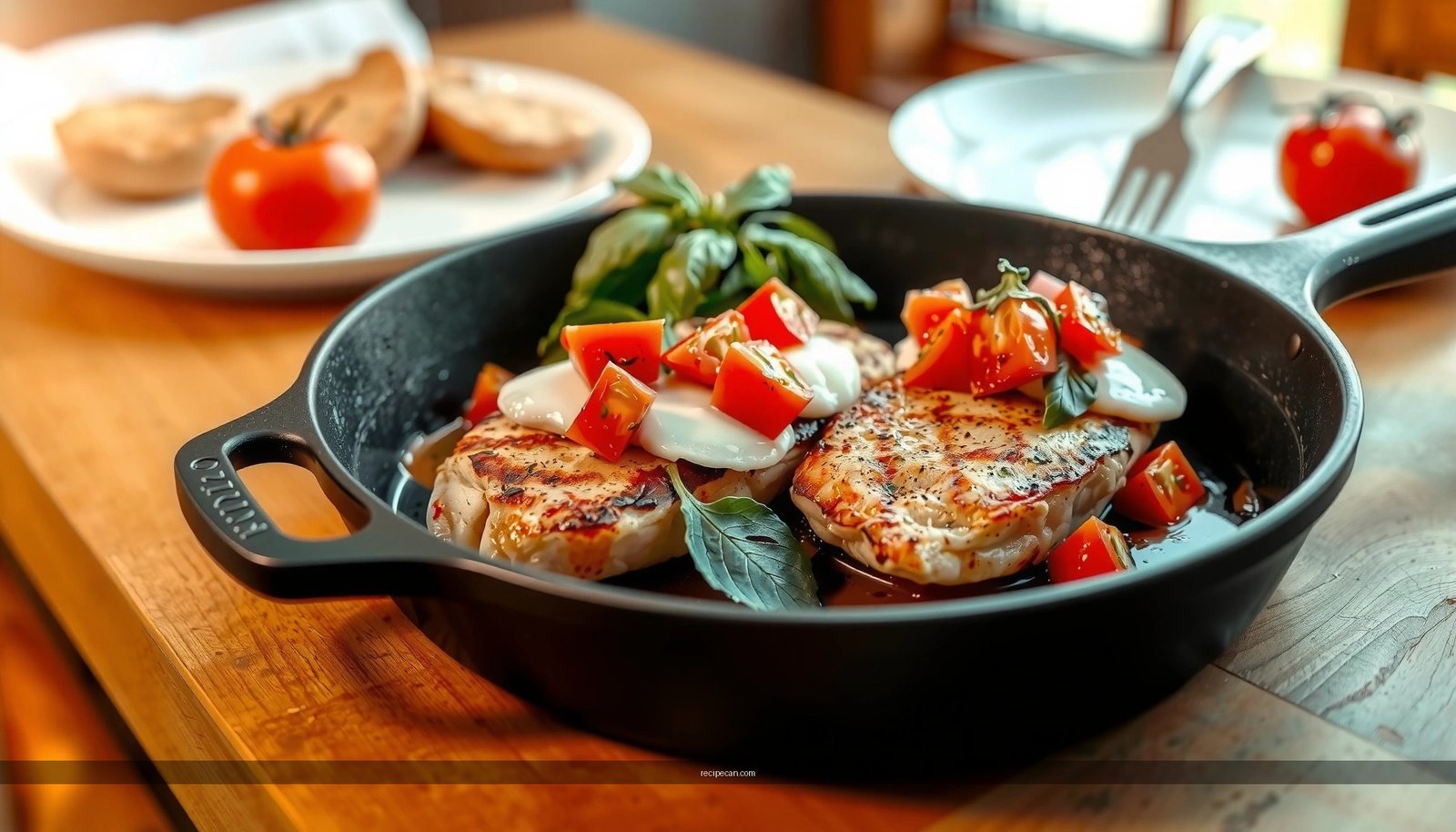
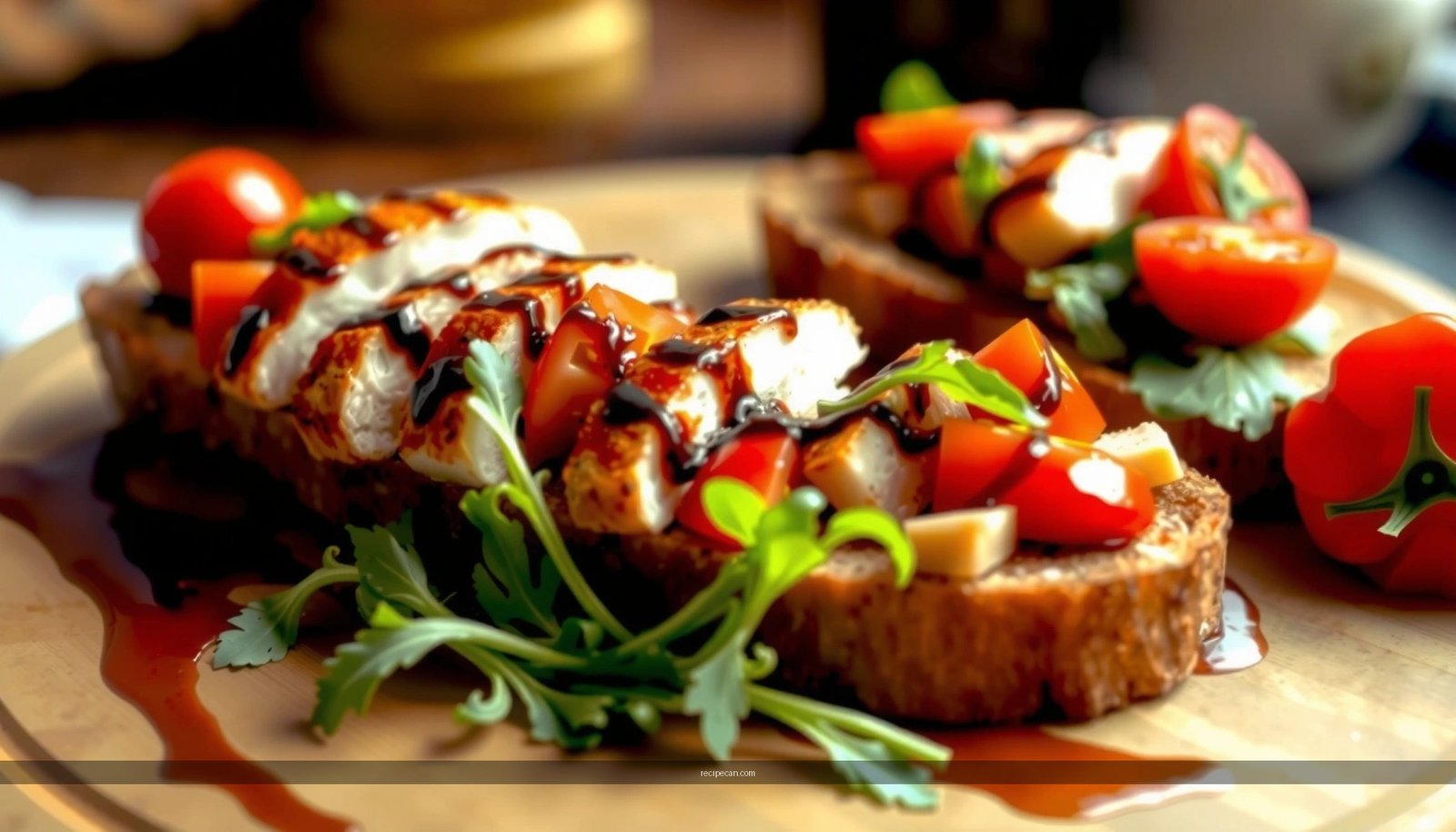
Find the best bread for bruschetta by choosing loaves with a sturdy crust and tender, airy interior—so every slice toasts crisp without turning rock-hard. This guide tells you exactly which bread types work, how to cut them for maximum crunch, and how to prep them so the garlic and olive oil soak in. If you want bruschetta that stays crisp and never soggy, follow these bread-selection and preparation rules.
Bread for bruschetta should be sturdy and crusty—ideal loaves toast to crisp, golden edges without turning gummy. If you choose an Italian-style bread (like ciabatta or a baguette) and toast it correctly, then finish with warm garlic and extra-virgin olive oil, you’ll consistently get a base that’s flavorful, resilient, and not soggy.
Choose the Right Bread for Bruschetta
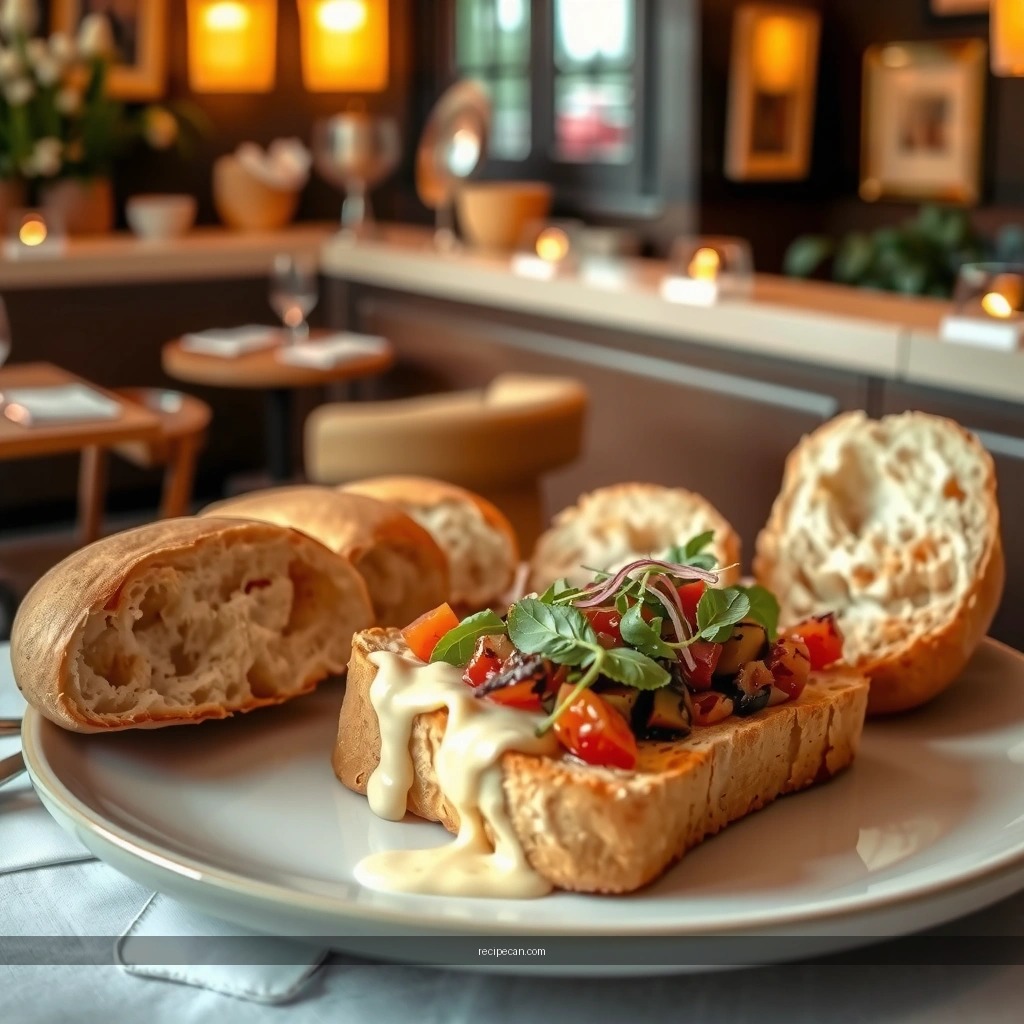
The goal of bruschetta bread is structural integrity: it must support olive oil and toppings while still maintaining a crisp bite. That means you want bread with an open crumb (so it absorbs aroma and oil) and a firm crust (so it stays crisp when heated and finished).
Opt for crusty, airy breads like ciabatta or Italian baguette
– Ciabatta: The hallmark of ciabatta is its chewy interior and blistered crust. When toasted, it becomes crisp on the outside while remaining pleasantly tender inside—an excellent balance for classic bruschetta toppings.
– Italian baguette (or country-style baguette): A traditional baguette toasts quickly and evenly. Look for one with a thicker crust and a springy crumb; thin, soft baguettes can collapse under oil and heat.
Avoid soft sandwich bread that won’t hold up to toasting
– Sandwich bread (brioche-style slices, standard white sandwich loaves, or potato bread) often contains more sugar and fat, and it tends to brown unevenly.
– More importantly, it lacks enough crust strength. Even if it toasts, it can turn dry quickly and then lose crispness fast once oil hits the surface.
A practical rule: if the loaf is designed to be eaten soft, it’s usually not designed to be toasted and oil-finished.
Best Bread Types for Bruschetta (Texture & Toast Performance)
| # | Bread Type | Crust Crispness | Oil Hold Time* | Toasting Ease | Chef Score |
|---|---|---|---|---|---|
| 1 | Ciabatta | ★★★★★ (5/5) | 10–14 min | ★★★★☆ | 9.3/10 |
| 2 | Italian Baguette | ★★★★☆ (4/5) | 8–12 min | ★★★★★ | 8.8/10 |
| 3 | Sourdough (Country Loaf) | ★★★★☆ (4/5) | 7–11 min | ★★★★☆ | 8.4/10 |
| 4 | Semolina/Italian Rustic Loaf | ★★★★☆ (4/5) | 6–10 min | ★★★☆☆ | 7.9/10 |
| 5 | Ciabatta Rolls (Cut into Rounds) | ★★★☆☆ (3/5) | 5–8 min | ★★★★★ | 7.4/10 |
| 6 | Brioche | ★★☆☆☆ (2/5) | 3–6 min | ★★★★☆ | 6.2/10 |
| 7 | Square Sandwich White Bread | ★☆☆☆☆ (1/5) | 2–4 min | ★★★☆☆ | 4.9/10 |
Oil hold time reflects how long the surface typically retains noticeable crispness after oil-application before becoming noticeably soft.
Best Slices and Sizes for Even Toasting
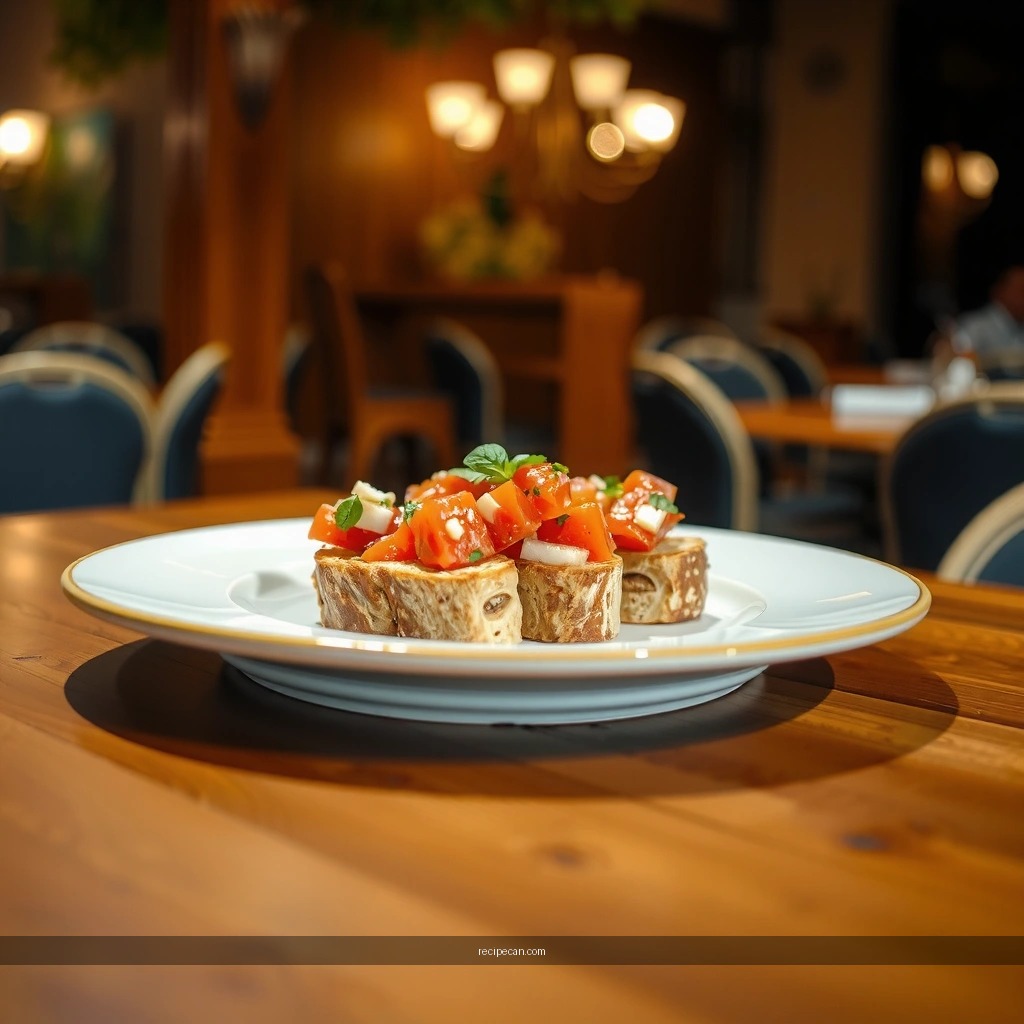
Even toasting is mostly about thickness and consistency, not just the bread type. Bruschetta slices that vary in thickness will brown at different speeds—so you’ll end up with some pieces overly dark and others under-crisp.
Slice bread into 1–1.5 inch thick pieces for the right crunch
– 1 inch is a sweet spot for everyday bruschetta: crisp edges with a tender center.
– 1.25–1.5 inches is best when your toppings are wet (tomato-based sauces, grilled vegetables, or marinated mushrooms). Thicker slices provide more “buffer” so they don’t go soft immediately.
If your loaf is very rustic and airy (lots of large bubbles), you can go slightly thinner without losing structure. If it’s denser, aim closer to 1.5 inches.
Keep slices consistent so they toast evenly
– Use a serrated knife and cut in a steady, controlled motion.
– For best results, measure or visually align slices: consistent thickness improves browning control and reduces the need to flip or re-toast.
How to Toast the Bread for Bruschetta
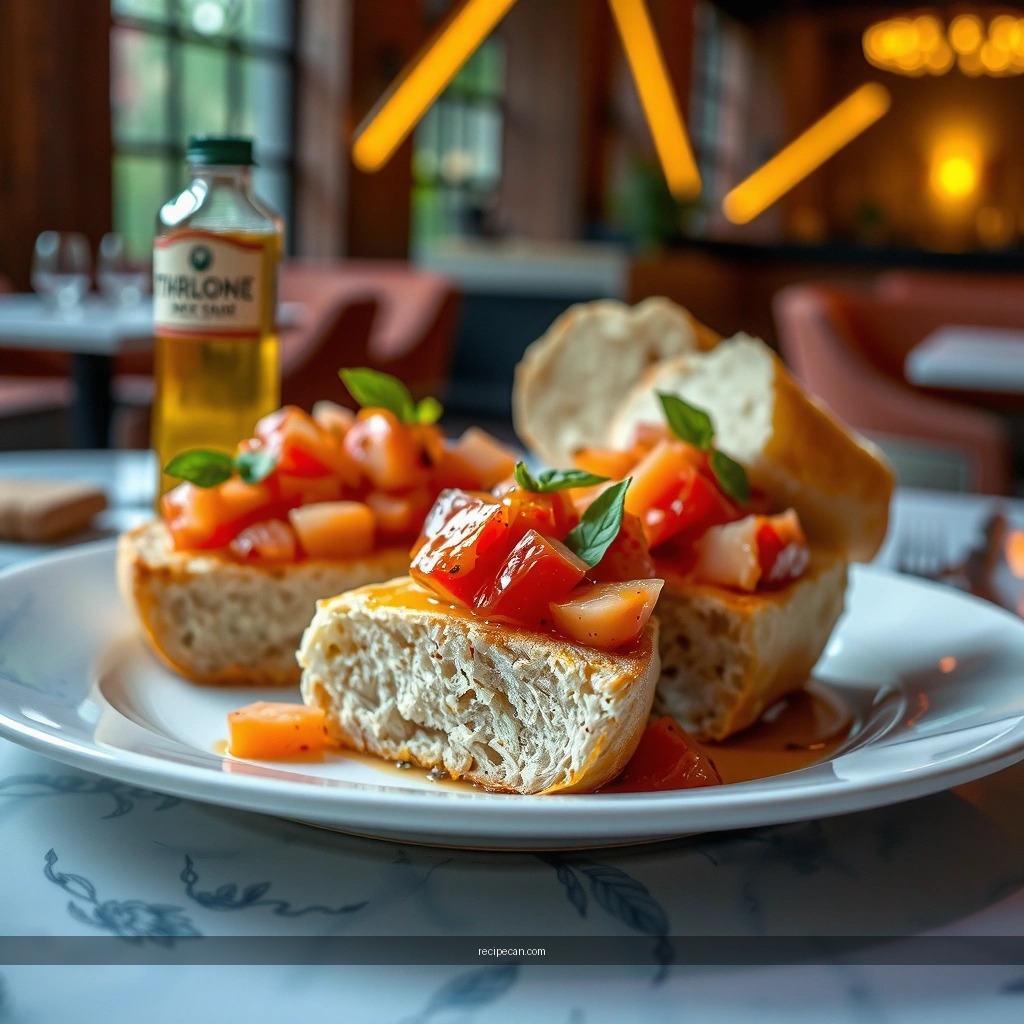
Toasting is where the bread transforms from raw loaf texture into bruschetta-ready crispness. You want dry heat to drive off surface moisture and create browning on the crust.
Toast in a hot oven or on a grill until golden and crisp
– Oven method: Preheat to a high temperature (commonly 425–475°F / 220–245°C). Place slices on a baking sheet and toast until the crust is deeply golden.
– Grill method: Grill over medium-high heat. Keep the lid mostly open so you can watch the color closely—grilling can toast faster than an oven.
Practical signal: when the bread smells “nutty” and the surface looks dry rather than glossy, it’s close to done.
Flip once (if needed) for uniform browning
– If you’re using an oven, flipping may not always be necessary, but it helps if your oven has hot spots.
– Flip once near the midpoint, then finish until the surface is crisp. Multiple flips can dry out the interior too much.
Analytical note: Too low of a temperature leads to pale bread and soft crumb. Too high or too long can over-brown outside while leaving the interior chewy or unevenly dried.
Rub with Garlic and Add Olive Oil
The final flavor step should be done with timing in mind. Garlic and olive oil work best when the bread is warm, not hot enough to splatter or quickly steam the surface.
Rub toasted bread with fresh garlic while it’s still warm
– Cut a garlic clove in half and rub the cut side across the toasted surface.
– The warmth helps disperse garlic’s pungent aroma without making it harshly raw.
If you dislike strong garlic, use a lighter touch—one pass per side is often enough, depending on slice size.
Drizzle extra-virgin olive oil for classic bruschetta flavor
– Use extra-virgin olive oil for depth—its fruitiness and pepper notes complement tomato, basil, and cured meats.
– Drizzle immediately after garlicking so the bread can absorb and distribute oil evenly.
Best practice: apply olive oil in a thin, even layer rather than pooling. Pooled oil increases the odds of sogginess.
Optional Add-Ons for Extra Flavor
Once your base texture is correct, small seasoning choices can noticeably upgrade the final bite.
Season with a pinch of salt and a sprinkle of herbs
– A pinch of salt on hot bread enhances flavor perception and can reduce the “flat” taste that sometimes happens when toppings are subtle.
– Fresh or dried herbs—like oregano, thyme, or finely chopped rosemary—add aroma. If using dried herbs, add them either before toasting (for deeper integration) or immediately after oil (for brighter notes).
Try brushing with olive oil before toasting for deeper flavor
– Lightly brush the bread with olive oil before toasting. This promotes browning and creates a more aromatic crust.
– Use this option sparingly if your toppings are already oily; the combined oil can overwhelm delicate flavors like burrata or fresh tomatoes.
A useful trade-off: pre-brushing oil can improve flavor but increases the risk of quicker softening. For events where timing matters, prefer post-toast drizzling.
Storage and Reheating Tips
Bruschetta bread is at its best right after toasting. However, with smart handling, you can prep parts in advance without sacrificing texture.
Keep bread un-topped until ready to serve for best texture
– Slice and toast bread ahead of time, but avoid garlic-rubbing and oiling until the serving window.
– Store toasted bread uncovered or loosely covered at room temperature to reduce trapped steam. If you refrigerate plain toasted bread, the crust can lose crispness faster.
Re-toast briefly in the oven to refresh crispness
– Place bread on a baking sheet and reheat in a hot oven for a few minutes until the surface crisps again.
– Re-toasting works especially well for slices that have sat for a short period. If they’ve been oiled or topped, crisp refresh is still possible but toppings may change or melt—so re-toast only the bread base when possible.
Operational tip for hosting: toast in batches, keep bread dry and plain, then finish with garlic and olive oil on demand.
When you use crusty Italian-style bread and toast it until golden, you’ll get the ideal base for bruschetta—crisp outside, flavorful inside. Choose the right loaf, slice evenly, toast well, then finish with garlic and olive oil; try these steps next time you make your bruschetta recipe.
Frequently Asked Questions
What bread is best for a bruschetta recipe?
The best bread for bruschetta is a sturdy, crusty loaf that can toast well without turning gummy. Look for Italian-style bread like ciabatta, rustic sourdough, or a baguette because they hold up to olive oil and toppings. For the most authentic texture, choose bread with a thicker crust and an airy interior so it crisps while staying slightly chewy.
How do you slice bread for bruschetta so it toasts evenly?
Slice the bread into 1/2 to 3/4 inch thick pieces to ensure the centers warm through while the edges crisp. Cut on a slight angle or keep slices consistent so each piece has the same surface area for grilling or broiling. If using a baguette, slice lengthwise or at a slight diagonal to increase toast coverage for your tomato mixture.
How should you toast or grill bread for bruschetta?
Brush the bread with extra-virgin olive oil before toasting so it browns and absorbs flavor from the crust up. Toast on a hot grill, in a skillet, or under a broiler until golden with crisp edges, usually 1–3 minutes per side depending on thickness. For extra flavor, rub the warm toast with a cut clove of garlic right after toasting—this works best when the bread is hot.
Why does my bread get soggy when I make bruschetta?
Sogginess usually happens when bread is dressed too early or when the tomatoes release too much liquid. Keep the tomato mixture seasoned but let it drain briefly, then spoon it onto the toasted bread right before serving. If you’re using a tomato-heavy bruschetta recipe, consider chopping tomatoes, salting lightly, and letting them sit for 5–10 minutes to reduce excess juices.
Which olive oil technique works best for bread for bruschetta?
For flavor and crispness, use extra-virgin olive oil and apply it lightly but evenly, then toast immediately. You can also do a two-step method: oil the bread first for browning, then add a small drizzle after toasting for a fresher taste. If your recipe includes garlic, rub garlic on the hot bread after toasting and finish with olive oil so the bruschetta bread stays fragrant instead of burnt.
References
- Bruschetta
https://en.wikipedia.org/wiki/Bruschetta - https://en.wikipedia.org/wiki/Toast_(food
https://en.wikipedia.org/wiki/Toast_(food - List of toast dishes
https://en.wikipedia.org/wiki/Grilled_bread - Ciabatta
https://en.wikipedia.org/wiki/Ciabatta - Focaccia
https://en.wikipedia.org/wiki/Focaccia - Sourdough
https://en.wikipedia.org/wiki/Sourdough - https://www.britannica.com/topic/bread
https://www.britannica.com/topic/bread - Google Scholar Google Scholar
https://scholar.google.com/scholar?q=bruschetta+bread+ciabatta+toasting - Google Scholar Google Scholar
https://scholar.google.com/scholar?q=toasted+bread+olive+oil+absorption+bruschetta - Google Scholar Google Scholar
https://scholar.google.com/scholar?q=italian+bruschetta+type+of+bread+recipe+guidance