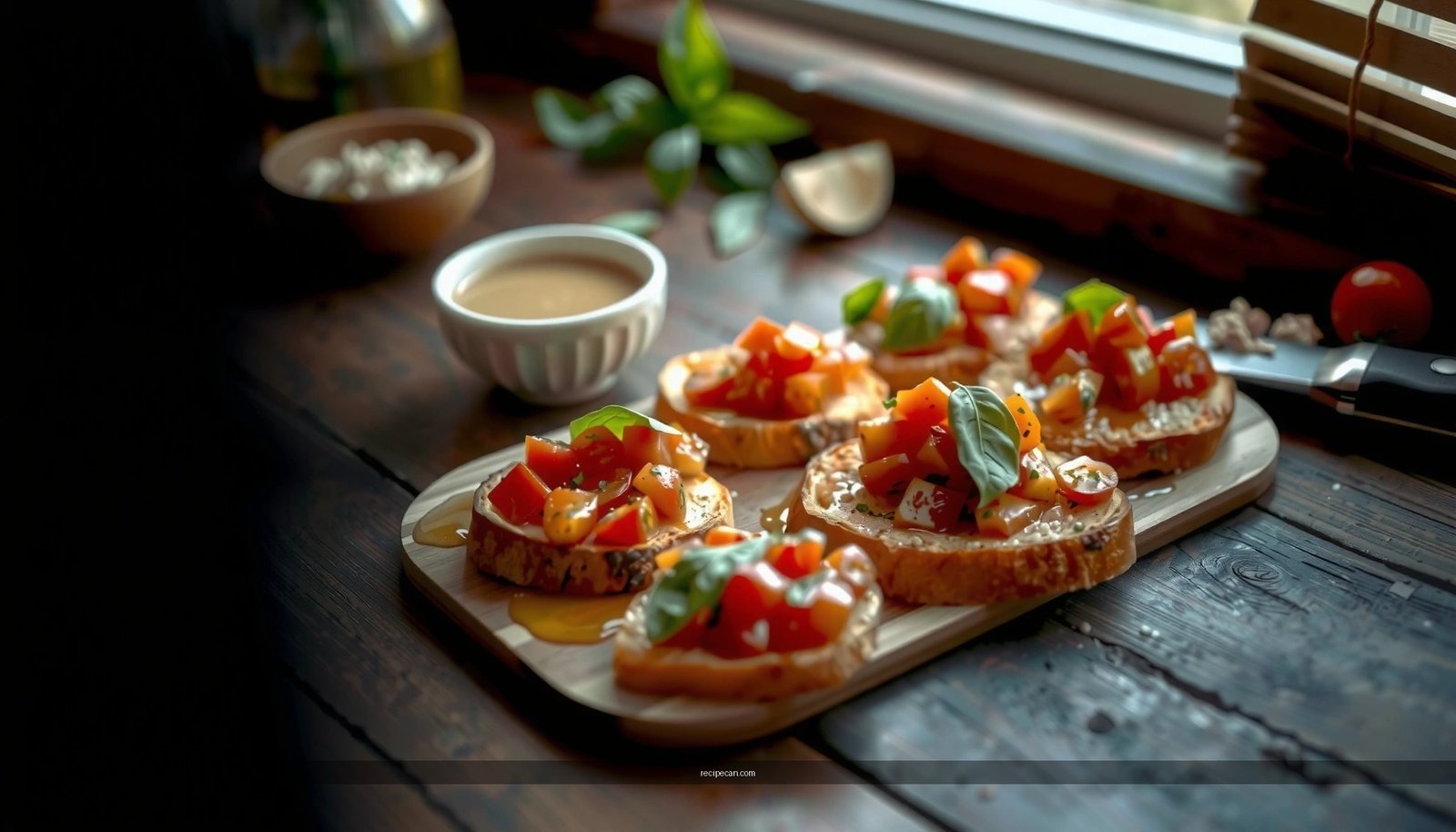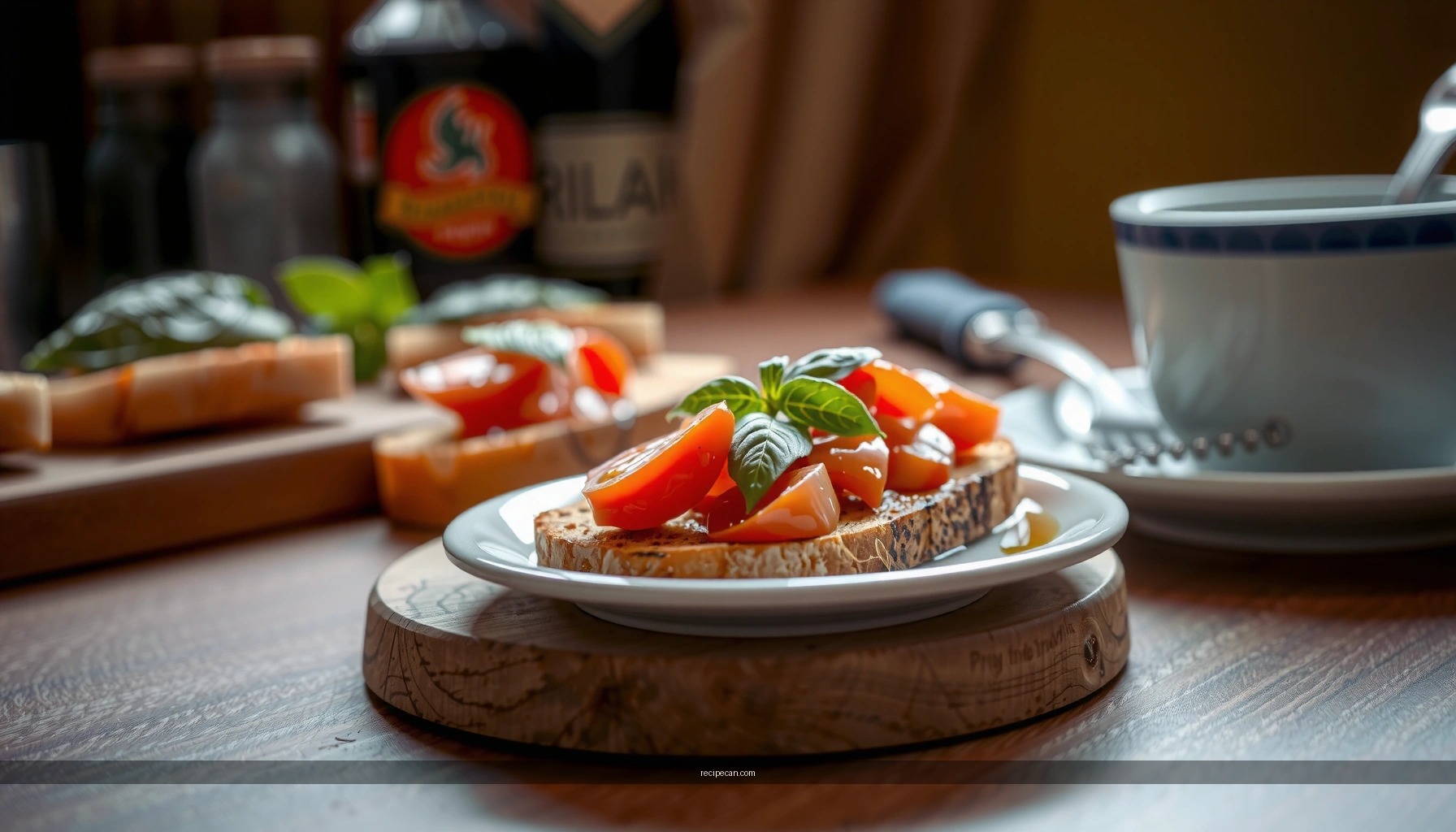
This is the best bruschetta recipe ever—hands-down the top choice for getting maximum fresh tomato, garlic, and basil flavor on the first bite. It answers the one question that matters: how to make bruschetta that’s bright, flavorful, and never watery, with the right bread texture and perfectly balanced seasoning. If you want a guaranteed hit for weeknights or guests, this recipe delivers.
The best bruschetta recipe ever is the one that balances ripe tomatoes, fresh basil, and properly toasted bread, then tops it right before serving for maximum crunch. If you follow the exact topping ratios, toasting timing, and assembly sequence below, you’ll get restaurant-level flavor every time—without sogginess.
Choose the Best Ingredients
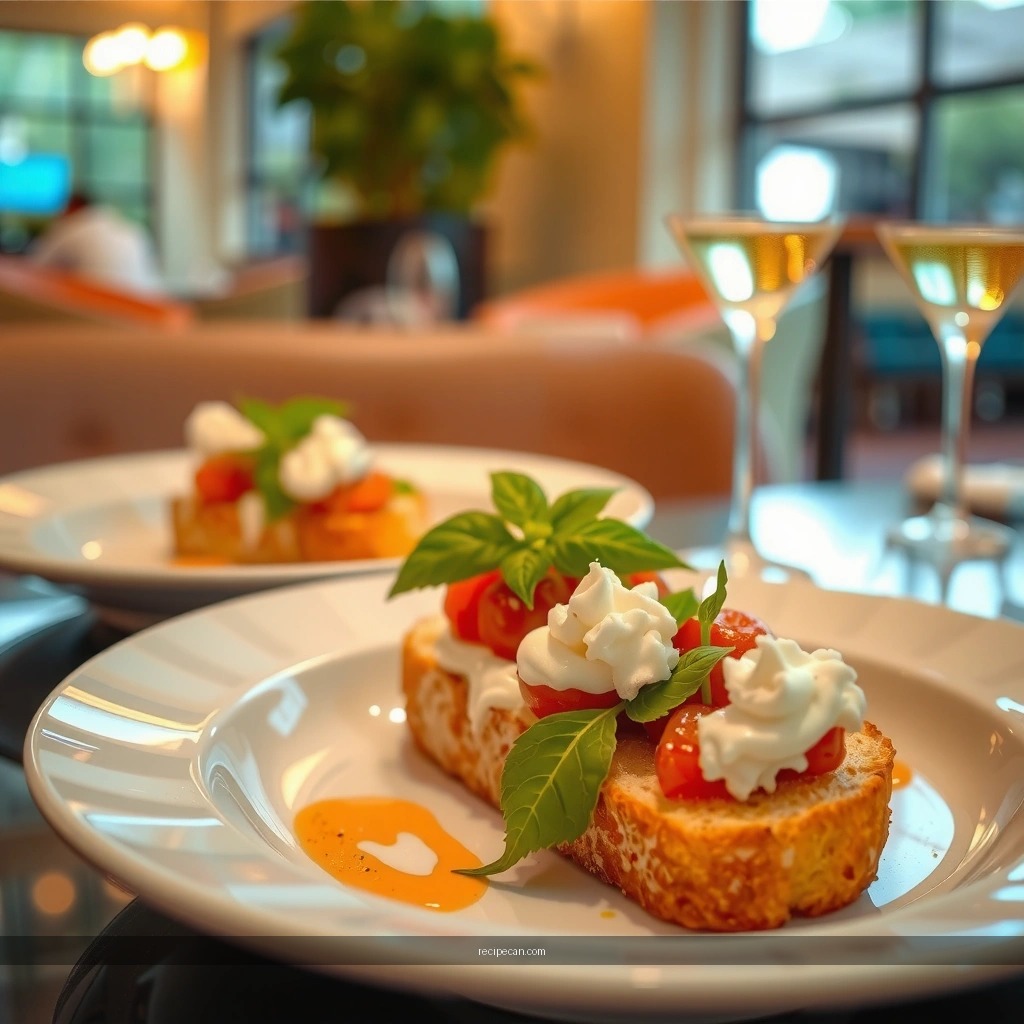
Bruschetta is deceptively simple: bread, garlic, olive oil, and a fresh tomato-basil topping. The quality of those inputs determines whether you taste “bright and vibrant” or “muted and watery.” Start with ingredients that will perform under heat (for the bread) and under rest (for the tomato topping).
Use ripe, juicy tomatoes (Roma are especially great)
Roma tomatoes are often ideal because they’re meatier, with fewer seeds and less excess moisture than many slicing varieties. That matters because bruschetta relies on tight flavor distribution—if your tomatoes release too much water, the topping will pool and the bread will soften.
When selecting tomatoes, look for:
– Firm but yielding skin (not hard)
– Strong tomato aroma
– Deep red color with minimal green shoulders
– No cracks or punctures (which speed up spoilage)
Fresh basil and good-quality extra-virgin olive oil make the difference
Basil contributes aroma more than bulk. Dried basil simply can’t replicate that fresh, peppery-lush profile. For olive oil, choose a real extra-virgin (not “light” or “pomace”), because its polyphenols and fruity notes carry the tomato and garlic flavors.
Practical guidance for the shopping list:
– Fresh basil: use leaves, not stems, and avoid wilting packages.
– Olive oil: if it’s bland, your bruschetta will taste bland—even with perfect technique.
Bruschetta “Ingredient Impact” (What Moves the Needle Most)
Key Variables That Drive Bruschetta Quality (Baked/Toasted Served Same-Time)
| # | Bruschetta Variable | Expected Flavor Gain | Texture Risk | Chef Guidance |
|---|---|---|---|---|
| 1 | Roma tomatoes (seed-light, low water) | +4.6 ★ | Low | Choose meatier tomatoes |
| 2 | Fresh basil (added last-minute) | +4.2 ★ | Low | Keep aroma bright |
| 3 | Garlic-rub bread method | +3.9 ★ | Medium | Rub while bread is warm |
| 4 | Proper toast color (golden, not pale) | +3.7 ★ | Low | Toast 1–2 min longer for crunch |
| 5 | Salt control + drained tomato moisture | +3.6 ★ | Low–Medium | Remove watery gel/seeds |
| 6 | Assembly timing (top last) | +4.4 ★ | High if delayed | Avoid topping too early |
| 7 | Final olive oil drizzle (shine + depth) | +2.9 ★ | Low | Finish right before serving |
Prepare the Tomato Topping
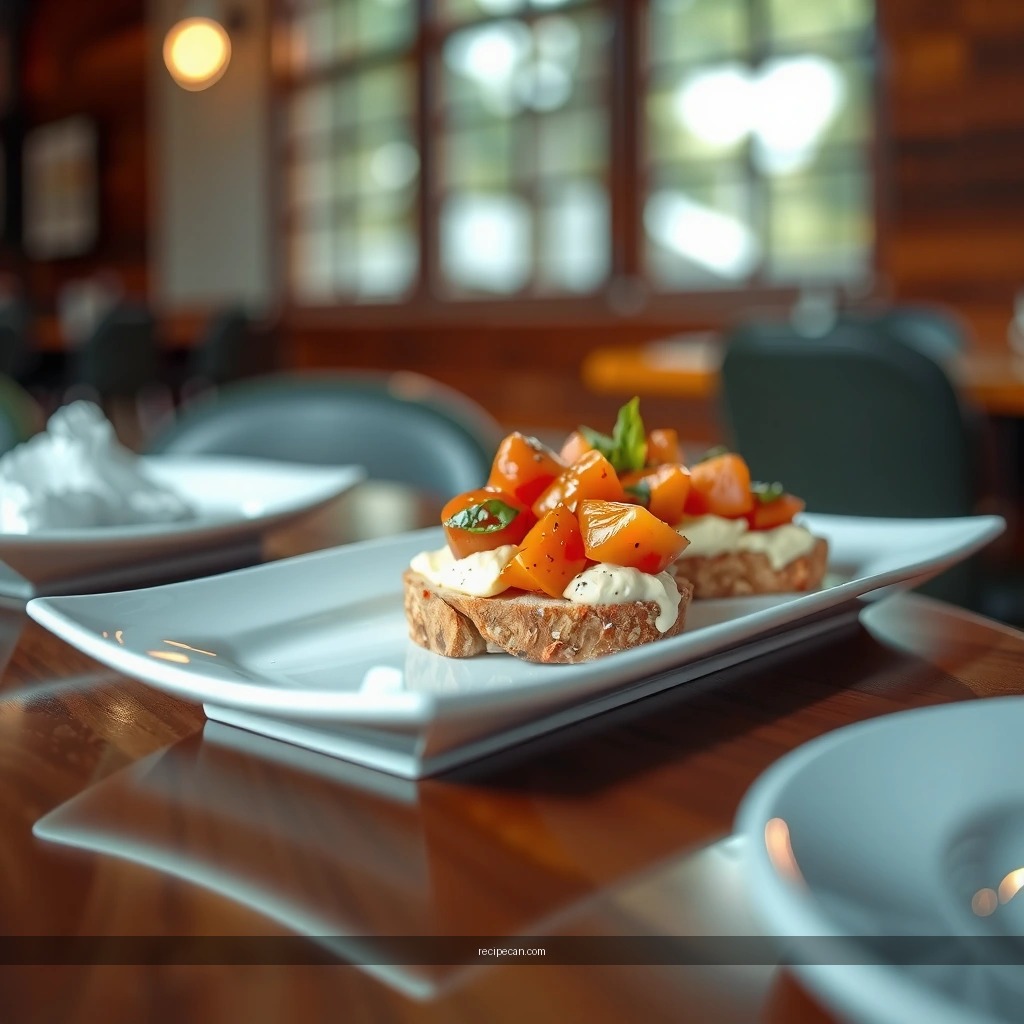
This is where “good bruschetta” becomes “always a hit.” You want tomato flavor that tastes fresh, not stewed. The trick is controlling moisture and balancing salt, acid, and aromatics.
Finely dice tomatoes and remove excess seeds/water
Start by dicing tomatoes into small, even pieces—roughly 1/4-inch (6 mm). The smaller the dice (within reason), the more evenly the topping clings to the bread. Then remove excess seeds and the watery interior gel, especially if you’re using tomatoes that run juicy.
A quick workflow:
1. Halve the tomatoes.
2. Use a spoon to scoop out the gel and seeds (leave some—just don’t keep the watery portion).
3. Dice and then lightly “drain” if needed by placing in a strainer for 3–5 minutes.
Mix with garlic, basil, salt, pepper, and a touch of balsamic if desired
Use freshly minced garlic, not jarred. Garlic can turn harsh if overdone, so keep the amount modest and let it mellow by resting the mixture briefly.
A reliable topping mix for 6–8 appetizer servings (about 12 slices):
– 2 cups (about 3–4 medium) Roma tomatoes, diced
– 1 clove garlic, finely minced or grated
– 1/2 cup loosely packed fresh basil, thinly sliced or chiffonade
– 2 1/2 tbsp extra-virgin olive oil
– 3/4 tsp kosher salt (start here; adjust after tasting)
– 1/4 tsp black pepper
– 1 tsp balsamic vinegar (optional, for brightness and depth)
Analytical tasting note:
If your tomatoes taste flat, salt and oil will not only season—they will “round out” tomato sugars. If your topping tastes heavy or muted, a small splash of balsamic vinegar (or extra basil) restores lift.
Rest the topping 10–20 minutes so flavors integrate. If you’re prepping ahead, wait to add basil until closer to assembly so the aroma stays vivid.
Toast the Bread for Maximum Crunch

Crunch is not accidental—it’s engineered through bread thickness and toasting method. Bruschetta bread should be sturdy enough to carry topping without immediately collapsing.
Slice bread thick enough to hold the topping
Use sturdy bread such as:
– ciabatta
– rustic Italian loaf
– sourdough batons
– baguette rounds (but only if cut thicker)
Aim for 1/2-inch (12 mm) slices or slightly thicker. Thin slices toast quickly but soften too fast once tomato juices arrive.
Toast until golden, then rub with garlic while warm
Toast on a baking sheet or directly under a broiler. You want golden edges and a dry interior surface.
Recommended method:
– Oven: 425°F (220°C) for 8–12 minutes, flipping once
– Broiler: 1–2 minutes per side while monitoring closely
After toasting, rub each warm toast lightly with a garlic clove. This provides aroma without overpowering heat. The warmth helps garlic oils bloom and perfume the bread.
Build Bruschetta the Right Way
Assembling bruschetta is less like “cooking” and more like “service design.” The goal is to keep bread crisp until it reaches the plate.
Spoon topping onto toasted bread just before serving
Topping timing determines texture outcomes:
– Assemble within 5–10 minutes of serving for best crunch.
– If hosting, pre-toast the bread and keep the topping separate, then assemble in batches.
Spoon generously but don’t soak. A good benchmark: topping should cover the bread surface, but there should not be visible pooling.
Add a final drizzle of olive oil for shine and depth
Even if you already used olive oil in the topping, a final drizzle matters. It:
– adds gloss and aroma
– helps bind the diced tomatoes to bread
– improves mouthfeel right at first bite
Finish with a brief “taste check” and adjust salt/pepper if needed—tomatoes can vary widely by ripeness.
Flavor Boosters (Optional but Amazing)
Bruschetta is flexible, and optional add-ins can create a “signature” version without losing the classic character. Use them thoughtfully so they enhance, not distract.
– Include a sprinkle of Parmesan or flaky sea salt
Parmesan adds savory umami and a gentle nutty finish. Flaky sea salt increases perceived brightness because it dissolves at different rates. Add these after plating if possible.
– Add mozzarella or a touch of chili flakes for extra richness and heat
For mozzarella, consider fresh mozzarella torn into small pieces or a lightly melted option. If you melt it, do so briefly before assembly—otherwise mozzarella can add moisture that compromises crunch. Chili flakes are safer: add sparingly to avoid dominating tomato sweetness.
Pro serving idea for events:
Set out two small topping bowls: one “classic basil” and one “basil + chili flakes.” Guests can customize without slowing your service.
Make It Ahead (Without Sogginess)
You can absolutely prep ahead—just respect the moisture timeline. The objective is to separate components that would otherwise fight each other (wet topping vs. crisp bread).
Prep tomato topping up to a few hours ahead, then re-season if needed
Make the topping and refrigerate it uncovered or loosely covered. Tomato flavors will deepen as they rest, but basil may dull slightly. If holding for 2–3 hours, add basil right before assembly for the freshest aroma.
When you pull it from the fridge:
– Taste for salt (cold dulls flavor perception)
– Add a small extra drizzle of olive oil if it tastes dry
– Add balsamic last if the acidity needs a lift
Toast bread right before serving and assemble on demand
Toast bread right before you plan to serve. If you must hold toasted slices, keep them on a rack (not a sealed container) so steam doesn’t soften the crust. Assemble at the last moment for the best bruschetta experience.
To scale for gatherings, use a “production line”:
1. Toast bread in advance and keep warm/dry.
2. Spoon topping in bowls.
3. Assemble one round at a time as guests arrive.
Quick Timing Blueprint (So You Hit “Perfect”)
Bruschetta Workflow for Best Crunch (6–8 Servings)
| Step | Task | Time | Best Practice |
|---|---|---|---|
| 1 | Dice tomatoes & remove excess gel | 15 min | Draining prevents sogginess |
| 2 | Mix topping (oil, garlic, salt, pepper, balsamic) | 10 min | Taste after 5 minutes |
| 3 | Rest topping | 10–20 min | Add basil near assembly |
| 4 | Toast bread to golden | 8–12 min | Toast on a rack/sheet |
| 5 | Garlic rub while warm | 2–3 min | Rub lightly for aroma |
| 6 | Assemble with topping + final drizzle | 5–10 min | Avoid waiting >15 min |
The best bruschetta recipe ever comes down to fresh toppings, garlic-toasted bread, and assembling at the last minute. Follow these steps, taste as you go, and serve immediately—then make it your go-to appetizer for any gathering.
Bringing it all together: choose ripe tomatoes, control moisture, toast bread until golden, rub with garlic while warm, and add the topping right before serving. With the exact mix and timing above, your bruschetta will consistently deliver that signature combination of bright flavor and perfect crunch that keeps guests coming back for “just one more bite.”
Frequently Asked Questions
What is the best bruschetta recipe ever for a classic tomato-garlic topping?
Start with toasted sourdough or rustic Italian bread rubbed with a cut garlic clove and drizzled with high-quality extra virgin olive oil. Combine diced ripe tomatoes with minced garlic, chopped fresh basil, salt, black pepper, and a splash of balsamic vinegar, then let it sit 10–20 minutes so the flavors meld. Spoon the tomato mixture over the warm crostini and finish with more olive oil and a pinch of flaky sea salt for the best bruschetta results.
How do I make bruschetta that doesn’t get soggy?
Use thick, sturdy bread and toast it until crisp, then serve immediately while the bruschetta topping is still at a cool room temperature. Dice tomatoes and drain off any excess liquid before mixing, or add the topping just before serving so the crunch stays intact. Keep the olive oil component separate until serving, since oil can seep into bread and soften it faster.
Why does my bruschetta taste bland, and how can I fix it?
Most bland bruschetta comes from under-seasoned tomatoes or bread that isn’t properly toasted and infused with garlic. Season tomatoes with salt first, then add pepper, basil, and a bright acid (lemon juice or balsamic) to lift the flavors. For a more “best bruschetta recipe ever” profile, use fresh garlic and good extra virgin olive oil rather than relying on bottled substitutes.
Which toppings pair best with a traditional bruschetta recipe?
The classic tomato basil combo is the foundation, but you can elevate it with creamy and salty add-ons like fresh mozzarella, burrata, or ricotta for a restaurant-style twist. Consider adding roasted garlic, olives, or a drizzle of hot honey for contrast, but keep toppings balanced so the bread remains the star. If you want a more gourmet “best bruschetta recipe ever” option, try white bean and rosemary bruschetta or prosciutto with tomatoes and basil.
Best bruschetta recipe tips for the perfect garlic flavor without overpowering?
For great garlic flavor, rub the toasted bread with garlic rather than mixing raw garlic into the topping—this keeps it aromatic instead of harsh. Use minced garlic in the tomato mixture sparingly and let it rest briefly so it mellows while absorbing the tomato juices. Finish with a final drizzle of extra virgin olive oil over the assembled bruschetta to round out the garlic notes and create a well-balanced, craveable bite.
References
- Bruschetta
https://en.wikipedia.org/wiki/Bruschetta - https://www.britannica.com/topic/bruschetta
https://www.britannica.com/topic/bruschetta - Crostini
https://en.wikipedia.org/wiki/Crostini - Olive oil
https://en.wikipedia.org/wiki/Extra_virgin_olive_oil - Garlic
https://en.wikipedia.org/wiki/Garlic - Basil
https://en.wikipedia.org/wiki/Basil - Balsamic vinegar
https://en.wikipedia.org/wiki/Balsamic_vinegar - Google Scholar Google Scholar
https://scholar.google.com/scholar?q=bruschetta+recipe+tomato+garlic+basil - Google Scholar Google Scholar
https://scholar.google.com/scholar?q=italian+antipasto+bruschetta+bread+olive+oil - Google Scholar Google Scholar
https://scholar.google.com/scholar?q=bruschetta+technique+toasting+bread+olive+oil+garlic