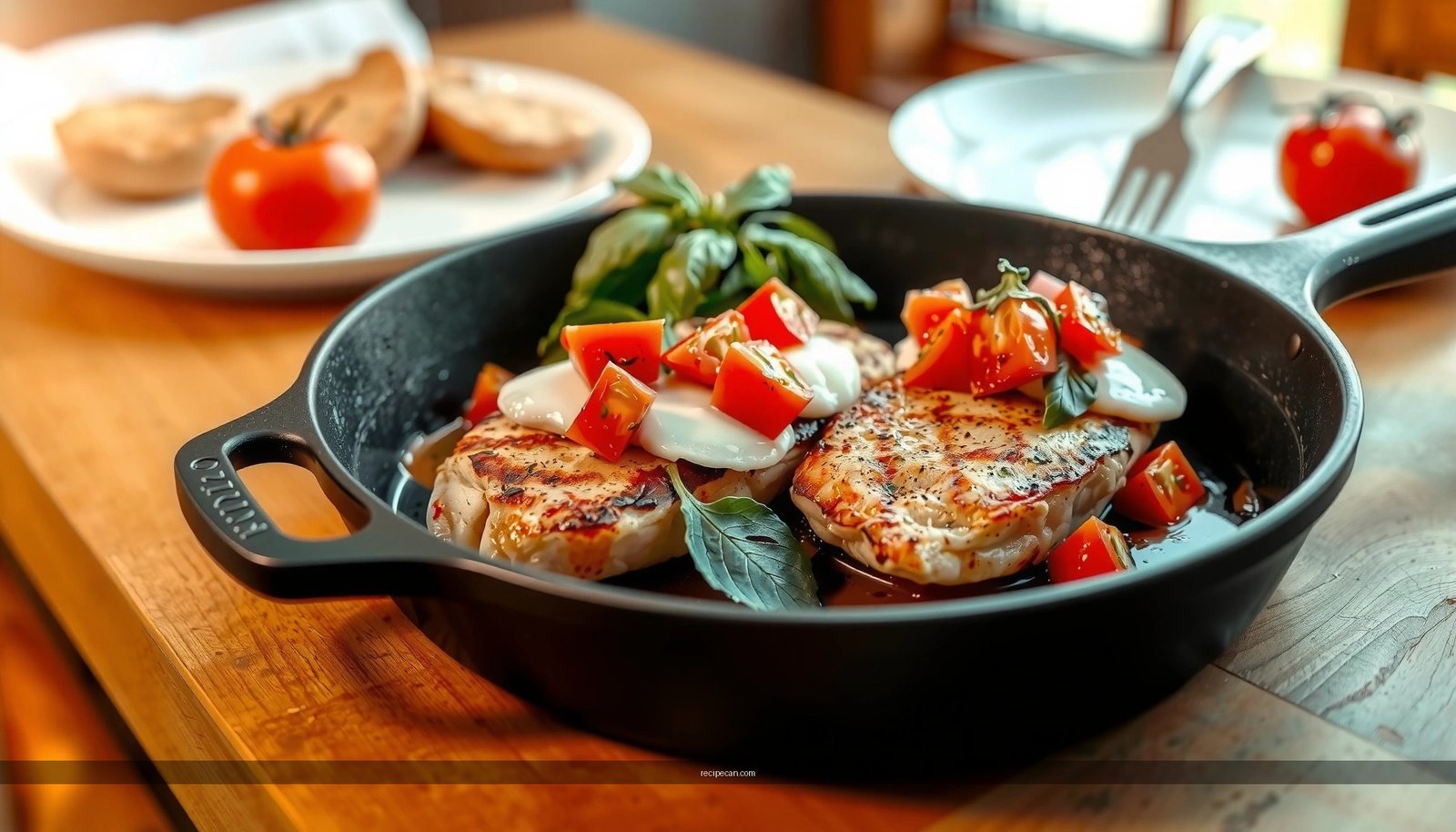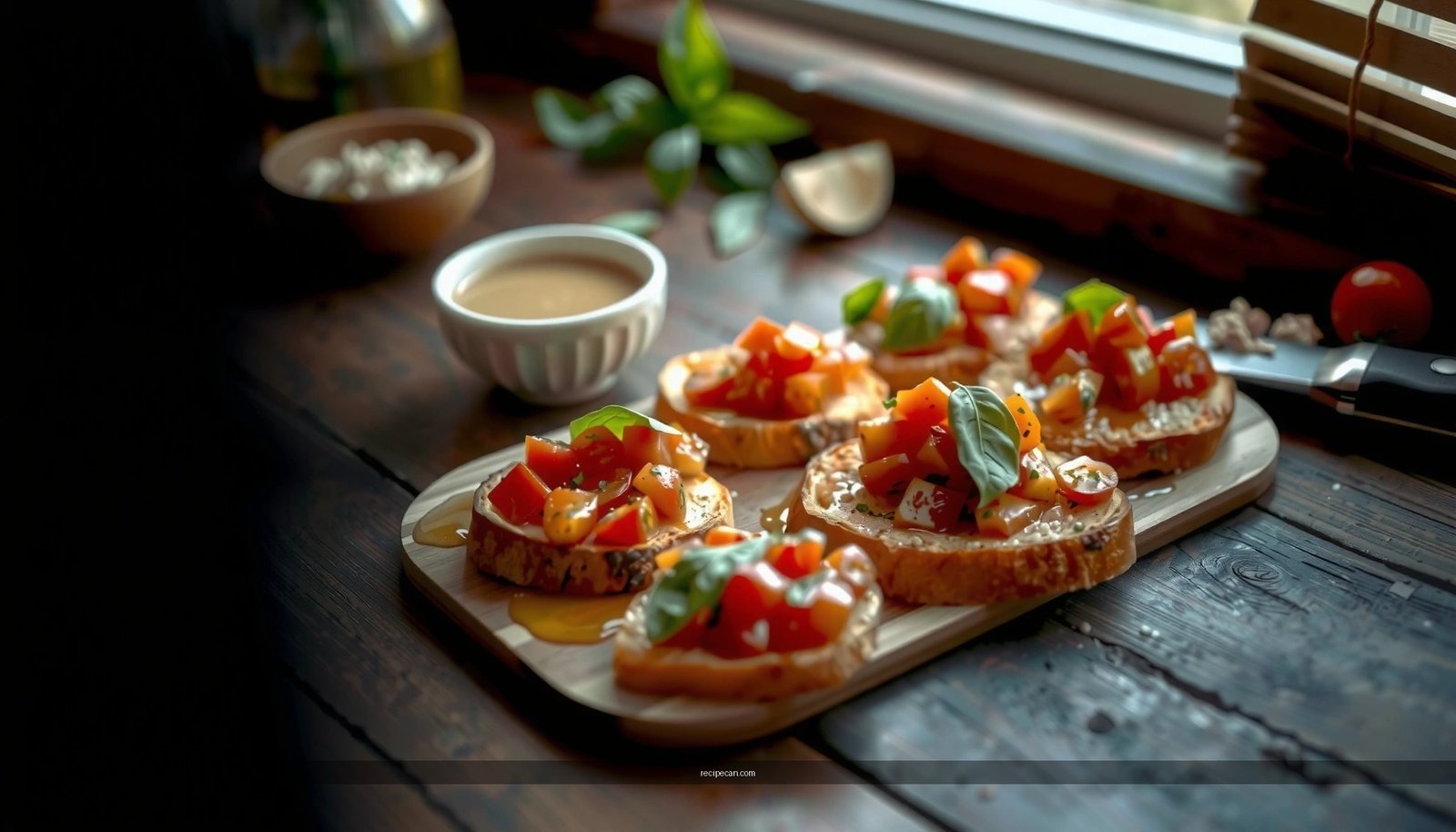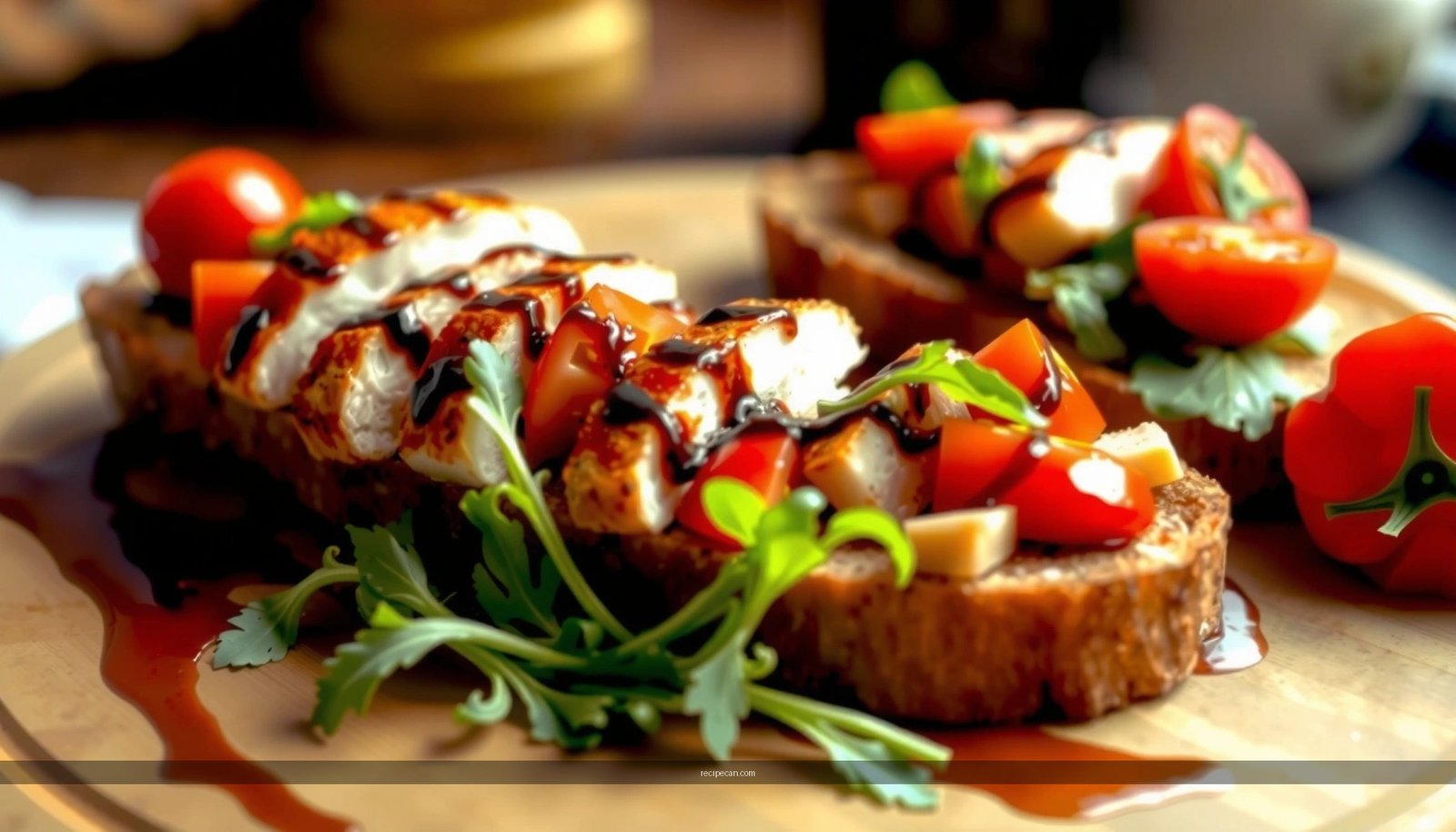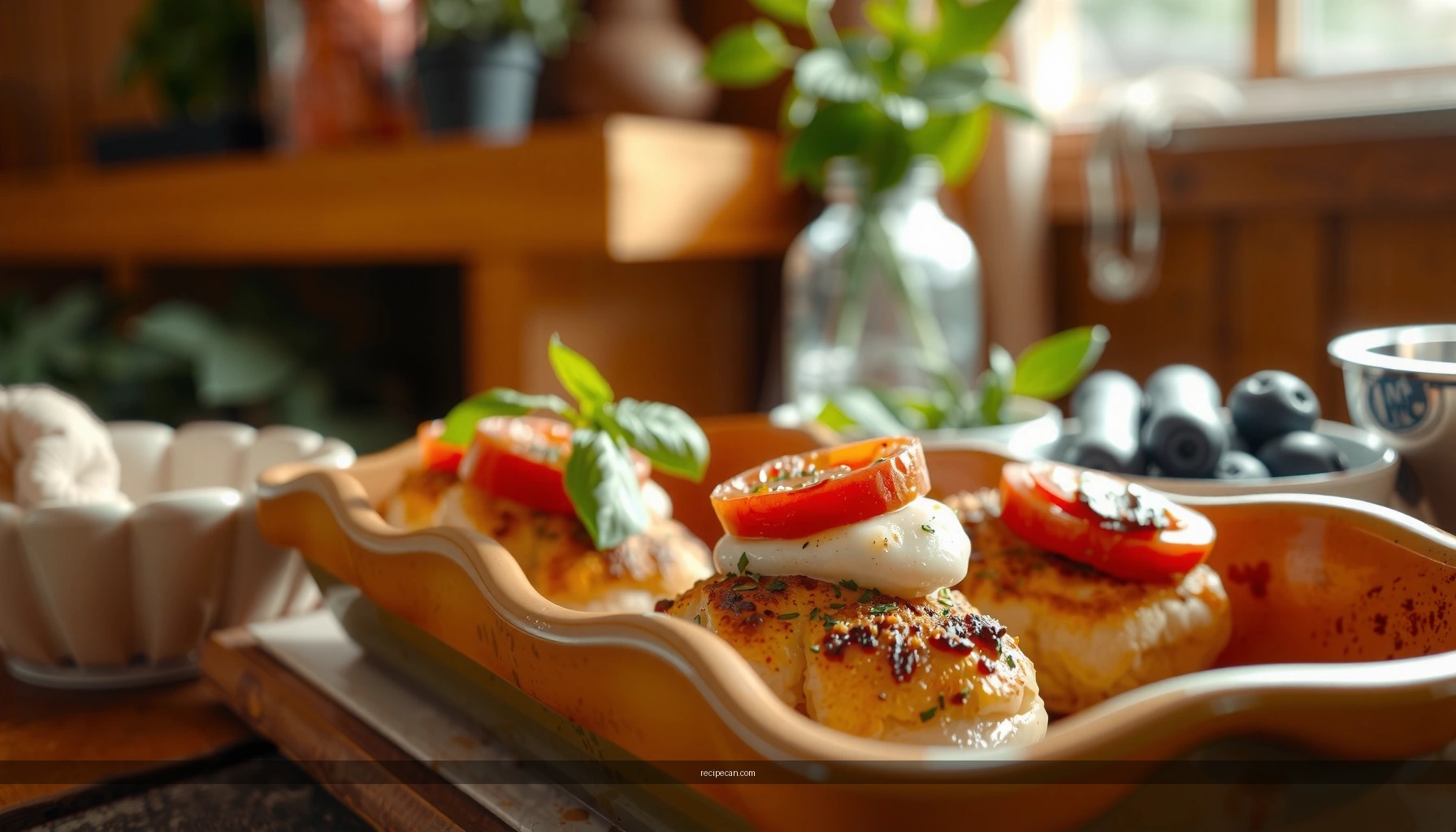
This baked bruschetta chicken recipe delivers the clear win: juicy chicken baked in the oven and topped with vibrant bruschetta flavors without any fuss. If you want an easy, reliable method for getting that classic tomato-garlic-topped taste, this is the fastest route from prep to hot, slice-ready dinner. Expect a bold, oven-baked finish that tastes like you worked longer than you did.
Bake bruschetta chicken by topping seasoned chicken with a tomato-basil mixture and cheese, then baking until juicy and bubbly—this simple oven-baked method delivers classic bruschetta flavor without the stovetop work. In this recipe, you’ll learn how to prep the topping so it tastes bright and cohesive, assemble everything for even melting, and bake for tender, flavorful results you can repeat all week.
Ingredients You’ll Need
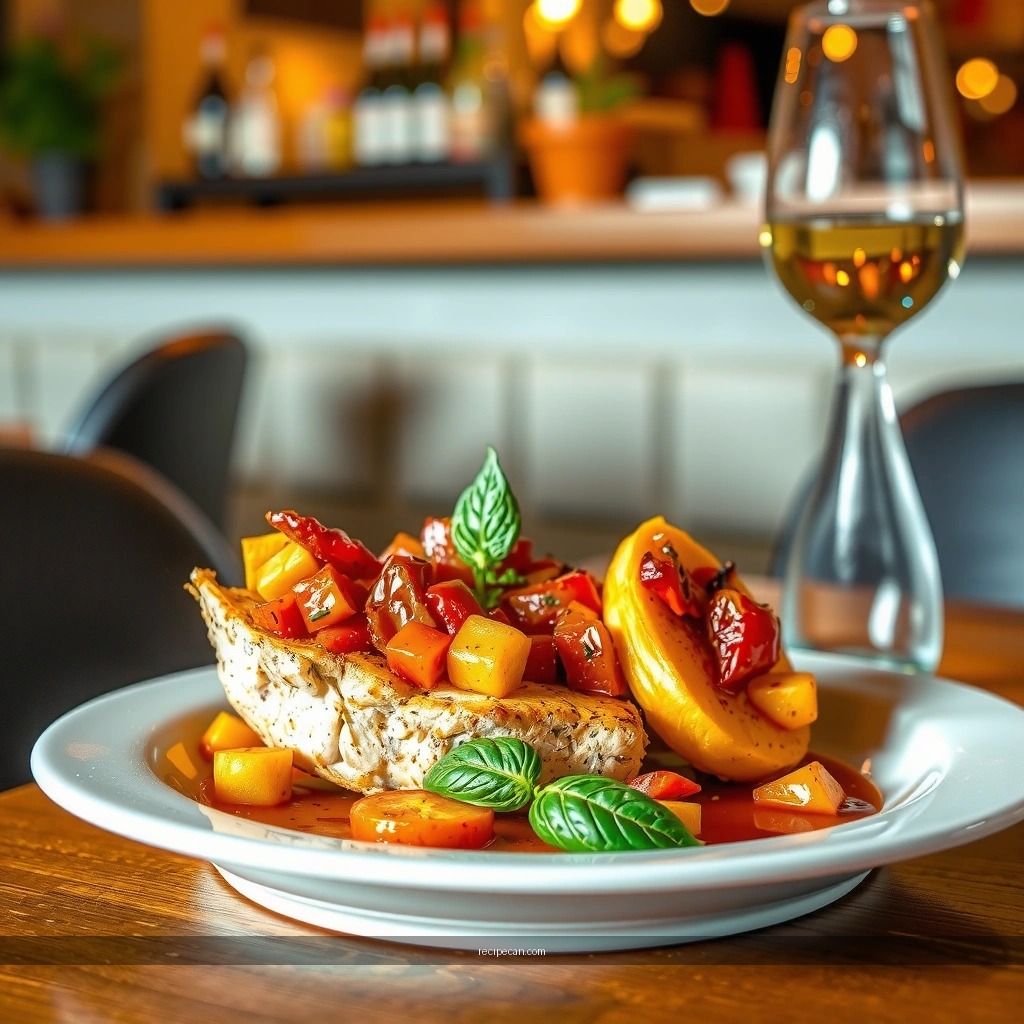
– Chicken breasts or thighs for easy oven baking
– Bruschetta-style topping: tomatoes, basil, garlic, and olive oil
– Mozzarella or parmesan for a cheesy finish
If you want the “restaurant” effect, treat the topping as a controlled, flavorful sauce rather than a random pile of chopped ingredients. Use ripe tomatoes (or high-quality canned diced tomatoes) and fresh basil if possible, because the aroma and acidity of basil + garlic are what make bruschetta “pop” even after baking.
Below is a practical reference for choosing cheeses and how they behave in the oven—use it to match your texture preference (stretchy vs. sharp and savory):
Cheese Selection for Bruschetta Chicken (Oven Behavior)
| # | Cheese option | Best melt result | Flavor profile | Oven rating | Why it works |
|---|---|---|---|---|---|
| 1 | Fresh mozzarella | Stretchy + juicy melt | Mild, creamy | ★★★★★ | Balances tomato acidity and resists dryness. |
| 2 | Low-moisture mozzarella | Thicker melt layer | Comforting, lightly salty | ★★★★☆ | Holds shape longer, great for crisp edges. |
| 3 | Parmesan | Savory golden top | Nutty, sharp | ★★★★☆ | Adds browning and depth without overpowering. |
| 4 | Provolone | Smooth, lightly stretchy melt | Buttery, mild tang | ★★★☆☆ | Works well if you broil briefly for color. |
| 5 | Blend: mozzarella + parmesan | Best of both textures | Creamy with savory edge | ★★★★★ | Mozzarella melts; parmesan browns and intensifies. |
| 6 | Ricotta (as topping under cheese) | Creamy, not fully “stretchy” | Mild, milky | ★★★☆☆ | Needs mozzarella/parmesan on top to finish. |
| 7 | Pre-shredded “pizza” cheese | Melts, but can dull crispness | Mixed, often salty | ★★☆☆☆ | Anti-caking agents can reduce browning. |
Prep the Bruschetta Topping
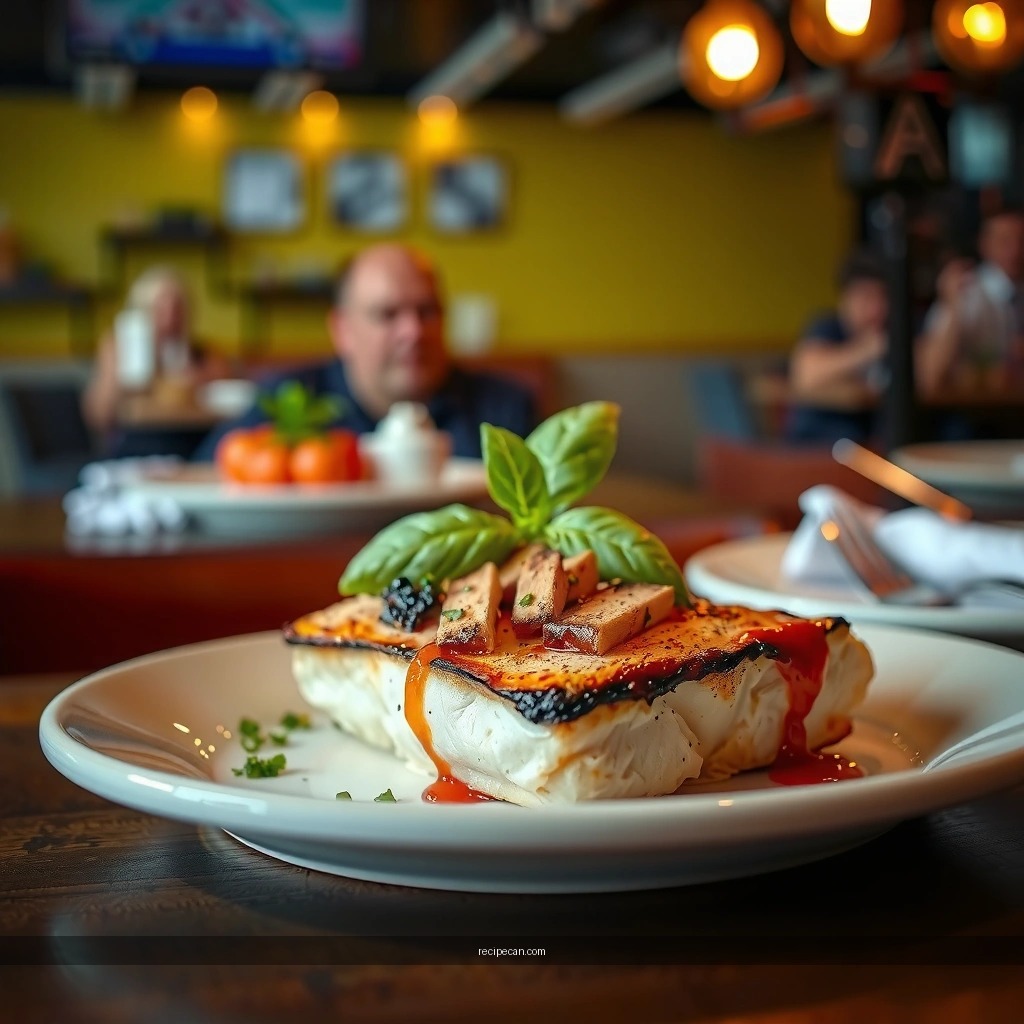
– Dice tomatoes and season with garlic, basil, salt, and pepper
– Let the mixture sit briefly so flavors meld
– Add olive oil for richness and moisture
Start with the tomatoes: aim for small, even dice so every bite of chicken gets the same ratio of tomato, herbs, and garlic. If you’re using fresh tomatoes, remove very wet cores or scoop out extra seeds for a thicker topping that won’t thin out the cheese layer.
Seasoning logic (why this matters):
– Garlic + salt draw moisture from tomatoes slightly, which makes the mixture taste more “rounded” rather than raw.
– Basil is best added in a way that preserves aroma. If you chop it, keep the pieces fairly large so they don’t turn bitter.
– Olive oil acts as a flavor carrier. A couple tablespoons helps distribute garlic and basil throughout the tomato mixture, and it improves the “bruschetta-style” gloss even after baking.
Resting step (the difference between good and great):
Let the tomatoes sit for 10–15 minutes after mixing. This short maceration builds a cohesive topping, so the final baked layer tastes like a deliberate sauce, not just raw ingredients.
Practical variation:
If your tomatoes are less flavorful (winter produce), use a small pinch of sugar or a tiny splash of balsamic vinegar to restore brightness—then taste and adjust. Bruschetta flavor should be lively, not flat.
Season and Bake the Chicken
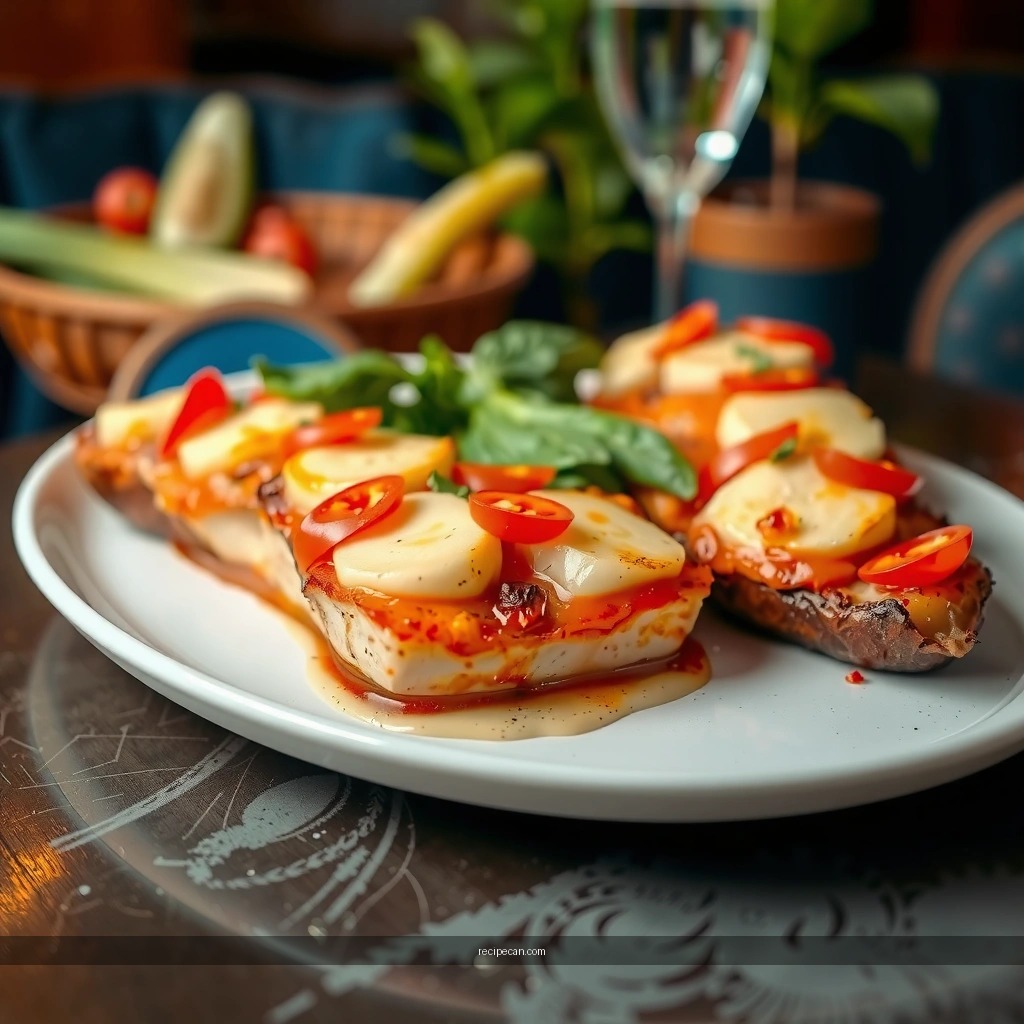
– Season chicken with Italian herbs, salt, and pepper
– Arrange in a baking dish for even cooking
– Bake until the chicken is nearly done before topping
Oven-baked bruschetta chicken succeeds when timing is controlled: you want the chicken cooked through, but you don’t want it dried out under a bubbly cheese lid.
How to season effectively:
Use Italian herbs (or a blend of oregano, basil, and parsley), plus salt and pepper. Salt is especially important because it seasons the chicken from the inside out as it heats. If you have time, sprinkle and let it sit 5–10 minutes before baking—this improves seasoning penetration.
Bake strategically:
Cook the chicken until it’s nearly done before adding the tomato-basil topping and cheese. This approach prevents the common failure mode where the cheese browns before the chicken reaches a safe temperature, or where the chicken finishes while the tomato layer stays watery.
Chicken cut guidance:
– Boneless skinless chicken breasts typically benefit from pounding to an even thickness (about 1 inch). Even thickness means predictable doneness.
– Thighs are more forgiving and stay juicy more reliably, especially if they’re slightly thicker.
Food safety anchor:
You’re aiming for safe internal temperature; don’t rely on visual cues alone. Use a thermometer if possible.
After baking becomes predictable with a thermometer, your recipe repeats like a system—consistent results matter for weeknight reliability.
Assemble for Maximum Flavor
– Spoon bruschetta topping over baked chicken
– Add cheese so it melts and locks in flavor
– Broil briefly if you want a golden, bubbly top
Assembly is where the dish shifts from “ingredients” to “experience.”
Layering method (best practice):
1. Remove the chicken from the oven when nearly cooked.
2. Spoon bruschetta topping over each piece, ensuring coverage to the edges.
3. Add cheese so it sits on top of the topping rather than sinking completely into it.
This placement helps create that signature bubbly, melted layer that mimics the texture of baked bruschetta.
Broiling for finish (optional, but high-impact):
Broil briefly to develop surface color and a deeper savory aroma. Keep a close eye—broilers move fast, and cheese can go from golden to burnt in minutes.
Flavor “lock-in” concept:
When the cheese melts over the tomato mixture, it:
– seals in moisture,
– adds fat that carries basil and garlic aroma,
– and creates a cohesive bite where chicken, tomato, and cheese share the same heat profile.
If you’re serving guests, this is also the moment when you can confidently say the dish looks “done.” It’s hard to overestimate the psychological benefit of a golden top—it signals readiness and boosts perceived quality.
Timing and Doneness Tips
– Bake until chicken reaches safe internal temperature (about 165°F / 74°C)
– Avoid overbaking to keep chicken juicy
– Rest briefly before serving for best texture
Temperature is the metric that removes guesswork.
Chicken is safely cooked at 165°F / 74°C. For breasts, check the thickest part. For thighs, check near the bone if applicable (or the thickest section if boneless).
Avoid overbaking:
Overbaked chicken becomes tough because proteins tighten as moisture escapes. Since your topping and cheese add additional cooking time, it’s better to stop slightly early and let the final bake/broil bring it home.
Resting improves texture:
Rest the chicken 3–5 minutes before serving. This short window allows juices to redistribute so each slice feels tender rather than watery. In an oven-baked dish with cheese and tomato juices, resting also helps the topping set slightly, improving bite structure.
Operational tip:
If you’re cooking multiple chicken pieces, arrange them with breathing space in the baking dish. Overcrowding slows heat transfer and can extend bake time—leading to drier results.
Serving Suggestions
– Serve with crusty bread, pasta, or a fresh green salad
– Optional add-ons: balsamic glaze or extra basil
– Store leftovers and reheat gently to prevent drying
This recipe is versatile because bruschetta flavors are inherently “pairing-friendly.” Choose sides that complement the tomato-basil profile without overwhelming it.
– Crusty bread: Best for scooping up the tomato juices and melted cheese.
– Pasta (lightly dressed): Use olive oil, garlic, and a touch of parmesan to keep the flavor aligned.
– Fresh green salad: Add acidity with lemon or vinaigrette to cut through the baked cheese richness.
Optional add-ons that elevate fast:
– Balsamic glaze: Drizzle lightly at the end for sweet-tang contrast.
– Extra basil: Add fresh leaves after baking to preserve aroma.
Leftovers (how to keep them great):
Store in an airtight container in the refrigerator. Reheat gently—microwave at **lower power** or warm in the oven briefly—so the chicken doesn’t continue drying out. If reheating in an oven, cover loosely with foil to protect moisture, then uncover for the last minute to re-melt cheese.A quick reheat best practice: add a spoonful of fresh tomato mixture (or a splash of olive oil) to revive brightness if the topping has thickened.
—
Baked bruschetta chicken delivers bold tomato-garlic-basil flavor with minimal effort—season, bake, top, and finish with melted cheese. Follow the doneness target (165°F / 74°C), rest briefly, and use the topping resting step for a cohesive, restaurant-style bite. Once you nail those fundamentals, you can make this your go-to weeknight dinner by adjusting the topping to your taste—more garlic, extra basil, or extra cheese.
Frequently Asked Questions
What is the best way to make baked bruschetta chicken?
Start by seasoning chicken breasts or thighs with salt, pepper, and garlic powder, then bake until nearly cooked through. Spoon a classic bruschetta topping—diced tomatoes, minced garlic, basil, olive oil, and balsamic—over the chicken and bake briefly to meld the flavors. Finish with a sprinkle of mozzarella (optional) and extra basil for that baked bruschetta chicken taste.
How do you prevent baked bruschetta chicken from getting watery?
Use firm, seeded tomatoes and pat them dry to reduce excess moisture before mixing them into your bruschetta topping. Bake the chicken first, then add the bruschetta and return it to the oven just long enough to warm and lightly set the topping. If your tomatoes are very juicy, drain diced tomatoes or use a thicker bruschetta-style mixture to keep the baked chicken from turning soggy.
How long should you bake bruschetta chicken in the oven and at what temperature?
Bake at 400°F (205°C) for about 18–25 minutes, depending on the thickness of the chicken. Chicken is done when it reaches an internal temperature of 165°F (74°C) in the thickest part. Add the bruschetta topping during the last 5–8 minutes so the flavors stay fresh without drying out the chicken.
Why does bruschetta topping taste best when served on baked chicken instead of cooked inside?
Bruschetta ingredients like fresh basil and garlic can lose brightness and texture if they simmer too long. Baking the chicken first and adding the bruschetta topping at the end keeps the tomato mixture flavorful and vibrant while the chicken stays juicy. This method creates that classic bruschetta flavor profile—tangy, garlicky, and herb-forward—on tender baked chicken.
Which type of chicken works best for baked bruschetta chicken recipes?
Chicken breasts are a popular choice because they bake evenly and pair well with a hearty tomato topping, but chicken thighs are equally great for extra tenderness. If using thicker cuts, pound the chicken to an even thickness so baked bruschetta chicken cooks consistently and stays juicy. For best results, choose boneless, skinless chicken and follow the internal temperature of 165°F (74°C).
References
- Google Scholar Google Scholar
https://scholar.google.com/scholar?q=baked+bruschetta+chicken+recipe - Google Scholar Google Scholar
https://scholar.google.com/scholar?q=bruschetta+tomato+garlic+olive+oil+chicken+bake - Google Scholar Google Scholar
https://scholar.google.com/scholar?q=poultry+safe+minimum+cooking+temperature+food+safety - Bruschetta
https://en.wikipedia.org/wiki/Bruschetta - Chicken
https://en.wikipedia.org/wiki/Chicken - https://www.foodsafety.gov/food-safety-charts/safe-minimum-cooking-temperatures
https://www.foodsafety.gov/food-safety-charts/safe-minimum-cooking-temperatures - https://fsis.usda.gov/food-safety/safe-food-handling-and-preparation/food-safety-basics/cooking-meat-poultry-and-egg
https://fsis.usda.gov/food-safety/safe-food-handling-and-preparation/food-safety-basics/cooking-meat-poultry-and-egg - https://www.foodsafety.gov/keep-food-safe/cook
https://www.foodsafety.gov/keep-food-safe/cook - https://pubmed.ncbi.nlm.nih.gov/?term=poultry+cooking+temperature+campylobacter+salmonella
https://pubmed.ncbi.nlm.nih.gov/?term=poultry+cooking+temperature+campylobacter+salmonella - Baking
https://en.wikipedia.org/wiki/Baking