This pasta bruschetta recipe gives you the fastest route to tomato-garlic flavor without complicated steps, making it the clear winner when you want dinner in under 30 minutes. You’ll combine juicy tomatoes, garlic, and toasted bread-style seasoning, then toss it into pasta for a bold, bruschetta-inspired bite. If you’re searching for an easy, flavorful tomato garlic pasta that still tastes restaurant-worthy, this is the one to cook.
Yes—this pasta bruschetta recipe delivers bold bruschetta flavor in a fraction of the time: a fresh tomato-garlic-basil topping tossed with al dente pasta. You’ll get the same “bruschetta on toast” taste—bright, garlicky, and herb-forward—without the bread, by using reserved pasta water to help the sauce cling and emulsify into a light, glossy coating.
Gather Ingredients for Pasta Bruschetta
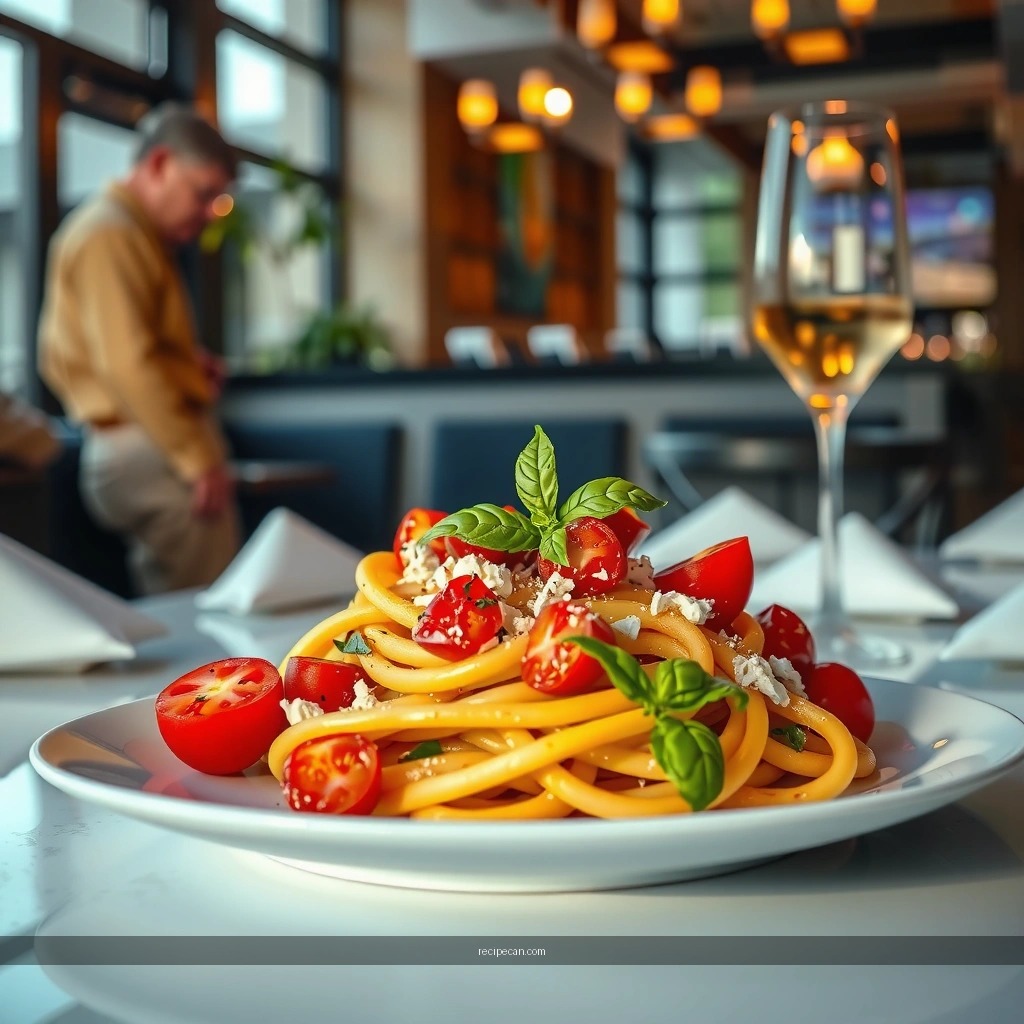
This recipe works best when you treat it like a classic topping first, then a quick pasta finish. The goal is freshness (tomato and basil), aromatics (garlic), and a clean sauce foundation (olive oil + a touch of acid).
Core ingredients to prioritize
– Ripe tomatoes (2–3 medium / ~700–900 g total): Choose tomatoes that smell sweet and taste slightly tangy. Roma/Plum tomatoes are excellent for dicing; vine-ripened tomatoes are ideal if you want a juicier topping.
– Fresh basil (1 packed cup chopped): Basil’s delicate aroma fades with heat, so you’ll stir it in at the right time.
– Garlic (3–5 cloves): Use more if you love a robust bruschetta profile. Mince for quick infusion or slice thin for a milder bite.
– Good olive oil (3–5 tablespoons): Extra-virgin olive oil provides the “bruschetta” character and helps carry flavor through the toss.
Pasta and optional add-ons
– Preferred pasta shape (300–360 g dry): Linguine, spaghetti, penne, rigatoni, or farfalle all work. Long pasta coats beautifully; shorter shapes hold chunky tomato pieces well.
– Cheese (optional, 1/2–1 cup): Parmesan is the most classic choice, but you can also use Pecorino Romano for extra sharpness. For a softer, milder finish, mozzarella or shredded provolone can be added.
– Salt + black pepper: Salt is essential—tomatoes alone won’t season the topping enough.
– Optional balsamic vinegar (1–2 teaspoons): Adds depth and a subtle sweetness that mirrors restaurant bruschetta.
Quick quality checklist (so your topping tastes right)
– Tomatoes: firm but fragrant, not watery or bland.
– Garlic: fresh and aromatic (avoid dried, sprouted cloves if possible).
– Basil: not wilted; bright green leaves give the best aroma.
Prepare the Bruschetta Topping
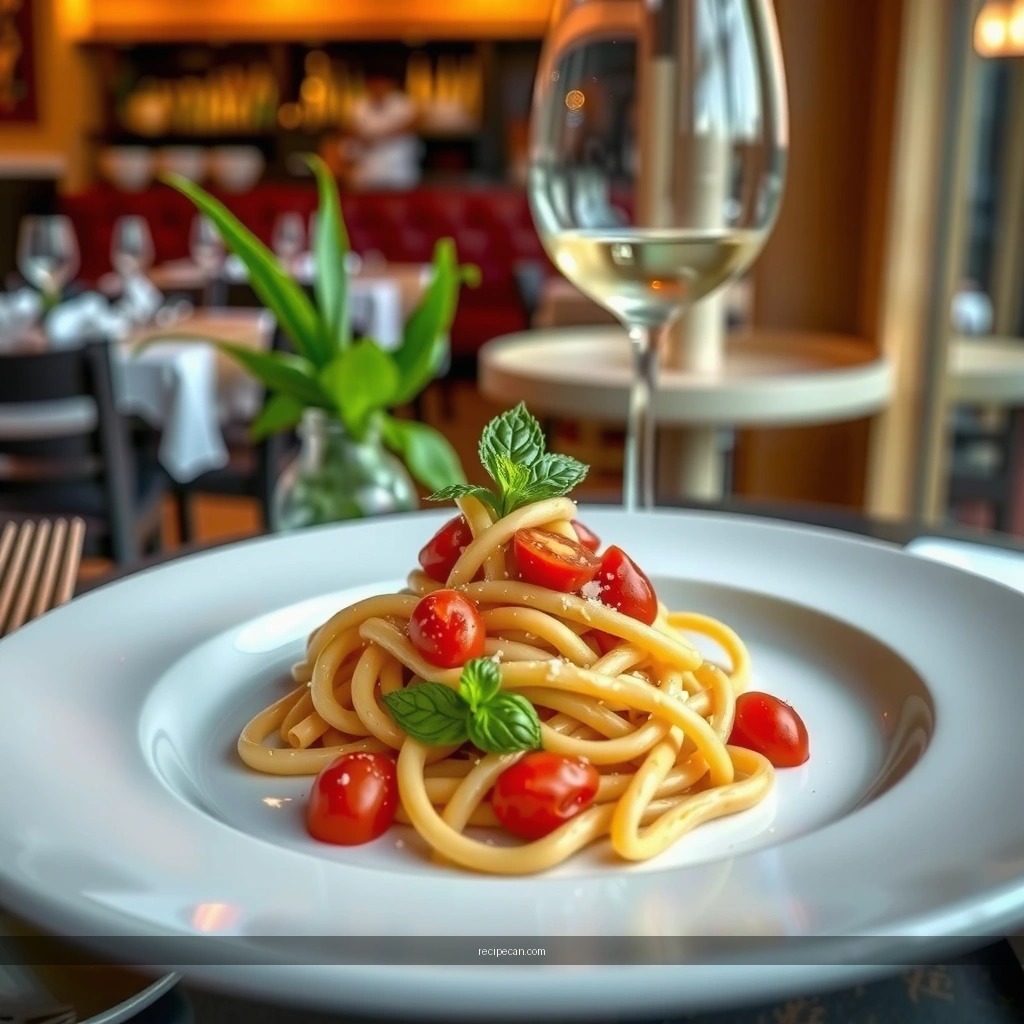
Think of this step as building a quick “bruschetta sauce” using raw tomato and aromatics. A brief rest helps the flavors settle and slightly juice the tomatoes, creating the perfect base for your tomato garlic pasta sauce.
1. Dice tomatoes
– Remove the cores and dice into small, even pieces so every forkful gets tomato, basil, and garlic.
– If your tomatoes are very juicy, you can lightly drain them for 5 minutes—just don’t discard all the juices.
2. Combine aromatics and seasonings
– In a mixing bowl, combine diced tomatoes with minced garlic, chopped basil, salt, and freshly ground black pepper.
– Add olive oil and mix until tomatoes look glossy.
3. Add optional balsamic (recommended if tomatoes are less sweet)
– Stir in 1–2 teaspoons balsamic vinegar. This brightens flavor and balances acidity, especially in off-season produce.
4. Let it rest
– Rest the mixture 10–20 minutes while you boil the pasta. You’re not cooking the topping—you’re letting it marinate lightly.
When to adjust flavor (so it tastes like bruschetta, not just tomato salad)
– Too sharp/acidic? Add a touch more olive oil and consider 1/2 teaspoon balsamic (if you haven’t yet).
– Too bland? Increase salt gradually.
– Not garlicky enough? Add a bit more minced garlic or a pinch of garlic powder as a backup.
Suggested Freshness Check for Bruschetta-Style Tomatoes
| # | Tomato Indicator | What to Look For | Cooking Impact | Result |
|---|---|---|---|---|
| 1 | Aroma at stem end | Sweet, tomato-forward | Better flavor diffusion into oil | ★ High |
| 2 | Firmness | Slight give, not mushy | Keeps diced texture in pasta | ★ High |
| 3 | Seed gel presence | Thick, cohesive gel | Creates a natural, light sauce | ★ High |
| 4 | Skin integrity | Unbroken, glossy skin | Less watery topping | ★ High |
| 5 | Salt response | Quickly tastes rounded after salting | Topping seasons evenly | ★ High |
| 6 | Wateriness after dicing | Minimal excess liquid | Sauce stays emulsified | ★ High |
| 7 | Aftertaste | Fresh, not metallic or bland | Bruschetta flavor remains “clean” | ★ Low |
Cook the Pasta to Perfect Texture
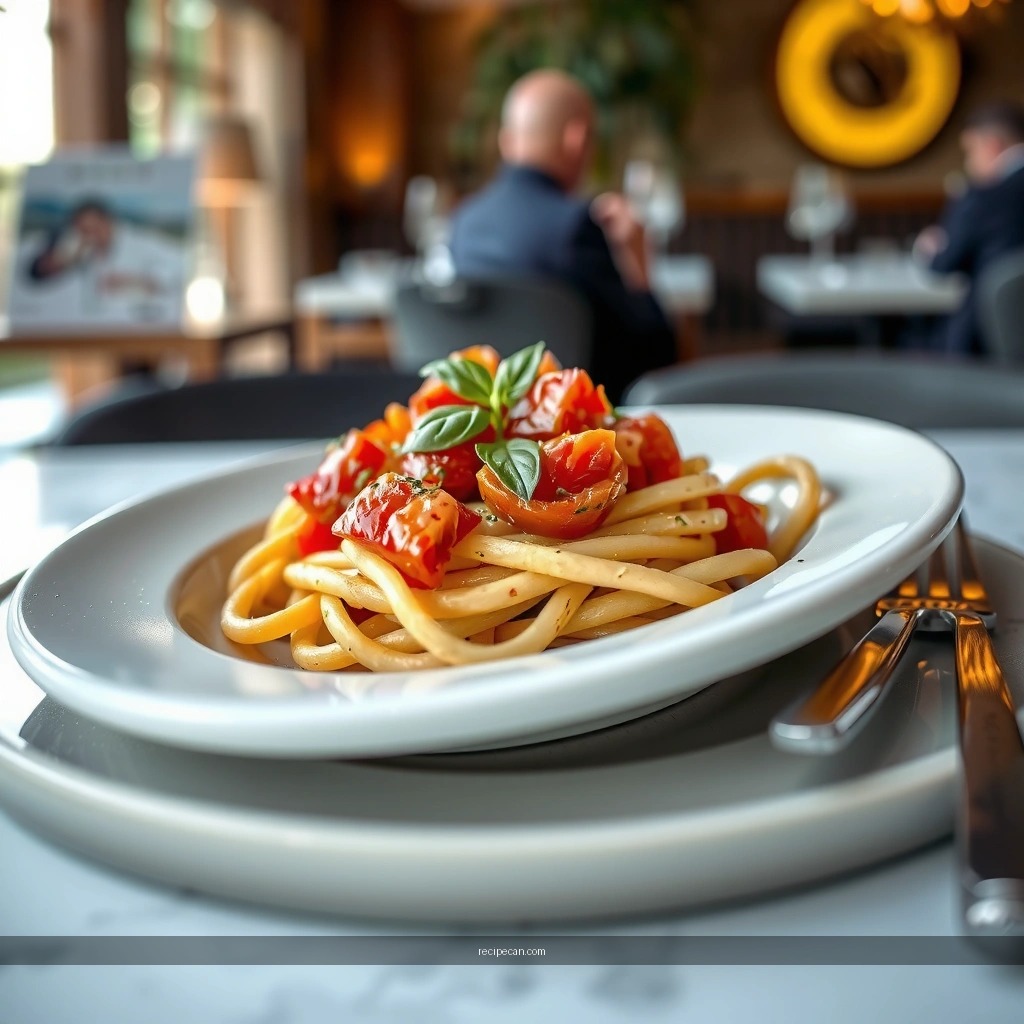
For the best pasta bruschetta results, cook the pasta al dente and don’t skip the pasta water. Pasta water contains starch, which acts like an emulsifier—turning your tomato-olive-oil topping into a cohesive coating rather than a separate topping.
1. Boil water correctly
– Use a large pot with well-salted water. It should taste pleasantly salty, similar to the sea.
– Salt early so pasta absorbs seasoning from the start.
2. Cook until al dente
– Follow the package time, but taste 1–2 minutes early. Al dente pasta has a firm center and stays resilient during the final toss.
3. Reserve pasta water
– Before draining, reserve 1/2 to 1 cup of pasta water.
– Start with a small splash when tossing; add more gradually until the sauce looks glossy and lightly clings to noodles.
Why reserved pasta water matters (analytical take)
Tomatoes and olive oil don’t naturally emulsify on their own. The starch from pasta water helps the fat bind with tomato juices, creating a lighter “sauce-like” texture that feels cohesive—exactly the experience people expect from bruschetta-inspired pasta.
Combine Pasta and Bruschetta for Maximum Flavor
This is where the dish transitions from “topping” to “meal.” The key is timing: toss quickly so basil stays aromatic and garlic stays punchy without turning harsh.
1. Toss while the pasta is hot
– Add drained pasta directly to the bowl with the tomato mixture (or vice versa, depending on your setup).
– Pour in a splash of reserved pasta water and toss thoroughly.
2. Adjust texture and seasonings
– If it looks dry, add more pasta water, 1–2 tablespoons at a time.
– Taste and fine-tune salt and pepper. This final taste test is what separates “good” from “restaurant-level.”
3. Finish with optional cheese
– Add Parmesan off heat, then toss again. The residual heat helps it melt lightly into the coating.
– For mozzarella, you can mix it in after tossing; it will soften from the heat, or you can place the pasta briefly under a broiler for a minute if desired.
4. Optional final drizzle
– A final drizzle of olive oil boosts aroma and gives that signature bruschetta shine.
Common pitfalls to avoid
– Cooking basil: If basil wilts too much, you lose freshness. Keep heat exposure minimal.
– Overcooking tomatoes: The topping is meant to stay “bright,” not stewed. Let rest and toss—don’t simmer.
– Skipping emulsification: Without pasta water, the dish can taste like tomato salad sitting on noodles rather than a unified pasta sauce.
Make It Fast (and Crowd-Friendly)
A great weeknight meal is as much logistics as flavor. This recipe is naturally fast because much of the work overlaps (marinate while pasta cooks).
Time-saving strategy
– Prep the tomato mixture first and let it rest while the pasta boils.
– Chop basil and mince garlic early; these are your “bench skills” that don’t take long but add up.
Scaling for groups
This recipe scales cleanly because the topping is proportional to pasta volume and taste preferences. Use these guidelines:
– For 4 servings: ~300–360 g dry pasta and ~2–3 medium tomatoes.
– For 6 servings: ~540 g dry pasta and ~4–5 medium tomatoes; increase basil and olive oil proportionally.
– For large gatherings: Consider holding pasta slightly under al dente and finishing the toss just before serving for best texture.
Operational tip for gatherings
If you’re serving many people, toss the pasta in batches or use a large mixing bowl:
– Add topping gradually.
– Toss with reserved pasta water until glossy.
– Serve immediately to prevent pasta from absorbing all moisture.
Serving Ideas and Variations
This pasta bruschetta recipe is intentionally flexible—different “versions” can fit different diners while preserving the same core flavor profile: tomato, garlic, basil, and olive oil.
High-impact variations
– Add mozzarella or burrata
– Burrata is especially effective because its creamy interior softens the garlicky bite.
– Serve burrata on top and let diners break it into the hot pasta.
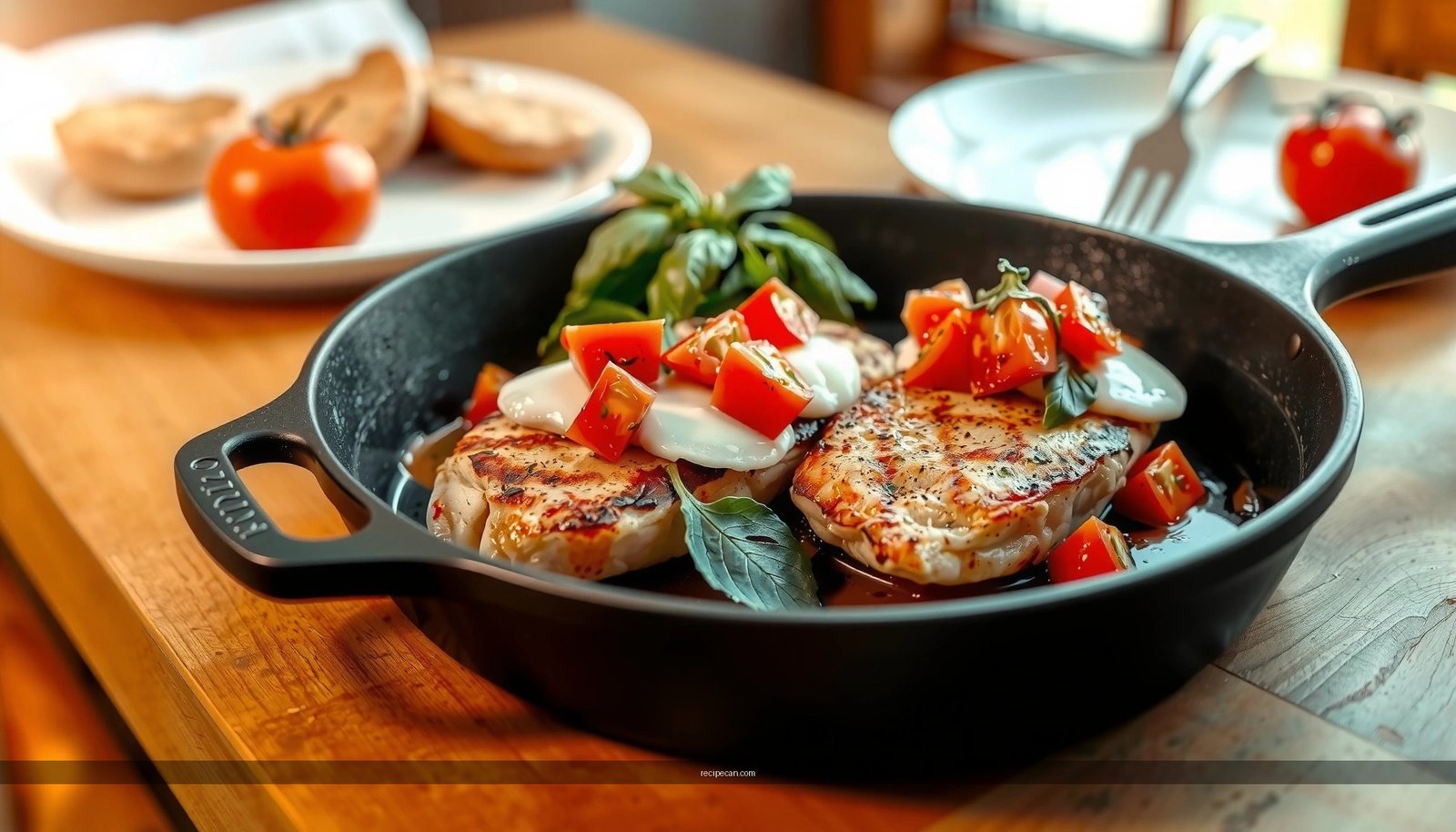
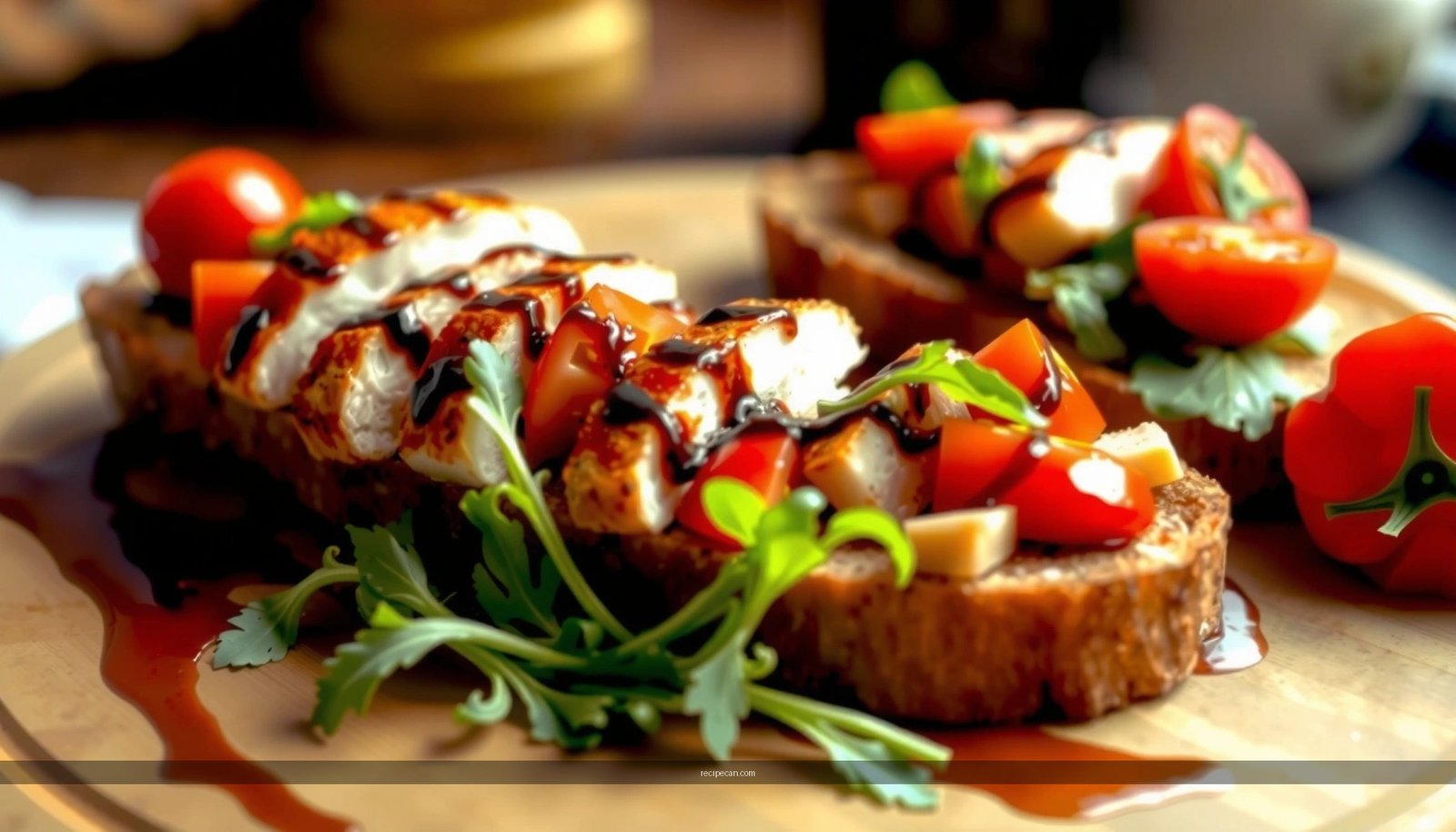
– Add grilled chicken for protein
– Slice grilled chicken breast or thighs into bite-size pieces.
– Toss everything together briefly, or keep chicken warm separately for cleaner texture.
– Boost with roasted vegetables
– Roasted zucchini, bell peppers, or cherry tomatoes add sweetness and depth. Keep roasting time short so flavors don’t overpower basil.
Texture twists
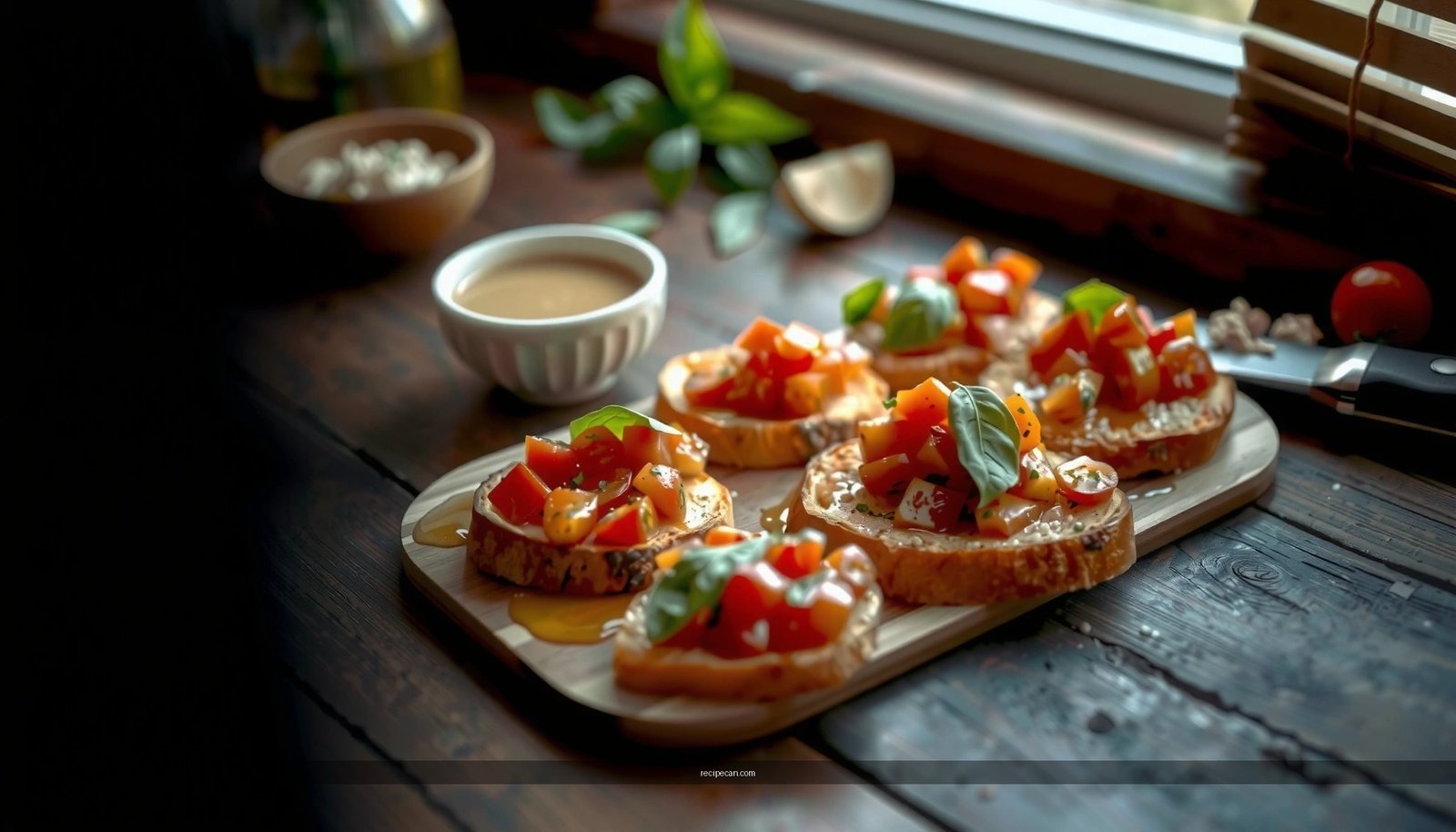
– Toasted bread topping style
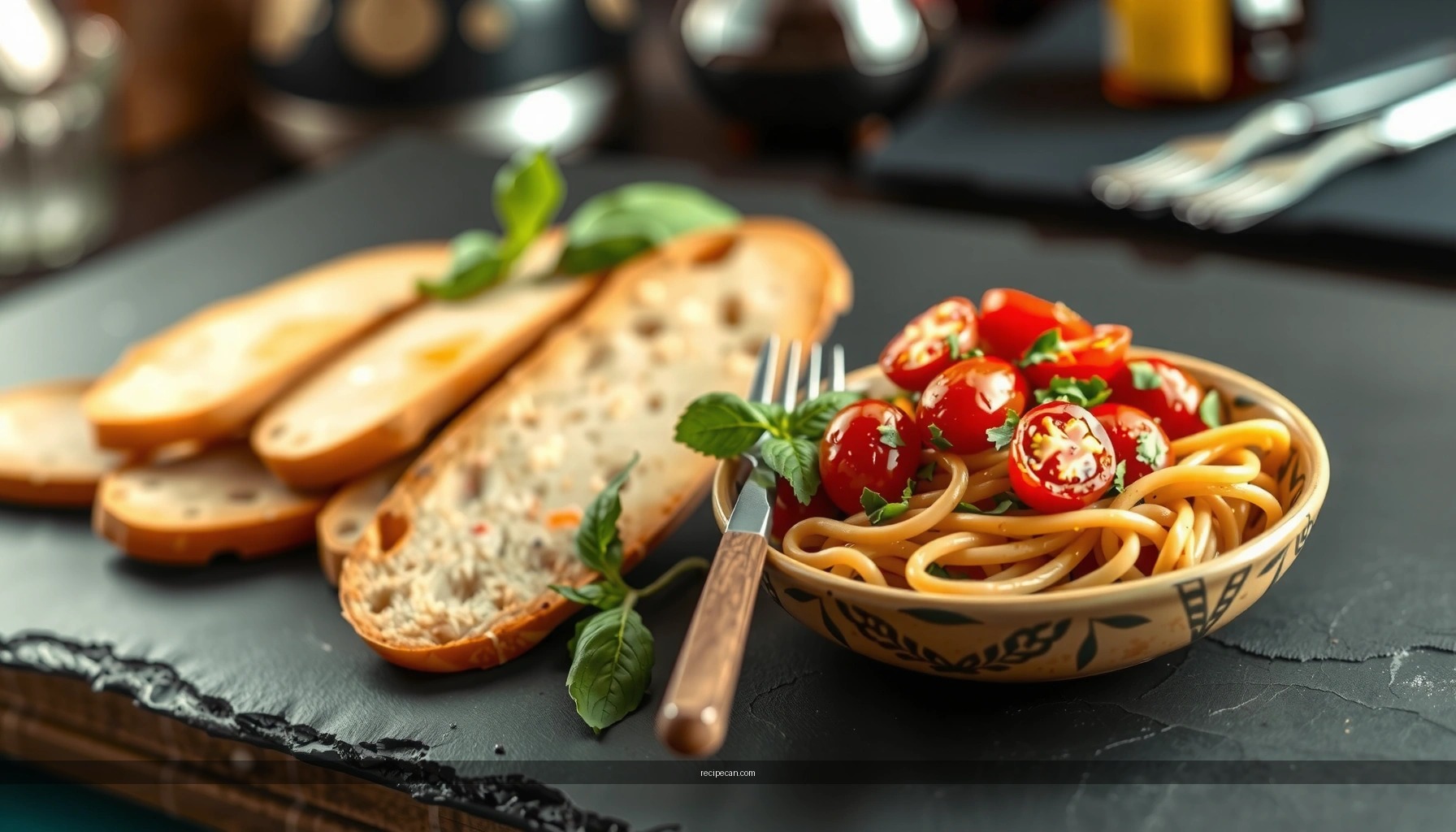
– If you love “true bruschetta,” toast baguette slices and serve alongside, using the pasta as the “sauce.”
– Alternatively, crumble toasted bread into the bowl for a crunchy finish (add at the last moment).
– Add olives
– Chop Kalamata olives and stir in 1/4 to 1/2 cup. The briny salt intensifies the bruschetta vibe.
– Spice control
– Add red pepper flakes to the oil before tossing if you want gentle heat. Start with 1/4 teaspoon and adjust.
Flavor calibration by season
– Summer tomatoes: Keep it simple—tomatoes, garlic, basil, olive oil, salt.
– Winter tomatoes or canned: Add balsamic and a pinch of sugar (optional, very small) to balance acidity and recreate sweetness.
Pasta Bruschetta Recipe: Easy, Flavorful Tomato Garlic Pasta — Final Thoughts
This pasta bruschetta recipe works because it turns classic bruschetta building blocks into a cohesive pasta dish: a fresh tomato-garlic-basil topping, al dente pasta, and reserved pasta water to create a light emulsified coating. Prep the topping while the pasta cooks, toss quickly to preserve basil and garlic aromatics, and finish with olive oil and optional cheese for that unmistakably bold “bruschetta” flavor—ready fast, crowd-friendly, and easy to customize.
Frequently Asked Questions
What is a pasta bruschetta recipe, and how is it different from classic bruschetta?
A pasta bruschetta recipe turns the flavors of classic bruschetta—tomatoes, garlic, basil, and olive oil—into a warm pasta dish. Instead of topping toasted bread, you simmer or toss the tomato mixture with pasta so the sauce clings to every bite. This makes it a filling, weeknight-friendly alternative while still keeping the bright, fresh bruschetta taste.
How do I make pasta bruschetta without watery sauce?
To avoid watery pasta bruschetta, use ripe but not overly juicy tomatoes and consider draining excess liquid if you’re using fresh tomatoes. Simmer the tomato garlic mixture until it thickens slightly, then toss with pasta just long enough to coat (rather than letting everything sit). You can also reserve a little pasta water for adjusting consistency, but avoid adding too much at once.
Why do you add balsamic vinegar (or balsamic glaze) to bruschetta pasta?
Balsamic vinegar adds a sweet-tangy depth that balances the acidity of tomatoes in a pasta bruschetta recipe. A small drizzle can enhance the garlic and basil flavors, making the dish taste more “restaurant-style” without extra steps. Start with a teaspoon or two and adjust to taste so it doesn’t overpower the fresh tomato notes.
Which pasta shapes work best for a bruschetta-style tomato sauce?
For a pasta bruschetta recipe, choose pasta that holds onto chunky tomato pieces, such as spaghetti, linguine, penne, or rigatoni. If your sauce includes chopped tomatoes and basil, tube or ridged shapes like penne or rigatoni are especially good because they catch sauce in every bite. If you prefer a lighter texture, thin noodles like angel hair can work well too—just toss quickly.
What’s the best way to serve pasta bruschetta for maximum flavor?
For the best bruschetta pasta, serve it immediately after tossing so the pasta stays al dente and the tomato sauce tastes fresh. Top with shaved or grated Parmesan (or mozzarella) and add fresh basil right before serving for brightness. If you want an extra “bruschetta” touch, toast bread or garlic croutons on the side and serve as a topping alongside the pasta.
References
- Bruschetta
https://en.wikipedia.org/wiki/Bruschetta - https://www.britannica.com/topic/bruschetta
https://www.britannica.com/topic/bruschetta - Search recipes – BBC Food
https://www.bbc.co.uk/food/search?q=bruschetta - Search recipes – BBC Food
https://www.bbc.co.uk/food/search?q=bruschetta%20pasta - https://www.theguardian.com/search?q=bruschetta
https://www.theguardian.com/search?q=bruschetta - https://www.nytimes.com/search?query=bruschetta
https://www.nytimes.com/search?query=bruschetta - Google Scholar Google Scholar
https://scholar.google.com/scholar?q=bruschetta+recipe+tomato+garlic+basil - Google Scholar Google Scholar
https://scholar.google.com/scholar?q=tomato+basil+pasta+recipe+fresh+tomatoes+olive+oil - Google Scholar Google Scholar
https://scholar.google.com/scholar?q=bruschetta+and+pasta+culinary+techniques+study - Google Scholar Google Scholar
https://scholar.google.com/scholar?q=italian+appetizer+bruschetta+bread+toasting+technique