If you’re searching for a bruschetta recipe with feta that delivers big flavor fast, this is the clear winner: it comes together quickly, tastes fresh, and doesn’t require any complicated steps. You’ll learn exactly how to toast the bread, marinate the topping, and balance feta’s tang with juicy tomatoes and herbs. Perfect for weeknight snacks or quick entertaining, this version answers the question of which bruschetta-with-feta approach actually saves time without sacrificing flavor.
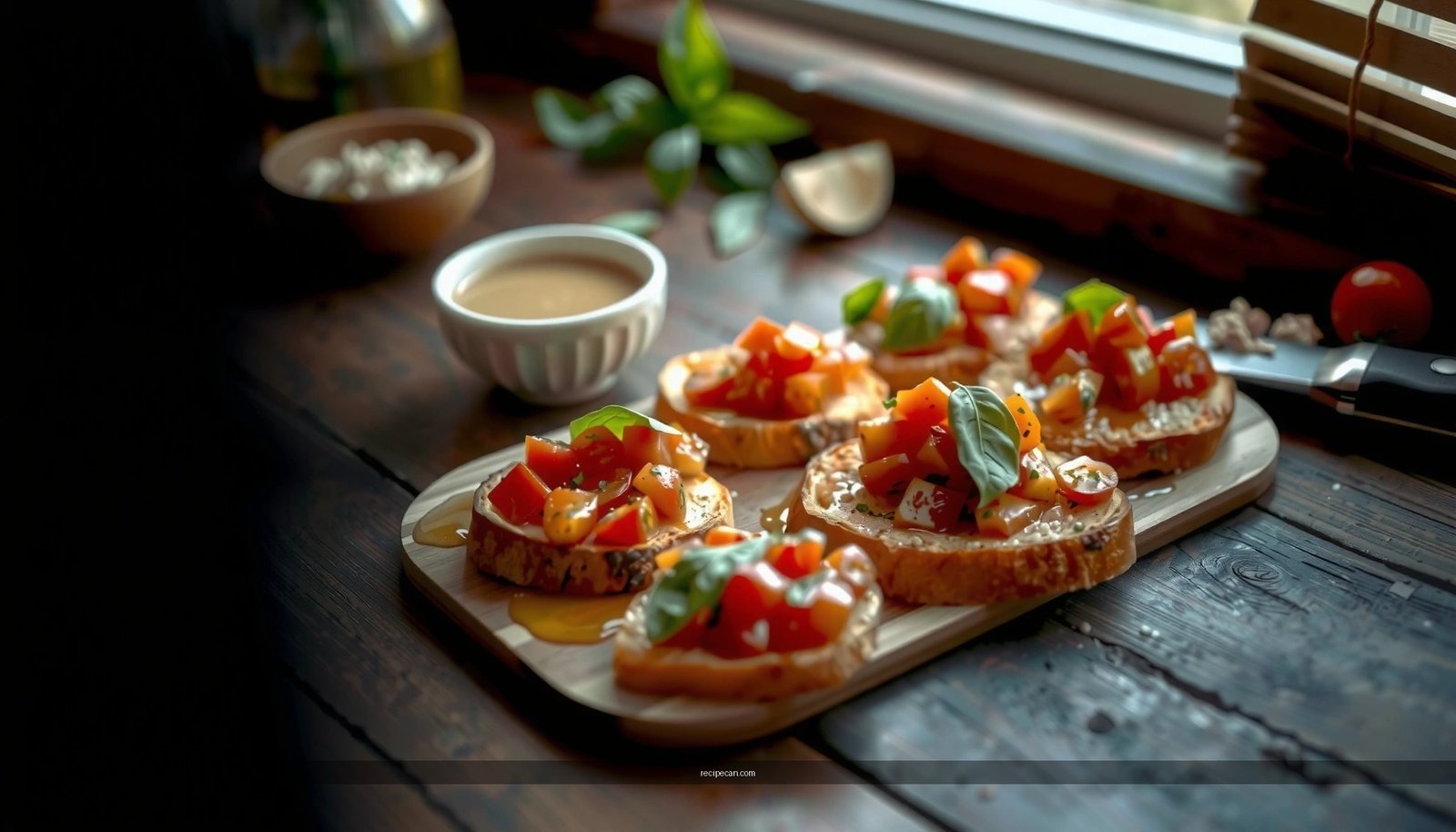
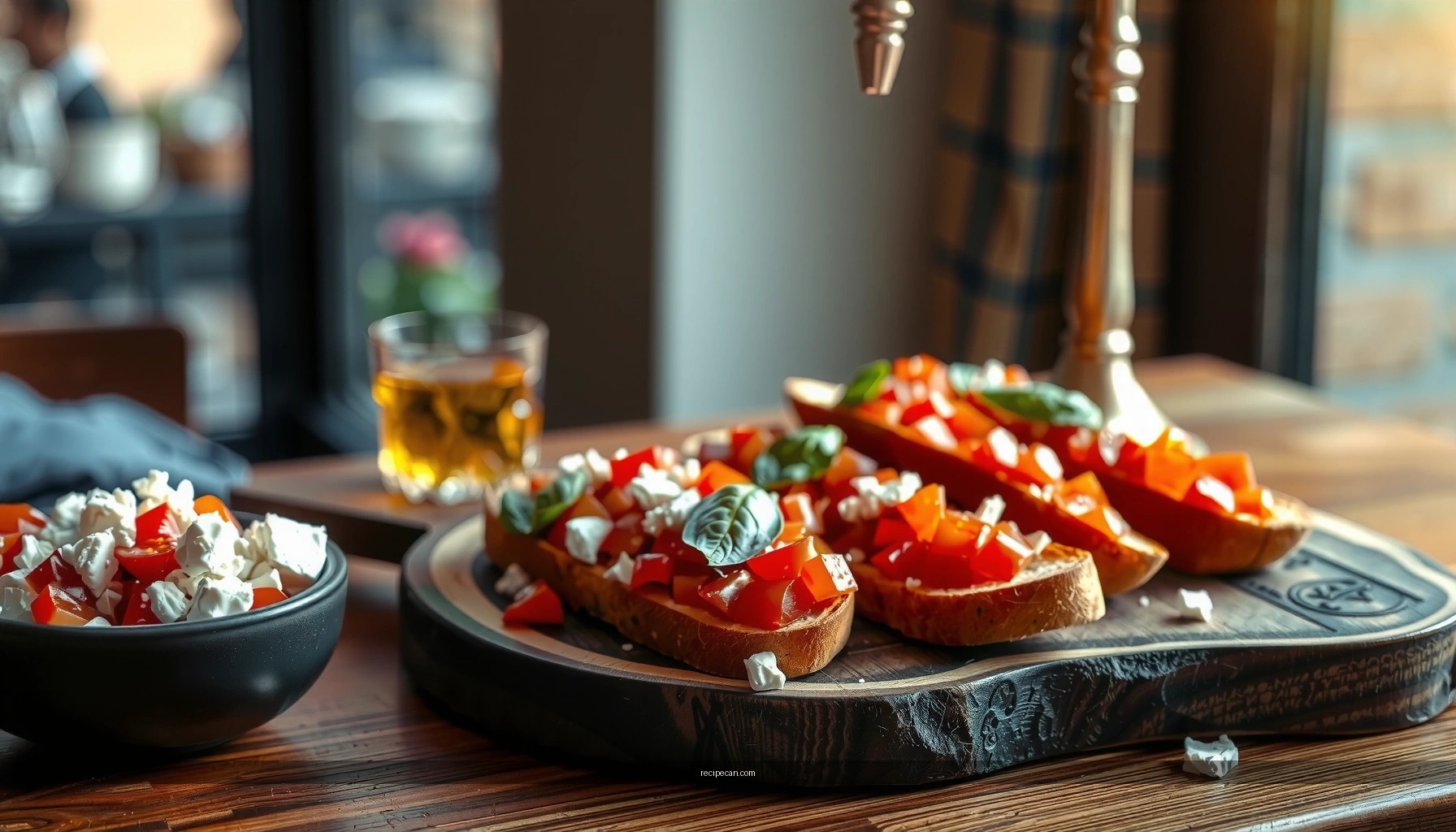
This bruschetta recipe with feta delivers the fastest path to crisp, crave-worthy appetizers: toast rustic bread, toss juicy tomatoes with basil and bright acidity, then finish with creamy, salty feta. In about 15–20 minutes, you can assemble restaurant-style bites with a balanced flavor profile—crunch, freshness, and tang—without complicated steps.
If you’re serving guests or building a quick weeknight starter, the key is texture and timing: keep the topping moist and flavorful, but toast the bread last so it doesn’t soften. With the right bread, a well-seasoned tomato-basil mixture, and proper feta handling, you’ll get consistent results every time.
Choose the Right Bread
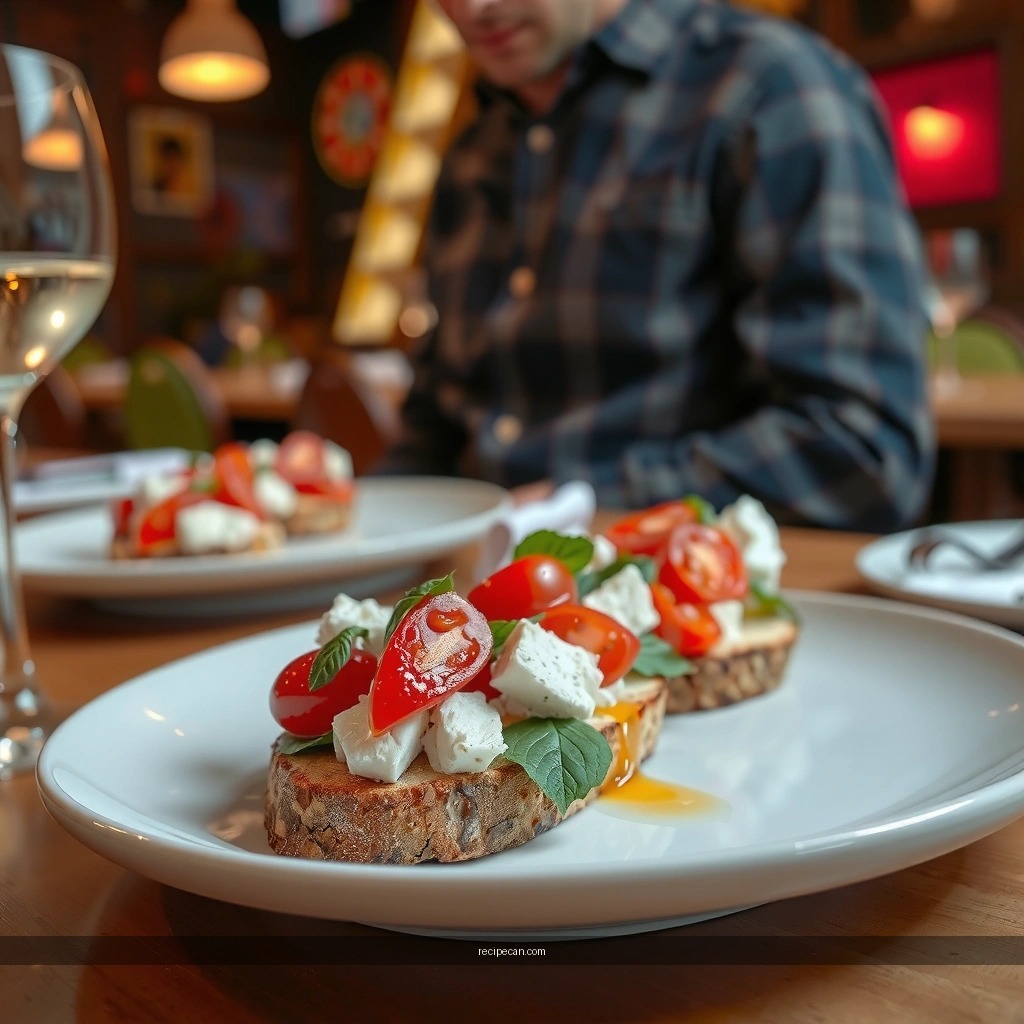
The bread is the structural “engine” of any great bruschetta. To get a crisp bite that still supports juicy toppings, use a loaf that toasts evenly and holds up under moisture.
– Use rustic baguette or ciabatta for sturdy, crisp results
Rustic baguette is airy enough to become crunchy, while ciabatta’s denser crumb can support a heavier topping. Both are widely available and ideal for toasting without collapsing.
– Slice thick enough to toast without turning too hard
Aim for 1 to 1.5 cm (about ½ inch) thick slices. Too thin, and the bread can turn overly hard before the tomato juices ever reach the crust. Too thick, and the center stays chewy.
Practical guidance: If you’re using very fresh bread (soft inside), toast slightly longer or broil briefly to deepen the crust. If your bread is already dry, toast for less time so it doesn’t become brittle.
Texture targets to aim for:
– Crust: golden and firm
– Interior: lightly crisp but still chewable
– Edges: browned but not burnt (bitterness competes with tomato sweetness)
Prepare the Tomato-Basil Topping
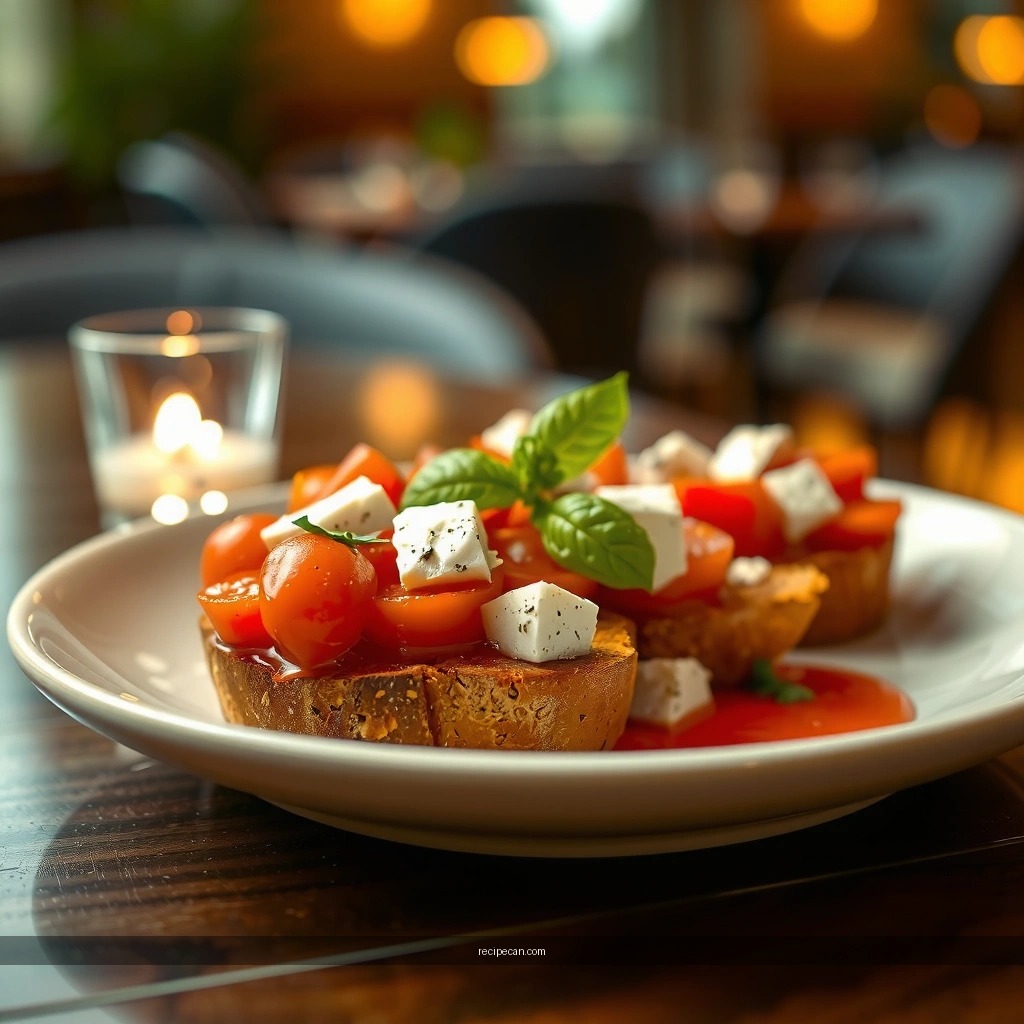
A tomato-basil topping should taste bright and layered—not watery, not flat, and not overly oily. This is where you establish the flavor “backbone” for your feta bruschetta.
– Dice tomatoes and add fresh basil for bright flavor
Use ripe tomatoes (Roma or vine-ripened). Roma tomatoes tend to be less watery, which helps preserve crunch. Dice into small, even pieces so every bite gets tomato and herb.
– Season with olive oil, salt, pepper, and a splash of vinegar or lemon
Seasoning does more than make the tomatoes taste good—it prevents the topping from feeling one-note.
– Salt: draws out flavor and slightly concentrates juice
– Black pepper: adds mild heat and depth
– Olive oil: carries aroma and improves mouthfeel
– Vinegar or lemon: cuts through richness and makes the tomato taste “alive”
Recommended balance (easy and dependable):
– Tomatoes: 2–3 medium (or ~2 cups diced)
– Olive oil: 1.5–2 tbsp
– Fresh basil: 6–10 leaves, chopped
– Salt: ½ tsp (start here; adjust after resting)
– Pepper: several grinds
– Acid: 1 tsp balsamic vinegar or 1–2 tsp lemon juice
Timing matters:
Let the tomato mixture sit for 5–10 minutes before assembling. This short rest helps the salt and acid distribute evenly. If tomatoes are very juicy, avoid soaking the bread—assemble right after toasting.
Toast the Bread Perfectly
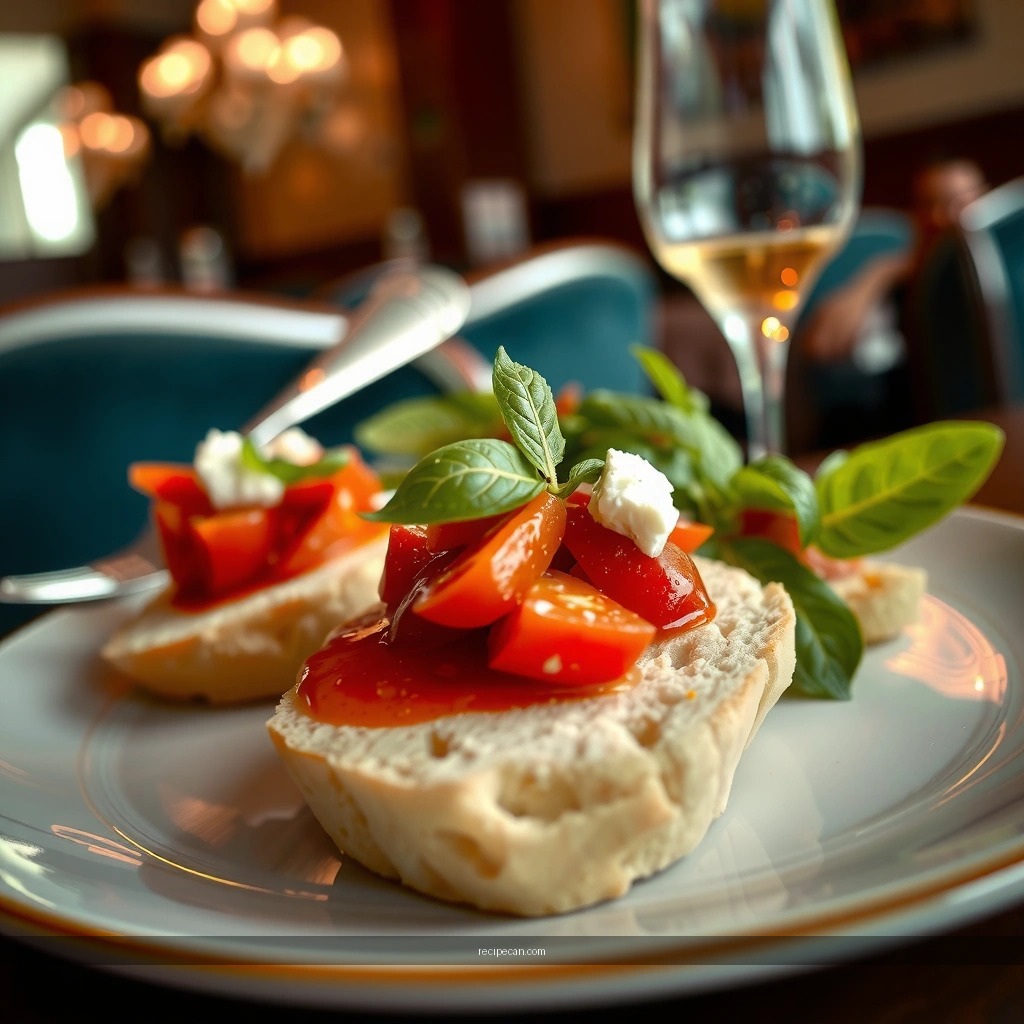
Toasting is where bruschetta transitions from “tasty ingredients” to a cohesive dish. The goal is to create a crisp surface that can hold tomato and feta without turning soggy immediately.
– Toast until golden and crisp, but don’t over-brown
Over-browning can introduce bitterness, especially when using high-heat methods. Aim for golden with deeper brown edges, not dark brown all over.
– Rub warm toast with garlic for extra aroma (optional)
Garlic-rub is subtle but powerful: it perfumes the crust so the garlic is present even before you taste the topping.
Two reliable methods:
1. Oven broil (fast and consistent):
Broil on a sheet pan for ~1–3 minutes per side, watching closely.
2. Skillet/Toast pan (more control):
Heat a dry skillet over medium-high and toast 1–2 minutes per side until crisp.
Pro tip for maximum texture:
Use a preheated oven or pan. Cold starts lengthen toast time and can dry out the bread too much.
Add Feta the Right Way
Feta is the signature that makes this bruschetta recipe with feta distinct. But feta can go one of two directions: either crumbly and dry, or creamy and well-distributed. The trick is to prepare it for the way you want it to behave on the toast.
– Crumble feta evenly so every bite gets creamy, salty flavor
Use a fork to crumble, then distribute small pieces across the surface rather than piling in one spot. Even distribution prevents “empty” bites and ensures the salty tang shows up consistently.
– Stir a little olive oil into feta if you want it softer and spreadable
If your feta is very firm, mixing in 1–2 tsp olive oil makes it easier to spread and slightly mellows the briny edge.
Feta preparation options:
– Classic style: crumble feta and top directly for a more rustic, brined flavor
– Spreadable style: mash feta with a bit of olive oil (and optionally a tiny squeeze of lemon) for a smoother finish
Flavor pairing logic:
Tomatoes provide sweetness and acidity; basil adds herbal brightness; feta adds salt and tang. The feta handling step ensures those elements blend harmoniously rather than competing.
Bruschetta Quality Checklist: Timing & Texture Outcomes (15–20 min workflow)
| # | Step | Target Time | Texture Result | Impact on Crunch |
|---|---|---|---|---|
| 1 | Tomato-dice + seasoning + rest | 7–10 min | Juices lightly concentrated | High |
| 2 | Bread slicing thickness | 1–1.5 cm | Crisp edges, chewable center | High |
| 3 | Toast to golden-brown | 3–5 min total | Dry surface + browned crust | Highest |
| 4 | Garlic rub (optional) | 20–30 sec | Aroma infused into crust | Medium |
| 5 | Feta crumbled + optional oil | 2–4 min | Even salty coverage | Medium |
| 6 | Assemble immediately after toasting | 0–2 min | Moisture contacts crisp surface | Highest |
| 7 | Hold time before serving | <10 min | Crunch remains intact | High |
Assemble and Finish for Best Texture
Assembling isn’t just plating—it’s chemistry. The order and finishing touches determine how quickly the bread loses crispness and how clearly each flavor stands out.
– Layer tomato mixture first, then top with feta
Tomato mixture creates an aromatic base, while feta sits on top for creamy contrast. This also reduces the chance that feta moisture drifts into bread before serving.
– Finish with extra olive oil, black pepper, or chili flakes
Finishing ingredients should be light but intentional:
– Extra olive oil: glossy flavor delivery
– Black pepper: fresh bite
– Chili flakes: optional heat that complements basil and feta tang
Assembly sequence (fast and consistent):
1. Add tomato-basil topping to each warm toast
2. Crumble feta evenly on top
3. Finish with olive oil + pepper + chili flakes (if desired)
Portion control tip:
If your tomatoes are very juicy, spoon tomatoes but leave excess juice in the bowl. This preserves crunch without sacrificing flavor.
Serve and Store Tips
Bruschetta is best when served at peak texture. The storage strategy should reflect that reality: prep what you can ahead, then assemble close to eating.
– Serve immediately for maximum crunch
For the crispest result, plate within 2–5 minutes of assembly. Once the bread absorbs moisture, it transitions from “crispy bite” to “soft toast,” which changes the intended experience.
– Prep toppings ahead, but toast bread right before serving
Tomato-basil topping can be made ahead (covered in the fridge) and refreshed with a tiny squeeze of lemon or splash of vinegar right before use. Feta can be crumbled in advance. Keep bread separate so it stays crisp.
Storage reality check:
– Best stored component: tomato topping (up to 24 hours; flavor improves slightly)
– Not ideal to store assembled bruschetta: bread will soften
– Feta: stores well; adjust texture with a small amount of olive oil if it stiffens
If you’re catering or hosting, you can set up an assembly line: toasted bread in trays, topping in bowls, feta in a separate container, then finish with olive oil and chili at the last second.
This bruschetta recipe with feta comes together fast and delivers the perfect mix of crunchy bread, fresh tomato, and creamy, tangy feta. Choose sturdy rustic bread, season and rest the tomato-basil topping briefly, toast right before serving, and assemble immediately so every bite stays crisp and balanced. With a smart workflow and a few texture-focused techniques, you’ll consistently produce an appetizer that looks impressive and tastes even better.
Frequently Asked Questions
What are the best ingredients for a bruschetta recipe with feta?
Start with crusty bread (sourdough or ciabatta), ripe tomatoes, fresh basil, garlic, and good olive oil. For the feta, choose a creamy Greek feta that crumbles easily for even flavor in every bite. Add a simple acid like balsamic vinegar or lemon juice to brighten the tomato topping, plus salt and black pepper to balance the feta’s saltiness.
How do you make bruschetta with feta without soggy bread?
Toast or grill the bread until crisp, then rub it with garlic while it’s hot and drizzle with olive oil. Keep the tomato mixture from being watery by draining excess liquid or chopping tomatoes close to serving time. Assemble just before eating—top the bread right before serving so the bruschetta recipe with feta stays crunchy.
How long should you bake or toast bruschetta bread for the best texture?
For oven toasting, bake bread at about 400°F (200°C) until golden and crisp, usually 8–12 minutes depending on thickness. If using a grill or stovetop, toast until you get firm crusting with a light char. The goal is a sturdy base that can hold tomato and feta, so don’t under-toast.
Why does feta work so well in bruschetta recipes?
Feta adds a tangy, salty, creamy element that complements the sweetness of tomatoes and the aromatic freshness of basil. Its flavor cuts through olive oil and garlic, creating a more complex bruschetta topping than tomato alone. Using feta instead of mozzarella also keeps the topping light and bright, making it ideal for a quick appetizer.
Which toppings pair best with a bruschetta recipe with feta?
Classic add-ons include chopped fresh basil, red onion, and olives for a Mediterranean twist. For extra flavor, consider roasted red peppers, a drizzle of honey-balsamic, or a pinch of chili flakes for heat. You can also finish with lemon zest or extra virgin olive oil to elevate the feta bruschetta without overpowering the tomato.
References
- Google Scholar Google Scholar
https://scholar.google.com/scholar?q=bruschetta+recipe+feta - Google Scholar Google Scholar
https://scholar.google.com/scholar?q=feta+bruschetta+tomato+recipe - Google Scholar Google Scholar
https://scholar.google.com/scholar?q=bruschetta+feta+olive+oil+garlic - Bruschetta
https://en.wikipedia.org/wiki/Bruschetta - Feta
https://en.wikipedia.org/wiki/Feta - https://www.britannica.com/topic/bruschetta
https://www.britannica.com/topic/bruschetta - https://www.bbc.co.uk/food/recipes/bruschetta_68905
https://www.bbc.co.uk/food/recipes/bruschetta_68905 - https://www.theguardian.com/food/recipe
https://www.theguardian.com/food/recipe - https://www.nytimes.com/guides/recipes
https://www.nytimes.com/guides/recipes - Google Scholar Google Scholar
https://scholar.google.com/scholar?q=bruschetta+recipe+with+feta