These recipes for bruschetta tomatoes give you the fastest path to bright, crowd-pleasing toppings—without dull, watery results. If you want the best easy fresh topping ideas, they’ll tell you exactly which combinations win for peak summer flavor and crisp toast. Choose one and you’ll know what to use, how to season, and when to serve for maximum bite.
Bruschetta tomatoes are easy to make: chop ripe tomatoes, season with garlic, olive oil, salt, and herbs, then spoon the mixture over warm toasted bread. Below are seven fresh, approachable topping recipes (from classic to creative) plus practical, professional-level tips so your tomato-garlic bruschetta tastes bright, not watery.
Bruschetta tomatoes sit at the intersection of two realities: tomatoes must be handled like fresh produce (not cooked into submission), and toppings must behave like a cohesive sauce (not separate into juice and solids). The winning approach is simple—choose ripe tomatoes, control liquid, let seasonings penetrate briefly, and match the topping style to the bread’s texture (crispy outside, warm inside). Whether you’re planning an appetizer for guests or building a weeknight snack with pantry staples, these recipes are designed to be fast, consistent, and scalable.
Best Tomato Characteristics for Bruschetta (2024–2025 seasonal guidance)
| # | Tomato type | Ideal for (texture) | Typical liquid level | Chef usefulness |
|---|---|---|---|---|
| 1 | Campari (or similar cocktail) | Firm bite, low-seed pieces | Low–medium | ★★★☆ 4.6/5 |
| 2 | Roma (plum) | Saucy topping with less mess | Medium | ★★★★ 4.4/5 |
| 3 | Heirloom (mid-firm varieties) | High flavor complexity | Medium–high | ★★★☆ 4.2/5 |
| 4 | Slicing tomatoes (typical supermarket) | Good flavor, variable firmness | Medium–high | ★★★ 3.6/5 |
| 5 | Grape tomatoes | Jammy bursts, easy chopping | Low | ★★★★ 4.3/5 |
| 6 | Cherry tomatoes (larger varieties) | Sweet pop, thick topping potential | Low–medium | ★★★★ 4.1/5 |
| 7 | Overly juicy “sale” slices | Needs draining/boosting | High | ★★ 2.8/5 |
Classic Bruschetta Tomatoes (Tomato-Garlic-Basil)
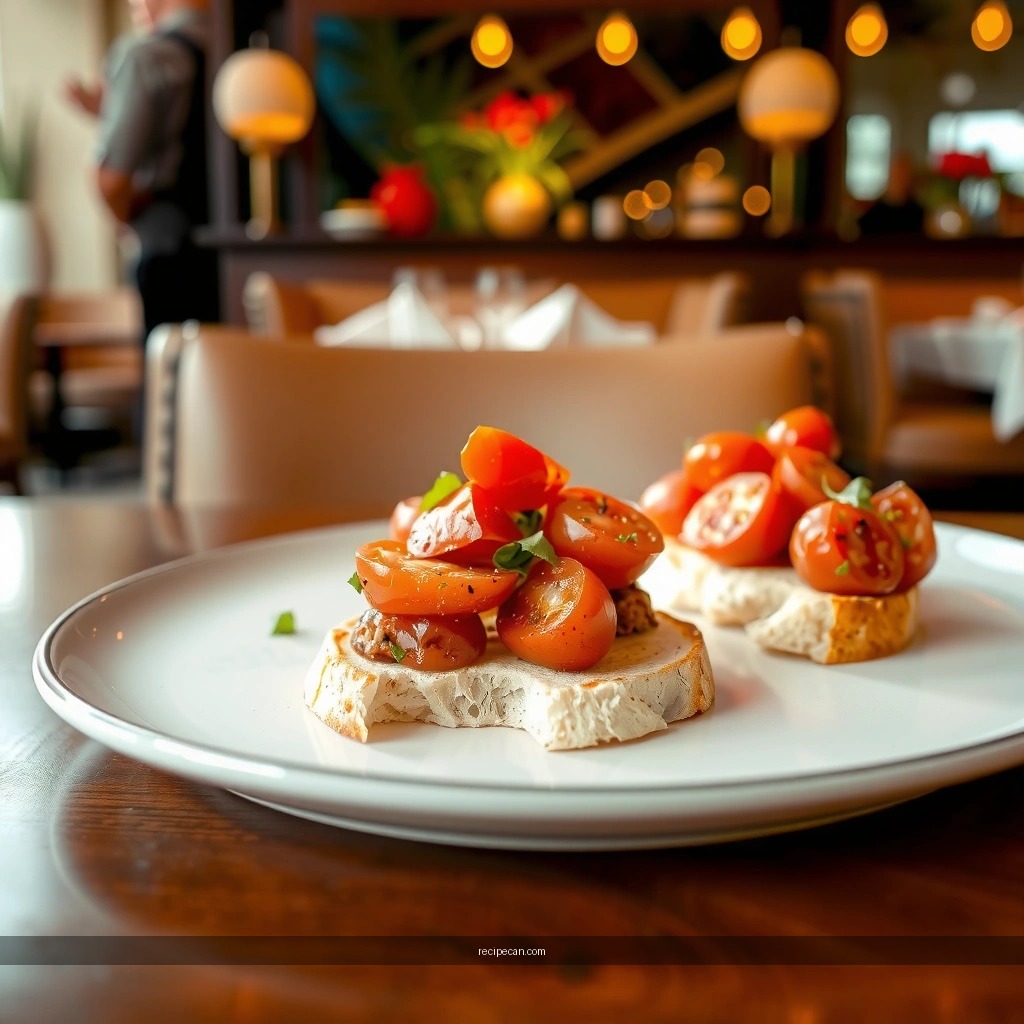
– Use ripe, juicy tomatoes and chop them evenly for a balanced bite
– Add minced garlic, extra-virgin olive oil, salt, and fresh basil
– Let the mixture sit briefly so the flavors meld before topping toast
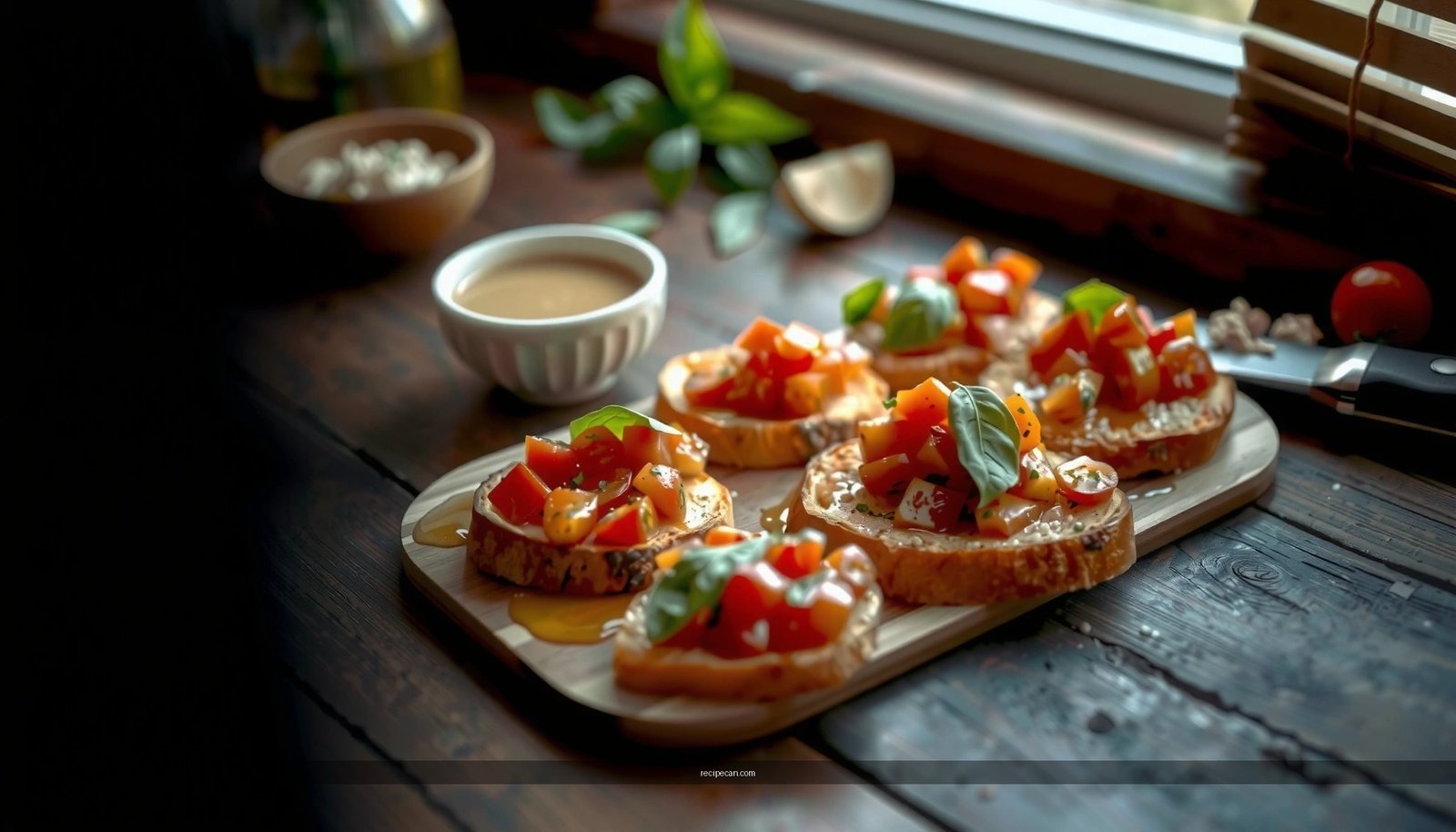
Classic bruschetta tomatoes rely on restraint. Instead of trying to “hide” tomato variability with heavy seasoning, you enhance what’s already there—sweetness, aroma, and acidity.
Start with the right chop. Halve or quarter tomatoes, remove the tough core, and dice to roughly the same size so every bite tastes consistent. If your tomatoes are very watery, scoop out excess seeds and gel (a quick step that makes the difference between “bruschetta” and “toast soup”).
Garlic should be present, not sharp. Mince fine, then mix with olive oil and salt first. This lightly emulsifies the dressing and rounds the garlic edge. If you prefer a milder profile, grate garlic or use only half at first, adding more after resting.
Brief rest = better flavor integration. Let the mixture sit 10–20 minutes. This gives salt time to pull some juice and create a light, cohesive sauce while still keeping tomato pieces intact. Too long (especially with high-liquid tomatoes) can cause sogginess.
Bread pairing: Use a sturdy bread—sourdough, ciabatta, or rustic baguette—toast until crisp, then top just before serving. For a more restaurant-style finish, rub the toast with a cut garlic clove (optional) and drizzle a tiny amount of olive oil before the tomato topping.
Balsamic Bruschetta Tomatoes
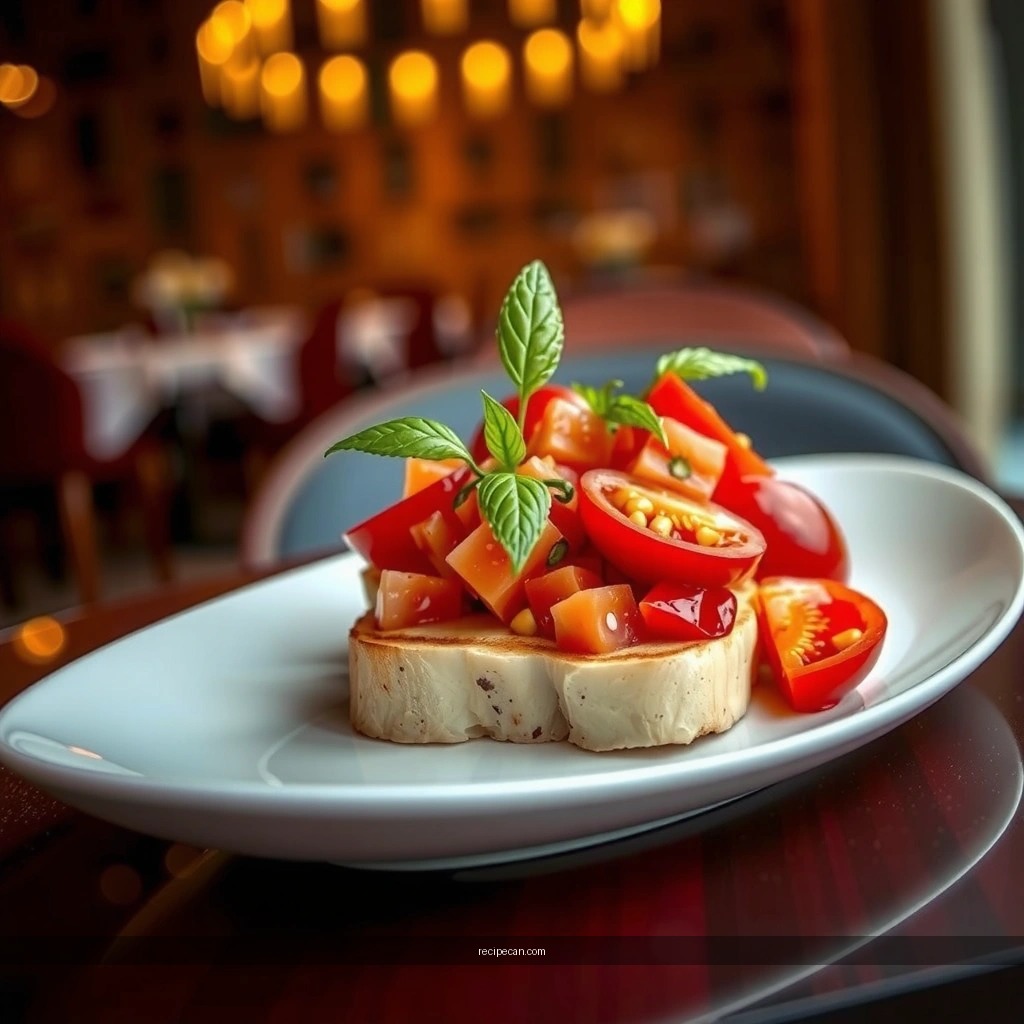
– Stir in balsamic vinegar for a sweet-tangy finish
– Balance sweetness with a pinch of salt and/or a drizzle of olive oil
– Spoon over warm bread and serve immediately for best freshness
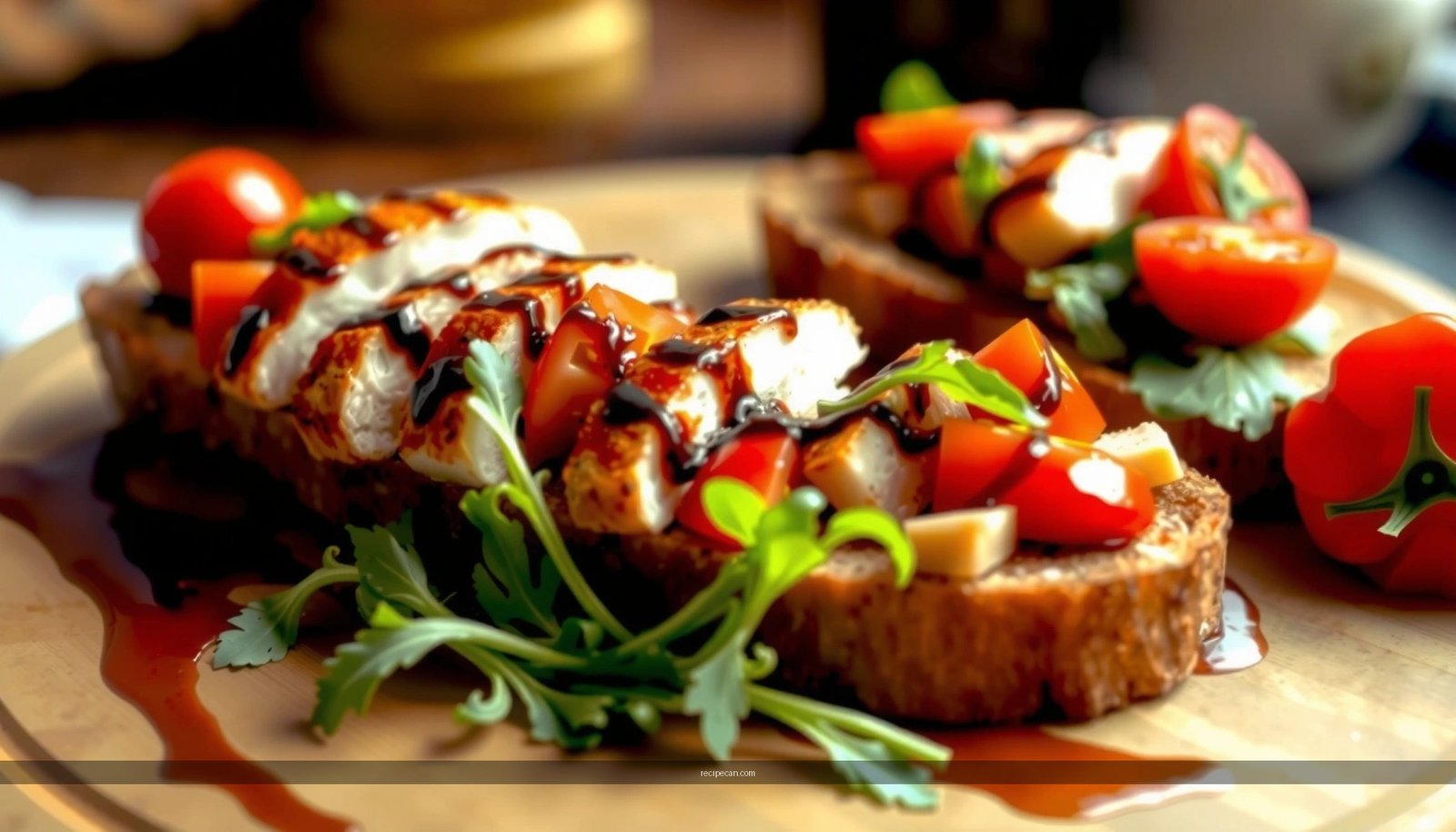
Balsamic bruschetta tomatoes add a deeper, glossy sweetness that complements tomatoes’ natural acidity. The key is balance: balsamic can easily overwhelm delicate tomato flavors if you measure loosely or skip salt.
Use balsamic deliberately. Start with a modest amount—about 1 to 2 teaspoons per cup of chopped tomatoes. Taste after the rest. If the topping tastes flat, increase salt before adding more vinegar.
Aim for harmony, not sharpness. Balsamic’s sweetness pairs well with olive oil’s roundness. If your tomatoes are slightly underripe, you can add a touch more olive oil (not sugar) to smooth the finish.
Timing matters. The balsamic dressing loosens liquid and can increase runoff. Serve promptly after spooning. For parties, portion the tomato topping ahead, but hold off on topping the bread until close to serving time.
Optional professional upgrade: Add a tiny pinch of black pepper or a few basil leaves torn by hand. Torn basil oxidizes less and delivers more aroma than finely chopped basil.
Bruschetta Tomatoes with Fresh Mozzarella
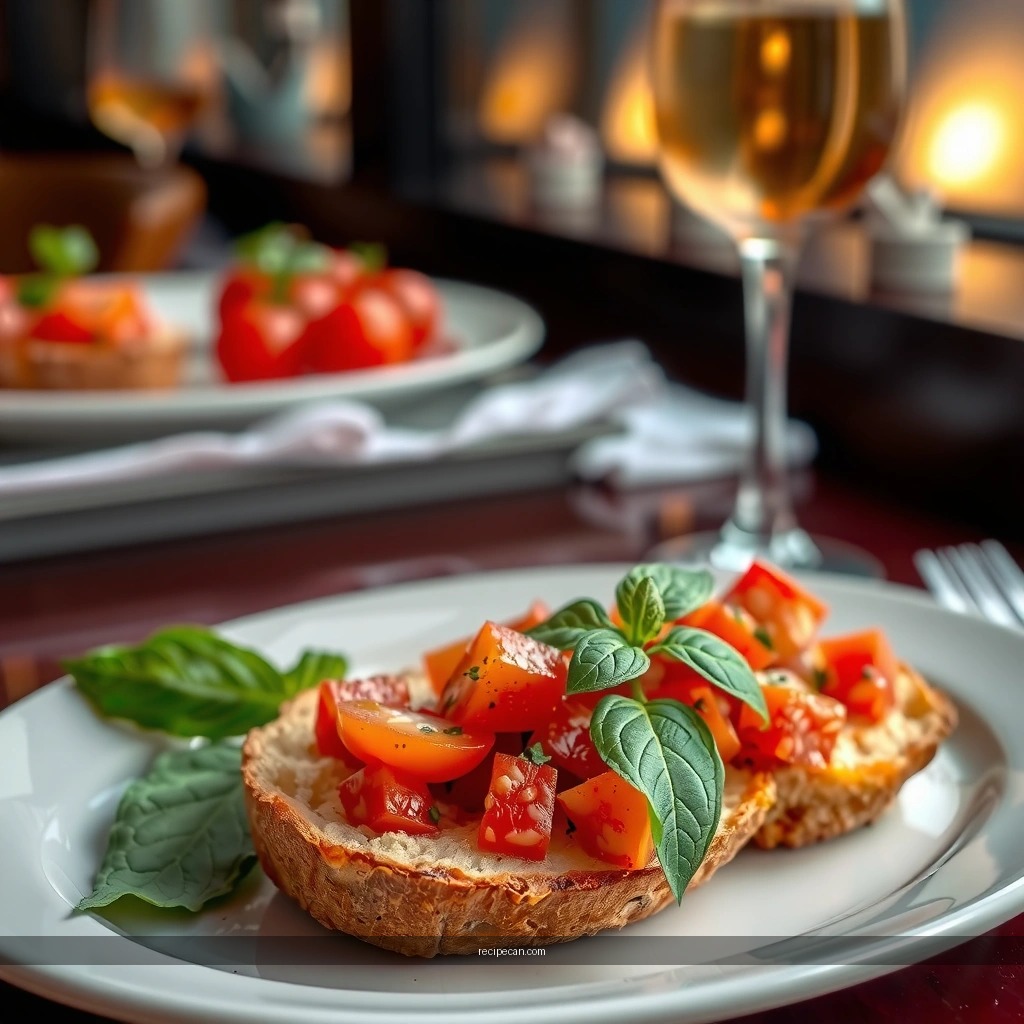
– Add small cubes or torn mozzarella to make it creamy and satisfying
– Top the toast with tomatoes first, then mozzarella for even coverage
– Broil or serve right away—either way keeps the topping vibrant
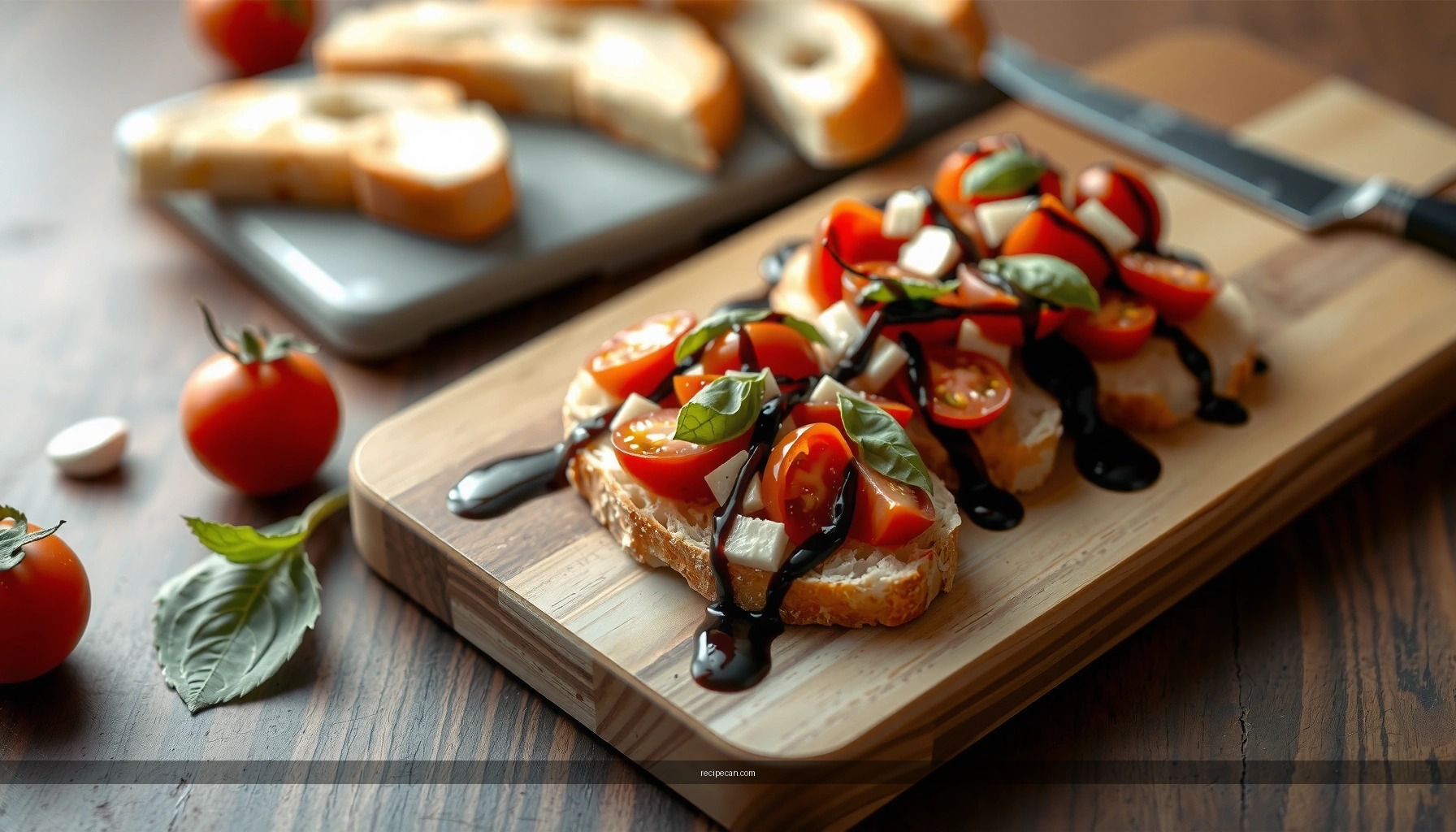
Fresh mozzarella turns bruschetta tomatoes from “bright and light” into “creamy and substantial.” The goal is to keep mozzarella fresh and airy, not rubbery or watery.
Choose mozzarella that fits the bite. Use fresh mozzarella (bocconcini or log). Pat dry briefly with paper towels, then cube or tear into bite-size pieces. Drying matters—wet mozzarella adds water that can thin the tomato topping.
Layer for even texture. Put tomatoes on the toast first, then distribute mozzarella across the top. This prevents mozzarella from sinking into the bread and helps each bite get both tomato and dairy.
Two serving styles:
– Fresh (no heat): Spoon tomatoes, add mozzarella, finish with olive oil and basil. Great when you want maximum freshness.
– Quick broil: Broil for 30–60 seconds until mozzarella softens and edges lightly blister. Keep a close eye; broiling can quickly turn mozzarella grainy.
Acid control: If you’re using extra tomatoes plus balsamic, add less vinegar in this variant so the mozzarella doesn’t taste “curdled” by strong acidity.
Roasted Bruschetta Tomatoes (More Depth, Less Juiciness)
– Roast tomatoes until concentrated, then mix with garlic and herbs
– Use less liquid since roasting reduces water content
– Great for meal prep—flavors improve as it cools
Roasting transforms bruschetta tomatoes by concentrating flavor and reducing water. This is a top choice when your tomatoes aren’t at peak ripeness or when you need toppings that won’t soak bread.
How to roast for bruschetta texture. Roast at a moderately high temperature until tomatoes collapse and concentrate—then cool slightly. You can keep them chunky or gently press to break up larger pieces, depending on your preference for rustic vs. saucy.
Concentration changes seasoning strategy. Because roasted tomatoes lose moisture, the flavor becomes more intense. Start with slightly less salt than you would for raw topping, then adjust.
Liquid management: Since you’ll have less tomato juice, you typically need less olive oil than in classic versions. That said, roasted tomatoes still benefit from a final drizzle of extra-virgin olive oil right before serving to restore brightness.
Meal-prep advantage: Roasted bruschetta topping tastes even better after resting. Make a batch, portion into containers, and refrigerate up to 3–4 days. Rewarm gently (or serve cold for a more vibrant, salad-like effect).
Bread tip for roasted toppings: Because roasted tomatoes are richer, they pair especially well with thicker toast (artisan country bread). Lightly toast to prevent contrast between crunchy bread and saucy topping.
Spicy Bruschetta Tomatoes (Chili Flakes or Calabrian Heat)
– Add chili flakes or Calabrian chili for a quick kick
– Keep heat balanced with extra olive oil and a touch of acidity
– Pair with peppery greens or serve as a bold starter on toast
Spicy bruschetta tomatoes are ideal when you want a bolder appetizer profile—still fresh, but with a noticeable, lingering warmth.
Choose your heat source.
– Chili flakes: Easy, scalable, and you can adjust intensity by tablespoon fraction.
– Calabrian chili (in oil): Adds heat plus gentle fermentation complexity. Use 1–2 teaspoons per cup of tomatoes and taste.
Balance heat with fat and acid. Extra-virgin olive oil helps carry flavor and softens chili intensity. A small acid adjustment—like a few drops of lemon juice—can make spicy toppings taste more “alive,” especially if the tomatoes are less ripe.
Prevent “hot but hollow.” If your topping tastes hot without tomato depth, increase salt before increasing chili. Salt is often the missing link.
Serving pairing: Spicy bruschetta tomatoes also work beyond toast. Try spooning over peppery greens (arugula or radicchio) with a drizzle of olive oil and a sprinkle of flaky salt.
Make-Ahead Tips for Bruschetta Tomatoes
– Seed tomatoes if you want a thicker topping and less watery texture
– Prep the tomato mixture up to a few hours ahead, then toast bread when ready
– Taste and adjust salt/acid right before serving for peak flavor
Bruschetta success is as much process as ingredients. With a few smart make-ahead practices, you can deliver restaurant-quality toppings without last-minute stress.
1) Control seeds and excess gel. For watery tomato types (especially many supermarket slicing varieties), remove seeds and the jelly-like interior. This reduces liquid separation and keeps your toast crisp.
2) Make the base ahead; assemble late. Prepare the tomato mixture and keep it refrigerated for 2–4 hours. The flavors will continue to meld, but you’ll minimize sogginess by toasting bread and topping close to serving.
3) Re-tune the seasoning before serving. Even if the topping was delicious earlier, tomatoes change slightly as they rest. Right before serving:
– Taste for salt.
– Check acidity (balsamic or lemon).
– Adjust with a tiny splash of olive oil if it tastes sharp.
4) Separate components for large parties. If you’re hosting, toast bread on-site or use oven-held warmth, then top just before guests take their first bite. A crisp bread-to-topping ratio is the difference between “fresh bruschetta” and “toast that went soft.”
5) Storage best practice. Store topping in a container with minimal extra air. Stir once before serving, and drain any accumulated liquid if needed—especially for raw tomato versions.
Fresh, well-seasoned bruschetta tomatoes are all about timing: chop and season, let the flavors mingle briefly, then top warm toasted bread right before serving. Pick the classic tomato-garlic-basil for dependable crowd-pleasing flavor, add balsamic or mozzarella for richer profiles, roast when you need less water and more depth, and bring heat with chili if you want a bolder starter. With the make-ahead tips—especially seeding watery tomatoes and adjusting salt/acid right before serving—you’ll get consistent, vibrant bruschetta every time.
Frequently Asked Questions
What are the best bruschetta tomato recipes for beginners?
A classic bruschetta tomatoes recipe starts with diced tomatoes, garlic, olive oil, salt, pepper, and fresh basil, then spooned over toasted bread. For an easy variation, try adding balsamic glaze and a little honey to balance the acidity of the tomatoes. If you want extra flavor without complexity, finish with grated Parmesan and a squeeze of lemon juice right before serving.
How do you make bruschetta tomatoes without watery topping?
To avoid watery bruschetta tomatoes, use ripe tomatoes but remove excess seeds and drain diced tomatoes briefly in a colander. Salt the tomatoes lightly and let them sit for 10–15 minutes, then blot with a paper towel before mixing with olive oil and garlic. Also, toast the bread just before serving so it stays crisp and doesn’t absorb liquid from the tomato mixture.
Why do bruschetta tomatoes need marinating time, and how long should you wait?
Marinating helps the garlic and olive oil infuse the tomatoes, improving flavor in every bite and reducing harsh raw garlic taste. For best results, mix your tomato topping and let it sit for at least 20–30 minutes at room temperature, or up to 2 hours for deeper flavor. If you refrigerate, bring it back closer to room temperature before serving to keep the texture fresh.
Which tomatoes are best for bruschetta topping?
For bruschetta tomatoes, choose varieties with firm flesh and balanced acidity, such as Roma tomatoes (plum) or vine-ripened Italian tomatoes. These types hold up well when diced and are less likely to turn the topping watery than very soft tomatoes. If using cherry tomatoes, keep them halved and reduce the dressing time so they don’t release too much juice.
How can you customize bruschetta tomatoes with flavor add-ins?
You can easily personalize bruschetta tomatoes by adding chopped fresh mozzarella for a creamy twist or mixing in roasted red peppers for sweetness. For a bold, savory profile, stir in capers, finely chopped anchovies, or a pinch of chili flakes, then finish with basil. If you want a more aromatic topping, include oregano or parsley along with garlic and finish with extra-virgin olive oil and black pepper.
References
- https://en.wikipedia.org/wiki/Bruschetta
https://en.wikipedia.org/wiki/Bruschetta - https://www.britannica.com/topic/bruschetta
https://www.britannica.com/topic/bruschetta - Google Scholar Google Scholar
https://scholar.google.com/scholar?q=bruschetta+tomatoes+recipe - Google Scholar Google Scholar
https://scholar.google.com/scholar?q=tomato+bruschetta+recipe+garlic+basil+olive+oil - Google Scholar Google Scholar
https://scholar.google.com/scholar?q=homemade+bruschetta+with+tomatoes+recipe - https://www.theguardian.com/food/series/ask-kitchen-gardener/2020/aug/26/bruschetta-tomatoes-recipe
https://www.theguardian.com/food/series/ask-kitchen-gardener/2020/aug/26/bruschetta-tomatoes-recipe - https://cooking.nytimes.com/recipes/1020831-bruschetta
https://cooking.nytimes.com/recipes/1020831-bruschetta - https://www.thekitchn.com/bruschetta-recipe-265520
https://www.thekitchn.com/bruschetta-recipe-265520 - https://www.bbc.co.uk/food/recipes/bruschetta_67796
https://www.bbc.co.uk/food/recipes/bruschetta_67796 - Google Scholar Google Scholar
https://scholar.google.com/scholar?q=recipes+for+bruschetta+tomatoes