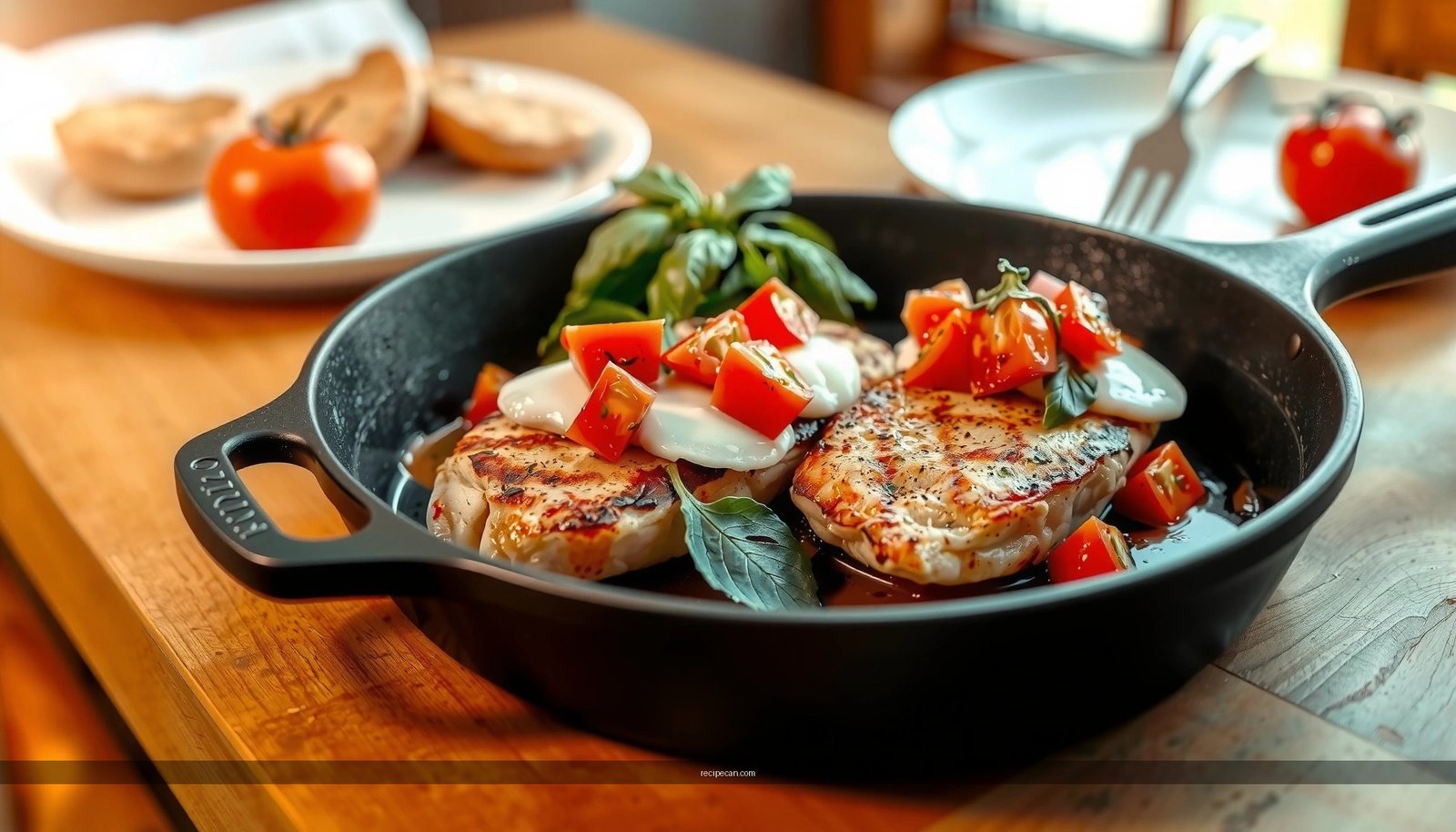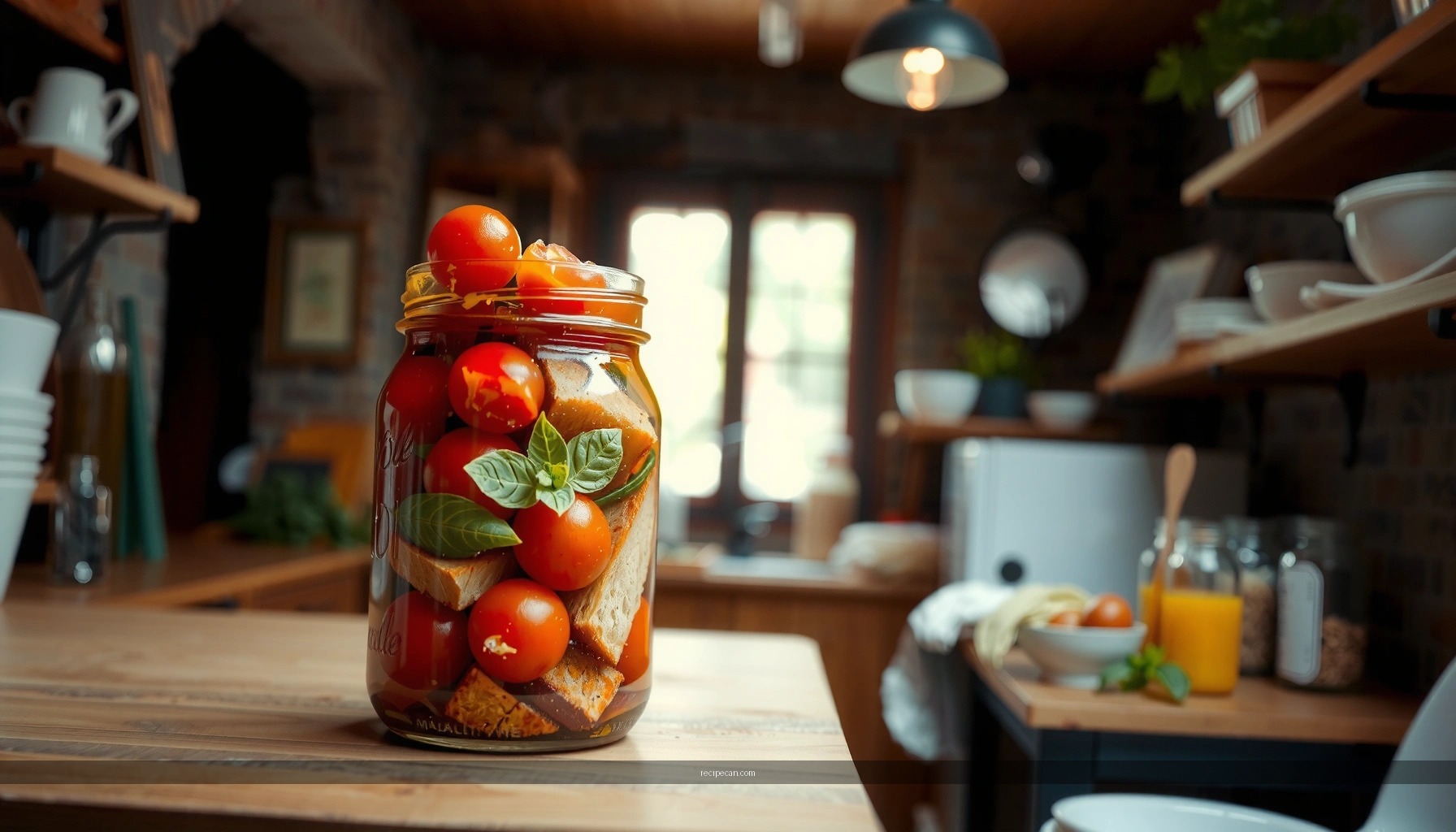
Find the best bruschetta canning recipe to preserve bruschetta at home safely and tastefully, including what to can, how to pack it, and the exact processing approach. This step-by-step method delivers a jarred bruschetta topping that holds up in storage—so you know it will taste right when you open it. If you want the single most reliable way to make homemade bruschetta last, this is the winner.
You can preserve bruschetta at home by cooking a tomato-and-onion base, then safely canning it in jars using either a water bath or a pressure canner based on the recipe’s acidity. This bruschetta canning recipe walks you through the key steps—prep, cook, jar, and process—so you can enjoy that classic topping year-round with confidence.
If you’ve ever had leftover tomatoes ripening faster than you can use them, canning bruschetta is one of the most practical ways to capture peak flavor. The critical success factors are not the spices—it’s acidification, headspace, and correct processing time for the jar size and your altitude. Treat those as non-negotiables and your pantry gains a reliable “instant Italian night” staple.
Recommended Processing Method for Bruschetta-Style Tomato Bases
| # | Bruschetta Base Profile | Typical Ingredients | Safety Approach | Pantry Confidence |
|---|---|---|---|---|
| 1 | Tomato + Onion (no peppers), lemon or vinegar added | Tomatoes, onions, garlic, lemon juice | Pressure canner (typical for non-pickled tomato mixtures) | ★ 5/5 |
| 2 | Tomato + Onion + Garlic + Herbs, vinegar added | Tomatoes, onions, garlic, oregano/basil, vinegar | Pressure canner unless recipe is explicitly water-bath tested | ★ 4.7/5 |
| 3 | Roasted tomato bruschetta style (thickened) + vinegar | Roasted tomatoes, onions, vinegar, spices | Pressure canner recommended for tested safety | ★ 4.6/5 |
| 4 | Tomato + Onion + Peppers + vinegar (home “spice mix”) | Tomatoes, onions, peppers, vinegar, herbs | Pressure canner unless recipe is formally water-bath tested | ★ 4.4/5 |
| 5 | Classic “pizza sauce” style (tomato base, low acidity) | Tomatoes, onions, garlic; minimal acid | Pressure canner for safe shelf stability | ★ 2.2/5 |
| 6 | Tomato bruschetta without specified acid addition | Tomatoes, onions, garlic; no measured vinegar/lemon | Do not water-bath; use a tested recipe or refrigerate | ★ 1.5/5 |
| 7 | Explicitly water-bath tested bruschetta/pickled tomato blend | Tomatoes + onion; measured vinegar/lemon per test | Water bath only when recipe is formally tested | ★ 4.9/5 |
Choose Your Bruschetta Ingredients
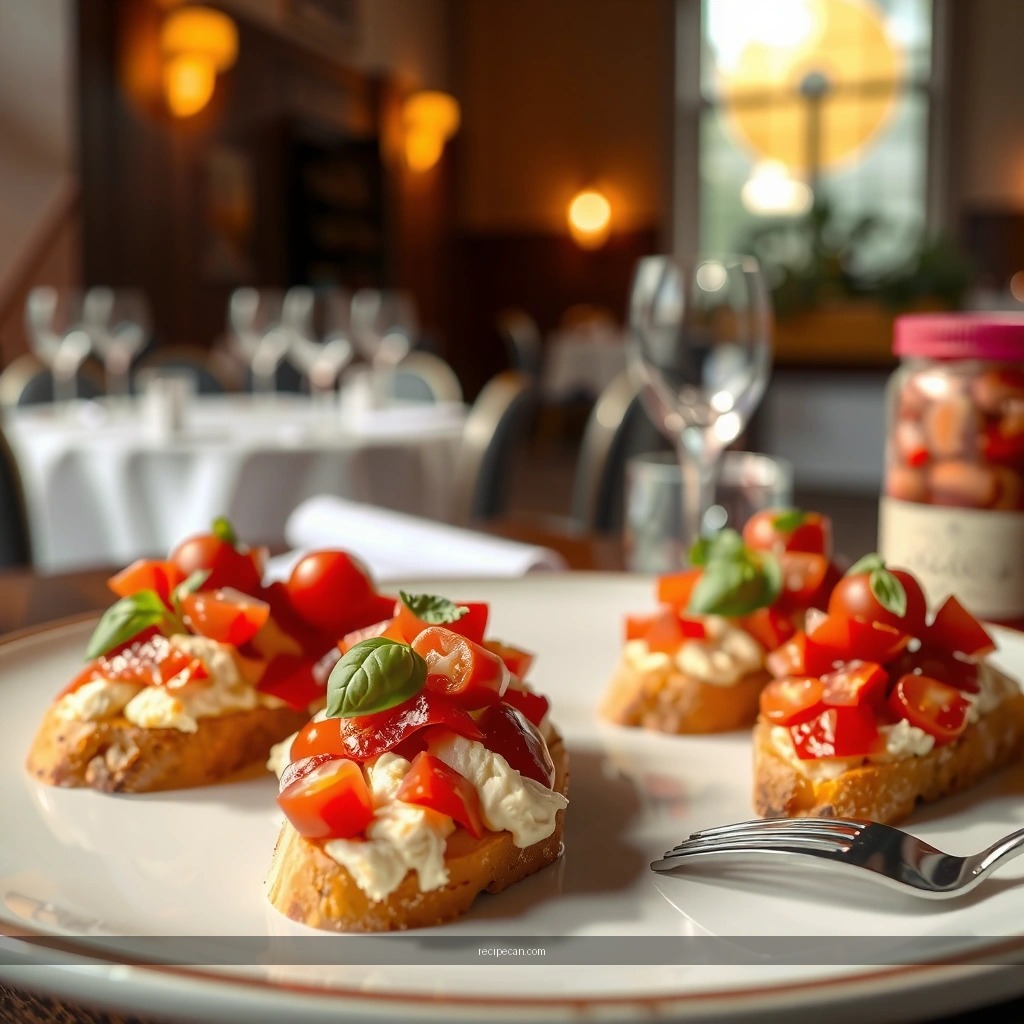
Start with the freshest tomatoes you can find—ripe, firm, and aromatic. For canning bruschetta, “great flavor” starts as “great consistency,” because the safety of tomato products depends on measured ratios and processing, not on your taste preference alone. Aim for tomatoes that are at peak ripeness; overly watery varieties can make the finished base thin, while underripe tomatoes can lead to a sharper, less balanced profile.
Here’s what matters most when selecting ingredients:
– Tomatoes: Use ripe tomatoes or a tested equivalent (e.g., canned crushed tomatoes in a tested formulation). If you’re using fresh tomatoes, plan to peel and dice consistently so the base cooks evenly.
– Onion and garlic: Fresh onion provides sweetness and structure. Garlic adds aroma but should be incorporated consistently (minced or finely chopped) so jar-to-jar flavor stays reliable.
– Acid component (measured): Bruschetta is often thought of as “tomato + garlic + herb,” but for safe home canning, the acid is what determines whether water bath can work. Use a recipe that explicitly specifies vinegar or lemon juice amounts rather than eyeballing.
– Avoid “inventing” acidity: If you freestyle—adding more onions, more peppers, or less vinegar—you can shift acidity and thickness in ways that undermine water-bath assumptions. Use a tested bruschetta canning recipe or keep your modifications minimal and recipe-aligned.
Practical tip: weigh your diced tomatoes and keep onion and garlic within reasonable proportions from a trusted recipe. That consistency helps the base thicken correctly and ensures every jar processes at the same thermal behavior.
Prepare and Cook the Bruschetta Base
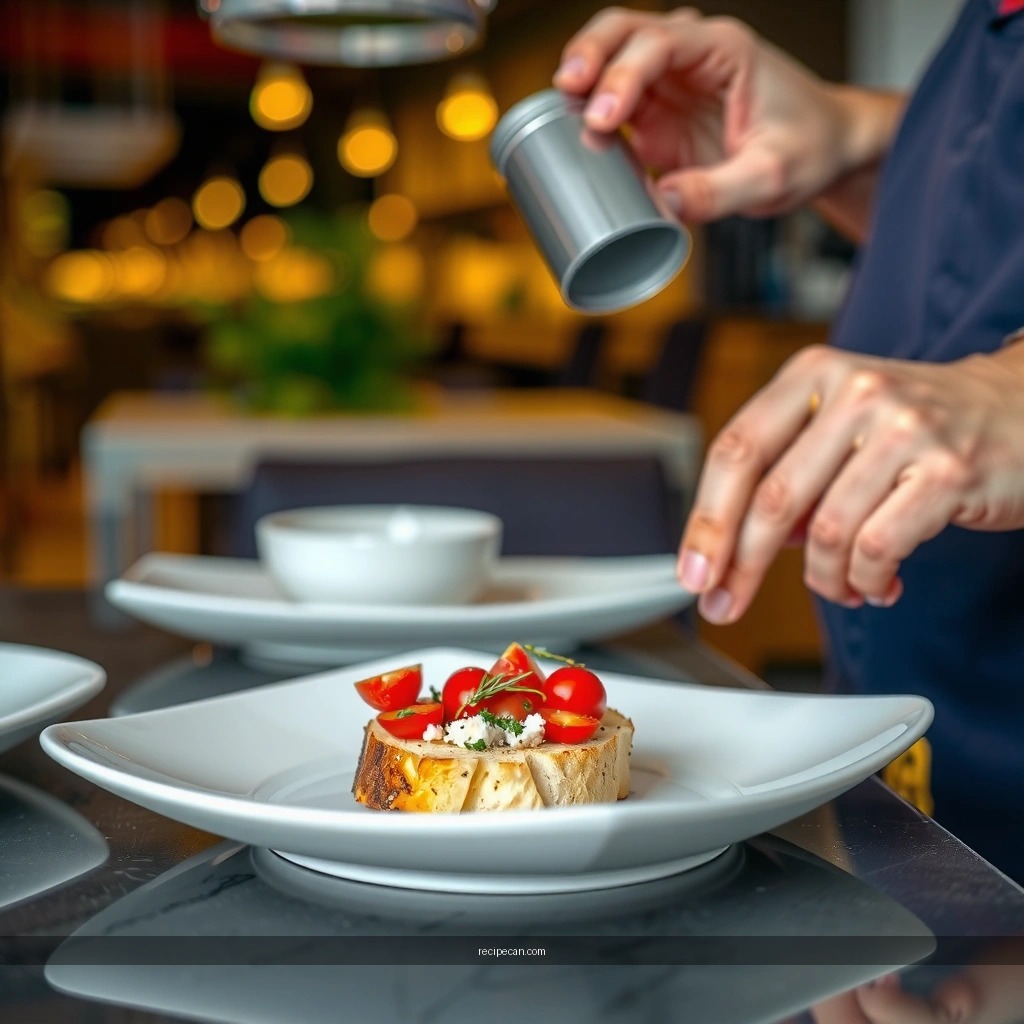
Cooking is where your bruschetta canning recipe becomes a pantry-ready topping. You’re not just “heating”—you’re building a stable texture and distributing flavors evenly so the final jar contents are cohesive rather than separated.
Follow a deliberate workflow:
1. Prep ingredients uniformly
– Dice onions to a consistent size so they soften at the same rate.
– Mince or press garlic to avoid large chunks that don’t blend well after canning.
– Peel and dice tomatoes if your chosen method calls for it (chunk style or blended style should match the recipe).
2. Sauté aromatics lightly
– Warm oil (if your recipe includes it) and cook onions until translucent.
– Add garlic briefly—just long enough to become fragrant, typically 30–60 seconds, so it doesn’t taste bitter.
3. Simmer until flavor melds and thickness develops
– Add tomatoes and simmer at a controlled boil.
– Stir frequently, especially as the mixture thickens.
– The goal is a base that coats a spoon rather than a watery soup. This improves spoonability when you serve it later.
4. Heat thoroughly before jarring
– Bring the mixture to the specified temperature for your recipe and keep it hot while filling jars.
– This reduces the chance of temperature shock and helps maintain quality.
Analytical note: thickness influences heat penetration. That’s one reason you should not drastically reduce or over-reduce the liquid compared to the tested recipe. In home canning, “similar” is not “equivalent”—processing times assume a particular consistency and load.
Actionable benchmark: when your bruschetta base is ready, it should look glossy and slightly thickened, with steam actively rising. If your mixture seems too thin, simmer a bit longer—but do not substitute ingredient amounts outside the recipe’s tested framework.
Jar and Seal Properly
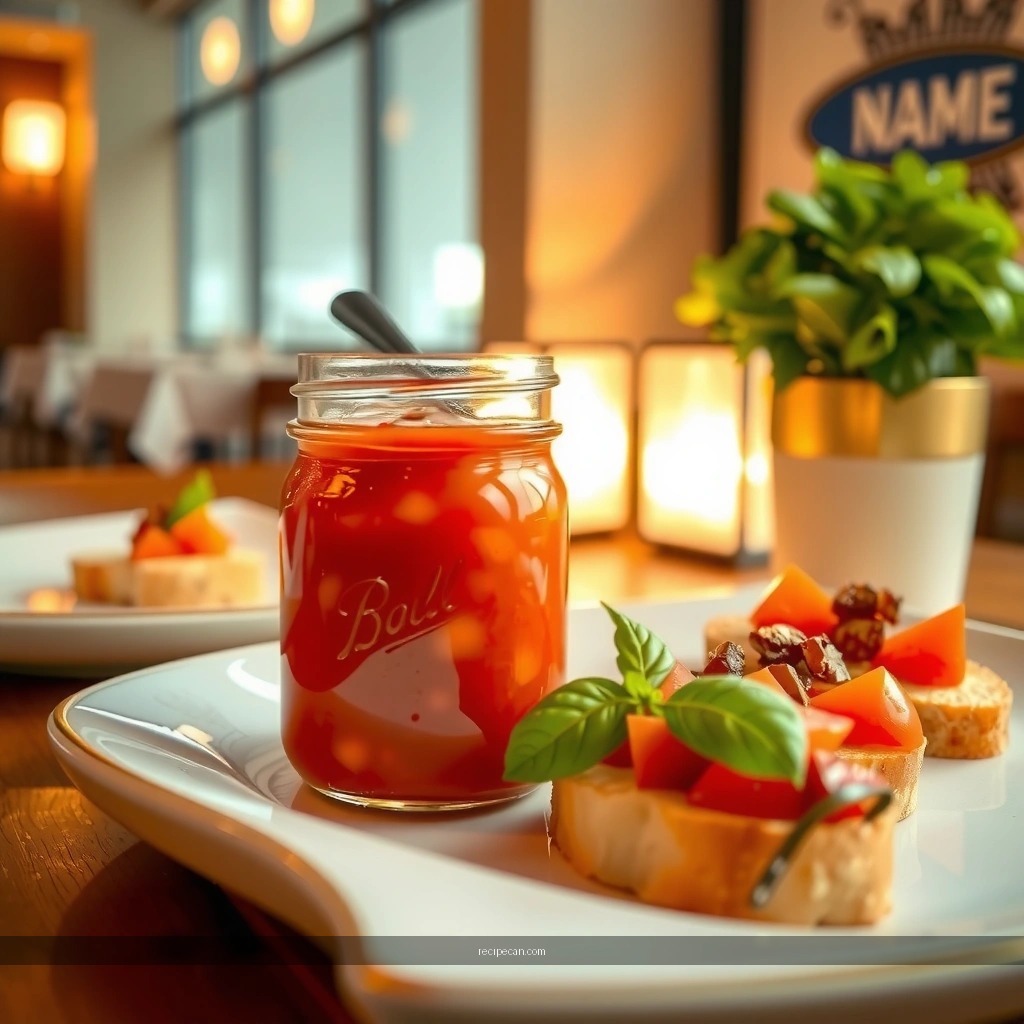
Even the best bruschetta canning recipe can fail at the sealing step. Jar quality and correct headspace are what turn cooked food into shelf-stable preserves.
A secure process includes:
– Use clean, hot jars
– Wash jars thoroughly. Many canners keep jars hot by running them through warm water or a dishwasher cycle.
– Fill with correct headspace
– Headspace (the space between food and lid) is recipe-specific—commonly 1/2 inch for many tomato preparations, but confirm your method.
– Too little headspace can cause food to interfere with sealing; too much can reduce thermal efficiency.
– Remove air pockets
– Gently slide a non-metal utensil along the inside wall and adjust if needed.
– Wipe rims meticulously
– Any residue on the rim can prevent the lid from sealing.
– Use a clean, damp cloth and inspect for drips or smears.
– Apply lids and rings correctly
– Place lids centered and tighten rings “snug” (not overtightened) according to the type of lid system you use.
Best-practice quality check:
– After sealing and before processing, visually confirm that lids sit flat and rims look clean.
– After processing, listen for proper lid “pop” as jars cool.
Small procedural details are what differentiate “canning weekend success” from “mystery failures.”
Water Bath vs. Pressure Canning
This is the most important decision point in your bruschetta canning process.
– Use a water bath canner only when the recipe is explicitly tested for water bath canning and the product is sufficiently acidic based on measured ingredients (typically a specific vinegar or lemon juice amount).
– Choose pressure canning when the recipe calls for it—especially for tomato bases that are not acidic enough for safe water bath processing.
Why the distinction matters:
– Tomatoes are variable in acidity. Even ripe tomatoes can fall within a range that makes “guessing” unsafe.
– Pressure canning reaches higher temperatures than boiling water, providing the thermal conditions needed for safe storage of low-acid foods.
Professional best practice: treat “bruschetta-style topping” like a tomato sauce unless a trusted source provides a water-bath procedure with measured acidification and tested times. If you see a recipe that doesn’t clearly specify the canner type, pause and choose a tested alternative.
If you want an operational rule of thumb: when in doubt, follow pressure canning guidance from a reputable canning authority (university extension, tested canning guides, or the USDA’s tested instructions for tomato products that match your formulation).
Processing Times and Safe Cooling
Processing is where safety becomes measurable. Your jar size, altitude, and canner type determine the correct time and pressure.
Key processing principles:
– Use the exact time recommended for your jar size
– Pint and quart jars typically require different times.
– Adjust for altitude
– At higher elevations, water boils at lower temperatures. For both safety and quality, follow the altitude adjustments provided for the specific canner and recipe.
– Don’t rush to remove jars
– Start timing when the canner reaches the target conditions (rolling boil for water bath; pressure for pressure canner).
– Cool undisturbed
– After processing, let jars cool naturally on a towel or rack, without moving them.
– Avoid tightening rings after processing.
Seal verification:
– Once jars are fully cool (usually 12–24 hours), check each lid:
– The lid should be concave (indented) and should not flex when pressed.
– If a jar didn’t seal, refrigerate it and use promptly rather than storing it on the shelf.
Safety reminder: if you see signs of spoilage—bulging lids, off odors, unnatural leakage—discard the jar. Do not “taste-test” questionable home-canned foods.
Storage and Using Your Canned Bruschetta
Proper storage preserves flavor and helps you track freshness. Even shelf-stable food benefits from smart handling.
Storage guidelines:
– Store in a cool, dark place
– Avoid areas with direct light or temperature swings (e.g., near stoves).
– Label every jar
– Write the canning date and batch notes (e.g., “vinegar added” or “extra garlic”) so you can replicate results and use older jars first.
– Rotate your supply
– Use the “first in, first out” approach for best quality.
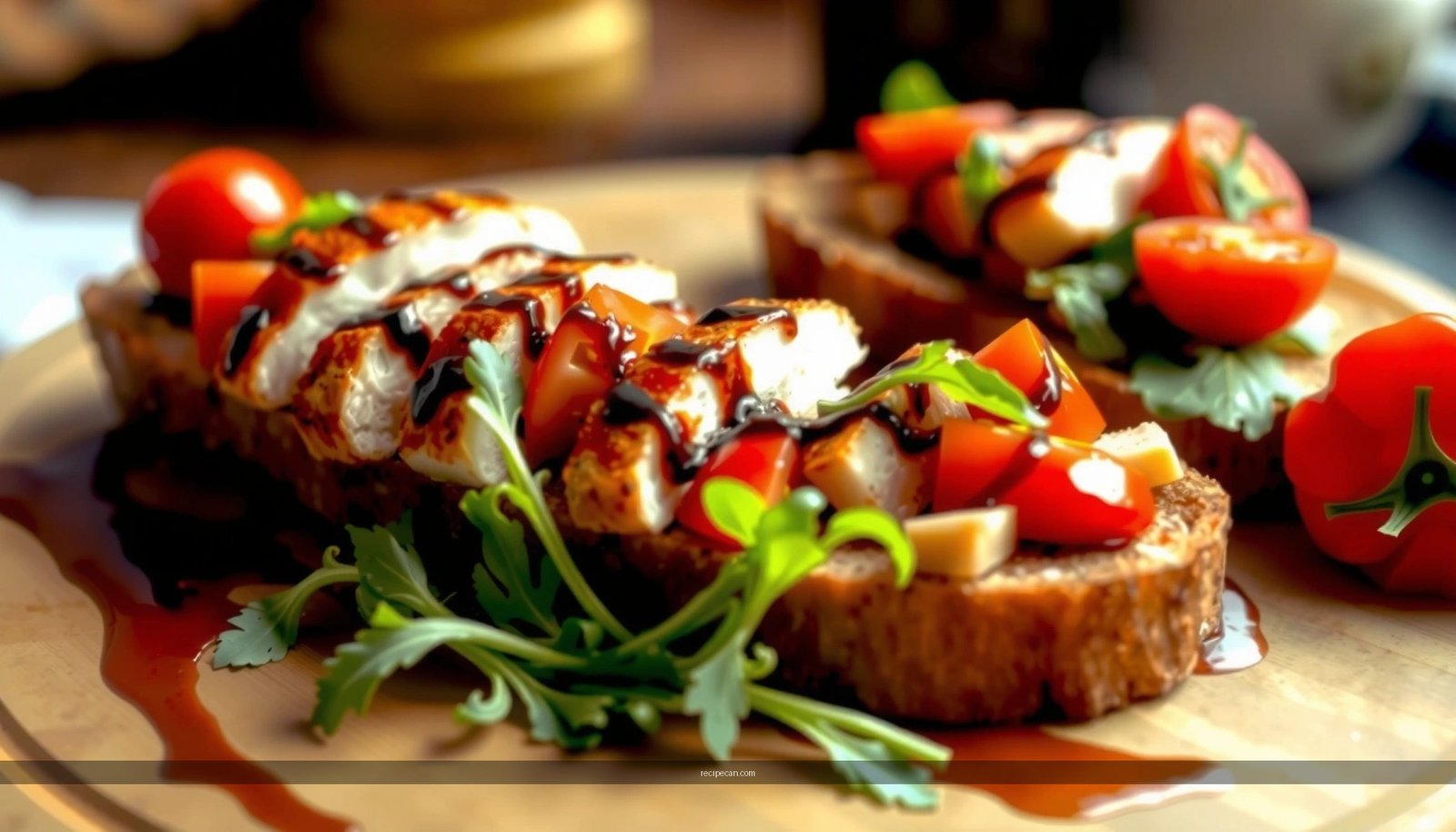
Serving ideas that match the “bruschetta topping” purpose:– Classic: Spoon over toasted bread, then finish with fresh basil or a drizzle of olive oil.
– Quick pasta: Stir into hot pasta and loosen with a splash of pasta water.
– Elevated protein topping: Use as a sauce base for chicken, turkey meatballs, or roasted vegetables.
– DIY crostini bar: Warm a jar and serve with mozzarella or ricotta for a fast party appetizer.
Quality tip: for best texture after opening, reheat gently and stir. Bruschetta bases sometimes settle during storage; reheating helps restore a cohesive, spoonable consistency.
When you keep your process consistent—from ingredient ratios to processing parameters—your canned bruschetta becomes dependable pantry infrastructure, not a one-off experiment.
Bruschetta canning is all about using the right base, filling jars correctly, and processing them with the correct method and timing for safety. Follow this bruschetta canning recipe step-by-step, store your jars properly, and you’ll have classic bruschetta topping ready whenever you want—so grab your ingredients, prep your jars, and start canning today.
Frequently Asked Questions
What is the best way to make a bruschetta canning recipe safely at home?
Start with a tested canning method for tomato-based bruschetta sauce—typically water-bath canning works only if the recipe is acidic enough (often using added lemon juice or vinegar). Use high-quality tomatoes, cook the mixture until thickened, and pack hot into clean, hot jars with correct headspace. Always follow safe canning times for your jar size and altitude to prevent botulism risk.
How do you can bruschetta sauce so it tastes fresh and doesn’t turn watery?
Cook your bruschetta canning recipe long enough to reduce excess liquid, especially if you’re using lots of tomatoes or juicy vegetables. Sauté onions and garlic, then simmer the sauce until it coats a spoon before jarring. When canning, keep measurements consistent and use the recommended headspace so the sauce sets properly and maintains texture.
Why add acidity (lemon juice or vinegar) when canning bruschetta?
Tomatoes can vary in acidity depending on variety and ripeness, which affects whether water-bath canning is safe. Adding lemon juice or vinegar boosts acidity to the level required for safe bruschetta sauce canning. This is a key step in a reliable bruschetta canning recipe and helps prevent spoilage.
Which jars and lids should you use for a bruschetta canning recipe?
Use standard canning jars (like wide-mouth or regular-mouth) designed for home canning and ensure they’re free of chips or cracks. Use new two-piece canning lids each batch for proper sealing, and screw the bands on “fingertip tight” (not over-tight). Check seals after processing—any unsealed jars should be refrigerated and used first.
How long should you water-bath can bruschetta sauce, and what about altitude adjustments?
Processing time depends on jar size (often pints or quarts) and your altitude, so rely on a reputable, tested bruschetta canning recipe for exact minutes. After processing, let jars cool undisturbed for 12–24 hours, then confirm seals before storing. If you live at higher elevation, you’ll typically need longer processing times to ensure the bruschetta sauce reaches safe temperatures throughout.
References
- Bruschetta
https://en.wikipedia.org/wiki/Bruschetta - https://www.britannica.com/topic/bruschetta
https://www.britannica.com/topic/bruschetta - https://nchfp.uga.edu/how/can_02/tomato_sauce.html
https://nchfp.uga.edu/how/can_02/tomato_sauce.html - https://nchfp.uga.edu/how/can_04/salsa.html
https://nchfp.uga.edu/how/can_04/salsa.html - | National Center for Home Food Preservation
https://nchfp.uga.edu/how/can_02/tomatoes_crushed_ground.html - | National Center for Home Food Preservation
https://nchfp.uga.edu/how/general/water_bath_vs_pressure_canning.html - https://nchfp.uga.edu/how/general/food_safety.html
https://nchfp.uga.edu/how/general/food_safety.html - https://nchfp.uga.edu/publications/publications_usda.html
https://nchfp.uga.edu/publications/publications_usda.html - Google Scholar Google Scholar
https://scholar.google.com/scholar?q=bruschetta+%22canning%22+recipe - Google Scholar Google Scholar
https://scholar.google.com/scholar?q=home+canning+salsa+tomatoes+food+preservation+safety+pH