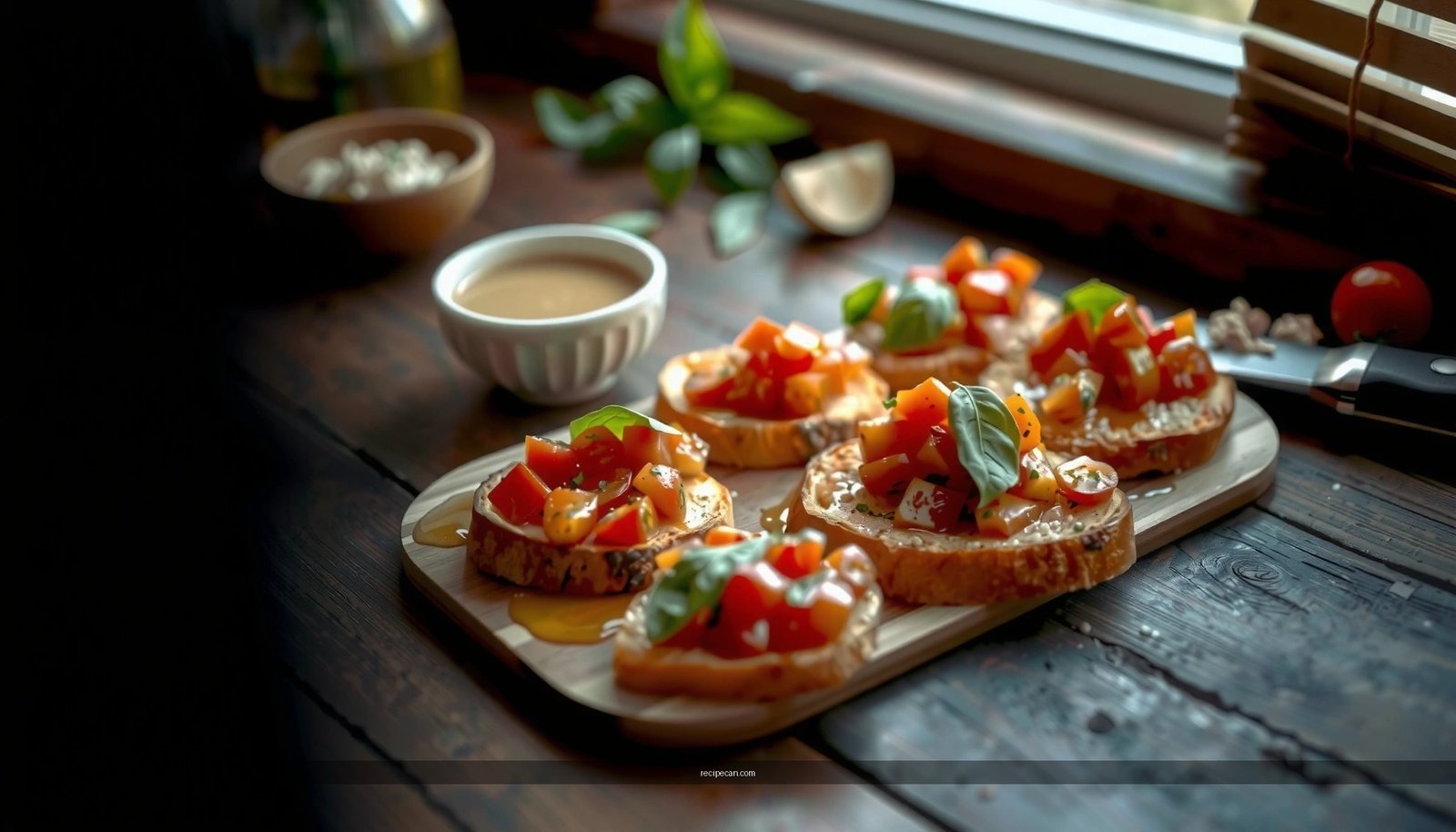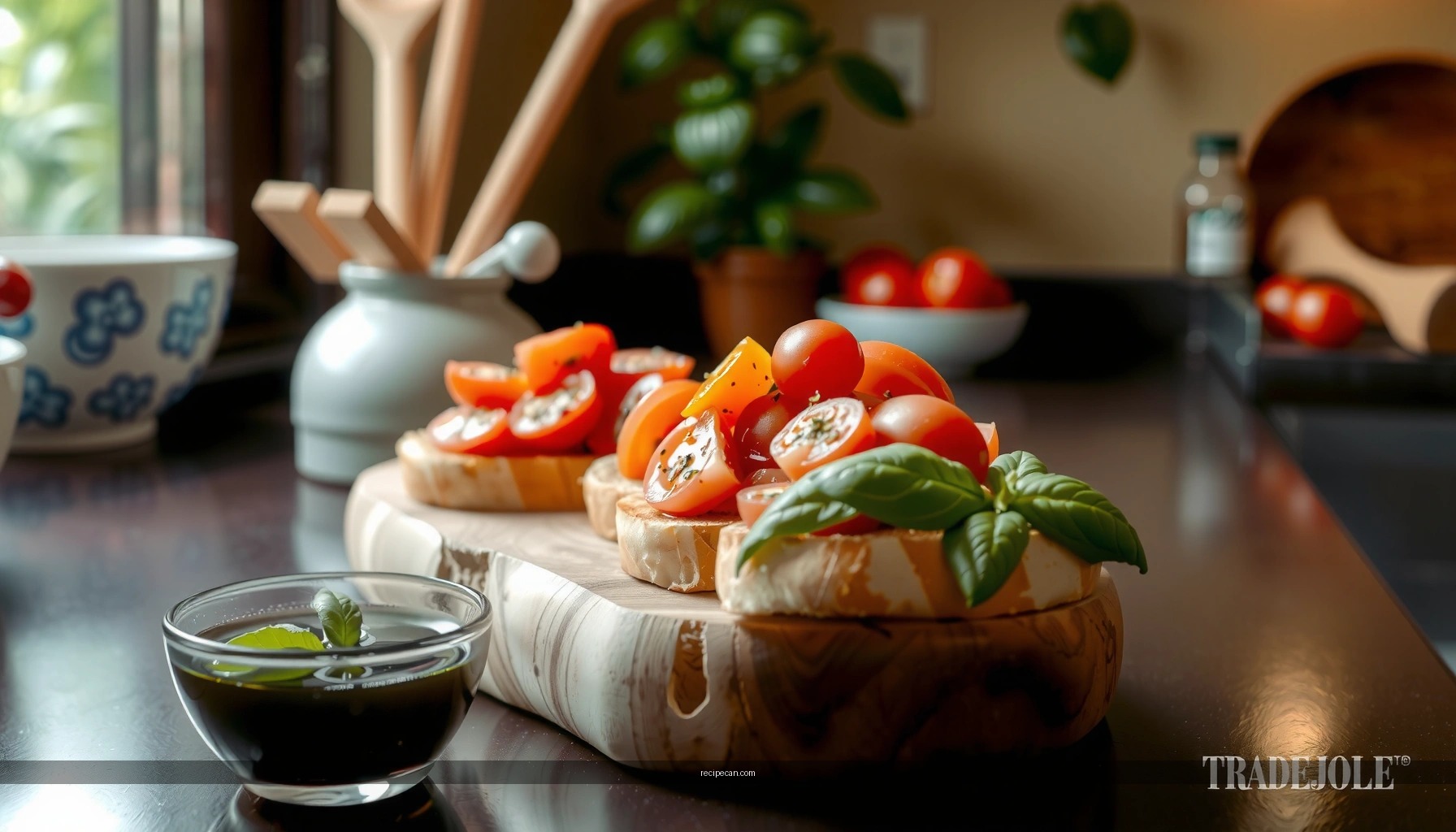
Trader Joe’s bruschetta recipe delivers the fastest path to crowd-pleasing fresh tomato toasts, with bold flavor and minimal effort. If you want to know exactly how to turn simple ingredients into crisp, garlicky toast topped with bright tomato-basil goodness, this is the clear winner. Follow the steps below and you’ll get reliable results whether you’re serving it as an appetizer or a quick weeknight snack.
Trader Joe’s bruschetta is an easy win: spoon a bright tomato-and-garlic mixture onto crisp toasted bread, then finish with olive oil and balsamic for instant, crowd-pleasing flavor. Below, you’ll learn exactly how to build the topping, control toast texture so it stays crunchy, and assemble just before serving for the best results.
Key Ingredients to Use

The magic of Trader Joe’s bruschetta (and bruschetta in general) is balance: juicy tomatoes, aromatic garlic, herbal freshness, and a finishing fat/acid combination that makes everything taste “restaurant-level” without complicated technique.
Start with fresh tomatoes. If you’re optimizing for convenience, a Trader Joe’s shortcut like prepped tomato mix can work well—especially when you’re hosting and want consistent prep. The key is still moisture management: diced tomatoes should be flavorful, but not watery enough to soak the bread.
From there, build the classic profile:
– Garlic: Use fresh minced garlic for sharp, unmistakable aroma. If you prefer a milder bite, reduce the amount or use finely grated garlic.
– Basil / Italian herbs: Fresh basil is ideal, but dried Italian herbs (or a mix that includes basil/oregano) can be excellent in a pinch. Herbs bring structure, preventing the topping from tasting one-note.
– Olive oil: Extra-virgin olive oil improves mouthfeel and helps carry aroma (garlic and herbs taste more “rounded” with oil).
– Balsamic vinegar: Use a small amount to add sweetness and tang. Many people finish with balsamic reduction or a quick drizzle rather than mixing too aggressively into the tomatoes.
To make your shopping decisions easier, here’s a practical “best use” guide based on the types of tomatoes and add-ins typically used for bruschetta-style toppings.
Bruschetta Tomato Choices: Flavor vs. Moisture (Home-Use Guide)
| # | Tomato / Option | Best For | Wateriness | Flavor Intensity | Bread-Soggy Risk |
|---|---|---|---|---|---|
| 1 | Roma / Plum | Diced topping that stays firm | Low | High | Low |
| 2 | Heirloom (ripe) | Big flavor, varied colors | Medium | Very High | Medium |
| 3 | Campari | Sweet, quick-mixing topping | Medium-Low | High | Low |
| 4 | Seedless varieties | Less liquid, cleaner texture | Low | Medium-High | Low |
| 5 | Prepped tomato mix | Time-saving, consistent prep | Medium | Medium | Medium |
| 6 | Cherry tomatoes | High sweetness, easy chopping | Medium | High | Medium |
| 7 | Canned diced tomatoes (drained) | Emergency backup in off-season | High | Medium-Low | High |
Quick Prep Steps (Topping)
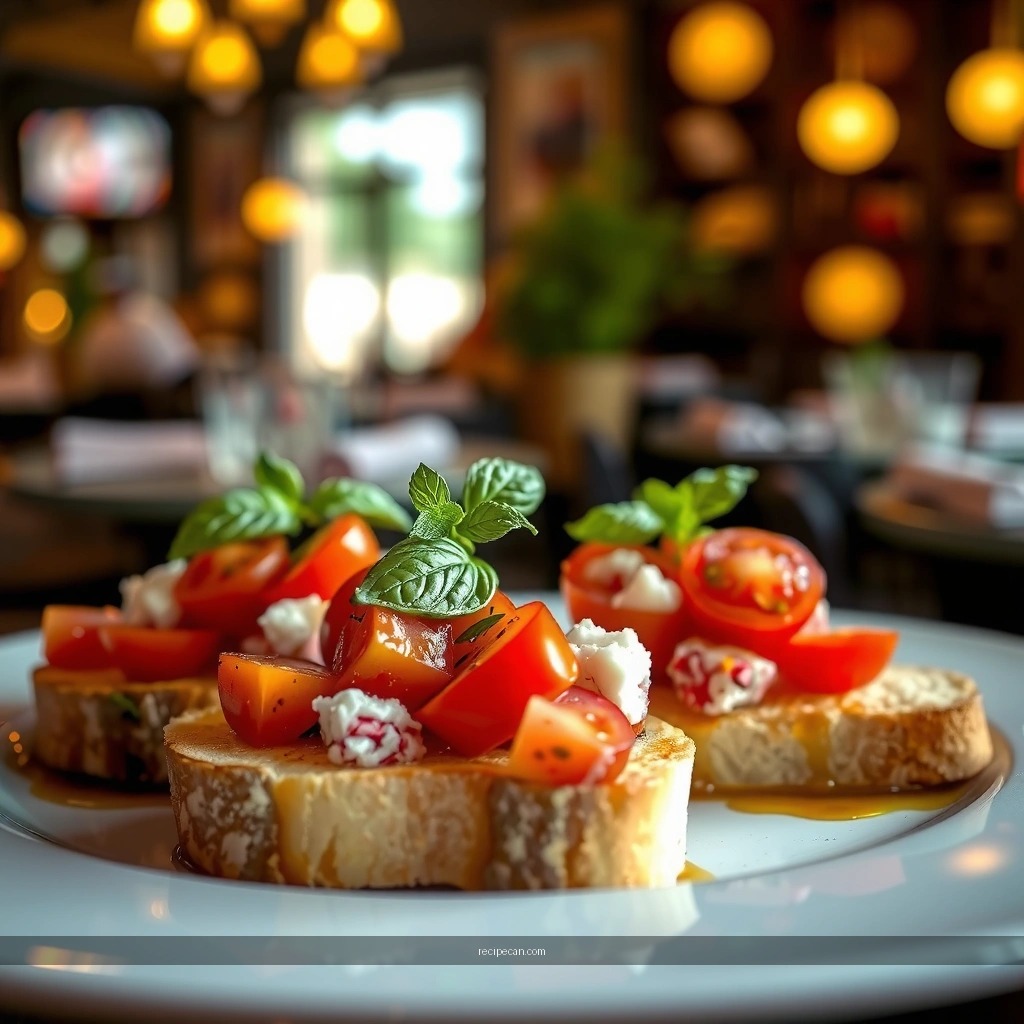
This section is where you control flavor and texture. A great bruschetta topping tastes “bright” rather than flat, and it should look juicy—not watery.
A reliable workflow:
1. Dice tomatoes into small, even pieces (aim for roughly the size of a couscous grain to keep each bite balanced).
2. Add garlic: start with minced garlic and adjust to taste. If you’re serving a crowd, consider making two small batches—one milder, one more garlicky.
3. Add herbs: basil, oregano, or a blend of Italian herbs. If using dried herbs, add them now so they rehydrate and mellow during resting.
4. Season with salt and pepper: salt is essential to pull flavor forward; don’t skip it.
5. Add olive oil first, then a touch of balsamic.
Let the mixture rest briefly. Even 10–20 minutes makes a difference because salt draws out a little tomato juice and garlic aroma distributes through the oil. If your tomatoes are very juicy, you can:
– Drain excess liquid before assembling, or
– Stir and rest, then scoop the thicker portion onto the toast.
Pro texture tip: Assemble right before serving. Bruschetta isn’t meant to sit for long once topped; the crispness is part of the experience.
If you want, you can also tailor the topping style depending on your event:
– “Classic”: more tomatoes, subtle garlic, light balsamic finish.
– “Bold”: slightly less tomato volume, extra garlic, more herb presence, and a sharper balsamic drizzle.
– “Gluten-free friendly”: spoon onto toasted gluten-free bread or use toasted polenta rounds.
Toasting the Bread for Best Texture
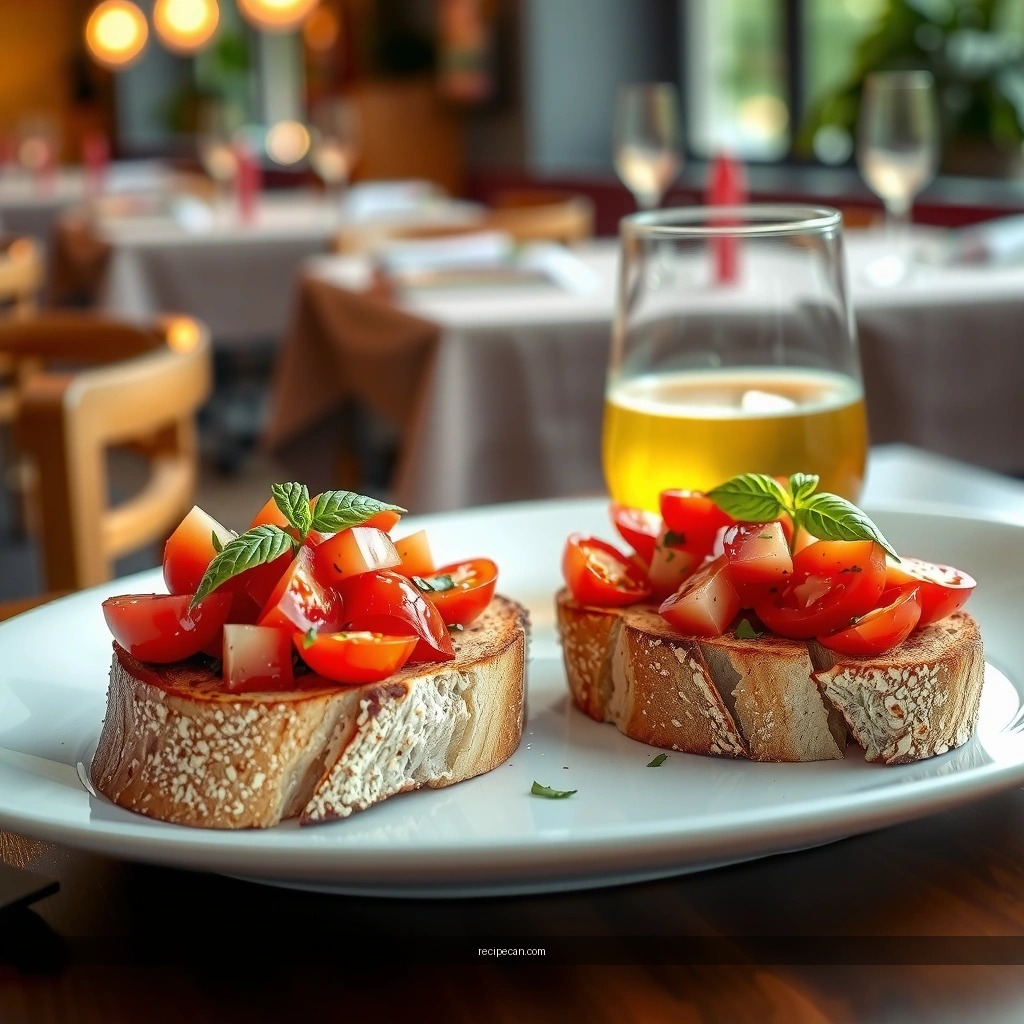
Toast quality determines whether your bruschetta is “crunchy and fresh” or “sad and soggy.” The goal is to create a sturdy, dry surface that can withstand a topping of juicy tomatoes for several minutes.
Practical bread approach:
– Slice bread (baguette or ciabatta-style) into even pieces so they toast uniformly.
– Toast until crisp and lightly golden. If the toast is too pale, it will soften quickly.
– For extra crunch, you can lightly brush slices with olive oil before toasting, especially on drier breads.
Oven vs. stovetop considerations:
– Oven: best for consistency with a large batch.
– Skillet/toaster oven: quick, excellent when you’re doing a smaller amount or want more browning.
Timing strategy for hosting: Toast in waves. Keep toasted bread on a dry tray at room temperature, uncovered, until you’re ready to spoon on the topping.
Simple doneness checklist
– Surface feels firm to the touch.
– Edges are browned.
– Center doesn’t feel “spongy” when pressed gently.
How to Assemble Trader Joe’s Bruschetta
Assembly is intentionally simple because you want maximum freshness at the point of serving.
Follow this ordering for best results:
1. Spoon the tomato mixture onto each toast right before serving.
2. Finish each bite with extra olive oil and/or a drizzle of balsamic for shine.
Two professional-level details make a noticeable difference:
– Portion control: add enough topping to cover the toast but avoid drowning the bread. A tablespoon or two per toast (depending on slice size) is usually ideal.
– Finish last: drizzle olive oil and balsamic after topping so the sauce sits on top, not soaked in.
If you’re serving a crowd, use this workflow:
– Set up a “line” with: toasted bread → tomato topping container → finishing oil/balsamic.
– Spoon and finish in short bursts to keep everything tasting fresh.
Best practice for crunch
If you must prepare ahead:
– Pre-mix topping early (it improves flavor).
– Keep bread toast-ready but assemble at the last minute.
Serving Ideas and Pairings
Bruschetta is flexible. You can serve it as an appetizer, a snack, or part of a more structured Italian-inspired meal.
Appetizer execution:
– Serve as crostini-style bites (smaller toast slices) for easy mingling.
– Pair with a simple salad (arugula with lemon vinaigrette is a classic pairing because it echoes the acidity in balsamic).
Pairing ideas (practical and crowd-friendly):
– Wine: a crisp Sauvignon Blanc, Pinot Grigio, or a light Chianti style red complements tomato acidity and herbs.
– Non-alcoholic: sparkling water with lemon, or an herbal iced tea with a citrus note.
– Meal building: add grilled chicken, roasted vegetables, or a basic pasta with olive oil and garlic to keep the tomato flavor front and center rather than competing with it.
Presentation tip: Arrange toasts on a platter with room between pieces. This prevents steam buildup that can soften crisp bread.
Storage and Make-Ahead Tips
The best bruschetta is fresh at assembly, but strategic prep is possible.
Make-ahead plan that preserves quality:
– Make the tomato topping ahead and refrigerate it covered.
– Toast bread closer to serving to protect crispness.
– Assemble just before eating.
Storage guidance:
– Tomato topping: typically holds well in the refrigerator for about 1–2 days. For best results, stir before using to re-distribute oil and herbs.
– Toasted bread: once toasted, it can lose crispness if stored uncovered. If you must hold it, keep it at room temperature briefly and re-toast quickly right before assembling.
Food safety note for events: If bruschetta is left out, follow standard food-service timing guidance for perishable items. Since tomatoes and garlic are ingredients that can spoil if mishandled, avoid long warm holds and keep everything chilled until assembly whenever possible.
—
Trader Joe’s bruschetta is built on two controllable variables—a flavorful tomato topping and properly crisp toast. Mix tomatoes with garlic and herbs, let the mixture rest briefly so the flavors meld, toast bread until it’s sturdy, and assemble right before serving with olive oil and balsamic finishes. If you follow those steps (and adjust garlic/herb intensity to your crowd’s taste), you’ll consistently deliver the bright, classic bruschetta experience that people ask for again.
Frequently Asked Questions
What is the Trader Joe’s bruschetta recipe and what ingredients does it use?
Trader Joe’s bruschetta is typically made with a crusty bread base topped with a fresh tomato mixture, garlic, olive oil, and herbs. Many shoppers also use or recreate Trader Joe’s common products like roasted garlic and/or tomato components, then finish with balsamic glaze and a sprinkle of mozzarella or parmesan. The exact mix can vary by season, but the core flavors are always bright tomatoes, garlic, and olive oil.
How do you make Trader Joe’s bruschetta at home step by step?
Start by toasting slices of bread until crisp, then rub the warm bread with garlic for extra aroma. Next, combine chopped tomatoes with olive oil, minced garlic, salt, pepper, and herbs (such as basil) and let it sit briefly so the flavors meld. Spoon the tomato mixture over the toasted bread and finish with balsamic glaze and cheese if desired.
Why does Trader Joe’s bruschetta taste so good—especially the flavor balance?
The standout flavor comes from balancing acidity from tomatoes with richness from olive oil and the savory punch of garlic. Letting the tomato topping rest for a few minutes helps juices distribute evenly, which improves texture and flavor in every bite. Using high-quality olive oil, fresh herbs, and a light drizzle of balsamic can replicate that classic Trader Joe’s bruschetta profile.
Which bread works best for Trader Joe’s bruschetta—baguette, ciabatta, or something else?
A baguette or Italian-style loaf is a popular choice because it toasts well and stays crisp under the topping. Ciabatta can work too, but it’s softer, so it may get soggy faster if the tomatoes are very juicy. For best results, toast the bread thoroughly and add the tomato topping right before serving.
What’s the best way to prevent soggy bread when serving Trader Joe’s bruschetta?
Toast the bread until deeply crisp, then keep it warm and dry until assembly. Drain or lightly salt the tomatoes and let them sit briefly, then use a slotted spoon so less liquid lands on the toast. Assemble in small batches and add balsamic and cheese at the end to keep your Trader Joe’s bruschetta fresh and crunchy.
References
- Bruschetta
https://en.wikipedia.org/wiki/Bruschetta - Crostini
https://en.wikipedia.org/wiki/Crostini - Tomato
https://en.wikipedia.org/wiki/Tomato - Olive oil
https://en.wikipedia.org/wiki/Olive_oil - Basil
https://en.wikipedia.org/wiki/Basil - Garlic
https://en.wikipedia.org/wiki/Garlic - https://www.britannica.com/topic/bruschetta
https://www.britannica.com/topic/bruschetta - Google Scholar Google Scholar
https://scholar.google.com/scholar?q=Trader+Joe%27s+bruschetta+recipe - Google Scholar Google Scholar
https://scholar.google.com/scholar?q=bruschetta+recipe+tomato+basil+garlic+olive+oil - Google Scholar Google Scholar
https://scholar.google.com/scholar?q=Italian+bruschetta+history+crostini+garlic+toast