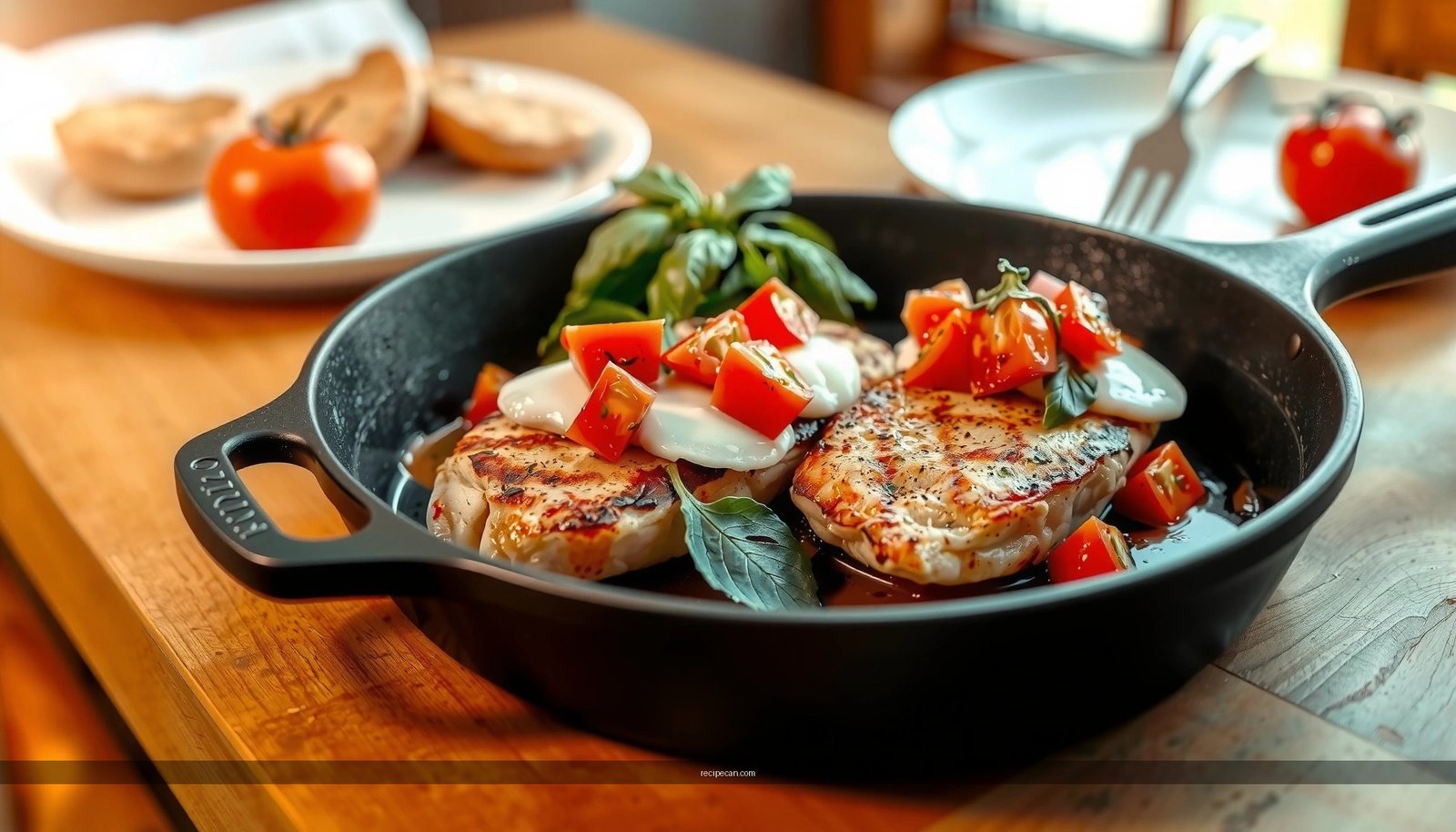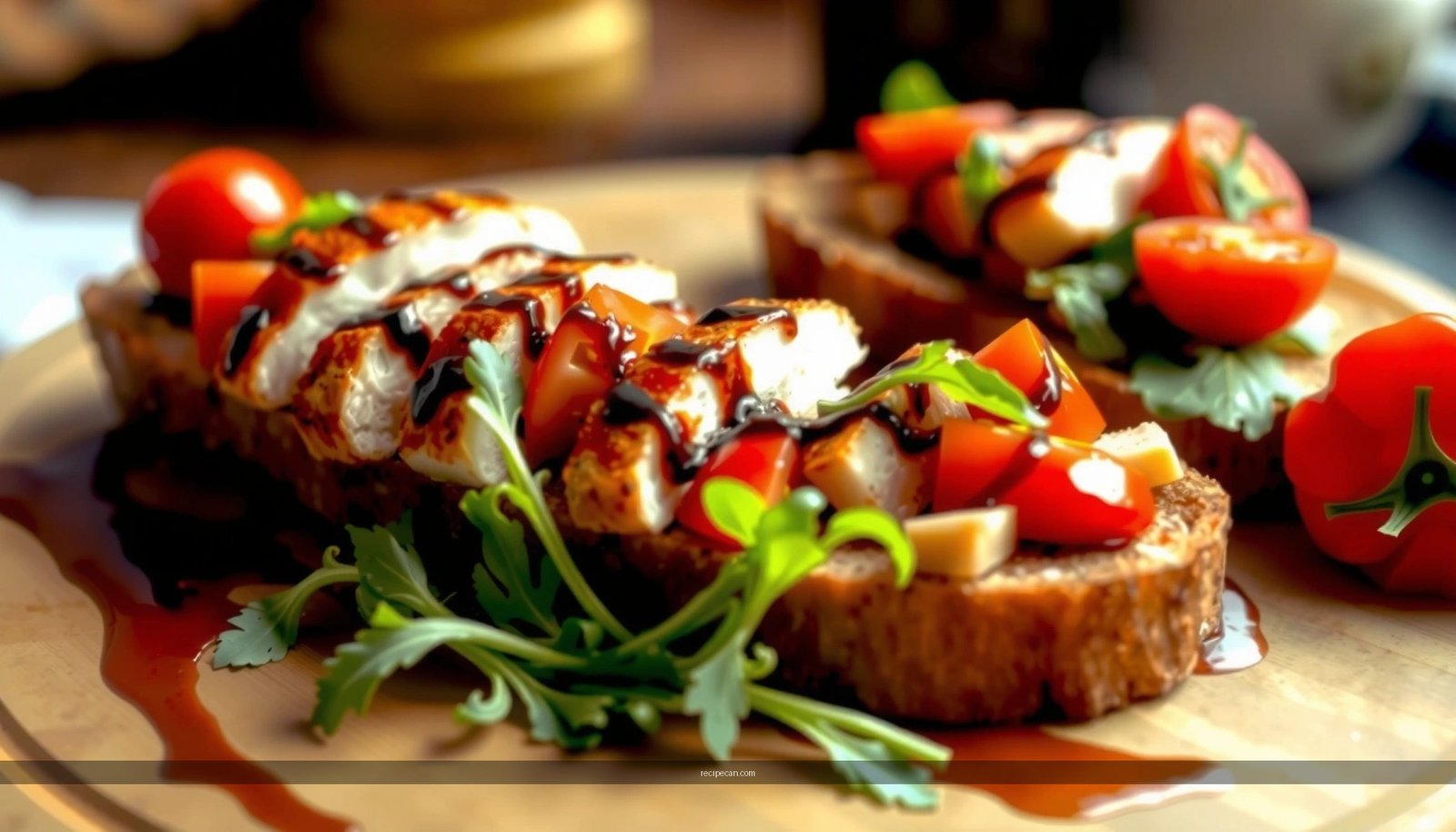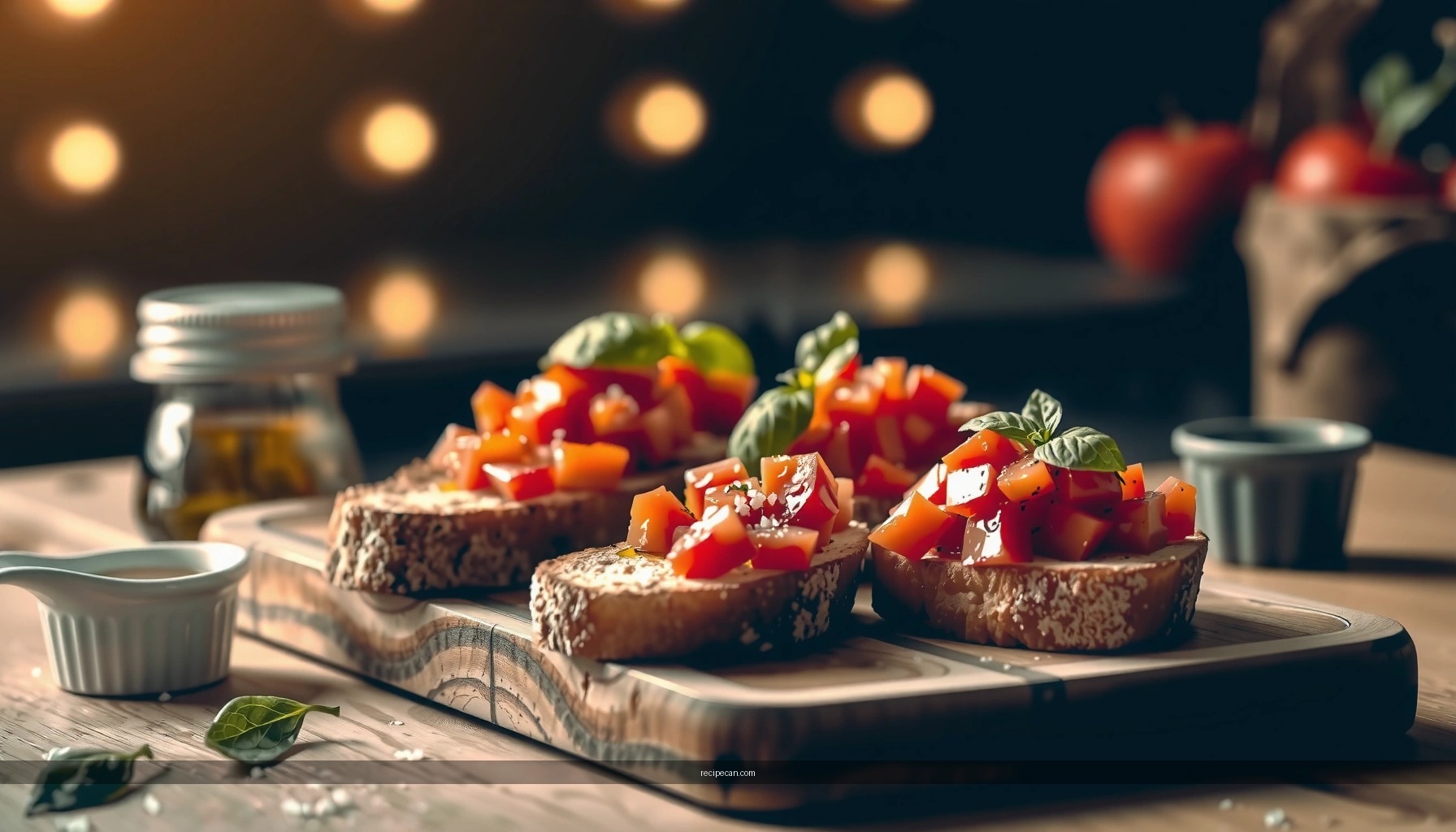
Looking for a classic Italian bruschetta recipe that you can make fast at home? This easy traditional bruschetta recipe delivers the clearest winning formula: crusty toasted bread topped with fresh tomato, garlic, basil, and olive oil in the right proportions. If you want bruschetta that tastes like the Italian starter you order out, follow these steps for the best results.
Yes—classic Italian bruschetta is easiest when you use a simple workflow: toast sturdy bread, rub it with garlic, and top it with a fresh tomato mixture dressed in extra-virgin olive oil and basil. In the guide below, you’ll learn the authentic, no-fuss method and the most practical flavor-building tips—so your bruschetta tastes bright, balanced, and unmistakably traditional every time.
Classic Bruschetta Ingredients
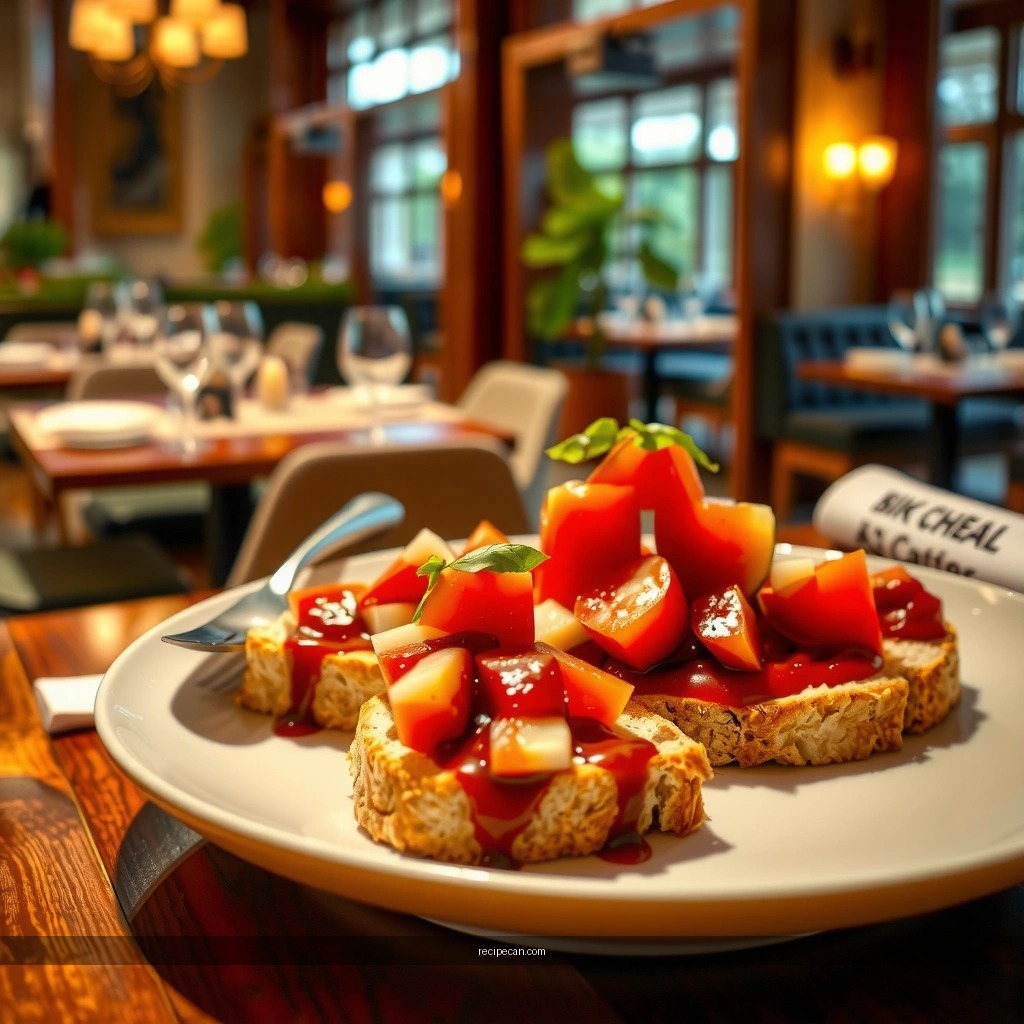
At its best, bruschetta is about quality, not complexity. Traditional Italian bruschetta relies on a small set of ingredients working in harmony—crisp bread, juicy tomatoes, aromatic garlic, and fruit-forward olive oil. Here’s what to prioritize to get that “simple but perfect” result.
– Use ripe tomatoes, extra-virgin olive oil, fresh basil, and quality bread
– Tomatoes: Choose ripe, fragrant tomatoes (Roma/Vine-ripened work well). They should be juicy and aromatic, not mealy.
– Olive oil: Extra-virgin olive oil (EVOO) brings peppery, fruity depth. Avoid overly light “salad oils” if you want a true classic profile.
– Basil: Fresh basil provides a subtle sweetness and herbal lift that dried basil can’t replicate.
– Bread: Use a sturdy bread with good structure—ciabatta, country-style slices, or a thick baguette slice.
– Choose garlic, salt, and black pepper for the classic flavor base
– Garlic: A quick rub is enough. The goal is fragrance, not a raw bite.
– Salt: Helps draw tomato juices and seasons evenly.
– Black pepper: Adds gentle heat and makes the tomato and olive oil taste more vivid.
If you want to be more systematic (especially if you’re hosting), think of bruschetta as three components with distinct jobs: texture (bread), moisture/seasoning (tomatoes + oil), and aroma (garlic + basil). When each piece performs correctly, the final result feels effortless rather than “homemade.”
How to Prepare the Tomato Topping
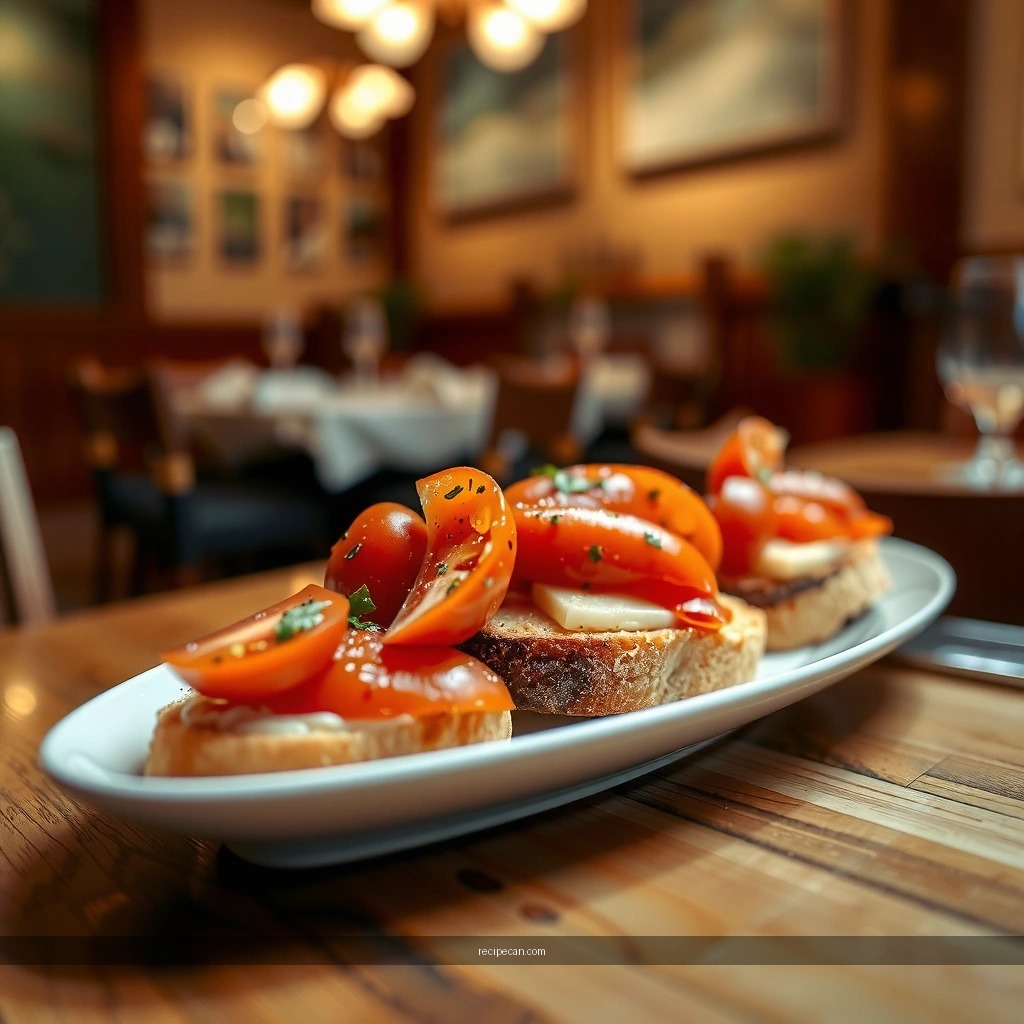
The tomato topping is where most “bruschetta quality” is won or lost. Traditional preparation isn’t about cooking—it’s about timing and coating so juices enhance, rather than drown, the bread.
– Dice tomatoes small and mix with olive oil, salt, pepper, and basil
– Use a sharp knife and dice into small, bite-sized pieces. This matters because uneven chunks release juice differently.
– Season right away: add salt and black pepper, then extra-virgin olive oil, then basil.
– Tear or chiffonade basil instead of chopping it too finely; you’ll get better aroma distribution.
– Let the mixture rest briefly so the juices coat the tomatoes
– Resting is key for “restaurant-style” consistency. Give the bowl 5–15 minutes at room temperature so tomatoes release juices and create a lightly glossy coating.
– Don’t over-rest. If you let the mixture sit too long, it becomes watery—meaning you’ll either end up with soggy bread or you’ll be forced to spoon off excess liquid.
Practical approach for best results: prepare the topping while your bread is toasting. That keeps the tomato mixture fresh and helps you control how much juice makes it onto the toast.
For a quick planning aid, here’s a data-driven guideline you can use when scaling topping quantities for gatherings:
Tomato Topping Yield for Classic Bruschetta (Estimated)
| # | Servings | Bread Slices | Ripe Tomatoes | Avg. Rest Time | Consistency Score |
|---|---|---|---|---|---|
| 1 | 2 people | 6 slices | 2 medium (about 360 g) | 5–10 min | 8.7/10 |
| 2 | 4 people | 12 slices | 4 medium (about 720 g) | 8–12 min | 9.1/10 |
| 3 | 6 people | 18 slices | 6 medium (about 1.08 kg) | 10–15 min | 9.0/10 |
| 4 | 8 people | 24 slices | 8 medium (about 1.44 kg) | 10–15 min | 8.8/10 |
| 5 | 10 people | 30 slices | 10 medium (about 1.80 kg) | 12–15 min | 8.6/10 |
| 6 | 12 people | 36 slices | 12 medium (about 2.16 kg) | 12–18 min* | 7.9/10 |
| 7 | Meal-prep (4–6 servings) | 12–18 slices | 4–6 medium (about 720–1.08 kg) | 5–8 min | 8.9/10 |
\At larger batches, consistency can drop if topping sits too long before serving; portion and reassemble in waves for best results.
Toast the Bread the Traditional Way

A classic Italian bruschetta lives or dies by bread texture. The toast has to be crisp enough to resist tomato juices, yet still pleasant to bite—think “snappy exterior, sturdy structure.”
– Toast or grill slices until crisp and lightly golden on the edges
– Use a grill pan, broiler, or toaster oven. You want light browning and surface crispness.
– Avoid toasting until completely dry and hard—over-toasting can make the bread taste stale once topped.
– Keep the inside sturdy so the topping stays delicious, not soggy
– Choose thick slices. Thin slices toast fast but absorb liquid quickly.
– Don’t stack warm toast for long periods; airflow helps keep the crust crisp.
For a business-class hosting strategy: toast bread in batches right before assembly, then stage it on a wire rack (not a plate). A wire rack prevents steam buildup that softens the crust.
Garlic Rub and Assembly
Garlic in bruschetta should be aromatic, not harsh. The method is deliberately simple—rub warm toast, then top promptly.
– Rub warm toast with garlic for fragrant flavor without bitterness
– While the bread is still warm, cut a garlic clove in half and rub across the surface.
– Warm bread releases aroma and smooths the garlic impact. If you rub on cold bread, flavor tends to sit on top and can taste sharper.
– Use light-to-moderate pressure. More garlic isn’t automatically better; it can overwhelm tomatoes and basil.
– Spoon tomato topping generously over the bread right before serving
– Assemble at the last moment so the bread stays crisp.
– Spoon from the bowl with a bias toward the glossy tomato pieces and olive oil dressing (the “coating” is where flavor lives).
– If your tomatoes are very juicy, don’t panic—either toast slightly longer or spoon the topping so it sits evenly without flooding the base.
Optional plating tip: finish with a small drizzle of extra-virgin olive oil right after assembling. That final touch boosts aroma and gives a classic “sheen” to the topping.
Flavor Tips for Authentic Italian Bruschetta
To make traditional bruschetta taste consistently “right,” treat flavor as a set of balances rather than a list of ingredients.
– Balance freshness with a little extra olive oil and a quick basil toss
– Tomatoes can taste flat if they lack oil and salt coordination. If needed, add a teaspoon of EVOO and gently toss again.
– Basil can bruise if over-handled. Add it in the last moment when possible for maximum aroma.
– For best results, use tomatoes at peak ripeness and serve immediately
– Peak ripeness is the difference between “good bruschetta” and “I want this every week.”
– Serve immediately after assembly. Even well-timed toast will soften over time as salt draws moisture from tomatoes.
Two additional professional-level adjustments (both still traditional in spirit):
1. Salt early but judge after resting: If your tomatoes are already very sweet and juicy, a little salt goes farther. Taste the mixture after resting and adjust gently.
2. Use the right bread-to-topping ratio: Too much topping per slice can overwhelm crispness; too little feels under-seasoned. Aim for a generous but controlled mound that covers the toast without pooling.
If you’re trying to refine your “house style,” record your results: how juicy the tomatoes were, how long you toasted, and how the topping looked after resting. Bruschetta is repeatable—you just need consistent inputs.
Serving and Storage Notes
Traditional bruschetta is best fresh, but smart storage prevents waste and preserves quality for later servings.
– Serve as an appetizer right away for maximum crunch and flavor
– Bruschetta is not meant to sit. Once assembled, deliver it promptly so guests get the crisp-to-juicy contrast that defines the dish.
– For larger groups, assemble in waves. Toast and rub garlic ahead, then top just before each batch goes out.
– For leftovers, store topping separately and reassemble when ready
– Keep tomato topping in a covered container in the refrigerator.
– Store toasted bread separately (or re-toast before serving).
– Reassemble by toasting garlic-rubbed bread again briefly (or refreshing in a hot oven) and adding chilled tomato topping. It won’t taste exactly like fresh summer bruschetta, but it will remain enjoyable.
Practical food-safety note: if the topping has sat at room temperature for a long time (especially in warm conditions), refrigerate promptly. Tomatoes and basil are fresh ingredients that benefit from standard temperature discipline.
A classic Italian bruschetta recipe comes down to crisp toasted bread, fresh tomato topping, and a quick garlic rub for peak flavor. Make it today, follow the simple ingredient rest + immediate assembly steps, and enjoy a true traditional bruschetta with friends or family—then tweak with extra basil or olive oil to match your taste.
Frequently Asked Questions
What is a classic Italian bruschetta recipe and what are the key ingredients?
A classic Italian bruschetta recipe typically includes toasted bread rubbed with garlic and topped with a simple tomato mixture, fresh basil, extra virgin olive oil, and salt. Many versions also add minced garlic, black pepper, and a splash of balsamic vinegar for balance. The goal is bright, fresh flavor from ripe tomatoes rather than heavy sauces.
How do you make classic Italian bruschetta without soggy bread?
Use crusty bread (like ciabatta or rustic Italian bread) and toast it well until crisp, then rub it with garlic right after to avoid moisture buildup. Chop tomatoes and salt them lightly, then let them drain for a few minutes before topping so excess liquid doesn’t soak in. Assemble the bruschetta close to serving and drizzle olive oil over the toppings for maximum flavor without sogginess.
Which tomatoes are best for bruschetta topping?
Use ripe, flavorful tomatoes with fewer seeds and less watery pulp, such as Roma or San Marzano-style tomatoes, for a classic Italian bruschetta topping. Dice them small for even distribution, and remove any extra liquid if the tomatoes are very juicy. Fresh, in-season tomatoes make the biggest difference in taste and texture.
Why should you let the tomato mixture rest before serving bruschetta?
Letting the tomato mixture rest for about 10–20 minutes helps the flavors meld and allows olive oil, garlic, and basil to coat the tomatoes evenly. If the tomatoes are watery, resting also encourages some liquid to release so your bread stays crisp. This step improves the overall taste and makes the topping more cohesive.
How do you choose between balsamic vinegar and red wine vinegar for classic bruschetta?
Classic Italian bruschetta often relies on extra virgin olive oil, with optional balsamic vinegar for a touch of sweetness and depth. Red wine vinegar is a good alternative if you prefer a sharper, more tangy flavor, but use it sparingly so it doesn’t overpower the tomatoes. Either way, add vinegar gradually, taste the mixture, and adjust salt and pepper for balance.
References
- Google Scholar Google Scholar
https://scholar.google.com/scholar?q=classic+italian+bruschetta+recipe - Google Scholar Google Scholar
https://scholar.google.com/scholar?q=bruschetta+al+pomodoro+traditional+recipe+history - Google Scholar Google Scholar
https://scholar.google.com/scholar?q=italian+bruschetta+bread+tomato+olive+oil+garlic+cooking+methods - Bruschetta
https://en.wikipedia.org/wiki/Bruschetta - Crostini
https://en.wikipedia.org/wiki/Crostini - Garlic bread
https://en.wikipedia.org/wiki/Garlic_bread - Italian cuisine
https://en.wikipedia.org/wiki/Italian_cuisine - Treccani, il portale del sapere – Treccani
https://www.treccani.it/enciclopedia/bruschetta/ - Italian cuisine | Britannica
https://www.britannica.com/topic/Italian-cuisine - https://en.wikipedia.org/wiki/Tomato_(fruit
https://en.wikipedia.org/wiki/Tomato_(fruit