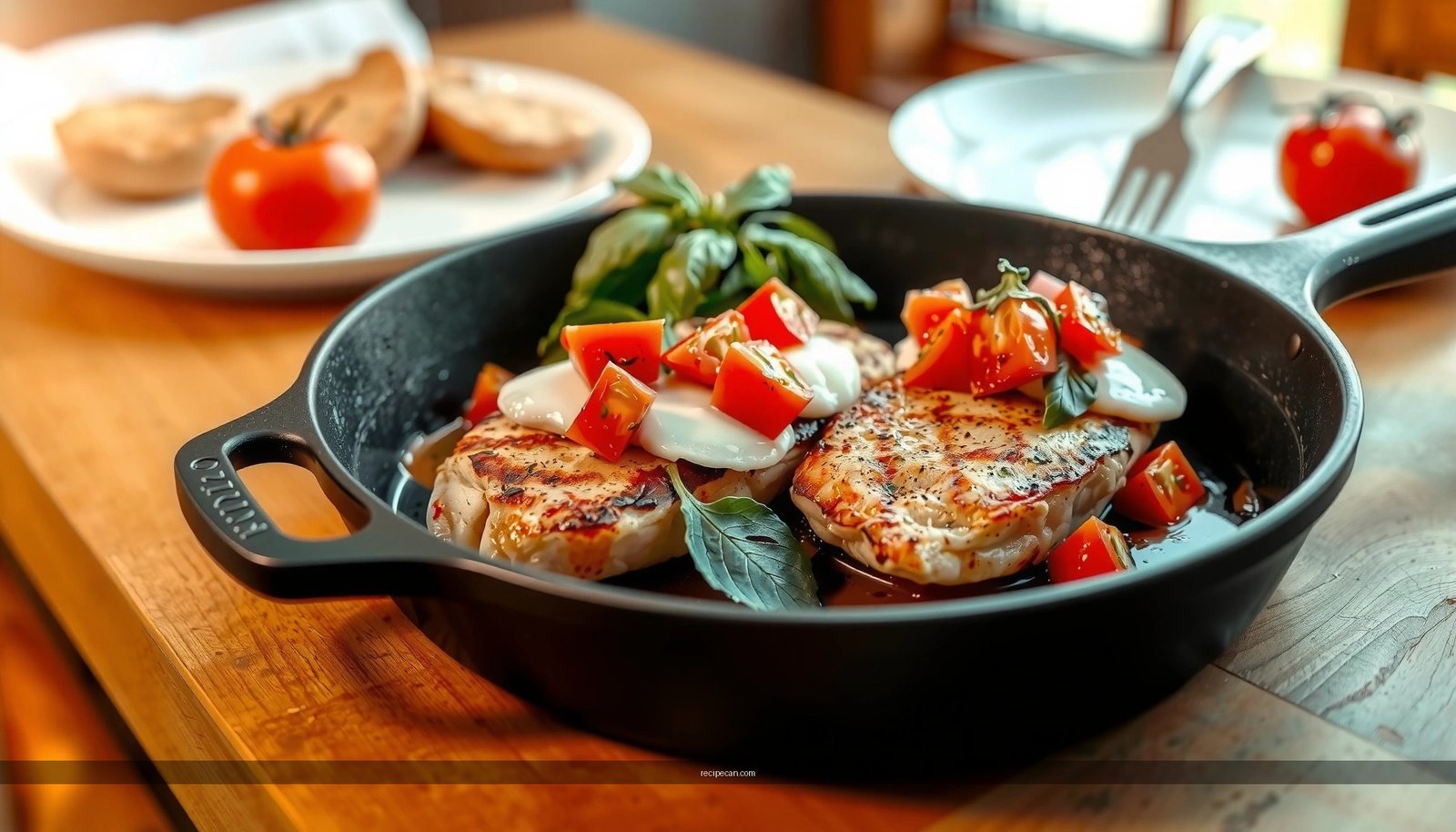
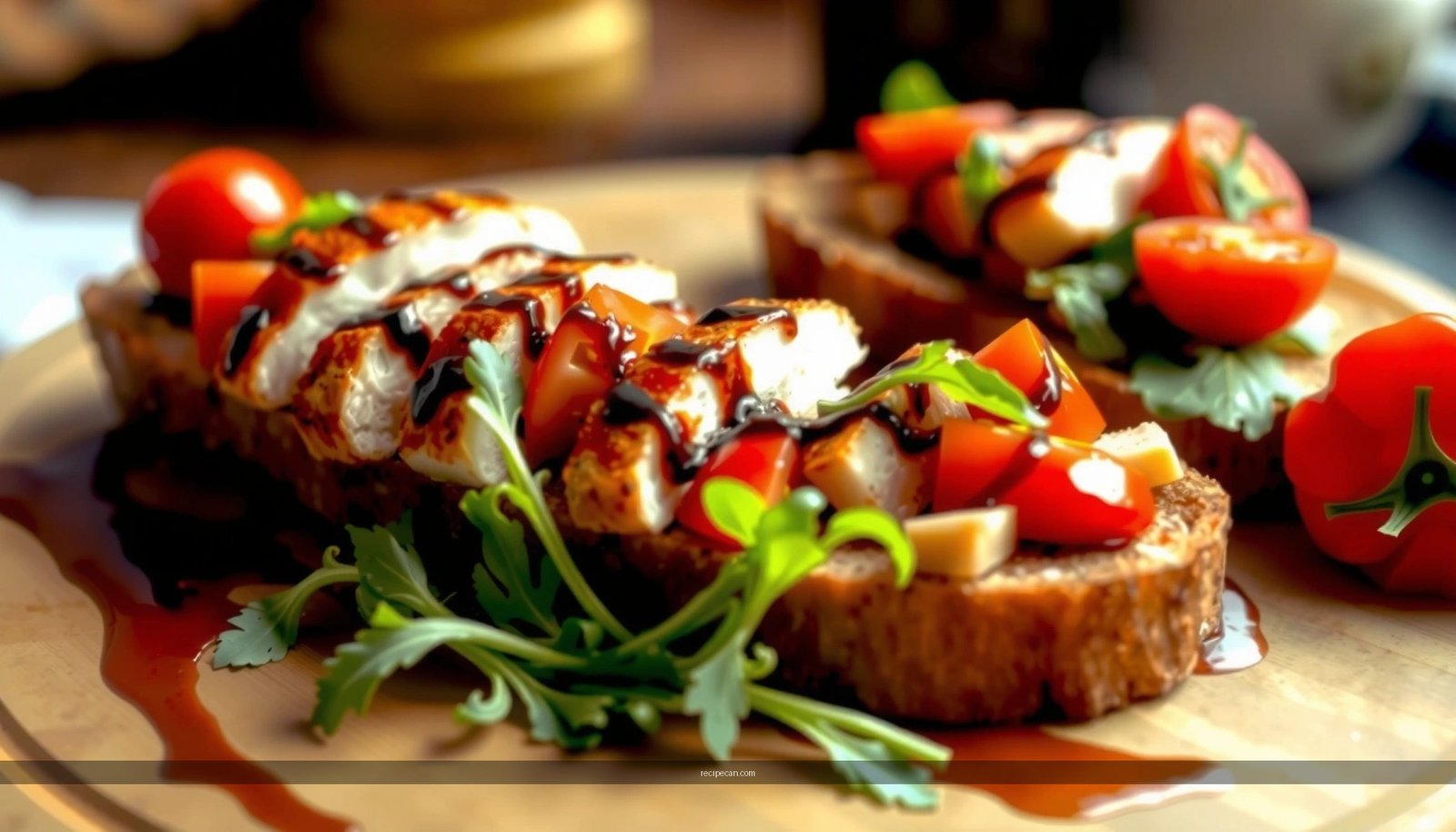
Searching for a bruschetta recipe with cheese that delivers big flavor with minimal effort? This easy, step-by-step method shows you exactly how to toast the bread, pile on cheese, and finish with the right toppings for maximum melty, savory results. If you want consistently excellent bruschetta every time, follow these instructions for the clear best outcome.
Make bruschetta with cheese by toasting crusty bread, rubbing it with garlic, then topping it with melted cheese and a quick tomato mixture—so you get crisp edges, melty centers, and bright, juicy flavor. The key is timing: toast first, add cheese immediately, and let the tomato stay fresh (not soggy) by building in the last moments.
Choose the Right Bread for Bruschetta
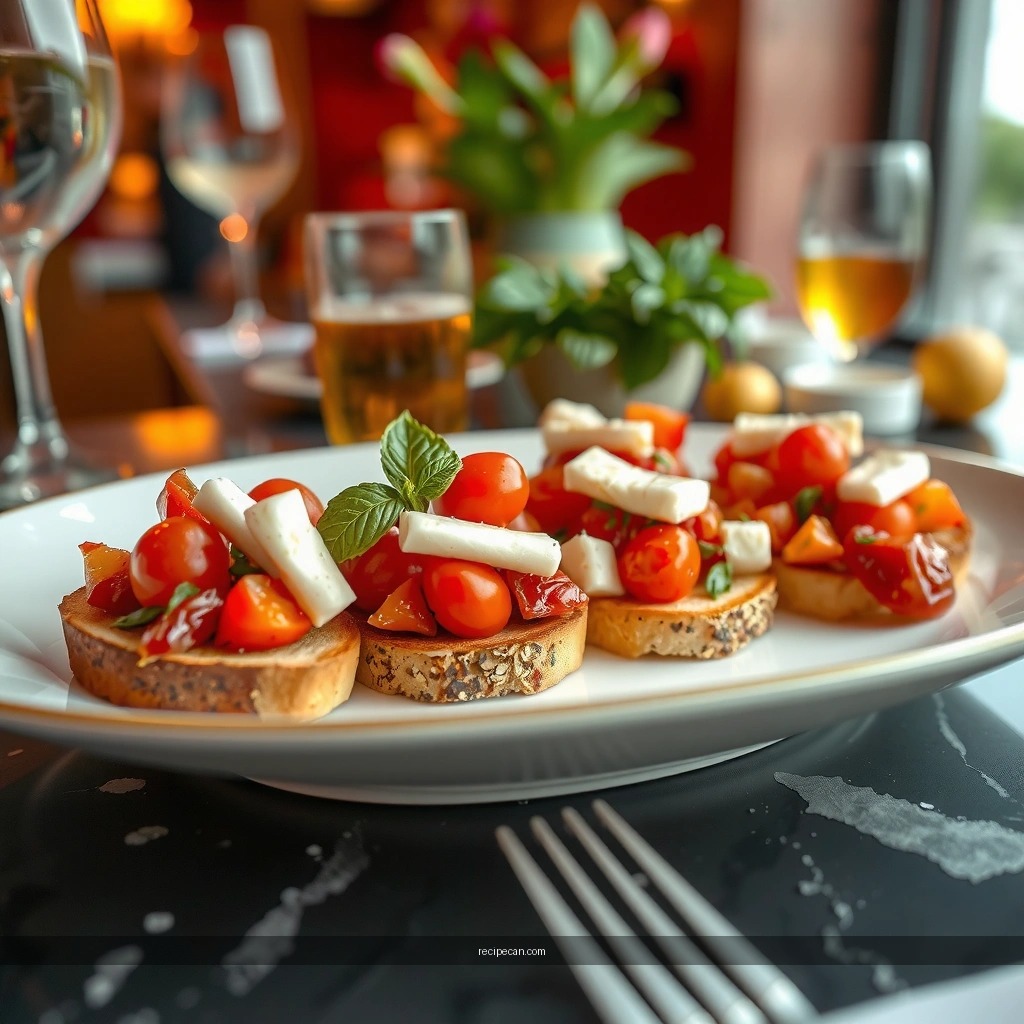
A great cheese bruschetta starts with bread that can handle heat without turning gummy. The goal is contrast: a crisp, toasty exterior with enough structure to hold toppings.
– Use a crusty loaf (ciabatta or rustic bread) for sturdy, crisp bites
Ciabatta works especially well because its open crumb creates crisp, lacy edges. Rustic sourdough adds flavor and a pleasantly chewy center. If you’re serving guests, look for loaves that slice cleanly and don’t crumble at the crust.
– Slice thick so the center stays soft after toasting
Aim for 3/4 to 1-inch (2–2.5 cm) slices. Thin slices toast fast but can harden before the cheese melts. Thick slices also give you more “surface area” for cheese coverage, which improves melting and distribution of flavor.
Practical tip: If your bread is freshly baked and very airy, let it sit uncovered for 15–30 minutes before toasting. Light surface drying helps the toast form a crisp crust rather than steaming.
Prepare the Garlic-Tomato Base
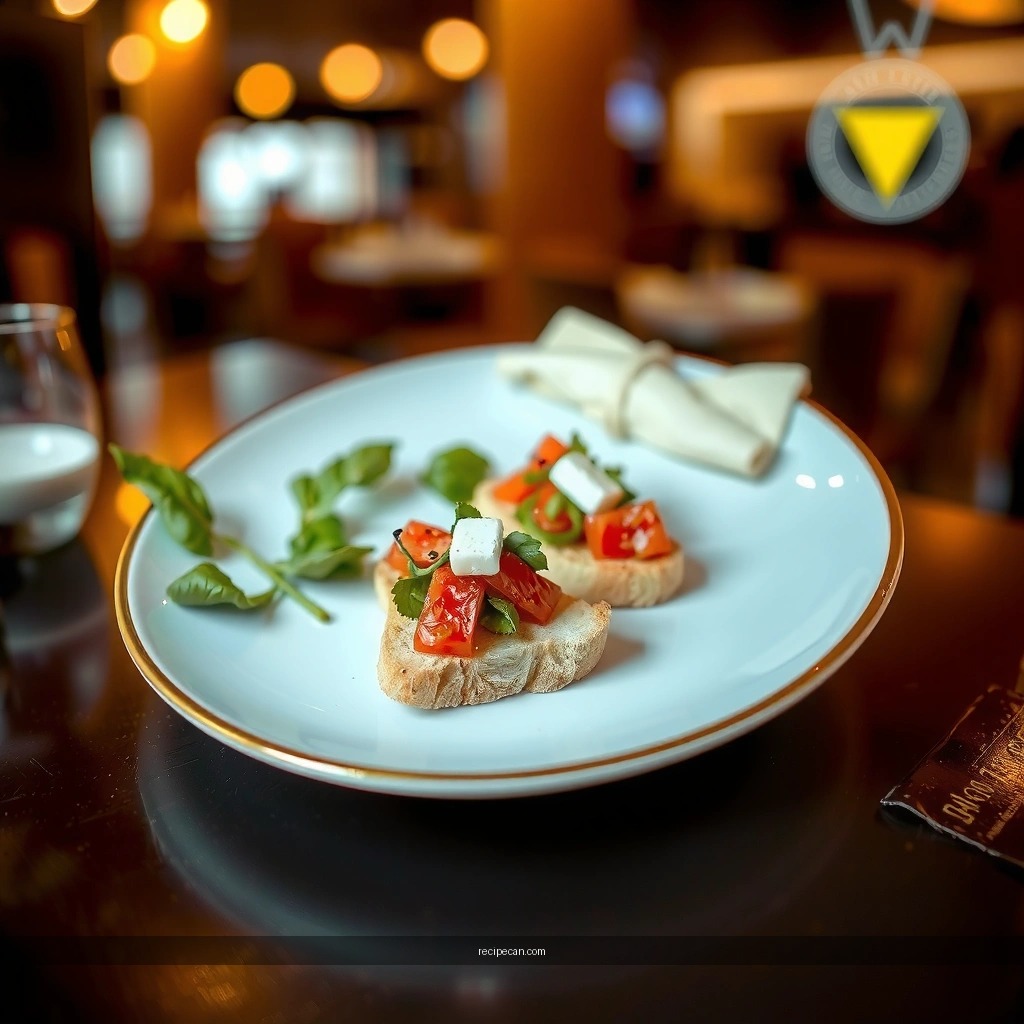
Classic bruschetta flavor comes from a tomato mixture that’s seasoned, bright, and juicy—yet not watery by the time it hits the bread. Think of this as a flavor layer, not a wet sauce.
– Rub warm bread with garlic for instant flavor
Garlic’s role here is to perfume the bread while staying milder than raw garlic. Rub the cut side of a peeled clove over the hot toast right after it comes out of the oven or pan. Because the bread is warm and dry on the surface, the garlic transfers aroma instead of becoming overpowering.
– Combine diced tomatoes with olive oil, salt, pepper, and a squeeze of lemon
Use ripe tomatoes (Roma or vine tomatoes are both reliable). Dice into small, even pieces so every bite gets tomato. Then mix:
– Olive oil (for body and mouth-coating richness)
– Salt and black pepper (to pull flavor forward)
– Lemon juice (to sharpen and balance the richness of cheese)
If your tomatoes are especially juicy, briefly blot or drain excess liquid before mixing, or let the bowl sit 5–10 minutes and pour off any pooling liquid. This single step reduces the risk of soggy toast.
Why lemon matters: Cheese adds fat and salt, which can flatten acidity. A small squeeze of lemon keeps the tomato bright and makes the overall bite feel “fresh,” not heavy.
Pick the Best Cheese for Melting

To keep bruschetta crisp, choose a cheese that melts quickly and evenly. You’re aiming for a thin, cohesive melt that clings to the toast—rather than oily separation or stringing that cools too fast.
– Mozzarella adds a creamy, stretchy melt
Fresh mozzarella melts beautifully when it’s not too wet. For a more reliable, less watery melt, low-moisture mozzarella tends to perform consistently under broilers. If you love the classic “stretch,” mozzarella is your best bet.
– Parmesan brings salty, savory depth; mix or top for extra flavor
Parmesan is not always the easiest to fully melt, but it excels at flavor impact. Use it in one of two ways:
1. Mixed with shredded mozzarella for a blended melt
2. Sprinkled on top so it browns and intensifies during broiling
To help you decide, here’s a practical comparison of popular cheese choices for a cheese bruschetta setup.
Cheese Melt Performance for Broiled Bruschetta (Practical Kitchen Ratings)
| # | Cheese Type | Melt Behavior | Broil Finish (sec) | Meltability Rating | Overall Melt Score (0–10) |
|---|---|---|---|---|---|
| 1 | Low-moisture Mozzarella | Even, cohesive melt | 45–65 | ★★★★★ | 9.5 |
| 2 | Fresh Mozzarella (Part-skim) | Creamy but may release water | 50–75 | ★★★★☆ | 8.8 |
| 3 | Fontina | Very smooth, slow-browning melt | 55–85 | ★★★★☆ | 8.6 |
| 4 | Provolone | Firm melt with mild bite | 60–90 | ★★★☆☆ | 8.1 |
| 5 | Taleggio | Ultra-creamy melt, richer aroma | 50–80 | ★★★★☆ | 8.4 |
| 6 | Parmesan (Use as top layer) | Browns more than melts | 30–55 | ★★☆☆☆ | 6.2 |
| 7 | Gorgonzola (Mild or Dolce) | Creamy melt; can be crumbly | 45–70 | ★★★☆☆ | 7.7 |
If you want one “safe bet” for consistent results: use mozzarella as the base cheese, add parmesan for salt and browning, and broil just until the top looks melted and lightly golden.
Assemble and Toast for Maximum Crispiness
This is where most people accidentally sabotage texture—usually by topping too early or broiling too long. The solution is a controlled sequence.
– Toast bread until golden, then top immediately to prevent sogginess
Toast until the surface is golden and dry. Then pull the bread promptly and add cheese while the toast is still hot. That heat helps the cheese melt quickly without giving the tomato time to soak in.
– Add cheese and broil briefly (or melt in a warm oven)
Spread your cheese evenly so it melts at the same rate across the slice. Broil typically takes 30–90 seconds, depending on thickness and oven strength. Watch closely: broilers can go from perfectly melted to dry in a matter of moments.
Operational best practice:
If you’re making multiple batches, keep finished toasts warm in a low oven (around 200°F / 95°C) while you finish melting and topping. Avoid holding them too long, because heat plus moisture can still soften the crust.
Add Fresh Toppings and Seasoning
Once the cheese is melted, the bruschetta should become aromatic and vivid—not watery.
– Finish with basil, black pepper, or chili flakes for brightness
Basil adds a fragrant, herbal top note that counters cheese richness. Use fresh basil when possible; tear it by hand for better surface area. Black pepper sharpens and rounds out tomato sweetness. Chili flakes (go easy) add a controlled heat that makes the flavor feel more “alive.”
– Drizzle with olive oil to enhance aroma and richness
A light drizzle right before serving brings “restaurant-style” finishing. It also helps carry basil aroma and boosts perceived freshness.
Timing note: Add the tomato mixture right before serving (or on the last minute per tray). This keeps your bruschetta crisp and prevents the tomato juices from accumulating on the bread.
Serve and Store Like a Pro
Cheese bruschetta is best fresh, but you can still prep strategically to make serving efficient.
– Serve right away for the crispiest texture
The window for optimal crunch is short. Serve immediately after assembling with tomato so the toast doesn’t lose its crisp top layer.
– If prepping ahead, keep toppings separate and assemble just before serving
Prepare components ahead of time:
– Slice and toast bread (or toast partially)
– Dice and season tomatoes (then drain excess liquid if needed)
– Shred cheese and portion toppings
Assemble at the last step so the bread stays crisp, the cheese stays melty, and the tomato stays bright.
Storage reality check: If you store assembled bruschetta, it will soften. For leftovers, you can re-crisp in a hot oven, but the tomato texture won’t be the same as freshly built servings.
When you use toasted bread, a garlic-tomato topping, and a melty cheese layer, you’ll get classic bruschetta that’s crisp, juicy, and packed with flavor. For the most reliable melt, pair mozzarella + a light parmesan finish, broil only until the cheese is just melted, then top with fresh tomato and basil right before serving. Want to make it tonight? Gather your bread, tomatoes, cheese, and garlic, toast and broil quickly, and serve warm cheese bruschetta in minutes—without sacrificing crunch.
Bruschetta with cheese is at its best when you treat it like a timed assembly: crisp toast first, garlic aroma next, cheese melted under controlled heat, and tomatoes added last for freshness. Follow the bread thickness guidance, choose mozzarella-forward cheeses for dependable melting, and use quick broiling plus last-minute topping to protect texture. With those fundamentals, your bruschetta will consistently deliver restaurant-quality flavor—bright, savory, melty, and ready to serve.
Frequently Asked Questions
What cheese works best for a bruschetta recipe with cheese?
Mozzarella is a classic choice because it melts well and pairs with tomatoes and basil. Ricotta adds a creamy, tangy layer, especially if you mix it with garlic and olive oil. For a sharper flavor, try fresh feta or grated Parmesan, either on top or stirred into the cheese mixture. Choose one cheese (or two that complement each other) so the topping doesn’t become watery or overly salty.
How do I prevent bruschetta from getting soggy when using cheese?
Use toasted bread that’s crisp—toast until the crust is firm and dry, then rub with garlic while it’s still warm. Keep the cheese component thicker and drier (like ricotta lightly drained or mozzarella kept in small pieces) and spoon tomato mixture on top only right before serving. If your tomatoes release a lot of juice, pat them dry or salt lightly and drain, then add them to the bruschetta. This helps the bread stay crunchy even with cheese.
How do I make a quick bruschetta recipe with cheese for a party?
Prepare components ahead: chop tomatoes with basil, make a simple cheese spread (ricotta with olive oil, garlic, and herbs), and slice/portion the bread. When guests arrive, toast the bread quickly, spread with cheese, and top with the tomato mixture. Add a drizzle of olive oil and a few fresh basil leaves for finishing. This “assemble-to-serve” approach keeps your bruschetta fresh and not soggy.
Why do my tomato topping and cheese taste watery or bland?
Watery flavor usually comes from tomatoes that weren’t drained, or from adding tomato sauce too early over the toasted bread. Drain excess tomato juices and balance acidity with a pinch of sugar, plus salt and black pepper to taste. For better flavor, season the cheese directly with garlic, herbs, and a little olive oil so the bruschetta recipe with cheese has depth. Also avoid overloading toppings—too much moisture and volume can dilute flavor.
Which bread is best for a bruschetta recipe with cheese?
Use a sturdy, crusty loaf like ciabatta, baguette, or rustic Italian bread so it toasts cleanly and holds toppings. Slice it thick enough that it stays crisp after adding cheese and tomato, typically about 3/4 to 1 inch thick. If the bread is too thin, it can become chewy or soggy; if it’s too soft, it won’t stand up to the topping. Toast in the oven or on a grill until golden, then rub with garlic and drizzle with olive oil.
References
- Google Scholar Google Scholar
https://scholar.google.com/scholar?q=bruschetta+recipe+with+cheese - Google Scholar Google Scholar
https://scholar.google.com/scholar?q=bruschetta+mozzarella+recipe - Google Scholar Google Scholar
https://scholar.google.com/scholar?q=italian+bruschetta+with+cheese+recipe - Bruschetta
https://en.wikipedia.org/wiki/Bruschetta - https://www.britannica.com/topic/bruschetta
https://www.britannica.com/topic/bruschetta - https://www.theguardian.com/food/series/the-ultimate-guide-to/2019/aug/20/bruschetta-recipe
https://www.theguardian.com/food/series/the-ultimate-guide-to/2019/aug/20/bruschetta-recipe - https://cooking.nytimes.com/recipes/1019143-bruschetta-with-tomatoes-and-mozzarella
https://cooking.nytimes.com/recipes/1019143-bruschetta-with-tomatoes-and-mozzarella - bruschetta recipe with cheese – Search results
https://en.wikipedia.org/wiki/Special:Search?search=bruschetta+recipe+with+cheese - https://www.ncbi.nlm.nih.gov/search/research-articles/?term=bruschetta+recipe+with+cheese
https://www.ncbi.nlm.nih.gov/search/research-articles/?term=bruschetta+recipe+with+cheese