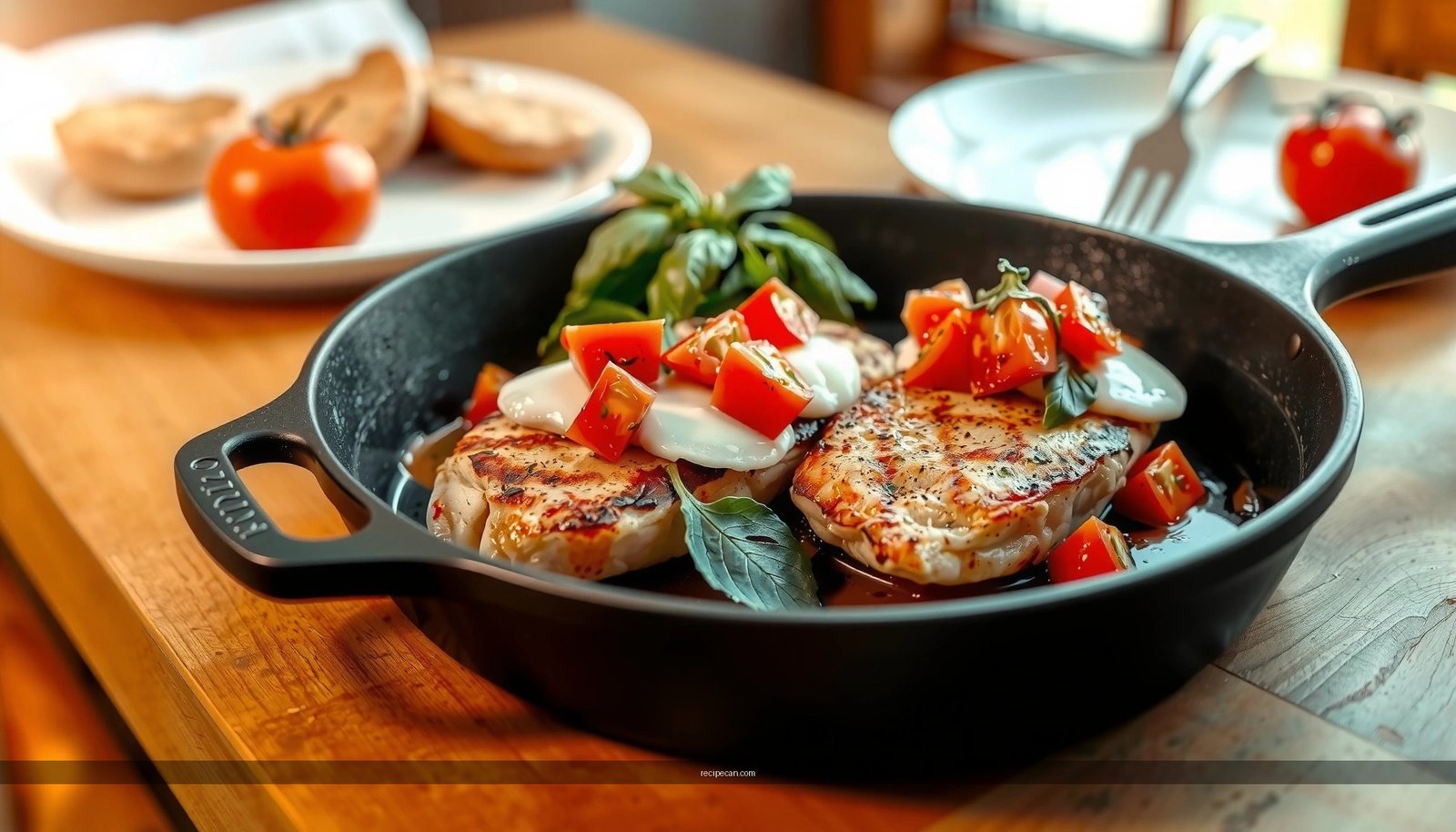
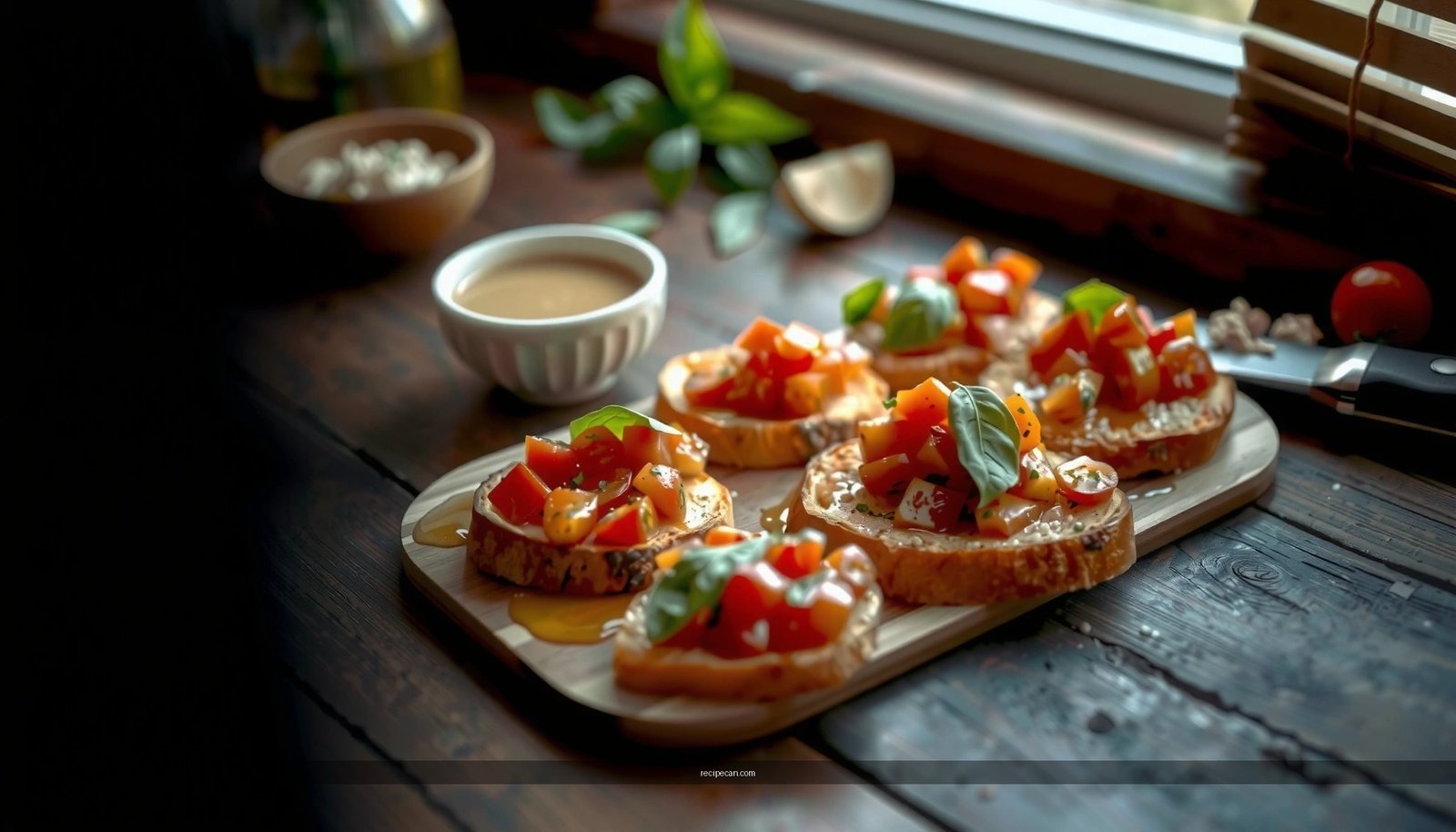
Get the best bruschetta recipe for classic Tomato Basil & Garlic Bread with a reliable, flavor-forward method that delivers crisp, garlicky slices and bright tomato topping every time. This recipe answers whether you should load the bread with garlic or rub it, and how long to toast for maximum crunch without drying the center. Follow these steps and you’ll serve restaurant-level bruschetta that’s balanced, fresh, and unmistakably Italian.
The best bruschetta recipe is built on two fundamentals: juicy, properly seasoned tomatoes and crisp toasted bread finished with a hot garlic rub. Follow the steps below to nail classic tomato basil flavor, achieve the right crunchy texture, and assemble at the last moment so the topping stays fresh instead of soggy.
Choose the Right Bread
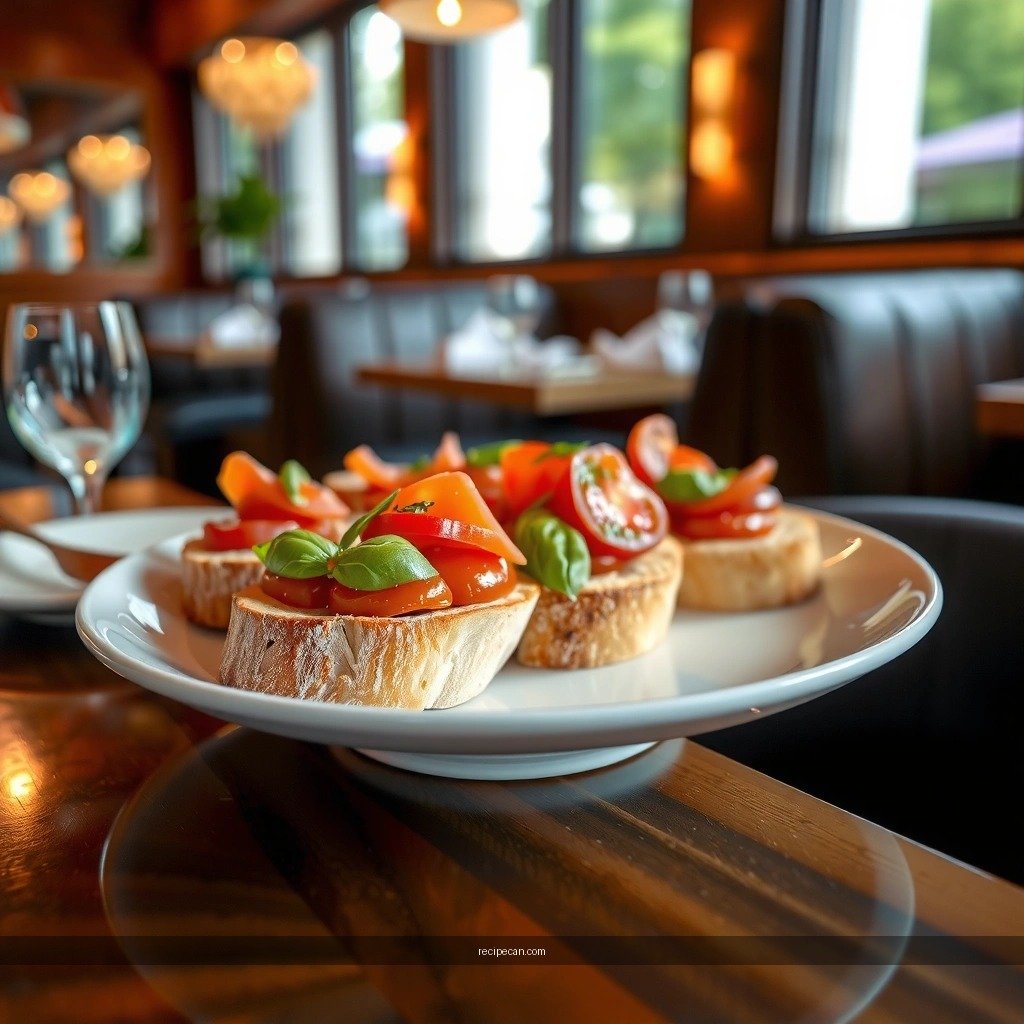
Bread is the structural element of bruschetta. Even the best tomato mixture can’t compensate for soft bread, because bruschetta is designed to be eaten immediately—crisp edges, sturdy center, and toppings that cling rather than soak.
Use rustic Italian bread such as ciabatta, sourdough, or a traditional Italian loaf with an airy crumb and a thicker crust. These breads toast well because they:
– Develop crunch quickly at the surface.
– Hold up to moisture in tomato topping without collapsing.
– Catch olive oil without turning gummy.
Slice the bread with intention. Aim for pieces that are thick enough to act like a platform—typically 3/4 to 1-inch thick—so you can add a generous spoonful of tomato mixture without the slice becoming floppy. Thin slices may toast fast, but they also soften faster, especially after seasoning and oil contact.
A practical production tip for hosting: pre-slice your bread and store it at room temperature in a breathable bag (not sealed plastic) so crust texture remains intact. Then toast or broil right before serving for peak crunch.
Make the Perfect Tomato Basil Topping
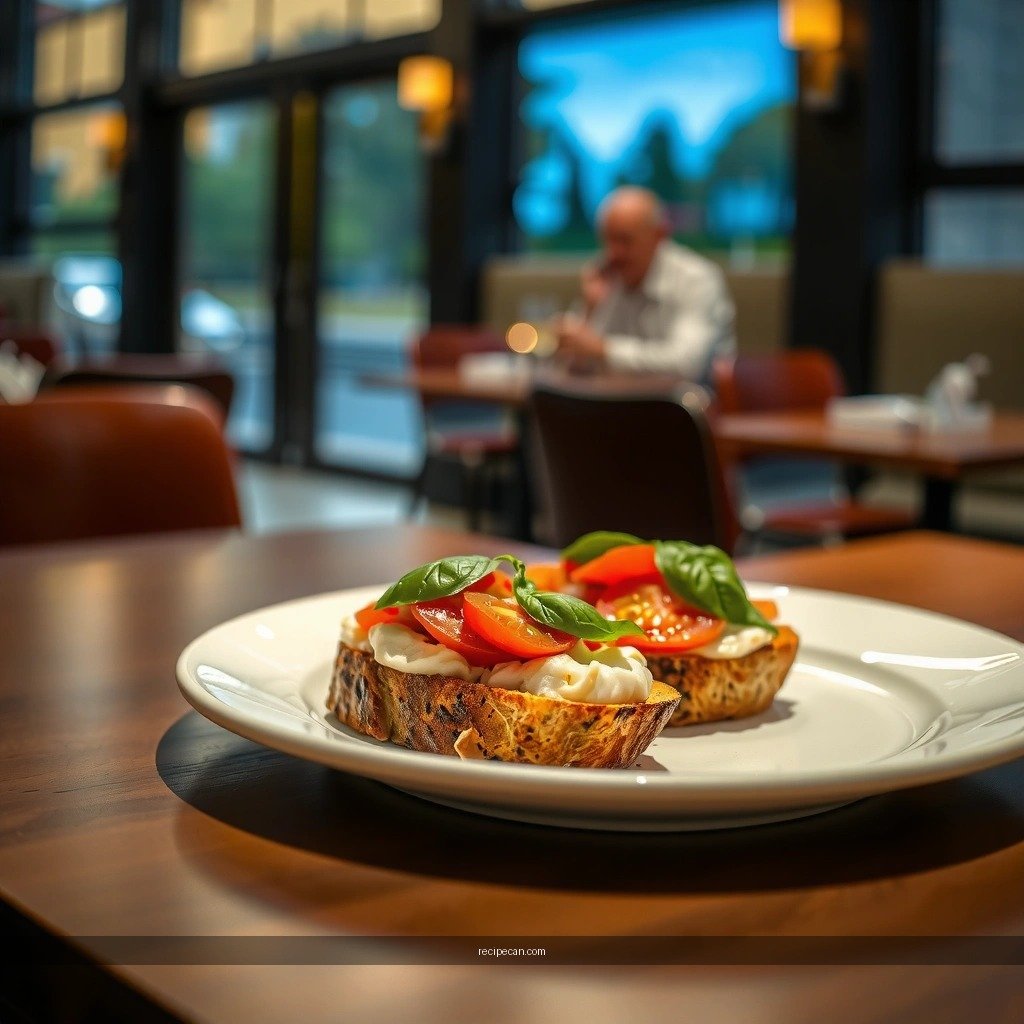
The classic tomato basil topping is where most “good bruschetta” becomes truly exceptional. The key is moisture management and seasoning discipline: tomatoes should taste bright and concentrated, not watery or under-seasoned.
Start by dicing tomatoes into small, even pieces—think roughly 1/4-inch—so each bite balances tomato, basil, and seasoning. Then salt them correctly:
– Season with salt first and let the tomatoes sit for 10–20 minutes.
– You’re not trying to “cure” them; you’re drawing out excess liquid so the topping clings rather than runs.
After resting, assess your bowl:
– If there’s a noticeable pool of juice, drain lightly or spoon off some liquid. Keep enough so the mixture stays glossy and flavorful.
– If your tomatoes are naturally low in water, you can keep most of the juice.
Next, build classic flavor with the right aromatics and acidity:
– Fresh basil: tear or chiffonade it for better texture distribution. Add most basil after mixing for fragrance; reserve a few leaves for finishing.
– Extra-virgin olive oil: add for body and aroma, and to help carry basil and garlic notes.
– Acidity (lemon juice or a small splash of vinegar): a small amount sharpens tomato sweetness and keeps the flavor from tasting flat.
A simple guideline: taste after mixing. A professional-quality topping should read as tomato-forward, herb-bright, and balanced—salty enough to make tomato flavor pop, with acidity that lifts rather than overwhelms.
Tomato choice matters (not all tomatoes toast the same)
Below is a practical guide to which tomatoes tend to work best for classic bruschetta topping and why.
Tomato Varieties That Perform Best in Classic Bruschetta (Practical 10-Point Score)
| # | Tomato variety | Water content (typ.) | Firmness | Chef rating | Bruschetta performance |
|---|---|---|---|---|---|
| 1 | Roma / Plum | Low | High | ★★★★☆ | 9.3 |
| 2 | San Marzano | Low | High | ★★★★★ | 9.1 |
| 3 | Amish Paste | Low–Med | High | ★★★★☆ | 8.6 |
| 4 | Golden Roma (yellow paste) | Low | High | ★★★★☆ | 8.4 |
| 5 | Heirloom Beefsteak (classic) | Med–High | Med | ★★★☆☆ | 6.1 |
| 6 | Sungold Cherry | Med | Medium | ★★★★☆ | 8.1 |
| 7 | Green Zebra | High | Low–Med | ★★☆☆☆ | 5.4 |
Build Flavor with Garlic and Olive Oil
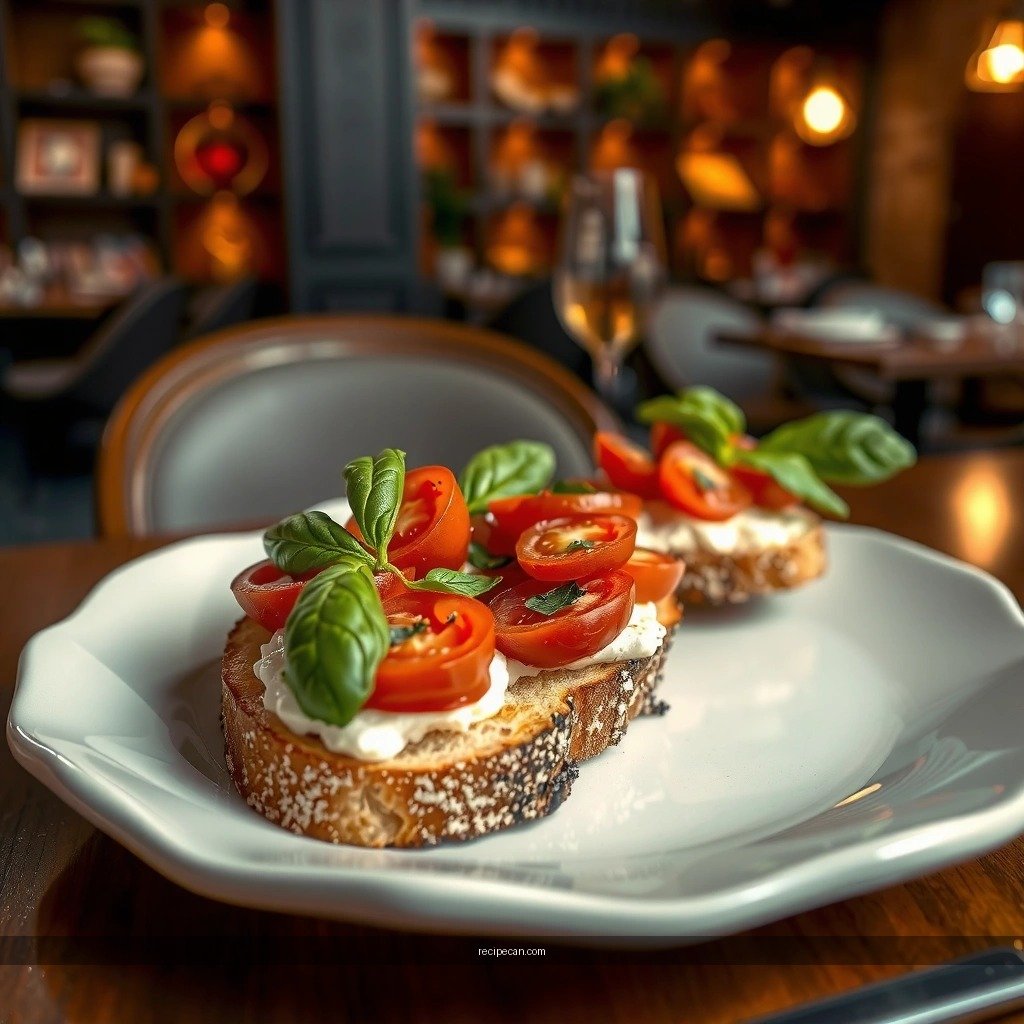
Classic bruschetta relies on garlic’s warmth rather than raw garlic bite. The technique is simple: rub toasted bread with fresh garlic while the bread is hot. Heat releases garlic aroma without making the flavor harsh.
Here’s how to do it cleanly:
– Toast bread first until the surface is dry and crisp.
– Peel a fresh garlic clove and cut it in half.
– Rub the cut side over the hot bread with light pressure so oil and aroma transfer evenly.
Use olive oil deliberately. A finishing drizzle of extra-virgin olive oil adds a fragrant top note and helps tomatoes taste rounder and more integrated. Olive oil also acts like a flavor “bridge” between bread and topping—especially when your tomato mixture has acidity.
A common mistake is adding garlic oil directly into the tomatoes for “classic” bruschetta. While it can work, it often muddles the garlic’s role and increases the chance of bitterness. For the most recognizable classic profile, keep garlic as a bread finish, not a primary component of the topping.
Toast Bruschetta to the Right Texture
Toasting is where you control the eating experience. You want edges that are golden and dry to the touch, but a center that stays firm enough to hold tomato.
Broil or grill works because both methods provide strong heat on the surface:
– Broiler: toast on a sheet pan, watching closely so the crust doesn’t burn.
– Grill: toast directly on grates or with grill-safe pans for smoky aroma.
Target texture: the bread should be crisp and slightly resistant when pressed lightly. If you toast until the whole slice is uniformly browned and hard, it will feel dry against juicy tomatoes.
Timing matters. Toast bread right before assembly, and avoid “holding” toasted slices for long periods unless your kitchen is dry and warm. If you must hold, keep slices on a rack (not stacked on a plate) to prevent steam-softening.
Assemble Without Sogginess
Sogginess happens when moisture and bread meet too early. Your job is to reduce contact time between wet tomatoes and the crisp surface.
Two best-practice options:
1. Top just before serving: spoon tomato basil mixture onto toasted bread minutes before guests take the first bite.
2. Keep components separate: toast bread, hold on a rack, and keep topping in a bowl. Assemble at the table or last minute in the kitchen.
When mixing tomatoes, toss gently. Over-mixing breaks down diced pieces and releases more juice, which can turn the topping watery. Use a light fold, then spoon evenly so every bruschetta bite has tomato and basil—not just liquid.
If your tomatoes sat after salting and you see excess liquid, drain slightly before spooning. The goal is a topping that looks glossy and substantial, not soupy.
Optional Add-Ons for Extra Flavor
Once you master classic tomato basil and garlic bread, add-ons become controlled variations rather than distractions. Consider these upgrades based on the flavor direction you want:
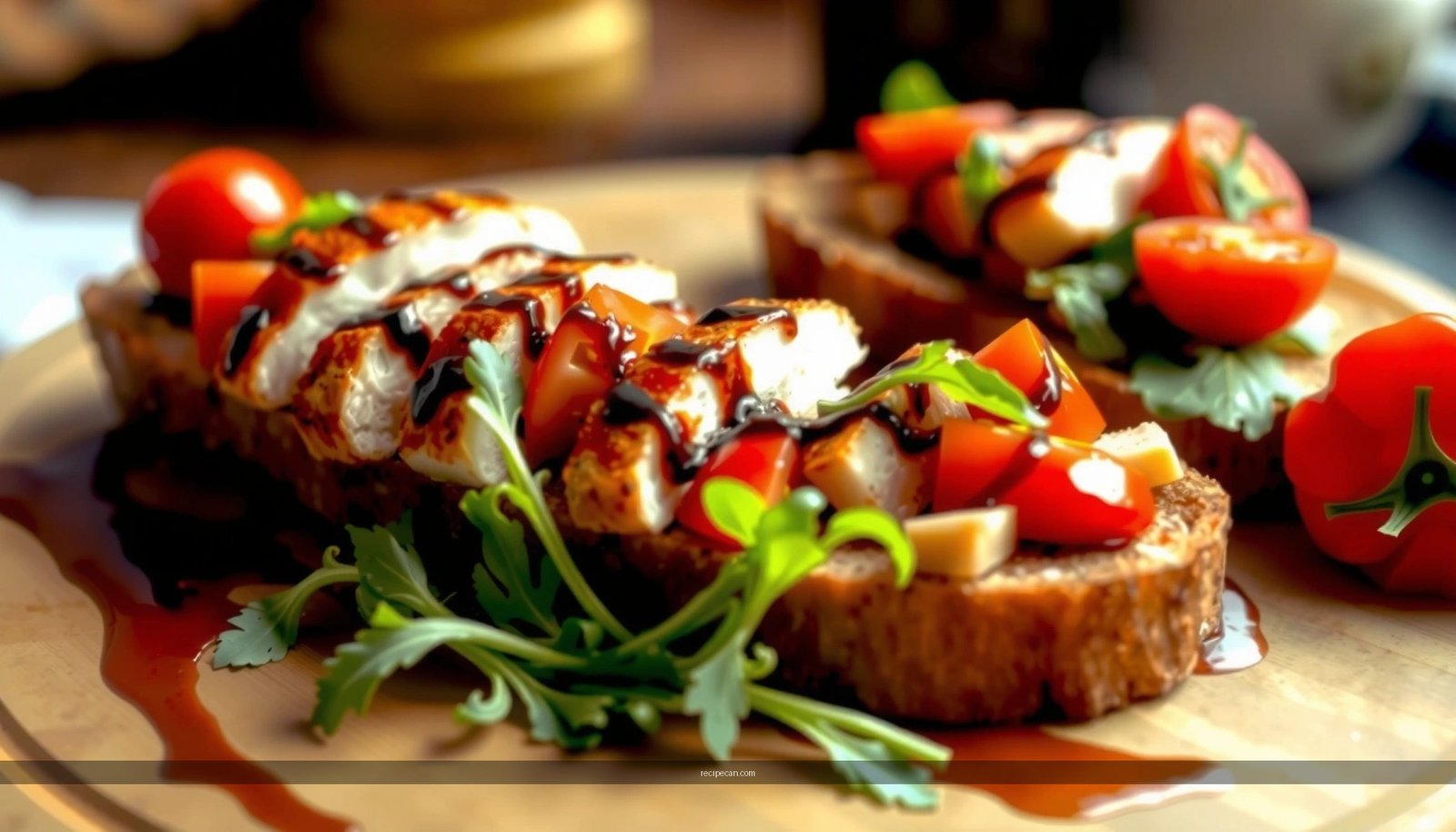
– Mozzarella or burrata: add creamy contrast. For best results, apply after toasting so the cheese slightly melts but doesn’t steam the bread into softness.
– Balsamic glaze: a thin drizzle at the end boosts sweetness and depth. Use sparingly so it doesn’t overpower fresh tomato brightness.
– Roasted peppers: introduce a smoky sweetness that pairs well with basil and olive oil.
– Red pepper flakes: add heat gradually—start small, then adjust after tasting.
A business-minded serving strategy: offer add-ons on the side so guests can personalize without compromising texture for everyone. Pre-spooned toppings combined with cheese and glaze can be assembled differently per preference.
The best bruschetta recipe is all about timing, seasoning, and crisp bread—make the tomato topping first, toast the bread right before serving, and assemble at the last minute. Try this classic version for your next appetizer, then tweak add-ons to match your taste.
Frequently Asked Questions
What is the best bruschetta recipe for beginners?
Start with crusty bread toasted until crisp, then rub it with a cut garlic clove for a classic flavor base. Top with a simple tomato mixture of diced tomatoes, olive oil, minced garlic, fresh basil, salt, and black pepper, letting it sit briefly so juices become flavorful. Finish by drizzling balsamic glaze (optional) and serving immediately for the best texture contrast between crunchy bruschetta and juicy topping.
How do you make bruschetta topping that doesn’t get watery?
Use ripe but firm tomatoes and dice them, then salt lightly and let them drain in a colander for 10–15 minutes before mixing. Combine with olive oil, garlic, and basil only after draining, and avoid soaking the bread with extra tomato juices. For best results, assemble right before serving so the toasted bruschetta stays crisp.
Which bread is best for bruschetta?
Choose a sturdy, rustic loaf like ciabatta, sourdough, or Italian baguette—bread that can toast well without turning soggy. Cut into thick slices (about 1 inch) so they hold up under the tomato topping. Toast with olive oil on the bread surface (or brush both sides lightly) to get a golden, crisp “best bruschetta” bite.
Why do you rub the bread with garlic before adding tomatoes?
Rubbing toasted bread with garlic adds aromatic garlic flavor without overpowering the dish or burning chunks. It infuses the crust as it heats, making every bite taste balanced and fresh. This step is a key reason many people call their homemade bruschetta recipe the “best” version—it’s flavorful but not harsh.
Best way to season bruschetta for maximum flavor—what should you add?
Season the tomato mixture with high-quality extra-virgin olive oil, fresh basil, salt, and black pepper, and include garlic for that classic Italian profile. For extra depth, add a small splash of red wine vinegar or a squeeze of lemon to brighten the tomatoes, and consider a drizzle of balsamic glaze for sweetness and tang. Taste before topping the bread, because the best bruschetta recipe is all about balancing acidity, salt, and herbs.
References
- Bruschetta
https://en.wikipedia.org/wiki/Bruschetta - https://www.bbc.co.uk/food/recipes/classic_bruschetta_24276
https://www.bbc.co.uk/food/recipes/classic_bruschetta_24276 - https://www.theguardian.com/food/2020/jul/20/the-best-bruschetta-recipe
https://www.theguardian.com/food/2020/jul/20/the-best-bruschetta-recipe - https://www.britannica.com/topic/bruschetta
https://www.britannica.com/topic/bruschetta - https://www.nytimes.com/2023/07/27/dining/bruschetta-recipe.html
https://www.nytimes.com/2023/07/27/dining/bruschetta-recipe.html - https://pubmed.ncbi.nlm.nih.gov/?term=bruschetta+recipe
https://pubmed.ncbi.nlm.nih.gov/?term=bruschetta+recipe - Google Scholar Google Scholar
https://scholar.google.com/scholar?q=best+bruschetta+recipe+tomato+garlic+olive+oil - Google Scholar Google Scholar
https://scholar.google.com/scholar?q=bruschetta+recipe+characterization+ingredients+bread+toasting - Google Scholar Google Scholar
https://scholar.google.com/scholar?q=italian+bruschetta+recipe+traditional+method - https://pubmed.ncbi.nlm.nih.gov/?term=tomato+garlic+olive+oil+antioxidants+bruschetta
https://pubmed.ncbi.nlm.nih.gov/?term=tomato+garlic+olive+oil+antioxidants+bruschetta