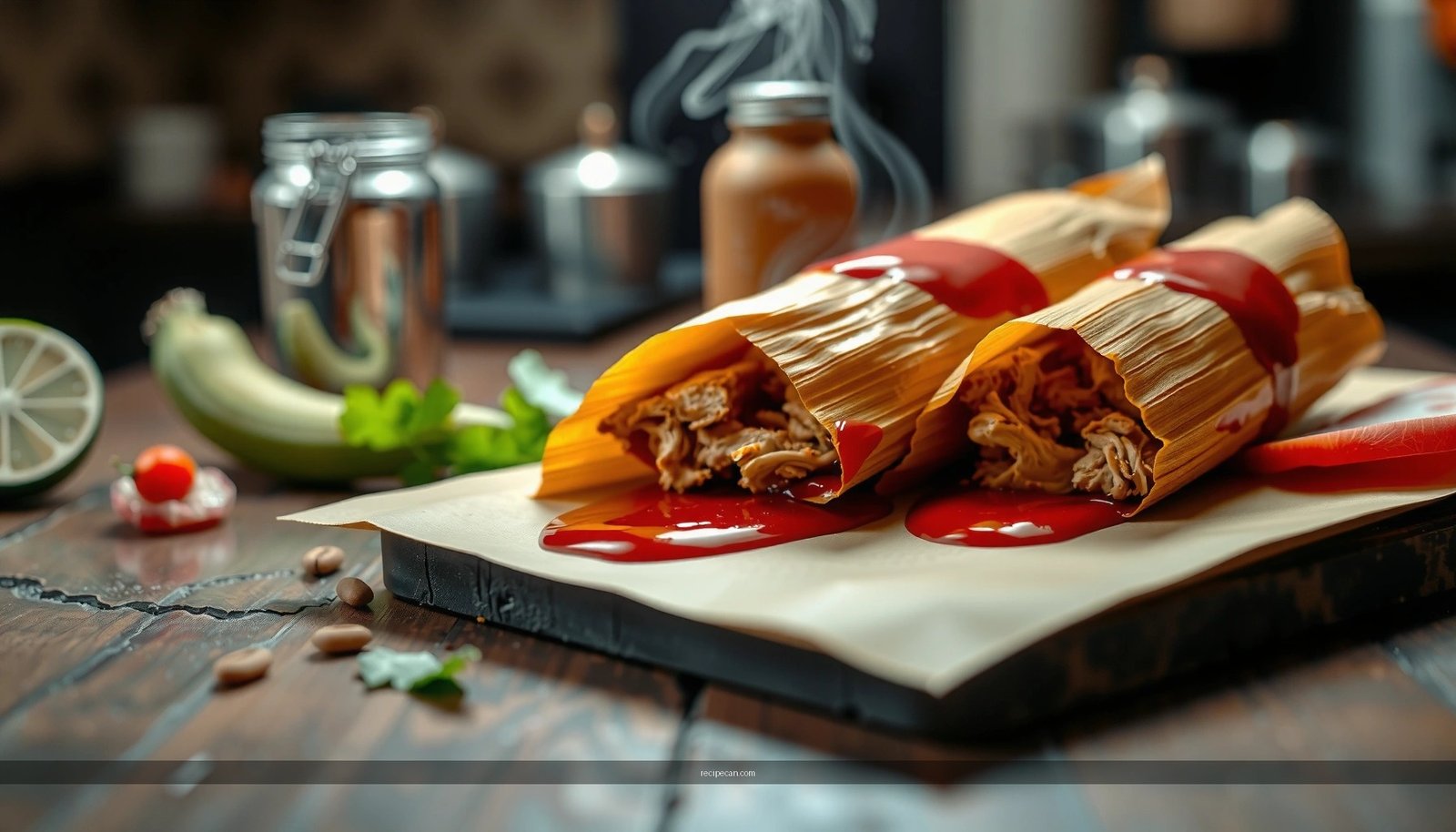
Get a foolproof red beef tamales recipe with step-by-step instructions that deliver rich, spicy masa and tender shredded beef every time. This guide answers whether homemade red beef tamales can be made reliably—so you’ll know exactly how to cook the filling, season the chile-based red sauce, assemble, and steam for the right set. If you want standout tamales with bold flavor and consistent results, this is the winning method to follow.
You can make classic red beef tamales by simmering tender shredded beef in a chili-red sauce, spreading seasoned masa on soaked corn husks, and steaming until the masa sets cleanly. This red beef tamales recipe walks you through making the chili-red sauce, building a deeply seasoned beef filling, and steaming for the right texture—so your homemade tamales taste authentic and hold their shape every time.
This matters because tamales are not just “masa with filling.” Their final quality comes from three technical pillars: (1) a properly balanced red chili sauce (not too bitter, not too watery), (2) beef cooked until it shreds easily and then briefly simmered with sauce for adhesion and flavor, and (3) steaming long enough for the masa to hydrate and firm up without drying out. If any one pillar is off, you’ll notice it immediately—sauce separates, husks peel, or the masa stays gummy.
Red Chili Choice for Tamale Sauce (Practical Flavor & Heat)
| # | Dried Chile | Typical Heat (Scoville) | Flavor Notes | Best For Red Beef Tamales |
|---|---|---|---|---|
| 1 | Guajillo | 2,500–5,000 | Tangy, raisin-like | Most balanced “tamale red” |
| 2 | Ancho | 1,000–1,500 | Mild cocoa, dried fruit | Smooth body & sweetness |
| 3 | Pasilla | 1,000–2,500 | Earthy, toasted pepper | Adds depth without harsh heat |
| 4 | Chile de Árbol | 15,000–30,000 | Bright, sharp heat | Use sparingly for extra heat |
| 5 | Chiles Cascabel | 2,500–4,500 | Nutty, mild smokiness | Richer sauce aroma |
| 6 | Chipotle (dried or smoked) | 2,500–8,000 | Smoky, deep chili | Optional smoky twist |
| 7 | Pasta/seeded blend target | ~2,000–6,000 | Balanced chili, medium-bodied red | Goal for “tamale red” harmony |
You can absolutely tailor heat and flavor by choosing your chile blend, but the fundamentals remain: roast (briefly), rehydrate fully, blend smooth, then simmer until the sauce clings to a spoon.
Make the Red Chili Sauce
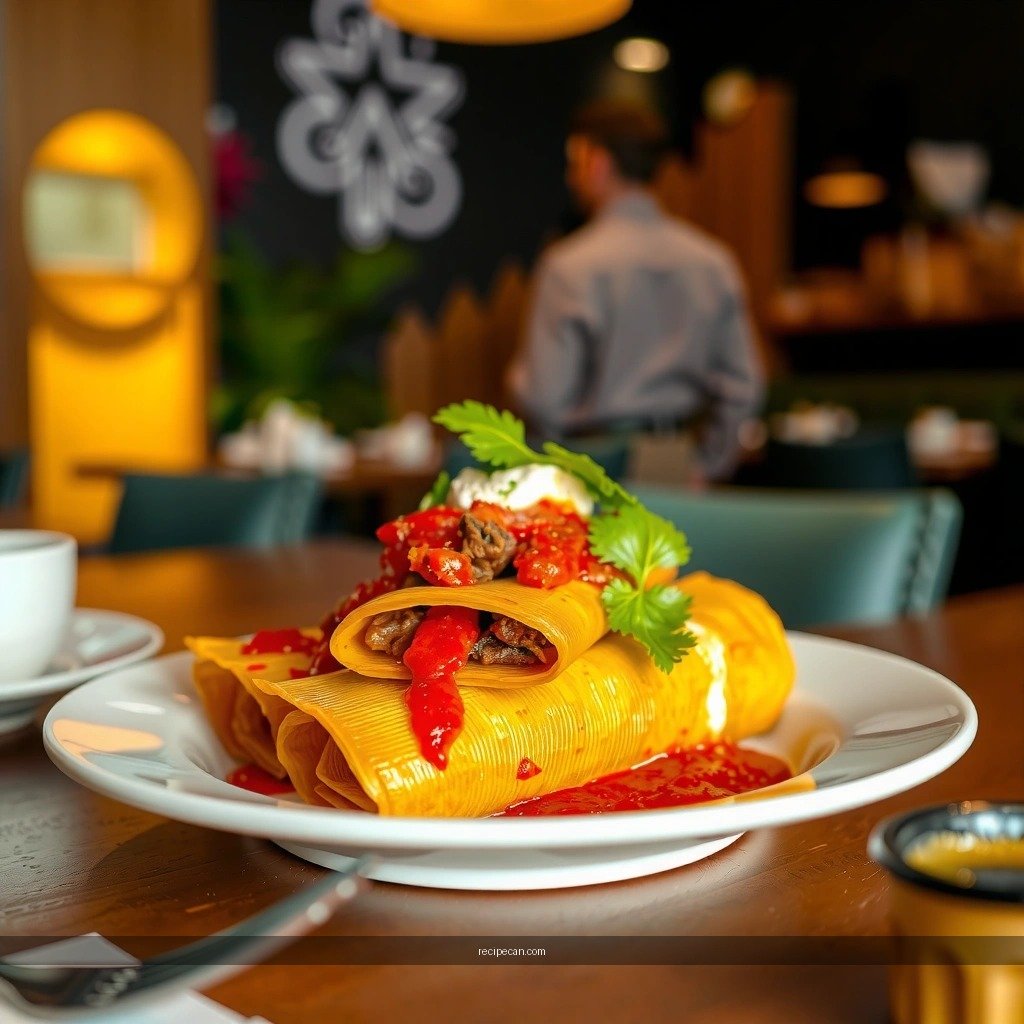
A great red chili sauce is where your tamales earn their color, aroma, and signature tang. Dried chilies can taste harsh if they’re under-roasted or under-hydrated—so this step is both flavor work and texture control.
– Roast and rehydrate dried chilies, then blend until smooth
Start with dried guajillo and ancho chilies (and optionally pasilla for extra earthiness). Lightly toast them in a dry skillet for only 15–30 seconds per side—just until fragrant. Then rehydrate in hot broth or water for 15–25 minutes until pliable. Remove stems and seeds if you want a smoother, less bitter sauce. For a more complex flavor, you can keep some seeds, but start conservative.
– Simmer the sauce with broth, garlic, and seasonings for depth
Blend rehydrated chilies with broth until completely smooth. Strain for restaurant-style silkiness (optional, but helpful if you’re aiming for a refined texture). Simmer the sauce with garlic, a small amount of salt, and seasonings such as Mexican oregano and a touch of cumin. Let it reduce slightly so it thickens and coats the back of a spoon. This is crucial: watery sauce can make masa heavy or cause filling to leak.
Actionable quality checks:
1) Taste after simmering—your sauce should taste slightly stronger than you’d want for a finished eating sauce, because it will dilute when combined with beef.
2) If it tastes flat, add salt first; if it tastes sharp or metallic, simmer a little longer and consider a tiny pinch of sugar to round out the chili’s acidity.
3) Aim for a viscosity where it clings and trails off a spoon in a ribbon, not in thin liquid.
Cook and Season the Beef Filling
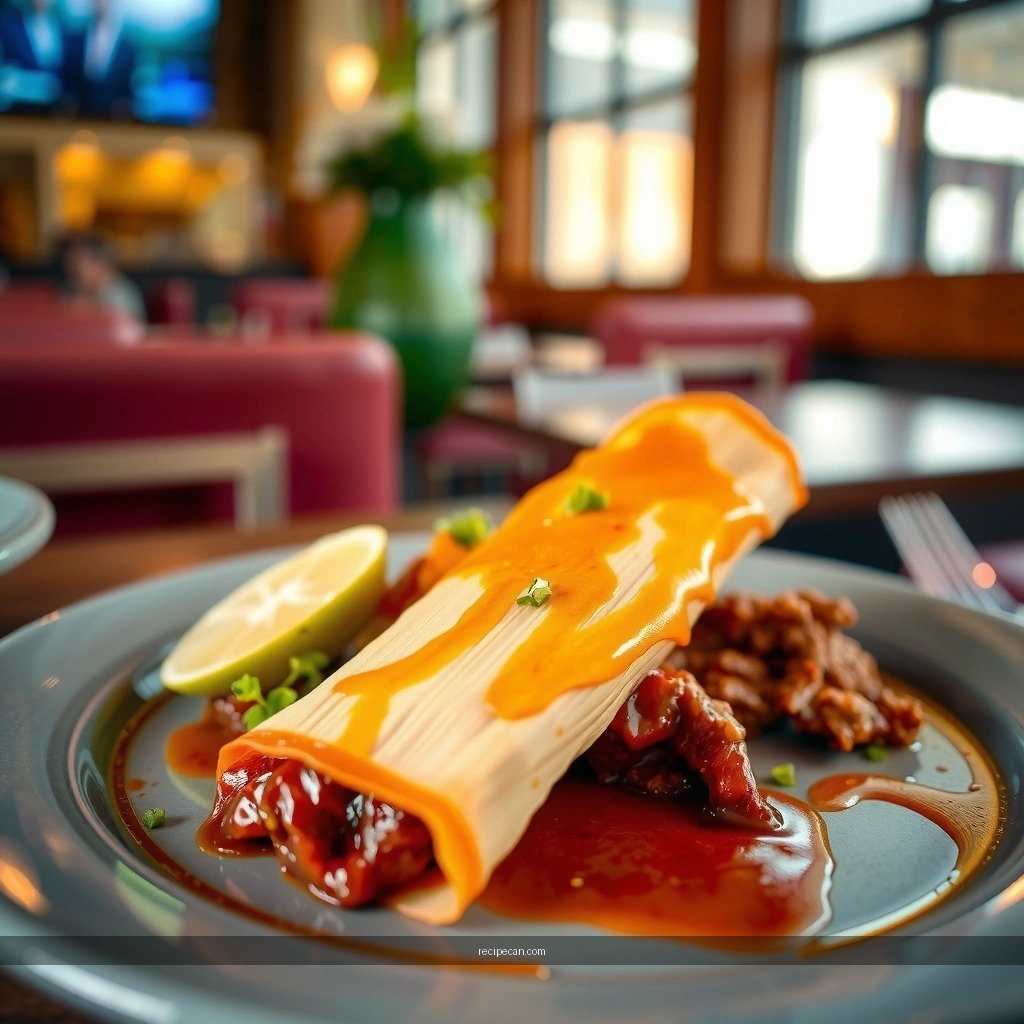
The filling should be juicy, tender, and cohesive—meaning it holds onto masa rather than sliding off. That happens when you braise until fork-tender and then reintroduce chili sauce for a short thickening simmer.
– Braise the beef until fork-tender, then shred
Use chuck roast, brisket, or beef shank for tamales. Brown the meat (optional but recommended for deeper savory notes), then simmer in broth with aromatics (onion, garlic) and salt. Cook low and slow until it shreds easily—typically 2.5 to 3.5 hours depending on cut thickness.
After braising, shred with forks and discard excess tough connective tissue.
– Combine beef with the red chili sauce and simmer briefly to thicken
Return shredded beef to the pot with your chili-red sauce. Simmer 10–20 minutes, stirring so sauce penetrates the meat and thickens. If the filling seems loose, reduce longer; if it’s too thick, add a splash of broth so it spreads without turning runny.
Finish with a final seasoning adjustment—salt, and possibly a bit more oregano or cumin.
Process insight:
Think of the beef as your “protein sponge.” The braise builds savory depth, but the sauce simmer is what turns it into tamale filling—seasoned, cohesive, and spoonable.
Prepare the Tamale Masa
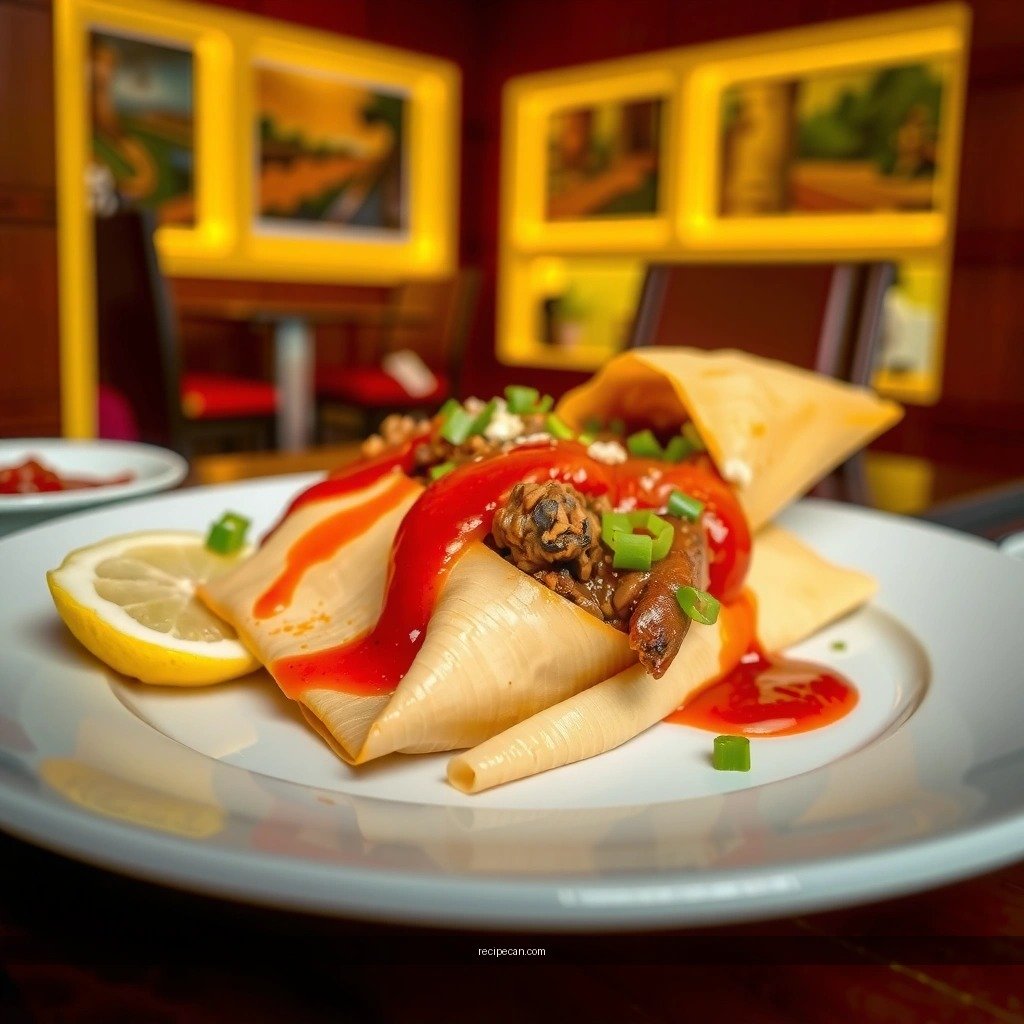
Masa is the structural element of tamales. Even with perfect filling, poorly mixed masa leads to cracking, separation, or gummy centers. The goal is spreadable consistency and balanced seasoning.
– Mix masa harina with warm broth and fat until spreadable
In a bowl, combine masa harina with warm broth and fat (traditionally lard; for dairy-free alternatives, vegetable shortening works, though flavor will vary). Mix until smooth and free of lumps. Then let it rest briefly—20–30 minutes—so masa fully hydrates. This rest often determines whether masa turns out silky or grainy.
– Season the masa so it tastes balanced even before cooking
Masa should taste “right” on its own—savory with a gentle richness from fat, and properly salted. Because tamales are steamed (not baked), under-seasoned masa can taste bland even when the filling is bold.
If you can, do a small taste test after mixing: it should taste pleasantly seasoned, not salty and harsh, not bland.
Consistency target:
The masa should spread like thick peanut butter and hold a soft peak when spread. If it’s too stiff, add broth a tablespoon at a time. If it’s too loose, add masa harina gradually.
Assemble the Tamales
Assembly is where technique prevents frustration later. Fold lines, husk handling, and filling placement all influence whether tamales keep their shape in the steamer.
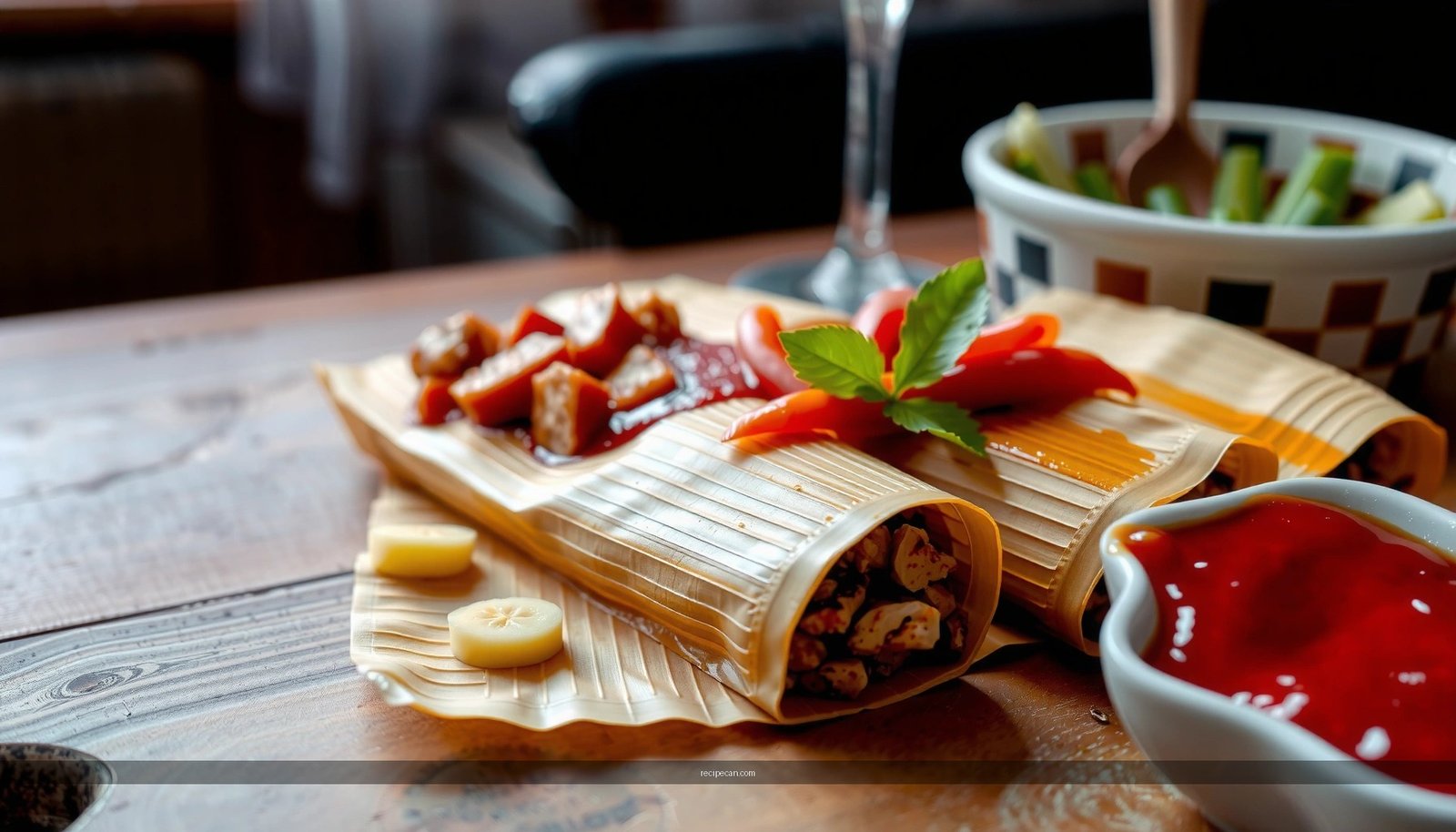
– Spread masa on soaked corn husks, add a line of beef filling
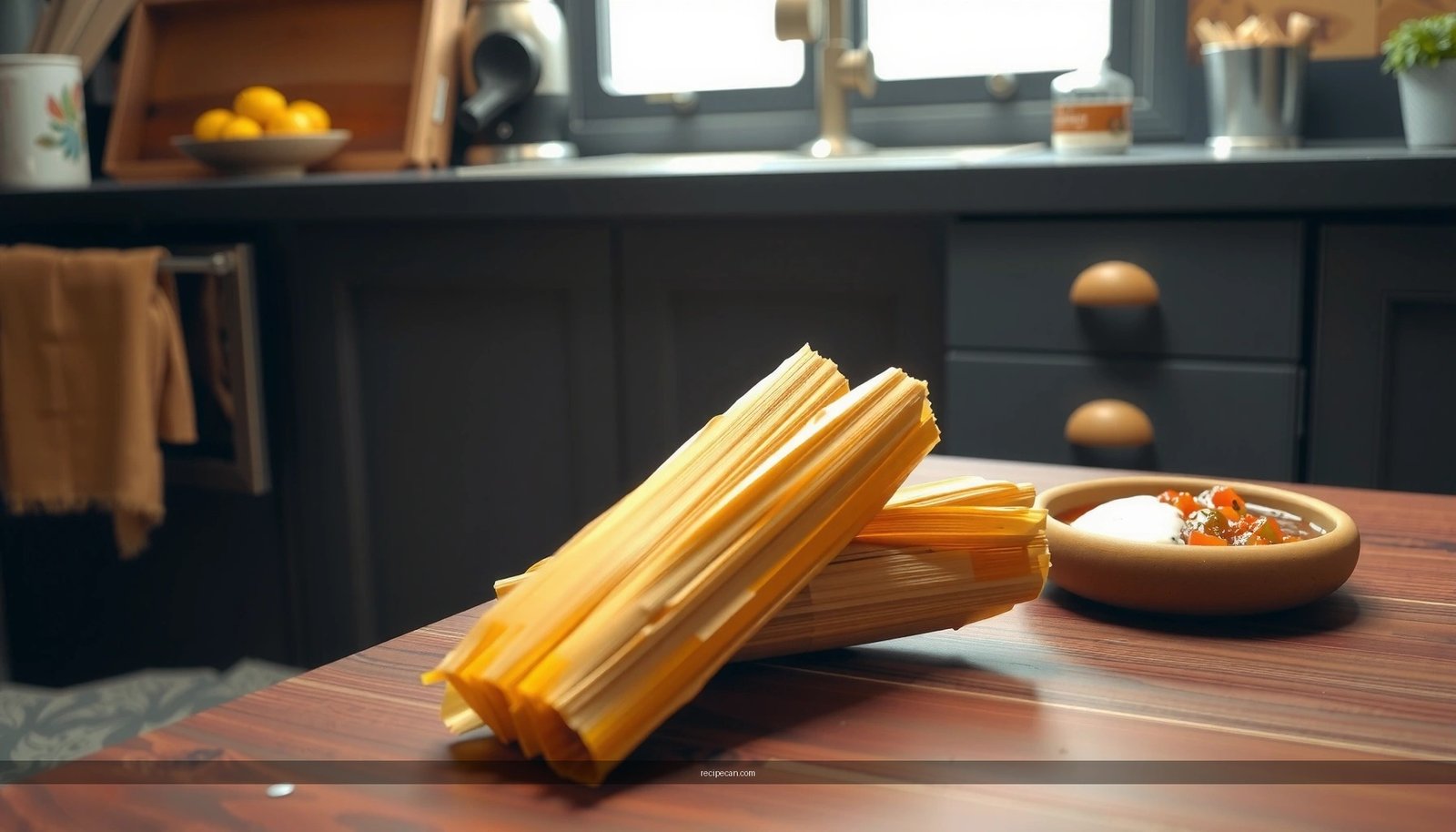
Soak corn husks in warm water (typically 30–60 minutes) until pliable. Pat lightly so they aren’t dripping. Spread a thin, even layer of masa down the center of each husk using a spoon or offset spatula. Add a strip or line of beef filling—don’t overfill, or it will burst out during steaming.
– Fold and tie (or fold securely) to keep tamales from opening
Fold the husk to enclose the filling. Then tie with kitchen twine if your method uses ties (especially for larger batches). If you don’t tie, fold tightly and keep the seam tucked.
A consistent assembly reduces batch-by-batch variance—so every tamale finishes at roughly the same time.
Professional tip for speed and quality:
As you assemble, keep masa covered with a damp towel to prevent drying. Dry masa forms a crust that can separate from the steamed center.
Steam Until Fully Set
Steaming is both timing and heat management. If water boils hard or drops too low, masa texture suffers. Plan to steam in batches if your pot is small—crowding lowers steam temperature and prolongs cooking.
– Steam in batches, keeping water at a steady simmer
Start with a steamer insert and enough water to create continuous steam. Bring water to a boil, then reduce to a steady simmer. Arrange tamales upright or stacked with space for steam circulation. Cover tightly and steam undisturbed.
– Cook until masa pulls cleanly from the husk and tamales firm up
Cooking time often ranges from 60 to 90 minutes depending on tamale size and masa thickness. The key doneness test: masa should pull away from the husk edges, and the tamale should feel firm and set—not jiggly.If masa still sticks, steam longer in 10–15 minute increments.
Troubleshooting guide:
– Masa sticks: likely under-steamed—continue steaming.
– Filling leaks: overfilled or seam not tight—next batch use slightly less filling and fold more securely.
– Masa cracks: masa too dry or inconsistent spread—hydrate masa properly and spread evenly.
Serve and Store for Best Results
Homemade tamales taste best when rested. Storage matters too—because reheating can either revive moisture or dry out masa.
– Rest tamales after steaming for easier serving
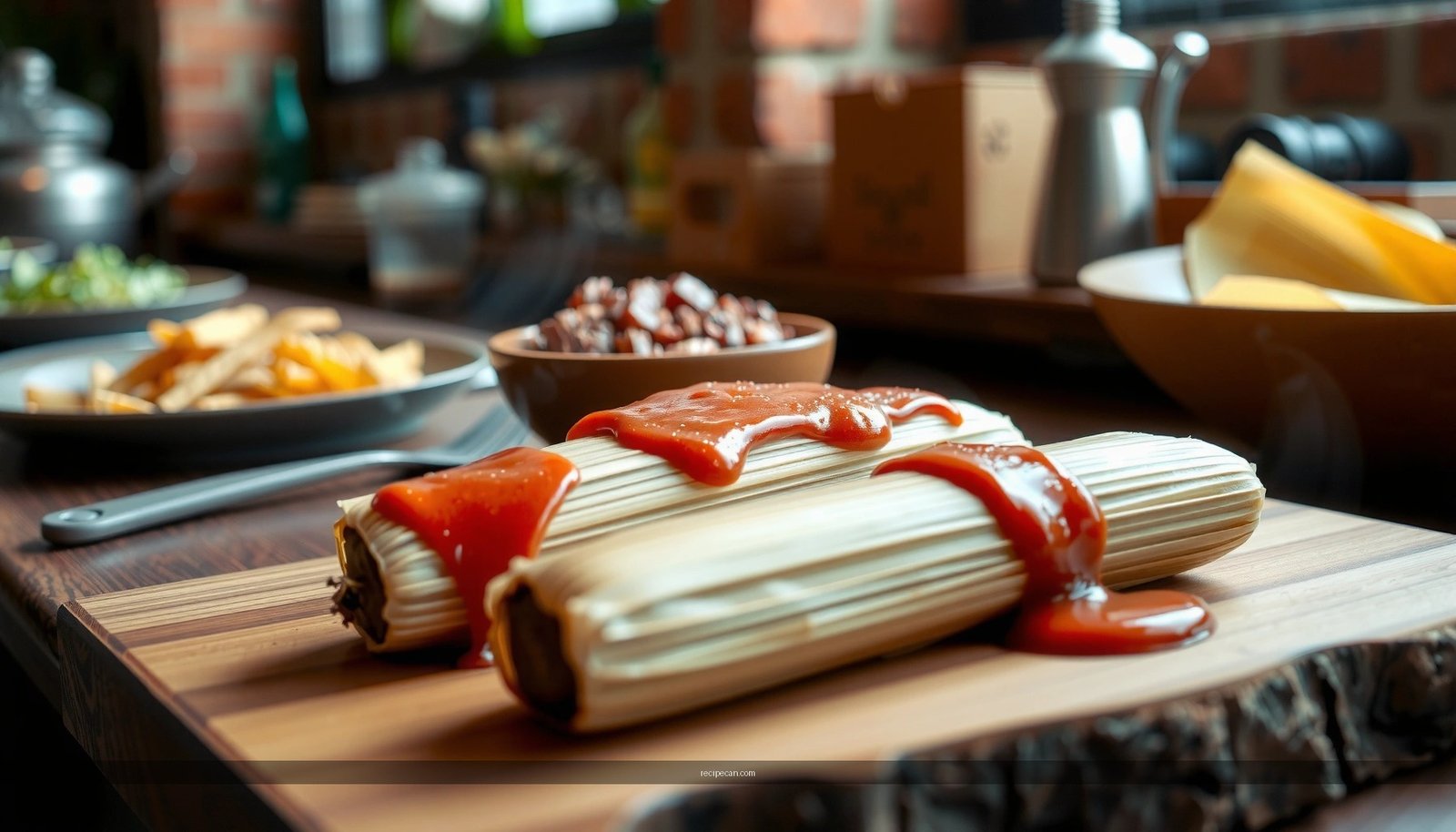
After steaming, let tamales rest 15–25 minutes. This helps masa set further so they peel more cleanly. Serve with extra red sauce or toppings such as chopped cilantro, sliced onions, lime wedges, or Mexican crema (optional).
– Refrigerate or freeze for quick reheat with best flavor and texture
Cool tamales, then refrigerate in an airtight container for up to 4 days. For longer storage, freeze up to 2–3 months.
Reheat by steaming (best for texture), microwaving with a damp paper towel (quick), or pan-warming with a splash of water and lid coverage (useful when you need speed).
Reheat guidance for quality:
– Steaming reheat: 10–20 minutes from refrigerated, 20–30 from frozen, until hot throughout.
– Microwave: heat in short bursts, and keep them covered with a damp towel to avoid drying.
Tamales are all about the right red chili sauce, well-seasoned beef, and steaming until the masa fully sets. Follow this red beef tamales recipe step-by-step, and you’ll be ready to serve fresh tamales or save extras for later—make a batch today and reheat them whenever cravings hit.
In the end, consistently great red beef tamales come down to three controllable decisions: craft a smooth, simmered chili-red sauce; braise and thicken the beef so the filling stays cohesive; and steam until the masa pulls cleanly from the husk. If you nail those elements—and season both masa and filling deliberately—you’ll produce homemade tamales with authentic flavor, reliable texture, and impressive results every batch.
Frequently Asked Questions
What is the best cut of beef for a red beef tamales recipe?
For red beef tamales, use a cut that becomes tender with slow cooking, such as chuck roast, brisket, or short ribs. These cuts break down well in a stew or braise, giving you shredded beef that holds up inside masa and sauce. Choose pieces with enough fat to keep the beef juicy after simmering and shredding.
How do you make red chili sauce for red beef tamales from dried chiles?
Start by toasting dried chiles briefly, then rehydrate them in hot water until soft. Blend the chiles with aromatics like garlic and onion, and add seasonings such as cumin, oregano, and salt to build flavor. Simmer the blended sauce to thicken slightly, then use it to coat and cook the shredded beef so it soaks up the red tamale sauce.
How do you keep masa from cracking when making red beef tamales?
Masa cracks most often when it’s too dry, so aim for a spreadable, moist consistency before assembling. After mixing masa harina with hot broth or warm water, let it rest briefly and re-check texture—if it feels stiff, add a little liquid a tablespoon at a time. Properly steam the tamales until firm and hydrated, since under-steaming can also contribute to dryness.
Why are my tamales tough even though I cooked the beef and steamed them?
Tough tamales usually come from masa that wasn’t mixed to the right hydration or wasn’t steamed long enough to fully cook through. Confirm your steam schedule keeps a steady simmer and that tamales have enough time to set after assembly. Also, avoid overpacking too tightly; compact tamales can steam unevenly, leaving portions undercooked.
Which masa method is best for a traditional red beef tamales recipe—whipped lard or oil?
Traditional tamales often use lard for a tender, rich texture, especially when you whip it with seasoning before combining with masa harina. However, using neutral oil can work if you keep the dough well-hydrated and mix thoroughly for a light, creamy consistency. Regardless of fat choice, the “float test” (if you use it) and the spreadable feel of the masa are the best indicators you’re ready to assemble and steam.
References
- Tamale
https://en.wikipedia.org/wiki/Tamale - https://en.wikipedia.org/wiki/Chili_rojo
https://en.wikipedia.org/wiki/Chili_rojo - Masa
https://en.wikipedia.org/wiki/Masa_harina - https://www.britannica.com/topic/tamale
https://www.britannica.com/topic/tamale - https://fsis.usda.gov/food-safety/safe-food-handling-and-preparation/food-safety-basics
https://fsis.usda.gov/food-safety/safe-food-handling-and-preparation/food-safety-basics - https://www.cdc.gov/foodsafety/keep-food-safe.html
https://www.cdc.gov/foodsafety/keep-food-safe.html - Food safety
https://www.who.int/news-room/fact-sheets/detail/food-safety - Google Scholar Google Scholar
https://scholar.google.com/scholar?q=red+beef+tamales+recipe - Google Scholar Google Scholar
https://scholar.google.com/scholar?q=tamales+rojos+beef+chile+sauce+masa - Google Scholar Google Scholar
https://scholar.google.com/scholar?q=traditional+tamales+corn+masa+preparation+study