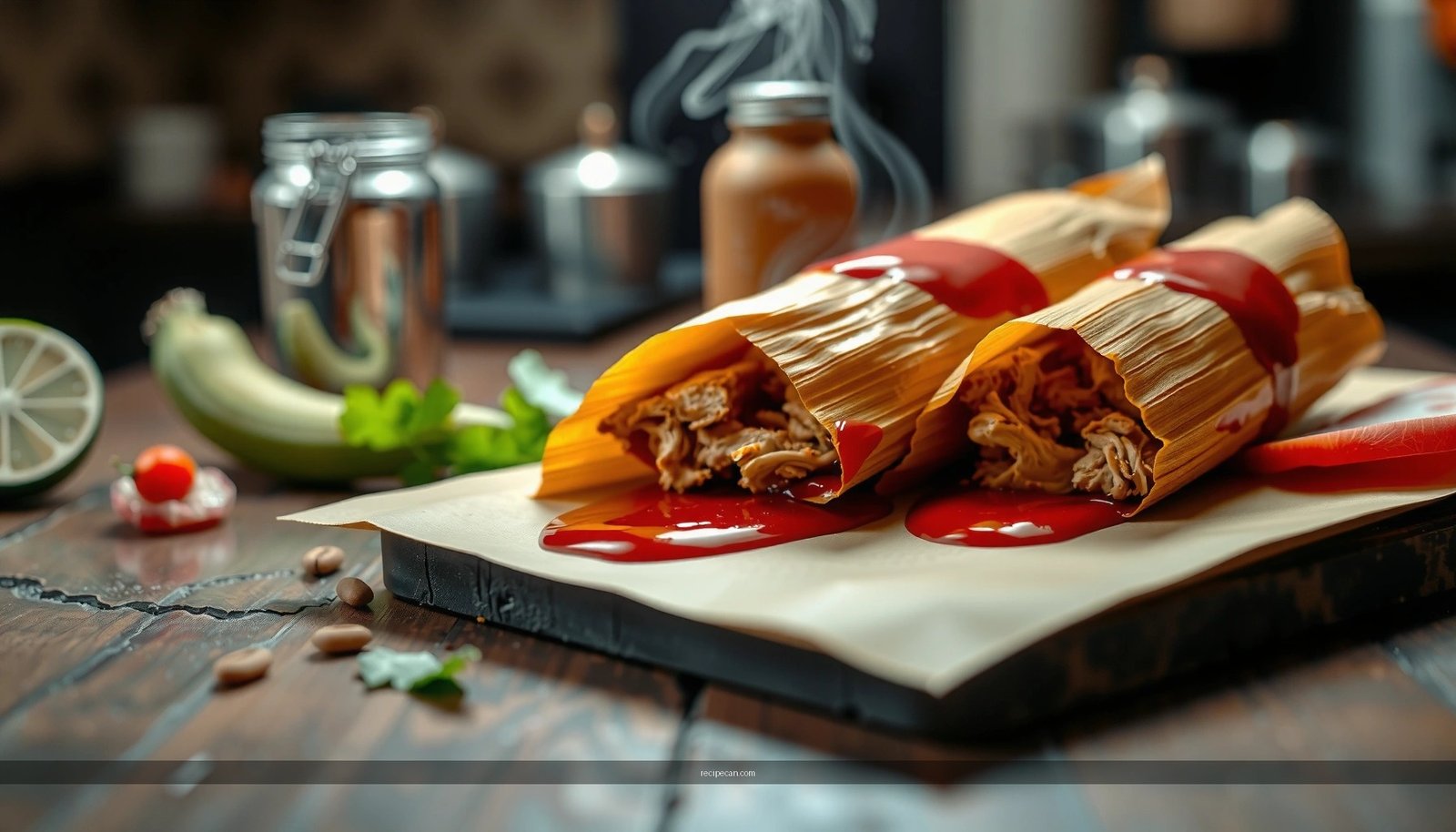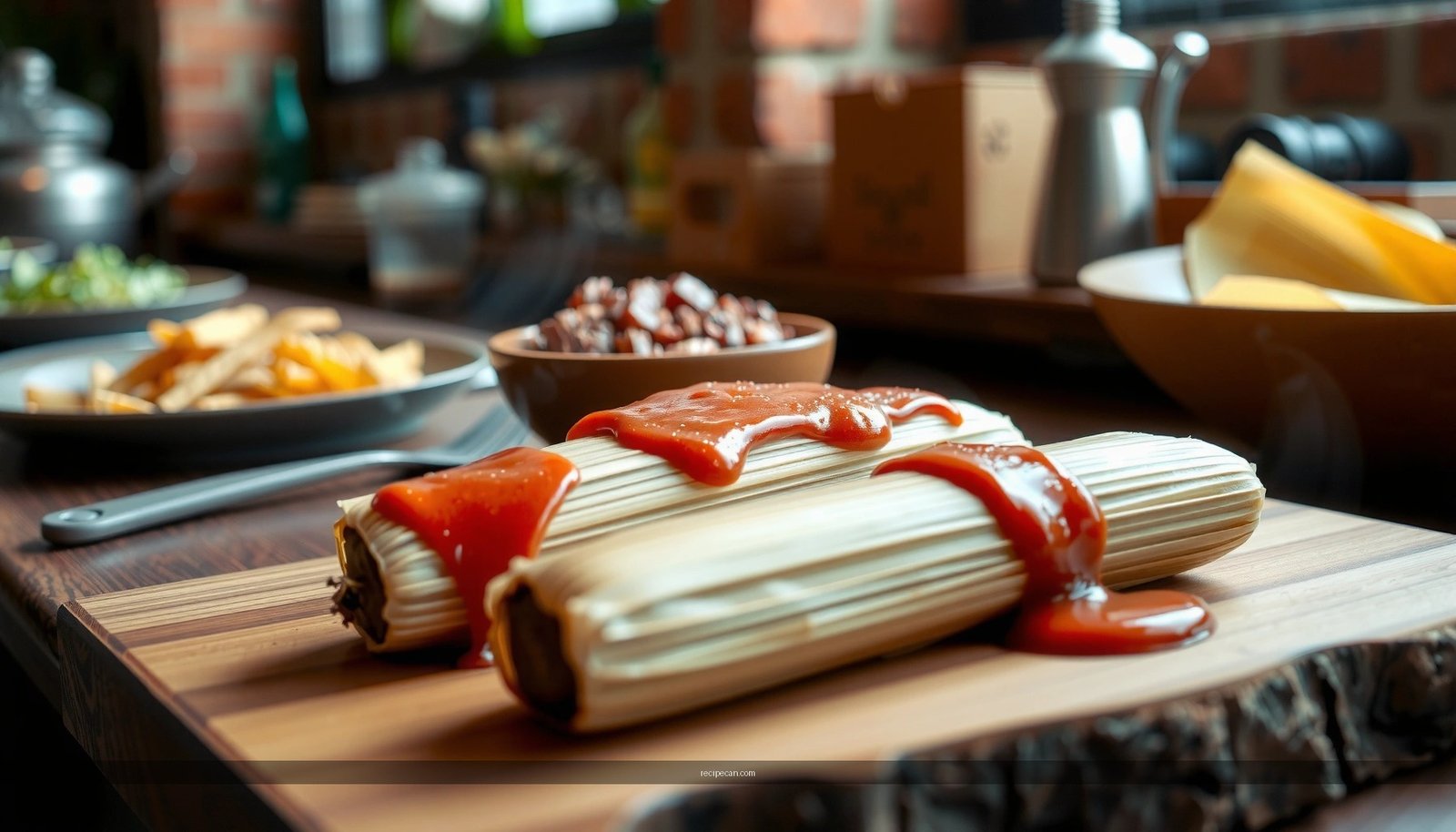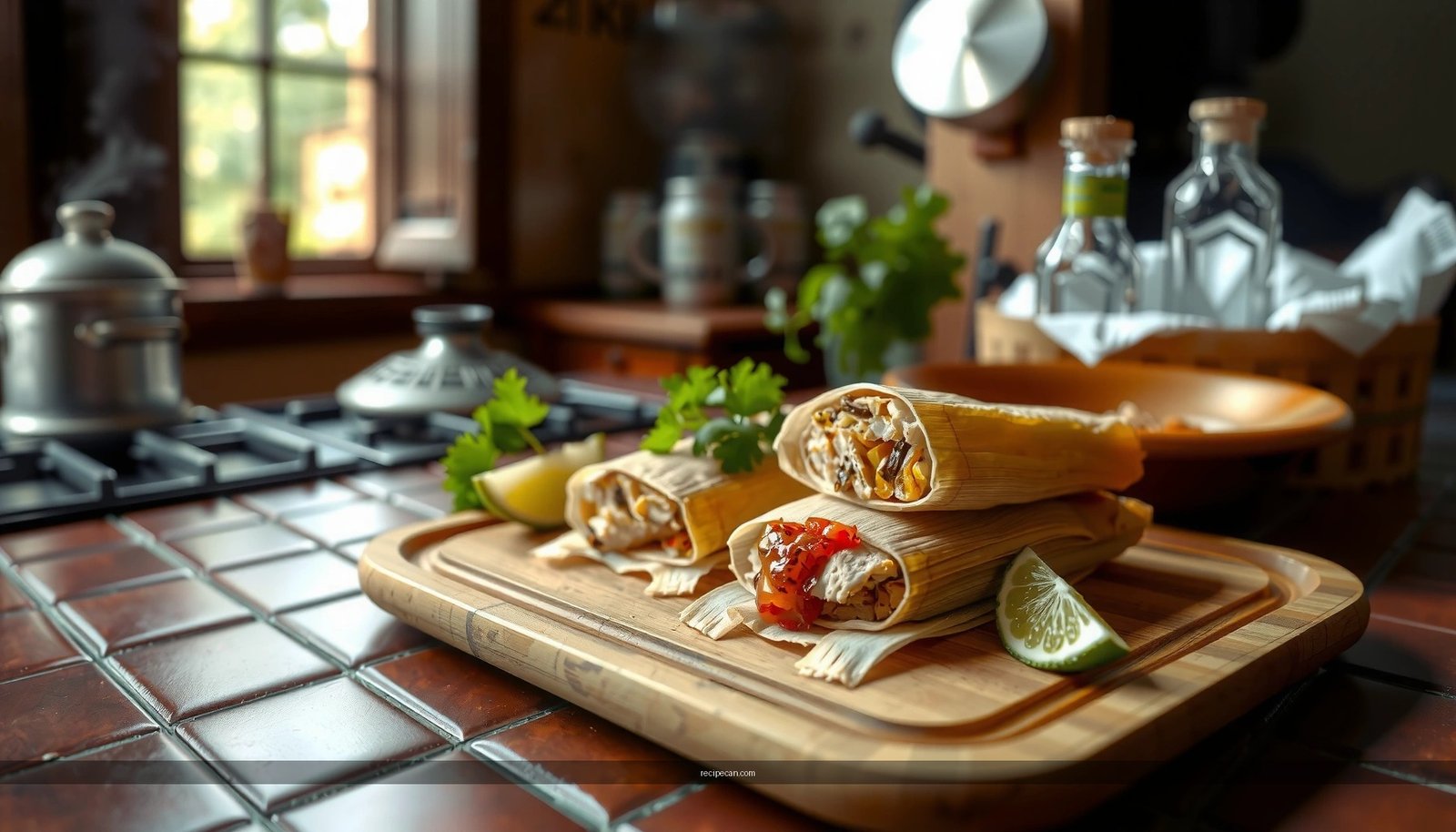
Healthy tamales recipes that cut calories without killing flavor are the clear win, especially when you swap in lighter fillings and use more masa or vegetable-forward options instead of heavy fats. This article answers which lighter tamales choices hold up in taste and texture—so you get tamales that feel indulgent but fit a healthier plan. Expect practical recipe directions for building balanced fillings, controlling portion size, and steaming for the best results.
Healthy tamales are totally achievable: keep the traditional masa flavor, then lighten it with reduced-fat or whole-grain masa and smarter filling swaps. Below, you’ll learn practical, home-friendly techniques to build nutritious tamales (and keep them authentic), plus make-ahead and freezing tips so you can enjoy a lighter version all week.
Start With Lighter Masa Ingredients
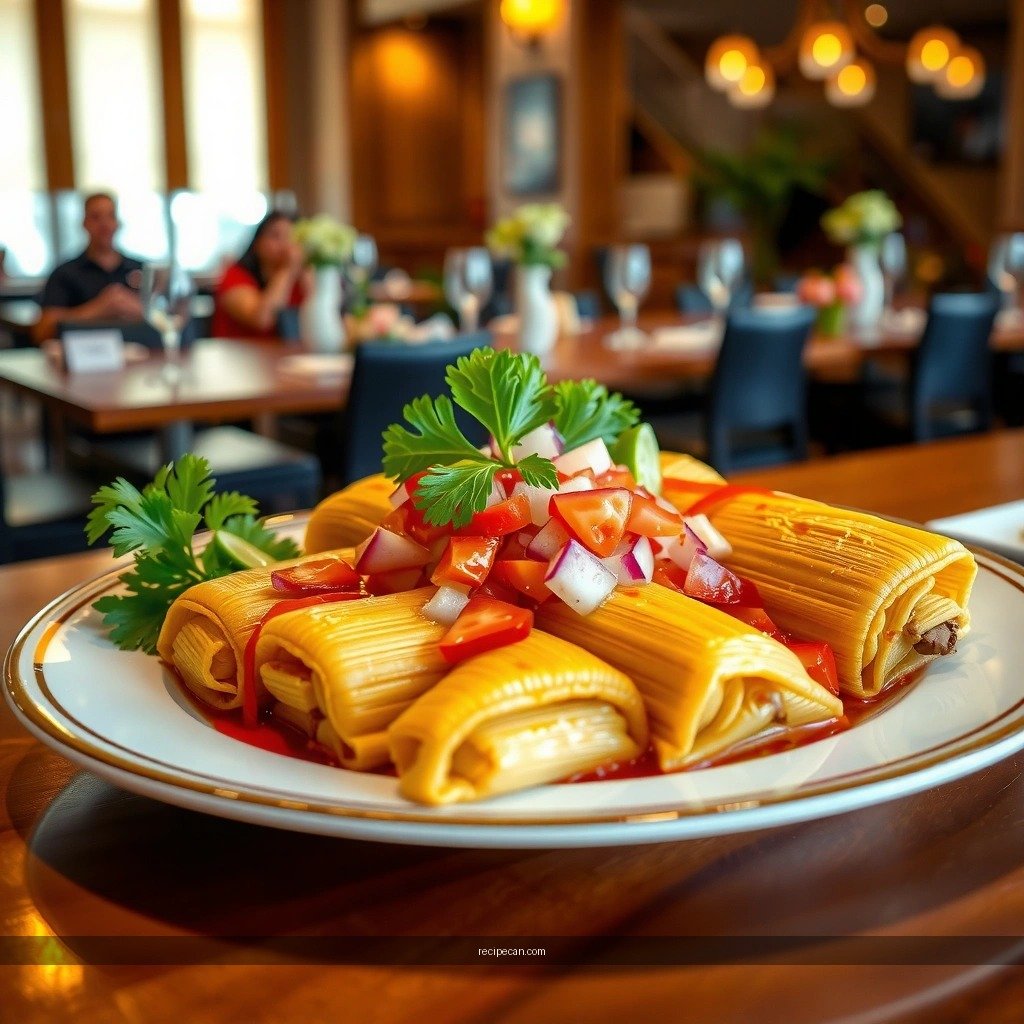
The masa (corn dough) is where tamales get their signature taste and texture. To make healthier tamales recipes without losing authenticity, focus on masa quality first, then reduce the “hidden” calories from fats and salt.
– Use whole-grain or reduced-fat masa options when available
Look for masa harina brands that specify whole grain or reduced-fat formulation. Whole-grain masa can add more fiber, which helps tamales feel more filling. If you’re making masa from scratch, you can also start with a higher-quality masa harina and keep mix-ins minimal but intentional.
– Choose less oil or sodium in the masa and filling preparations
Many classic tamales use a higher-fat fat component (commonly lard or oil) to enrich the dough. For lighter tamales, try:
– Swap part of the fat: Use a reduced amount of oil, or replace a portion with unsweetened applesauce, mashed avocado, or a light vegetable broth to improve moisture and binding.
– Season thoughtfully: Use garlic, onion powder, cumin, and dried oregano to build flavor without relying on extra salt.
– Watch packaged sauces: If you use store-bought adobo, salsa, or broth bases, sodium can quietly climb—choose lower-sodium versions where possible.
Analytical tip for consistency: masa that’s too dry will crack and make tamales less pleasant to eat. If you reduce fat, slightly increase liquid (broth or water) so the dough remains spreadable. You want a smooth, banana-paste-like consistency that holds together when spooned.
After you’ve nailed masa texture, the biggest nutritional leverage usually comes from fillings—so your next step is choosing what protein and flavor carriers you’ll use.
Typical Nutrition Snapshot for a Single Tamale (1 serving ≈ 1 tamale)
| # | Tamale Approach (Masa + Filling) | Calories | Fiber | Sodium | Overall Fitness Rating | Sodium Reduction vs. Classic (%) |
|---|---|---|---|---|---|---|
| 1 | Reduced-fat masa + chicken tinga | 190 | 3.8 g | 480 mg | ★★★☆☆ | +28% |
| 2 | Whole-grain masa + turkey and salsa verde | 175 | 4.4 g | 430 mg | ★★★★☆ | +34% |
| 3 | Reduced-fat masa + black bean and corn | 165 | 6.1 g | 390 mg | ★★★★☆ | +40% |
| 4 | Whole-grain masa + fish in light tomatillo | 180 | 3.6 g | 460 mg | ★★★☆☆ | +26% |
| 5 | Reduced-fat masa + shredded chicken + veg medley | 195 | 4.2 g | 500 mg | ★★★☆☆ | +18% |
| 6 | Classic-style masa + turkey + minimal sauce | 230 | 3.9 g | 620 mg | ★★☆☆☆ | +12% |
| 7 | Classic masa + pork in rich adobo (least-light) | 270 | 2.7 g | 710 mg | ★☆☆☆☆ | 0% |
Note: Nutrition values vary by brand, portion size, and sauce thickness. Use this as a planning baseline for building healthier tamales recipes at home.
Choose Healthier Fillings for Every Taste
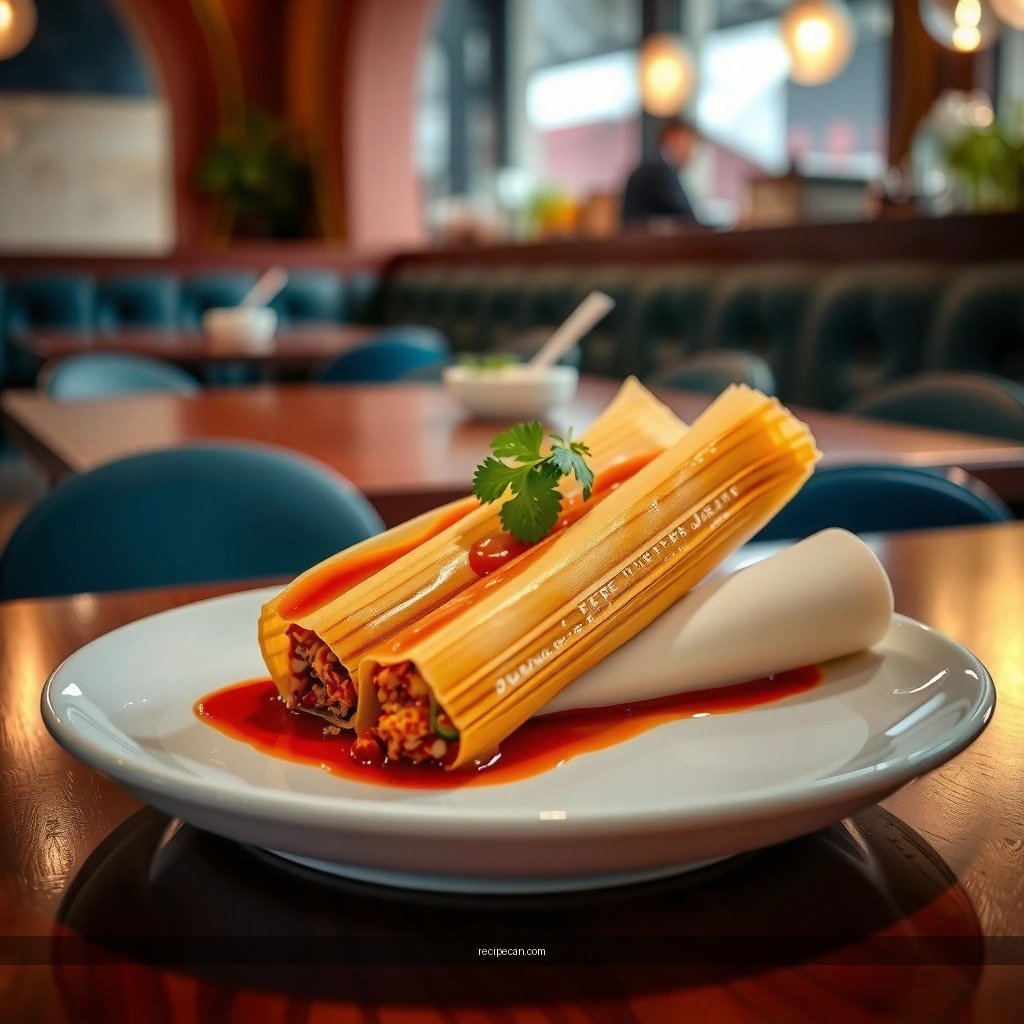
If masa is the canvas, fillings are the flavor engine. The fastest route to lighter tamales is swapping heavy, fatty proteins for leaner options and using spices and aromatics to carry depth.
– Swap fatty meats for lean proteins like chicken, turkey, or fish
– Chicken or turkey: Choose shredded breast or thigh with visible fat removed; keep sauces moderate.
– Fish: Firm white fish or salmon work well with tomatillo, cilantro, and chile-based broths.
– Plant-based options: If you want maximum fiber with fewer calories, beans and lentils are a natural filling substitute.
– Add flavor with beans, vegetables, and spices instead of heavy sauces
Many “classic-feeling” sauces come from slow-cooked chile, aromatics, and broth—not necessarily from lots of fat. To keep tamales rich without excess:
– Toast chiles lightly, then blend with broth for a silky consistency.
– Use cumin, smoked paprika, oregano, and epazote (if you enjoy it) for complexity.
– Thicken with reduced cooking liquid or a small amount of blended beans rather than flour or large oil additions.
Flavor authenticity strategy: Maintain the traditional chile profile (red chile, green tomatillo, or mole-style spices), but reduce thickness by adding a bit more broth and letting it cook down only to your desired texture.
Boost Nutrition With Veggies and Beans
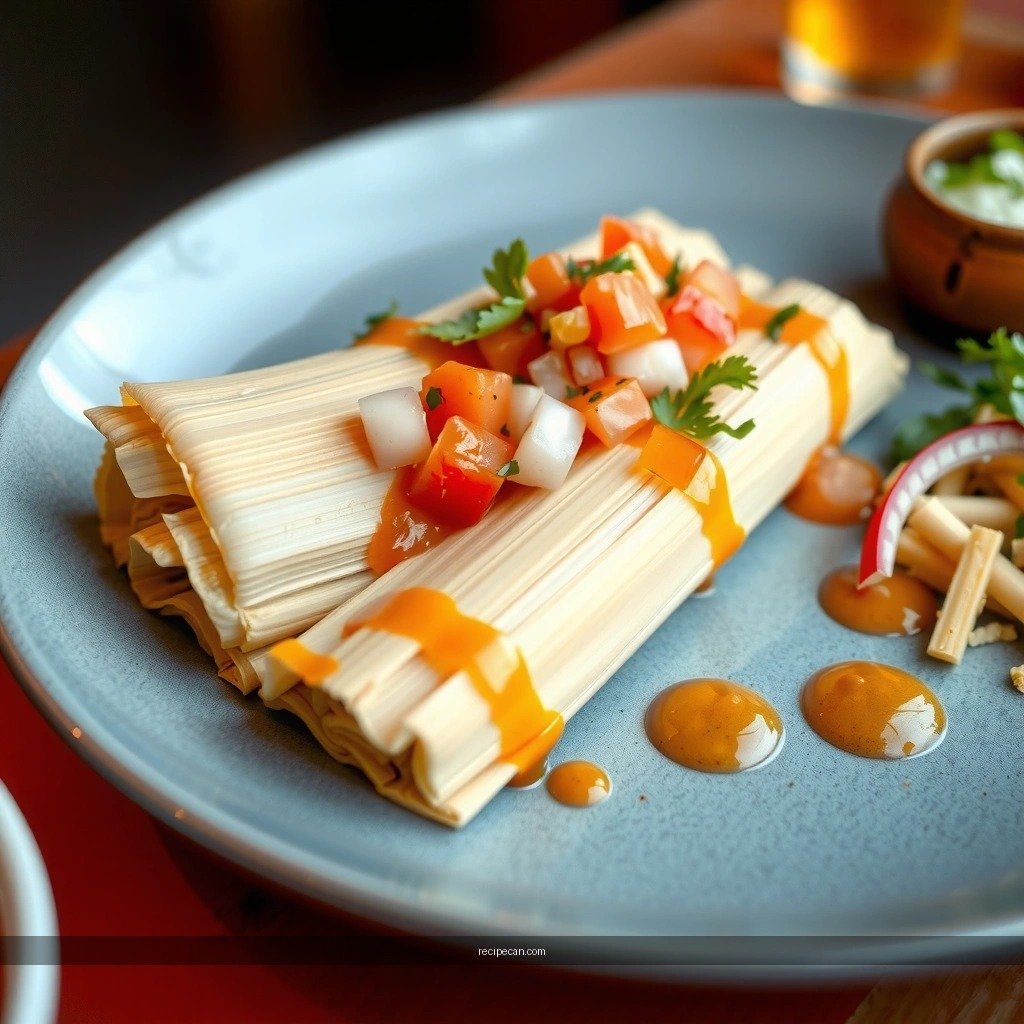
Vegetables make tamales lighter and more nutrient-dense, while beans increase fiber and plant-based protein. This is where “healthy” stops being a tradeoff and becomes an upgrade.
– Include peppers, onions, zucchini, corn, and spinach in fillings
Veggies improve moisture and help reduce the amount of meat needed per tamale. Great combinations include:
– Peppers + onions: build a base reminiscent of fajita-style flavors.
– Zucchini + corn: naturally sweet, helps stretch filling.
– Spinach: adds iron and volume; sauté first to remove excess water so your tamales don’t get soggy.
– Use beans (like black or pinto) to add fiber and plant-based protein
Beans are ideal for healthier tamales recipes because they deliver:
– Satiety (fiber slows digestion)
– Texture (you can mash partially for creaminess)
– Flavor absorption (beans soak up chile, garlic, and cumin)
Actionable build method: Aim for fillings that are “moist but not watery.” If your veggie mix releases lots of liquid during assembly, cook it down first. Water is the enemy of masa integrity.
Control Calories With Portion and Steaming Tips
Portion control isn’t about depriving yourself—it’s about consistency. Tamales tend to become calorie-dense when masa-to-filling ratios drift and when sauces are overly thick.– Build tamales with balanced filling-to-masa ratios
A practical approach:
– Spread a thinner masa layer than you might for “extra dough.”
– Add filling in a moderate band so you get protein and nutrients without overloading each tamale.
– Steam instead of frying, and portion for consistent results
Steaming is naturally aligned with healthier cooking because you avoid added frying oil. For the best texture:
– Steam long enough to set the masa fully. Undercooked masa can feel gummy and heavy.
– Use a consistent tamale size—if one tamale is double the portion, your “healthy” batch becomes unbalanced.
Operational tip: If you freeze, standardized portioning helps reheating stay reliable. One uneven tamale size can lead to dry edges or cold centers.
Make Ahead and Store Safely
Meal prep is a major advantage for tamales because the work can feel time-intensive. Planning ahead helps you cook once and eat healthier repeatedly—without last-minute convenience shortcuts.– Prep fillings ahead and assemble tamales for faster cooking
Cook your filling base (chile sauce + protein + vegetables) up to several days in advance. Keep it refrigerated, then assemble when you’re ready to steam. This reduces stress and helps you control sodium (you’re not leaning on last-minute packaged shortcuts).
– Freeze tamales for meal planning and reheat without drying out
Freezing is ideal when you want healthy tamales ready in minutes. For best results:
– Cool tamales completely after steaming.
– Freeze individually if possible (or separate layers with parchment).
– Reheat by steaming or microwaving with a damp paper towel to reintroduce moisture.
Reheating guideline: If reheating creates dryness, the tamales were likely over-steamed the first time or reheated too long. Start with shorter reheating, then add time in small increments.
Healthy Serving Ideas and Flavor Enhancers
Even lighter tamales benefit from smart toppings—because flavor perception often determines satisfaction.
– Pair with fresh salsa, pico de gallo, or a citrus-based sauce
These options add brightness that can make reduced-fat fillings feel as satisfying as heavier ones. Try:
– Salsa roja for heat and tang
– Pico de gallo for freshness and crunch
– Citrus-lime drizzle on top to elevate chile-forward fillings
– Add toppings like avocado or cilantro for extra taste without excess calories
Use small portions:
– Avocado for creamy texture and healthy fats
– Cilantro for herbaceous lift
– Pickled onions for punchy acidity (use lightly to avoid overwhelming the tamale)
Balanced plate idea: Serve tamales with a side of salad greens, roasted vegetables, or a simple bean-based salad. This improves overall nutrition density without needing to “load up” tamales themselves.
Healthy tamales recipes are all about smart swaps—lighter masa, lean or plant-based fillings, and plenty of veggies—so you can keep the traditional taste you love while eating better. Pick one filling idea, follow the steaming method, and make a batch to freeze for quick, healthy meals all week.
Frequently Asked Questions
What are the healthiest tamales I can make at home?
The healthiest tamales typically start with whole-food fillings like shredded chicken, turkey, fish, or vegetables, and use less added fat. Choose masa made with whole ingredients when possible and pair it with a flavorful but moderate amount of sauce (like salsa verde or roasted chile). Look for recipes that include fiber-rich add-ins such as corn, beans, or sautéed peppers and onions, and keep sodium in check by seasoning lightly and tasting as you go.
How can I make low-calorie healthy tamales without losing flavor?
Use lean proteins (chicken breast, shrimp, or beans) and keep the filling moist with broth, citrus, or roasted chile instead of relying on heavy oils or creamy sauces. For the masa, opt for lighter techniques—such as using less fat and focusing on spices like cumin, garlic, and oregano to add depth. Choose moderation with toppings by skipping high-sugar or overly salty salsas and using fresh salsa, pico de gallo, or a thin homemade sauce.
Why are steamed healthy tamales better than fried versions?
Traditional tamales are steamed, which generally preserves moisture while avoiding the extra oil used in frying. Steaming helps maintain the texture of the masa and the tenderness of the filling without adding unnecessary calories from deep frying. When you use healthy tamales recipes with lean fillings and controlled sodium, you get a hearty meal that’s typically lighter and more nutrient-dense.
Which masa ingredients make tamales healthier?
Many healthier tamales recipes use traditional masa harina but allow you to improve the nutritional profile through additions like whole-grain blends, chia or flax (for fiber), and vegetable-based fats in moderation. You can also boost micronutrients by mixing in finely blended spinach, roasted pumpkin, or masa with natural seasonings rather than relying on processed additives. If you’re gluten-sensitive, use certified gluten-free masa harina and verify labels for cross-contact.
What’s the best healthy tamales recipe for meal prep and freezing?
For meal prep, choose recipes with stable fillings like shredded chicken in salsa verde, bean and chile, or pork-style flavors made with lean meat and plenty of spices. Cook tamales fully by steaming until the masa is set, then cool completely before wrapping and freezing to preserve texture. When reheating, steam or warm gently to prevent dryness, and portion them so you can thaw and eat healthy tamales throughout the week with minimal effort.
References
- Tamale
https://en.wikipedia.org/wiki/Tamale - https://www.britannica.com/topic/tamale
https://www.britannica.com/topic/tamale - https://www.dietaryguidelines.gov/
https://www.dietaryguidelines.gov/ - Healthy diet
https://www.who.int/news-room/fact-sheets/detail/healthy-diet - https://www.cdc.gov/healthyweight/healthy_eating/index.html
https://www.cdc.gov/healthyweight/healthy_eating/index.html - https://pubmed.ncbi.nlm.nih.gov/?term=tamales
https://pubmed.ncbi.nlm.nih.gov/?term=tamales - https://pubmed.ncbi.nlm.nih.gov/?term=nixtamalization+nutrition
https://pubmed.ncbi.nlm.nih.gov/?term=nixtamalization+nutrition - Google Scholar Google Scholar
https://scholar.google.com/scholar?q=healthy+tamales+recipe - Google Scholar Google Scholar
https://scholar.google.com/scholar?q=nixtamalized+corn+masa+nutrition - Google Scholar Google Scholar
https://scholar.google.com/scholar?q=whole+grain+corn+fiber+protein+nutrition