Get a Christmas tamales recipe that delivers real holiday flavor—step by step, with the exact prep you need to make festive tamales at home. This guide answers the question of how to prepare the masa, season the filling, and assemble and steam tamales so they turn tender, not gummy. If you want dependable results for Christmas dinner, follow this method and you’ll know your tamales are done the moment they’re ready to unwrap.
Make Christmas tamales at home by preparing a flavorful masa, spreading it evenly, adding a rich filling, and steaming until the tamales set firm and cook through. This Christmas tamales recipe breaks the process into clear stages—seasoning the masa, assembling, and steaming—so you can reliably produce tender, authentic tamales instead of gummy or undercooked ones.
Ingredients You’ll Need for Christmas Tamales
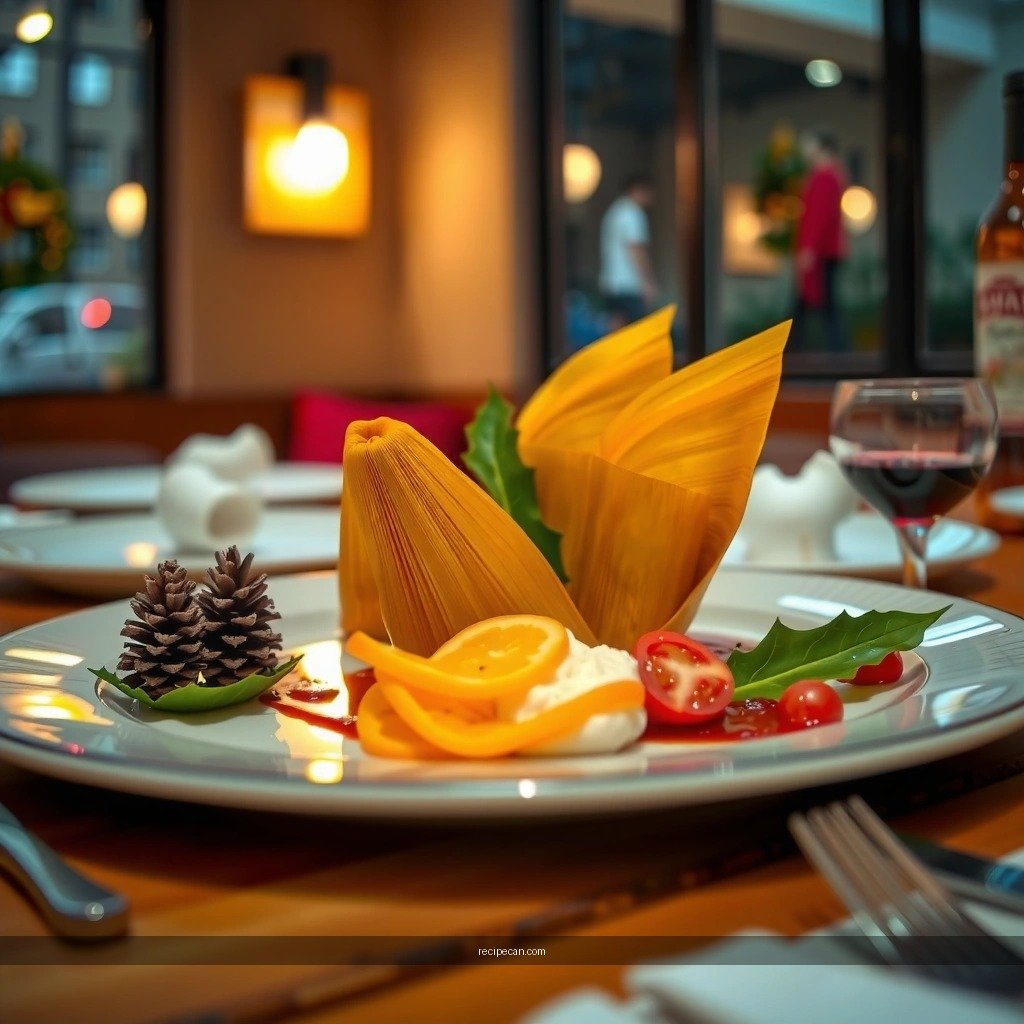
To make Christmas tamales that taste traditional, you’ll want ingredients that support two things: (1) a well-seasoned masa and (2) a filling that stays moist during steaming. Tamale-making is less about “one perfect ingredient” and more about balance—fat for tenderness, aromatics for depth, and proper hydration for the masa.
Masa ingredients and key seasonings for classic flavor
– Masa harina (corn flour): The base. Typically labeled “masa harina” for tamales or tortillas.
– Warm water or broth: Hydrates the masa gradually to avoid lumps and control texture.
– Lard (or vegetable shortening): Contributes tenderness and aroma. Many cooks prefer lard for classic flavor.
– Salt: Essential; without it, even a good masa tastes flat.
– Optional spices:
– Ground cumin (earthy warmth)
– Garlic powder or minced fresh garlic (savory background note)
– Dried oregano (common in festive Mexican-style seasoning profiles)
– Optional flavor boosters: A small amount of chicken broth or stock improves overall savoriness, and a touch of baking powder helps the masa feel lighter (use sparingly so it doesn’t taste off).
Filling options and how to choose what you’ll use
Traditional Christmas tamales often include pork, chicken, beef, or sweet/spiced fillings, sometimes influenced by regional tastes. Choose fillings based on how you want your flavor profile to land:
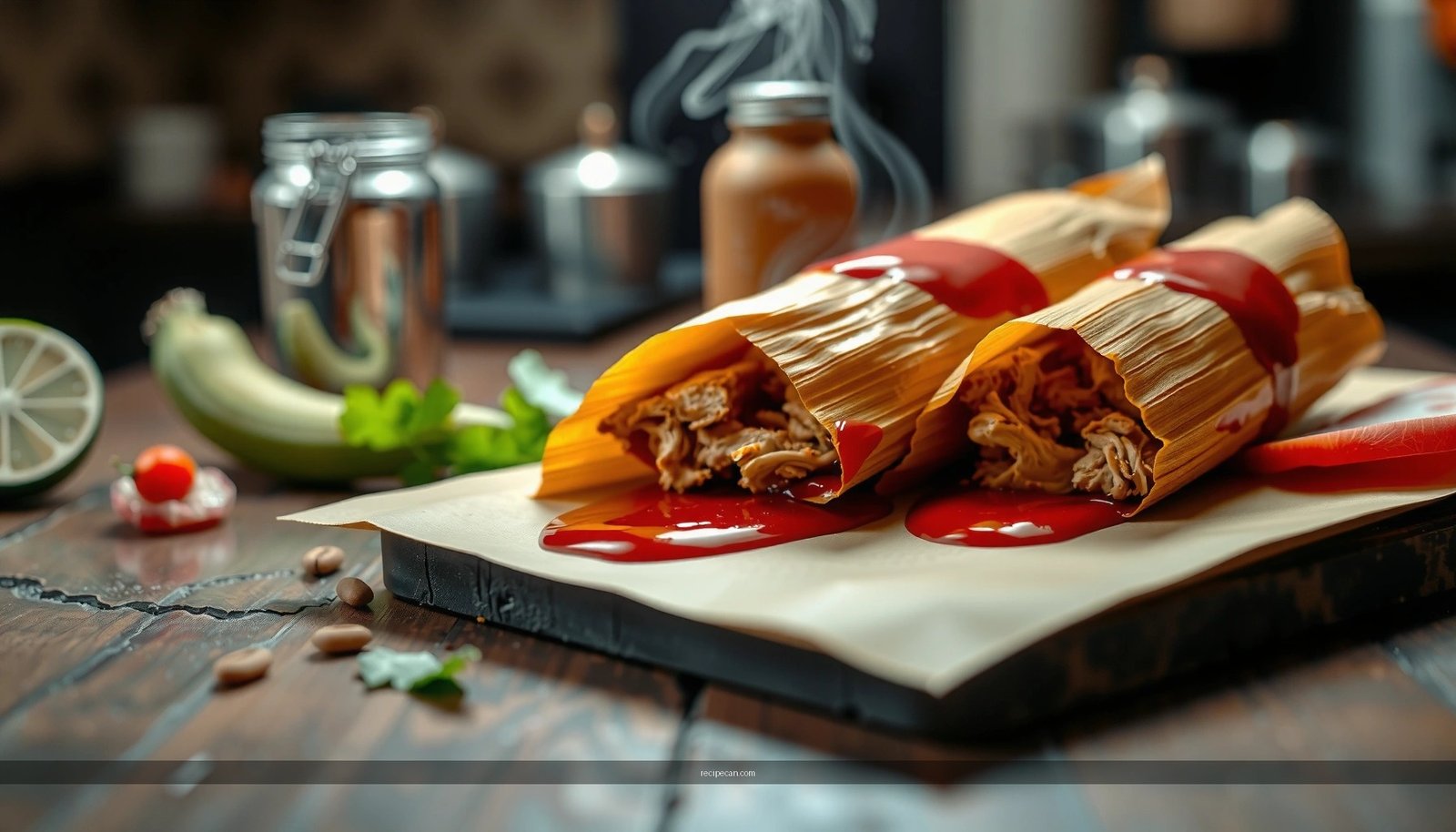
– Savory “holiday classic”: Pork in red chile sauce (deep, slightly smoky, unmistakably festive).
– Brighter, lighter option: Chicken with salsa verde or tomatillo sauce (tangy and fragrant).
– Comforting richness: Shredded beef in a mild guajillo or ancho sauce.
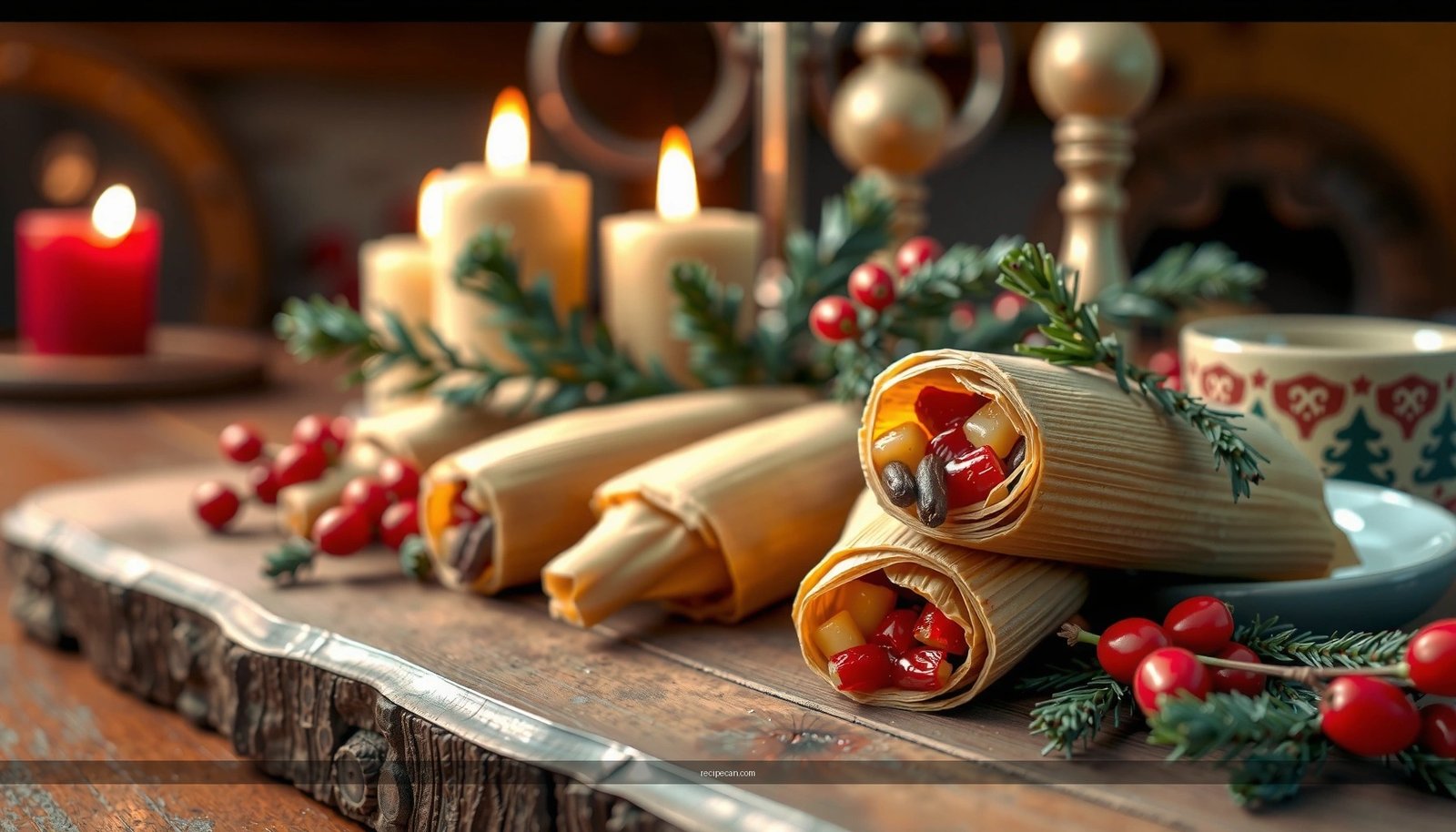
– Sweet tamales (seasonal): Pineapple-coconut or spiced fruit with cinnamon (steam time may remain similar, but sugar-balanced masa is important).
> Practical guidance: For savory tamales, aim for fillings that are already cooked and saucy but not watery. If the filling is too thin, it can seep into the masa and weaken structure.
Masa Texture Targets for Successful Tamales
| # | Masa Check | What “Right” Looks Like | Adjustment | Outcome |
|---|---|---|---|---|
| 1 | Spread test | Masa spreads in an even layer without tearing | Add warm water 1 Tbsp at a time if stiff | Tender, set masa |
| 2 | Consistency | Like thick frosting or soft peanut butter | If loose, mix in masa harina 1–2 Tbsp | Holds shape while steaming |
| 3 | Salt balance | Seasoned enough that it tastes noticeably savory | Add salt gradually, then rest 10 minutes | Full, authentic flavor |
| 4 | Resting time | After mixing, rest 20–30 minutes | Reroute texture by re-whipping until smooth | Better hydration, less graininess |
| 5 | Knife/surface smoothness | No dry cracks; surface looks cohesive | Sprinkle water and mix thoroughly | Even cooking throughout |
| 6 | Thickness of spread | Approximately 1/4 inch (6 mm) in most styles | Add less filling if masa layer is thinner | Tamales cook uniformly |
| 7 | Dry/steamy smell check | Fresh corn aroma, not overly raw or sour | If sour, reduce any added acidic ingredients next time | Fix flavor before steaming |
Prepare the Masa (Dough) for Best Texture
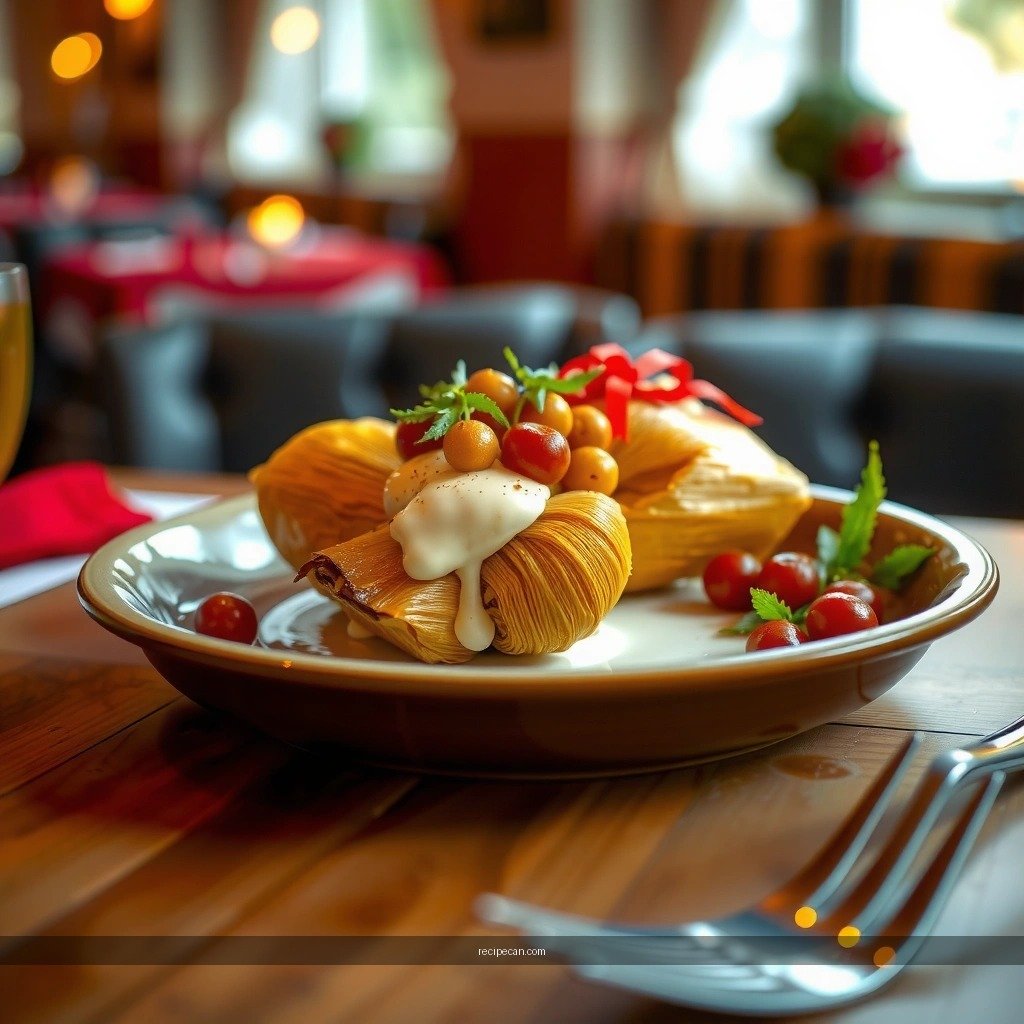
Masa is where Christmas tamales succeed or fail. A well-mixed masa clings to itself, spreads without tearing, and steams into a tender but structured crumb—not gummy, not gritty.
How to mix masa for a smooth, spreadable consistency
1. Cream the fat first: In many traditional methods, lard or shortening is mixed until smooth, then the masa harina and seasonings are worked in gradually. This helps the masa taste rich and keeps the texture consistent.
2. Add liquid slowly: Warm water or broth should be incorporated gradually. Too much liquid at once can create a pasty masa that loses body during steaming.
3. Mix until uniform: Blend thoroughly so there are no dry pockets of masa harina. Stop occasionally to scrape the bowl so you don’t end up with uneven hydration.
Tips for moisture, seasoning, and getting the right thickness
– Moisture control: The target is thick and spreadable. If your spoon stands up briefly before slumping, you’re close.
– Rest and re-check: Let the masa rest 20–30 minutes. Corn flour absorbs liquid as it sits; you may need to re-whip and adjust with small splashes.
– Seasoning should be direct: Masa absorbs sauce and filling flavor, but it also needs its own base seasoning. Taste a small pinch (carefully—steam can intensify flavor later) and aim for a clearly savory profile.
– Thickness matters: Spread masa thick enough to protect filling during steaming, but not so thick that you overwhelm the cook time.
> Quality benchmark: If you can spread a thin, even layer that still holds shape at the edges, your dough thickness is on track.
Assemble the Tamales Correctly
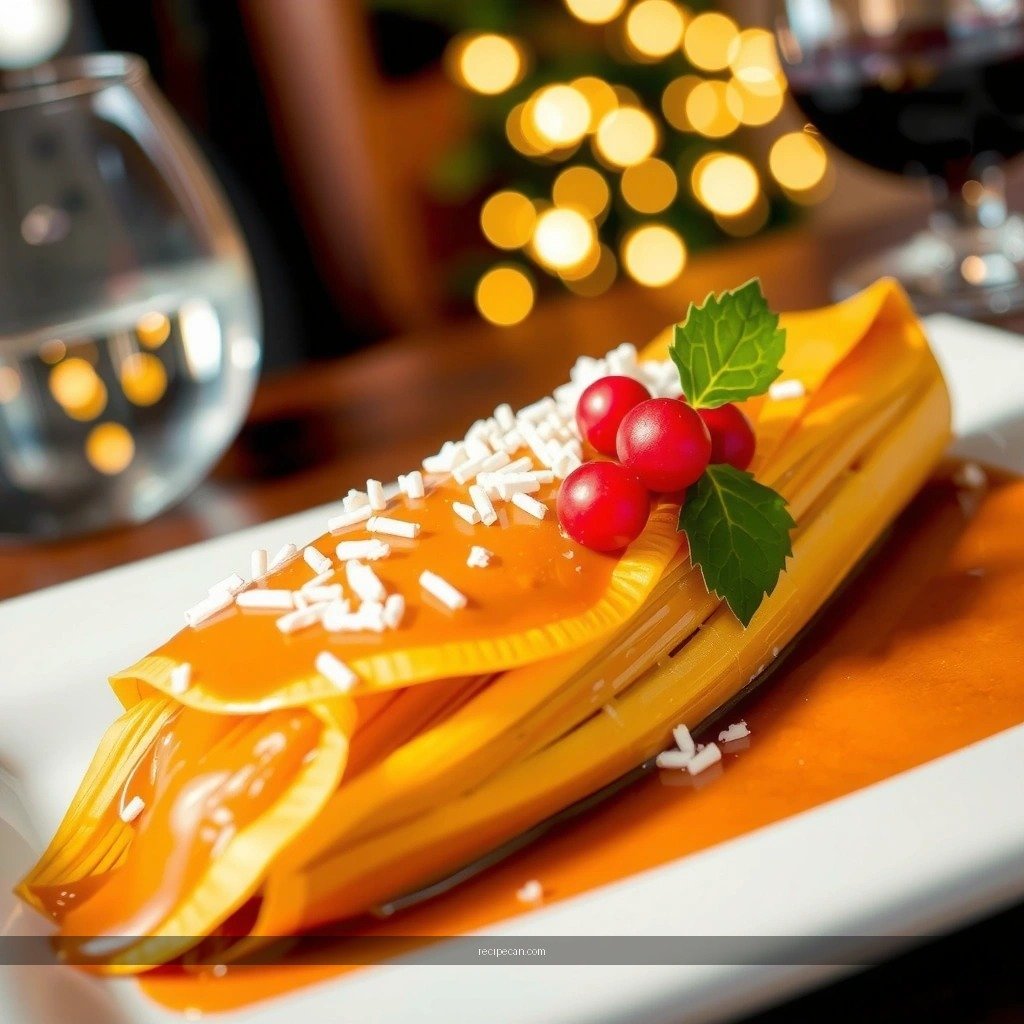
Assembly is not just “put filling in and fold.” Correct layering helps the tamale cook evenly while keeping the filling in place—especially during long steaming sessions typical for Christmas tamales.
How to spread masa and layer filling without overfilling
– Even masa coverage: Spread masa to a consistent thickness so each tamale cooks at the same rate.
– Leave a margin: Avoid filling too close to the edges. This prevents leaks and helps the seam close properly.
– Use controlled amounts of filling: Think of filling as a “line” rather than a mound. Overfilling increases the risk of blowouts and undercooked masa.
Folding tips to keep tamales secure during steaming
Different regions fold differently, but the structural goal is the same:
1. Position the filling line in the center third of the masa.
2. Fold in sides first (or one side, depending on your tamale style) to create a barrier against leakage.
3. Roll or fold tightly so the seam stays closed.
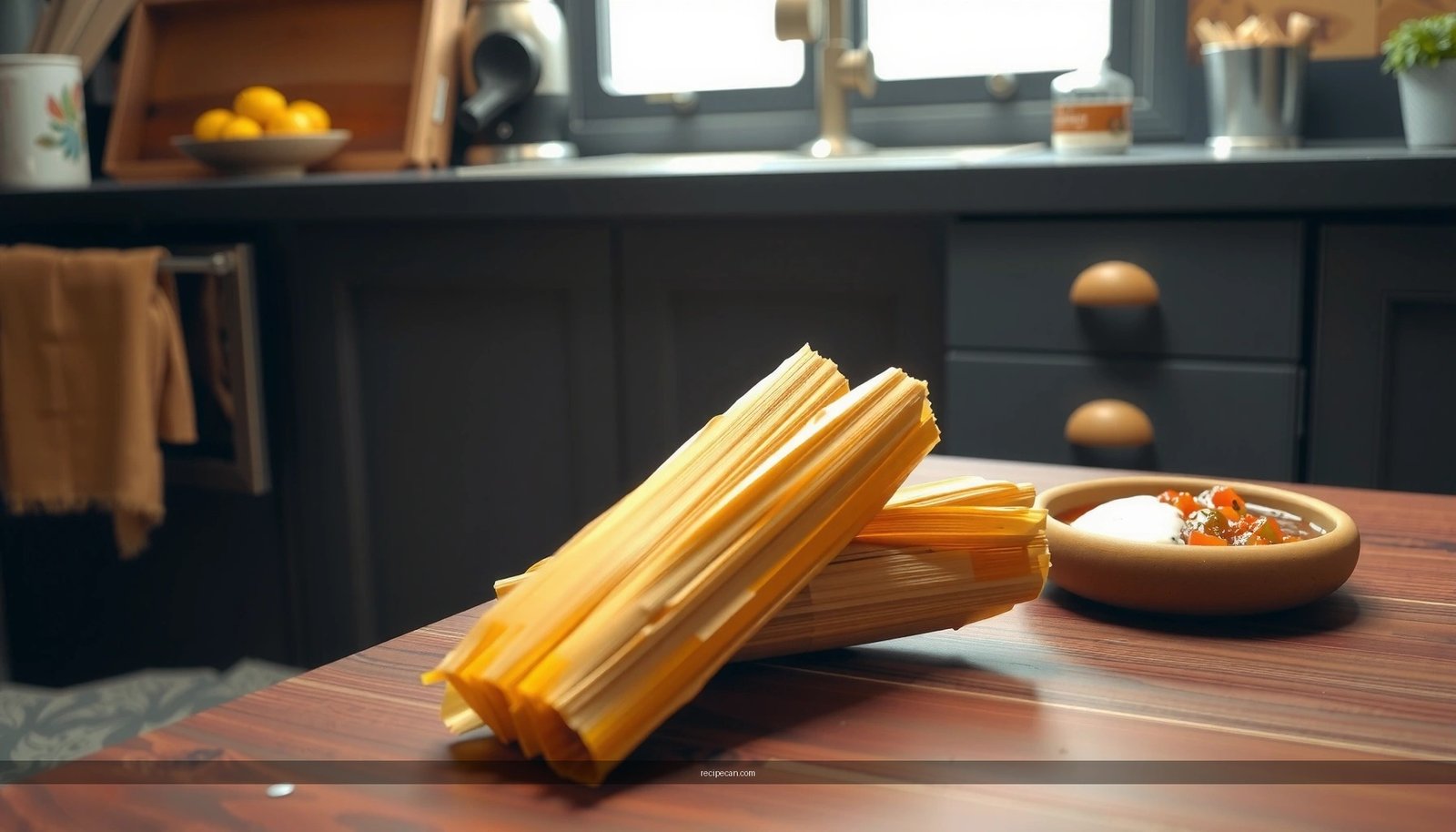
4. Tie or secure as needed: Use kitchen twine or strips of husk to reinforce closure. If you’re using corn husks, keep them pliable (soaked and warmed) for clean folds.
> Failure mode to avoid: If your tamales open during steaming, it’s almost always a combination of overfilled portions and seam closure that wasn’t tight enough.
Steam Your Christmas Tamales to Perfection
Steaming is the cooking method that preserves moisture and ensures the masa cooks without drying. To steam Christmas tamales well, focus on water management, steam consistency, and doneness checks.
Setup tips for proper steaming time and water level
– Use the right steamer configuration: A steamer pot with a rack helps keep tamales off direct boiling water. Direct contact can cause soggy bottoms.
– Maintain steady steam: Bring the water to a simmer, then reduce heat to maintain consistent steaming.
– Top off water carefully: Add hot water, not cold, to prevent temperature drops.
– Batch strategically: Overcrowding slows cooking and can prevent even steam penetration. If you make a large batch, steam in batches or use a tiered steamer.
How to tell when tamales are fully cooked and set
Doneness is indicated when the masa is firm, not wet, and releases cleanly from the husk.
– Visual cues: The masa should look set and slightly matte rather than shiny-wet.
– Texture check: If you open one tamale (carefully), the center should be fully cooked and the masa should not smear or cling excessively.
– Husk release test: The tamale should peel more easily from the husk when fully cooked.
– Typical range: Many savory Christmas tamales take roughly 1.5 to 2.5 hours depending on size and filling thickness. Sweet tamales may cook slightly differently, so use the set/firm criteria over time alone.
Storage and Reheating for Holiday-Ready Tamales
Christmas tamales are ideal for advance prep because they reheat well—if you treat them correctly. Improper reheating (especially microwave-only reheating) often leads to dry masa or unevenly warmed centers.
Best ways to store tamales for later use
– Cool completely first: Let tamales cool to room temperature before refrigerating. Trapping heat can create condensation and soften texture.
– Refrigerate: Store in an airtight container for 3–4 days.
– Freeze for longer storage: Wrap individually (or in small stacks), then place in a freezer bag. Frozen tamales often keep up to 3 months with best quality.
Reheating methods to keep them tender (not dry)
– Steamer reheating (best texture): Steam tamales until hot throughout. This rehydrates the masa gently.
– Skillet with moisture: Place tamales in a covered skillet with a few tablespoons of water; heat on low to steam the exterior.
– Microwave with caution: If you must microwave, use a damp paper towel and microwave in short intervals, then rest. This is the fastest method, but it’s the hardest to keep perfectly tender.
> Tip for best outcomes: If tamales are frozen, thaw overnight in the fridge, then re-steam. Reheating from fully frozen is possible, but it requires more time to heat evenly.
Make It Your Own: Traditional and Easy Variations
A Christmas tamales recipe should be a reliable base. Once your masa, assembly technique, and steaming process are dialed in, you can experiment confidently with fillings and flavor notes.
Switch up fillings while keeping the Christmas tamales base consistent
Try variations that maintain a cohesive masa-to-filling ratio:
– Pork in red chile sauce: Rich, classic, and festive—ideal for a traditional holiday plate.
– Chicken with tomatillo salsa: Bright and herbaceous; especially good if you like tangy flavors.
– Beef barbacoa-style filling: Deep and savory; pair with a milder chile if you want balance.
– Vegetarian option: Use roasted poblano or chile rajas with sautéed mushrooms and onions (ensure vegetables are cooked down so the filling isn’t watery).
– Sweet Christmas tamales: Consider pineapple-cinnamon or spiced fruit fillings. Keep sweet fillings thick and not overly runny.
Make-ahead strategies for stress-free holiday serving
– Prep components separately: Make sauce/filling a day ahead, assemble the next day, and steam when ready to serve.
– Assemble and freeze: Assemble tamales fully, then freeze uncooked. When ready, thaw or steam from frozen with additional time.
– Plan your steaming schedule: Steam in batches so you’re not keeping tamales at high heat too long. If you need to hold them, keep them covered and warm without prolonged direct boiling.
– Serve with complementary sides: Tamales often pair well with warm beverages, fresh salsas, and light salads—avoiding heavy sides that compete with chile-forward flavors.
> Strategic insight: Consistency in masa texture and steam time matters more than the exact filling. Once those are stable, variations become easy and dependable.
Enjoy your Christmas tamales by following the masa, assembly, and steaming steps closely—those are what make the difference in flavor and texture. Gather your ingredients, steam in batches if needed, and reheat gently for the best results. Try this Christmas tamales recipe this holiday season and share your favorite filling variation with family and friends.
Steaming tamales well is a skill you can master quickly: get the masa texture right, assemble tightly without overfilling, and maintain steady steam until the masa is fully set. If you apply those three principles consistently—and reheat with moisture—you’ll produce festive, tender Christmas tamales that taste homemade every time.
Frequently Asked Questions
What are the key ingredients in a classic Christmas tamales recipe?
A traditional Christmas tamales recipe typically includes masa (corn dough) made with masa harina, lard or vegetable shortening, baking powder, and broth for flavor. For the filling, you’ll usually use pork in a seasoned sauce such as red chile (guajillo, ancho) or green chile (tomatillo-based), along with garlic, onions, and warm spices. Many families also add olives, raisins, or shredded peppers for a festive, slightly sweet-savory profile. For wrapping, use dried corn husks that are soaked until pliable.
How do you make Christmas tamales from scratch without dry masa?
Start by hydrating corn husks and ensuring your masa is mixed until smooth and spreadable. In many tamales recipes, the secret to tender masa is using the right amount of warm broth and fat (lard/shortening) and beating the masa to incorporate air. If your masa feels stiff, add broth a little at a time until it becomes soft enough to spread and hold shape. For consistent results, steam tamales until the masa pulls away slightly from the husk and the filling is hot throughout.
Why do my tamales turn out tough or chewy, and how can I fix it?
Tough or chewy tamales often come from overmixing, underhydrating the masa, or steaming too short so the dough never fully cooks through. Another common cause is using husks that weren’t soaked enough, which can reduce even steam penetration. To fix this, mix just until the masa is cohesive, use enough broth for a creamy texture, and steam consistently until firm and cooked. If you’re unsure, open one tamal early—your goal is masa that is set but not dry.
What’s the best filling for a Christmas tamales recipe—red chile pork or green chile chicken?
“Best” depends on the flavor you want: red chile pork tends to be richer and deeper, with a classic festive warmth that pairs well with traditional Mexican Christmas flavors. Green chile chicken is often bright and tangy thanks to tomatillos or green chiles, making it a great option if you prefer a lighter sauce. Many cooks choose pork for a more traditional Christmas tamales recipe, while others make both for variety at holiday gatherings.
Which steaming method works best for Christmas tamales: stovetop steamer or Instant Pot?
A stovetop steamer is the classic option and is great for maintaining steady, gentle steam, which helps the masa cook evenly in a Christmas tamales recipe. An Instant Pot can work well too, especially if you use a trivet and a steamer basket, but you’ll need to account for batch size and cooking time carefully. Regardless of method, keep the tamales upright in the steamer and ensure they have enough steam for thorough cooking. For both methods, test doneness by checking that the masa easily releases from the husk.
References
- Tamale
https://en.wikipedia.org/wiki/Tamale - Christmas Eve
https://en.wikipedia.org/wiki/Nochebuena - Christmas in Mexico
https://en.wikipedia.org/wiki/Christmas_in_Mexico - https://en.wikipedia.org/wiki/List_of_Christmas_foods
https://en.wikipedia.org/wiki/List_of_Christmas_foods - Masa
https://en.wikipedia.org/wiki/Masa_harina - Husk
https://en.wikipedia.org/wiki/Corn_husk - Mexican cuisine
https://en.wikipedia.org/wiki/Mexican_cuisine - Google Scholar Google Scholar
https://scholar.google.com/scholar?q=christmas+tamales+recipe - Google Scholar Google Scholar
https://scholar.google.com/scholar?q=tamales+masa+recipe - https://www.britannica.com/topic/tamale
https://www.britannica.com/topic/tamale