Get an authentic tamale masa recipe that delivers real dough—steamed, tender, and flavorful instead of dry or gummy. This guide answers the key question: how to make the masa from scratch the traditional way, with the right fat, broth, and consistency. Follow the steps, and you’ll know exactly when your masa is ready to spread for foolproof tamales.
Make authentic tamale masa by hydrating masa harina with warm, seasoned broth until it turns light, spreadable, and cohesive—then incorporate fat (often lard) for tender, traditional texture. In practice, the difference between “good” and “real” tamale masa comes down to two variables you can control: hydration consistency and seasoning throughout the dough, not just in the filling.
Choose the Right Masa Harina
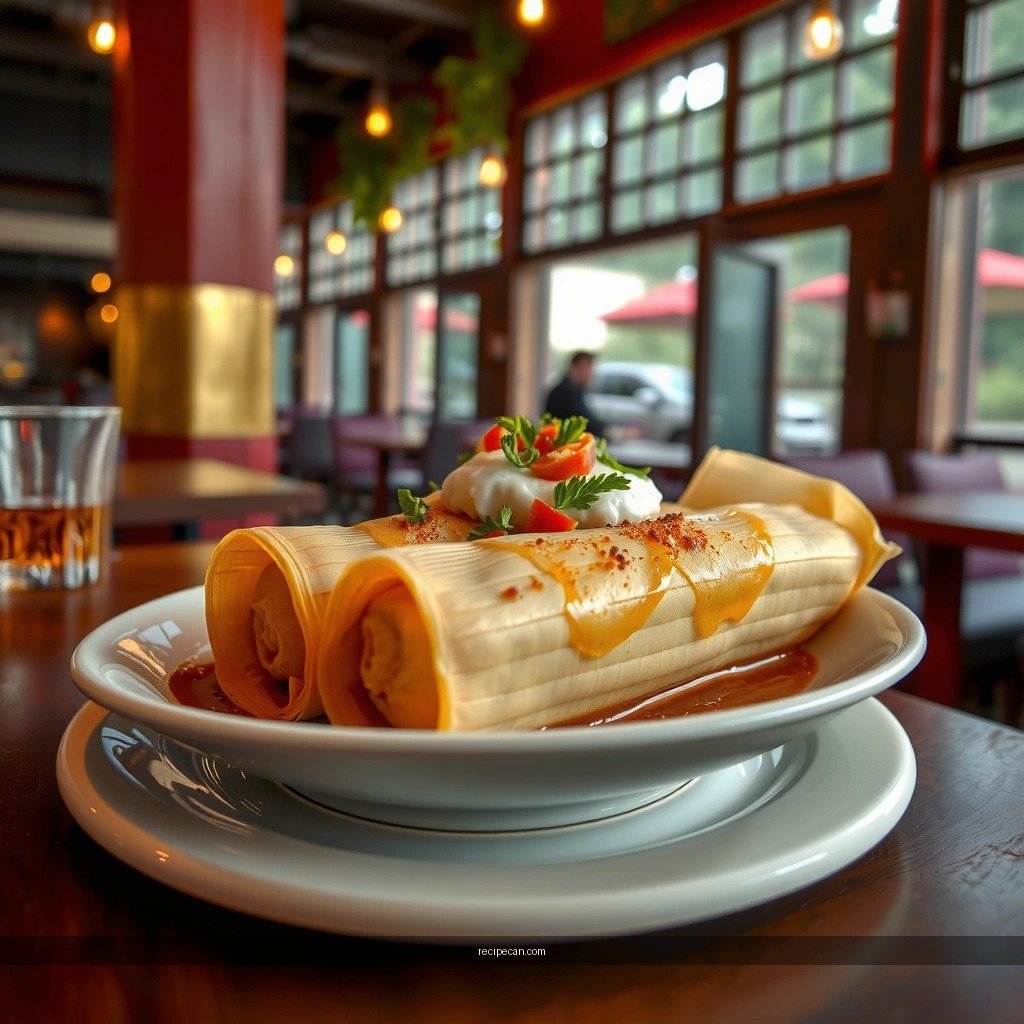
The first requirement for authentic tamale masa is using the correct corn product. Tamale masa harina is formulated for the nixtamalization process and milling characteristics that give tamales their signature springy, tender structure when steamed. Using the wrong grind (or the wrong product) is a common reason masa turns crumbly, tastes flat, or refuses to set properly in the steamer.
What to look for on the label
– Masa harina labeled for tamales (not regular cornmeal).
– Ingredients should reflect nixtamal-based masa flour (most tamale masa harinas are designed to be rehydrated into dough without extra alkalinity steps).
– If the brand specifies “for tamales,” that’s your best starting point.
Why “tamale masa harina” matters
– Tamales need dough that spreads smoothly, traps steam, and holds shape in the husk.
– The right masa harina absorbs water at the right rate and develops a cohesive texture when mixed and rested.
A practical hydration concept (how ratio affects texture)
Instead of treating liquid measurements as strict rules, treat them as targets. Masa harina absorption varies by brand, freshness, humidity, and whether your broth is hot or room temperature. That’s why the ratio you start with should be followed by consistency checks (covered below), so you end up with dough that behaves like real tamale masa.
Hydration Targets for 1 Cup Masa Harina (Warm Broth)
| # | Tamale Style | Warm Broth (cups per 1 cup masa) |
Starting Dough Goal | Cooked Set (Steaming Outcome) | “Authenticity” Score |
|---|---|---|---|---|---|
| 1 | Traditional Pork Tamales | 0.95 | Spreadable, holds a soft line | Tender, cohesive, not gummy | ★★★★☆ |
| 2 | Chicken or Turkey Tamales | 1.00 | Slightly silkier, easy to level | Sets evenly across the husk | ★★★★★ |
| 3 | Sweet Cinnamon/Polvorón-Style | 0.90 | Firm enough to hold swirls | Dessert layers stay defined | ★★★★☆ |
| 4 | Vegetarian (Beans/Chile) | 1.05 | Juicy, spreads without tearing | Masa is soft, never chalky | ★★★★☆ |
| 5 | Dryer Corn Husks / High Heat Steaming | 1.03 | Slightly looser so steam sets through | No dense center | ★★★★☆ |
| 6 | Too-Stiff Masa (Common Error) | 0.80–0.85 | Crumbly, difficult to spread | Risks dryness and cracking | ★☆☆☆☆ |
| 7 | Too-Soft Masa (Common Error) | 1.15–1.25 | Watery, slides off husk | May turn gummy or collapse | ★★☆☆☆ |
Prepare and Season Your Broth

Authentic tamale masa isn’t “seasoned at the end”—it’s seasoned in the dough. That’s why your broth matters as much as your masa harina.
Why warm broth is non-negotiable
– Warm liquid hydrates masa harina more evenly, reducing lumps.
– It helps the dough develop a smoother, more spreadable consistency before you add fat and seasonings.
What broth should taste like
Before you mix masa, ask: Would I drink this broth as soup? If the broth is bland, the masa will be bland—even with salt later. Aim for broth that’s flavorful but not overpowering; the filling will also carry its own intensity.
Season early for true distribution
A professional approach is to season the broth before hydration. Common approaches include:
– Salt (to bring out masa flavor)
– Aromatic base (like onion/garlic notes, if your broth is made from roasted or simmered ingredients)
– Optional chile tones (if your tamale style uses chile-infused masa—this can replace some of the need for heavy seasoning)
Operational tip
Hold back a small amount of broth. As soon as you mix, check texture; you can always add liquid, but you can’t remove it without affecting final results.
Mix the Tamale Masa to the Correct Consistency
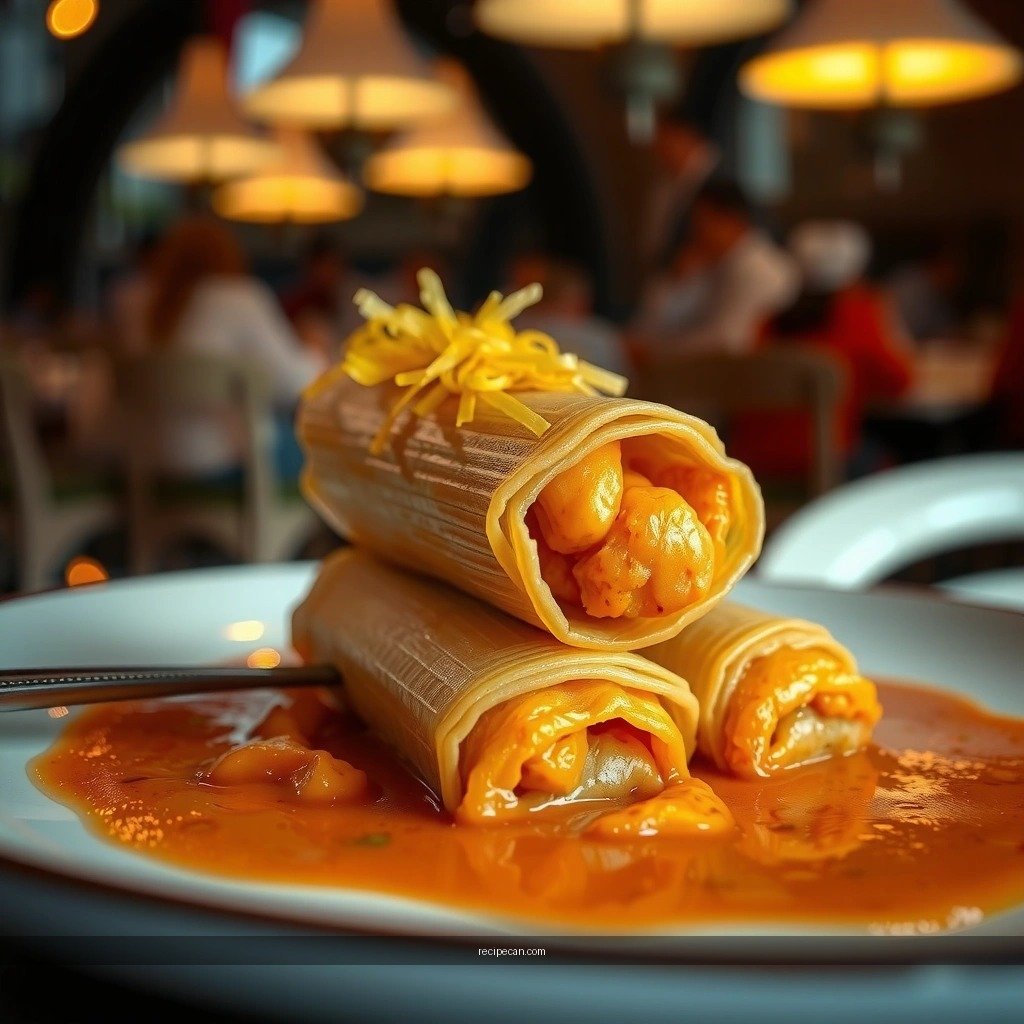
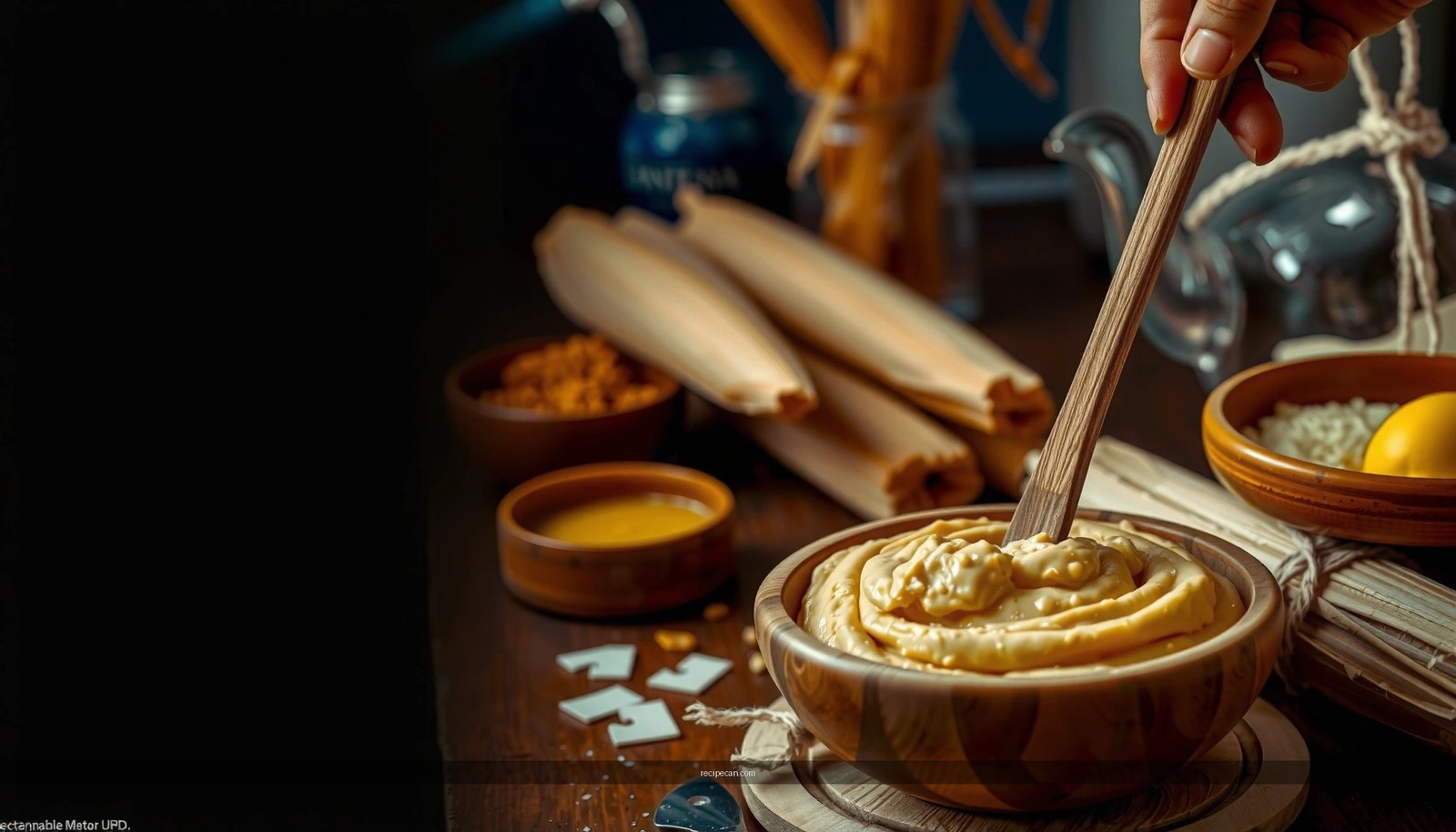
Great tamale masa behaves like well-balanced cake batter crossed with pliable dough: it’s smooth enough to spread and cohesive enough to hold shape after steaming.
Mixing process (the “real dough” workflow)
1. Combine masa harina with warm, seasoned broth gradually.
2. Stir until fully hydrated and free of lumps.
3. Let the mixture rest briefly (even 5–10 minutes helps hydration continue).
Consistency targets you can see and feel
Use these checks as your quality control:
– Spread test: It should spread on a husk without tearing.
– Shape memory: When you drag a spatula through it, the channel should soften slowly—not instantly collapse or resist like cement.
– No gritty pockets: Lumps mean uneven hydration, which can lead to crumbly bites.
Adjust with small increments
If the dough is stiff, add broth tablespoon by tablespoon. If it’s too loose, you can fix some issues by:
– adding a small pinch more masa harina, and
– resting again to let absorption catch up.
But the best practice is always: adjust in small steps and re-check.
Add Lard (or Fat) for Authentic Texture
Traditional tamale masa gets its tenderness and “real” mouthfeel from fat—most commonly lard, though modern cooks also use other fats depending on dietary preferences and family tradition.
Why fat changes everything
– Fat improves tenderness by shortening the dough structure.
– It helps the masa stay supple after steaming.
– It contributes to the characteristic richness that makes tamales taste like they came from a practiced kitchen, not a shortcut.
How to incorporate it
– Some cooks whip lard first to lighten texture, then fold it in.
– Others melt and stir it in, but whipping typically yields better aeration and a softer crumb.
Choose the method your recipe expects
For authenticity, follow your family’s method:
– If the older generation “whips until lighter,” do that.
– If the recipe says “stir in melted fat,” commit to it—then rely on consistency checks to dial in texture.
Salt interaction note
Fat can slightly mute perceived saltiness. If you’re tasting before and after adding fat, expect the flavor to mellow; adjust salt in the broth or at the final tasting accordingly.
Test and Adjust Before You Assemble
Before you commit to wrapping, verify that the masa will perform under heat. This is where many batches are saved—or where problems are prevented.
Consistency check (the must-do step)
Your masa should:
– Hold shape when scooped and gently pressed,
– Spread evenly across the husk,
– Set properly after steaming (not remain wet, and not turn dry).
If you’re unsure, run a small “mini-wrap” test:
– Steam one or two tamales,
– Cool briefly,
– Cut to check texture.
Taste and fine-tune seasoning
Do not rely solely on broth seasoning. Factors like fat addition, brand differences in masa harina, and your broth reduction can shift final flavor. Taste the masa dough itself:
– If it tastes flat, add salt carefully.
– If it tastes one-dimensional, consider whether your chile/aroma base is sufficient.
Professional workflow habit
Keep seasoning adjustments incremental. Small changes compound quickly in a large masa batch.
Tips for Wrapping and Steaming Success
Even perfect masa can underperform if wrapping and steaming aren’t aligned with dough behavior.
Wrapping: aim for even thickness
– Spread masa in a consistent layer so steam sets it uniformly.
– Don’t overload. Too much masa can feel doughy before it fully sets.
– Use soaked husks so they flex without cracking and won’t steal moisture from the dough unevenly.
Steaming: let time replace guesswork
Tamales need steady steaming until the masa is fully set. Look for:
– Consistent steam production (avoid intermittent boil that causes uneven cooking),
– Enough steaming time for the dough to hydrate fully within the husk.
Don’t rush the set
If you cut into tamales too early, the masa may appear softer than it will after resting. Let them rest briefly after steaming so structure stabilizes.
Husk handling
– Soak husks until pliable (not mushy).
– Pat off excess moisture if husks are overly wet; too much water can dilute the surface masa.
Authentic tamale masa is all about proper hydration, seasoning, and the right texture—so your dough stays tender and flavorful when steamed. Mix with warm broth, add fat for richness, and verify consistency before assembling; if you follow these steps, your tamales will taste truly homemade. Try the method today and make a batch—then adjust seasoning and steaming time to match your preferred tamale style.
Frequently Asked Questions
What is an authentic tamale masa recipe and how is it different from other masa?
An authentic tamale masa recipe is made to cook evenly while staying tender, usually using masa harina plus fat (commonly lard) and a flavorful liquid like warm broth. The key difference is the texture: good tamale masa should be light, spreadable, and hold together without being dense like some tortillas. Many traditional recipes also use salt and optional baking powder to improve lift and consistency.
How do I make authentic tamale masa that’s smooth and not sticky?
Start by mixing masa harina with salt and warm broth gradually until you reach a thick, spreadable consistency. Many cooks beat in softened lard (or leaf fat) to create a lighter tamale masa and reduce stickiness, which helps the dough come together evenly. If your masa is sticky, add masa harina a little at a time; if it’s dry or cracking, add broth 1–2 tablespoons at a time.
Why does my tamale masa come out too dense or heavy, and how can I fix it?
Dense tamale masa often happens when the fat isn’t creamed well, the broth is too cold, or the dough is overmixed after the flour hydrates. For an authentic tamale masa recipe, beat the lard into the masa until noticeably lighter, and use warm broth so the masa hydrates evenly. If your dough already feels heavy, gently rework it with a small amount of warm broth and additional creamed fat to restore softness.
Which fat works best for authentic tamale masa: lard, shortening, or oil?
Lard is the classic choice for authentic tamale masa because it delivers flavor and a tender crumb that holds up during steaming. If you can’t use lard, vegetable shortening is the closest swap for texture, while oil can make tamale masa looser and less structured. For best results, choose a fat that you can cream well, since creaming is critical to getting a light, consistent masa dough.
What is the best way to check if my masa is ready before assembling tamales?
A common method is the “float test”: drop a small pinch of mixed tamale masa into a bowl of water—if it floats, it’s usually well-hydrated and ready. If it sinks, continue mixing and add a bit more warm broth (or fat if needed) to improve lightness and binding. Another practical check is texture: authentic tamale masa should spread smoothly without tearing and should taste well-seasoned before you assemble.
References
- Tamale
https://en.wikipedia.org/wiki/Tamale - Masa
https://en.wikipedia.org/wiki/Masa_harina - https://en.wikipedia.org/wiki/Masa_(food
https://en.wikipedia.org/wiki/Masa_(food - Nixtamalization
https://en.wikipedia.org/wiki/Nixtamalization - https://www.britannica.com/topic/tamale
https://www.britannica.com/topic/tamale - Google Scholar Google Scholar
https://scholar.google.com/scholar?q=authentic+tamale+masa+recipe+nixtamalized+corn - Google Scholar Google Scholar
https://scholar.google.com/scholar?q=nixtamalization+masa+harina+dough+composition - Google Scholar Google Scholar
https://scholar.google.com/scholar?q=traditional+Mexican+corn+dough+masa+process+starch+gelatinization - https://pubmed.ncbi.nlm.nih.gov/?term=nixtamalization
https://pubmed.ncbi.nlm.nih.gov/?term=nixtamalization - https://pubmed.ncbi.nlm.nih.gov/?term=masa+harina+nixtamalization+starch
https://pubmed.ncbi.nlm.nih.gov/?term=masa+harina+nixtamalization+starch