This traditional tamale masa recipe shows you how to make authentic masa that holds together, spreads cleanly, and steams up tender—not gummy or gritty. If your question is what masa to use and how to mix it with the right fat and broth, you’ll get exact steps and proportions that produce a smooth, pliable dough. Follow this method and you’ll have masa ready for classic tamales with real corn flavor in every bite.
Make traditional tamale masa by whipping lard into fluffy consistency, then blending masa harina with warm broth until smooth and spreadable, and finishing with balanced salt and chili seasoning. Follow the texture cues—your masa should be thick, elastic, and easy to spread—so the steamed tamales cook evenly and taste authentically rich.
Choose the Right Ingredients for Traditional Tamale Masa
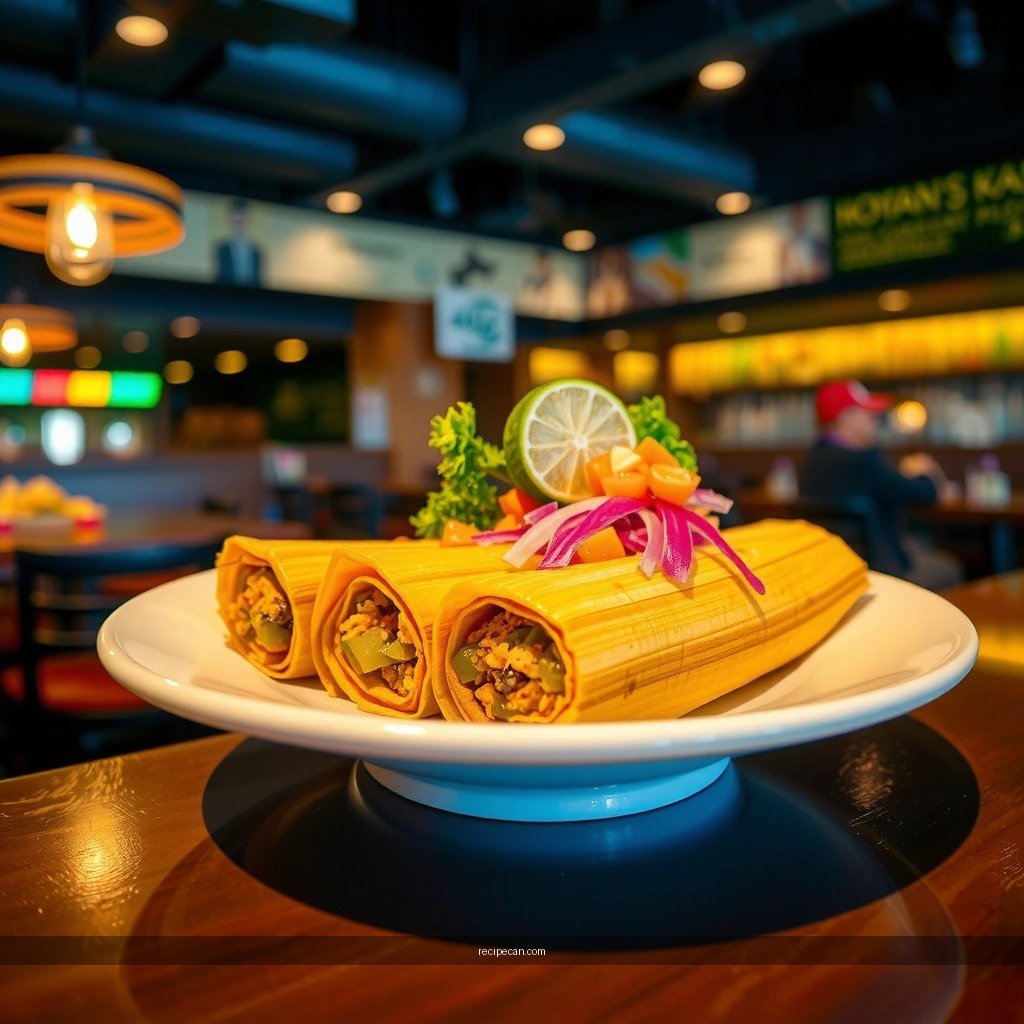
Authentic tamale masa starts with ingredient choices that directly affect hydration, flavor, and structure. When masa harina is milled and blended correctly, it forms a cohesive dough that holds shape during steaming. If you substitute the wrong product or mismeasure fat and liquid, you’ll feel it immediately in spreadability and doneness.
– Use masa harina (not cornmeal) for the best authentic masa texture
Masa harina is chemically and physically designed for making dough that rehydrates and binds well. Cornmeal is coarser and typically doesn’t develop the same elastic network, which can lead to grainy texture and uneven steaming. For best results, use pure masa harina (often “nixtamalized” corn flour), and avoid self-rising or heavily flavored blends unless the label specifically states they’re suitable for tamales.
– Measure lard, broth, and salt accurately for consistent results
Traditional tamale masa relies on the balance between fat (lard), liquid (warm broth), and salt. Fat improves tenderness and mouthfeel; broth controls hydration and flavor; salt supports both taste and dough strength. Even small deviations—like extra broth—can make the dough too loose, while too little liquid can cause cracking or weak cohesion.
What “accuracy” looks like in practice:
Instead of pouring by eye, weigh your masa harina when possible. If you’re measuring by volume, stir your masa harina in the bag first (to settle any compacted flour) and then level the measuring cup. Warm broth should be comfortably hot, not boiling—enough to hydrate the flour quickly without breaking down structure.
Masa ingredient benchmark (typical ratio used by many traditional cooks)
Common Tamale Masa Ingredient Ratios (Per 4 cups masa harina)
| # | Tamal Style | Lard | Warm Broth | Salt Level | Masa Ease (★) |
|---|---|---|---|---|---|
| 1 | Plain/Red Chili | 1 cup (227g) | ~3 cups (720ml) | 1 1/2 tsp | ★★★★☆ |
| 2 | Green Chili | 1 cup (227g) | ~2 3/4 cups (660ml) | 1 1/4 tsp | ★★★★★ |
| 3 | Oaxacan-Style (Balanced) | 7/8 cup (198g) | ~3 1/8 cups (750ml) | 1 3/4 tsp | ★★★★☆ |
| 4 | Sweet Corn (Dessert) | 3/4 cup (170g) | ~2 1/2 cups (600ml) | 1/2 tsp (plus sugar) | ★★★☆☆ |
| 5 | Spicy Roasted Chili | 1 cup (227g) | ~3 cups (720ml) | 1 1/4 tsp | ★★★★☆ |
| 6 | Higher-Fat for Rich Texture | 1 1/4 cups (284g) | ~3 cups (720ml) | 1 1/2 tsp | ★★★☆☆ |
| 7 | Lean/Fat-Reduced (Use Caution) | 1/2 cup (113g) | ~3 cups (720ml) | 1 1/2 tsp | ★★☆☆☆ |
Prep the Masa: Mixing for the Perfect Texture
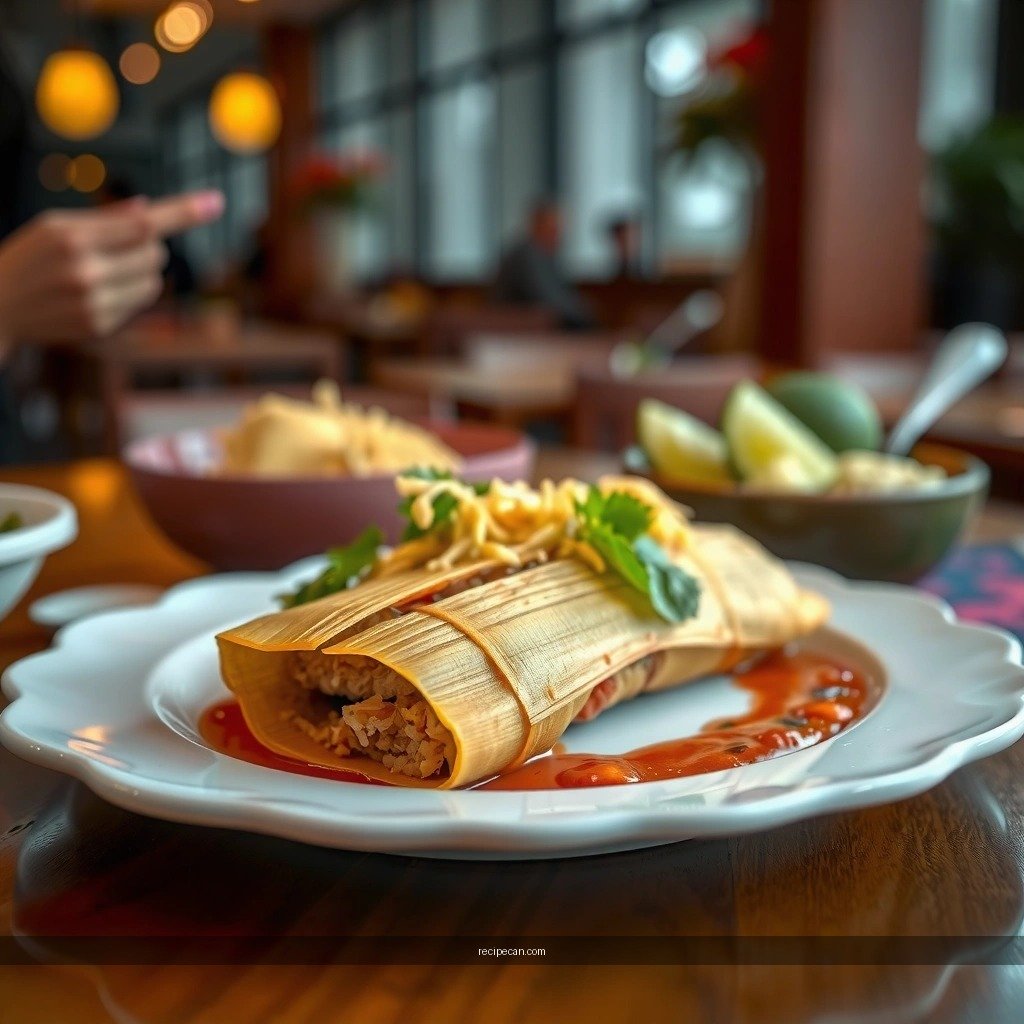
Texture is the operational goal of tamale masa: it needs structure for shaping, tenderness for bite, and elasticity for steam stability. Traditional methods often emphasize whipping lard first, then gradually introducing warm broth to create an evenly hydrated, aerated dough.
– Whip lard until light, then combine gradually with warm broth
Start with room-temperature or softened lard so it creams smoothly. Whipping increases aeration, which can help the masa feel fluffy rather than dense. After that, add warm broth in increments while mixing. This staged method prevents lumps and gives the masa harina time to fully hydrate.
– Mix until smooth and elastic—thick but spreadable
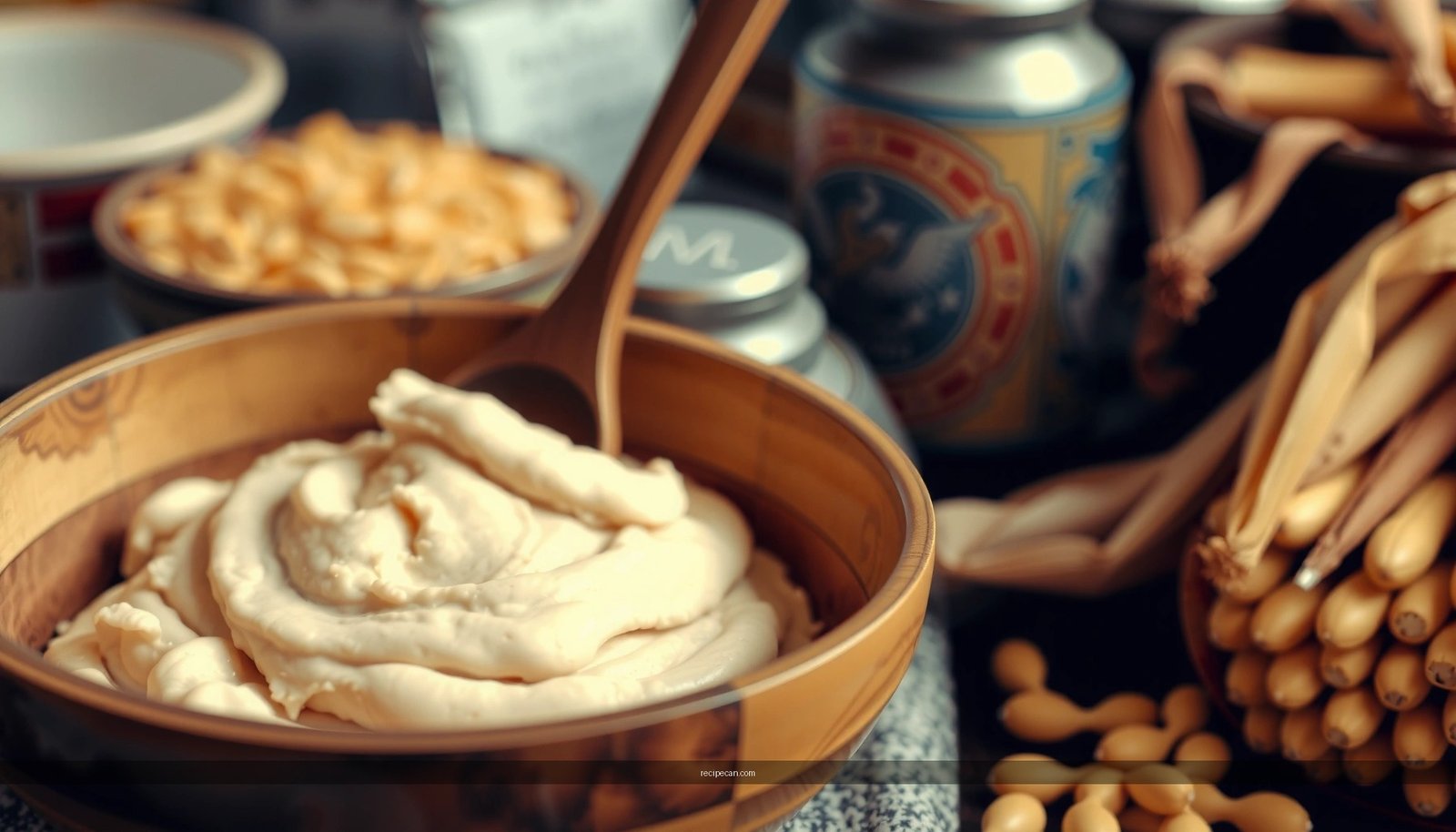
You’re aiming for masa that spreads cleanly without running. A practical benchmark: when you lift a spoonful, it should fall slowly and smooth out on the surface. If it looks curdled, grainy, or refuses to smooth, your hydration may be incomplete—give it additional mixing time and consider a small broth adjustment.
Analytical tip for consistent outcomes:
Let the mixed masa rest 10–20 minutes before final spreading. Hydration continues as the flour absorbs liquid, and the dough typically becomes easier to spread and less sticky over time. Resting also improves uniformity for large batches, which matters if you’re cooking for a group.
Seasoning and Flavor Adjustments
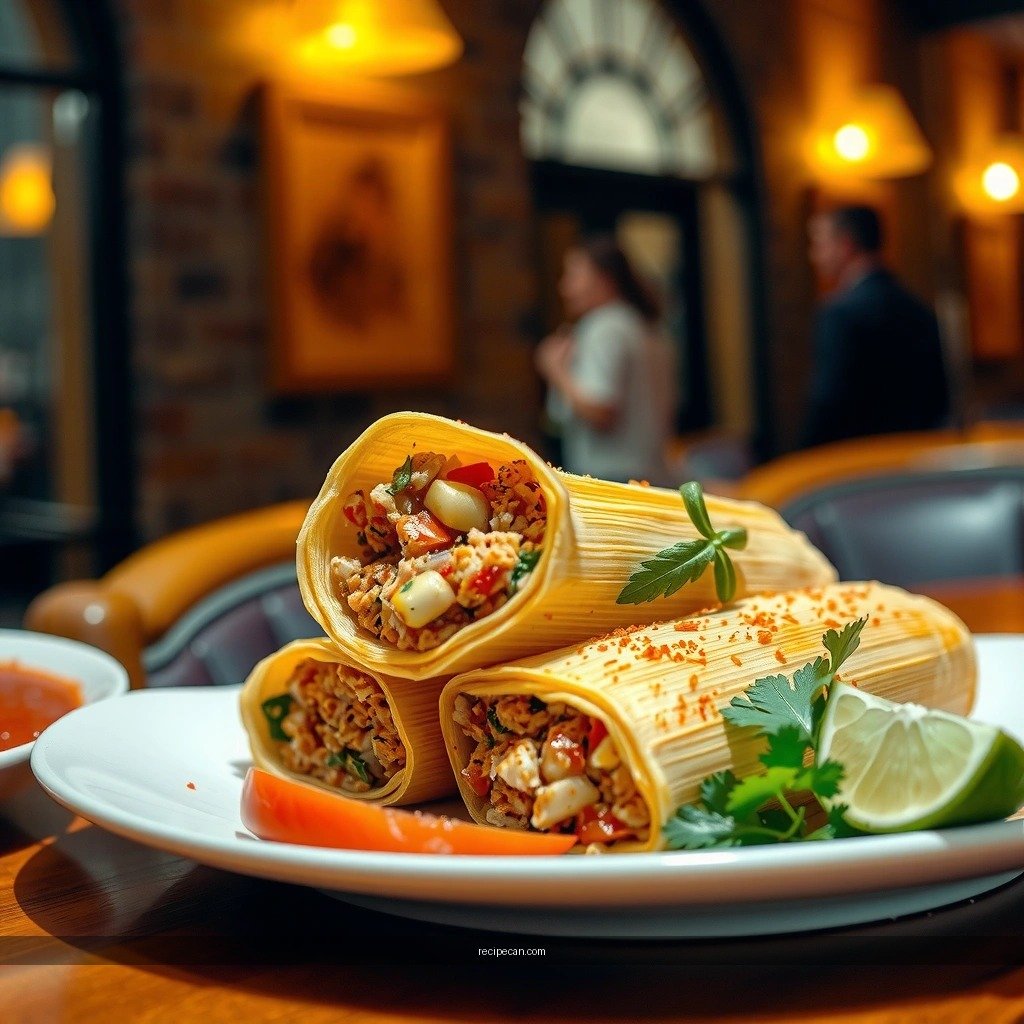
Authentic tamale masa is seasoned enough to stand on its own—because once steamed, flavors mellow and soften. If the masa tastes bland before steaming, it often tastes flat afterward unless your filling adds compensating salt and heat.
– Add salt to taste and keep the seasoning balanced
Salt affects more than flavor: it sharpens corn character and strengthens perceived cohesion. Start slightly conservative, then adjust. If your chili sauce is already salty, reduce masa salt modestly to avoid over-seasoning.
– Consider blending in chili flavor for a classic, rich base
Many cooks add chili flavor directly into the masa for depth and uniform heat. The common approach is to blend toasted or dried chilies into a smooth puree, then incorporate it during mixing or add it alongside broth. This creates an integrated chili aroma that won’t be limited to the filling.
Flavor strategy for beginners (high success rate):
Season the masa so that it tastes “pleasantly seasoned” but not aggressively hot. Then taste your filling separately. Together, the steamed tamale should balance savory corn, fat richness, and chili warmth without any single element dominating.
Assemble and Spread the Masa for Tamales
Even steaming depends on even thickness. The masa spread step is often where home cooks lose the “authentic” result—too thick in one area, too thin in another, or uneven coverage that leaves gaps for steam penetration.
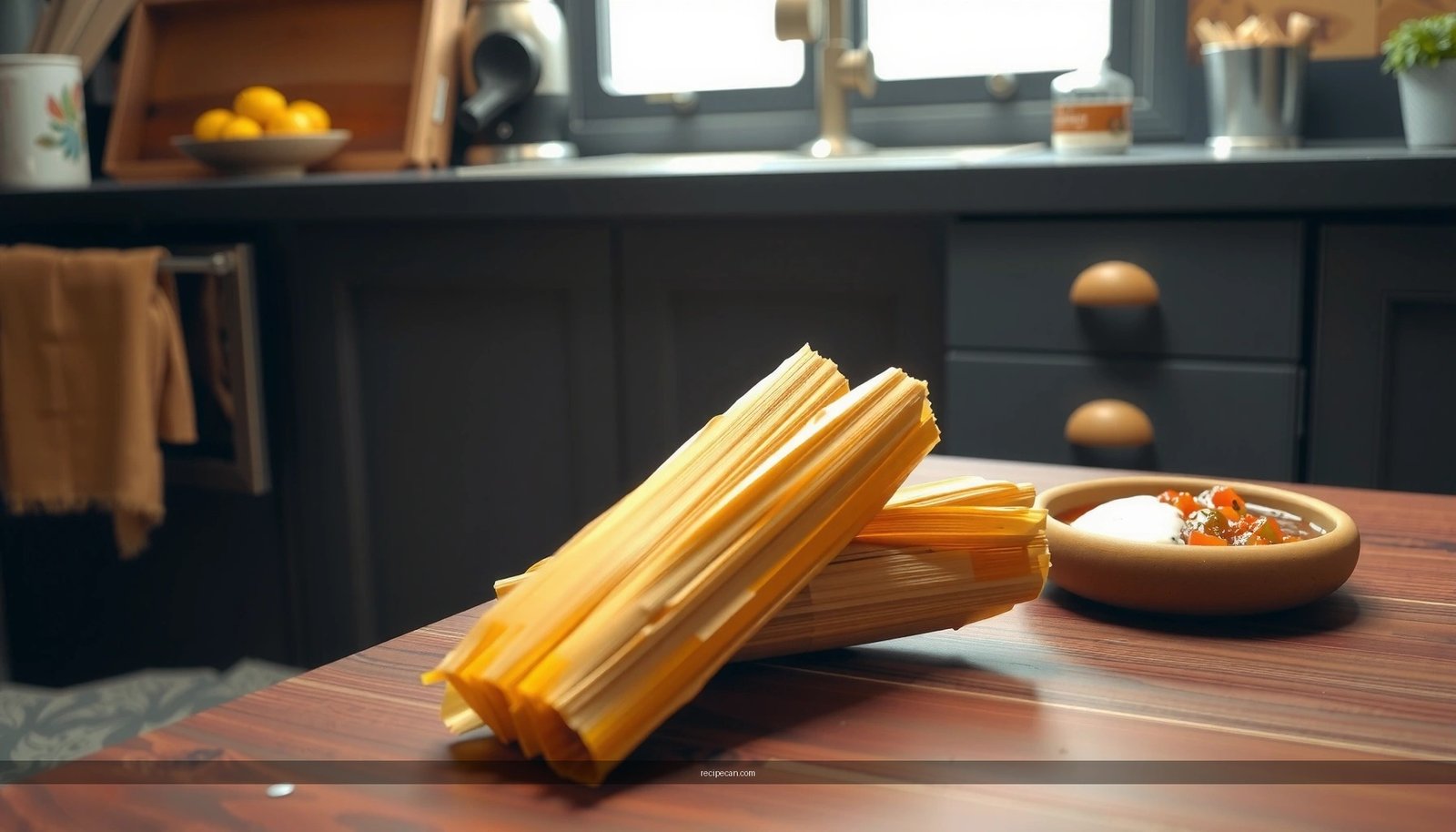
– Use a damp hand to spread masa evenly on soaked corn husks
Dampening your hands reduces sticking and helps you form a smooth layer without tearing the husk. Spread gently from the center outward, using consistent pressure rather than scrubbing across the surface.
– Keep a consistent thickness so tamales steam uniformly
Aim for a uniform layer that covers enough surface area to seal around the filling. If the masa is too thin, the tamale may tear during unwrapping or taste more like husk and filling than corn dough. If it’s too thick, it can steam unevenly—especially around the top seam where heat and moisture can vary.
Operational tip:
As you assemble, periodically check your layer thickness against a simple visual cue: the masa should look smooth and matte after spreading, not glossy wet and not dry and cracked.
Steam Time and Doneness Tips
Steaming is a precision process disguised as a simple kitchen task. Tamales require steady steam, upright stacking (for structural consistency), and enough time for the masa to fully set and release from the husk.
– Stack tamales upright and steam until masa pulls cleanly from the husk
Upright stacking helps moisture circulation and supports a stable shape. Doneness is best confirmed when the masa’s edges pull cleanly away from the husk without gummy resistance. That “release” indicates the starch has fully gelatinized and the dough has set.
– Add water as needed to maintain steady steam
Don’t let the steamer run dry. Use a lid and check water levels periodically. The goal is constant steam production—not boiling violently, which can cause temperature swings and uneven cooking.
Time guidance (typical range):
Smaller tamales may cook in about 45–70 minutes, while larger or denser tamales often require 75–120 minutes. The best practice is to check starting at the earlier end and then reassess every 10–15 minutes until the masa releases.
Troubleshooting Common Masa Issues
Masa troubleshooting is less about “fixing a ruined batch” and more about adjusting hydration and structure in a controlled way. Because tamale masa is forgiving, you can often recover by applying small, incremental corrections.
– Too dry? Add warm broth a little at a time and remix
Dry masa feels stiff, cracks while spreading, and won’t smooth out. Add broth gradually—usually a tablespoon or two at a time—then mix thoroughly before deciding whether more is needed. Remember: resting time also helps, so let it sit briefly between adjustments.
– Too greasy or loose? Whisk briefly and adjust by adding a small amount of masa harina
If the masa seems oily, overly runny, or fails to hold shape, it may be underhydrated relative to its fat content or too watery overall. Brief whisking can re-emulsify, and adding a small amount of masa harina can restore thickness. Add slowly to avoid turning it from loose to dry.
Rapid diagnosis: masa texture vs. fix
What to Do When Your Tamale Masa Is Off-Texture
| # | Observed Issue | Likely Cause | Best Adjustment | Expected Outcome |
|---|---|---|---|---|
| 1 | Cracks while spreading | Too little broth | Add warm broth 1–2 tbsp at a time | Spreadable, smooth layer |
| 2 | Sticks to husk | Underhydrated flour | Rest 15 minutes, then mix again | Cleaner release |
| 3 | Gummy texture after steaming | Insufficient steam time | Steam 10–20 minutes longer, steady heat | Firm, pulls cleanly |
| 4 | Oily shine, sloppy shape | Too much liquid or fat ratio off | Whisk 30–60 sec; add masa harina 1 tbsp increments | Stabilized thickness |
| 5 | Grainy dough | Incomplete hydration | Mix longer + rest; add broth only if needed | Smoother, elastic masa |
Steady mixing, properly seasoned masa, and careful steaming are what make a traditional tamale masa recipe truly turn out right. If you want the best results, follow the texture cues closely—then assemble and steam your tamales until the masa is set and easy to release. Make a batch today and tweak seasoning once you taste your first round.
In the end, authentic tamale masa is a process of control: choose the correct masa harina, cream the fat, hydrate with warm broth, season deliberately, and assemble with consistent thickness. When those steps are aligned, you’ll get masa that spreads cleanly, steams evenly, and delivers the classic corn-and-chili flavor that defines great tamales.
Frequently Asked Questions
What is a traditional tamale masa recipe made of?
A traditional tamale masa recipe typically uses masa harina, warm broth or water, salt, and fat (usually lard) for flavor and texture. Many regional versions also add baking powder to help the masa rise slightly and become lighter. If you’re aiming for classic tamales, using lard and warm liquid is key to getting an authentic, spreadable masa.
How do you make traditional tamale masa from masa harina?
Start by mixing masa harina with salt and baking powder (if using), then gradually add warm broth while stirring to form a smooth dough. Next, beat the lard until fluffy and fold it into the masa until the mixture is creamy and evenly combined. The texture should be thick but spreadable—if it feels dry, add a splash more warm broth; if it’s too loose, add a little more masa harina.
Why is lard used in traditional tamale masa, and what can you use instead?
Lard is traditionally used because it produces a rich flavor and tender, moist masa that holds up during steaming. Using a good fat substitute (like vegetable shortening or coconut oil) can work, but the masa may have a slightly different taste and mouthfeel. For best results with substitutions, choose solid fats with a similar melt behavior and adjust hydration carefully so the masa remains spreadable.
How do you know when your tamale masa is the right consistency?
The most common test is the “spoon test” or a similar consistency check: the masa should be thick enough to hold shape, not run like batter. When you spread it, it should glide smoothly without cracking or pulling apart. If it cracks, mix in warm broth a little at a time; if it’s gummy or too wet, add masa harina gradually until it firms up.
Which baking powder ratio and steaming method work best for traditional tamales?
For a traditional tamale masa recipe, a common approach is to use baking powder sparingly—about 1 to 2 teaspoons per 4 cups of masa harina—so the masa lifts without becoming dry. After assembling the tamales, steam until the masa sets and pulls away slightly from the husk, which usually takes around 60 to 90 minutes depending on tamale size and how many are in the pot. Keeping a steady simmer (not boiling water) helps the masa cook evenly for tender, authentic results.
References
- Google Scholar Google Scholar
https://scholar.google.com/scholar?q=traditional+tamale+masa+recipe+nixtamalization - Google Scholar Google Scholar
https://scholar.google.com/scholar?q=masa+harina+nixtamalization+tamales+corn+dough+traditional+preparation - Google Scholar Google Scholar
https://scholar.google.com/scholar?q=nixtamalized+corn+masa+properties+for+tamales - Tamale
https://en.wikipedia.org/wiki/Tamale - Masa
https://en.wikipedia.org/wiki/Masa_harina - Nixtamalization
https://en.wikipedia.org/wiki/Nixtamalization - https://www.britannica.com/topic/tamale
https://www.britannica.com/topic/tamale - https://pubmed.ncbi.nlm.nih.gov/?term=nixtamalization+masa+properties
https://pubmed.ncbi.nlm.nih.gov/?term=nixtamalization+masa+properties - https://www.sciencedirect.com/search?qs=nixtamalization+masa+harina
https://www.sciencedirect.com/search?qs=nixtamalization+masa+harina - Wild Bees Are Worth $1.5 Billion for Six U.S. Crops
https://www.smithsonianmag.com/smart-news/whats-nixtamalization-180975488/