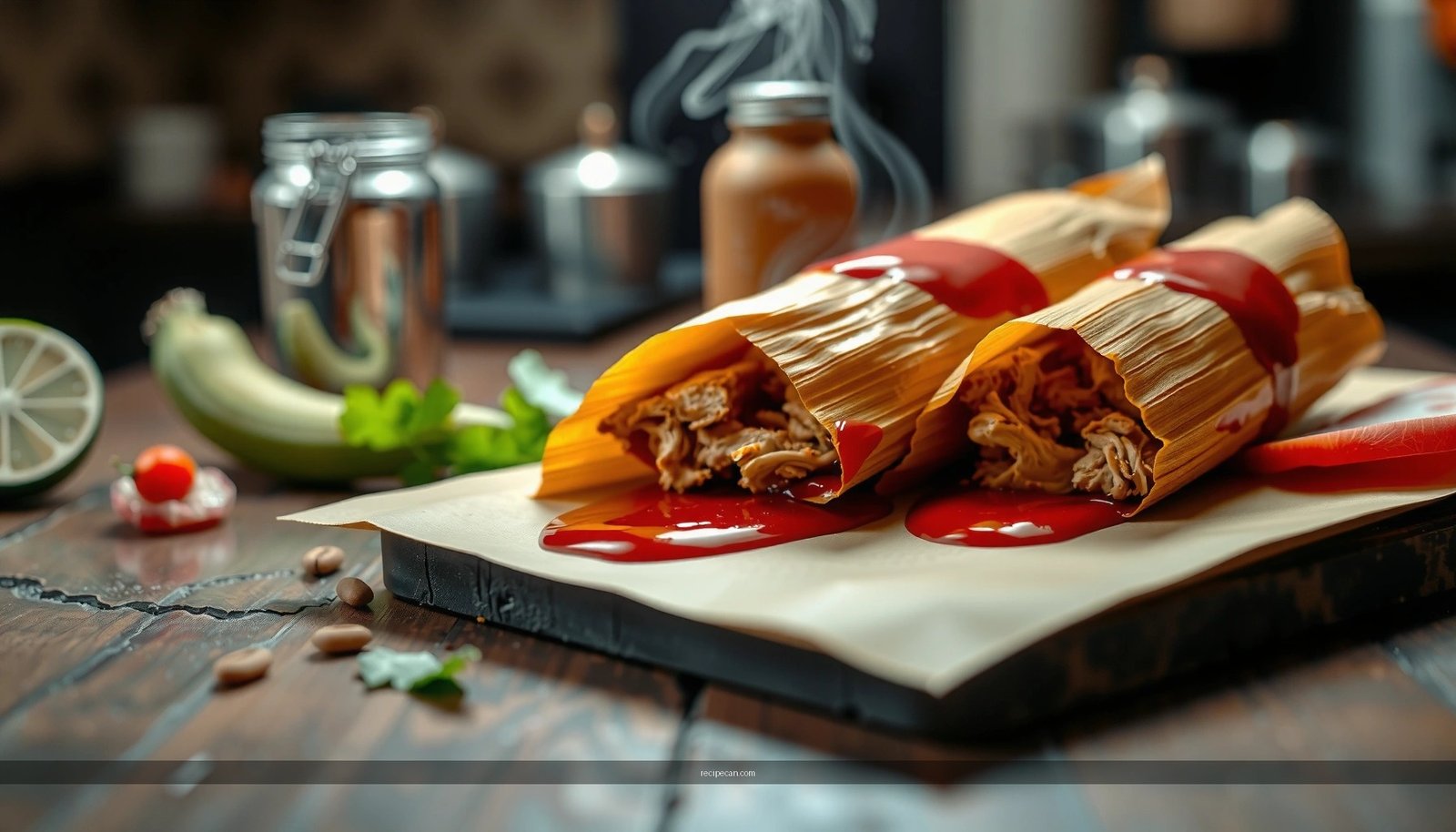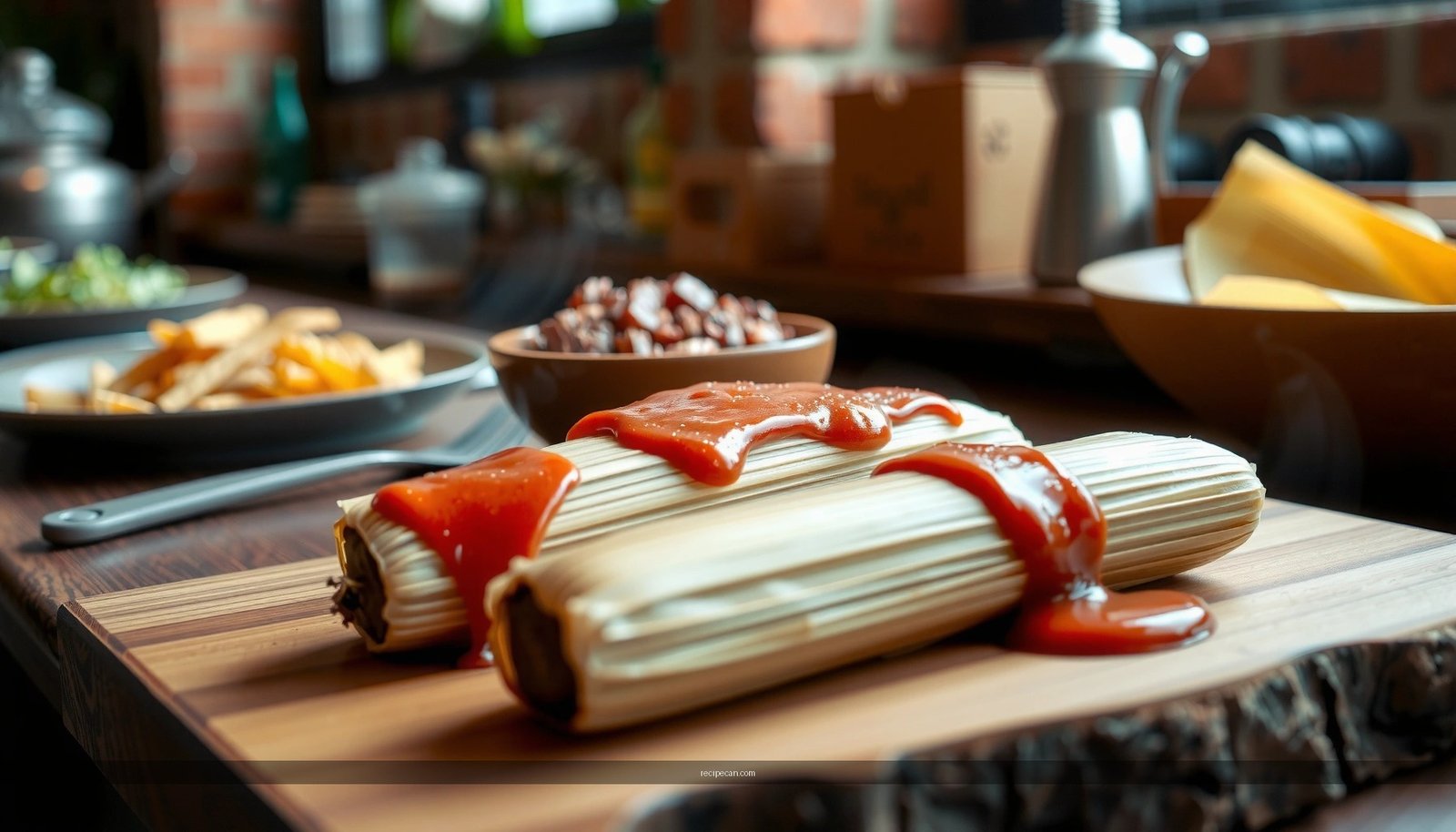
Get a tamales sauce recipe that delivers real, authentic flavor—without guesswork—so your tamales taste rich, not bland. This guide shows the exact ingredients and step-by-step method to make a flavorful, workable sauce every time. If you want the winning sauce for flavoring tamales consistently, this is the one to follow.
Make a rich, authentic tamales sauce by blending toasted dried chiles with aromatics, broth, and spices—then simmering until it turns silky and thick enough to cling to masa. In practice, the difference between “good” and “restaurant-style” tamales sauce is mostly technique: choosing the right dried chiles, toasting them without burning, blending smooth, and simmering just long enough to develop flavor and body.
Choose Your Chile Base
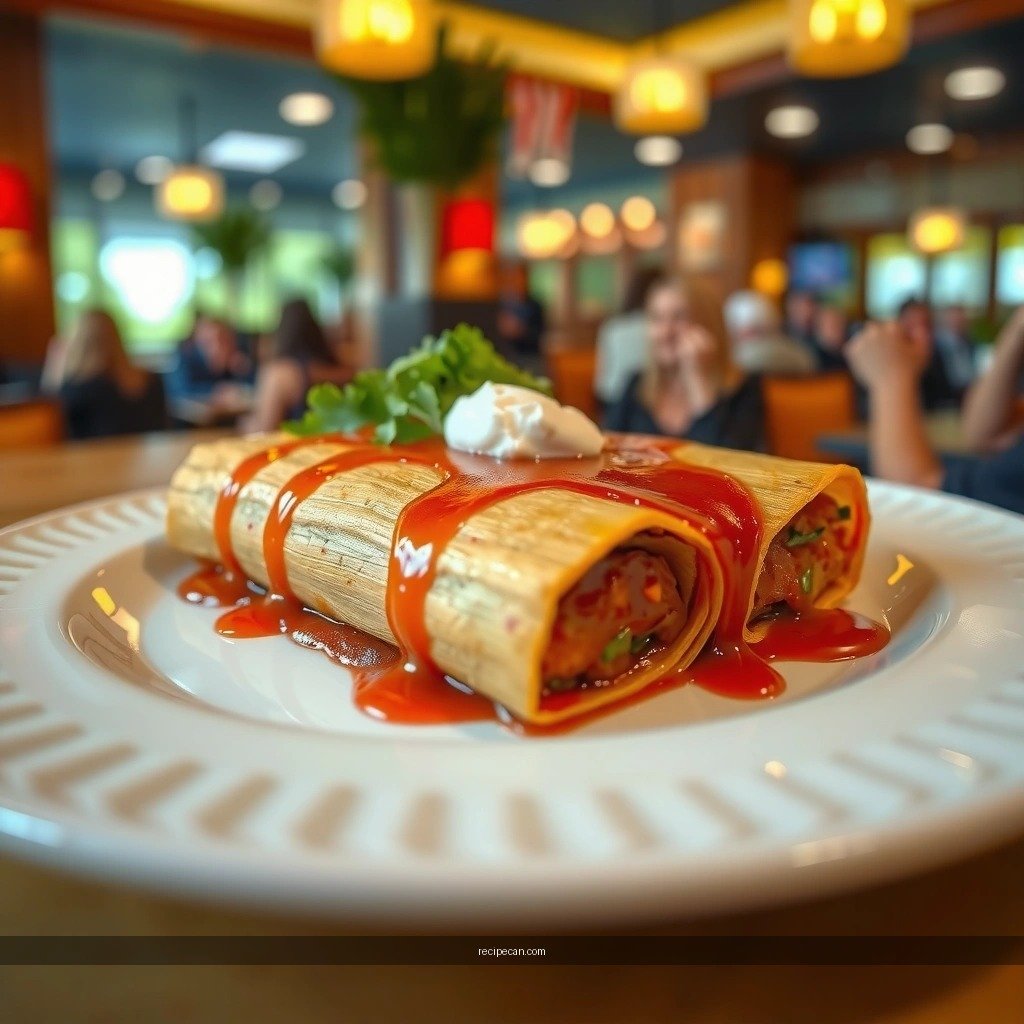
For authentic tamales sauce, dried chiles are your foundation because they bring concentrated flavor, natural color, and the kind of roasted depth that fresh chiles can’t fully replicate. The most common Mexican-style approach uses a single chile for simplicity or a chile blend for complexity.
– Use dried chiles (like ancho or guajillo) for deep flavor
– Ancho (dried poblano) is mild to medium heat with a raisin-like sweetness and cocoa notes—excellent for a balanced red sauce.
– Guajillo offers a brighter, tangier profile with moderate heat and a gentle smoky finish—ideal for tamales sauce that tastes “layered” instead of flat.
– If you want more heat, you can include a small amount of pasilla (earthy, deeper) or chipotle (smokier and spicier), but keep ratios modest so it doesn’t dominate.
– Toast and rehydrate chiles before blending to avoid bitterness
Dried chiles are flavorful, but they can turn harsh if treated incorrectly.
1) Toast briefly: Heat a dry skillet over medium-low and toast chiles for about 15–25 seconds per side until fragrant (no smoking or scorching).
2) Rehydrate: Soak toasted chiles in hot water or hot broth for 15–25 minutes until softened.
3) Blend with soaking liquid: Use some of the rehydrating liquid to control thickness and achieve a smoother blend.
A key analytical takeaway: bitter sauces usually come from burnt chiles or blending without adequate soaking. The goal is not just rehydration—it’s extracting sweetness and roasted aroma, then turning everything into a cohesive emulsion.
Essential Ingredients and Seasonings
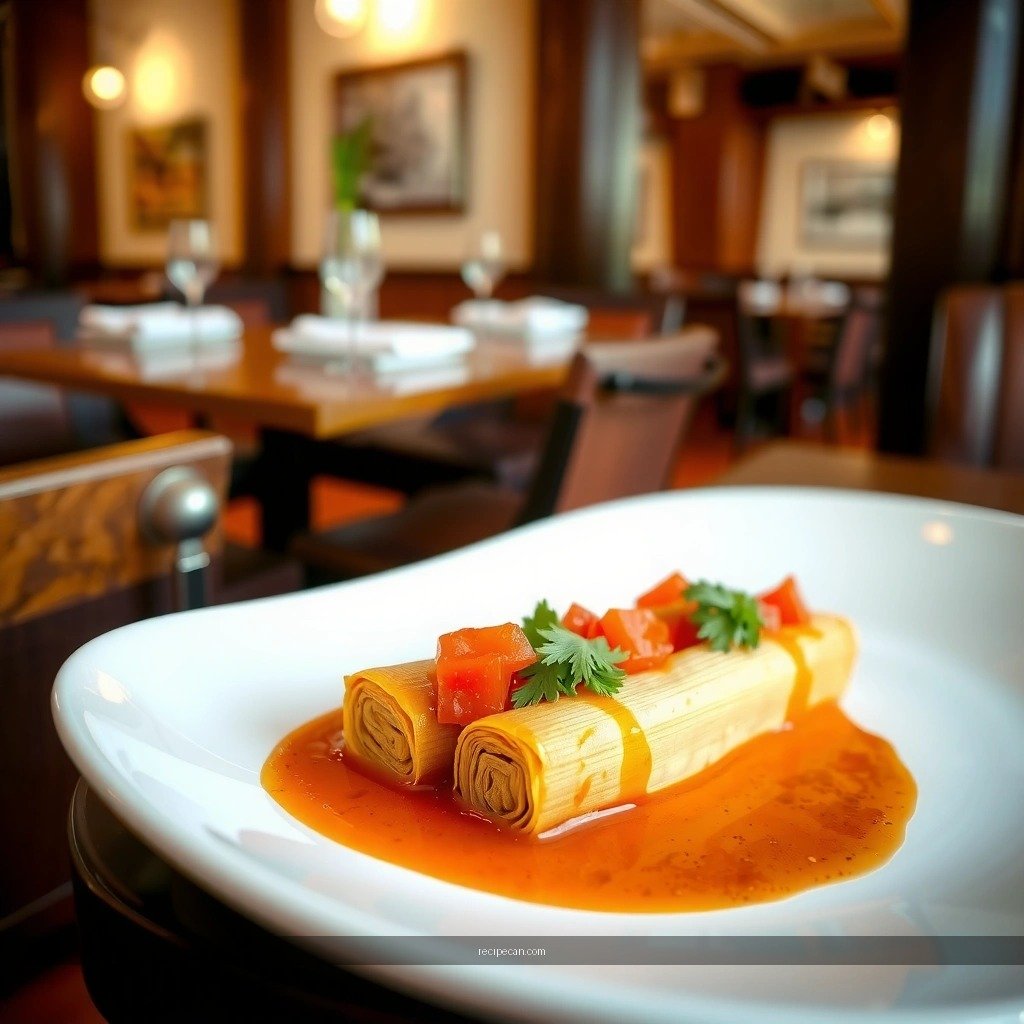
Once your chile base is ready, build a savory layer using aromatics and classic spices. Tamales sauce should taste like a complete cooking sauce—not like chile water with heat.
– Blend in aromatics like garlic and onion for a savory base
Aromatics add structure and help tamales sauce taste “cooked” rather than merely blended.
– Garlic contributes pungency that rounds out the chile’s bitterness.
– Onion adds sweetness and body.
For best results, sautéing the onion (and sometimes lightly toasting garlic) before blending can improve overall depth—though many traditional recipes also blend them raw if the simmering time is sufficient.
– Add broth and spices (salt, cumin, oregano as desired) to balance heat
Think of seasoning as a balancing act: chile provides bitterness/smokiness; aromatics provide sweetness/savory notes; broth and salt provide cohesion. Common, reliable seasonings include:
– Salt (start lightly; adjust after simmering)
– Cumin (warm, earthy; use sparingly so it doesn’t taste dusty)
– Mexican oregano or oregano (light herbal lift)
– Black pepper (optional for subtle heat)
– A tiny pinch of clove or cinnamon is sometimes used in darker chile sauces for complexity, but it’s easy to overdo—use only if you already enjoy that profile.
To understand why broth matters: simmering reduces water and thickens the sauce naturally. Using chicken or beef broth (depending on your filling) adds umami so the sauce doesn’t taste flat once it clings to masa.
Quick reference: Chile blend strength (what cooks typically choose)
Below is a practical guide to how different chile bases tend to perform in tamales sauce. While recipes vary by region, these are realistic, commonly used flavor/heat expectations.
Tamales Sauce Chile Bases: Flavor Strength & Heat (Typical Use)
| # | Chile Base | Heat Level (1–5) | Flavor Intensity (1–5) | Best With |
|---|---|---|---|---|
| 1 | Ancho + Guajillo (50/50) | 2–3 ★★ | 4 ★★★★ | Pork & chicken |
| 2 | Guajillo (single) | 2 ★★ | 3–4 ★★★★ | Chicken & turkey |
| 3 | Ancho (single) | 1–2 ★★ | 3 ★★★ | Beef & mild pork |
| 4 | Pasilla (single) | 2–3 ★★ | 4 ★★★★ | Beef & lamb |
| 5 | Chipotle (mild/limited) | 3–4 ★★★★ | 4 ★★★★ | Spicy pork (use lightly) |
| 6 | Ancho + Pasilla (50/50) | 2–3 ★★★ | 5 ★★★★★ | Rich beef tamales |
| 7 | Guajillo + Chipotle (70/30) | 3 ★★★ | 4 ★★★★ | Spiced chicken or pork |
Blend and Simmer for the Right Texture
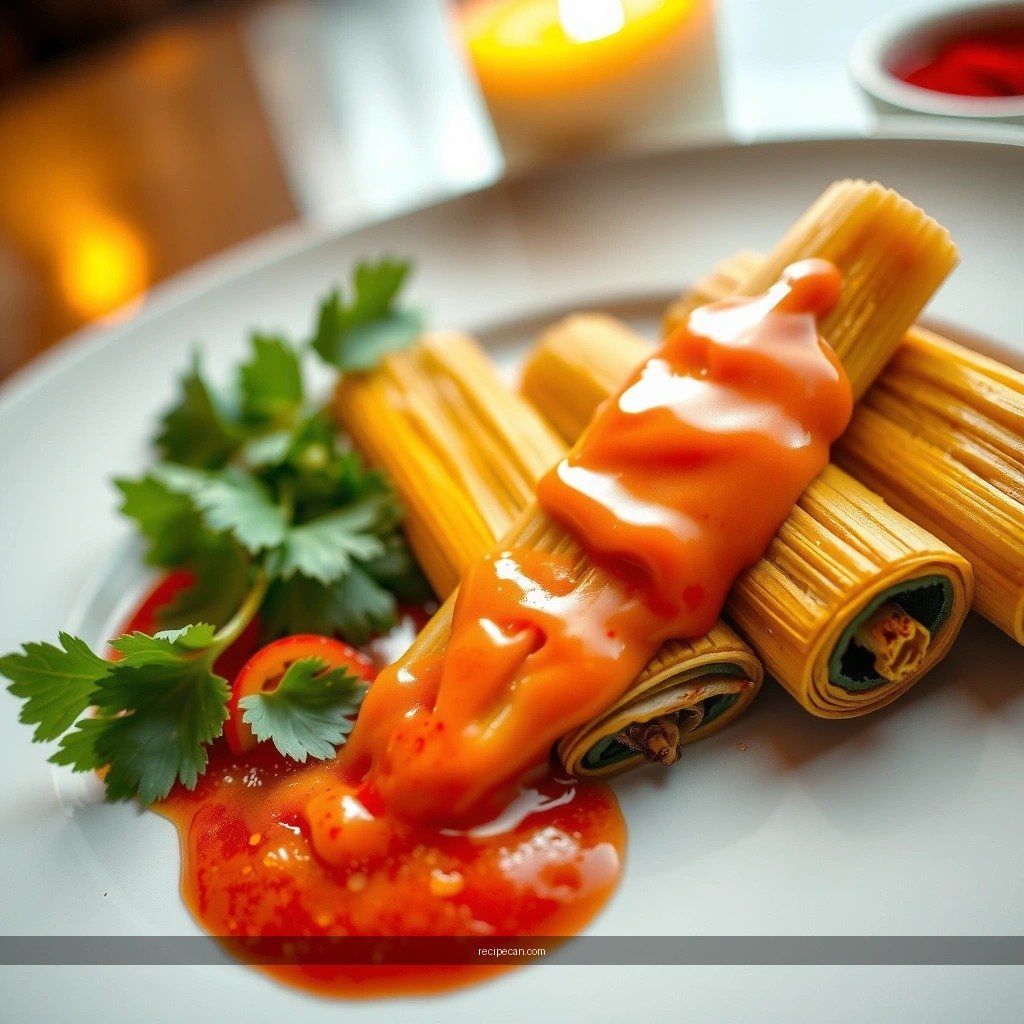
A tamales sauce must have the right viscosity: too thin, and it runs off masa; too thick, and it tastes paste-like. The texture target is “smooth and lightly coats a spoon,” with enough body to cling.
– Blend until smooth, then simmer to thicken and develop flavor
1) Blend in stages: Start with chiles + soaking liquid + aromatics, then add broth gradually to reach a blendable consistency.
2) Strain if desired: For a restaurant-like finish, strain the sauce through a fine mesh sieve to remove skins and fiber. This step is especially valuable for chile-heavy blends.
3) Simmer: Pour blended chile mixture into a pot and simmer gently 15–25 minutes, stirring occasionally. Simmering drives off raw chile notes and reduces water for thickness.
– Adjust consistency with broth if it’s too thick, or simmer longer if too thin
Use a simple operational rule:
– If it’s too thick: add broth 1/4 cup at a time and simmer 5 minutes to integrate.
– If it’s too thin: simmer uncovered longer, checking every few minutes.
This “control loop” prevents over-reduction, which can make tamales sauce taste concentrated or overly bitter.
A practical note for tamales makers: the sauce should be prepared before assembling so it has time to settle. If you’re making a large batch, you can simmer to slightly thicker than final, because it will loosen slightly as it warms and contacts hot masa.
How to Taste and Adjust Heat
Taste isn’t optional—tamales sauce is one of those dishes where small adjustments determine whether the final product is balanced or harsh.
– Taste after simmering and tweak salt before finishing
Salt perception changes as the sauce reduces and concentrates. If you salt early, you can accidentally overshoot after simmering. Instead:
1) Simmer first,
2) Taste,
3) Add salt gradually, then simmer 2–3 minutes more to harmonize flavors.
– Add extra chile or a pinch of spice for more heat without overpowering
If you want more heat while keeping authenticity:
– Add a small amount of additional chile (or chile soaking liquid) if the sauce tastes mild in both flavor and heat.
– Add a pinch of cumin or oregano if it needs “lift” without adding burning sensation.
– For smoky heat, increase chipotle minimally—because chipotle brings strong smoke, it can shift the whole profile quickly.
Professional approach: adjust heat using flavor balance, not only capsaicin intensity. If heat goes up, check salt and acidity (some cooks add a small squeeze of lime or a spoon of broth-based flavor if the sauce tastes flat).
Pairing Sauce Tips for Tamales
The best tamales sauce doesn’t exist in isolation—it’s designed for a specific filling. Matching chile style to the protein (and fat content) improves overall coherence.
– Use sauce to coat masa lightly or serve alongside cooked tamales
Two common methods:
– Coat lightly: Brush or spoon a thin layer into the masa or on the finished tamales. This keeps masa from getting soggy while ensuring flavor penetration.
– Serve alongside: Portion sauce in a bowl so diners can customize intensity and wetness.
– Match chile style to your filling (pork, chicken, cheese) for best flavor
– Pork: Ancho/guajillo blends are ideal—rich but balanced, with enough sweetness to complement rendered fat.
– Chicken: Guajillo-forward sauces tend to taste brighter and cleaner.
– Cheese (or vegetarian tamales): Milder ancho sauces prevent overpowering delicate flavors.
– Beef: Pasilla or ancho + pasilla combinations provide deeper earthiness that stands up to slow-cooked meat.
If you’re offering multiple filling types, consider making one core sauce and adjusting the heat level at the end (e.g., reserving part of the batch and adding chipotle to a second portion).
Storage and Make-Ahead Instructions
Great tamales sauce is also a strong planning tool. Because it stores well, you can streamline assembly days and reduce stress.
– Cool quickly, then store in the fridge for up to 3-4 days
For safe, high-quality storage:
1) Cool sauce to room temperature within about 1–2 hours (stirring helps release heat).
2) Store in airtight containers.
3) Refrigerate up to 3–4 days.
– Reheat gently with a splash of broth to restore smoothness
Reheating can thicken sauce further. To restore original texture:
– Warm over low heat, stirring frequently.
– Add 1–2 tablespoons of broth at a time until it returns to spoon-coating consistency.
If you want longer storage, freeze in portions (for example, small containers sized for a single tamale batch). Thaw in the refrigerator overnight, then reheat gently with a splash of broth.
If you follow these steps—choose the right chiles, simmer for thickness, and taste to balance heat—you’ll get a tamales sauce that’s flavorful, authentic, and ready to use. Make a batch, keep it on hand, and try it with your next tamale filling for an instant upgrade—then adjust the heat level until it’s perfect for your taste.
Frequently Asked Questions
What are the best tamales sauce recipes for red and green tamales?
The most common tamales sauce recipe is a rich red sauce (often made with dried guajillo and/or ancho chiles, garlic, onion, and broth) or a tangy green sauce (typically blended with tomatillos, cilantro, serrano or jalapeño, and garlic). For red tamales, roast and rehydrate the chiles, blend until smooth, then simmer until thick and flavorful. For green tamales, cook the tomatillos briefly to mellow their tartness, blend, and simmer to reduce slightly for a sauce that clings to the masa.
How do I make tamales sauce from dried chiles without it turning bitter or too spicy?
Start by removing stems and seeds from dried chiles, then toast them lightly (until fragrant, not dark) before soaking in hot water until softened. Blend the chiles with garlic, onion, and enough soaking liquid or broth to make a smooth sauce, then simmer to mellow the heat and develop depth. If the sauce tastes bitter, it’s usually from burnt chiles—strain the sauce and simmer longer with a small pinch of salt or a little broth to balance.
Which ingredients make the tamales sauce taste authentic and not bland?
Authentic tamales sauce usually relies on layered flavors: rehydrated chiles (for red) or tomatillo and fresh aromatics (for green), plus garlic and onion. Adding a small amount of toasted spice (like cumin or dried oregano), salt to taste, and a touch of acid (lime juice for green or a little vinegar depending on the chile blend for red) helps the sauce taste vibrant instead of flat. If your sauce is bland, keep simmering briefly to concentrate flavor and adjust with salt, chile, or a small splash of broth.
How thick should tamales sauce be, and how can I fix it if it’s too runny?
Tamales sauce should be thick enough to coat a spoon and lightly cling to the masa, not watery enough to pool at the bottom of the tamale. If your sauce is too runny, simmer it uncovered until it reduces, or add a tablespoon of masa harina mixed with warm broth to thicken gradually. You can also blend in a small amount of cooked chile paste for red sauce or cooked tomatillo for green sauce to improve body without changing the flavor too much.
Why does my tamales sauce separate, and how do I prevent it?
Separation usually happens when the sauce isn’t fully blended, the fat and water aren’t emulsified, or the sauce wasn’t simmered long enough to unify flavors. Blend until completely smooth, then simmer gently while stirring so the tamales sauce thickens evenly and becomes cohesive. If it separates after cooking, whisk vigorously and reheat slowly; adding a small spoon of masa slurry can also help re-emulsify the sauce.
References
- Tamale
https://en.wikipedia.org/wiki/Tamale - https://en.wikipedia.org/wiki/Salsa_roja
https://en.wikipedia.org/wiki/Salsa_roja - Salsa verde
https://en.wikipedia.org/wiki/Salsa_verde - Mole
https://en.wikipedia.org/wiki/Mole - Pumpkin seed
https://en.wikipedia.org/wiki/Pipi%C3%A1n - Mole | Description, Sauce, Mexican Cuisine, Ingredients, & Uses | Britannica
https://www.britannica.com/topic/mole-sauce - https://www.britannica.com/topic/tamale
https://www.britannica.com/topic/tamale - Google Scholar Google Scholar
https://scholar.google.com/scholar?q=tamales+sauce+recipe - Google Scholar Google Scholar
https://scholar.google.com/scholar?q=mole+for+tamales+recipe - Google Scholar Google Scholar
https://scholar.google.com/scholar?q=salsa+roja+for+tamales+recipe