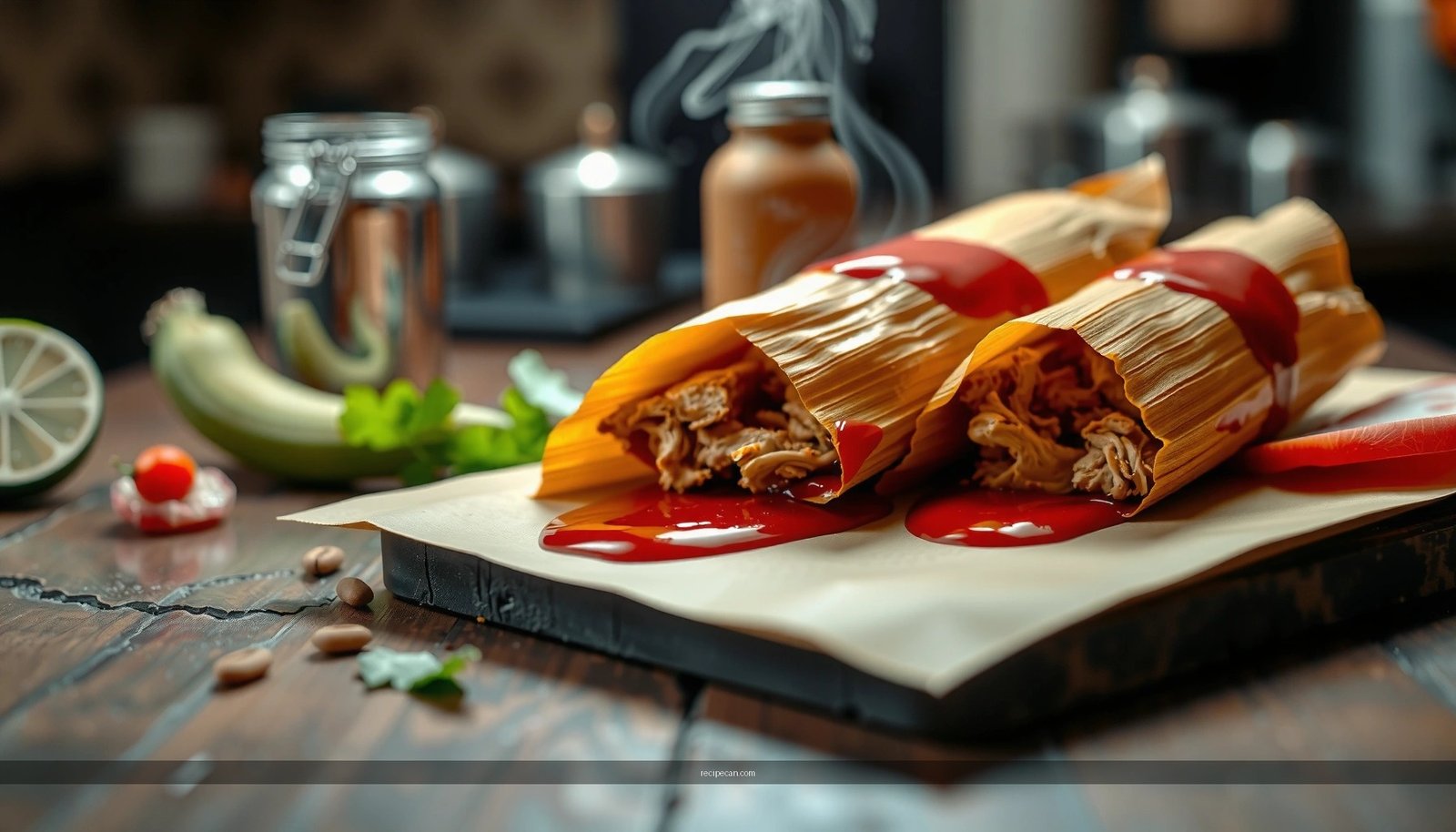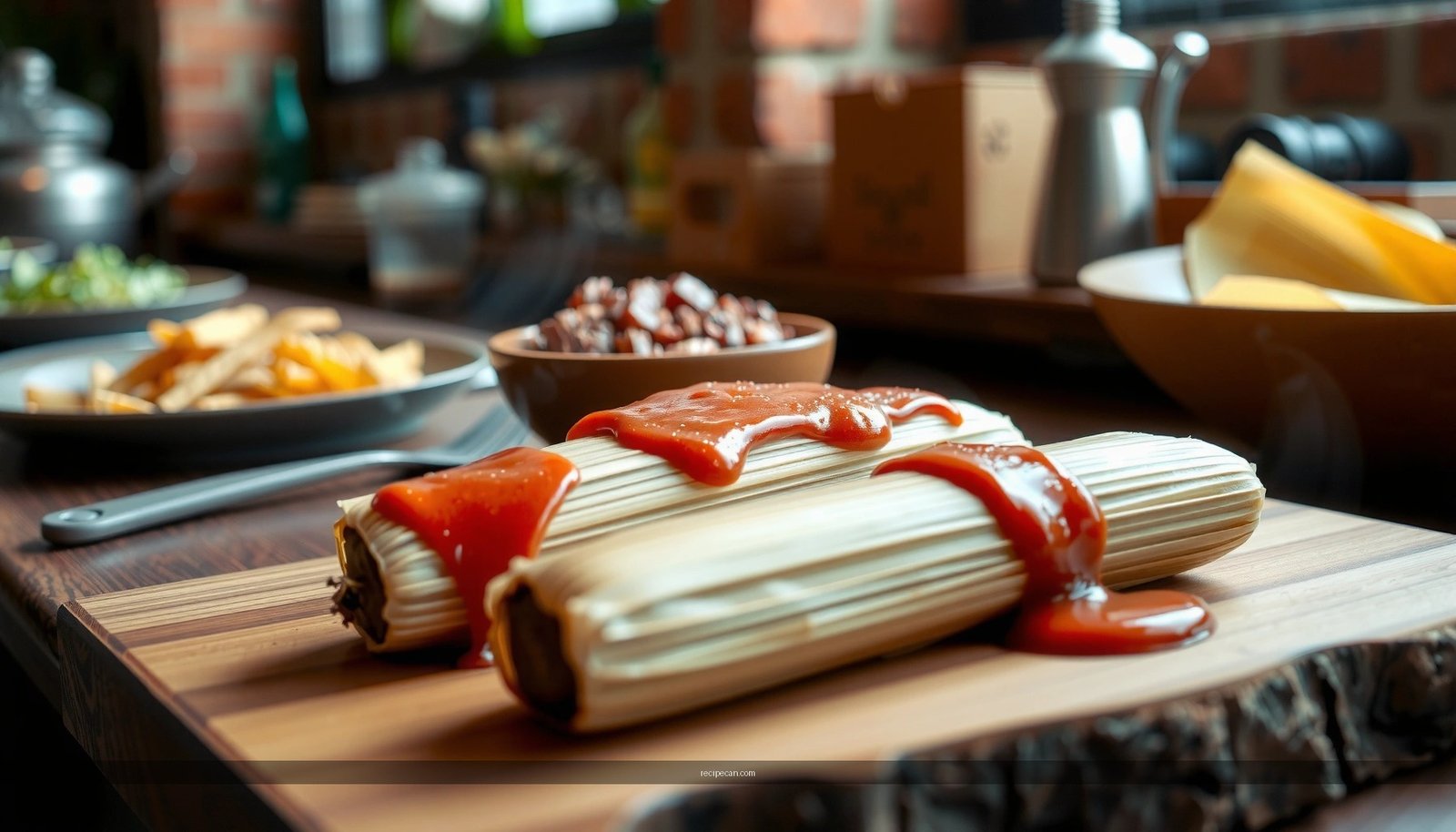
Want the best tamale pie recipe using masa that actually slices cleanly and tastes like real tamales? This recipe gives you a masa topping with the right hydration and seasoning, so the crust comes out tender, set, and flavorful instead of gummy. If you follow the simple masa method, you’ll get a reliable pie every time—no guesswork, no shortcuts.
A great tamale pie recipe with masa boils down to two controllable factors: getting the masa layer to the right spreadable thickness and building a filling that’s thick enough not to soak. Follow the steps below—masa prep, savory filling, careful assembly, and a proper bake-and-rest cycle—and you’ll get a sliceable, scoop-friendly comfort pie with classic tamale flavor.
Tamale pie is essentially tamale flavor baked into a structured casserole: seasoned masa forms the “crust,” a robust filling sits inside, and a second masa layer seals everything for even heating. Unlike stovetop tamales (which are steamed and individually wrapped), this baked approach is ideal for weeknights and meal prep because it’s faster, shareable, and forgiving. The goal is texture: tender and cohesive masa on the outside, and a filling that tastes like it belongs in a tamale—moist, spiced, and not watery.
Masa Consistency Targets for Tamale Pie (Practical Benchmarks)
| # | Masa Harina (g) | Liquid Added (ml) | Spreadability | Bake Integrity | Outcome Rating |
|---|---|---|---|---|---|
| 1 | 250 | 330 | Thick, spoonable | Holds shape well | ★★★★★ (5.0) |
| 2 | 250 | 320 | Smooth, slightly firm | Cohesive layers | ★★★★☆ (4.6) |
| 3 | 250 | 340 | Spreadable, not runny | Tender but stable | ★★★★☆ (4.5) |
| 4 | 250 | 350 | Softer, quick to level | Slightly softer slice | ★★★☆☆ (3.8) |
| 5 | 250 | 360 | Loose, may seep | Borderline set | ★★☆☆☆ (2.6) |
| 6 | 250 | 300 | Thick, resistant spread | Can bake uneven | ★★★☆☆ (3.1) |
| 7 | 250 | 380 | Runny | Soggy, poor slicing | ★☆☆☆☆ (1.5) |
Choose the Right Masa
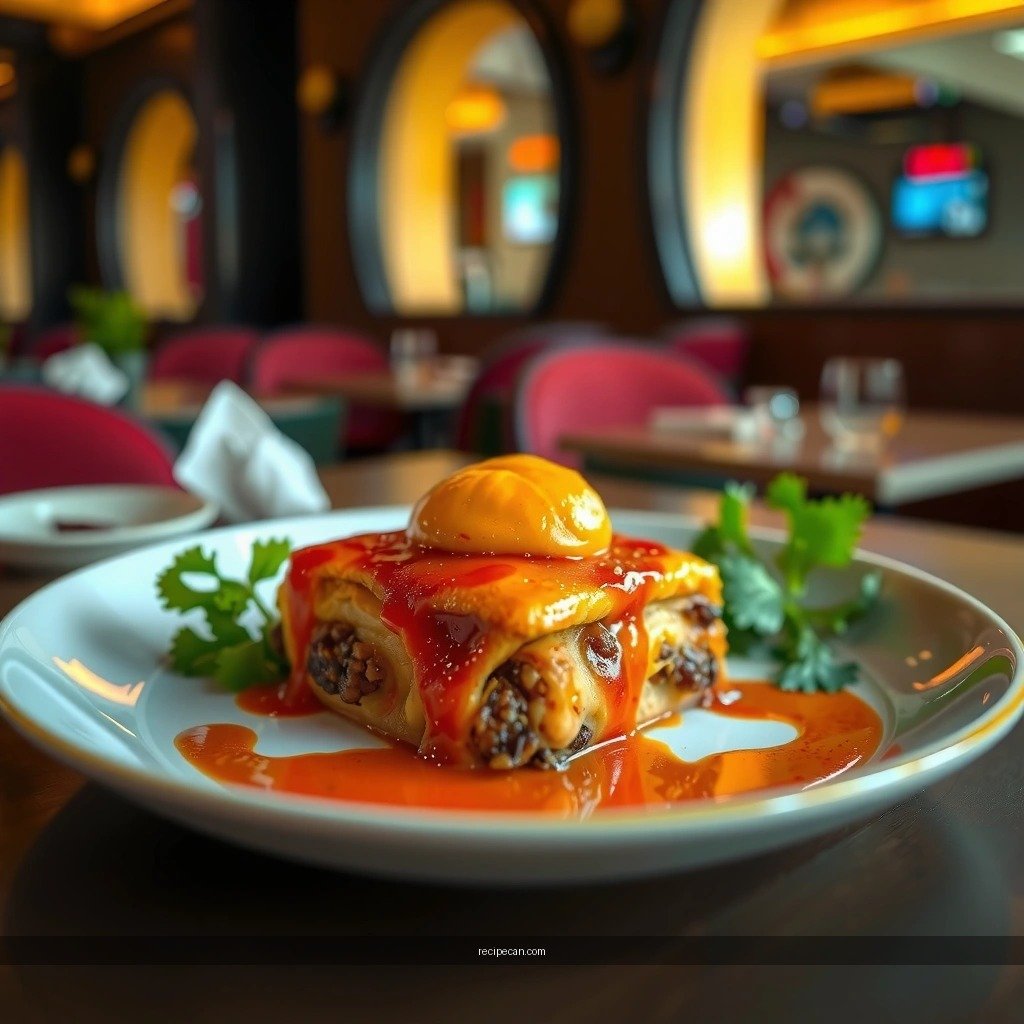
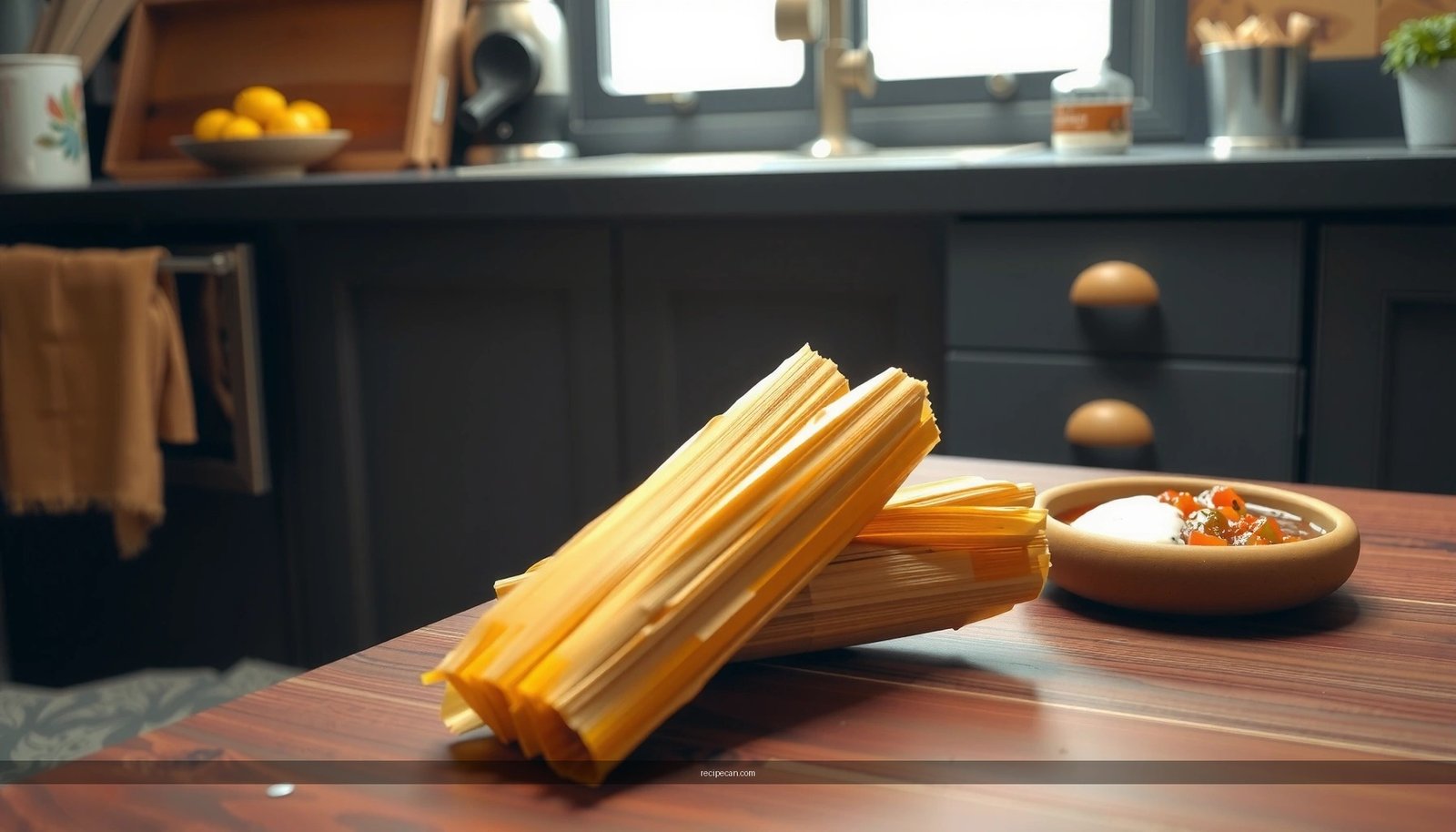
Start with masa harina—the ground nixtamalized corn flour that delivers that authentic tamale flavor and the distinctive tender crumb. For tamale pie, the biggest “make or break” isn’t your filling; it’s the masa texture. If your masa is too thick, it won’t spread into an even crust. If it’s too thin, the filling can blur the layers and leave you with a bake that won’t slice cleanly.
1) Masa harina is non-negotiable.
Look for masa harina specifically (often labeled “masa for tamales”). Cornmeal won’t behave the same because it hasn’t been nixtamalized and typically won’t form a cohesive, sliceable layer when baked.
2) Mix to a spreadable, structured batter.
Aim for a consistency that spreads like thick peanut butter or soft frosting: it should flatten with a spatula but still “hold” when you drag a line through it. A practical benchmark for a classic 8×8-inch or similar baking dish is roughly a 1:1.25 ratio by weight to liquid (varies by brand and humidity). The table above gives realistic liquid targets that reliably produce tamale pie integrity.
3) Resting is a chemistry step, not a suggestion.
After mixing, let masa rest briefly (typically 10–20 minutes). This hydrates the corn proteins and starches so the masa becomes smoother and more cohesive. Without resting, you may see lumps, uneven set, or a top layer that dries out before it fully binds.
4) Use flavorful liquid.
Warm broth or a portion of the chile-tomato sauce can replace plain water for extra depth. You’re essentially pre-seasoning the crust, which matters because the filling is inside and can’t fully “season” the masa from the outside.
Make the Masa Layer
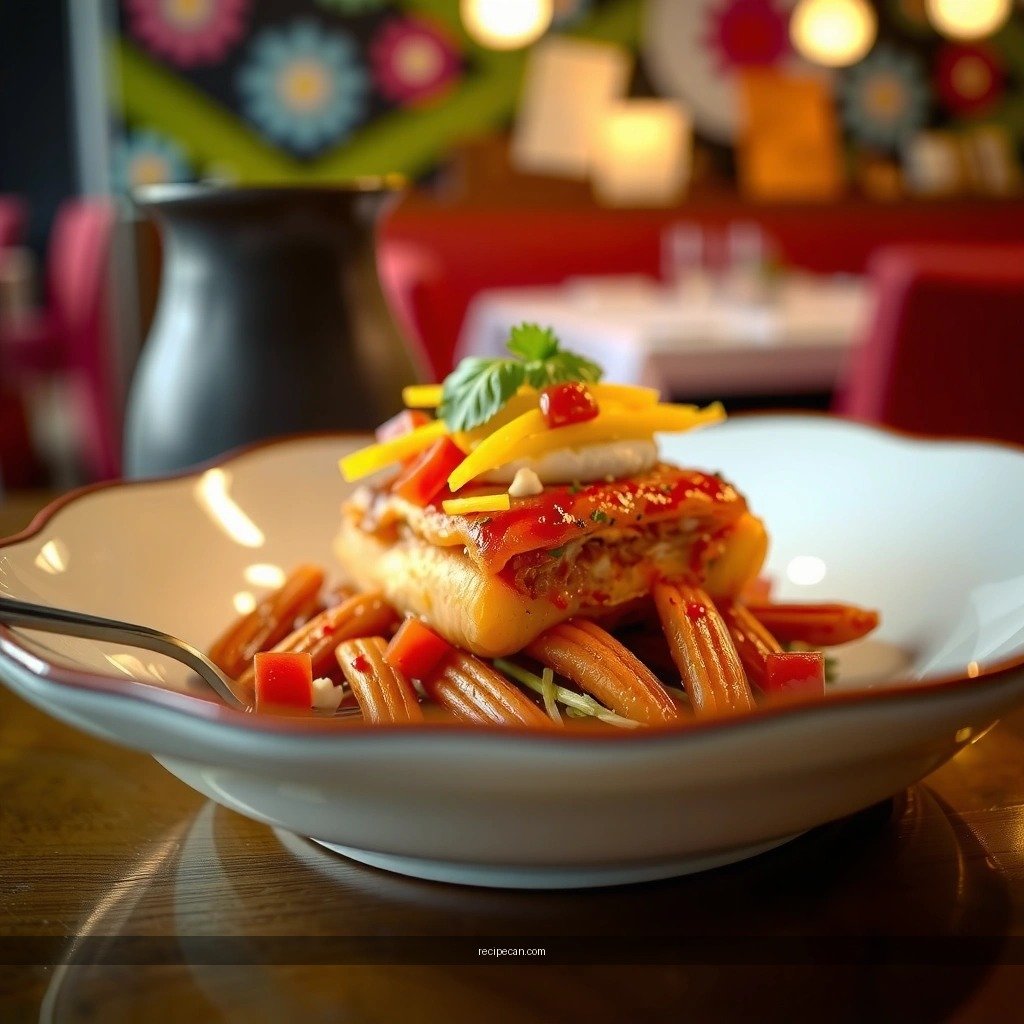
With the right masa mix, the layer-building becomes straightforward. Think of the crust as an edible binder: it should support the filling and then set enough to cut into squares.
1) Build a seasoned masa base.
Combine masa harina with warm water or broth, salt, and fat (melted lard or butter). The fat improves tenderness and mouthfeel, and it helps the masa brown slightly without turning greasy. If you’re using broth, choose one that complements the filling—chicken or vegetable work well with chile and cumin.
2) Spread for contact, not thinness.
A common failure mode is making the bottom layer too thin. The filling then heats through too aggressively and can loosen the base. Spread an even layer that’s thick enough to act like a crust—generally thick enough that you can still see tool marks after smoothing.
3) Smooth using a “level, then compress” technique.
After spreading, go over the surface with a spatula to level it. Then press gently. You’re removing tiny air pockets and ensuring contact so the baked layer binds into a unified slice.
4) Top layer should seal, not drown.
When you add the filling, keep it thick and mound it evenly. Then top with more masa and smooth again. Create a few shallow vent lines or small slits (not deep cuts)—this helps steam escape and promotes even set.
5) Watch browning, not just time.
The masa layer should look set and lightly browned. Overbaking dries it out, while underbaking can leave a gummy center. If your dish is deep or your filling is very wet, you’ll likely need a longer bake and a longer rest.
Prepare the Savory Filling
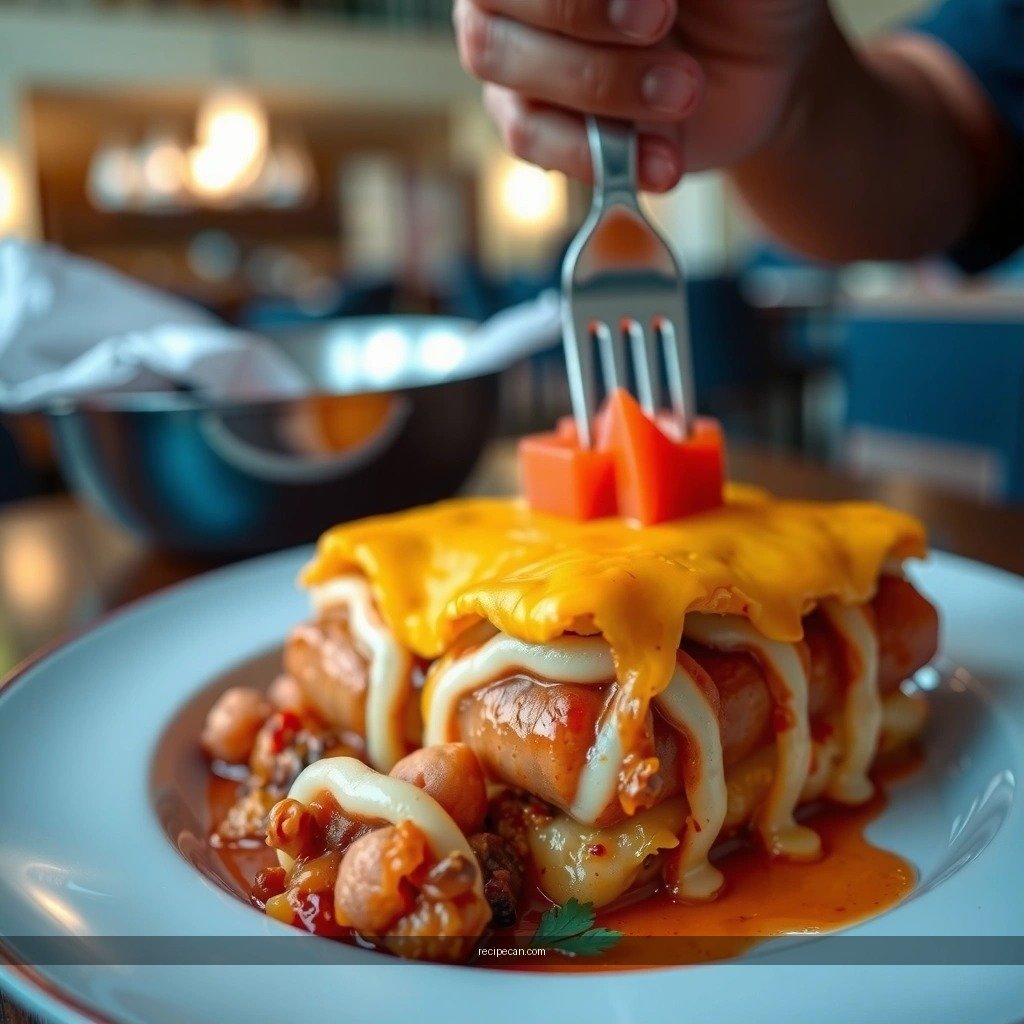
A tamale pie filling needs two qualities simultaneously: flavor intensity and structural thickness. If the filling is too watery, it will soak the masa and prevent clean slicing. If it’s too dry, you’ll lose that tamale-like saucy comfort.
1) Choose your protein strategy.
Ground meat (beef or turkey) is classic, but beans are equally effective for a vegetarian version. The key is to cook until the moisture is driven off and the flavors concentrate.2) Build the aromatic base first.
Sauté onions until translucent, then add garlic and spices like cumin, chili powder (or ground chile), and—optionally—oregano. Blooming spices briefly in fat wakes up the aroma and improves perceived heat distribution.
3) Use a sauce that thickens.
Tomato-based sauces, salsa, or chile sauces keep the filling moist, but they must reduce. Simmer until the mixture thickens enough that it holds a spoon line. This ensures the filling stays inside the masa “envelope” rather than migrating into it.
4) Add corn and chilies for texture and authenticity.
Corn kernels (fresh, frozen, or thawed) and diced green chiles add sweetness and bright vegetal notes. They also create a more tamale-like bite. If you’re using roasted peppers, chop them fine so they distribute evenly.
5) Adjust seasoning for balance, not just heat.
Tamale pie should taste complete even before toppings. Taste the filling after it thickens; add salt and a little acid if needed (a splash of lime juice or a bit of vinegar can make chile flavors pop). Keep heat at the level you can tolerate consistently—these pies often get reheated, and heat can intensify.
6) Practical thickness test.
Before assembling, spoon a line of filling onto a plate. If it spreads like a thin stew, simmer longer. If it holds shape and is thick enough to mound, it’s ready.
Assemble Your Tamale Pie
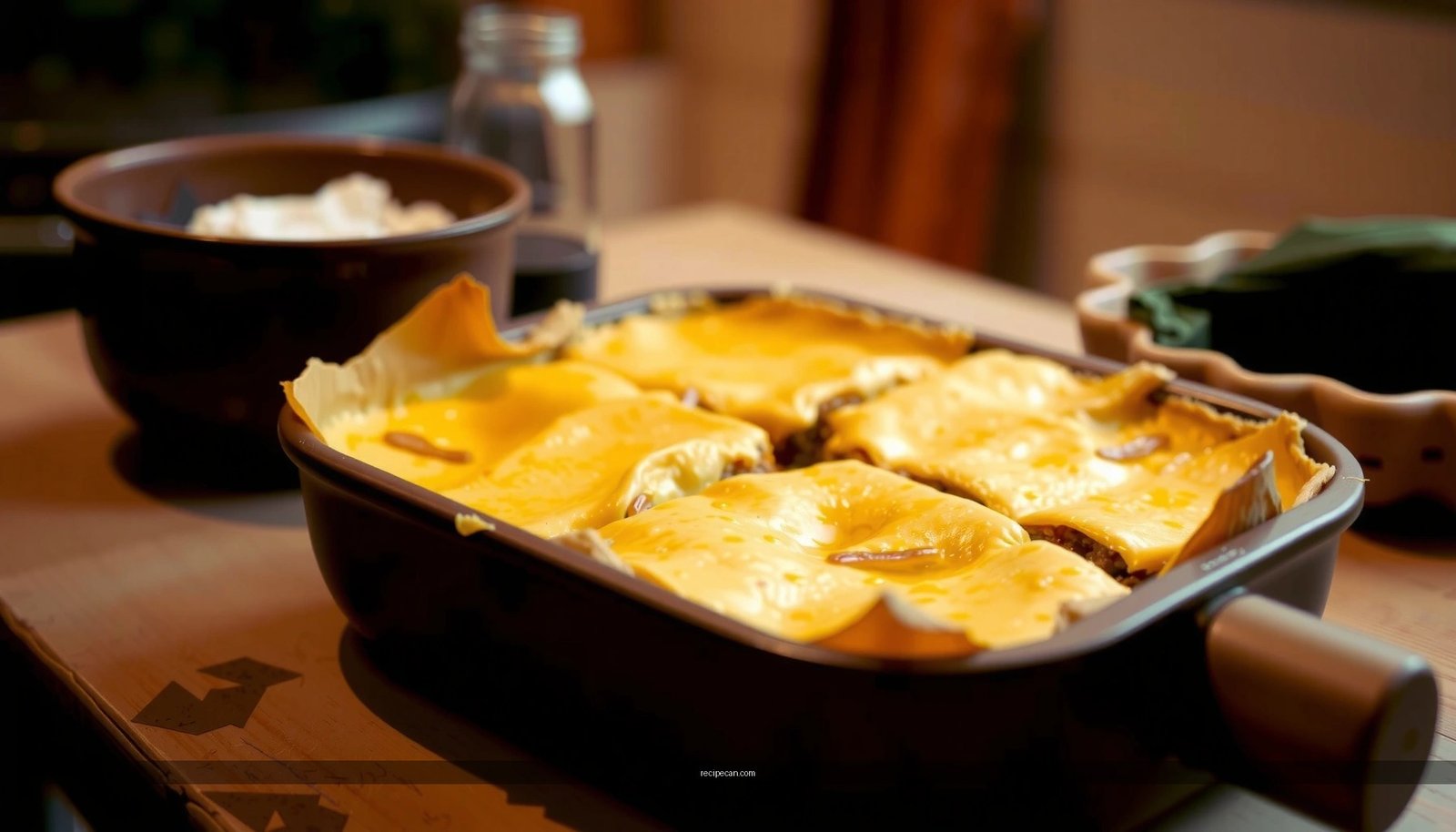
Assembly is where the “pie” becomes sliceable. You’re essentially layering three controlled textures: set masa, thick filling, then set masa again.
1) Layer order matters.
Go masa first, then filling, then masa top. The bottom masa layer protects the base from moisture and creates the structural foundation for slicing.
2) Distribute filling evenly.
Spread the filling across the bottom layer rather than piling in the center. Uneven filling can cause uneven bake and weak points in slices.
3) Smooth and vent the top thoughtfully.
Smooth the top masa with a spatula to create an even bake. Add a few vent lines if desired—usually 3–5 shallow lines—so steam can escape without tearing the layer.
4) Press gently to encourage bonding.
After placing the top masa, press lightly so it adheres to the filling and base. Avoid aggressive pressing that can force filling upward and create gaps.
5) Consider dish size for consistent results.
If your baking dish is wider than planned, the pie will bake thinner and may dry out or set too quickly. If it’s deeper, it may need additional bake time to fully set through.
Bake and Rest for Best Slices
Baking sets the masa and reduces surface moisture; resting is what locks in slice stability. Many “my tamale pie fell apart” problems are actually resting problems.
1) Bake until fully set and lightly browned.
Look for a firm center when pressed gently (it should spring back slightly). The top should be set and lightly browned, not pale and doughy.
2) Rest before cutting—seriously.
Let the pie rest at least 10–20 minutes. During this time, starches firm up and internal steam redistributes. Cutting too soon can cause crumble or separation between layers.
3) Slice with the right tool.
A sharp knife and clean, single-direction cuts help. Wipe the blade between cuts if needed. For cleaner squares, you can chill briefly, then rewarm slices for serving.
4) Serve with high-contrast toppings.
Classic toppings make the dish feel complete: shredded cheese for melty richness, crema or sour cream for tang, and salsa for bright acidity. Chopped cilantro adds freshness and aroma. If you like heat, finish with sliced jalapeños or a drizzle of chile oil.
Easy Variations for Masa Tamale Pie
Once you’ve mastered the base technique, variations are easy because the method stays the same: masa texture + thick filling + bake-and-rest.
1) Protein swaps that keep structure intact.
– Shredded chicken: Simmer chicken in sauce, then reduce until thick. Shredded chicken adds tender strands and absorbs chile flavors well.
– Shredded pork: Pork shoulder works especially well; cook until pull-apart tender, then reduce any excess cooking liquid.
– Black beans: Use well-seasoned black beans and mash a portion to improve thickness. This helps the filling hold together like classic tamale fillings.
2) Add vegetables for sweetness and crunch.
Corn, green chiles, and roasted peppers are reliable. Fold them in near the end so they don’t break down and turn watery.
3) Spice control for a broader audience.
Use mild chile powder for family-friendly versions, or boost heat with a hotter chile powder blend, chipotle in adobo, or diced fresh jalapeño. If you serve mixed heat preferences, keep the base filling moderately spiced and let toppings (salsa, hot sauce) carry the extra punch.
4) Sauce style options.
Tomato-forward sauces are bright and approachable. Chile-based sauces give deeper smoky flavor. Either way, reduce thoroughly before assembly so the filling remains structurally thick.
A great tamale pie recipe with masa comes down to the right masa texture, a thick flavorful filling, and baking until set—then resting before slicing. Pick your filling, mix your masa, assemble, bake, and top with salsa and cheese; then try one variation next time to find your favorite combo.
If you want, tell me your preferred filling (beef, chicken, pork, or vegetarian) and your baking dish size (8×8, 9×9, or 9×13), and I’ll adapt ingredient amounts and bake timing for consistent sliceable results.
Frequently Asked Questions
What masa should I use for tamale pie recipe masa?
For a tamale pie recipe masa, use masa harina (corn flour) that is made for making tamales or tortillas. You’ll want to choose a product labeled “masa harina” and follow the package directions for mixing with warm water or broth. Some brands also recommend a pinch of salt, so taste and adjust so your masa base is seasoned before baking.
How do I make the masa layer for tamale pie from masa harina?
Combine masa harina with warm broth or water until you get a thick, spreadable consistency similar to thick polenta or cake batter. Let it rest for a few minutes so the masa absorbs the liquid, then stir again to ensure there are no dry pockets. Spread the masa into your baking dish as an even base so it bakes into a tender, sliceable crust.
How do I avoid dry or crumbly masa in tamale pie?
Dry or crumbly masa usually happens when the masa harina is mixed with too little liquid or doesn’t get enough resting time. Add warm liquid gradually until the mixture feels smooth and elastic, then rest it briefly before spreading. If your masa looks dry while assembling, drizzle in a little more warm broth and mix until it smooths out.
Why does my tamale pie masa turn out bland, and how can I fix it?
Bland masa often comes from under-seasoning the masa layer or using plain water instead of flavorful broth. Season your masa with salt (and optionally a little chili powder or garlic powder) and consider mixing with chicken or vegetable broth for more depth. Taste the masa mixture as you go—when the masa tastes well-seasoned, the finished tamale pie will too.
Which toppings and cheese work best with tamale pie masa?
Classic tamale pie toppings include shredded cheddar or Monterey Jack, chopped green onions, and a drizzle of sour cream. For extra flavor, add sliced olives, jalapeños, or cilantro on top, since they balance the richness of the masa and filling. If you want a more traditional tamale pie vibe, sprinkle cheese over the hot masa so it melts before serving.
References
- Tamale
https://en.wikipedia.org/wiki/Tamale - Masa
https://en.wikipedia.org/wiki/Masa_harina - Nixtamalization
https://en.wikipedia.org/wiki/Nixtamalization - Corn tortilla
https://en.wikipedia.org/wiki/Corn_tortilla - https://en.wikipedia.org/wiki/Masa_(food
https://en.wikipedia.org/wiki/Masa_(food - https://www.britannica.com/topic/tamale
https://www.britannica.com/topic/tamale - Google Scholar Google Scholar
https://scholar.google.com/scholar?q=tamale+pie+recipe+masa+harina - Google Scholar Google Scholar
https://scholar.google.com/scholar?q=nixtamalization+masa+harina+chemistry+starch+protein - Google Scholar Google Scholar
https://scholar.google.com/scholar?q=masa+dough+corn+nixtamalization+food+science - https://pubmed.ncbi.nlm.nih.gov/?term=nixtamalization+masa+harina
https://pubmed.ncbi.nlm.nih.gov/?term=nixtamalization+masa+harina