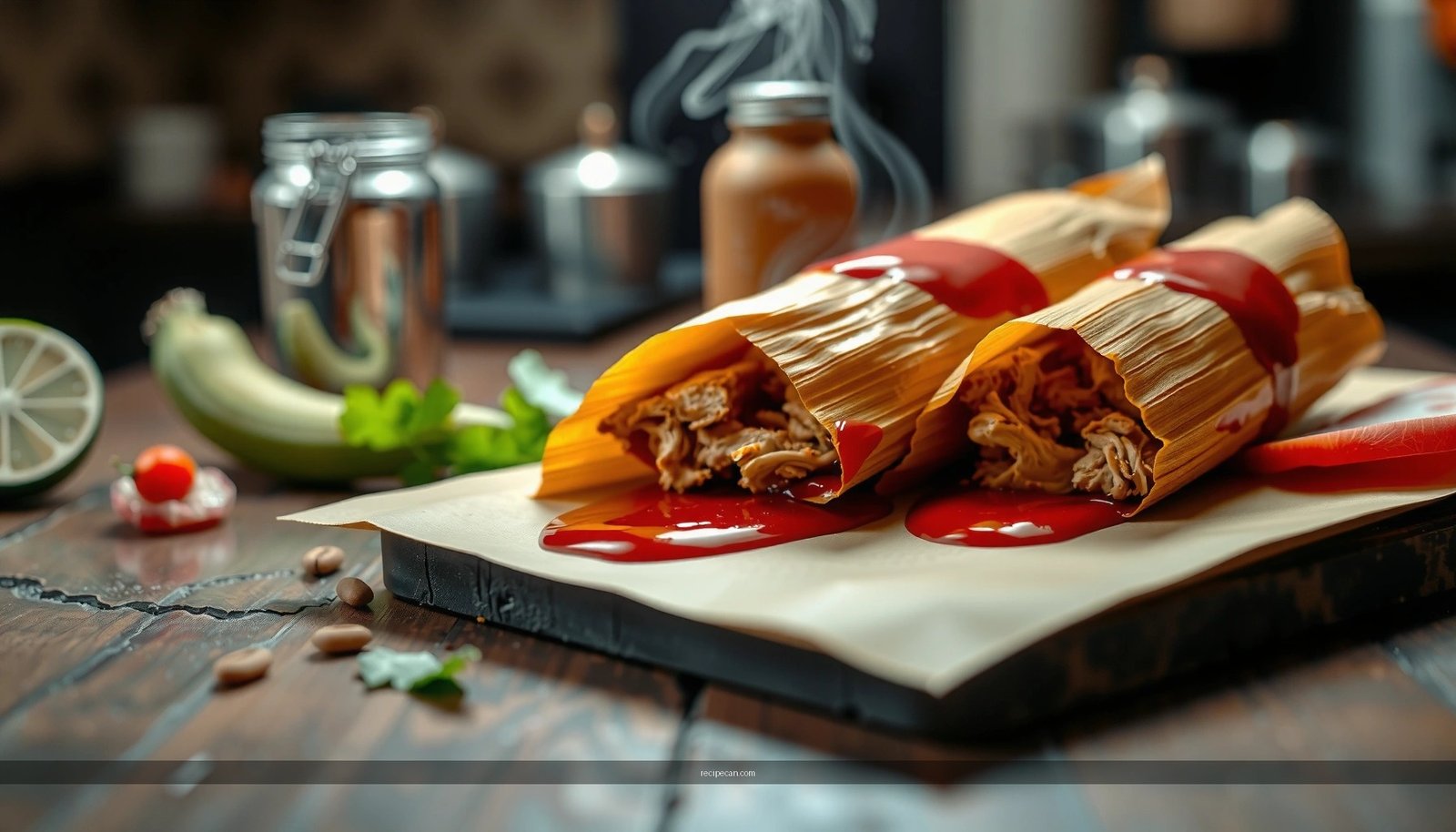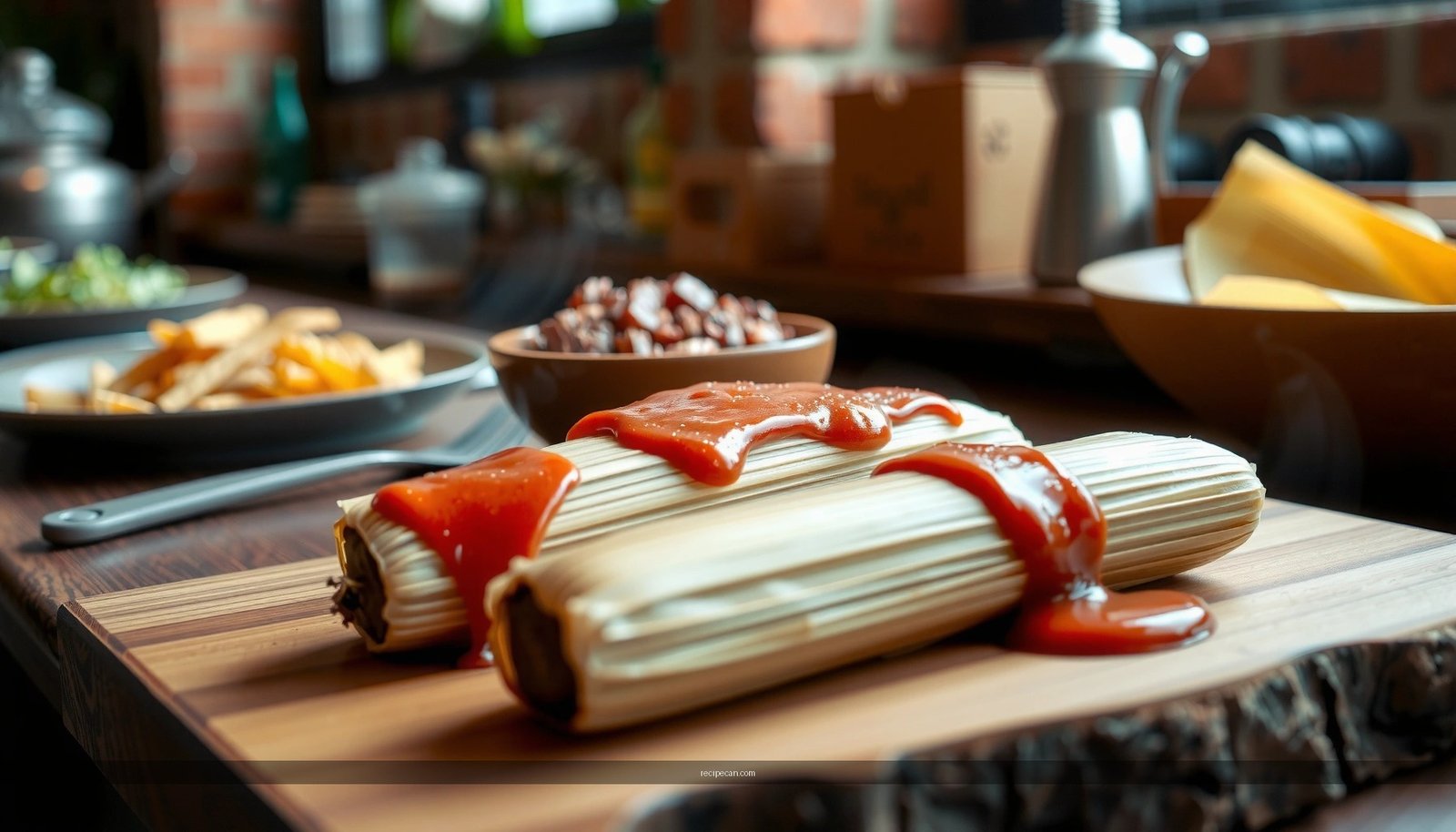
Find out how to make tamale pie masa that bakes up tender and flavorful, with tamale-style filling that tastes right on the first try. This recipe delivers a clear, tested masa method and the exact filling approach that holds together and won’t go watery in the oven. If you want tamale pie masa that matches that classic tamale flavor in a sliceable casserole, this is the one to follow.
Bake a tender, sliceable tamale pie by hydrating masa harina with warm broth and oil to a smooth, spreadable consistency—then layer it over a thick, seasoned filling and rest before cutting. The result is a classic tamale-style pie with a crust that holds its shape cleanly, plus a savory interior that clings together like a well-cooked filling.
Masa Crust Ingredients
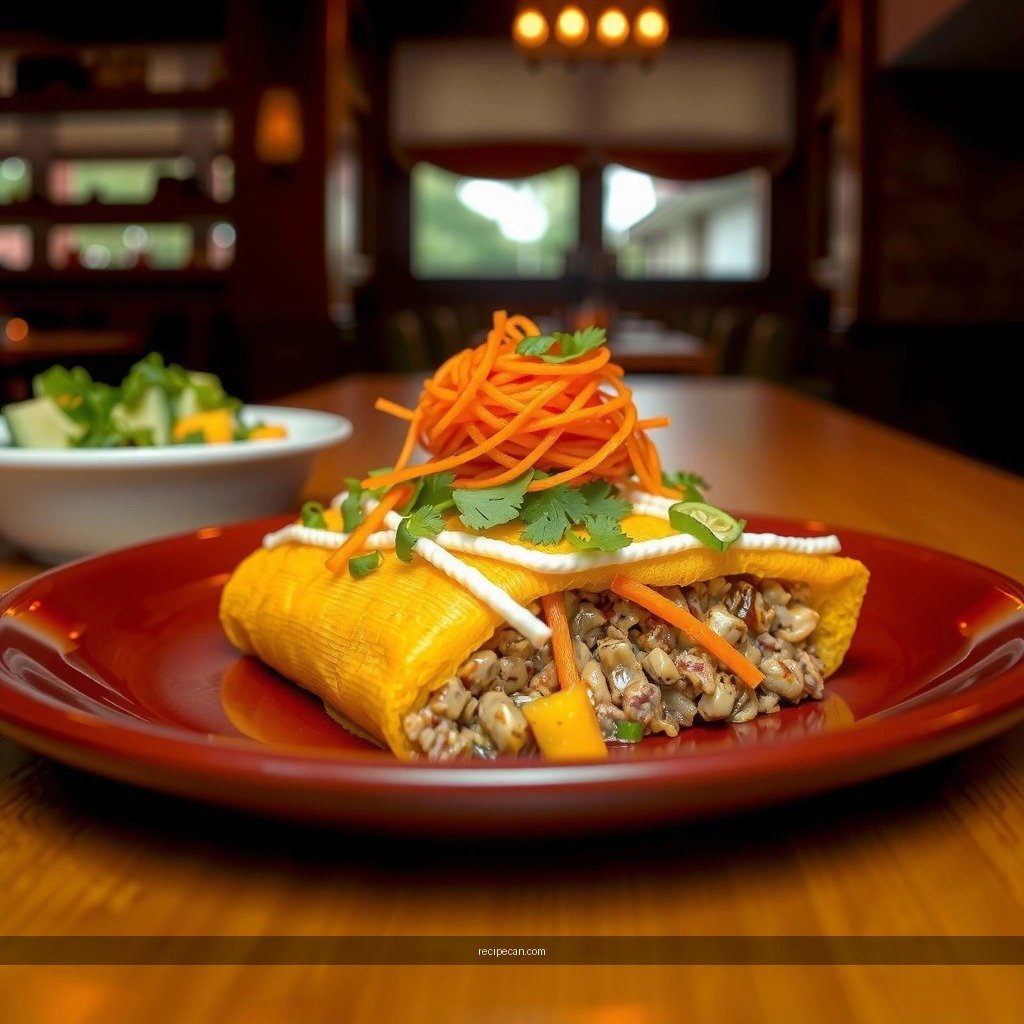
– Choose masa harina (not cornmeal) for an authentic tamale texture
– Gather broth, oil, salt, and optional chili powder for flavor
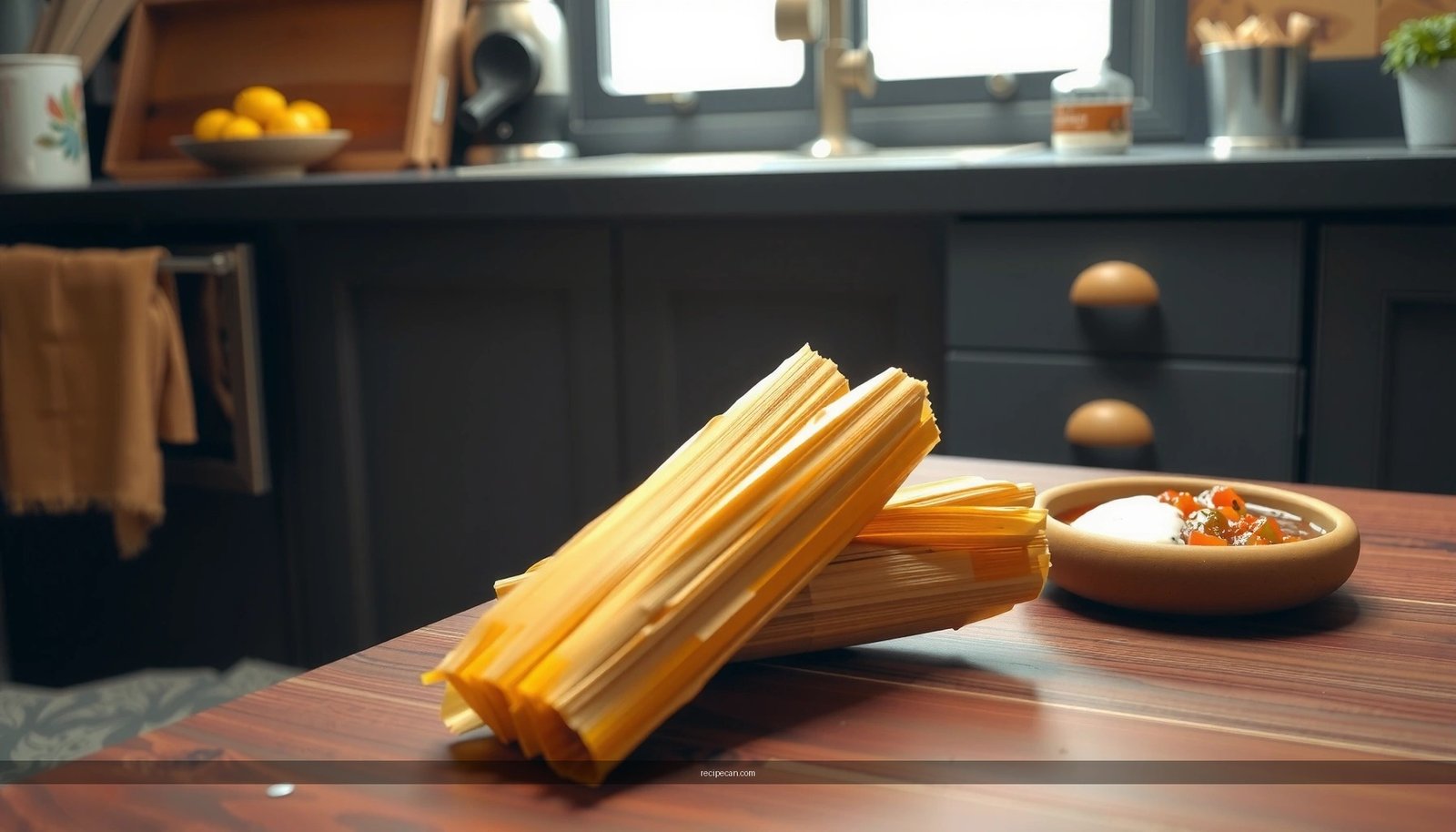
The foundation of any great tamale pie is masa harina—the finely ground corn dough powder used to make tamales. Unlike cornmeal, which doesn’t hydrate and bind the same way, masa harina forms a cohesive, tender “crust” once baked. For a professional-quality slice, your goal is a crust that sets firm enough to cut but remains moist and springy in the center.
What to use (and why):
– Masa harina: This is the only ingredient that truly delivers the tamale-style texture.
– Warm broth (chicken or vegetable): Broth adds body and savory depth while hydrating the masa evenly. Warm liquid hydrates faster and reduces lumps.
– Neutral oil (or melted lard if you prefer): Oil improves tenderness and helps the masa bake up more evenly.
– Salt: Brings forward both corn sweetness and filling flavors.
– Optional chili powder (or ground cumin): Adds gentle heat and aromatic warmth. Use sparingly if your filling is already spicy.
Quality tip: If your masa harina feels old or smells dull, hydration will be less consistent. Fresh masa brands typically absorb liquid more predictably, producing a smoother, less grainy crust.
—
Prepare the Tamale Pie Masa
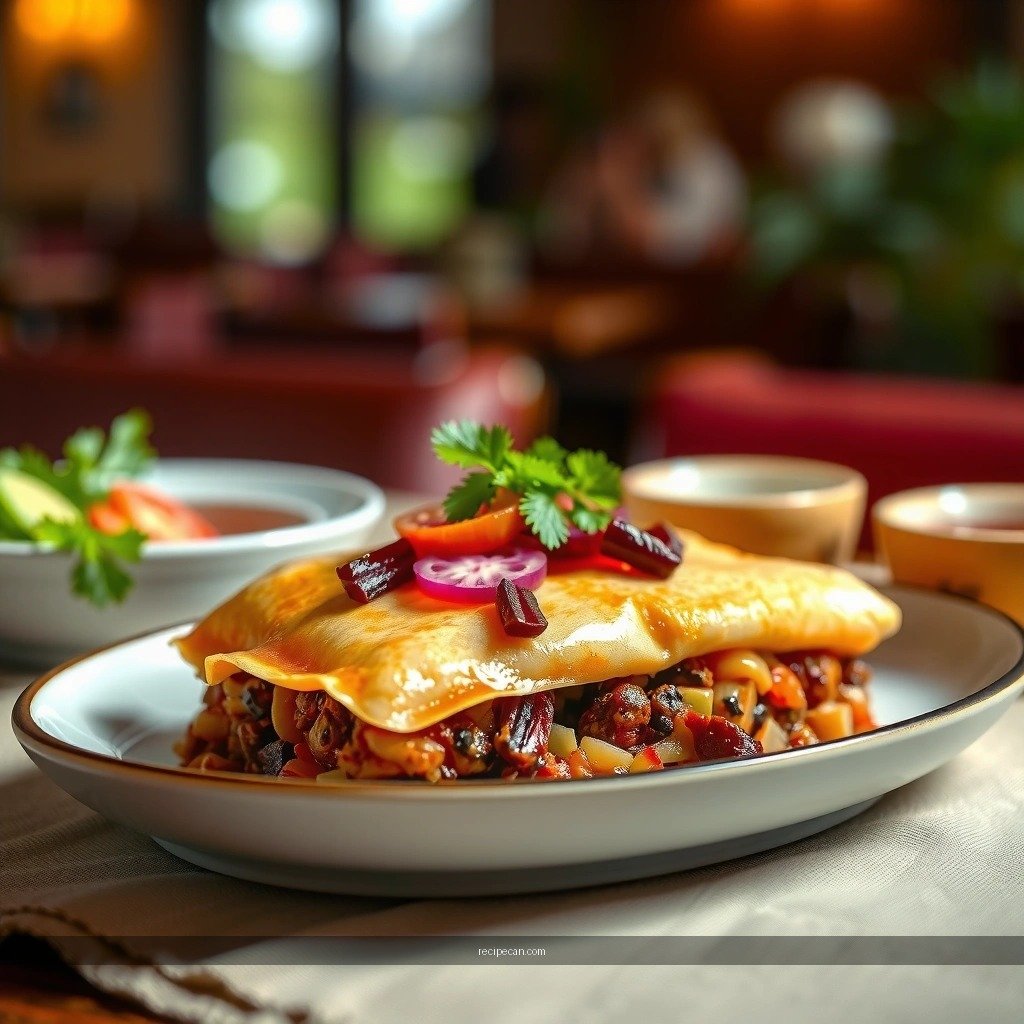
– Mix masa harina with warm broth until it’s spreadable and not dry
– Let it rest briefly so the masa fully hydrates for smoother baking
This is where most home cooks either win or lose the final slice. Proper hydration isn’t just about moisture—it’s about structure. Masa that’s too dry will bake into a crumbly layer; masa that’s too wet won’t set cleanly.
Step-by-step hydration approach:
1. Warm your broth (not boiling). Warm liquid helps masa harina hydrate uniformly.
2. Combine masa harina + salt in a mixing bowl first. This evenly distributes seasoning before liquid hits the powder.
3. Add warm broth gradually while stirring until the mixture looks like thick oatmeal or smooth mashed potatoes.
4. Add oil and mix again for a silky batter.
5. Rest the masa 10–15 minutes. During this time, the grains fully hydrate and the mixture thickens slightly—meaning it spreads with less cracking and bakes more evenly.
Consistency check (practical standard):
– You should be able to spread it with a spoon in a smooth, continuous layer.
– If it tears or looks patchy when spread, add a splash of warm broth.
– If it appears runny or pools, add a small amount of additional masa harina (a tablespoon at a time).
Why the rest matters: Hydration continues after mixing. Resting improves bind, reduces graininess, and helps the masa set into a sliceable crust instead of a soft, unstable layer.
—
Cook the Savory Filling
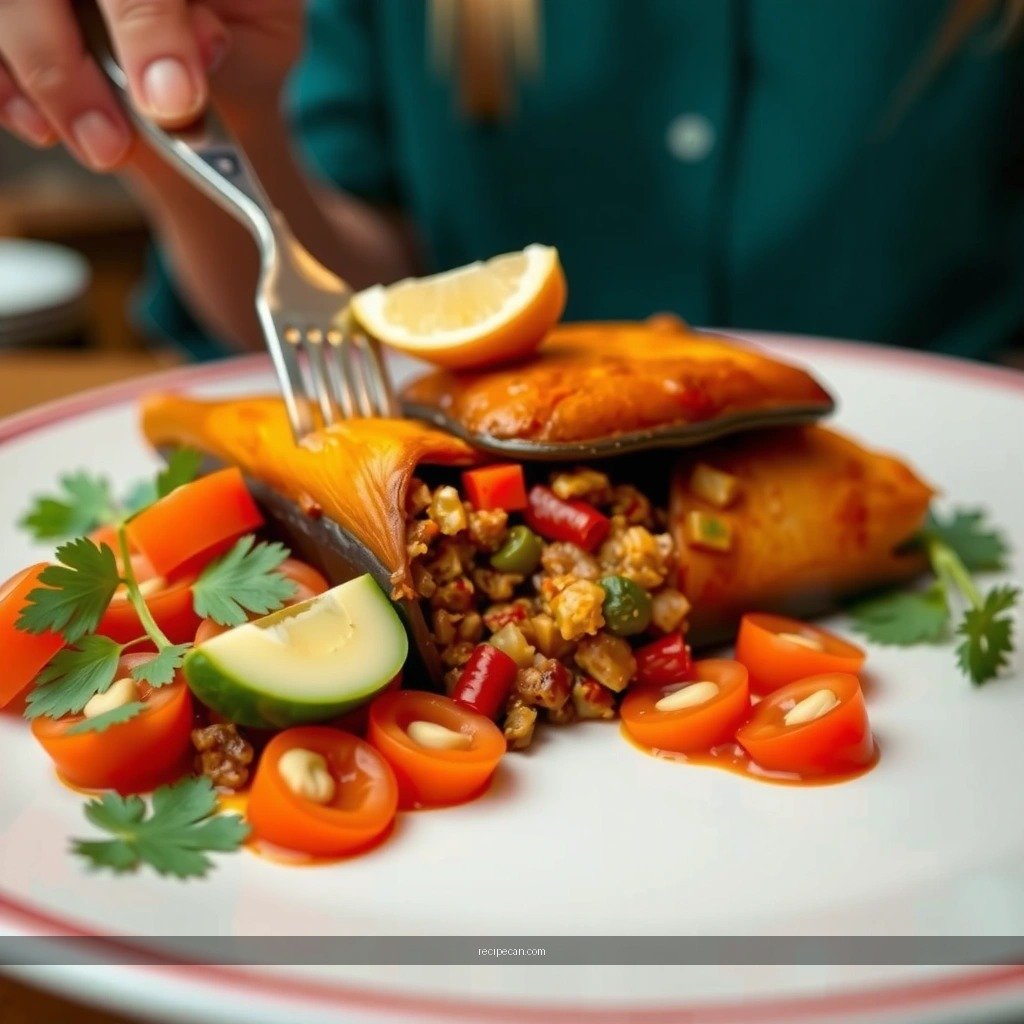
– Brown ground meat (or use beans) with onions, garlic, and spices
– Stir in tomatoes/chiles and simmer so the filling thickens and clings
Tamale pie filling should be thick—not watery—so it behaves like a hearty, scoopable center. If your filling is loose, it will seep into the masa and prevent clean slices.
Choose your protein (or blend):
– Ground beef or turkey: Classic and rich.
– Beans (black beans, pinto, or kidney): Great for a vegetarian approach; mash a portion slightly to help it thicken naturally.
– Combination: Beef + beans is an excellent way to stretch flavor and add body.
Building blocks of a flavorful filling:
– Aromatics: diced onions and minced garlic cooked until fragrant and softened.
– Spice profile: chili powder, cumin, smoked paprika, and black pepper.
– Heat control: mild green chiles for gentle warmth; hot chiles if you want a spicier profile.
– Acid + sweetness: tomatoes or tomato sauce to deepen flavor and round out richness.
Simmer to the right texture:
1. Brown the meat (or warm beans) with onions, then add garlic and spices.
2. Stir in tomatoes/chiles.
3. Simmer until thick—the mixture should look like a spoonable filling that holds its shape.
A helpful benchmark: when you drag a spoon across the bottom of the pan, the channel closes slowly.
Texture strategy for clean layers:
Before assembling, taste and adjust salt. Then let the filling cool slightly while you finish prepping the masa; a hot filling can thin the masa layer and create uneven baking.
—
Assemble the Tamale Pie
– Spread a base layer of masa in the pan, then add the filling
– Top with remaining masa and smooth the surface evenly for even cooking
Assembly is deceptively simple, but it’s where you ensure the crust bakes evenly and slices neatly.
Pan choice matters:
A 9×13-inch pan typically yields a thin, more “pie-like” crust and many uniform slices. For thicker, more traditional-style servings, use a smaller pan (like 8×8 or 9×9) and expect fewer, thicker pieces.
Layering method (reliable and repeatable):
1. Preheat the oven and lightly grease the baking pan.
2. Spread half the masa in the bottom. Press gently to create an even thickness. Smooth edges help prevent over-browning.
3. Add the filling and spread it out evenly, leaving a small buffer from the pan edges if your edges tend to brown quickly.
4. Spoon the remaining masa over the filling.
5. Smooth the top with a wet spoon (water on the spoon prevents sticking and reduces drag marks).
Even cooking equals easy slicing:
Uneven masa thickness can cause parts of the crust to set faster than others, leading to crumbles or messy cut lines. Take a minute to smooth—your future self will thank you.
Masa + Filling Outcome Data (What “Right” Looks Like)
Tamale Pie Masa Hydration Targets (Breadth of Outcome by Consistency)
| # | Masa Texture (Visual) | Hydration Result | Slice Integrity | Browning Risk |
|---|---|---|---|---|
| 1 | Thick oatmeal (spreadable) | +50–60% liquid | ★★★★☆ | Low |
| 2 | Mashed potato-like | +45–50% liquid | ★★★★☆ | Low–Medium |
| 3 | Spoonable, slightly lumpy | +40–45% liquid | ★★★☆☆ | Medium |
| 4 | Dry, crumbly spreads | +30–35% liquid | ★★☆☆☆ | Medium–High |
| 5 | Thin, pourable batter | +65–70% liquid | ★☆☆☆☆ | Low |
| 6 | Correct after rest (smooth) | +50–60% liquid | ★★★★☆ | Low |
| 7 | Correct hydration, thin filling | Filling simmered <10 min | ★★☆☆☆ | Medium |
—
Bake and Rest for Best Slices
– Bake until the masa is set and the edges look slightly browned
– Rest before cutting so it firms up and slices stay intact
Baking is only half the job—resting is what turns “hot and gooey” into “clean and sliceable.”
Baking cues for a properly set masa:
– The center should look firm, not wet or glossy.
– The edges should show light browning (a sign that surface moisture has evaporated and the crust has set).
– If you gently shake the pan, the center should jiggle slightly but not slosh like pudding.
Rest time recommendations:
– Let the tamale pie rest 10–20 minutes before cutting.
– For thicker pies or very warm interiors, rest closer to 20–30 minutes. Cutting immediately can collapse the structure before the starches and proteins fully set.
Clean slicing technique (for consistent presentation):
– Use a sharp knife.
– Wipe and re-wet the blade as needed (masa can be sticky).
– Cut into squares, then lift with a spatula to avoid tearing.
For business-minded meal prep, rest time also supports better reheating texture—slices reheat more evenly and are less likely to break apart in warming trays.
—
Flavor Boosts and Variations
– Add corn, olives, or a hint of cumin to customize the filling
– Try mild vs. hot green chiles to control heat level
Once you master the core tamale-style filling and masa crust, customization is where you can tailor the pie to different customer preferences, family tastes, or dietary needs.
Flavor boosts that reliably improve complexity:
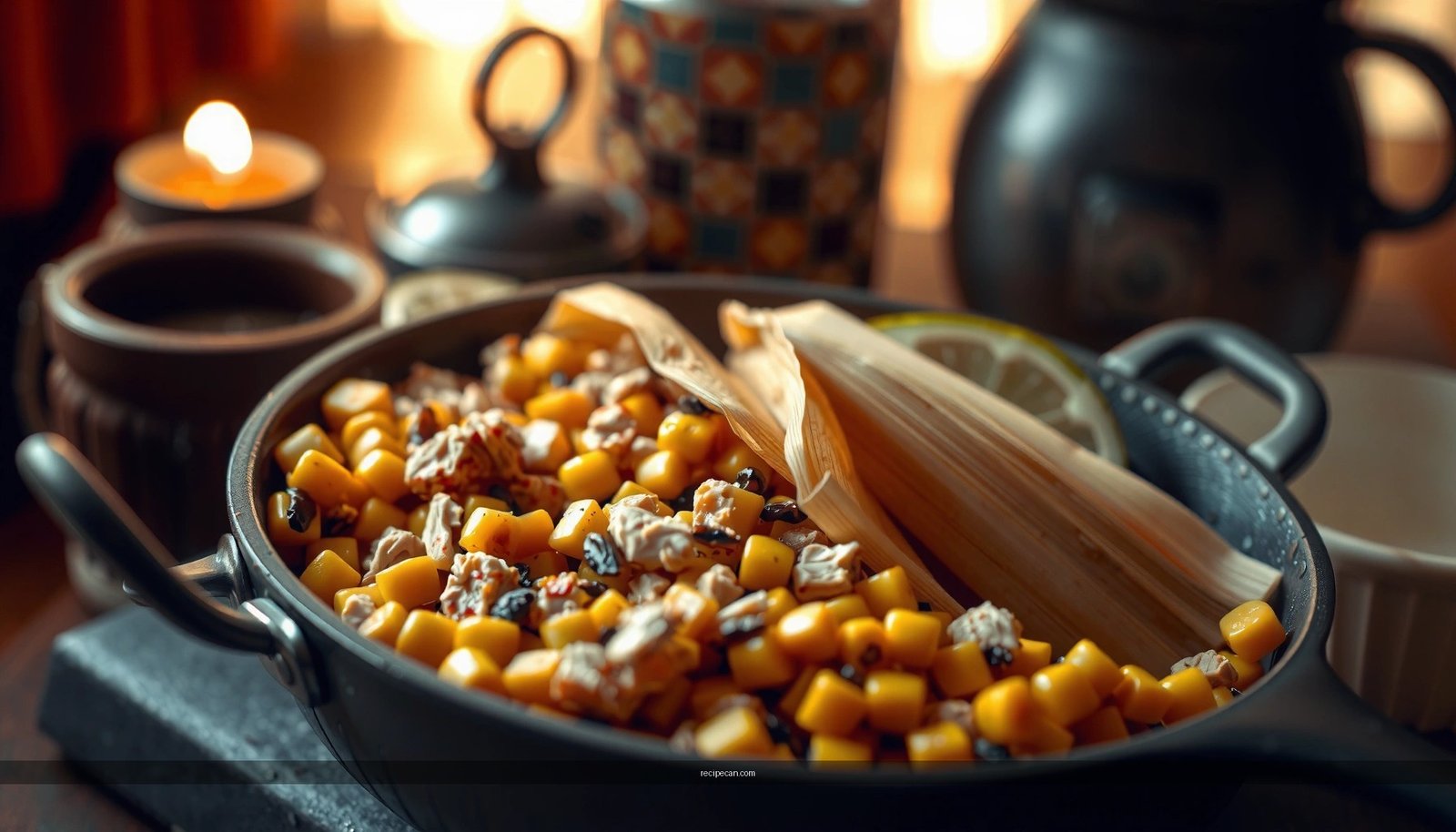
– Corn: Stir in sweet corn during the last few minutes of simmering for bursts of color and sweetness.
– Cumin (optional hint): A small amount (especially with chili powder) adds a warm, earthy note that complements corn and tomatoes.
– Olives: Chop black olives and fold them into the filling late to avoid overcooking; they bring saltiness and depth.
– Smoked paprika: Adds a “charred” impression without needing extra browning steps.
Heat control strategies (mild vs. hot green chiles):
– Use mild green chiles for crowd-friendly flavor.
– Use hot green chiles if you want a clear spicy profile—especially if your masa crust is fairly neutral.
– If you’re serving multiple heat levels, keep the base filling mild, then add a separate hot-chile portion for individual servings.
Dietary and texture variations:
– Vegetarian: Use beans plus a little extra tomato sauce and simmer longer to achieve the same thick, clinging consistency.
– Turkey or chicken: Use lean ground turkey and rely on tomatoes/chiles for moisture and flavor depth.
– Cheese lovers: If you enjoy a richer interior, sprinkle shredded cheese into the hot filling off-heat; it melts without drying out.
Operational tip for repeatable results:
Track two variables each time: (1) how thick your filling becomes after simmering, and (2) how spreadable your masa is after the rest. Small adjustments there deliver consistent outcomes across different masa brands and climates.
—
Bake your tamale pie with a properly hydrated masa crust, then rest it before slicing for the best texture. Follow the masa steps and thickened filling tips above, and you’ll get that classic tamale pie taste with an easy, homemade masa base—make it tonight and tweak the heat to your preference.
In the end, success comes down to three disciplined actions: hydrate masa harina to the right spreadable consistency, simmer the filling until thick so layers stay distinct, and rest the pie before cutting. Get those points right, and you’ll produce tamale-style pie slices that look sharp, taste deeply seasoned, and hold together the way a great comfort-food entrée should.
Frequently Asked Questions
What is a tamale pie masa recipe and what makes it different from tamales?
A tamale pie masa recipe uses the same masa dough flavoring you’d find in tamales, but it’s baked and served like a casserole instead of being steamed in corn husks. Typically, you layer masa batter with seasoned filling—usually shredded meat, chili, and toppings—then bake until set. This makes it easier for weeknight cooking while keeping that classic tamale taste.
How do I make the masa layer for tamale pie from scratch?
Start with masa harina and mix it with warm water or broth until it forms a thick, spreadable dough (not watery). Add salt and optional fat like melted lard or vegetable shortening to improve texture and richness. If your masa seems dry, add water a tablespoon at a time; if it’s too loose, add a bit more masa harina before assembling the tamale pie.
Why does my tamale pie masa turn out dry, crumbly, or uneven?
Dry or crumbly masa is usually caused by too little liquid or overbaking, while uneven texture often comes from inconsistent mixing or an overly thin or thick layer. Measure carefully, mix until smooth, and let the masa rest briefly so hydration improves before spreading. Bake at a steady temperature and avoid checking too often, since sudden temperature swings can affect how the masa sets.
Which fillings work best for a tamale pie using masa?
Many people use savory chili-style fillings such as shredded chicken, ground beef, or pork with onions, garlic, cumin, and chili powder. You can also add diced green chiles, corn, or black beans for extra body and flavor. For a classic result, choose a filling that’s thick rather than watery so the masa layer doesn’t become soggy.
What’s the best way to prevent soggy layers in tamale pie?
The key is to control moisture: use a thick filling and drain excess liquid from canned ingredients like tomatoes or corn when needed. Spread the masa layer evenly and consider baking on a preheated dish for better set. If you notice thinning edges during baking, cover loosely with foil partway through to protect the masa while the center finishes cooking.
References
- Google Scholar Google Scholar
https://scholar.google.com/scholar?q=tamale+pie+masa+recipe - Google Scholar Google Scholar
https://scholar.google.com/scholar?q=nixtamalization+masa+harina+recipe+process - Google Scholar Google Scholar
https://scholar.google.com/scholar?q=masa+harina+corn+chemistry+nixtamalization+tortilla+composition - Tamale pie
https://en.wikipedia.org/wiki/Tamale_pie - Tamale
https://en.wikipedia.org/wiki/Tamale - Masa
https://en.wikipedia.org/wiki/Masa_harina - Nixtamalization
https://en.wikipedia.org/wiki/Nixtamalization - https://www.britannica.com/topic/tamale
https://www.britannica.com/topic/tamale - https://pubmed.ncbi.nlm.nih.gov/?term=nixtamalization+masa+harina+tortilla
https://pubmed.ncbi.nlm.nih.gov/?term=nixtamalization+masa+harina+tortilla - nixtamalization masa harina tortilla – Search Results – PMC
https://www.ncbi.nlm.nih.gov/pmc/?term=nixtamalization+masa+harina+tortilla