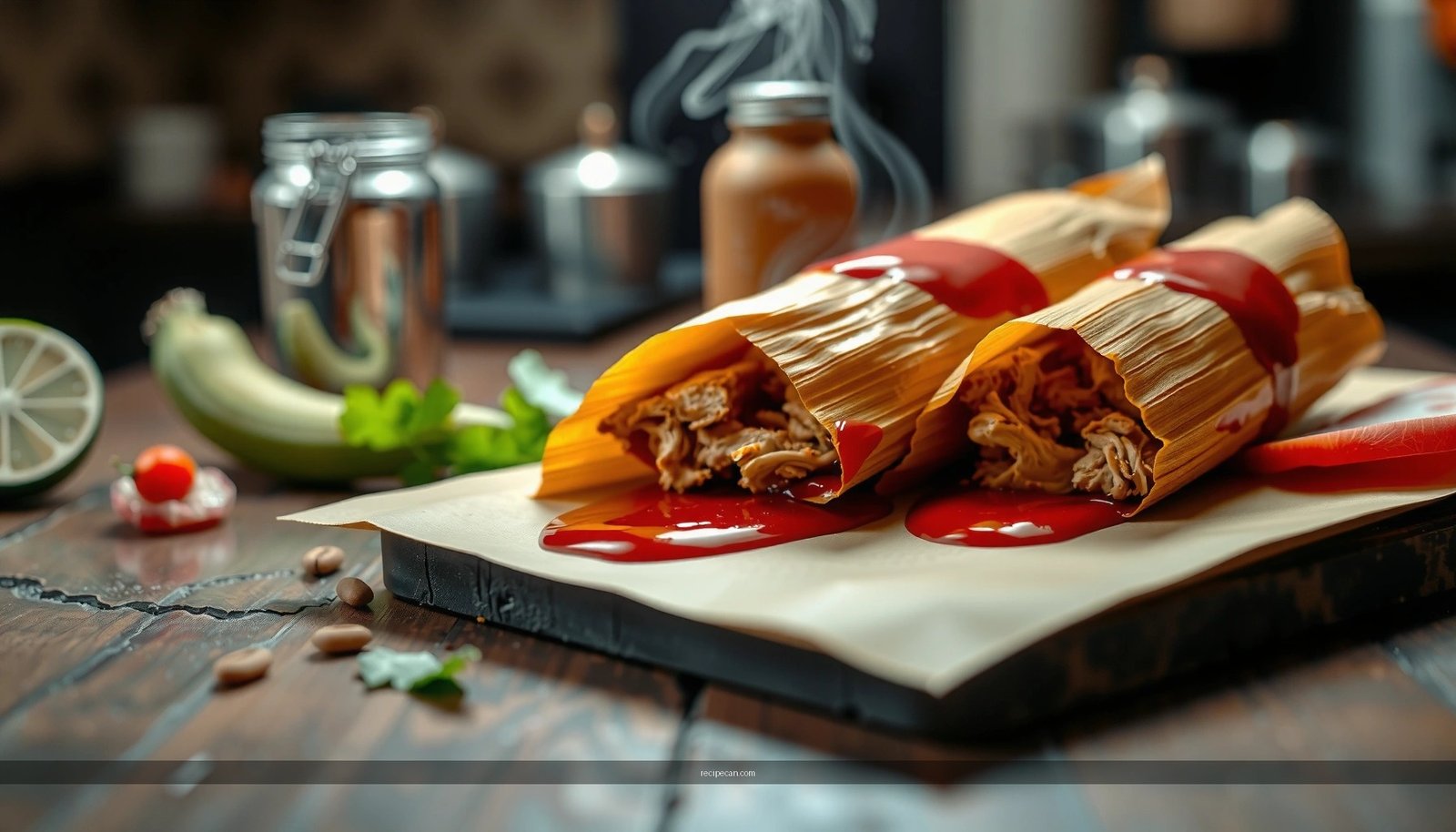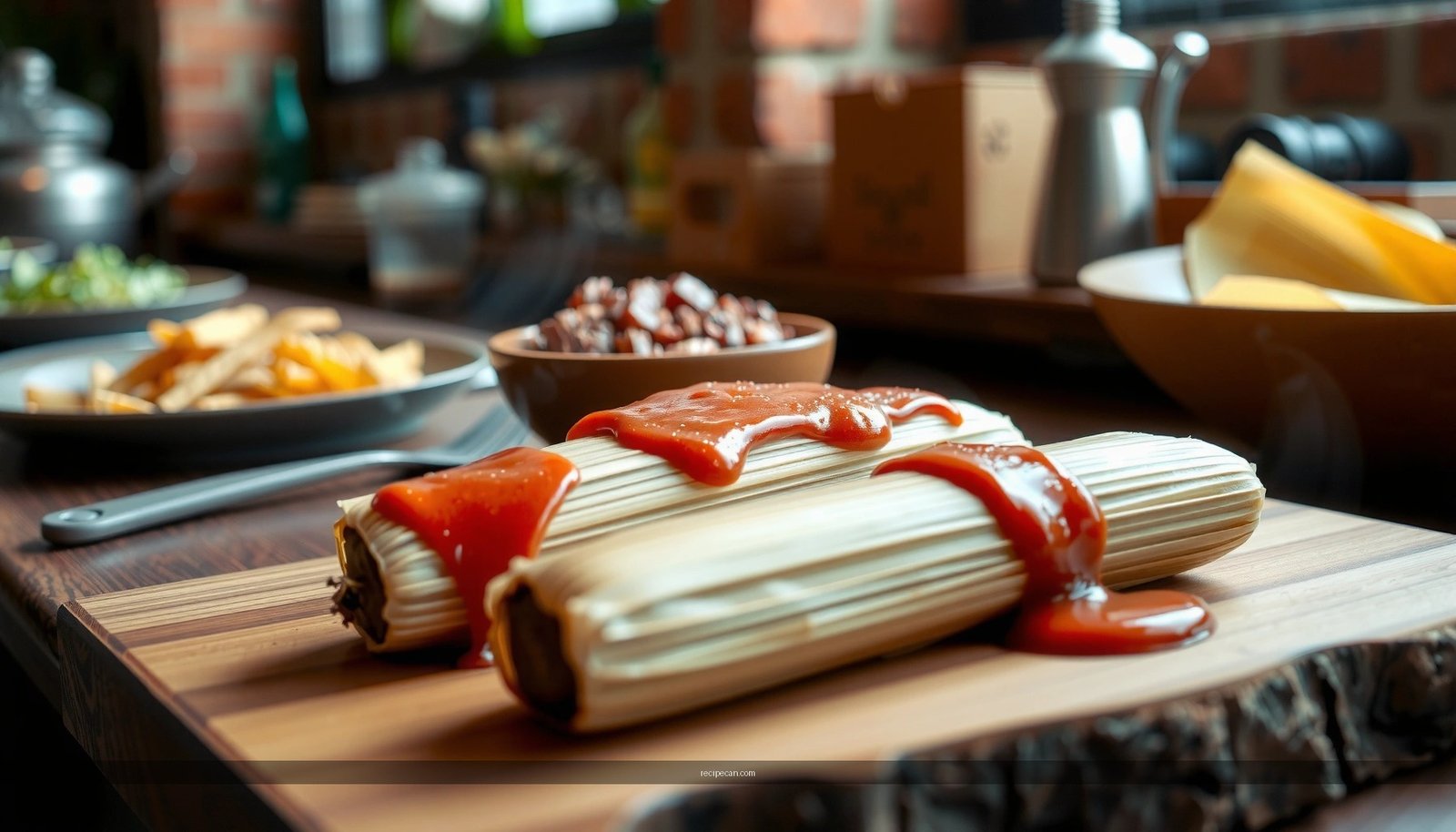
Get a masa tamale recipe that delivers perfect, sliceable masa every time, with clear steps that prevent dough from cracking or turning gummy. This guide answers how to make tamale masa from start to finish—mixing the right consistency, letting it rest, and spreading it so each tamale cooks evenly. If you want the most reliable results without guesswork, this is the straightforward method to follow.
Make masa tamale by mixing masa harina with warm broth and fat until smooth, then steam the wrapped tamales until the masa sets and releases cleanly from the husk. This masa tamale recipe will help you control the texture, seasoning, and consistency for tender, flavorful tamales every time—without guesswork.
What You Need for Masa Tamale
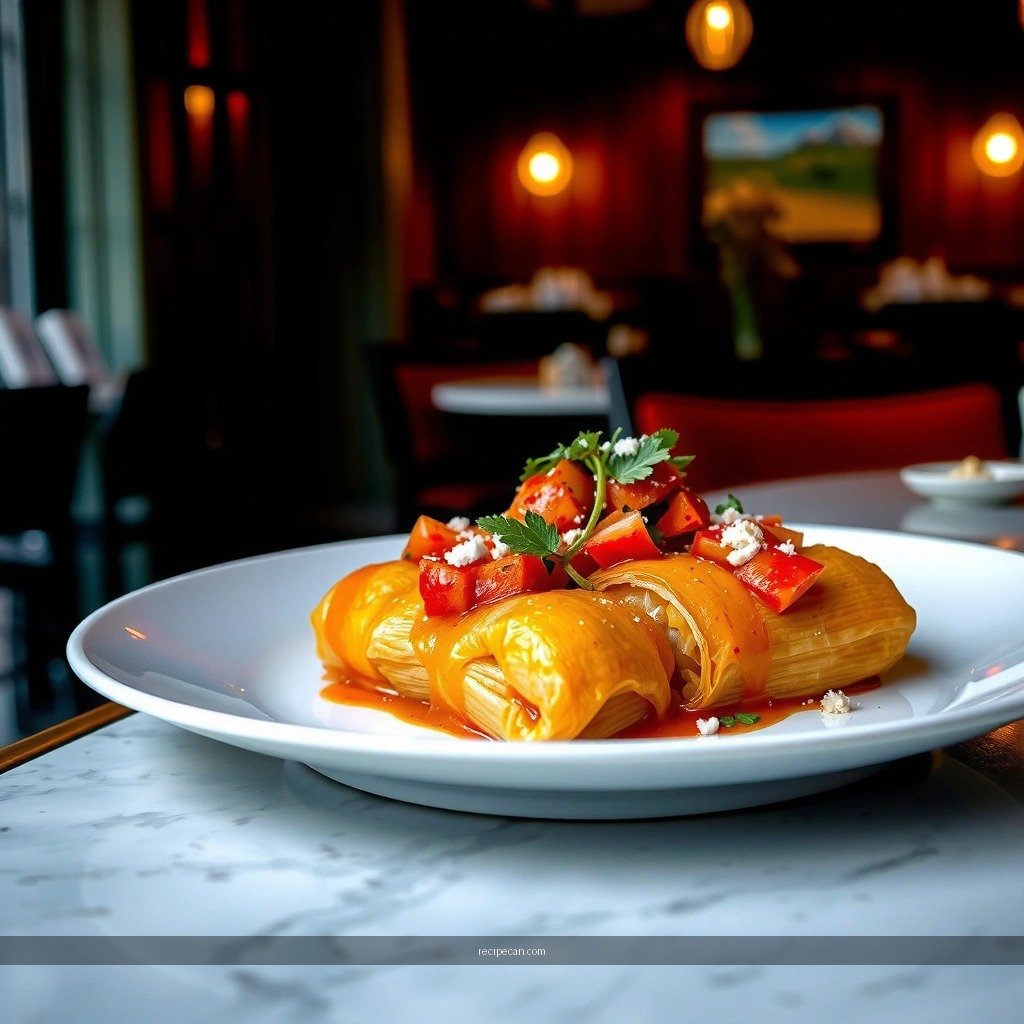
A great masa tamale starts with disciplined measurements and the right ratio of dry to liquid and fat. When any of these are off (especially hydration and fat), the masa can turn gummy, crumbly, or bland—so treat this list as your baseline.
– Masa harina: nixtamalized corn flour made for tamales (not regular cornmeal)
– Warm broth (or stock): chicken, pork, or vegetable broth to build savory depth
– Fat (lard or shortening): lard gives classic richness; shortening gives a lighter, cleaner mouthfeel
– Salt: essential for making the masa taste like tamales, not just cornbread dough
– Optional seasonings: ground cumin, garlic powder, dried oregano, or chili powder (use lightly—masa is delicate)
– Corn husks: for traditional texture and flavor
– Optional for assembly: kitchen twine (or strips of husk) if you prefer tying more securely
Pro tip for consistency: If you’re making multiple batches (common for gatherings), weigh the masa harina and scale everything else to match. Tamales are forgiving with fillings, but unforgiving with masa hydration.
Masa Hydration Targets for Reliable Tamale Texture
| # | Masa Profile | Water/Broth %* | Fat %* | Expected Masa Result |
|---|---|---|---|---|
| 1 | Balanced classic | 110% | 18% | Spreads smoothly, holds shape |
| 2 | Slightly drier | 104% | 18% | Can crack or feel stiff |
| 3 | Slightly wetter | 116% | 18% | Can smear when spreading |
| 4 | Fat-forward richness | 110% | 22% | Tastes richer, very tender bite |
| 5 | Lower-fat firmer | 110% | 14% | Less melt-in-mouth, can feel dry |
| 6 | Working adjustment (too dry) | +2% increments | 18% | Fixes stiffness without turning wet |
| 7 | Working adjustment (too wet) | -2% increments | 18% | Corrects smear; avoid overcompensating |
*Percentages are relative to masa harina weight (e.g., 110% broth means 1.10× the weight of masa harina in broth).
Prepare and Soak the Corn Husks
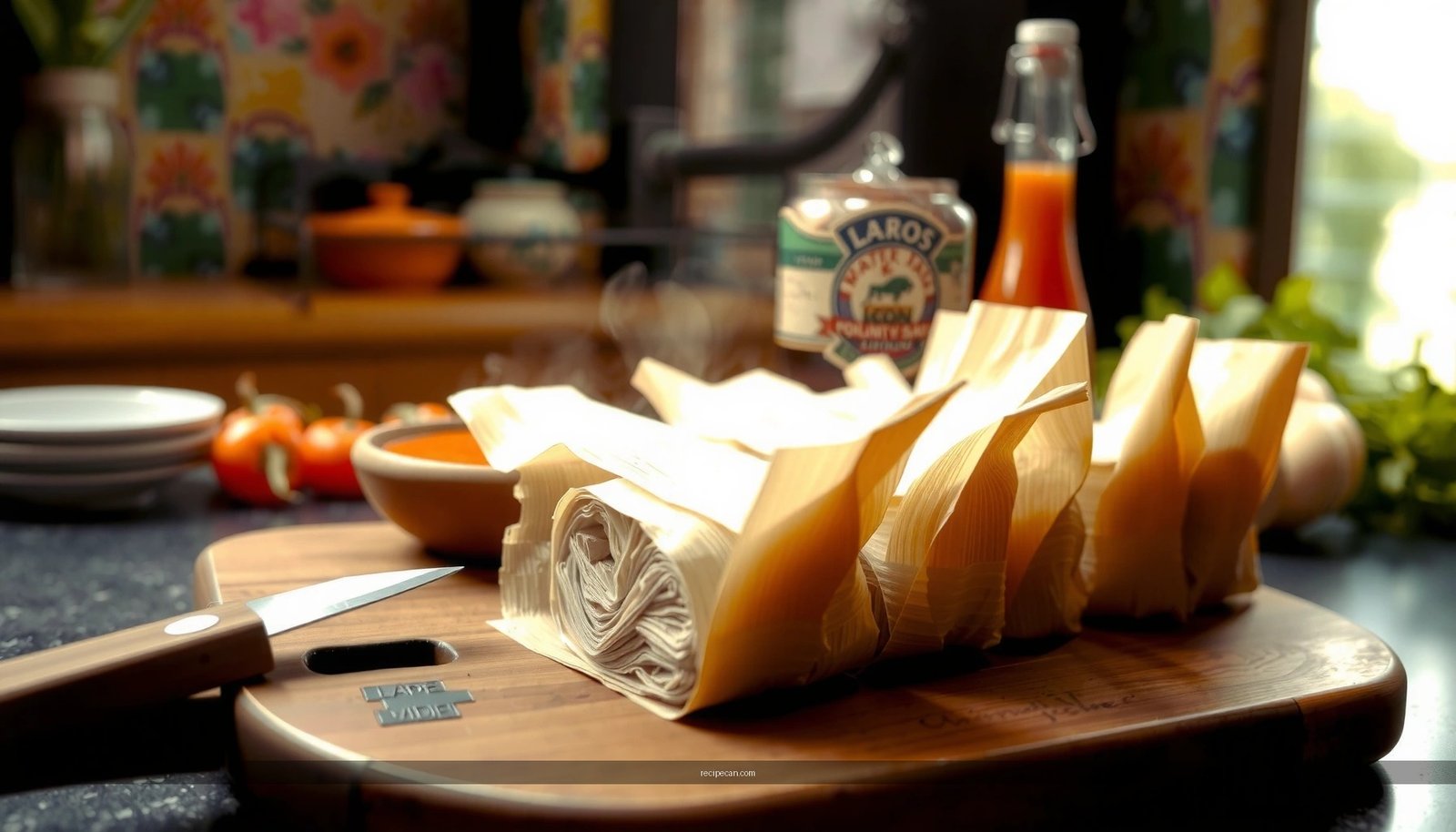
Corn husks must be flexible. If they’re stiff or dry, your tamales won’t fold cleanly, and you’ll risk tears that let filling leak into the steamer.
– Soak husks until pliable, about 30–60 minutes
Start checking at 30 minutes; husk thickness and age vary.
– Drain and keep them covered
A covered bowl helps retain moisture so the husks don’t dry out between batches.
– Trim or soften edges if needed
If the thick spine is hard to fold, lightly trim it or run a quick press-through in warm water.
Operational efficiency tip: If you’re making tamales for a group, soak all husks first, then move in batches: wrap, tie, steam. That sequence prevents the “dry husk” problem mid-production.
Mix the Tamale Masa
This is where most masa tamale recipes succeed or fail. The key is gradual hydration and consistent mixing so the masa becomes cohesive—not grainy, not watery.
– Combine masa harina with warm broth gradually for even texture
Add broth in parts, mixing continuously. Warm liquid helps fat emulsify and speeds hydration.– Mix until smooth and thick, with no dry pockets
Dry pockets create inconsistent steam-setting, which can lead to uneven texture.
– Add salt (and spices if desired) to season throughout
Salt must be integrated into the masa, not sprinkled after. For optional seasonings, start with small amounts (they concentrate during steaming).
Fat matters: Add lard/shortening after the masa harina is hydrated (or if your method includes pre-creaming, follow it consistently). Mixing fat into the masa improves tenderness by creating a fine, even structure that holds moisture during steaming.
Check Masa Consistency (The Float Test)
A perfect tamale masa shouldn’t be runny; it should be moldable with resistance. Consistency checks reduce batch variation—especially if your broth is more concentrated or your masa harina brand differs.
– The masa should spread slightly but hold shape when molded
Think “thick batter” rather than “dough ball.”
– Use a small pinch test or “float” check for correct hydration
– Pinch test: it should form a soft, cohesive pinch that doesn’t crumble.
– Float test (commonly used by home cooks): if properly hydrated, a small portion may rise slightly; if it sinks hard, it’s usually too dry.
– Adjust with a little broth (too dry) or more masa harina (too wet)
Make adjustments in small increments, then mix thoroughly.
Batch-correction strategy:
– If masa is too dry: add broth 1–2 tablespoons at a time, mix 60 seconds, then re-test.
– If masa is too wet: add masa harina 1 tablespoon at a time, mix, and wait a few minutes—masa often thickens as the corn flour hydrates fully.
Masa Fixes That Preserve Tamale Structure
| # | Observed Issue | Likely Cause | Action | Expected Improvement |
|---|---|---|---|---|
| 1 | Crumbly masa | Too little broth | Add warm broth 1–2 tbsp | Better cohesion |
| 2 | Greasy sheen | Fat not emulsified | Mix longer + add small broth | Smoother spread |
| 3 | Smeary masa | Too much broth | Add masa harina 1 tbsp | Less leaks risk |
| 4 | Dense, heavy bite | Under-mixed masa | Mix until uniform, rest 5 min | More tender texture |
| 5 | Barely tastes of corn | Salt under-seasoned | Add salt in tiny amounts | More balanced flavor |
Spread, Fill, and Fold
Once your masa consistency is right, assembly becomes repeatable. The goal is an even masa layer, an appropriately sized filling portion, and a tight fold that prevents leaks.
– Spread masa onto husks evenly, leaving room at edges
Leave a margin so the fold seals properly and the tamale doesn’t unravel.
– Add your filling and wrap tightly to prevent leaks
Don’t overfill—too much filling creates pressure and blowouts during steaming.
– Tie or fold securely for consistent steaming
Consistency affects cook time and doneness. A slightly tighter wrap helps the masa set evenly.
Efficiency approach: Use a portioning method (e.g., same spoon size for masa and filling). For large batches, uniform portions also help the tamales finish cooking at roughly the same time.
Steam the Tamales
Steaming is the final transformation: hydrated corn proteins set, fat tenderizes, and the husk aroma infuses the masa. Your main variables are water level, steady heat, and cook duration.
– Steam with water below the tamales, covered, for steady heat
Keep the pot at a gentle, consistent simmer rather than a violent boil.
– Check periodically and add water if needed
Letting the steamer run dry can overcook or stall some tamales.
– Cook until masa pulls cleanly from the husk
This “release test” is more reliable than guesswork, because tamale size and your steamer setup vary.
Quality control: If you’re unsure, steam one test tamale for the first interval, then evaluate texture. When the masa releases cleanly and feels firm yet tender, your batch timing is correct.
Masa tamale turns out best when your masa texture is smooth and properly hydrated, your husks are flexible, and your steaming time is consistent. Follow these steps, do the consistency check before wrapping, and steam until set—then taste-test and tweak your seasoning next batch.
Practical finish: Taste a small corner of masa (no need to bite hot fillings). If flavor is flat, increase salt in the next batch. If texture is gummy, hydration may be high or mixing may be insufficient.
Conclusion
A reliable masa tamale recipe comes down to controlled hydration (warm broth + fat emulsification), flexible soaked husks, and repeatable steaming until the masa pulls cleanly from the husk. If you follow the float/pinch consistency check before you wrap and keep heat steady throughout steaming, you’ll produce tender, flavorful tamales with the right texture—then you can refine seasoning and timing with confidence for every batch.
Frequently Asked Questions
What is masa tamale, and what ingredients make it?
Masa tamale is the corn dough used to wrap and hold the filling in tamales. The most common base is masa harina (corn flour) mixed with warm broth or water, plus fat such as lard or vegetable shortening for flavor and texture. Many recipes also include salt and a leavening element like baking powder to help the masa cook up light and tender. Using the right masa harina brand and correct liquid ratio is key to getting tamale masa that spreads without cracking.
How do you make masa tamale from masa harina without it getting dry or lumpy?
Start by measuring masa harina carefully and mix it with warm broth gradually so you can control hydration. Stir thoroughly to remove lumps, then let the masa rest briefly so the flour fully absorbs the liquid. If your masa feels dry, add broth a little at a time; if it’s too soft, add more masa harina until it’s smooth and spreadable. For best results, aim for a thick but workable consistency that holds shape when scooped.
Why do some masa tamale recipes taste bland or turn out tough?
Bland tamale masa usually comes from insufficient salt, not using flavorful broth, or under-seasoning the dough. Tough tamales often result from using too little fat, overmixing after the masa hydrates, or cooking too long in a way that dries out the dough. Make sure you use enough fat (lard or shortening) for tender texture and steam just until the masa is fully set and the tamale pulls away slightly from the husk. A reliable masa tamale recipe also uses proper resting time for hydration.
Which steaming method works best for cooking tamales with great masa texture?
The best method is traditional steaming in a covered steamer pot with enough water to generate consistent steam. Place tamales upright or layered with space so steam circulates evenly, and avoid lifting the lid too often because temperature drops can affect cook time. Steam until the masa tamale looks set and firm, and the center is no longer doughy. If you’re batch cooking, consider rotating the racks partway through for uniform doneness.
Best way to tell if your masa tamale is ready to spread before assembling?
A common test is to check consistency: the masa should be smooth, thick, and easy to spread, not watery or crumbly. If you’re familiar with the float test, some masa tamale recipes use it—properly hydrated dough floats slightly in water, indicating good hydration. You can also taste-test a small spoonful; it should taste seasoned and cooked dough should feel soft, not gummy or gritty. Adjust with a little broth or masa harina before assembling so your tamales steam with even texture.
References
- Tamale
https://en.wikipedia.org/wiki/Tamale - Nixtamalization
https://en.wikipedia.org/wiki/Nixtamalization - Masa
https://en.wikipedia.org/wiki/Masa_harina - Corn tortilla
https://en.wikipedia.org/wiki/Corn_tortilla - https://www.britannica.com/topic/tamale
https://www.britannica.com/topic/tamale - https://pubmed.ncbi.nlm.nih.gov/?term=nixtamalization
https://pubmed.ncbi.nlm.nih.gov/?term=nixtamalization - https://pubmed.ncbi.nlm.nih.gov/?term=masa+harina
https://pubmed.ncbi.nlm.nih.gov/?term=masa+harina - Google Scholar Google Scholar
https://scholar.google.com/scholar?q=masa+tamale+recipe - Google Scholar Google Scholar
https://scholar.google.com/scholar?q=nixtamalization+corn+masa+for+tamales - Google Scholar Google Scholar
https://scholar.google.com/scholar?q=traditional+tamales+masa+process