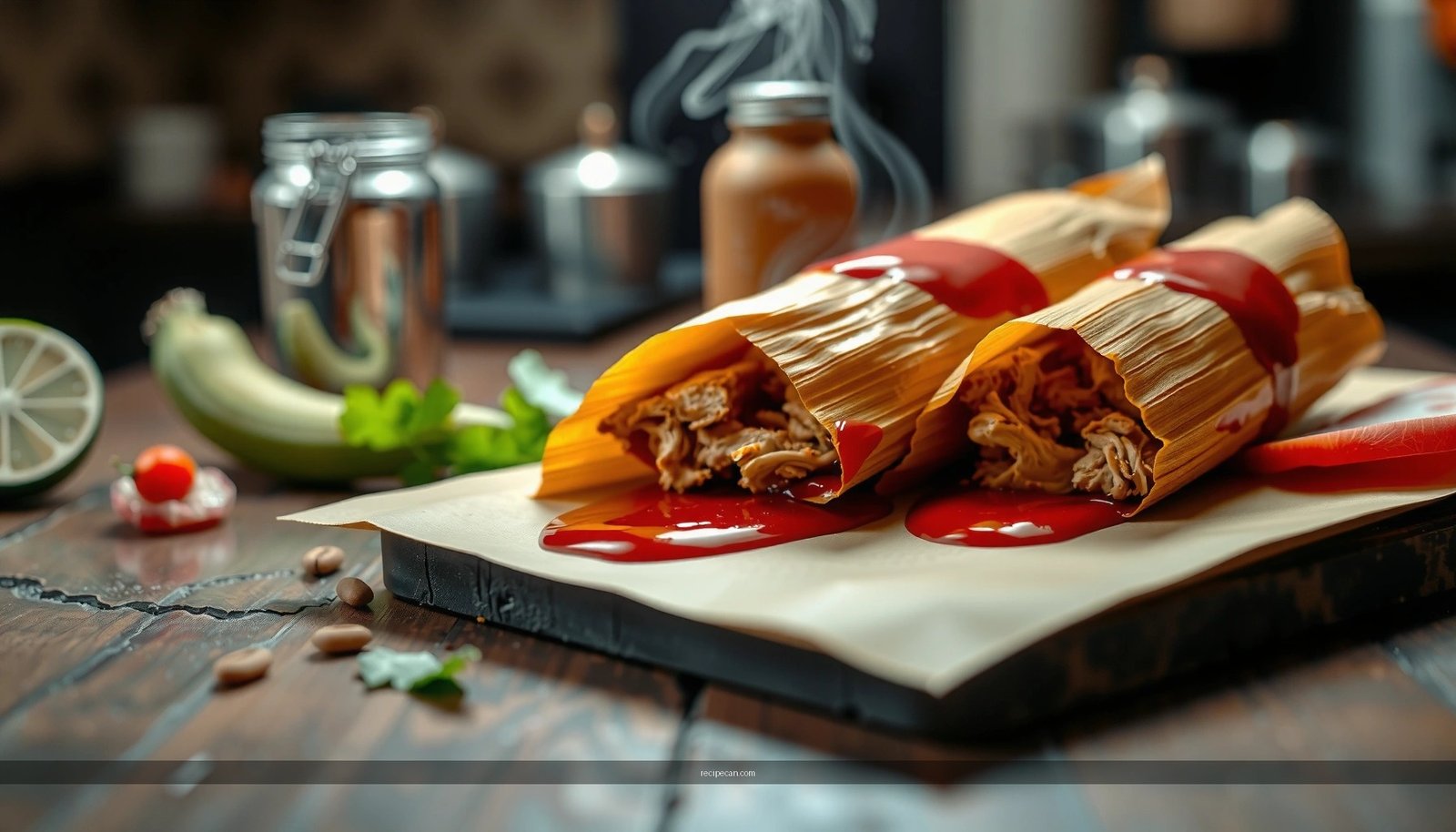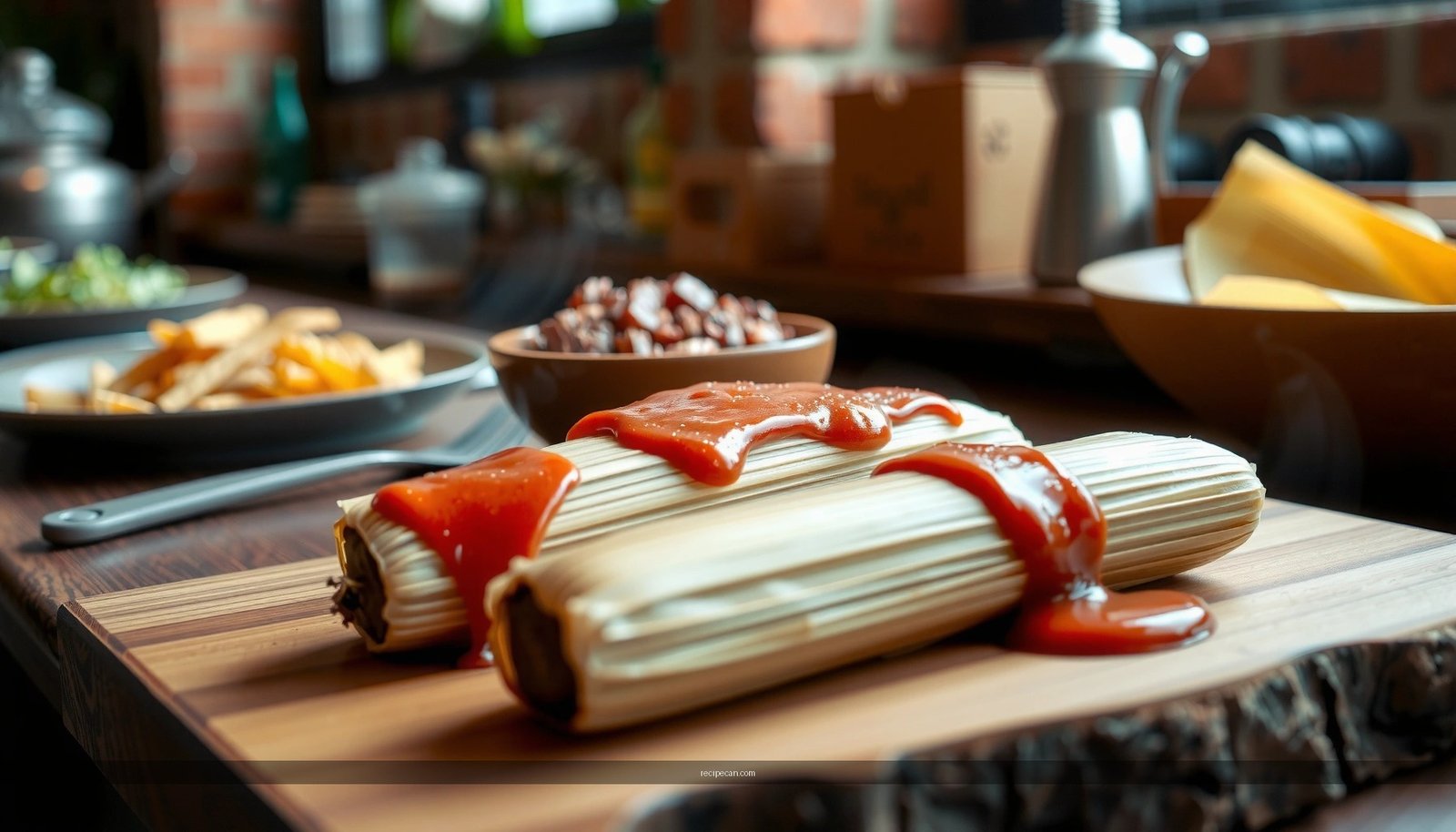
You can use this masa recipe for tamales with lard to get the richest, most reliable consistency—tender tamales with a clean corn flavor every time. Follow the easy steps to cook and season the masa correctly, then spread and steam with confidence. It’s the fastest route to standout texture when you want lard-based masa rather than a lighter alternative.
Use masa harina plus warm broth and mix in lard until the dough becomes smooth, spreadable, and springy—this is what creates tender tamales that steam properly. In this guide, you’ll learn the exact masa texture to aim for, how to season it for balanced flavor, and how to test it before filling and steaming so your tamales set up consistently.
Ingredients for Masa Recipe with Lard
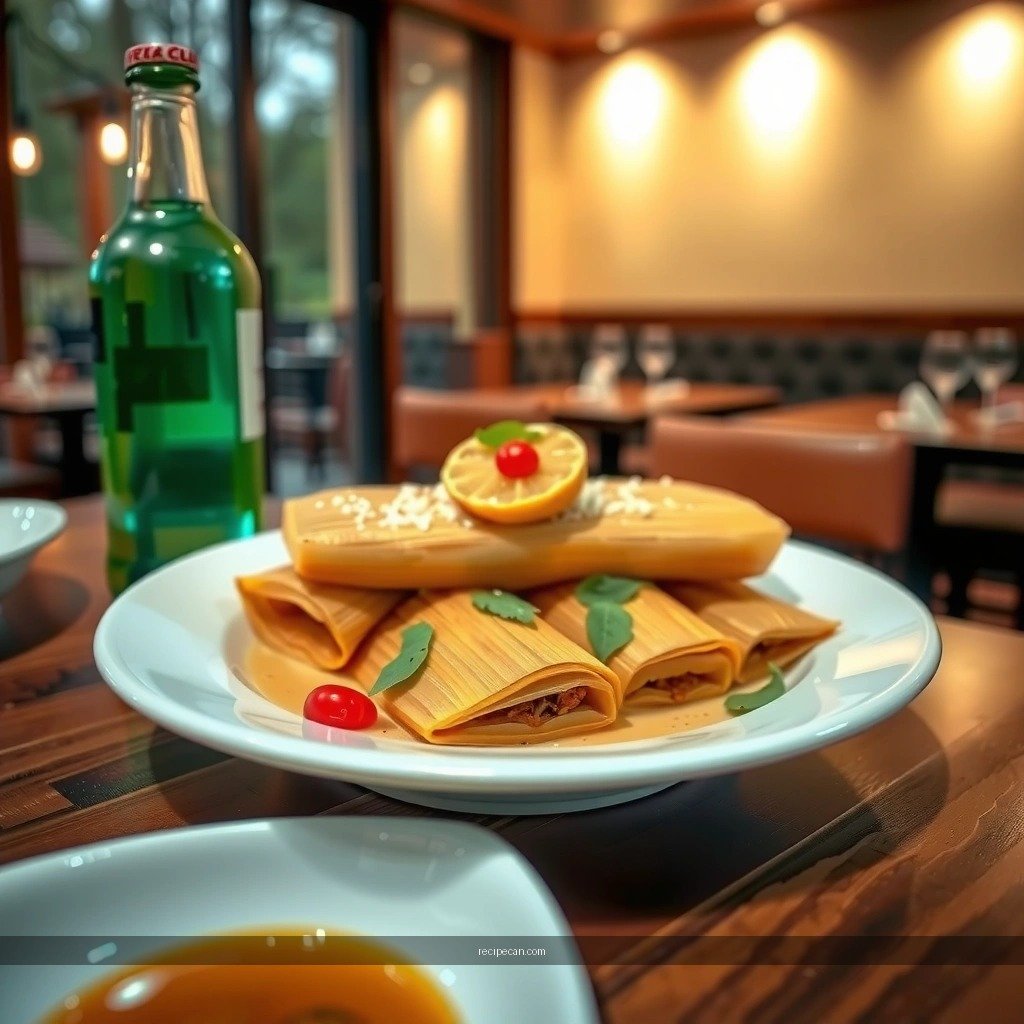
– Masa harina, lard, and warm broth (or water) are the base
– Add salt and optional seasonings for deeper flavor
For tamales, “masa” is not a single ingredient—it’s a controlled dough system where hydration and fat work together. Masa harina (corn flour treated for nixtamalization) provides structure, while warm broth hydrates the starches and proteins so the dough can steam into a cohesive, tender interior. Lard adds fat for moisture retention, improved mouthfeel, and a smoother spread that helps the filling distribute evenly.
Core ingredient guidance (practical and consistent):
– Masa harina: Use plain masa harina (not pre-made tamale dough and not masa for tortillas unless it’s explicitly tamale-ready).
– Lard: Use rendered lard for the classic flavor and functional fat content. If you substitute, note that different fats can change dough behavior.
– Warm broth/water: Warm liquid hydrates more evenly than cold water. Broth also adds salt and savory depth—though you’ll still fine-tune with additional salt.
– Salt: Essential for bringing out corn flavor. If your broth is already salty, start with less.
Below is a quick, business-style reference for how the major ingredients typically behave in tamales masa. It helps you plan, scale, and troubleshoot texture.
Common Masa Ratios and Expected Texture (Tamales)
| # | Masa Harina (by weight) | Warm Liquid | Lard | Texture Outcome |
|---|---|---|---|---|
| 1 | 1 lb (454 g) | ~1¼ to 1⅓ cups (300–320 ml) | ~3/8 cup (90–100 g) | Spreadable, holds ridges; clean wrap |
| 2 | 1 lb (454 g) | ~1⅓ to 1½ cups (320–360 ml) | ~3/8 cup (90–100 g) | Softer dough; slightly more yielding |
| 3 | 1 lb (454 g) | ~1 cup (240 ml) | ~3/8 cup (90–100 g) | Firm, crumbly; tears when spread |
| 4 | 1 lb (454 g) | ~1⅔ cups (400 ml) | ~3/8 cup (90–100 g) | Watery, slump-prone; difficult to center |
| 5 | 1 lb (454 g) | ~1¼ cups (300 ml) | ~2½ tbsp (35–40 g) | Drier bite; less glide on husk |
| 6 | 1 lb (454 g) | ~1¼ cups (300 ml) | ~1/2 cup (120–130 g) | Greasy feel; can soften structure |
| 7 | 1 lb (454 g) | ~1⅓ cups (320 ml) | ~1/3 cup (80–90 g) | Balanced, tender crumb; clean spread |
Make the Dough: Mix and Hydrate
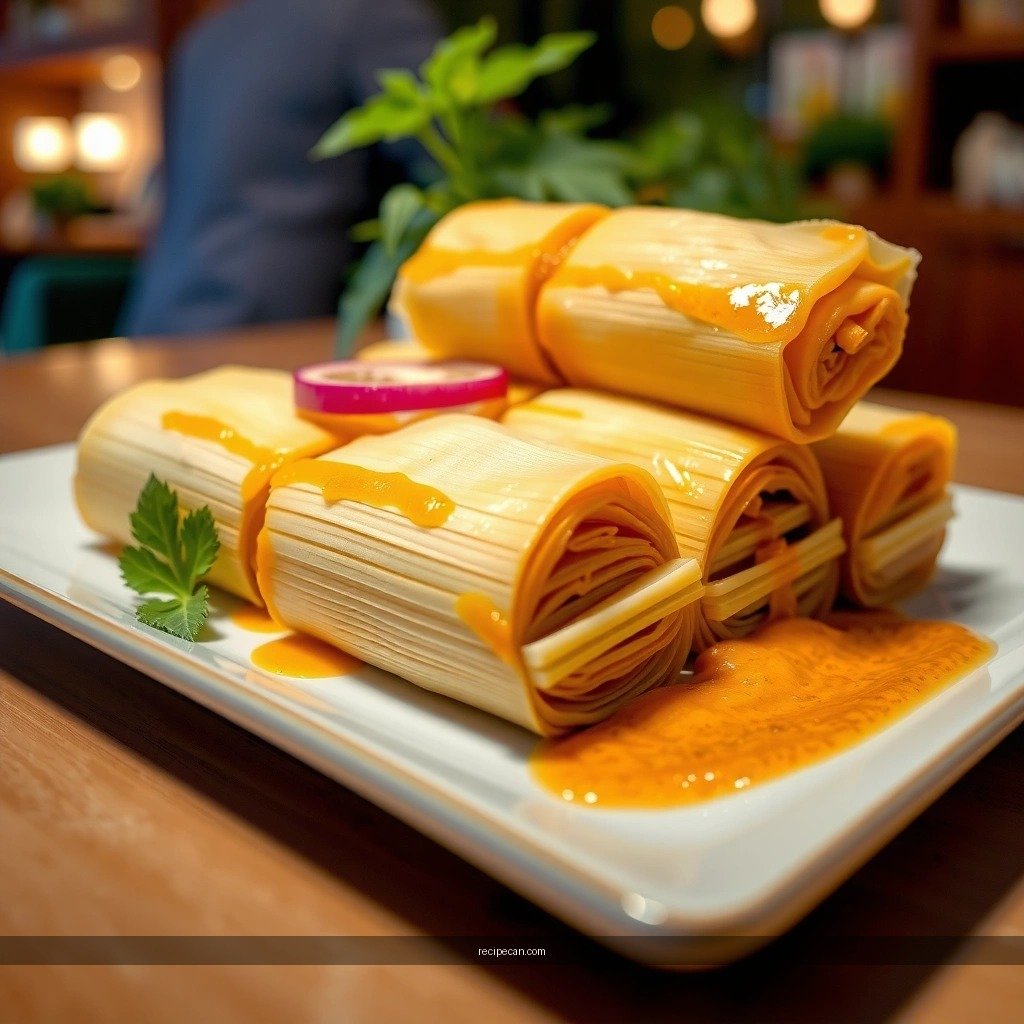
– Combine masa harina with warm liquid gradually for even hydration
– Mix until no dry pockets remain and the dough looks uniform
Hydration is the first quality lever in an easy tamales masa recipe. Corn flour doesn’t hydrate instantly—if you dump all the liquid at once, you typically get dry pockets plus over-hydrated edges, which later steam unevenly.
Step-by-step mixing approach:
1. Warm your liquid until it’s hot but not boiling (think: comfortable to hold briefly, around 110–130°F / 43–54°C).
2. Add liquid gradually. Start with about 70–80% of the total, mixing as you go.
3. Rest briefly if needed. If your mixture looks thick or slightly grainy, let it sit 5–10 minutes. This allows starch to absorb moisture.
4. Finish hydration with small adjustments. Add a tablespoon or two at a time until the masa becomes smooth and cohesive.
What “uniform” looks like:
– No visible dry flour islands.
– Dough pulls together when you stir.
– The surface looks satiny rather than dusty.
Common failure modes and fast fixes:
– Too dry: Add warm broth 1 tablespoon at a time; mix thoroughly.
– Too wet: Add a small spoonful of masa harina; let it rest 5 minutes, then reassess.
– Lumpy: Continue mixing—lumps often dissolve once fully hydrated.
From a process standpoint, consistent hydration reduces variability between batches—critical if you’re cooking for events or scaling up.
Cream the Lard for Better Texture
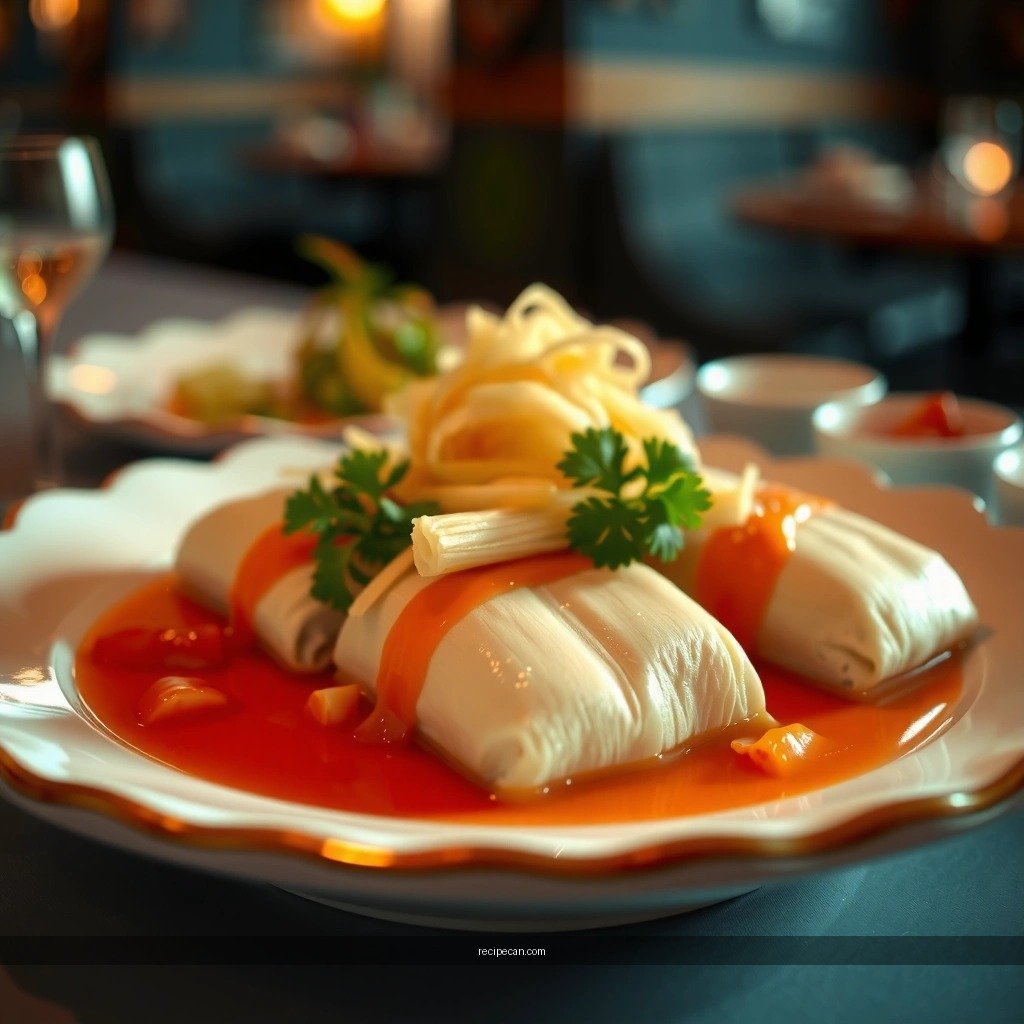
– Mix lard into the masa until fluffy and smooth
– Work until the masa holds together and feels soft, not greasy
Lard isn’t only flavor; it’s the engineering ingredient that helps tamales stay tender after steaming. The “cream” step distributes fat and introduces air pockets, improving texture and helping the masa release moisture in a controlled way.
How to cream correctly:
1. Make sure lard is soft (not melted). If it’s too firm, it won’t incorporate evenly; if it’s too hot, you risk a greasy separation.
2. Add lard in portions—mixing after each addition—so the dough emulsifies.
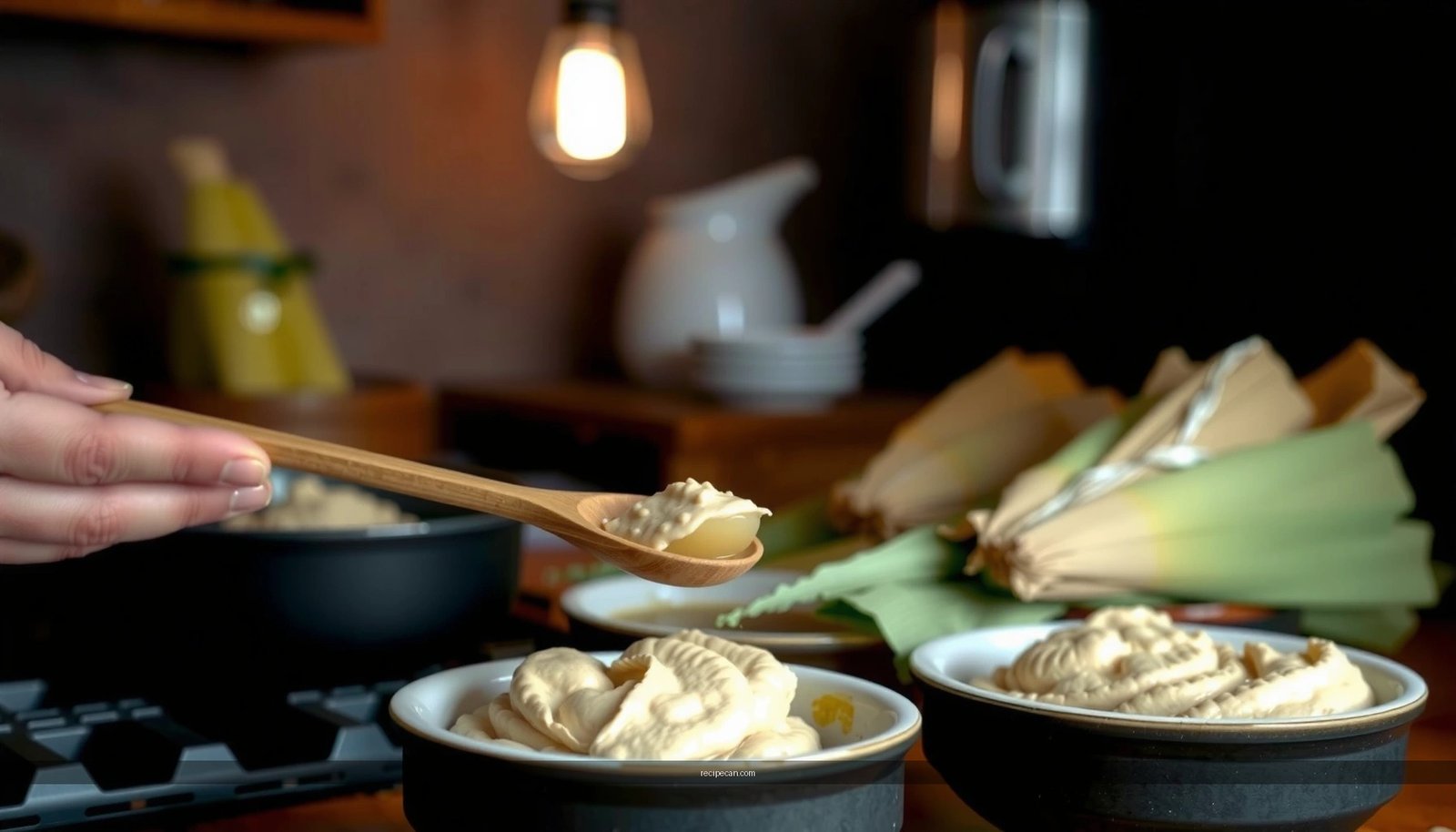
3. Mix until the masa becomes lighter and smoother, with a soft, spreadable consistency.
What to aim for (sensory targets):
– Soft, pliable body: It should feel like thick frosting or smooth cookie dough.
– Holds together: When you pull a spatula through, the channel slowly relaxes but doesn’t collapse into liquid.
– No oily sheen: A slight gloss is normal; a greasy look indicates over-saturation or insufficient mixing.
Professional shortcut: If you’re using a stand mixer, use a paddle attachment at medium speed, scrape down the bowl often, and mix long enough to remove graininess. Overmixing isn’t usually a risk here—under-creaming is.
Seasoning and Flavor Tips
– Taste and adjust salt as needed for balanced flavor
– Keep seasonings simple so they complement your filling
Seasoning masa can be done with restraint, but it should be intentional. Corn has a naturally sweet, starchy character; with the right salt level, it becomes savory and aromatic rather than flat.
How to season effectively:
– Start with a measured amount of salt (and remember broth may already be salted).
– Mix fully before tasting—salt distribution matters.
– Taste with a clear benchmark: The masa should taste “pleasantly seasoned” on its own, not bland and not aggressively salty.
Suggested seasoning strategy (balanced and tamales-friendly):
– Rely on salt first, then add only one or two optional elements such as:
– Ground cumin (small amount; earthy warmth)
– Garlic powder (pinch-level; complements many fillings)
– Mexican oregano (very light)
– Smoked paprika (if your filling is mild)
Avoid over-seasoning the masa if your filling is already bold. A common complaint with tamales is that the masa tastes disconnected from the filling—simple seasoning prevents that problem.
Texture Check: How to Know It’s Ready
– The masa should be spreadable and hold shape
– Perform a quick test: it should be workable and not watery
Before you assemble tamales, verify readiness. This is where many home cooks lose quality: they steam dough that’s either too loose (leading to weak structure) or too stiff (leading to dense, dry tamales).
Use these practical tests:
1. Spread test: Scoop a portion onto a plate. It should spread into a smooth layer without tearing.
2. Ridging test: Spread it with a spatula and observe the lines:
– Lines should soften gradually.
– The masa should not run or pool like batter.
3. Pinch and press: Press a small amount between fingers:
– It should feel cohesive and tender.
– It should not feel gritty or sticky-wet.
If you have access to a scale and want repeatability: weigh your masa portions and make small adjustments by hydration. Texture consistency is one of the easiest ways to make “easy steps” turn into reliable results.
Troubleshooting by texture:
– Watery or slack: Add masa harina 1 tablespoon at a time, rest 5 minutes, and retest.
– Crumbly or stiff: Add warm broth 1 tablespoon at a time, mix until smooth.
– Gritty/grainy: Continue creaming (fat dispersion) and ensure full hydration (rest longer if needed).
Assemble and Steam Your Tamales
– Spread masa evenly and add filling in the center
– Steam until fully set, keeping water level steady throughout
Assembly should be efficient and consistent. The goal is even masa thickness so steam penetrates uniformly and the masa sets without gaps.
Assembly workflow:
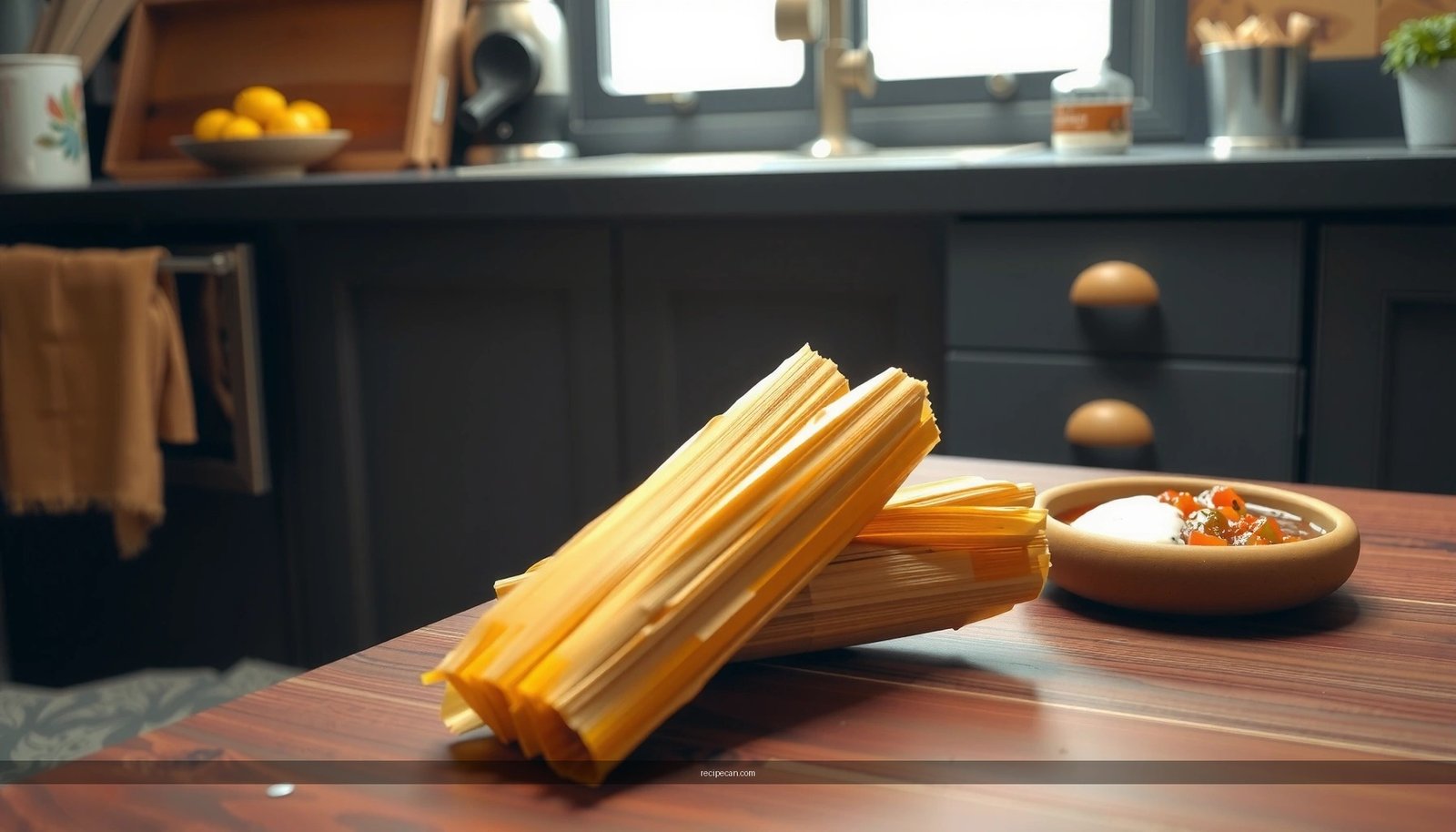
1. Prepare husks (corn husks or banana leaves, depending on your style). Corn husks should be pliable.
2. Spread masa into a thin, even layer—leave space at edges for sealing.
3. Add filling to the center (not too close to the edges), then fold/roll and secure.
Steaming essentials for a tender result:
– Keep water at a steady simmer. Don’t let the pot run dry.
– Use a steamer rack so tamales stay above water level.
– Steam time depends on tamale size, but the key indicator is when masa looks fully set and firm, not wet.
Quality control while steaming:
– Avoid lifting the lid repeatedly—temperature drops slow steaming and can cause uneven doneness.
– If you’re batch cooking, rotate the tamale positions halfway through for consistent heat exposure.
How the right masa helps here: A properly hydrated and creamed masa with lard forms a stable structure that traps steam moisture inside the tamales. This is what produces tenderness instead of gumminess or dryness.
What “Ready Masa” Looks Like Before Wrapping
| ID | Checklist Item | Pass Signal | Rating |
|---|---|---|---|
| 1 | Spreadability | Smooth layer, no cracks | ★★★★☆ |
| 2 | Shape hold | Ridges soften slowly | ★★★★☆ |
| 3 | Hydration uniformity | No dry granules | ★★★☆☆ |
| 4 | Grease check | No oily pooling | ★★★☆☆ |
| 5 | Dough feel | Soft, cohesive, not sticky-wet | ★★★★☆ |
Steamed tamales start with the right masa: hydrated masa harina, lard mixed in until smooth, and careful seasoning. Follow the texture checks and don’t rush the mixing, then assemble and steam until firm. If you want consistent results, measure your masa and broth carefully and use the readiness test before filling and wrapping.
Crafting tamales with lard is ultimately a controlled process: hydrate masa harina evenly with warm broth, cream the lard until the dough is smooth and tender, season with salt in mind, and verify texture before you wrap. When you follow these steps—and adjust in small increments—you get a masa that spreads cleanly, steams up tender, and delivers repeatable results batch after batch.
Frequently Asked Questions
What is the best masa recipe for tamales with lard?
A classic masa recipe for tamales with lard uses masa harina, warm broth (chicken or pork), baking powder, salt, and lard that’s whipped for a lighter texture. Mix lard until fluffy, then alternate adding warm broth and dry ingredients until the masa is smooth and spreadable. The goal is a dough that holds its shape and spreads without cracking. If you want richer flavor, use homemade pork broth and a small amount of annatto or garlic seasoning in the liquid.
How do I prepare and lard-whip the masa for tamales to get a fluffy texture?
Start by letting the lard soften to room temperature, then beat it until creamy and slightly aerated—this helps the masa rise and feel tender. Gradually combine masa harina with warm broth, mixing to remove dry pockets, then fold in the whipped lard. Continue mixing until the masa is smooth and the fat is fully incorporated. For best results, keep the masa warm while you work so it stays pliable and doesn’t dry out.
Why does my tamale masa with lard come out dry or crumbly, and how can I fix it?
Dry or crumbly masa usually means the dough is under-hydrated or the lard wasn’t fully mixed in. Add warm broth a tablespoon at a time, mixing thoroughly between additions, until the masa becomes soft and cohesive. If the masa looks dry but won’t bind, let it rest covered for 10–15 minutes, then remix and adjust again. Also check that your masa harina is fresh, since older masa can absorb liquid differently.
Which consistency should masa have for tamales—do I use broth water or stock?
Masa for tamales should be thick but spreadable, and you should be able to spread a layer on the corn husk without tearing. Warm stock (pork or chicken) is preferred over plain water because it improves flavor and gives the masa a better overall taste. Use broth rather than cold liquid to help the masa hydrate evenly, which is key for smooth texture when using lard. If you’re making flavored tamales, match the broth seasoning to your filling so the masa complements it.
What is the correct steaming time and handling tip for tamales made with lard masa?
After assembling, steam tamales until the masa is fully cooked and firm, typically 60–90 minutes depending on tamale size and your steamer setup. Keep water at a steady simmer and avoid letting the pot run dry, since steam consistency affects doneness. A good indicator is that the masa releases slightly from the husk edges and feels set when pressed gently. Let tamales rest for about 10–15 minutes after steaming so the masa finishes setting and becomes easier to unwrap.
References
- Tamale
https://en.wikipedia.org/wiki/Tamale - Masa
https://en.wikipedia.org/wiki/Masa_harina - Nixtamalization
https://en.wikipedia.org/wiki/Nixtamalization - Lard
https://en.wikipedia.org/wiki/Lard - Tortilla
https://en.wikipedia.org/wiki/Tortilla - https://www.britannica.com/topic/tamale
https://www.britannica.com/topic/tamale - Google Scholar Google Scholar
https://scholar.google.com/scholar?q=masa+for+tamales+recipe+lard - Google Scholar Google Scholar
https://scholar.google.com/scholar?q=traditional+tamale+masa+preparation+using+lard - Google Scholar Google Scholar
https://scholar.google.com/scholar?q=nixtamalization+masa+harina+tamales+fats+lard - https://pubmed.ncbi.nlm.nih.gov/?term=nixtamalization+masa+fats
https://pubmed.ncbi.nlm.nih.gov/?term=nixtamalization+masa+fats