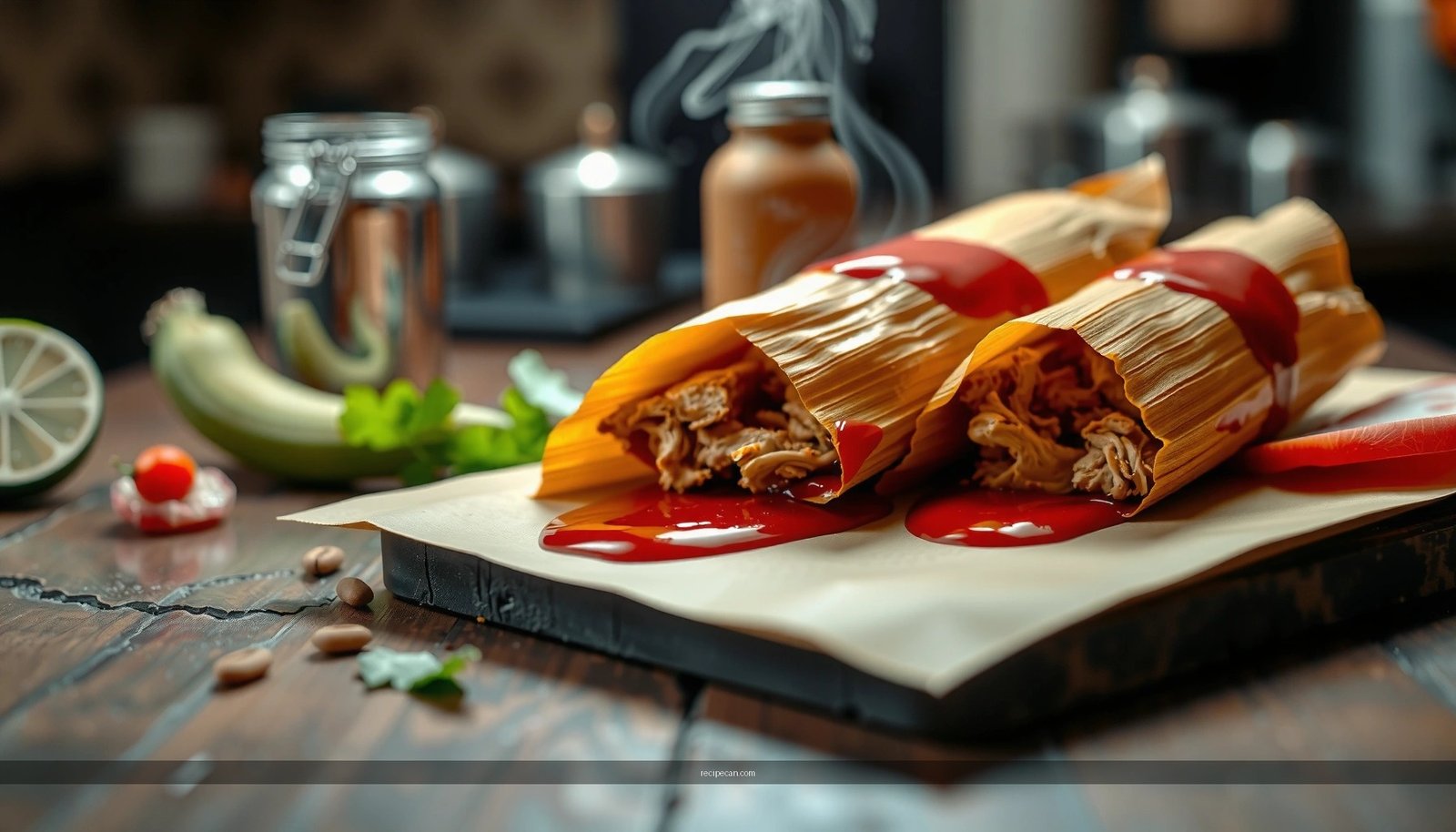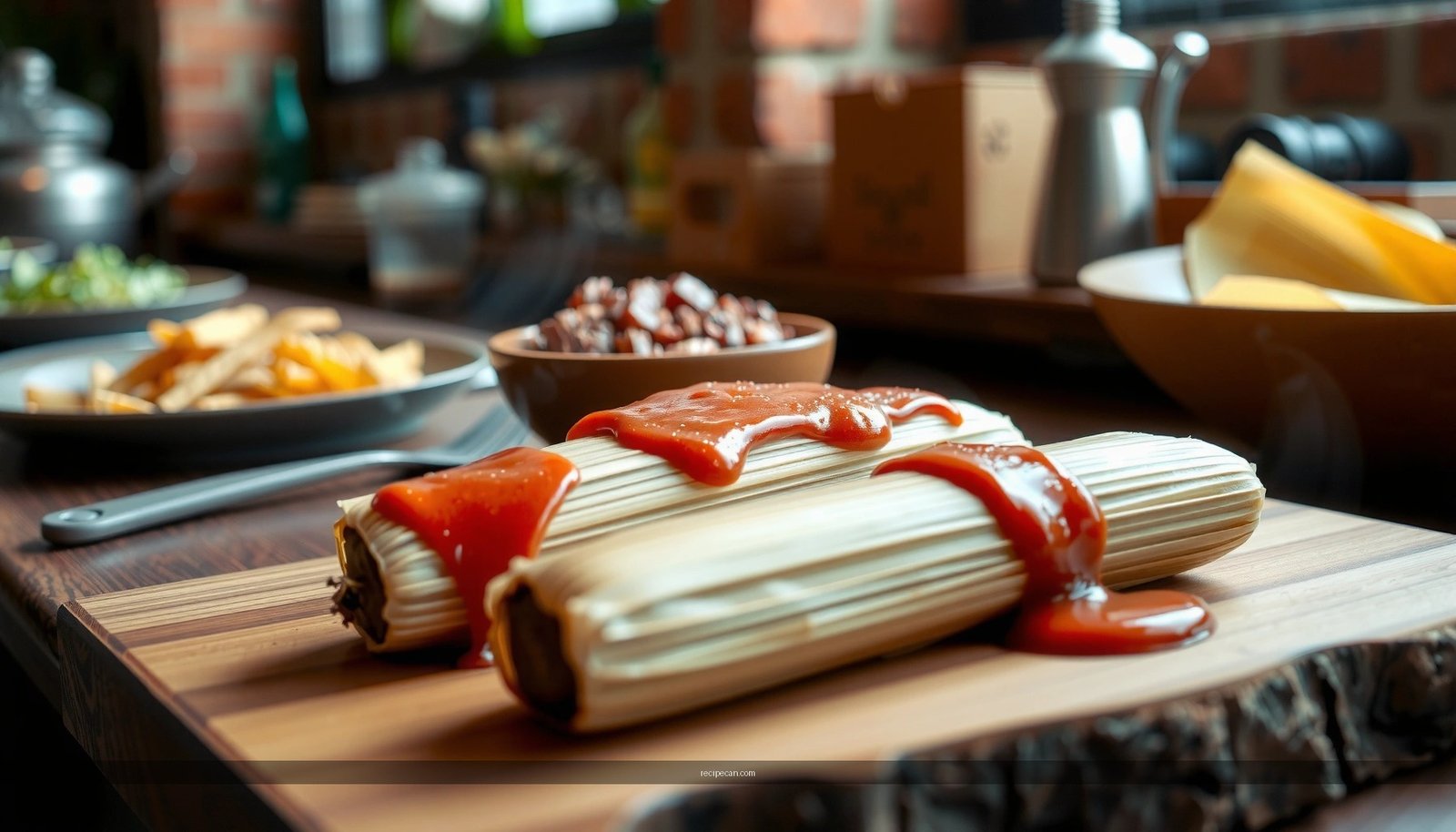
Get the best chicken tamales recipe with an easy, step-by-step method that delivers tender, flavorful tamales without guesswork. This guide answers exactly how to cook chicken tamales—prep the filling, assemble with masa, steam to the right texture, and know when they’re done. If you want consistently great results for homemade chicken tamales, this is the clear winner.
The best chicken tamales recipe is all about building a deeply seasoned, juicy chicken filling and pairing it with masa that’s mixed to the exact “spreadable” consistency—then steaming with steady heat until the masa releases easily from the husk. Follow the steps below for a reliable, restaurant-style result using simple ingredients and a clear workflow from chicken to masa to assembly and steaming.
Choose the Right Ingredients for Chicken Tamales
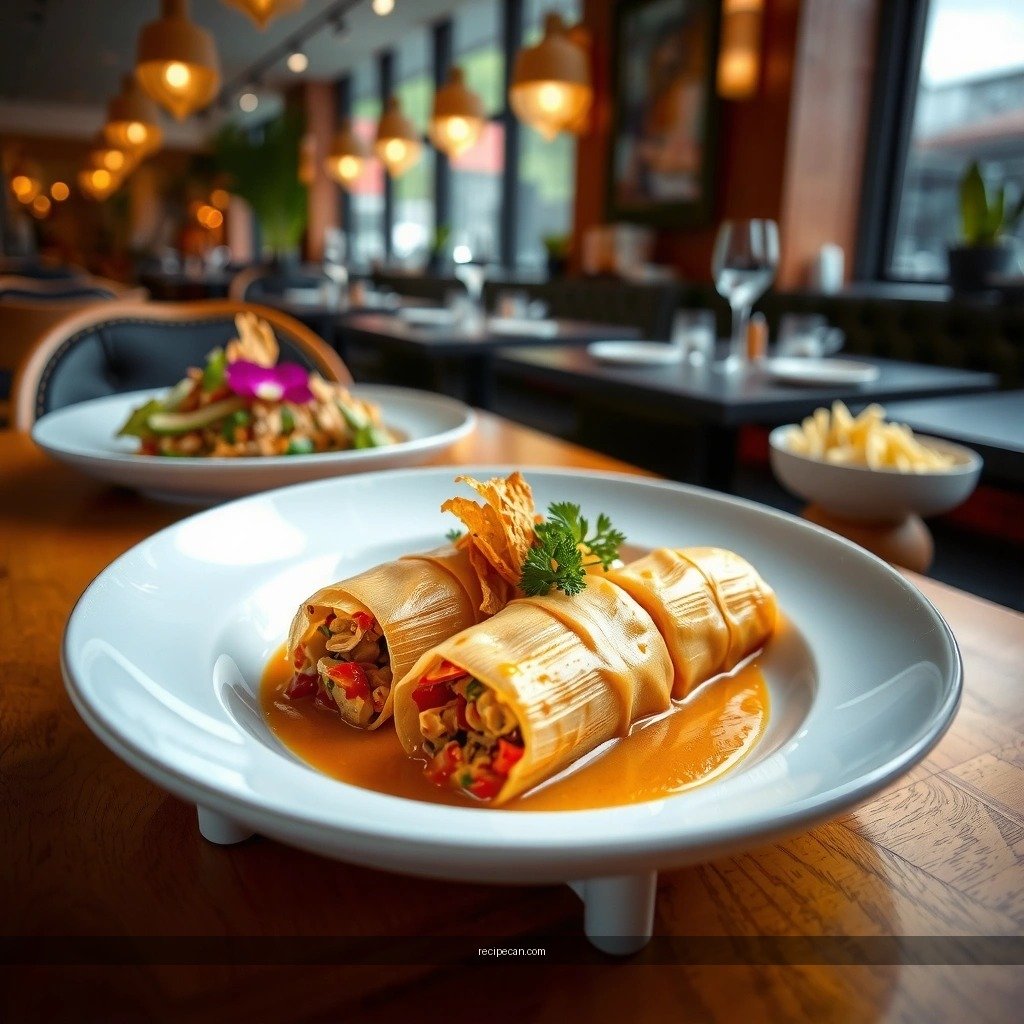
Great tamales start with ingredients that behave predictably: masa that steams cleanly, husks that soften evenly, and chicken that stays moist through long cooking. If you want “easy step-by-step” results, don’t rely on luck—use the right building blocks.
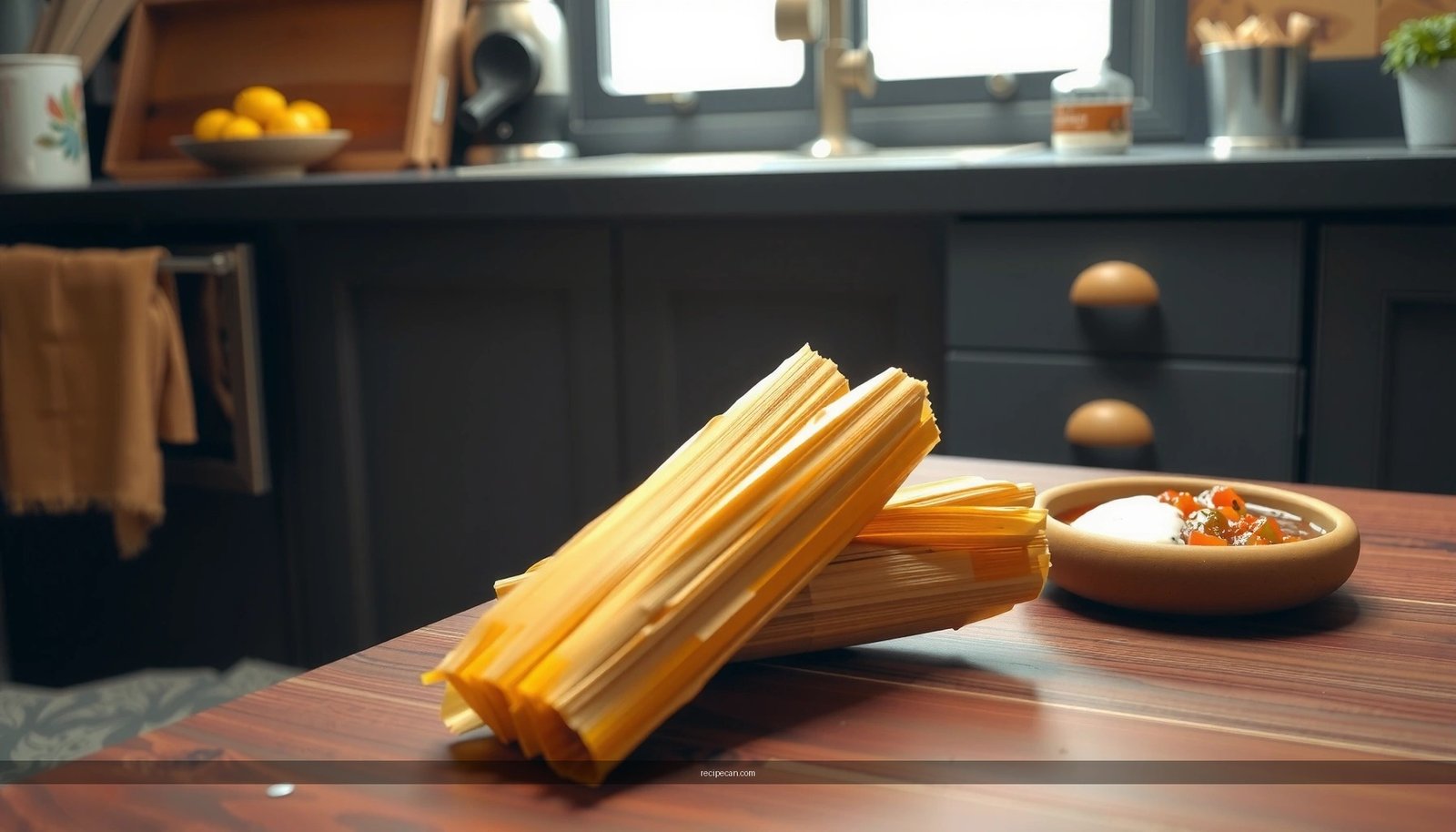
– Use masa harina labeled for tamales and fresh corn husks (or good-quality frozen husks). Tamale masa harina is formulated for the right hydration and texture during steaming. If you use general corn flour, your masa can turn gritty or dry.
– Season the chicken well with aromatics like onion, garlic, and chili for maximum flavor. Tamales taste like what goes into the filling. A classic approach uses onion and garlic for sweetness and depth, plus chili (chipotle, guajillo, or a chili sauce) to create that signature savory-slightly-smoky profile.
– Keep broth on hand so the filling stays moist and the masa cooks evenly. Chicken broth (or the cooking liquid from the chicken) helps keep shredded chicken juicy and supports masa hydration so it cooks uniformly.
Ingredient quality shortcut: If your husks are very thick or dry, soak time matters. Aim for husks that bend without cracking—this reduces tearing during assembly and helps the masa steam evenly.
Chicken Tamale Filling Best Practices (Yield, Cook Times, Texture)
| # | Filling Variable | Recommended Target | Practical Range | Outcome Score |
|---|---|---|---|---|
| 1 | Chicken shred texture | Very tender, strings form easily | Fork-tender → shreddable | ★4.8 |
| 2 | Simmer time (boneless) | 25–35 minutes | 20–45 minutes | ★4.6 |
| 3 | Broth amount for juiciness | Enough to moisten, not pool | Coating thickness | ★4.7 |
| 4 | Chili profile (balanced heat) | Medium depth, not scorching | 1–2 tbsp sauce | ★4.5 |
| 5 | Salt seasoning | Savory enough to taste on its own | Adjust after shredding | ★4.4 |
| 6 | Filling consistency | Clings to chicken; thick gravy | Spoon falls slowly | ★3.2 |
| 7 | Cooling before assembly | Warm, not hot | 10–20 minutes | ★4.3 |
Make the Chicken Filling (Savory, Juicy, Flavorful)
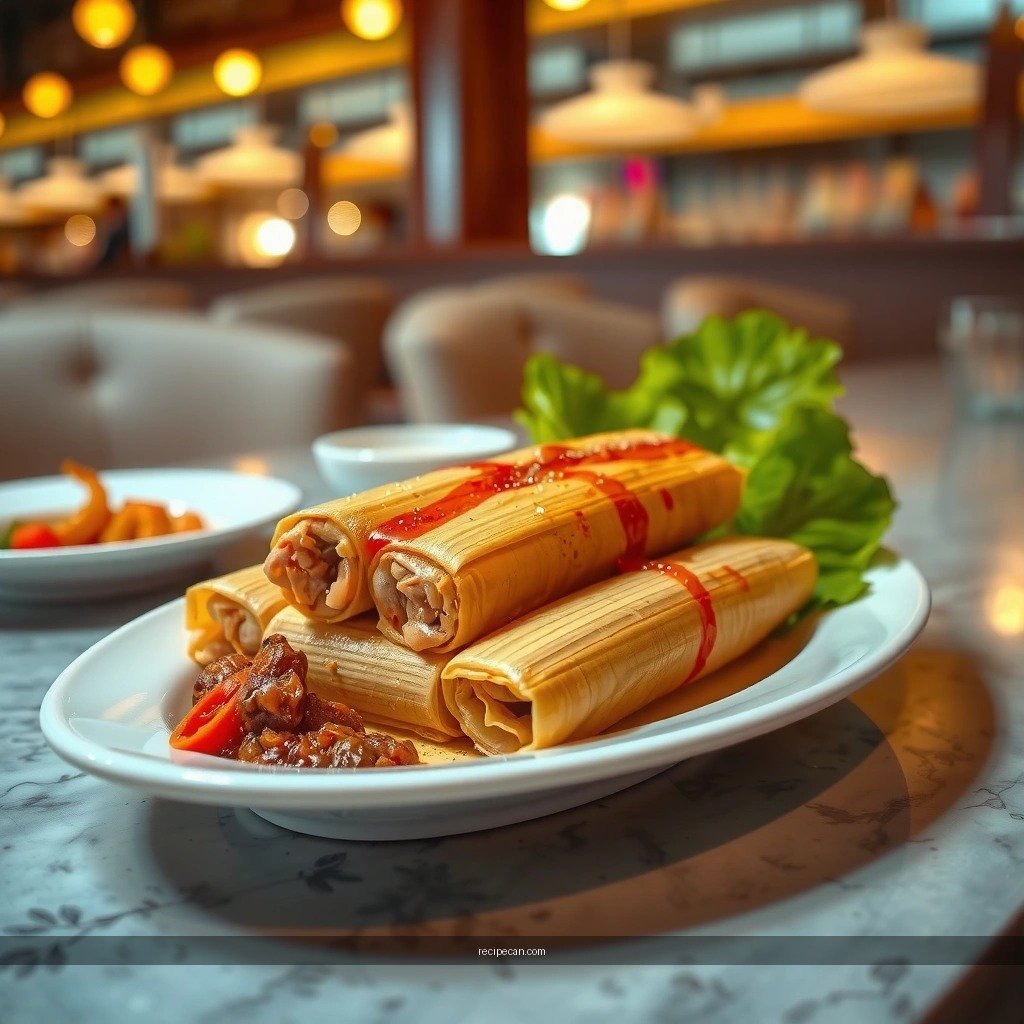
The filling is where tamales either become unforgettable or fall flat. A common mistake is cooking chicken but skipping the “build” phase—aromatics, chili, and seasoning depth all matter. Another mistake: watery filling that loosens during steaming and compromises masa texture.
– Simmer chicken until tender, then shred and mix with cooking juices. Use bone-in thighs or boneless chicken thighs/breasts depending on what you prefer. Thighs typically shred juicier. Simmer until you can pull the chicken apart easily, then shred and return it to the pot with its flavorful juices.
– Add chili sauce or adobo-style seasoning for a rich, classic tamale taste. Try one of these paths:
– Chipotle + broth: smoky heat with a clean finish.
– Guajillo-chili base: earthy and mildly sweet.
– Adobo-style blend: a classic mix of smoky, tangy, and savory.
– Adjust salt and consistency so the filling clings without being watery. Once shredded, taste and fine-tune. If the filling seems thin, simmer uncovered for a few minutes to thicken slightly. You want it to coat chicken and stay in place on the masa.
Professional consistency check (fast and reliable): Spoon a little filling onto a plate. It should sit as a thick mound rather than spreading into a thin puddle. That’s your signal that the masa won’t get soggy.
Prepare the Masa for Perfect Tamales
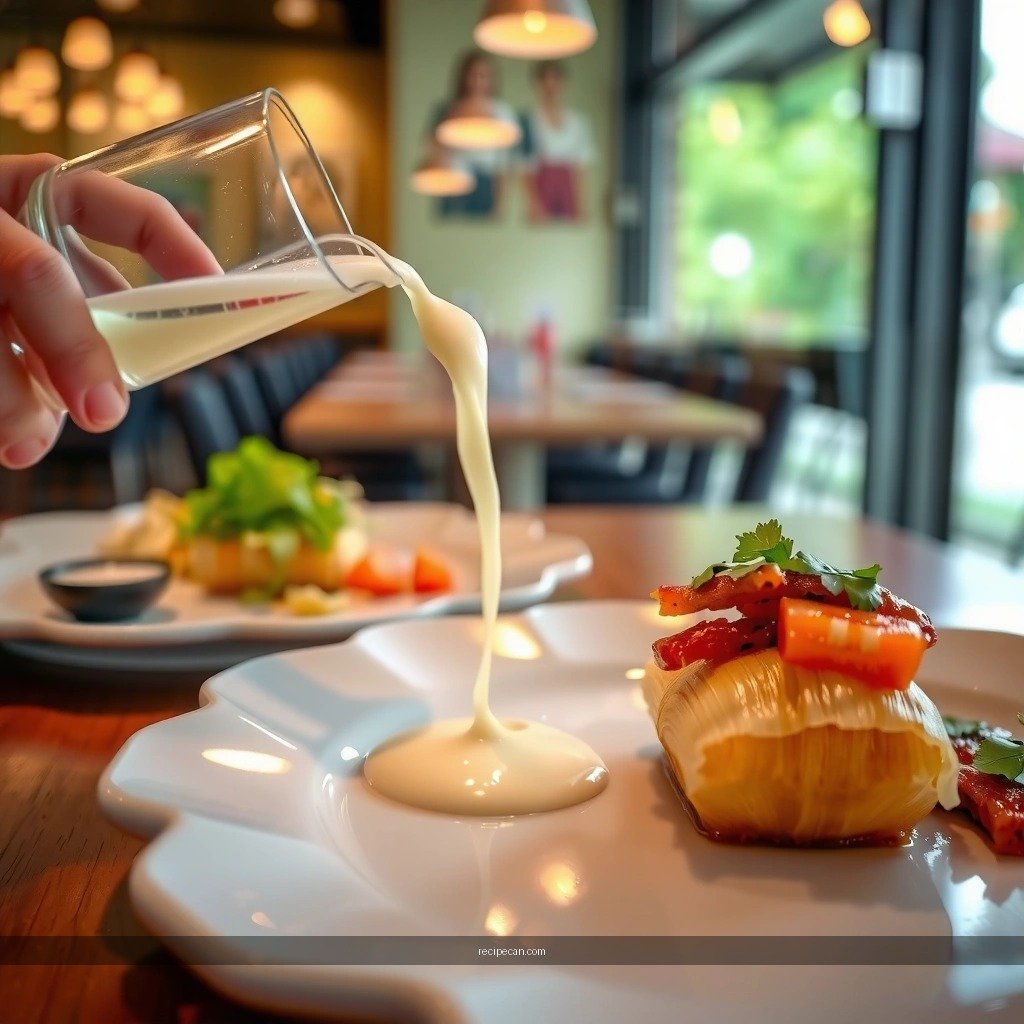
Masa may look forgiving, but tamales are sensitive to hydration and mixing. The goal is a dough that spreads smoothly, holds its shape on the husk, and steams into a tender, set texture—not dense or dry.
– Mix masa harina with broth gradually until smooth and spreadable. Start with less liquid than you think you need, then add broth slowly. Broth hydrates the masa and influences how it steams.
– Whip or beat the masa for a lighter texture and better steam results. Many cooks whip masa to incorporate air and improve softness. This helps tamales avoid a heavy, compact bite.
– Test consistency—your masa should spread easily and hold shape. A practical test: spread a thin layer on a husk. If it tears or cracks, it’s too dry. If it runs or looks glossy like batter, it’s too wet.
Key analytical insight: Masa consistency impacts steaming more than flavor does. You can have perfectly seasoned chicken and still end up with bland tamales if the masa is off. Use consistency checks, not guesses.
Assemble Tamales Correctly
Assembly is where technique meets results. Tight rolling and controlled filling amounts prevent gaps and reduce leakage—two issues that can ruin texture and slow steaming.
– Spread masa over soaked husks, add chicken filling, and roll tightly. Keep a moderate masa thickness. Overloading filling increases the chance of spillover.
– Fold and tie if needed to keep tamales sealed during steaming. If your husks won’t naturally hold the seam, use kitchen string to secure the roll. The best tamales are sealed enough to trap steam and filling.
– Leave a small gap at the top so masa expands without bursting. Masa expands as it steams. Overfilling the top leads to blowouts.
Efficiency tip: Lay out husks in a production line—spread masa, add filling, roll, tie. This reduces handling time, which helps keep masa from drying out between steps.
Steam the Tamales Until Tender
Steaming is the “slow and steady” step that turns raw components into tamales with that signature tender, cohesive bite. Timing varies based on tamale size, but technique is consistent: stable water level, steady heat, and correct arrangement.
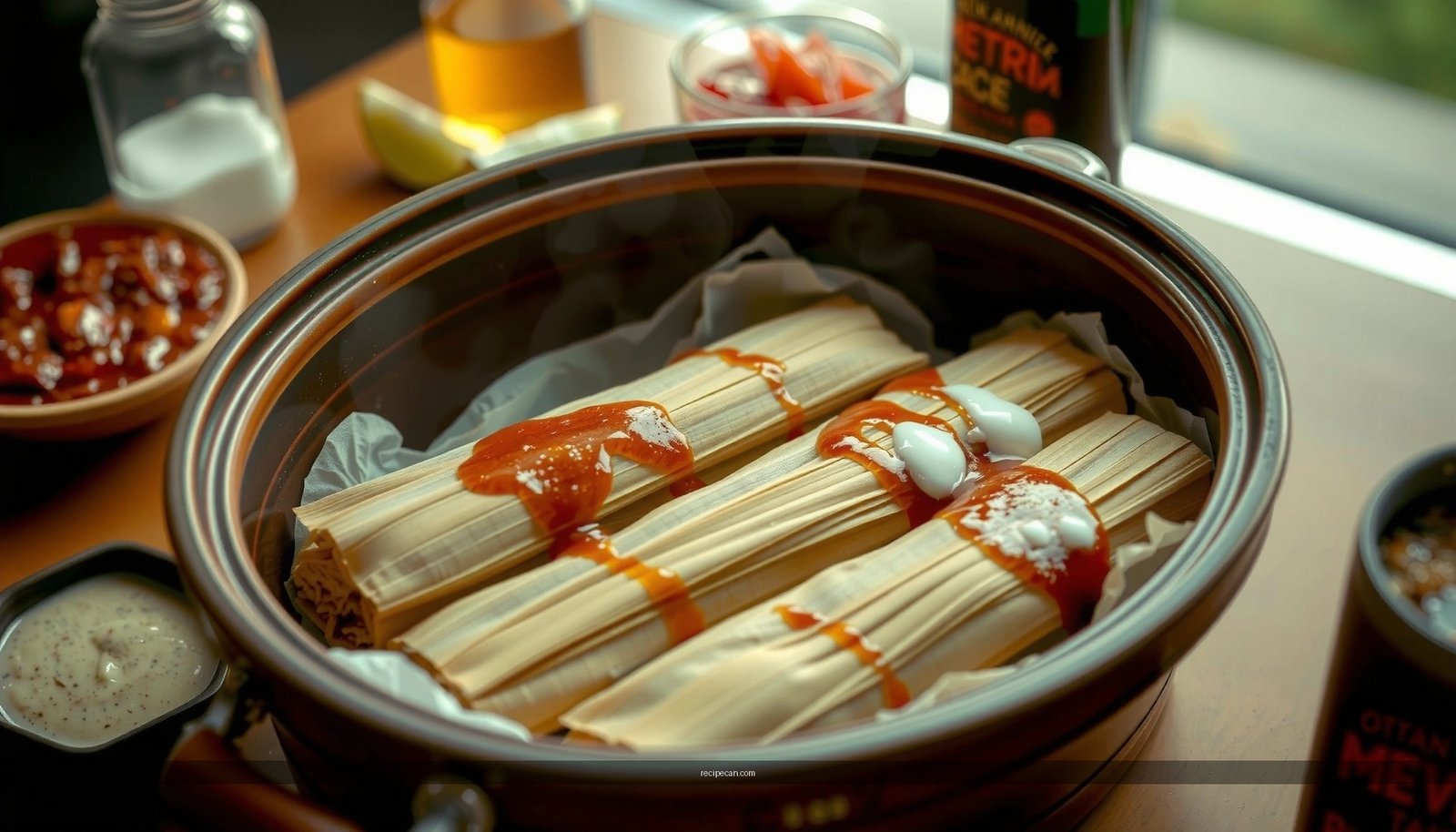
– Steam with enough water and keep a steady simmer (don’t let it run dry). Add water carefully as needed. If your steamer runs dry, cooking temperature drops and masa becomes uneven.
– Arrange tamales upright or stacked snugly for even cooking. Upright arrangement promotes uniform steaming and prevents filling from shifting. Stacked works too—just ensure snug fit and even spacing.
– Steam until masa pulls easily from the husk and tamales feel set. This is your doneness signal. If masa still clings tightly, steam longer in increments.
Operational best practice: Start checking at the earliest expected time, then extend in 10–15 minute intervals. This prevents overcooking while ensuring full doneness.
Tips for Storing, Reheating, and Making Ahead
Tamales are excellent meal prep. Proper cooling and reheating protect texture and flavor—especially the masa, which can dry out if warmed incorrectly.
– Cool completely, then refrigerate or freeze for best texture later. If you freeze, wrap individually or store in a tightly sealed container to prevent freezer burn.
– Reheat steamed or microwave with a damp paper towel to prevent drying. Microwave reheating works well when you cover tamales with a damp paper towel and heat in intervals. For best texture, re-steam.
– Cook in batches so you always have a quick meal ready. Make a big batch and portion them for busy days. This is where “easy step-by-step” becomes “high-efficiency cooking.”
Food-quality note: Reheated tamales taste better when they’re warmed slowly enough for moisture to redistribute. Quick heat is fine—just don’t let them dry.
The best results come from flavorful chicken filling, the right masa consistency, and steady steaming time. Follow these steps, taste and adjust seasoning as you go, and then store or freeze extras for easy future meals—try making your first batch today.
Frequently Asked Questions
What are the best chicken tamales recipe tips for tender, flavorful filling?
For the best chicken tamales recipe, use a flavorful cooked chicken like shredded chicken simmered with onions, garlic, cumin, and chicken broth. Keep the filling moist by adding a little reserved cooking liquid or warm salsa so it spreads easily in the masa. Season the filling generously and let it rest so the flavors fully develop before assembling your tamales.
How do you make the masa from scratch for the best chicken tamales recipe?
Start with masa harina and gradually mix in warm chicken broth (or water/stock) until it forms a soft dough that holds its shape. Whip/beat lard or shortening until light, then fold it into the masa for a tender texture that spreads without cracking. The “float test” is a great check: if a small pinch floats in water, your masa is the right consistency for the best chicken tamales recipe.
Why do my chicken tamales come out dry or tough, and how can I fix it?
Dry tamales usually come from overly thick masa, not enough steaming time, or filling that isn’t kept moist. Use warm broth to adjust your dough consistency and steam at a steady simmer rather than letting the water run out or boiling too aggressively. Also ensure the tamales are steamed long enough (often about 1 to 1.5 hours depending on size) until masa pulls slightly from the husk and feels set.
Which salsa works best with chicken tamales for maximum flavor?
Many people prefer red chile salsa or a mild-to-medium roasted salsa for classic best chicken tamales recipe flavor. If you like heat, choose a guajillo-chile based salsa; for a deeper, slightly smoky taste, add chipotle or use roasted tomatoes and chiles. Blend until smooth, then simmer briefly to mellow the flavors before mixing with the shredded chicken.
What’s the best way to steam chicken tamales so they cook evenly without falling apart?
Stand the tamales upright in a steamer with water below the rack, keeping the husks from getting soaked. Cover tightly and steam in batches if needed so there’s enough space for even heat circulation. When finished, let them rest about 10–15 minutes before unwrapping so the masa firms up and the tamales hold their shape.
References
- Tamale
https://en.wikipedia.org/wiki/Tamale - https://www.britannica.com/topic/tamale
https://www.britannica.com/topic/tamale - Masa
https://en.wikipedia.org/wiki/Masa_harina - Nixtamalization
https://en.wikipedia.org/wiki/Nixtamalization - Google Scholar Google Scholar
https://scholar.google.com/scholar?q=chicken+tamales+recipe - Google Scholar Google Scholar
https://scholar.google.com/scholar?q=how+to+make+tamales+masa+technique+steaming - Google Scholar Google Scholar
https://scholar.google.com/scholar?q=nixtamalization+masa+properties+cooking+process - https://www.foodsafety.gov/food-safety-basics/safe-food-handling-and-preparation/cook
https://www.foodsafety.gov/food-safety-basics/safe-food-handling-and-preparation/cook - https://www.cdc.gov/foodsafety/keep-food-safe.html
https://www.cdc.gov/foodsafety/keep-food-safe.html - https://pubmed.ncbi.nlm.nih.gov/?term=nixtamalization+corn+masa+food+processing
https://pubmed.ncbi.nlm.nih.gov/?term=nixtamalization+corn+masa+food+processing