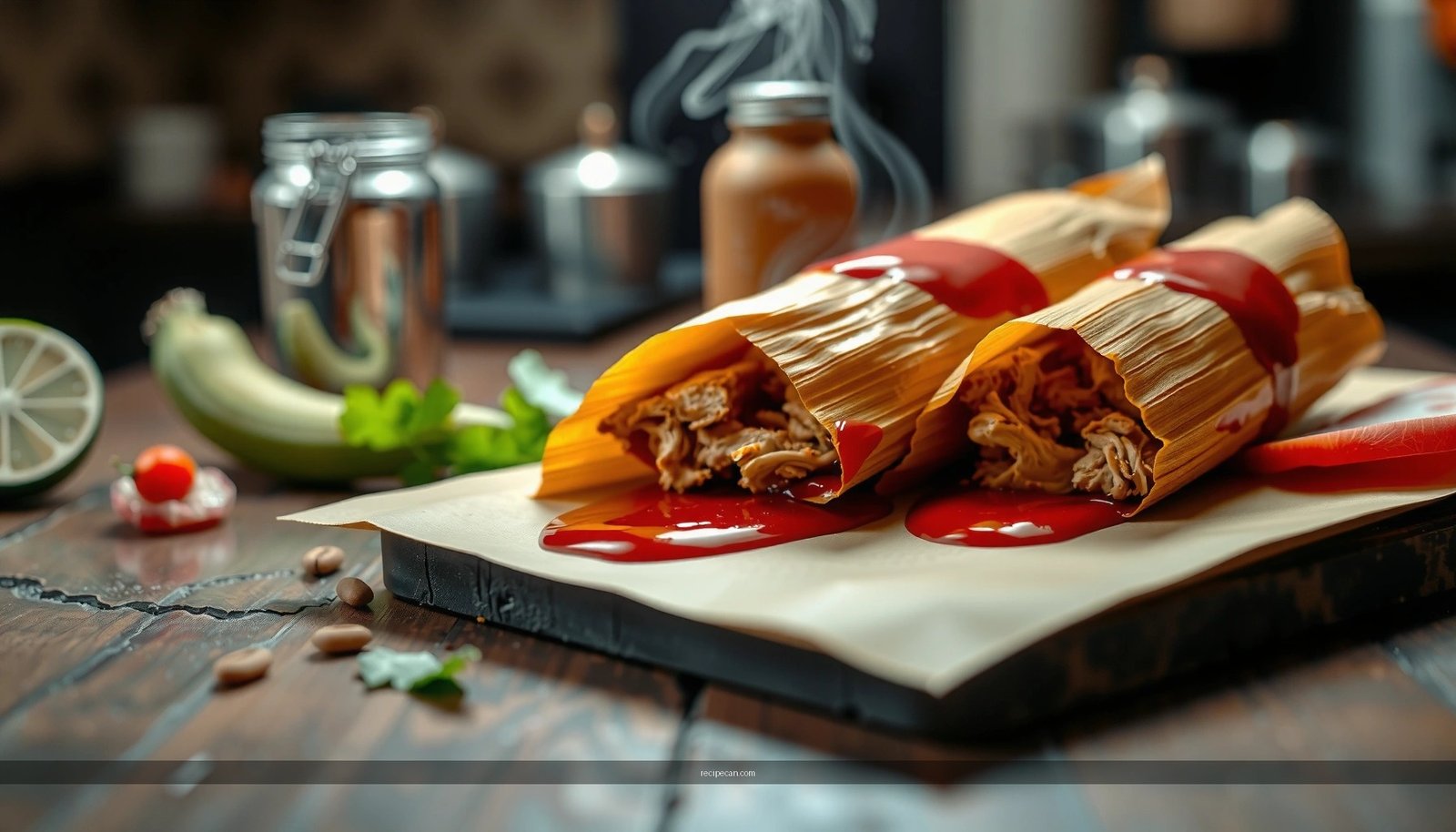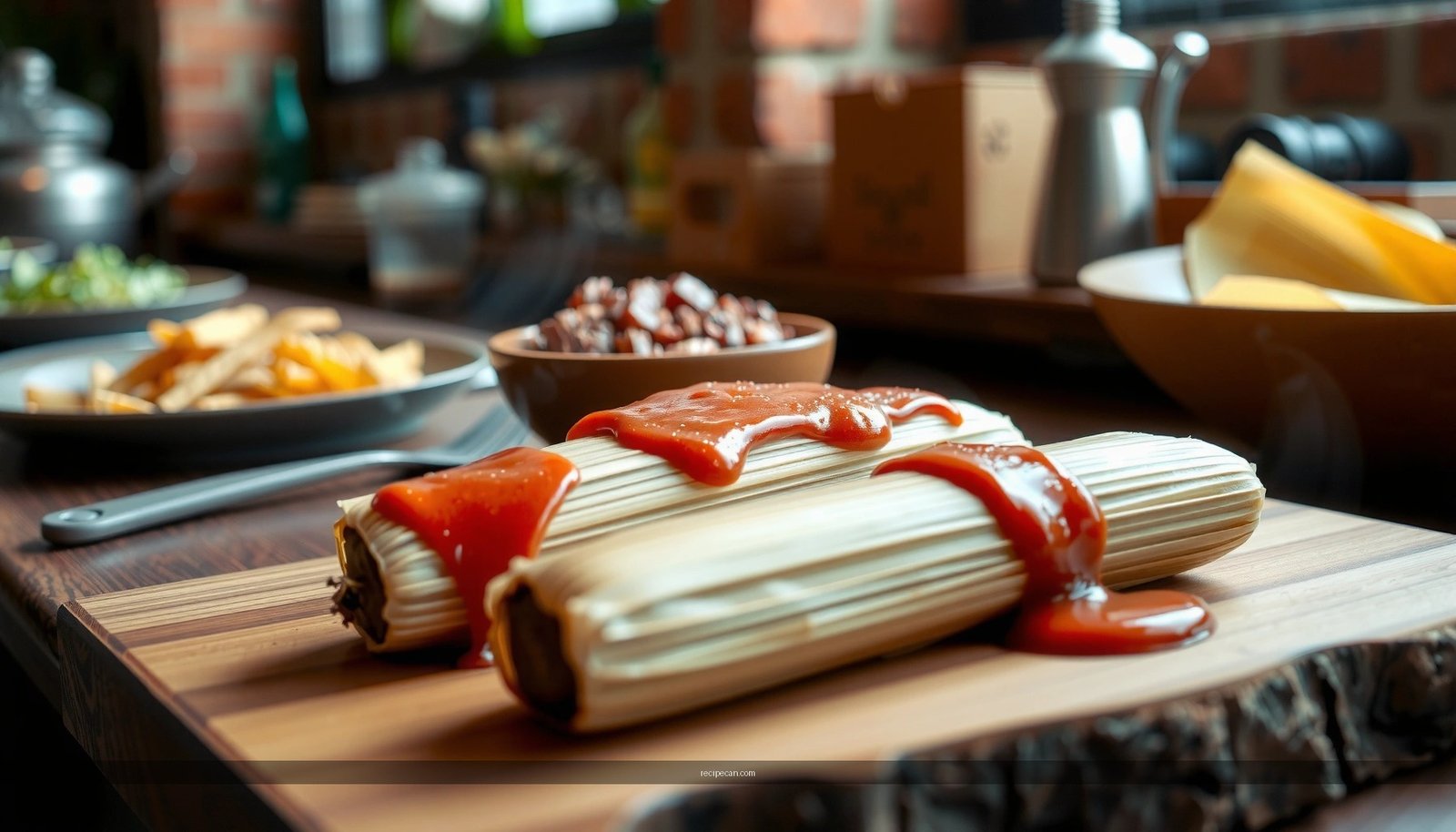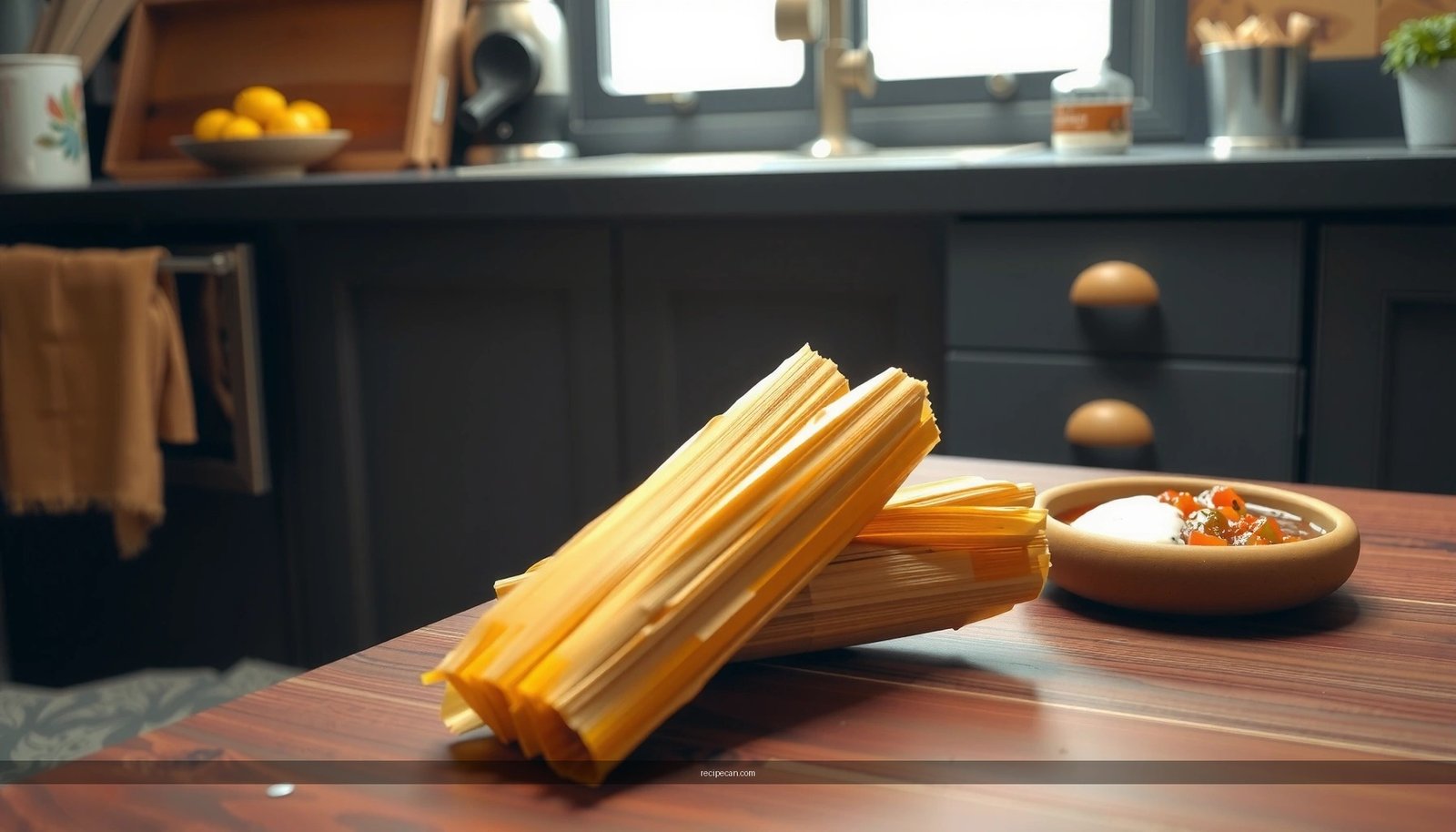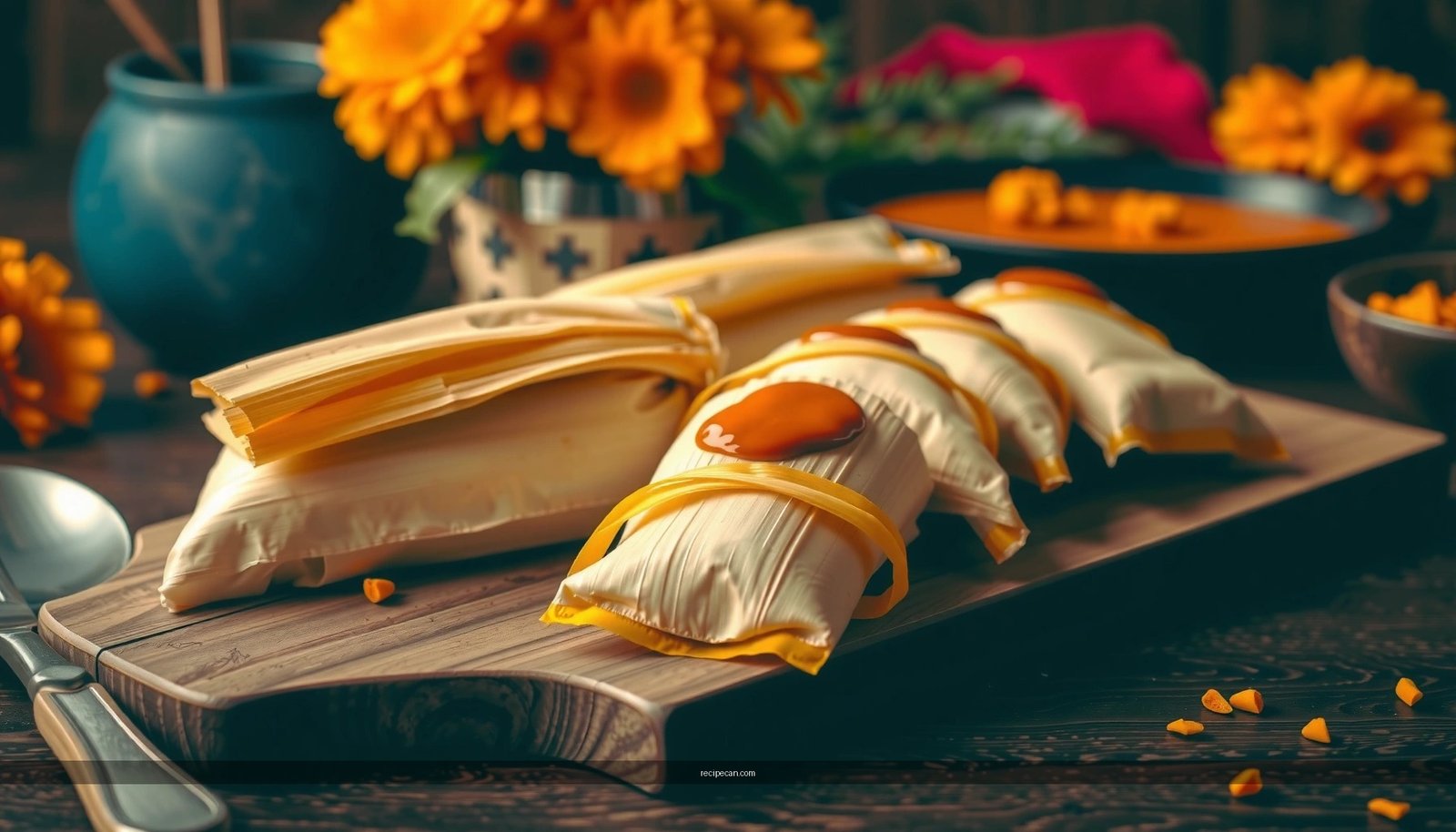
This sweet tamales recipe delivers classic dessert tamales you can trust: tender masa, perfectly sweet filling, and paper-thin corn aroma in every bite. You’ll learn exactly how to make sweet tamales from scratch—maseca-style masa preparation, filling options, and steam-time timing—so they come out set instead of soggy. If your real question is how to make dessert tamales that taste like they came from a family kitchen, this is the method to follow.
Sweet tamales are easy to make by pairing a flavorful masa with a sweet filling, then steaming until tender. In this guide, you’ll learn a simple sweet tamales recipe with key tips for smooth masa, the right filling consistency, and perfect steaming time—so your classic dessert tamales come out tender, sliceable, and never soggy.
Choose Your Sweet Tamale Filling
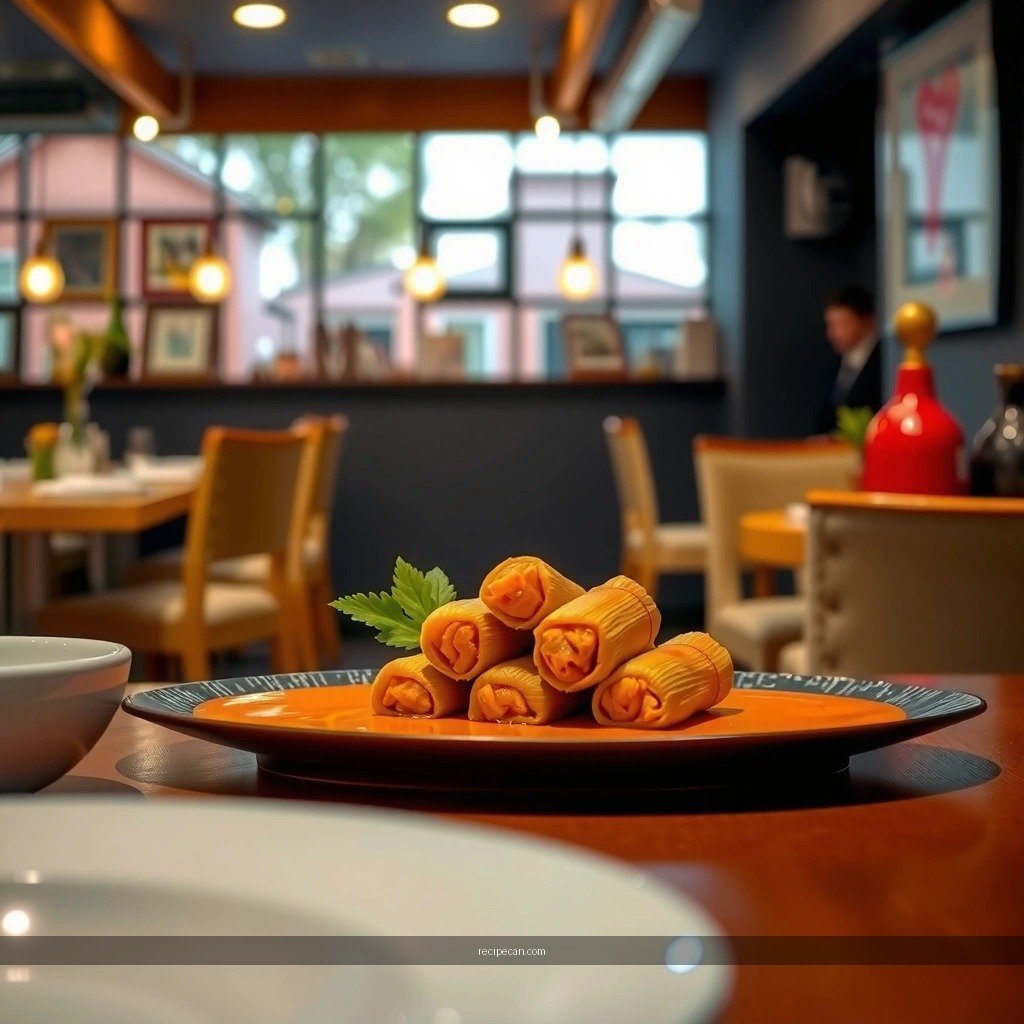
Classic dessert tamales shine when the filling is aromatic, not watery, and cooks at the same pace as the masa. Start by selecting a filling that complements the warm, lightly sweet corn dough.
– Pick classic fillings like pineapple, cinnamon sugar, or sweetened corn
Pineapple works beautifully because its natural acidity brightens the sweetness. Cinnamon sugar is straightforward and crowd-friendly. Sweetened corn (or corn-and-raisins) gives a dessert tamale that feels richer and more “custard-like” after steaming.
– Balance sweetness with flavor (e.g., cinnamon, vanilla, or piloncillo)
Sweetness alone can taste flat once steamed. Instead, build flavor with one or two supporting notes:
– Cinnamon + vanilla for bakery-style warmth
– Piloncillo (or brown sugar) + orange zest for deeper caramel notes
– Vanilla + toasted spices for a clean, elegant finish
If you’re using piloncillo, dissolve it fully in hot water first so it distributes evenly.
– Keep filling moist but not watery to avoid soggy tamales
The biggest enemy of dessert tamales is excess liquid. A good filling should:
– Thicken slightly as it cools (not run like sauce)
– Hold its shape when spooned into the center
– Smell fragrant rather than “watery”
Practical rule: if your filling pools on a plate after you spoon a small amount, simmer it a little longer (or drain) before assembly.
Sweet Tamale Fillings: Steaming Readiness & Texture Guidance
| # | Filling (Classic Option) | Sweetness Level | Typical Thickening Goal | Steaming for Tender Masa (min) | Cook Success Rating |
|---|---|---|---|---|---|
| 1 | Pineapple (cooked, jammy) | Medium | Coats spoon | 65–75 | ★★★★☆ |
| 2 | Cinnamon Sugar (crumbly) | High | Stays mounded | 60–70 | ★★★★★ |
| 3 | Sweetened Corn (with vanilla) | Medium-High | Thick pudding-like | 70–80 | ★★★★☆ |
| 4 | Piloncillo-Orange (syrupy, reduced) | Medium | Gel-coats spoon | 65–75 | ★★★★☆ |
| 5 | Raisins & Cinnamon (rehydrated) | Medium | Soft, not wet | 60–70 | ★★★★☆ |
| 6 | Chocolate (reduced ganache-style) | High | Pipes or mounds | 70–80 | ★★★☆☆ |
| 7 | Fresh Berry Compote (drained) | Medium | Thick, low-liquid | 65–75 | ★★☆☆☆ |
Make the Sweet Masa (Dough)
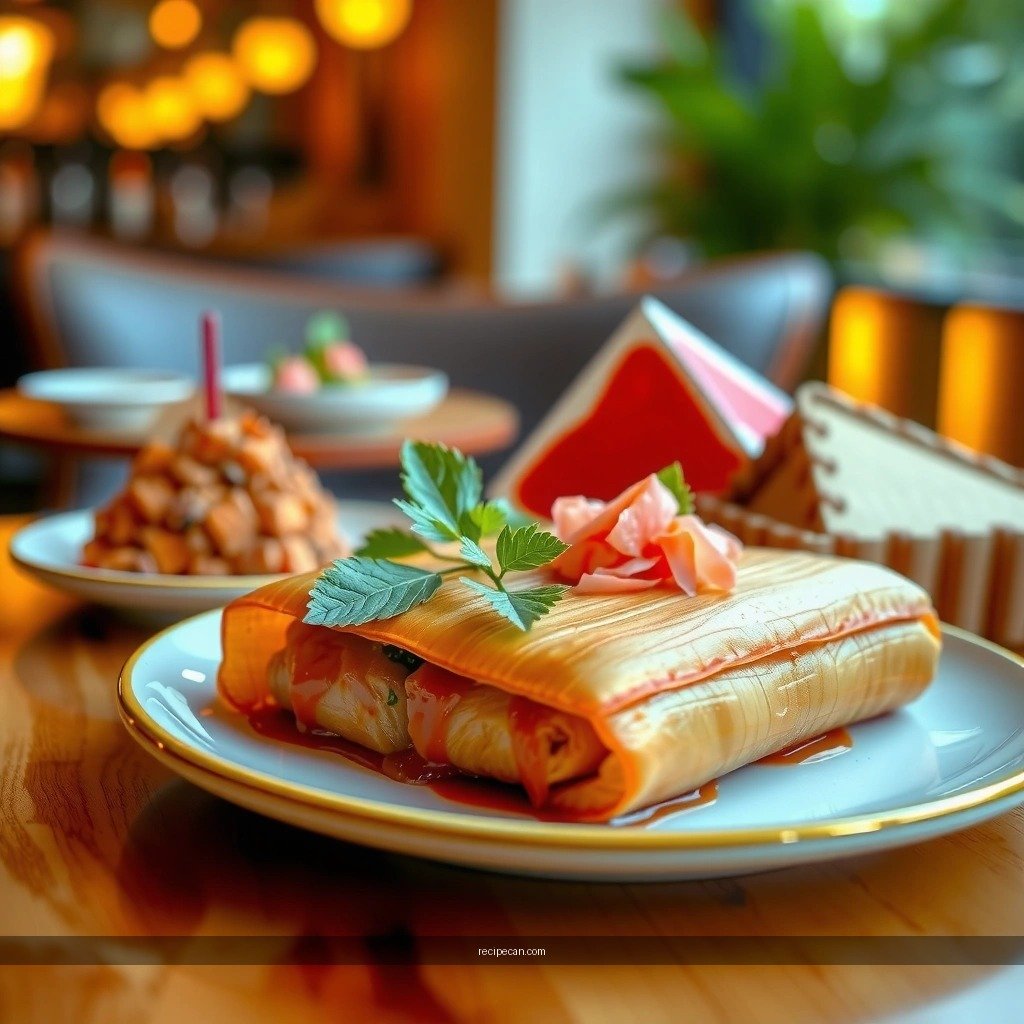
The masa is the structural heart of dessert tamales—smooth enough to spread thinly, sturdy enough to steam into a tender yet cohesive bite.
– Use warm liquid for smoother masa and better mixing
Cold liquid can stiffen masa quickly and create lumps that never fully hydrate. Warm—not boiling—broth or water helps the dough come together evenly. If you’re mixing in lard (or using a prepared masa product), the warmth improves texture and consistency.
– Season masa with sugar and a pinch of salt to bring out sweetness
Salt is not optional: it sharpens sweetness and keeps the tamale from tasting “flat.” A common strategy is:
– Sugar for dessert flavor
– Pinch of salt for balance
If your filling is already very sweet (like cinnamon sugar), slightly reduce sugar in the masa so the overall flavor doesn’t become one-note.
– Aim for a spreadable texture that holds shape when assembled
Your target texture is often described as “soft butter” or “thick cream.” It should:
– Spread across husks without tearing
– Not run or collapse
– Hold a gentle ridge when you lift your spatula
If masa seems dry, add warm liquid a small amount at a time. If it seems too soft, rest it briefly so the corn base hydrates further.
Assemble Sweet Tamales
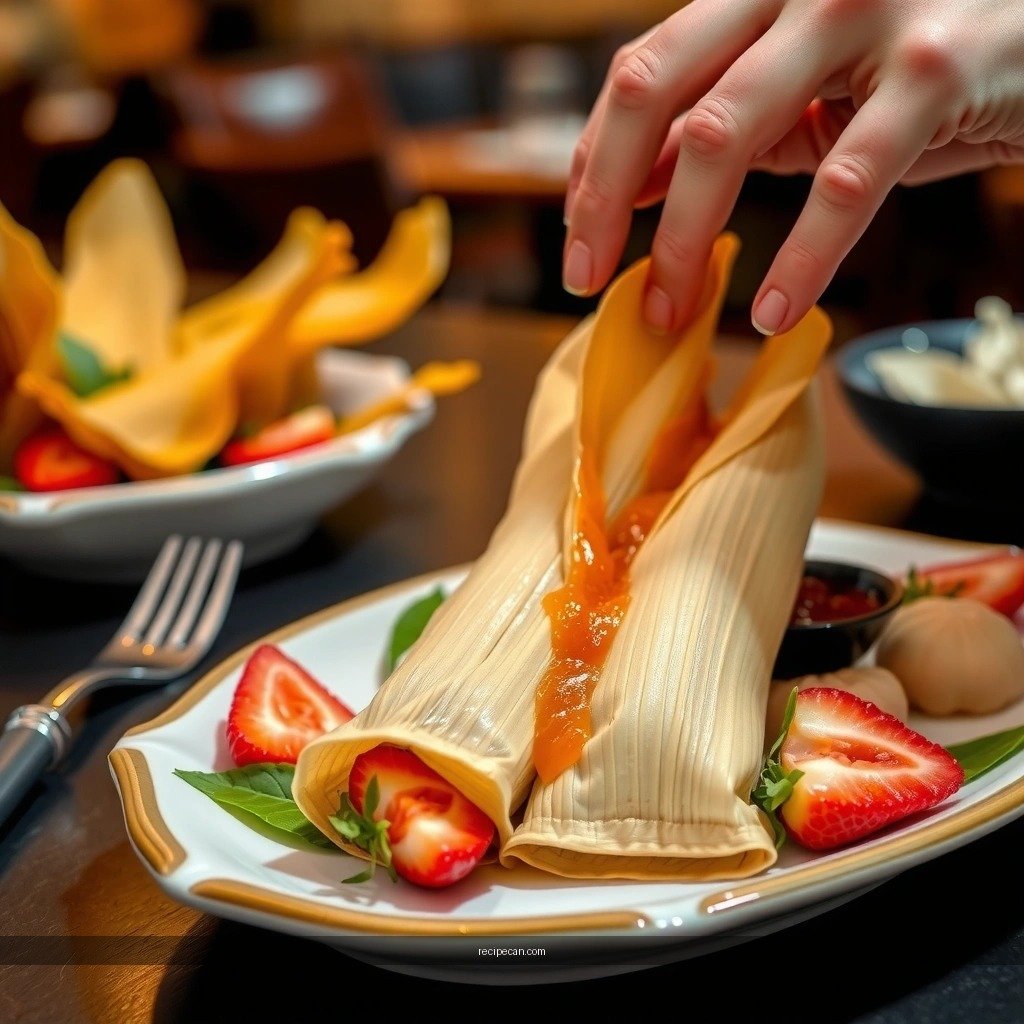
Assembly is where you control texture. Even distribution of masa and a properly sealed filling prevent leaks and improve steaming quality.
– Spread masa on soaked corn husks evenly for consistent steaming
Soaked husks prevent cracking and help your tamales fold cleanly. Use a spoon or offset spatula to spread masa in a thin, even layer so heat penetrates uniformly. Uneven thickness is a common reason some tamales set while others remain dense.
– Add filling in the center and fold securely
Place filling down the center line, leaving margins for sealing. Don’t overfill: too much filling increases the risk of the tamale bursting open. Fold firmly and secure using natural twine (or husk strips) if your method requires it.
– Leave a little space at the edges so tamales seal well
Tight edges create a better “steam chamber” around the filling. If masa reaches the outer seam unevenly, it can create gaps where syrup leaks out during steaming.
Prepare and Steam to Tender Perfection
Steaming is not a “set it and forget it” process—steady heat and careful arrangement determine whether dessert tamales turn out tender or uneven.
– Steam over steady heat and keep water from fully running dry
Use a steamer pot with enough water to maintain consistent steam for the full cook time. If the water drops too low, steam temperature becomes inconsistent and masa can undercook. Check periodically and top up with hot water if needed.
– Arrange tamales upright or layered without overcrowding
Overcrowding blocks steam circulation. Place tamales upright when possible, especially if your filling is more delicate (like fruit-based). If you must layer, keep a small gap so steam can move.
– Steam until masa is set and tamales release easily from husks
Doneness signals are practical:
– Masa looks matte and set rather than wet or shiny
– Tamales pull away from husks with minimal resistance
If you’re aiming for a sliceable texture, cook slightly longer rather than shorter—undercooked masa often tastes starchy and feels gummy.
Serve, Store, and Reheat
Proper holding and reheating protect the texture that makes dessert tamales special—tender masa, intact filling, and clean flavor.
– Serve warm with extra cinnamon sugar or syrup (optional)
For classic dessert tamales, a light dusting of cinnamon sugar adds a bakery-like finish. If your filling is less sweet (like pineapple), a spoon of warm syrup can elevate aroma without overpowering.
– Store in the fridge and reheat gently to prevent drying out
Refrigeration firms the masa. To restore tenderness, reheat with steam or a covered warm method rather than aggressive microwaving. If microwaving, add a damp paper towel and heat in short intervals.
– Freeze for longer storage; thaw before reheating
Freezing is ideal for planned gatherings. Thaw in the fridge overnight for best texture, then reheat until hot throughout. This approach helps prevent filling from separating or thinning too much.
Troubleshooting Common Issues
Even with careful technique, sweet tamales can occasionally miss the mark. Use these targeted fixes for repeatable results.
– If masa feels dry, adjust with a small amount of warm liquid next batch
Dry masa tears while spreading and can steam up with a rough texture. Next time, warm your liquid more thoroughly and increase hydration gradually—think tablespoons at a time, then mix and rest.
– If tamales are watery, reduce filling moisture and seal more tightly
Watery tamales usually come from either thin filling or imperfect seals. For fruit fillings, simmer longer to reduce. For any filling, cool it before assembly so it thickens slightly and doesn’t release too much steam-liquid during cooking.
– If they cook unevenly, rotate or steam in smaller batches
Uneven cooking is often a heat distribution problem. Rotate tamales partway through, and if your pot is crowded, steam in smaller batches to ensure consistent steam contact.
After you make your sweet tamales, you’ll have a reliable dessert-style tradition you can repeat for gatherings. Try this recipe start-to-finish, follow the steaming tips closely, and then customize the filling to your taste—make a batch today and share them while they’re warm.
In short, classic dessert tamales succeed when you (1) choose a sweet filling that’s flavorful but not watery, (2) build smooth, spreadable masa that holds shape, and (3) steam steadily until the masa sets and releases easily from the husk. With these fundamentals, you can confidently vary fillings—from pineapple and cinnamon sugar to sweetened corn—while keeping a tender, authentic result every time.
Frequently Asked Questions
What is the best recipe for sweet tamales using corn masa?
A great sweet tamales recipe starts with masa harina (corn flour) mixed with warm water and fat, then sweetened with piloncillo or brown sugar and a pinch of salt. Many cooks add cinnamon for warmth and vanilla for a dessert-like flavor, while some include grated pineapple or raisins for extra sweetness. For a reliable result, keep the masa smooth and spreadable so it cooks evenly inside the husks.
How do you make sweet tamales without the masa turning out dry or crumbly?
If your masa feels dry, add warm liquid gradually (a tablespoon at a time) while mixing until it reaches a creamy, spreadable consistency. Using well-creamed fat (such as lard or vegetable shortening) helps the masa stay tender, which is key for dessert tamales that are soft rather than crumbly. Also steam them gently and fully—oversteaming can dry the masa, while understeaming leaves it uneven.
Why do my sweet tamales come out watery or dense in the center?
Watery tamales often come from adding too much liquid to the sweet masa or using fruit filling that’s not drained well. Dense tamales usually indicate the masa was too thick, the steam wasn’t consistent, or the tamales needed more time to cook through. Use a thick but spreadable masa texture, drain wet fillings, and steam until the tamales easily release and the center is set.
Which sweet filling is best for tamales—pineapple, raisins, or chocolate?
The “best” sweet filling depends on your flavor preference: pineapple pairs well with cinnamon and creates a bright, tangy dessert tamales taste. Raisins are classic and add chewy sweetness, especially when simmered briefly in a little piloncillo before assembling. Chocolate fillings (often cocoa mixed with a bit of sugar or chocolate disks) cook into a rich, dessert-like tamale, but keep the filling portion moderate so it doesn’t make the masa soggy.
How long should you steam sweet tamales, and how do you know they’re done?
Most sweet tamales take about 60–90 minutes of steaming, depending on tamale size and your steamer’s heat level. They’re done when the masa pulls away slightly from the husk and feels set in the center—not gummy or undercooked. For best results, maintain steady steam and check periodically, adding water to the pot as needed so cooking stays consistent.
References
- Tamale
https://en.wikipedia.org/wiki/Tamale - https://www.britannica.com/topic/tamale
https://www.britannica.com/topic/tamale - Google Scholar Google Scholar
https://scholar.google.com/scholar?q=sweet+tamales+recipe - Google Scholar Google Scholar
https://scholar.google.com/scholar?q=masa+harina+tamales+dulces+recipe - Google Scholar Google Scholar
https://scholar.google.com/scholar?q=tamale+cooking+process+steaming+corn+husks - Masa
https://en.wikipedia.org/wiki/Masa_harina - Nixtamalization
https://en.wikipedia.org/wiki/Nixtamalization - Husk
https://en.wikipedia.org/wiki/Corn_husk - Panela
https://en.wikipedia.org/wiki/Piloncillo - Mexican cuisine
https://en.wikipedia.org/wiki/Mexican_cuisine