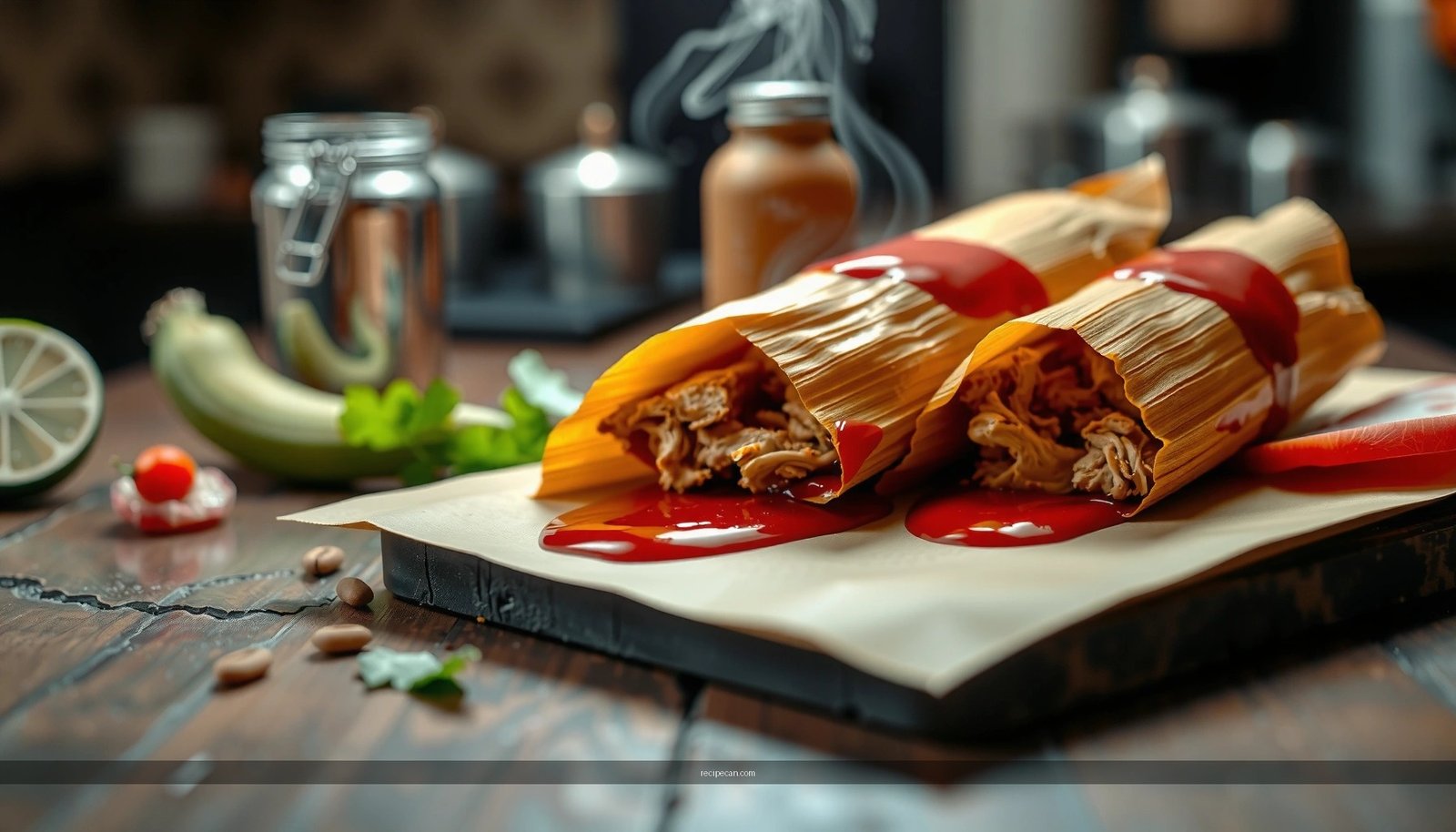
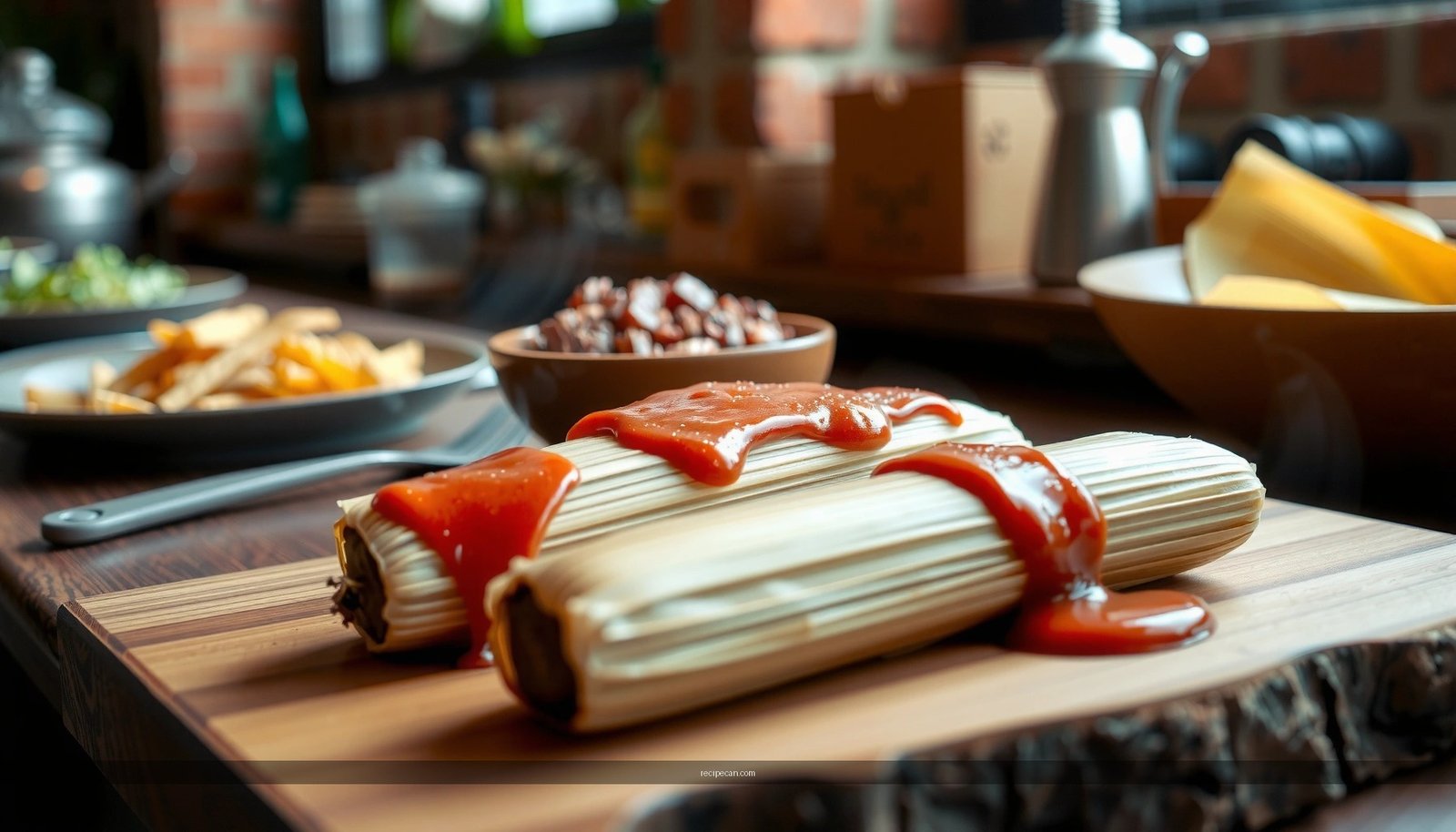
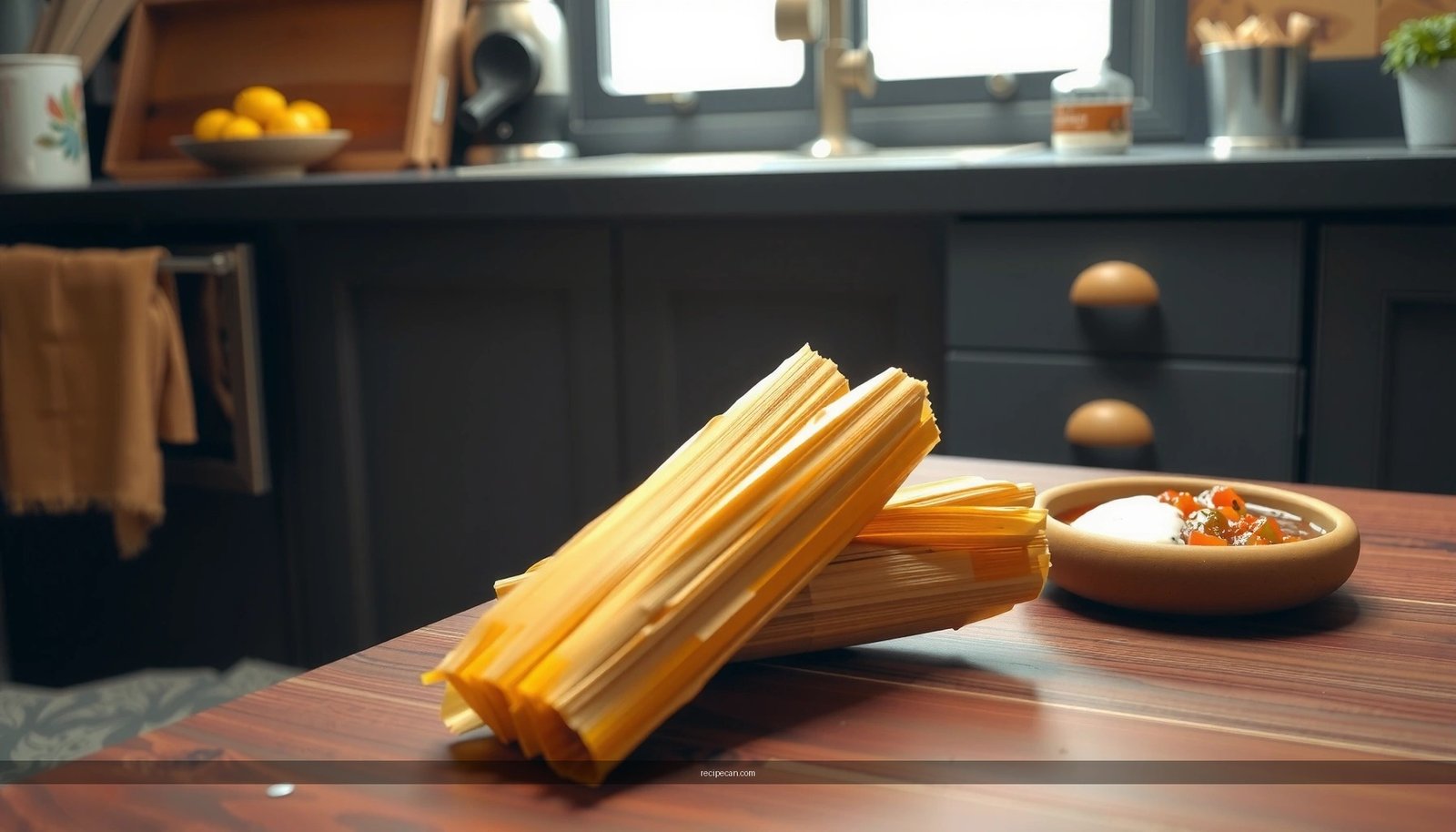
This masa tamales recipe delivers smooth, flavorful masa every time, so you can make tamales with the right texture instead of crumbly or stiff dough. Follow the step-by-step method for cooking, mixing, and getting the masa consistency just right for steaming and slicing. If you want a reliable way to make delicious masa for tamales, this is the one to use.
To make great masa tamales, you need to hydrate masa harina correctly, season it confidently, and mix in fat until the dough is smooth and spreadable. If you follow the bowl-to-steam process carefully—including the “float test”—your masa will hold together, spread evenly on corn husks, and steam up tender instead of gummy or dry.
Gather Ingredients for Masa Tamales
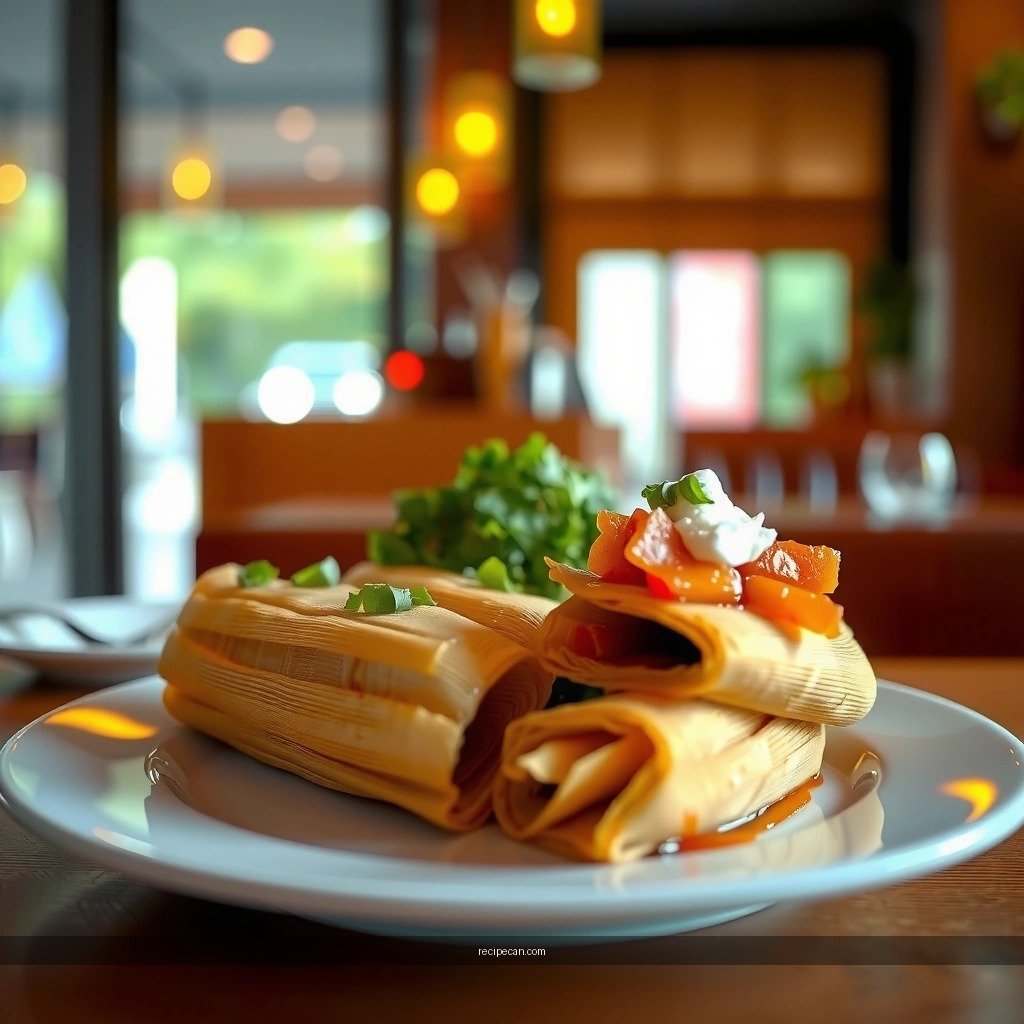
Before you start mixing, assemble ingredients that behave consistently. Masa tamales rely on a few fundamentals: the right masa harina (not instant wheat flour or other substitutes), properly warmed liquids, and enough fat for tenderness and cohesive texture.
– Use masa harina as the base and choose the right fat (lard or shortening) for texture
Masa harina is nixtamalized corn flour, and it’s what gives tamales their signature flavor and structure. For fat, lard is traditional and delivers excellent flavor and a tender bite; vegetable shortening is a reliable alternative and still supports a smooth, non-sticky dough. Whichever you choose, use it at room temperature or softened so it blends evenly rather than streaking.
– Plan to add warm broth and seasonings for flavor consistency
Masa should taste seasoned on its own—because the filling isn’t the only source of flavor. Warm broth (chicken, pork, or vegetable) hydrates the flour more predictably than cold liquid and helps the fats emulsify into the dough. Add salt and (optionally) aromatics like garlic powder, dried oregano, or ground cumin depending on your filling style. A common approach is to season the masa slightly stronger than you think, then adjust once you taste the raw dough for seasoning balance.
Key ingredient guidance (so you don’t “fix” the dough late)
– Liquid temperature: Warm, not boiling. You want hydration without cooking the masa.
– Fat amount: Enough to make the dough silky and spreadable; not so much that it becomes greasy.
– Seasoning timing: Mix seasonings in during dough formation so they distribute uniformly.
Masa Tamales: Typical Mix Targets per 2 cups Masa Harina
| # | Mix Goal | Target Amount | Why It Matters | Result Signal |
|---|---|---|---|---|
| 1 | Masa harina (base) | 2 cups (about 280 g) | Defines structure and corn flavor intensity | Stable dough |
| 2 | Warm broth (start) | 1 to 1¼ cups | Initial hydration—avoid lumps and over-watering | Smooth mix begins |
| 3 | Warm broth (total) | ~1¼ to 1½ cups | Final hydration for spreadability | Float test passes |
| 4 | Fat (lard or shortening) | ½ cup (about 100–115 g) | Tenderness + lift while steaming | Creamy, non-greasy |
| 5 | Salt | 1 to 1½ tsp fine salt | Brings corn flavor forward and balances fat | Tastes seasoned |
| 6 | Oregano (optional) | ½ tsp dried oregano | Adds a classic tamal aroma profile | Balanced, not bitter |
| 7 | Float test readiness | Dough “floats” lightly but holds shape | Confirms correct hydration before steaming | No cracking when spread |
Make the Dough (Masa) Step by Step
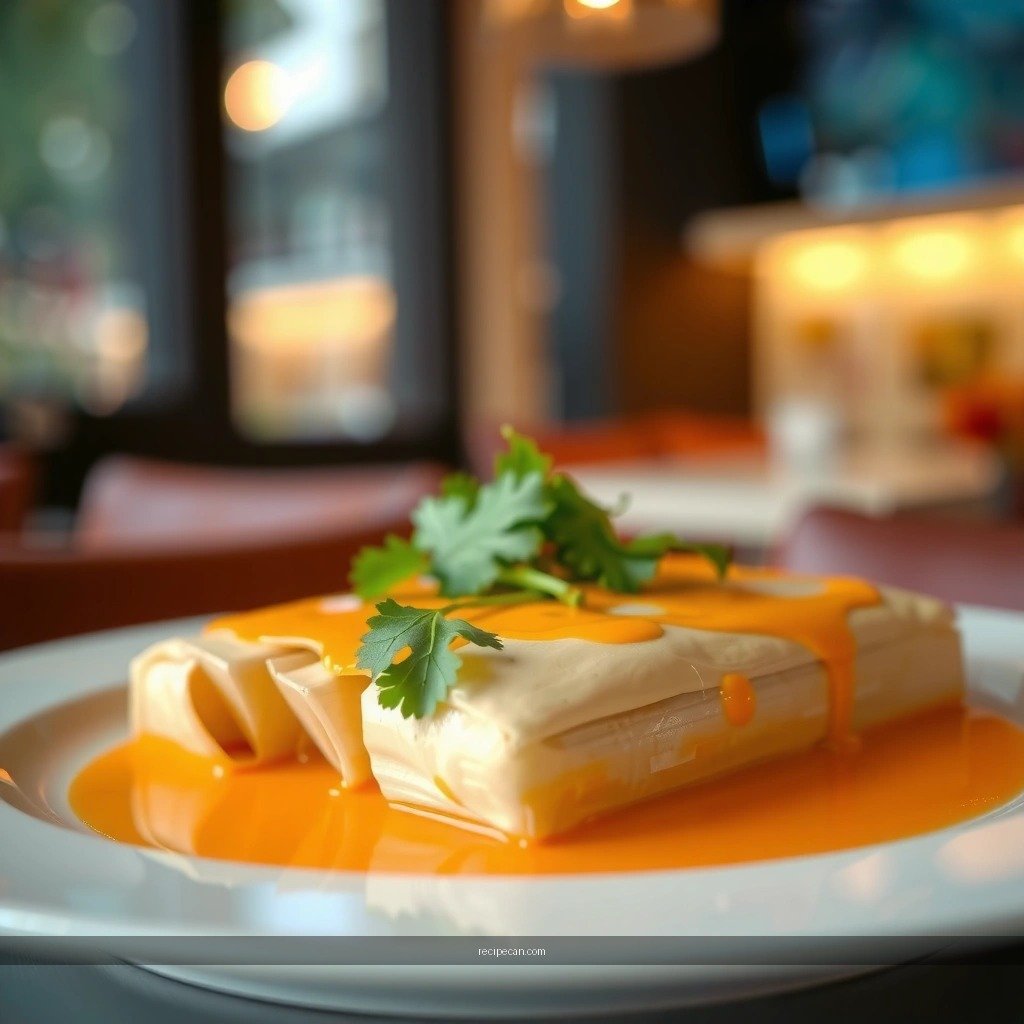
Making masa tamales is less about guesswork and more about sequence. Hydrate the masa harina first, then incorporate fat and seasonings, mixing long enough to develop a cohesive, smooth texture.
1. Start with dry masa harina in a large bowl
Use a roomy bowl so you can mix thoroughly without splashing. Sift is optional, but removing small clumps helps achieve a uniform dough.
2. Add warm broth gradually
Pour in a portion of warm broth and mix. Let the mixture hydrate for a minute, then add more. This gradual approach prevents lumps and makes it easier to reach the correct consistency without over-watering.
3. Work the dough until fully incorporated
Continue mixing until the masa stops looking grainy and becomes smooth enough to smear. If you see dry pockets, add broth 1–2 tablespoons at a time.
4. Mix in fat and seasonings until creamy and workable
Add softened lard or shortening and blend until the dough looks lighter and smoother, with no streaks of fat. Then add salt and any chosen spices. Mixing after fat and seasoning distributes flavor evenly and improves tamal structure during steaming.
5. Taste-test carefully
Raw masa is edible and gives you a direct read on salt and aromatics. It should taste well-seasoned—like the corn base that will also carry the filling flavor.
Pro tip for consistency: If you’re batch cooking, keep your broth warm. Cold broth cools the fat and slows emulsification, which can make the dough feel tight or uneven.
Get the Right Consistency (Float Test Tips)
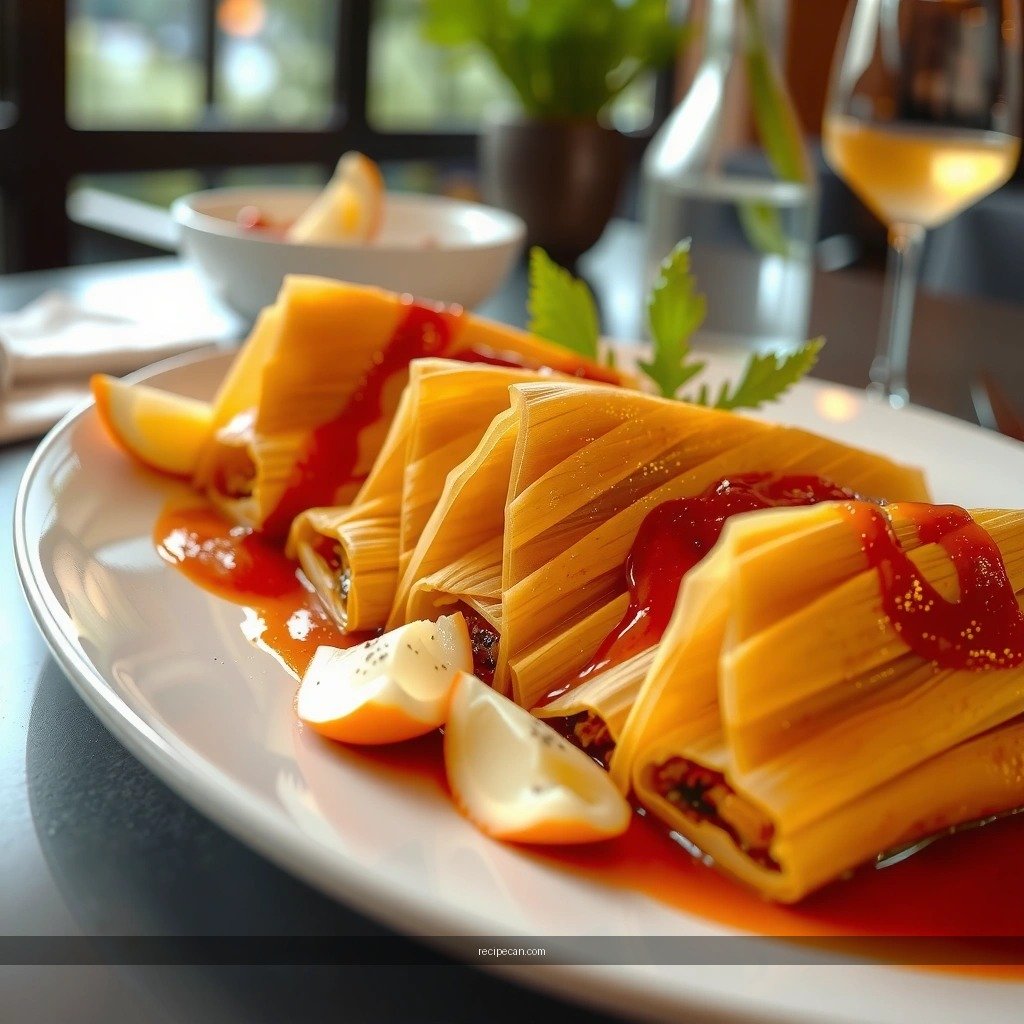
Consistency is where masa tamales succeed or fail. Too dry: it cracks when spread and steams dense. Too wet: it can slump, separate, or feel gummy. The float test is a practical way to confirm hydration.
What “right” looks like
– Holds shape when scooped or formed
– Spreads smoothly on the husk
– Doesn’t crumble at the edges
– Smooth surface with no dry granules
Float test: how to use it effectively
The float test checks whether the masa has enough water to become aerated and pliable. While instructions vary slightly, a reliable method is:
1. Fill a bowl with cool water.
2. Scoop a small piece of mixed masa.
3. Drop it into the water and observe.
Interpretation:
– If it sinks and stays a compact lump: it’s likely under-hydrated. Add warm broth gradually and remix.
– If it floats but seems too loose: it may be over-hydrated. Add masa harina a tablespoon at a time and remix thoroughly.
– If it floats lightly while still holding form: you’re in the target zone—spreadable and steam-ready.
Common texture signals (fast diagnosis)
– Cracks when spreading: under-hydrated or not mixed long enough.
– Sticky and difficult to handle: too wet or fat not fully emulsified.
– Dense and heavy after steaming: dough was likely too dry or under-mixed (poor hydration + limited fat integration).
Prepare for Spreading and Wrapping
Once masa is properly mixed, the next determinant of quality is how evenly you spread it. Uneven thickness causes uneven steaming—thicker areas stay dense while thinner spots can dry out.
– Spread masa evenly on soaked corn husks for consistent cooking
Soak husks in warm water until flexible (typically 30 minutes to 1 hour, depending on dryness). Dry husks tear; overly saturated husks can add excess moisture to the cooking environment. Spread masa in a layer that covers the husk surface without going all the way to the edges, so folding stays clean.
– Leave the right thickness so tamales steam through without being dense
Aim for a consistent thickness—often in the range of a thin-to-medium layer. As a practical rule: if your masa layer is so thick that it feels like a “brick,” steam time increases and texture suffers. If it’s too thin, the filling may dominate and the tamal can feel dry.
– Plan your portioning for uniform cooking
Use a consistent scoop or measure so each tamal takes the same time to cook through. Batch consistency is what makes tamales taste professional and predictable.
Wrap discipline matters: Pressing too tightly can squeeze out steam pathways; leaving too much bulk can create dense pockets. Fold firmly enough to seal, but not so hard that you compress the masa.
Steam Tamales with Proper Timing
Steaming is a steady, controlled process. Masa tamales cook through with steam penetration, not boiling water contact. Proper arrangement and timing help ensure consistent doneness.
– Arrange tamales upright and keep steady steam throughout cooking
If your steamer allows, place tamales upright so steam can circulate up through the masa. Add water to the pot to maintain continuous steam, and avoid letting it run low—temperature dips can lead to undercooked centers.
– Check doneness by texture and how easily masa pulls away from the husk
Doneness cues are sensory and structural:
– Masa should look set—not glossy or wet.
– When you pull back a husk corner, the tamal should separate with minimal resistance.
– The masa should feel tender but intact, not gooey.
Typical cooking windows (and why they vary)
Cooking time depends on tamal size, steamer type, and starting temperature. Small tamales cook faster; larger or thicker ones take longer. If you’re making a first batch, begin checking early and adjust once you know your setup’s performance.Workflow tip: Prepare a small “test tamal” slightly thinner than average. It gives you a fast doneness read without risking an entire batch.
Troubleshooting Common Masa Tamales Issues
Even skilled cooks occasionally end up with imperfect masa. The key is to correct early—while you still have mix control.
– Fix dry masa by adding small amounts of warm broth while mixing
Dry masa feels stiff, cracks when spread, and can yield dense tamales. Remedy it by adding warm broth 1–2 tablespoons at a time, mixing well each time. Recheck smear and float test as you approach the correct hydration.
– Fix overly soft masa by adjusting with a little more masa harina
If masa is loose, won’t hold shape, or spreads too thin, add masa harina gradually. Incorporate it fully before deciding it’s fixed—drying and thickening can take a few minutes of mixing.
Additional practical fixes
– Lumps despite mixing: Let the dough rest 5–10 minutes, then mix again. Hydration often smooths out minor clumps.
– Fat streaks or greasy feel: Mix longer to emulsify. If needed, add a tablespoon of broth to help water-fat balance.
– Bland flavor: Next time, season the broth and masa a touch more. For the current batch, you can add small amounts of salt—mix thoroughly, then taste again.
When your masa tamales have the right consistency (smooth and spreadable, ready for the float test) and balanced seasoning, your tamales will steam evenly and taste great. Follow these steps, steam confidently, and make a batch you’ll want to serve right away—then try your favorite filling next.
Frequently Asked Questions
What is the best masa tamales recipe for beginners?
A beginner-friendly masa tamales recipe uses masa harina, warm chicken broth or stock, baking powder, salt, and fat (lard or vegetable shortening) for a tender, cohesive dough. Whip the fat until fluffy, then mix in the hydrated masa harina gradually so it doesn’t get lumpy. Many cooks aim for a dough that feels like thick frosting and spreads slightly without cracking.
How do I make masa for tamales without lumps?
Start by whisking masa harina with baking powder and salt, then slowly add warm broth while mixing. Let the dough rest 10–15 minutes so the masa fully hydrates, which dramatically improves texture. If you still see lumps, mash them through a fine-mesh sieve or break them up with your hands before proceeding.
Why is my masa not spreading or is it cracking when I wrap tamales?
Cracking usually means the masa tamales dough is too dry, so add warm broth 1 tablespoon at a time and mix well until it softens. If it won’t spread or feels greasy, the fat may be too high or the dough may be under-mixed—incorporate thoroughly until smooth. Resting the masa helps, but the key is adjusting hydration to the right consistency.
Which fat is best for masa tamales—lard or shortening?
Lard is the traditional choice for masa tamales because it provides rich flavor and a tender texture that helps the tamales steam evenly. Vegetable shortening works well too and is often easier to find, but the flavor profile may be slightly different. For the most reliable results, use whichever fat you can measure accurately and keep the dough consistent through proper hydration.
How thick should tamale masa be and how do I test the consistency?
For a classic masa tamales recipe, the dough should be soft and spreadable, similar to thick peanut butter or frosting. A common test is the “spoon or float” method: spoon a small amount—if it slowly holds shape and spreads without running, it’s ready. If it’s too stiff, add warm broth a little at a time; if it’s too loose, mix longer or add a small amount of masa harina.
References
- Tamale
https://en.wikipedia.org/wiki/Tamale - Masa
https://en.wikipedia.org/wiki/Masa_harina - Nixtamalization
https://en.wikipedia.org/wiki/Nixtamalization - Tortilla
https://en.wikipedia.org/wiki/Tortilla - https://www.britannica.com/topic/tamale
https://www.britannica.com/topic/tamale - Google Scholar Google Scholar
https://scholar.google.com/scholar?q=masa+harina+nixtamalization+for+tamales - Google Scholar Google Scholar
https://scholar.google.com/scholar?q=tamales+masa+dough+recipe+technique - Google Scholar Google Scholar
https://scholar.google.com/scholar?q=nixtamalization+corn+masa+hydration+salt+fat+dough+properties - https://pubmed.ncbi.nlm.nih.gov/?term=nixtamalization+masa+harina
https://pubmed.ncbi.nlm.nih.gov/?term=nixtamalization+masa+harina - https://www.sciencedirect.com/search?qs=nixtamalization%20masa%20harina%20dough
https://www.sciencedirect.com/search?qs=nixtamalization%20masa%20harina%20dough