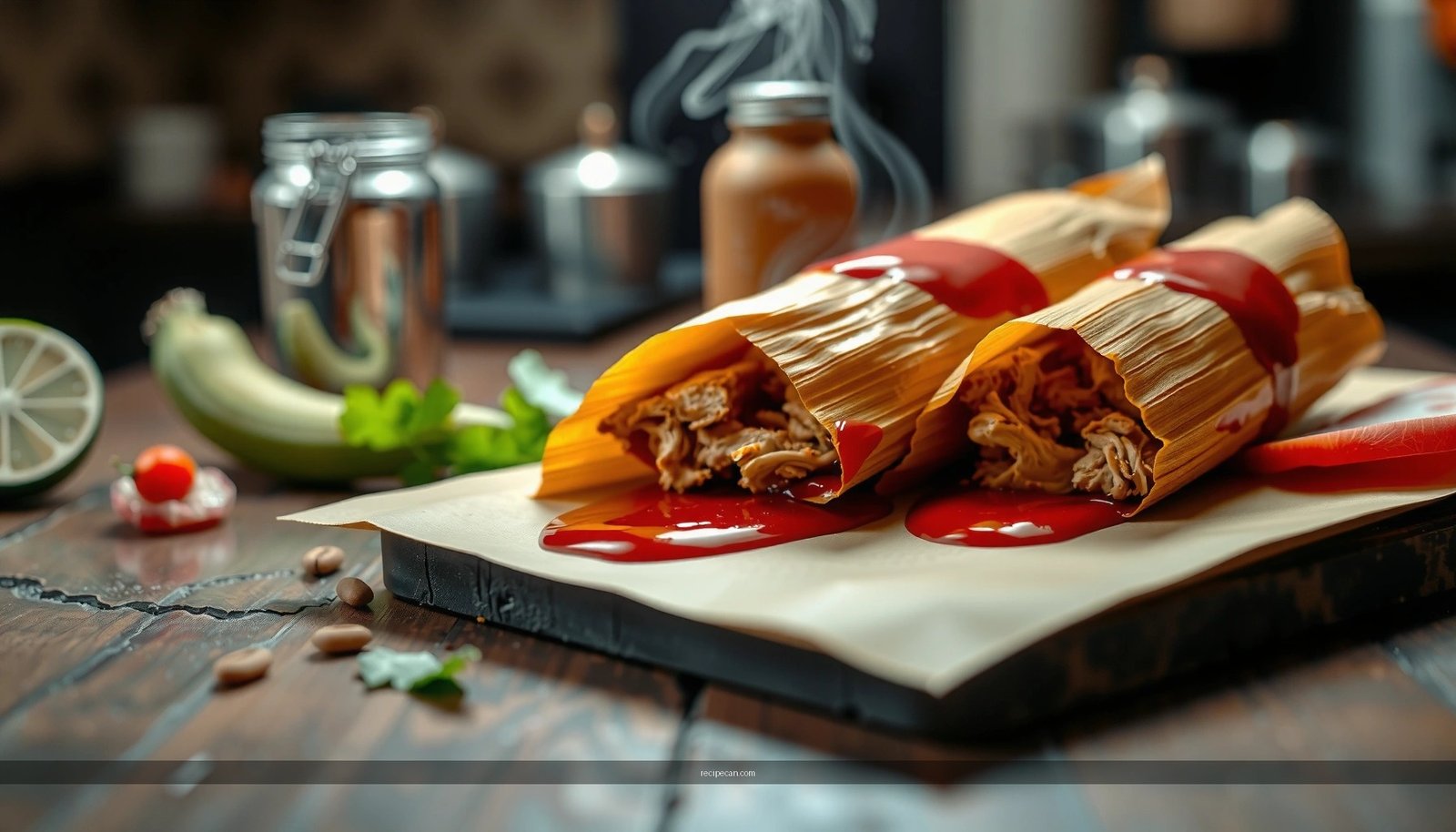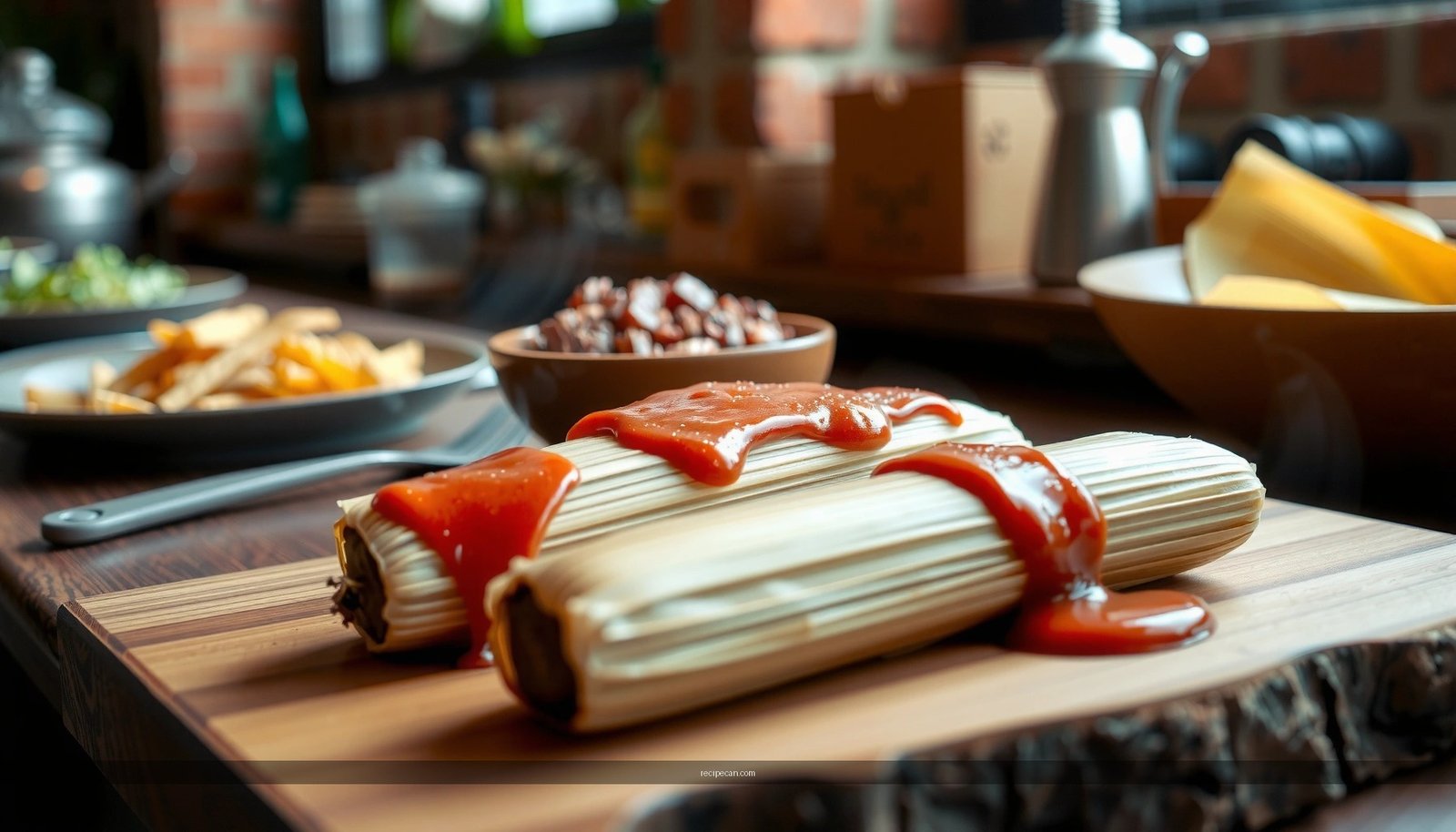
This homemade tamale recipe delivers step-by-step instructions for tamales that actually turn out tender, flavorful, and ready to serve—no guesswork required. If you want a clear verdict on the process, you’ll get the exact prep, assembly, and steaming method that produces tamales you can slice cleanly and taste confidently. Follow these instructions and you’ll know how to make delicious tamales from scratch, every time.
Make authentic, delicious homemade tamales by making masa from scratch (or using the best masa harina available), building them with a well-seasoned filling, and steaming until the masa pulls cleanly from the husk. This step-by-step homemade tamale recipe breaks down prep, assembly, and steaming so your masa stays tender, flavorful, and consistent batch after batch.
Gather Ingredients and Supplies
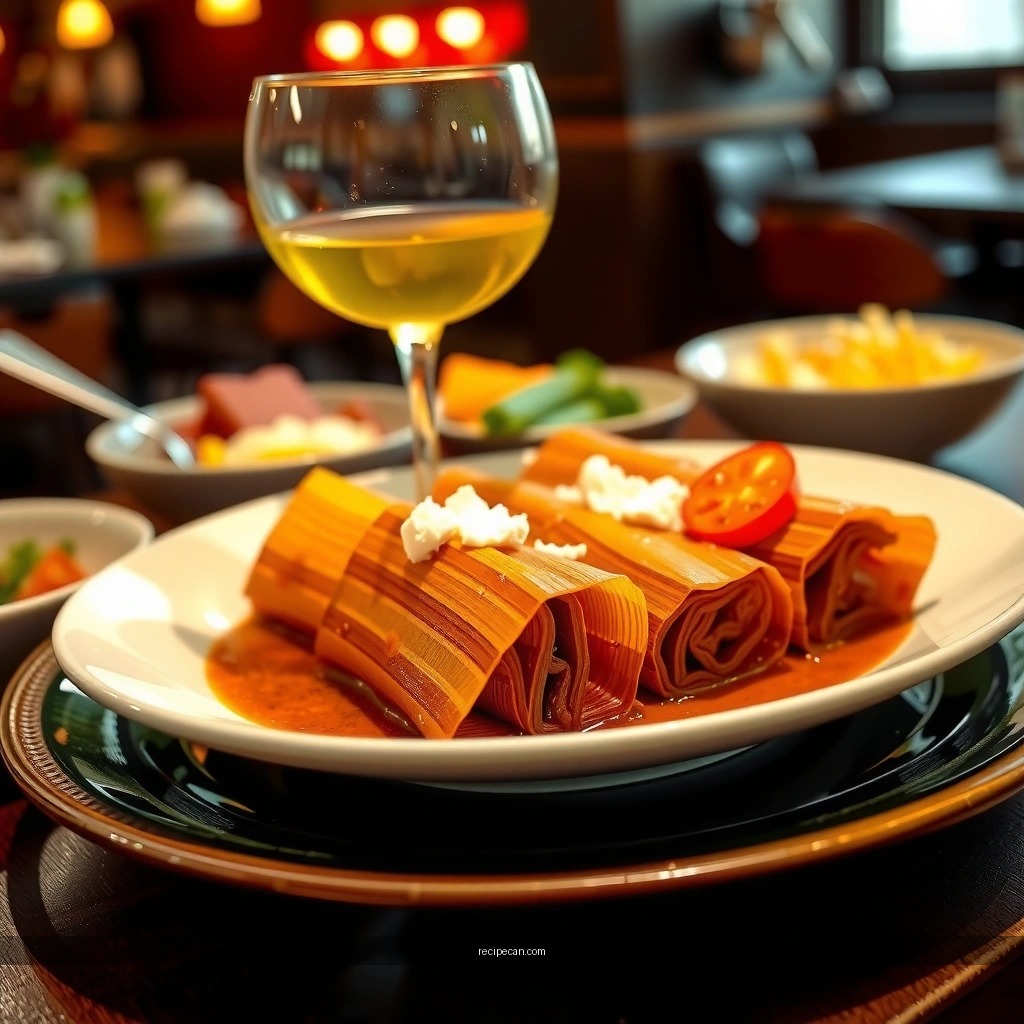
The quality of your homemade tamales starts with two decisions: using reliable masa ingredients and choosing a filling you can season deeply. Because tamales are largely “framework + seasoning,” bland filling and under-seasoned masa will show up in the final bite—even if your technique is perfect.
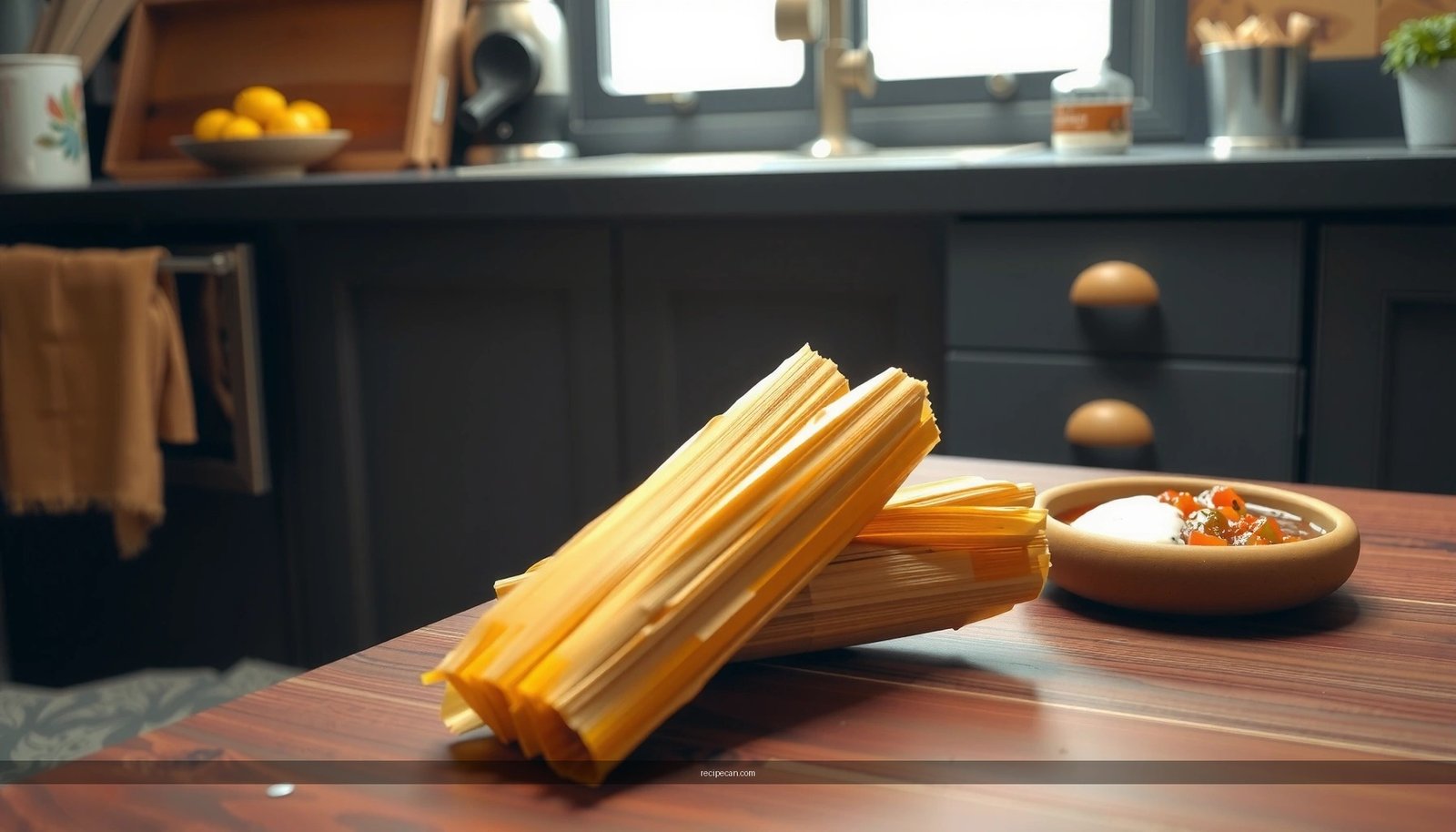
Start with the corn husks. Look for fresh, flexible husks (or high-quality dried husks) that fold without cracking. If you’re using dried husks, you’ll soak them later until pliable. Avoid husks that feel brittle, have mold spots, or smell sour.
Choose masa options wisely. Traditional masa for tamales is made with masa harina and a flavorful liquid (often chicken or pork broth). For a restaurant-style result, select masa harina specifically labeled for tamales (it behaves better than general-purpose corn flour). If you’re aiming for a more traditional texture, many cooks whip fat (like lard or a neutral oil) into the masa so it comes out lighter and spreads cleanly.
Pick your filling. Pork and chicken remain the most common favorites, but vegetarian fillings can be just as satisfying when you build flavor with chile, aromatics, and simmer time. As you plan your tamale assembly, consider how long each filling will take to cool—warm fillings can melt fat and make masa gummy.
Recommended supplies for a smooth process
– Steamer setup (pot + steamer rack or insert)
– Large bowl for mixing masa
– Kitchen scale or measuring tools for consistent ratios
– Heatproof tongs and a sturdy spoon
– Clean towel(s) for covering tamales while assembling
– A small bowl of water to re-wet hands/husks if needed
Tamale Success Factors: What Cooks Prioritize (Batch Planning Guide)
| # | Planning Factor | Typical Priority (of 5) | Time Impact | Result on Texture |
|---|---|---|---|---|
| 1 | Masa consistency (spreadability) | ★★★★★ | Low (5–10 min) | High |
| 2 | Filling seasoning depth | ★★★★☆ | Medium (20–60 min) | High |
| 3 | Soaked husk pliability | ★★★★☆ | Medium (30–90 min) | Medium |
| 4 | Steaming duration control | ★★★★☆ | High (75–120 min) | High |
| 5 | Assembly leak prevention | ★★★☆☆ | Low (10–20 min) | Medium |
| 6 | Resting time before steaming | ★★★☆☆ | Low (10–20 min) | Medium |
| 7 | Water management during steaming | ★★★☆☆ | Medium (stir/check every 15–25 min) | Low–Medium (failure risk) |
Make the Masa Dough

The masa is the heart of this homemade tamale recipe. Your goal is a dough that spreads easily and holds structure without turning watery. Professionals often describe the right texture as “spreadable and forgiving”—it should move like thick frosting.
Core masa method (high-level)
1. Mix masa harina with warm broth (chicken or pork) gradually.
2. Season with salt and optional spices (commonly garlic powder, onion powder, and a touch of cumin).
3. Fold in fat (lard or vegetable shortening). Many cooks beat the fat into the dough for a lighter mouthfeel.
4. Rest the dough briefly so the masa hydrates evenly.
Texture test: spreadability beats guesswork
– If your masa looks dry and cracking, add broth by the tablespoon.
– If it’s runny or glossy, add more masa harina.
– When correct, you should be able to spread a smooth layer on the husk without tearing or creating thick lumps.
Why the texture matters commercially (and at home)
A masa that’s too loose absorbs steam unevenly and can “bleed” or swell. A too-stiff masa steams longer to cook through and may end up dense. Consistent spreadability also helps the tamale cook evenly, so you’re not doing damage control halfway through the steaming process.
Prepare the Filling

A well-seasoned filling makes your tamales feel homemade and intentionally flavored rather than “filling-shaped.” The most reliable approach is to cook the meat (or vegetables) until tender, then simmer with chile and aromatics until the flavors concentrate.
For pork or chicken
– Brown or sauté aromatics (onion, garlic) to build a flavor base.
– Add chile (ground chile, rehydrated dried chile, or a chile paste) along with spices.
– Simmer until meat is fork-tender.
– Shred and continue simmering to thicken slightly so it holds its shape during assembly.
Cooling is not optional
To prevent soggy tamales, cool the filling until it’s warm rather than hot. Hot filling can:
– Melt fat back into the masa (resulting in greasier texture),
– Create steam pockets that keep the center undercooked,
– Increase the chance of leaks.
Flavor calibration tip
Before assembly, taste the filling like you’d taste a stew. If it needs salt now, it will likely taste bland inside the tamale once steamed.
Soak and Prep the Corn Husks
Corn husks are easy to overlook, but they control fold quality and final presentation. When husks are properly soaked, they become pliable enough to fold and seal without cracking.
Soak for pliability
– Soak dried corn husks in warm water until they bend easily.
– If they still feel stiff at the thick ends, keep soaking—rushing this step causes tears and inconsistent sealing.
Clean and trim
– Remove any brittle outer bits that prevent a clean fold.
– If husks vary in size, keep a “small” and “large” stack for more uniform tamales.
Operational best practice
Set up an assembly station with a towel-lined tray to hold soaked husks. You want them moist enough to work with but not dripping so the masa doesn’t smear.
Assemble the Tamales
Assembly is where your technique either protects or undermines your recipe. The goal is consistent masa thickness, correct filling placement, and a tight fold that allows steaming without leaks.
Standard assembly flow
1. Pat excess water from a soaked husk.
2. Spread masa evenly—aim for a thickness that cooks through in the same time as the center.
3. Add filling in the middle (not too close to the edges).
4. Fold the husk so the filling stays inside and the seam closes.
Consistency controls doneness
If one tamale is overfilled or has uneven masa thickness, it will require either extra steaming or compromise texture. For business-like repeatability, portion filling and masa carefully.
Securing without stress
Different regions secure tamales in different ways (folding pressure, tying, or simply sealing). What matters is that the seam stays closed long enough for steaming to set the masa without losing filling.
Quick assembly troubleshooting
– Masa smears where you don’t want it: your husk is too wet or masa is too loose.
– Filling escapes: filling is too hot/thin, or fold isn’t tight enough.
– Center feels undercooked: masa layer is too thick or steaming batches are too crowded.
Steam Until Perfectly Cooked
Steaming is the final determinant of tamale success. The objective isn’t just “time passed”—it’s consistent steam and full masa hydration until the masa loosens from the husk cleanly.
How to steam with steady heat
– Use enough water to create continuous steam.
– Keep heat at a level that maintains a gentle, steady simmer (not a frantic boil).
– Manage water levels during the steaming session by adding hot water as needed—avoid letting the steamer run dry, which can lengthen cook time and dry masa.
Batch planning
Don’t overload the steamer. Crowding reduces steam circulation and leads to uneven cooking. Work in batches if needed.
Doneness test: the professional cue
Check one tamale near the end of your estimated range:
– When the tamale is ready, the masa pulls cleanly from the husk.
– If it still clings, steam longer in 10–15 minute increments.
Why this test is more reliable than time alone
Even if two batches share the same recipe, differences in husk thickness, dough hydration, and room temperature change steam dynamics. The “pull test” accounts for real conditions rather than theoretical timing.
After one steaming session, you’ll have warm, tender homemade tamales ready to serve with salsa, toppings, or your favorite sides. Follow the masa texture tips and steam timing closely, then make extras for freezing—try your next batch with a new filling or spice level.
These homemade tamales are worth the effort because you control the variables that matter most: masa consistency, filling seasoning, husk prep, and steady steaming. Once you master the masa “spreadability” and the final “pull from the husk” doneness cue, you’ll be able to repeat the results reliably—whether you stick to pork, choose chicken, go with cheese-forward options, or develop a vegetarian filling with the same deep chile flavor.
Frequently Asked Questions
What is the best homemade tamale recipe for beginners?
A beginner-friendly homemade tamale recipe usually uses masa harina, simple fillings (like shredded chicken or pork), and a straightforward steaming method. Choose a filling that’s not too wet so the masa cooks evenly and doesn’t turn gummy. Look for recipes that explain how to soften masa, spread the masa thinly, and test doneness before serving.
How do you make tamales with masa that isn’t dry or sticky?
Start with well-hydrated masa harina and add warm broth gradually until the dough feels smooth and spreadable. If your dough is dry, mix in a little more warm liquid; if it’s sticky, let it rest briefly and add a small amount of masa harina. A common homemade tamale tip is to aim for a texture that spreads without tearing and holds its shape when formed.
Why are my tamales falling apart or peeling off the husks?
Tamales can fall apart if the masa is too wet, the filling is overfilled, or the steaming time is insufficient. Make sure you spread the masa evenly and leave enough space at the edges for folding so the tamale holds together. Also, steam them long enough to fully set the homemade tamale filling and masa, which helps the husks release cleanly.
Which filling works best for a classic homemade tamale recipe?
Classic homemade tamale fillings often include red chile pork, green chile chicken, or a combination of both for bold flavor. For a traditional texture, simmer meats until tender and coat with sauce, then cool slightly before assembling so the masa doesn’t absorb excess liquid. If you’re new to tamales, choose a filling that isn’t overly watery and is easy to portion evenly.
How do you steam homemade tamales so they cook evenly every time?
Use a steamer with a tight lid and keep water at a steady simmer, adding more as needed so there’s consistent steam throughout cooking. Arrange tamales upright or in a tight layer to avoid uneven heat, and avoid lifting the lid too often during the steaming process. To check doneness, the masa should feel set and the tamale should peel from the husk with minimal sticking—then rest briefly before serving.
References
- Tamale
https://en.wikipedia.org/wiki/Tamale - https://www.britannica.com/topic/tamale
https://www.britannica.com/topic/tamale - Google Scholar Google Scholar
https://scholar.google.com/scholar?q=homemade+tamale+recipe - Google Scholar Google Scholar
https://scholar.google.com/scholar?q=how+to+make+tamales+masa+corn+dough - Google Scholar Google Scholar
https://scholar.google.com/scholar?q=tamale+making+technique+corn+husk+steaming - Tamales | Good Food
https://www.bbcgoodfood.com/recipes/tamales - https://www.nytimes.com/guides/something-you-cook/tamales
https://www.nytimes.com/guides/something-you-cook/tamales - https://www.theguardian.com/food/tamales
https://www.theguardian.com/food/tamales - https://pubmed.ncbi.nlm.nih.gov/?term=nixtamalization+corn+dough+masa+properties
https://pubmed.ncbi.nlm.nih.gov/?term=nixtamalization+corn+dough+masa+properties - homemade tamale recipe – Search results
https://en.wikipedia.org/wiki/Special:Search?search=homemade+tamale+recipe