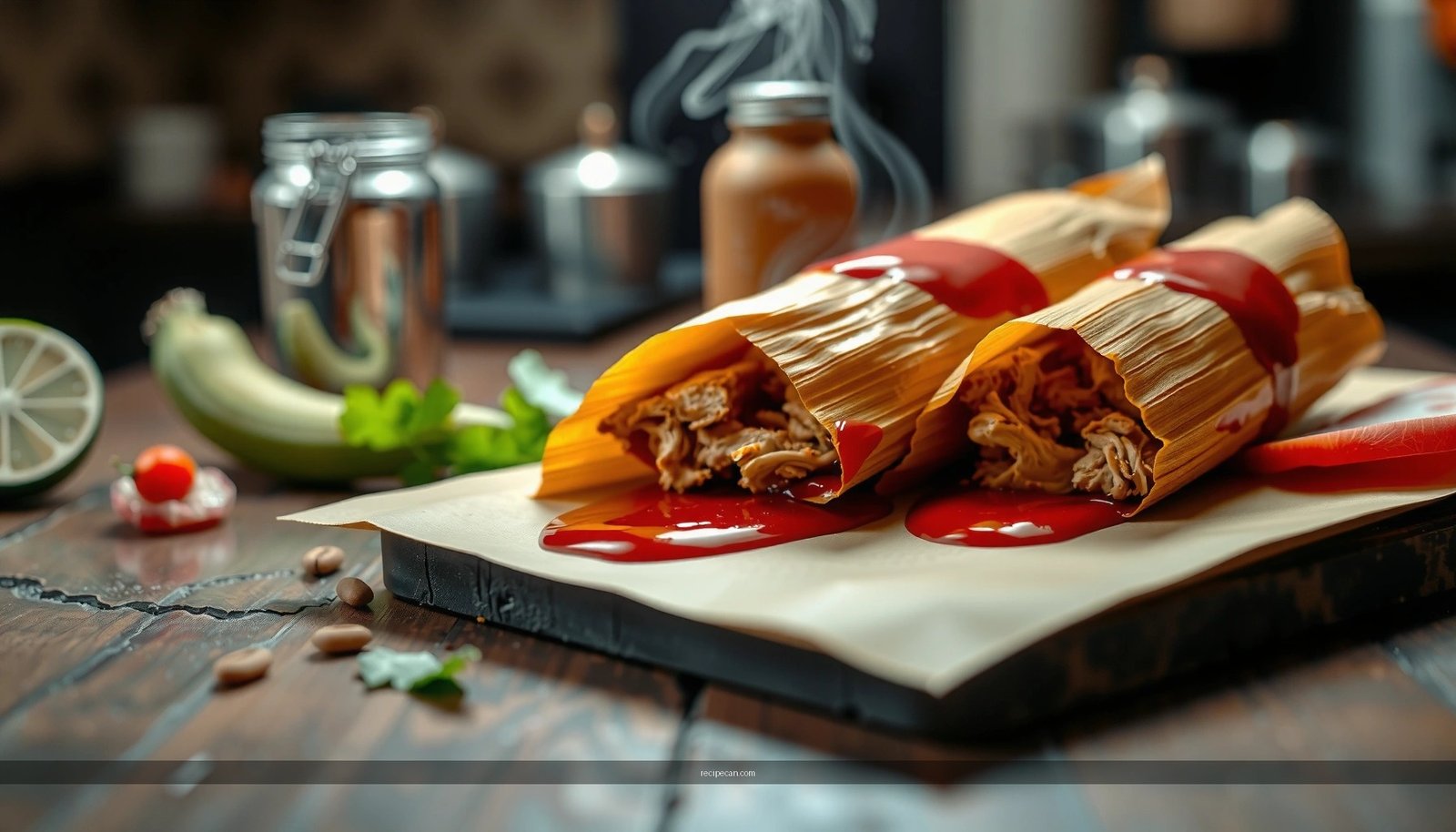
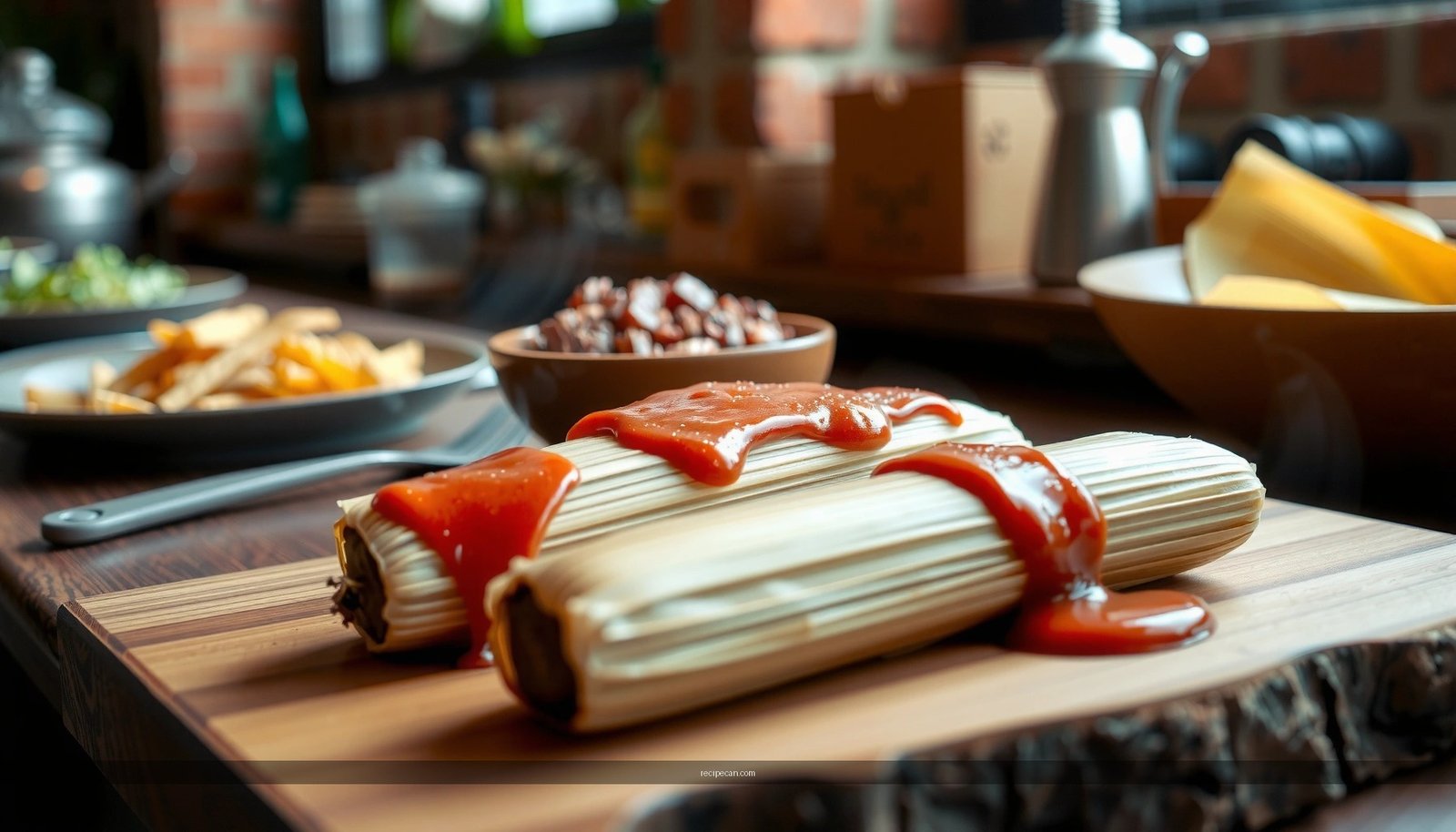
Get an easy Mexican tamale sauce recipe that delivers authentic, bold flavor fast, without complicated ingredients or long cooking times. This is the best choice when you want a rich red sauce that smothers tamales evenly and tastes like it came from a real Mexican kitchen. You’ll learn the exact steps and proportions to get the right heat, depth, and consistency every time.
Make Mexican tamale sauce by simmering tomatoes, dried chilies, garlic, and warm spices until thick, then strain or blend for a smooth, pourable finish. This easy method delivers bold, authentic flavor that clings to tamales—so they taste well-seasoned in every bite, not just on the surface.
Essential Ingredients for Mexican Tamale Sauce
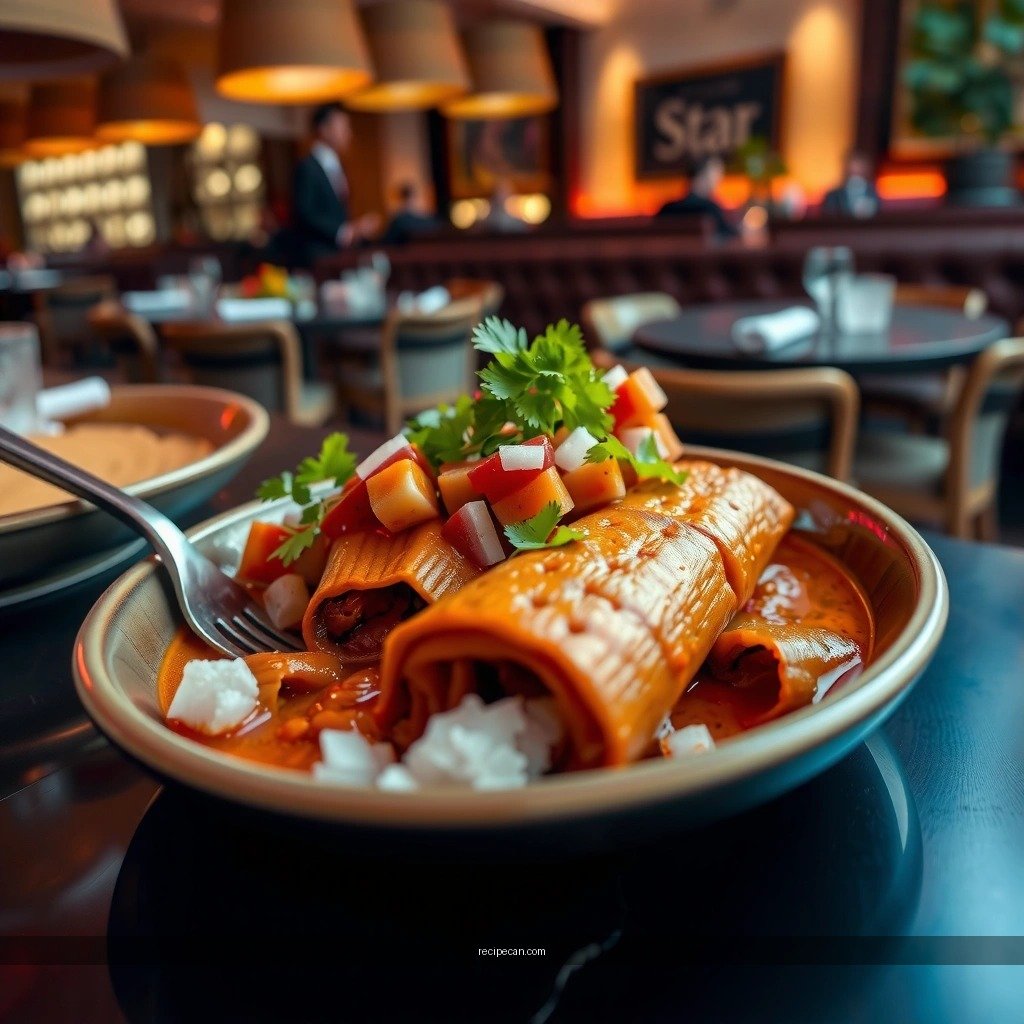
– Choose dried chilies (like guajillo or ancho) for classic flavor: Dried chilies bring the deep, smoky-sweet base that makes tamale sauce taste “authentically Mexican,” not just spicy. Guajillo contributes a mild fruity heat, while ancho (dried poblano) adds cocoa-like richness.
– Use aromatics like garlic and onion plus tomatoes or tomato base: Aromatics build savory depth, while tomatoes provide acidity and body. You can use fresh tomatoes for a brighter flavor or canned crushed tomatoes for consistency and speed.
– Gather spices (cumin, oregano) and a little salt to balance everything: Traditional tamale sauces are seasoned in layers. Ground cumin and Mexican oregano (or standard oregano) add warmth and earthiness. Salt is the lever that makes all the flavors “click” together—so don’t under-season early.
To help you choose, here’s a practical “flavor mapping” of common tamale-sauce chilies and what they contribute:
Chili Choice Guide for Tamale Sauce Flavor (Typical Ranges)
| # | Dried Chili | Typical Heat (Scoville) | Common Sauce Contribution | Best Use |
|---|---|---|---|---|
| 1 | Guajillo | 2,500–5,000 | Fruity, mild smoky heat | ★ Pourable base |
| 2 | Ancho | 1,000–2,000 | Cocoa-like depth, gentle warmth | ★ Rich, rounded flavor |
| 3 | Pasilla | 1,000–2,500 | Dried fruit, raisin-like smoke | ★ Smokier body |
| 4 | Chipotle (dried) | 2,500–8,000 | Bold smoky heat | ★ Use sparingly |
| 5 | Chile de Árbol | 15,000–30,000 | Sharp, high heat | ★ Add for spice only |
| 6 | New Mexico (dried) | 800–2,000 | Nutty, mild-to-medium warmth | ★ Great for mild heat |
| 7 | Mirasol (dried) | 2,500–6,000 | Smoke with mild sweetness | ★ Balanced, everyday sauce |
Prep the Chilies and Aromatics
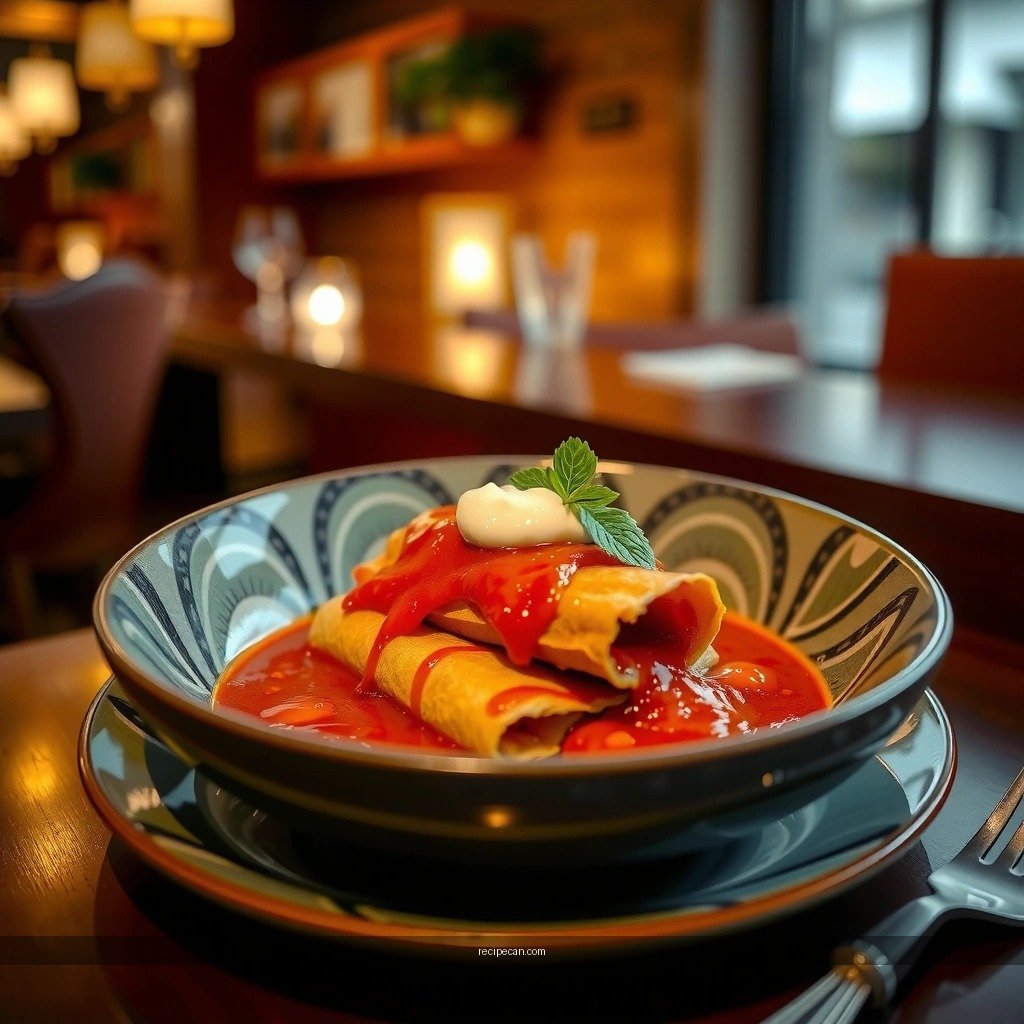
– Toast chilies briefly, then rehydrate in hot water: Toasting helps release oils and deepens flavor, but it’s fast—about 10–20 seconds per side, until fragrant but not burnt. Rehydrate the chilies in hot water (or warm broth) so they blend smoothly.
– Blend chilies with garlic, onion, and tomatoes until smooth: A classic tamale sauce base typically includes chili flesh plus onion and garlic, along with tomatoes for acidity. Blend until silky, scraping the blender sides so the sauce cooks evenly.
– Strain the sauce if you want a silkier texture: Straining is optional, but if you want restaurant-like tamale sauce, strain after blending. It removes chili skins and tough fibers that can create bitterness or a gritty mouthfeel.
Pro tip (texture): If your blended sauce looks thick before cooking, that’s normal—chilies hydrate and thicken as they break down. You’ll still simmer to develop flavor and reach the right pour-over consistency.
How to Cook the Tamale Sauce
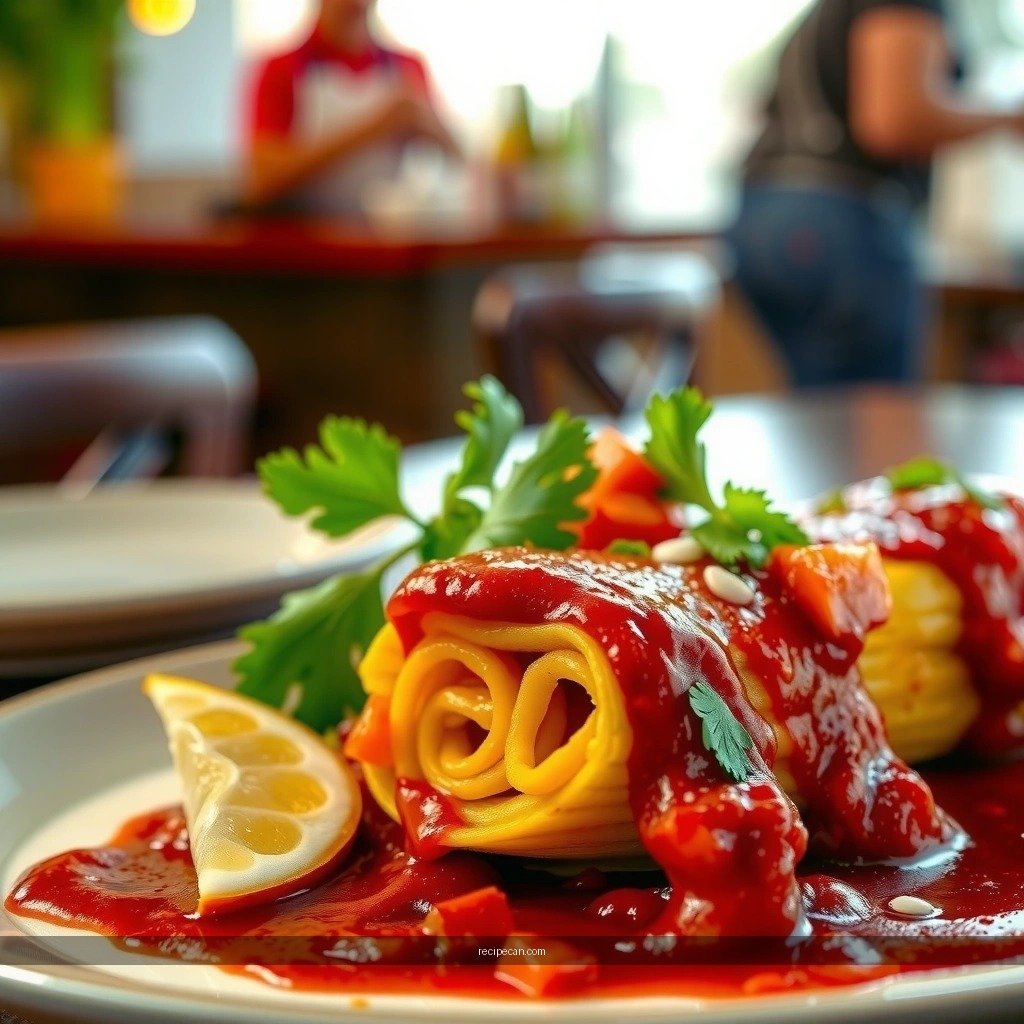
– Simmer the blended sauce until it thickens and tastes fully developed: After blending, cook the sauce in a pot over medium heat until it reduces and thickens. This simmer is where “easy” turns into “authentic,” because raw chili flavors mellow and the tomato base becomes rounder.
– Stir often to prevent scorching and keep the texture even: Chili-tomato sauces can scorch as they reduce. Stir frequently, especially along the bottom and corners.
– Adjust thickness with reserved chili soaking water: Save the rehydration liquid. If the sauce becomes too thick, loosen it with a splash at a time until it coats a spoon and flows smoothly.
Here’s a reliable target consistency: the sauce should coat the back of a spoon and pour in a ribbon without immediately running watery. That means it will cling to tamales instead of pooling.
Seasoning Tips for Authentic Mexican Flavor
– Taste as you cook and fine-tune salt and spices: Salt doesn’t just “make it salty”—it sharpens chili depth and balances tomato tang. Add gradually, tasting near the end of simmering.
– Add a splash of vinegar or a pinch of sugar if needed: If the sauce tastes flat, a small splash of vinegar can lift flavor by balancing acidity. If it tastes too sharp, a pinch of sugar can soften the edges (use sparingly).
– Aim for a balanced profile: smoky, savory, and mildly spicy: Authentic tamale sauce usually prioritizes complex smoky-sweet flavor over extreme heat. You can always add chili, but once it’s too spicy, it’s harder to correct.
Common adjustment scenarios (fast fixes):
– Too bitter: simmer 2–3 minutes longer (helps), or add a small amount of tomato and stir.
– Too smoky: add a bit more tomato base and salt.
– Too thick: loosen with reserved soaking water.
– Too bland: add salt first, then a pinch of cumin or oregano if needed.
Serving Ideas for Tamale Sauce
– Spoon over assembled tamales for extra moisture and flavor: Warm tamales + warm sauce is a winning combination. The sauce helps keep masa tender and adds seasoning throughout.
– Use as a dipping sauce for tamales or sides: Serve in a small bowl alongside tamales, roasted vegetables, or grilled meats.
– Pair with queso fresco, chopped onion, and cilantro if serving hot: Finish with fresh toppings for contrast—creamy, crunchy, and bright.
Best serving practice: Warm the sauce gently (don’t boil aggressively) so it stays silky and pourable. If it thickens while waiting, stir in a teaspoon or two of water or reserved soaking liquid.
Storage and Reheating
– Cool, then store in an airtight container in the fridge up to 4–5 days: Let the sauce cool to room temperature first. Airtight storage prevents flavor loss and helps it reheat evenly.
– Reheat gently on the stovetop or microwave, adding a splash of water if thick: Reheating is where many sauces go wrong—high heat can dull chili aromatics or cause separation. Warm slowly and stir.
– Freeze in portions for quick weeknight tamale prep: Freeze in small containers or freezer-safe bags. Thaw overnight in the fridge, then rewarm gently.
Workflow tip: If you’re cooking tamales for an event, make the sauce a day ahead. Flavor often improves after resting because chili and tomato notes meld.
—
This Mexican tamale sauce recipe delivers bold, authentic flavor with a straightforward process: toast and rehydrate dried chilies, blend with garlic, onion, and tomatoes, simmer until thick, then season to taste. Strain for silkiness, adjust thickness with reserved soaking liquid, and use it to sauce tamales right before serving. Make it once and you’ll have a reliable, week-ready tamale sauce base for repeat batches, dips, and finishing drizzles.
Frequently Asked Questions
What is the difference between Mexican tamale sauce and other mole or salsa sauces?
Mexican tamale sauce is typically a thinner, pourable sauce designed to coat masa and keep tamales moist, rather than a thick spoonable mole. Many tamale sauces are based on chile pods (like guajillo or ancho) plus garlic, onion, broth, and sometimes tomato, with lighter spices so the flavor complements the masa. While mole and some salsas can be used for tamales, tamale-specific sauces are usually cooked and blended to a consistent, “drizzle” texture for even coverage.
How do I make a traditional Mexican tamale sauce from dried chiles?
Start by toasting dried chiles briefly in a dry pan until fragrant, then soak them in hot water (or broth) until soft. Blend the rehydrated chiles with garlic, onion, and seasonings, then strain for a smoother Mexican tamale sauce. Simmer the blended chile sauce with a little broth until it thickens slightly, taste, and adjust with salt and optional toasted spices like cumin or Mexican oregano. Use warm sauce so it spreads evenly over the masa while you assemble your tamales.
Why is my Mexican tamale sauce bitter or too spicy, and how can I fix it?
Bitterness often comes from over-toasting chiles, leaving seeds/veins in the blend, or using charred ingredients like garlic or onion. To fix it, dilute the sauce with unsalted broth, then add a small amount of sugar, piloncillo, or tomato to balance harsh flavors. If it’s too spicy, strain the sauce to remove some chile particles and blend in additional roasted onion or a mild ingredient like tomato or a bit more broth. Always taste frequently during simmering, since chile intensity changes as the sauce cooks.
Which chiles are best for a classic Mexican tamale sauce, and what flavors do they give?
A common base is guajillo and ancho chiles because they provide a mild-to-medium heat and a rich, smoky-sweet flavor that works with most tamales. Adding pasilla or chipotle can bring deeper smokiness, while a small amount of chile de árbol can boost heat if you want it spicier. For a more vibrant, slightly tangy profile, consider including a roasted tomatillo or a touch of tomato in the blend. The key is balancing dried chile flavor with enough aromatics and broth so the sauce tastes smooth and cohesive.
What’s the best way to thicken Mexican tamale sauce without making it clumpy?
Strain your chile sauce before simmering to remove skins and fibers that can cause graininess. If it’s too thin, simmer uncovered to reduce and concentrate flavor, stirring occasionally until it reaches a pourable consistency. For controlled thickening, add a small amount of toasted masa harina (about 1 tablespoon at a time) whisked with warm broth, then simmer briefly—this helps the sauce stay silky and stay well-integrated with the masa. If it becomes too thick, thin it with warm broth to restore a smooth drizzle texture.
References
- Google Scholar Google Scholar
https://scholar.google.com/scholar?q=mexican+tamale+sauce+recipe - https://scholar.google.com/scholar?q=red+chile+sauce+for+tamales+recipe Google Scholar
https://scholar.google.com/scholar?q=red+chile+sauce+for+tamales+recipe - Google Scholar Google Scholar
https://scholar.google.com/scholar?q=mole+for+tamales+recipe - Tamale
https://en.wikipedia.org/wiki/Tamale - https://en.wikipedia.org/wiki/Mole_(sauce
https://en.wikipedia.org/wiki/Mole_(sauce - Salsa (food)
https://en.wikipedia.org/wiki/Salsa_roja - https://en.wikipedia.org/wiki/Salsa_verde_(Mexican_cuisine
https://en.wikipedia.org/wiki/Salsa_verde_(Mexican_cuisine - https://www.britannica.com/topic/tamale
https://www.britannica.com/topic/tamale - https://pubmed.ncbi.nlm.nih.gov/?term=mole+sauce
https://pubmed.ncbi.nlm.nih.gov/?term=mole+sauce - https://www.sciencedirect.com/search?qs=chile+sauce+composition
https://www.sciencedirect.com/search?qs=chile+sauce+composition