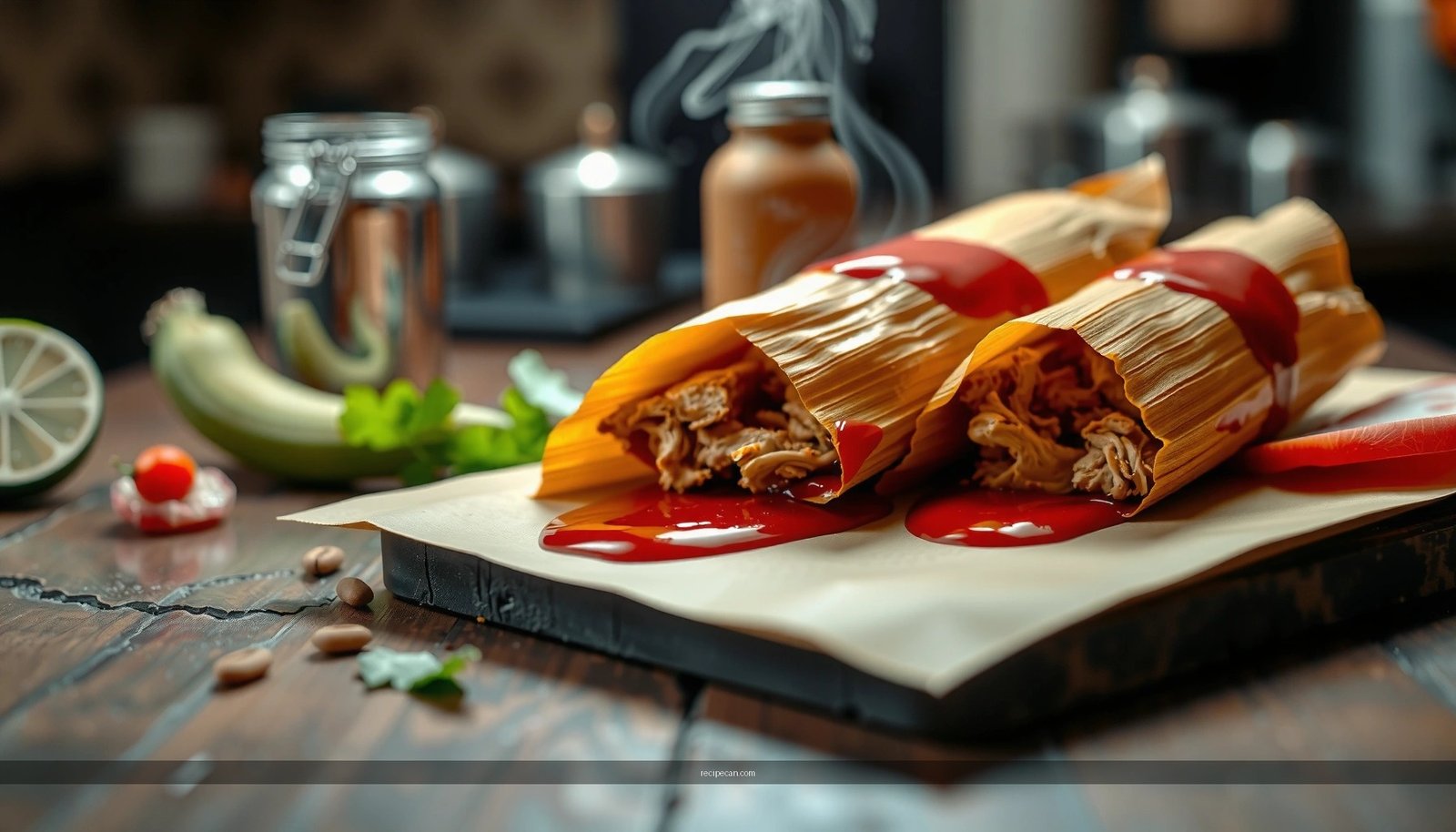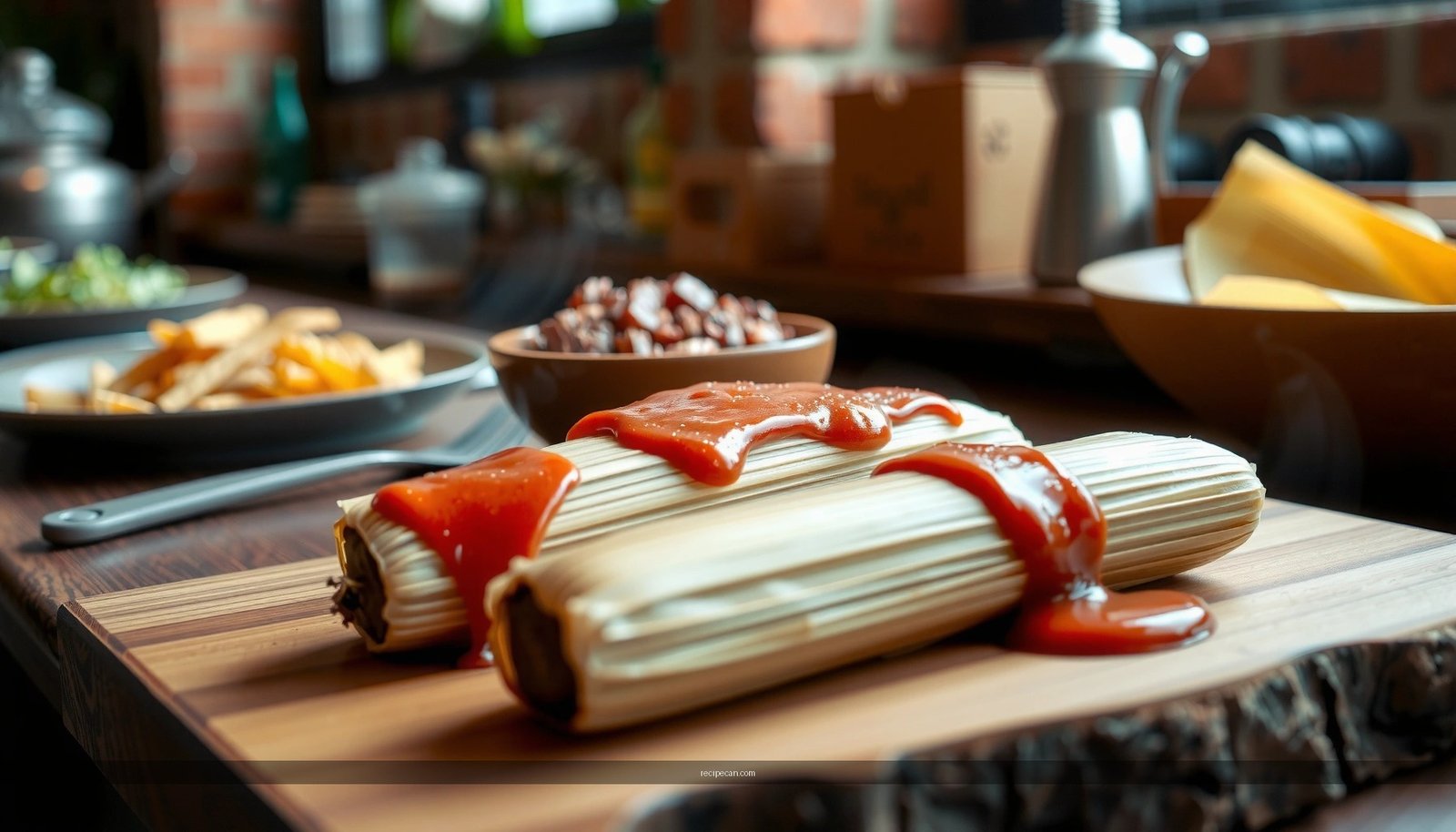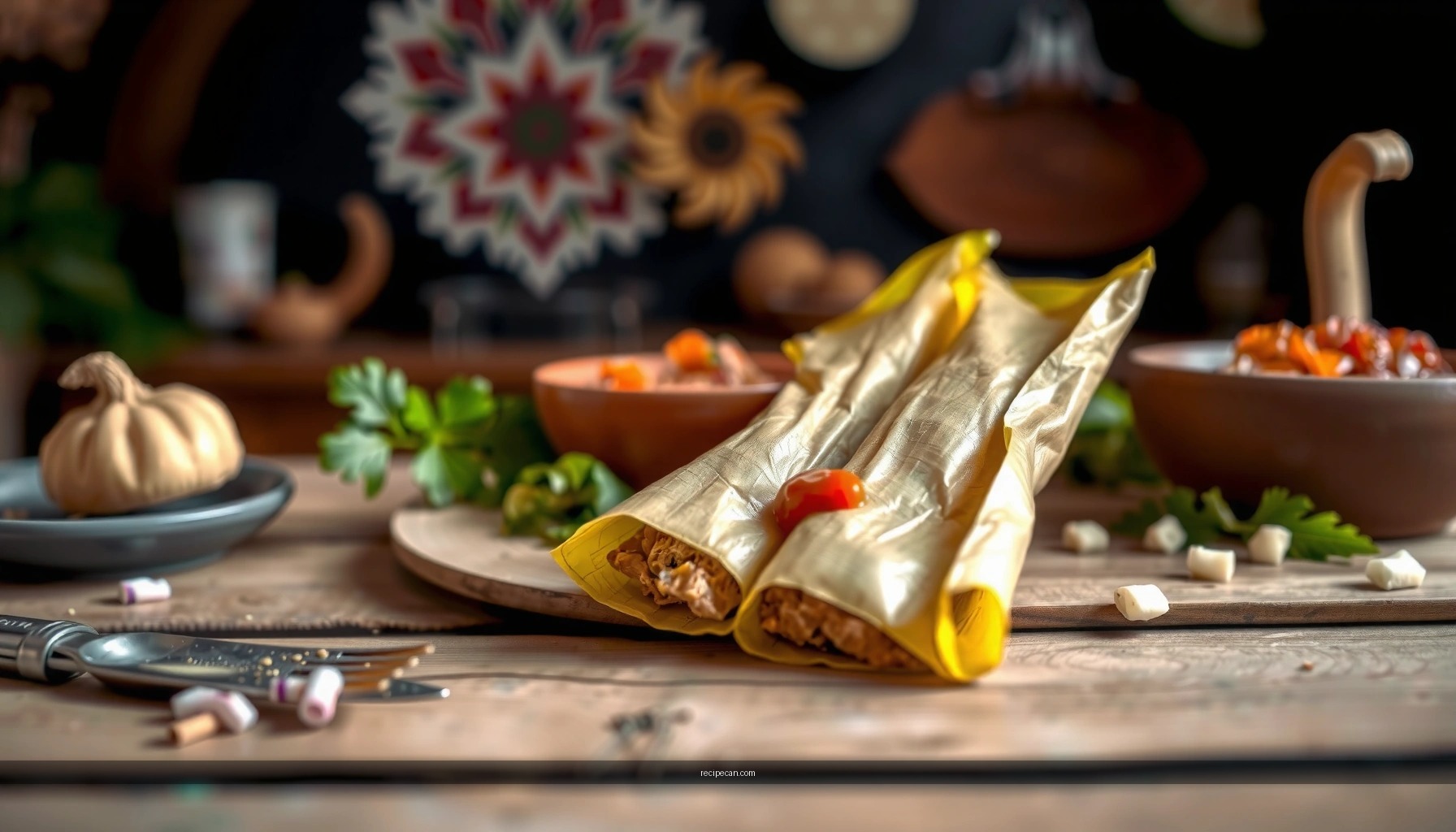
This step-by-step guide shows exactly how to make pork tamales recipe from scratch, with clear instructions you can follow the first time. You’ll learn how to prepare the pork filling, season it for bold flavor, and assemble and steam tamales that come out tender and sliceable. If you want the most reliable method for authentic, moist pork tamales, start here.
To make pork tamales, cook tender seasoned pork, spread masa evenly on soaked corn husks, then steam until the dough sets and the flavor fully develops. This step-by-step pork tamales recipe walks you through prepping the husks, building a rich pork filling, achieving the right masa consistency, steaming for clean results, and storing leftovers for future meals.
Choose and Prep Your Ingredients

A great pork tamales recipe starts with ingredient choices that directly affect tenderness, flavor, and texture. For best results, treat the two “workflows” separately: (1) prepping husks and (2) setting up the filling and masa so they’re ready to assemble without delays.
– Use dried corn husks and soak them until pliable
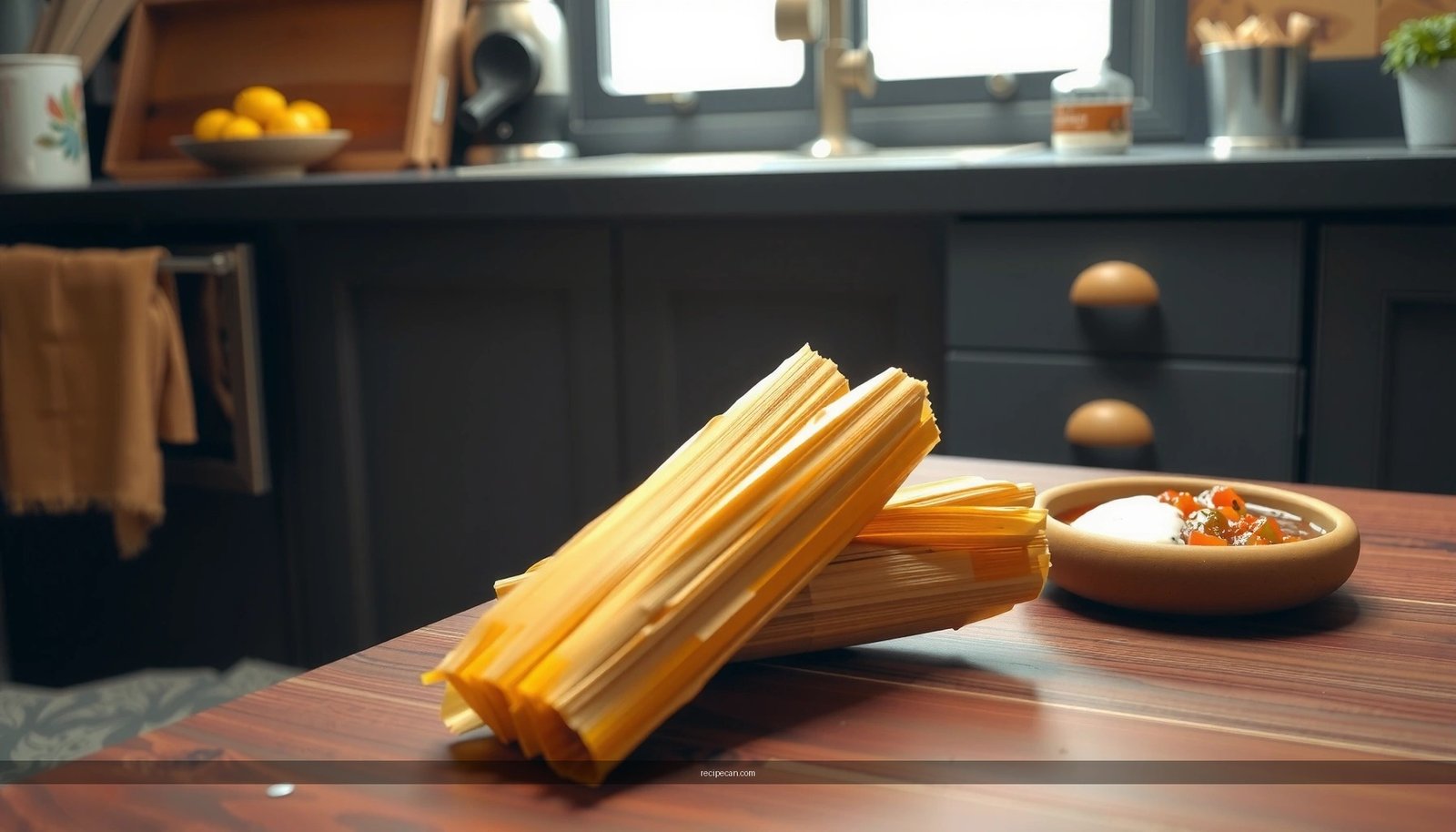
Corn husks vary in thickness and age, so soak time can differ. A typical starting point is 30–60 minutes in warm water, weighting them down so they fully hydrate. You’re aiming for husks that bend without cracking and can be rolled firmly without tearing.
– Select pork shoulder for the best flavor and tenderness
Pork shoulder (including pork butt) has enough fat to keep the filling juicy during long steaming. It also breaks down well, which is critical for tamale authenticity and mouthfeel.
– Gather masa harina, broth, baking powder (if needed), and seasonings
Masa harina is the foundation of tamales—using the right hydration and optional leavening affects how smoothly the masa cooks. Consider these practical inputs:
– Masa harina: forms the structure
– Broth: deepens pork flavor and improves masa richness
– Salt: essential for flavor balance
– Baking powder (optional): can slightly lighten texture, especially if your masa is dense or you prefer a softer bite
Pork Tamales: Target Filling Texture & Masa Consistency Checks
| # | Stage | Goal Measure | Typical Range | Outcome Impact |
|---|---|---|---|---|
| 1 | Corn husk hydration | Bends without cracking | 30–60 min (warm water) | Prevents tearing and uneven folds |
| 2 | Pork shoulder cook time | Fork-tender shredding | 90–150 min (simmer) | Improves juiciness and bite |
| 3 | Sauce thickness | Shreds coated, not watery | Reduces to clingy gravy | Ensures flavor inside masa |
| 4 | Masa spreadability | Spreads smoothly, holds shape | Stiff paste → soft frosting | Reduces cracks and gaps |
| 5 | Masa hydration (broth) | Adjust for no tearing | Add broth gradually | Balances structure and tenderness |
| 6 | Steaming doneness test | Masa pulls cleanly | ~60–120 min (varies) | Prevents gummy undercooked masa |
| 7 | Resting after steam | Clean unwrap, less breakage | 10–15 min | Improves presentation and texture |
Make the Pork Filling

For authentic pork tamales, the filling should be both seasoned and saucy enough to flavor the masa as it steams. The “quality” of pork tamales is often decided here—more than on the masa alone.
– Simmer pork with onions, garlic, and spices until fork-tender
Start by browning the pork shoulder if you have time; it adds depth. Then simmer with onions, garlic, and your chosen spices (commonly cumin, oregano, bay leaf, and chili-based seasoning depending on your regional style). Maintain a gentle simmer so the pork stays tender rather than boiling hard.
– Shred the pork and mix with enough sauce/broth for juiciness
Once fork-tender, shred the pork and return it to the pot with enough broth or sauce to keep it moist. If it’s too dry, the tamales can taste flat or feel crumbly. If it’s too wet, excess liquid can interfere with sealing and steaming uniformity.
– Taste and adjust salt and heat before assembling
This is the step many home cooks skip. Because the masa is relatively neutral, you want the filling to be slightly bolder than you think—the steaming will soften the intensity. Adjust salt and heat after shredding so every bite is balanced.
Pro tip: If you’re using dried chilies, toast them lightly, then rehydrate and blend with broth and aromatics. The resulting chili base can dramatically improve flavor consistency across batches.
Prepare the Masa (Corn Dough)

Masa is not “mix and forget.” Your success with a pork tamales recipe depends heavily on getting a consistent spread—soft enough to smooth out on the husk, but structured enough to steam evenly.
– Combine masa harina with broth and salt until smooth and spreadable
Whisk masa harina with warm broth gradually. Add salt early so the flavor is distributed. Mix until smooth, eliminating dry clumps. Let it rest briefly—this helps hydrate the masa more evenly.
– Mix in baking powder (if using) for a lighter texture
Baking powder is optional, but it can help create a slightly lighter crumb. Use it conservatively and only if you know your preferred texture. If your masa already feels light and springy, you may not need it.
– Check consistency: it should spread easily without cracking
A practical test: spread masa onto a husk. If it tears, it’s too stiff. If it runs or looks watery, it’s too loose. Adjust in small increments by adding broth or masa harina and re-mixing thoroughly.
Consistency target: think “spreadable dough” rather than batter. Tamales require control; a sloppy masa will make assembly messy and can cause uneven steaming.
Assemble the Tamales
Assembly is where you translate your prep into real results. Even if your pork is perfect, inconsistent portions can cause undercooked centers or overcooked edges.
– Spread masa over the husk, add a line of pork filling, and roll tightly
Place a portion of masa on the lower portion of the soaked husk. Use a spoon or offset spatula to spread into a consistent layer, leaving edges clean so they seal better. Add pork filling in a line—avoid overfilling. Too much filling can push masa out and create gaps.
– Fold and tie or secure with husk strips if needed
Roll and fold according to your preferred regional method. If using husk strips, tie snugly but not so tight that you squeeze out the filling.
– Keep portions consistent for even steaming
If you’re making a large batch, portion control matters. Use the same scoop size for masa and the same amount of filling per tamale. Uniformity is a strong predictor of whether each tamale finishes at the same time.
Workflow advantage: Assemble in stages—husks ready, filling nearby, masa bowl within reach. This prevents masa from drying out and keeps your hands working efficiently.
Steam the Tamales to Cook Through
Steaming is the “make or break” step. The goal is steady heat and enough steam circulation so the masa sets without turning gummy.
– Stand tamales upright in a steamer with water below the basket
Use a steamer insert or rack that allows steam to rise around tamales. Water should be below the basket so steam cooks the tamales without submerging them.
– Steam until masa pulls cleanly from the husk (time varies by size)
Doneness is judged more by the masa than the clock. Many batches take about 60–120 minutes, depending on tamale size, steamer capacity, and how thick your masa layer is. Start checking earlier if your tamales are small.
– Check water level during steaming and add hot water as needed
Maintain steam. If the water level drops too low, steaming becomes uneven and cooking times stretch. Always add hot water to avoid major temperature drops.
Quality test: When ready, the masa should release from the husk more cleanly. If it sticks heavily, steam longer—undercooked masa is usually the reason tamales feel heavy or pasty.
Serve, Store, and Reheat
Tamales improve with a short rest and careful reheating. Storage planning is also where batch cooking becomes truly practical.
– Let tamales rest briefly before unwrapping for cleaner removal
Resting 10–15 minutes helps the masa firm slightly, so husk removal is cleaner and less prone to tearing. Slice or unwrap gently and plate immediately.
– Store cooled tamales wrapped well in the fridge or freezer
Cool tamales completely before storing. Wrap tightly to prevent drying. In the fridge, they generally keep well for a few days; for longer storage, freeze with layers separated so you can reheat individual portions without thawing everything.
– Reheat in the steamer or microwave with a damp paper towel to retain moisture
Steaming is best for moisture retention. If microwaving, use a damp paper towel and cover to trap steam. Heat until fully warmed through, especially if frozen.
Serving ideas: Pork tamales are excellent with salsa verde, red chile sauce, crema, shredded cheese, or a simple side of Mexican rice and refried beans—each option amplifies the pork and chili notes.
When you get it right, your tamales should have a tender, shreddable pork filling and a masa that steams into a cohesive, flavorful bite rather than a heavy dough. Tamales are all about getting the pork tender, the masa right, and steaming until the masa sets. Follow the steps above, adjust seasoning to your taste, and don’t skip the soaking and consistency checks—then cook, serve, and freeze extras for easy future meals. Try your first batch today and note what you’d like to perfect next time.
Frequently Asked Questions
What ingredients do I need to make pork tamales from scratch?
To make pork tamales, you’ll need masa harina, lard (or vegetable shortening), warm broth (chicken or pork), salt, baking powder (optional), and dried corn husks. For the pork filling, use pork shoulder (or pork butt), onion, garlic, and a chile-based sauce (like red chile or guajillo) plus spices such as cumin, oregano, and bay leaf. Having the right corn husks that soften easily is key for clean wrapping and even cooking.
How do I prepare the pork filling for tamales so it’s tender and flavorful?
Start by simmering pork shoulder with aromatics like onion, garlic, bay leaf, and spices until it’s very tender and shreds easily. Then blend or simmer your chile sauce (guajillo or red chile works well), and mix it into the shredded pork, letting it reduce slightly so it clings to the filling. Season to taste—pork tamales typically need a balanced, rich chile flavor without being overly salty or bitter.
How do I make the masa dough for pork tamales, and what does the right texture look like?
Mix masa harina with warm broth and lard (or shortening) until smooth, then add salt and baking powder if using. The dough should be soft, spreadable, and hold shape when you press it—many people check doneness with the “float test” (a small ball should float in water, though this varies by masa brand). If your masa is too dry, add warm broth a little at a time; if it’s too loose, add small amounts of masa harina.
Which step prevents my tamales from being dry or tough when steaming?
The most common cause of tough tamales is either over-steaming, under-steaming, or using dough that isn’t properly hydrated. Steam pork tamales in a covered steamer with a steady simmer and enough water to last the full cook time, checking periodically and not letting the water run dry. Also avoid tearing husks or making overly tight wraps—steam needs to circulate so the masa cooks evenly.
What’s the best way to assemble and wrap pork tamales so they cook evenly?
Lay softened corn husks flat, spread a layer of masa in the center, and add a portion of the pork filling, keeping it centered and not overstuffed. Fold the sides in first, then wrap and tie if needed, ensuring a snug but not compressed package so the masa expands slightly during cooking. Arrange tamales upright or in a consistent pattern in the steamer, which helps maintain even steam flow and uniform doneness.
References
- Google Scholar Google Scholar
https://scholar.google.com/scholar?q=how+to+make+pork+tamales+masa+nixtamalization+recipe - Google Scholar Google Scholar
https://scholar.google.com/scholar?q=tamales+recipe+research+masa+preparation+meat+filling - Google Scholar Google Scholar
https://scholar.google.com/scholar?q=pork+tamal+filling+technique+stew+adobo+chile+preparation - Tamale
https://en.wikipedia.org/wiki/Tamale - https://www.britannica.com/topic/tamale
https://www.britannica.com/topic/tamale - https://pubmed.ncbi.nlm.nih.gov/?term=tamales
https://pubmed.ncbi.nlm.nih.gov/?term=tamales - https://nchfp.uga.edu/how/freeze/tamales.html
https://nchfp.uga.edu/how/freeze/tamales.html - https://nchfp.uga.edu/how/can/tamales.html
https://nchfp.uga.edu/how/can/tamales.html - https://nchfp.uga.edu/how/preserving/nixtamalization.html
https://nchfp.uga.edu/how/preserving/nixtamalization.html - | National Center for Home Food Preservation
https://nchfp.uga.edu/how/make/tamales.html