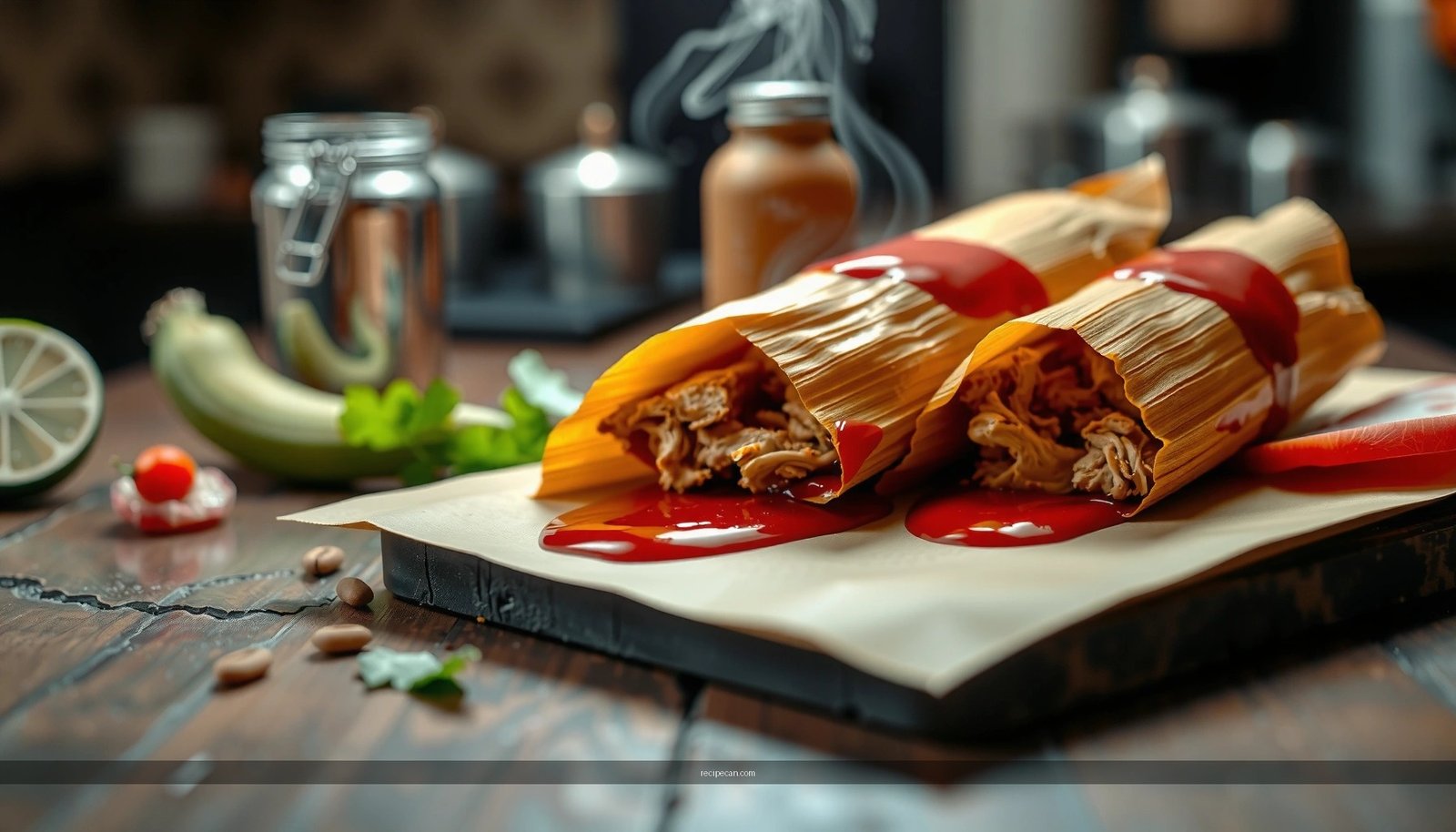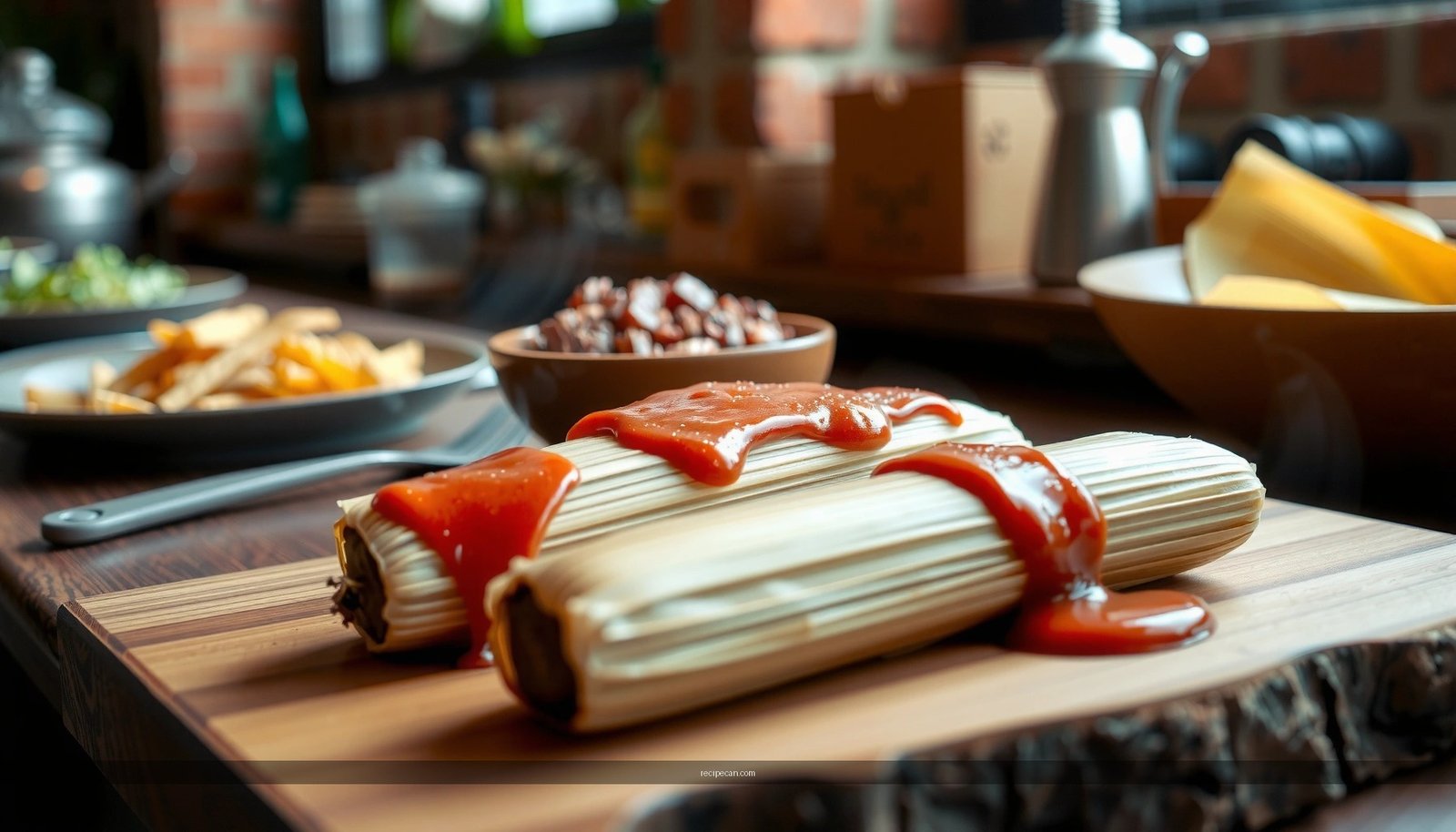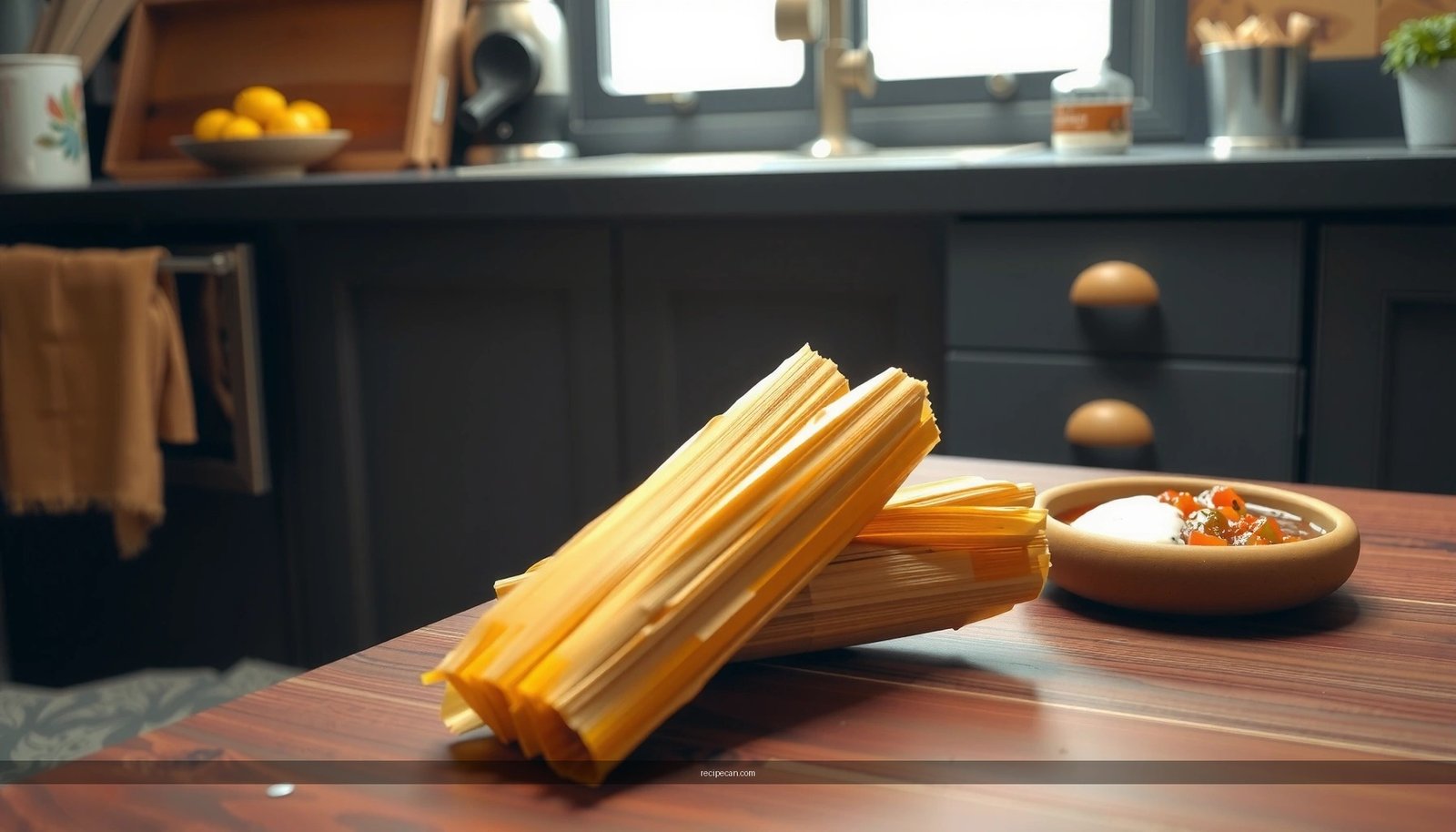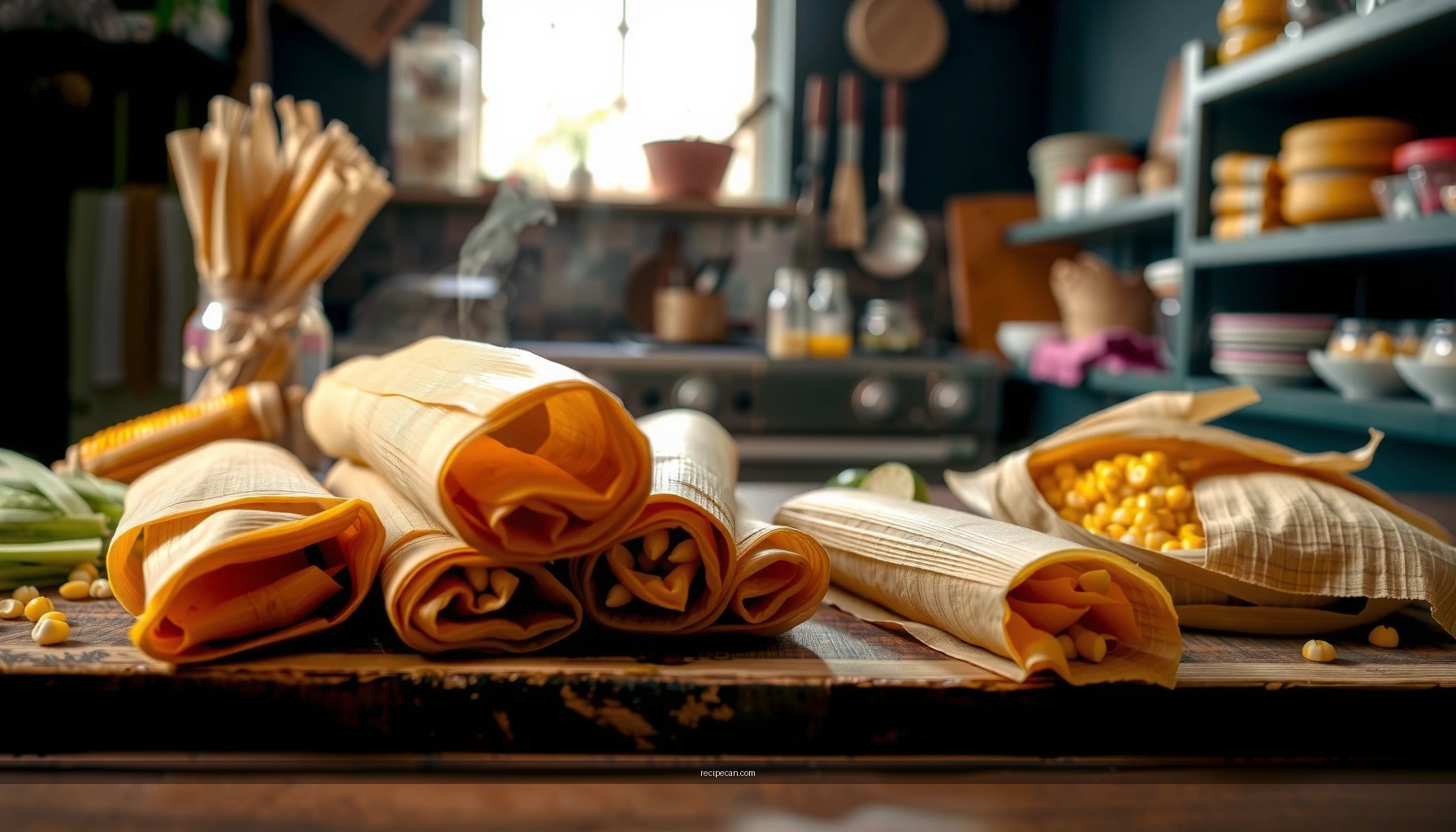
Get a step-by-step humitas tamales recipe for homemade corn tamales that actually turns out tender, sweet, and neatly wrapped. You’ll learn exactly how to make the corn filling, season it for bright flavor, and steam the tamales to the right texture every time. If you want the best results without guesswork, this method is the clear winner for classic, traditional humitas.
You can make classic humitas tamales at home by blending sweet corn into a thick, silky filling, spreading it on soaked corn husks, and steaming until tender and set. This step-by-step method will help you achieve authentic humitas tamales with that distinct, lightly sweet corn flavor and a tender, sliceable texture.
Gather Ingredients for Humitas Tamales
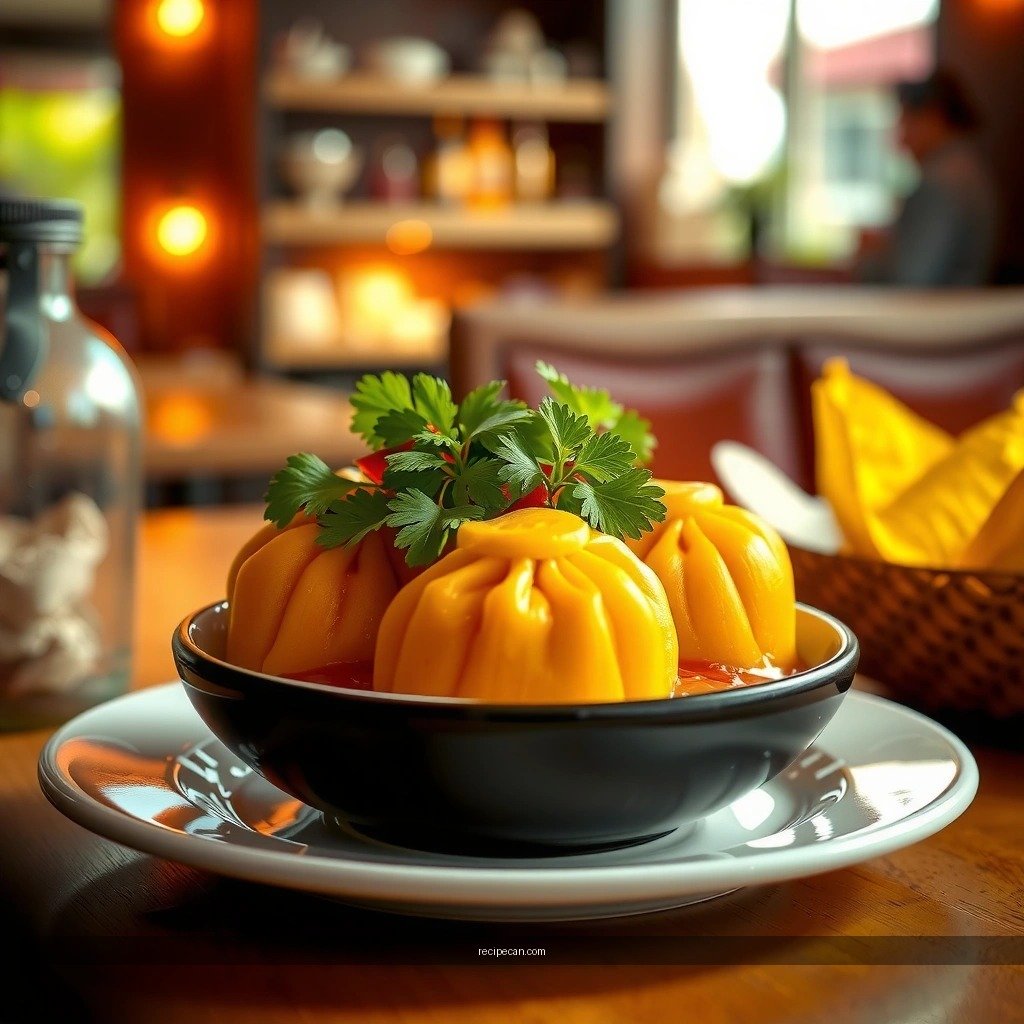
Before you start wrapping, assemble everything so the process stays smooth—humitas tamales are simple, but timing and texture matter. This recipe is built for a classic, corn-forward result: sweet, aromatic, and gently seasoned, with optional cheese for richness.
Key ingredient notes:
– Use fresh or thawed sweet corn for the best texture: fresh kernels deliver more natural sweetness and a softer bite after steaming, while good-quality frozen corn keeps the filling consistent and reliable.
– Corn husks are not optional: they’re the structural “mold” that holds the filling while steaming, and they also contribute a subtle earthy, corn-husk aroma.
– Butter (or an alternative fat) improves mouthfeel: it rounds out sweetness and helps the filling set into a tender slice.
– Salt and optional sugar balance flavor: humitas should taste like sweet corn—not bland corn paste.
– Cheese is optional: adding cheese can give you gentle salty notes and a creamy finish once steamed.
Practical sourcing tips:
– If you can’t find fresh husks, dried husks work well—just soak longer and ensure they become fully pliable.
– For the best filling texture, aim for a mixture that’s thick enough to spread without running.
Corn-to-Husks Yield Planning for Homemade Humitas (Typical Batch)
| # | Batch Inputs | Corn Used | Husks (Soaked) | Expected Tamales | Texture Consistency |
|---|---|---|---|---|---|
| 1 | Frozen sweet corn (no thawing runoff) | 2.0 lb (907 g) | 22–26 husks | ~18–22 | ★★★★☆ |
| 2 | Fresh corn (kernels only) | 2.0 lb (907 g) | 22–26 husks | ~18–22 | ★★★★★ |
| 3 | Extra-lean husk size (tighter wraps) | 2.0 lb (907 g) | 24–28 husks | ~20–24 | ★★★★☆ |
| 4 | Dried husks (short soak) | 2.0 lb (907 g) | 22–26 husks | ~17–21 | ★★★☆☆ |
| 5 | Thick filling (less liquid blended) | 1.5 lb (680 g) | 16–20 husks | ~12–16 | ★★★★☆ |
| 6 | Looser filling (more liquid added) | 1.5 lb (680 g) | 16–20 husks | ~12–16 | ★★☆☆☆ |
| 7 | Cheese-inclusive (crumbs folded) | 2.0 lb (907 g) | 22–26 husks | ~18–22 | ★★★★☆ |
Prep the Corn Filling
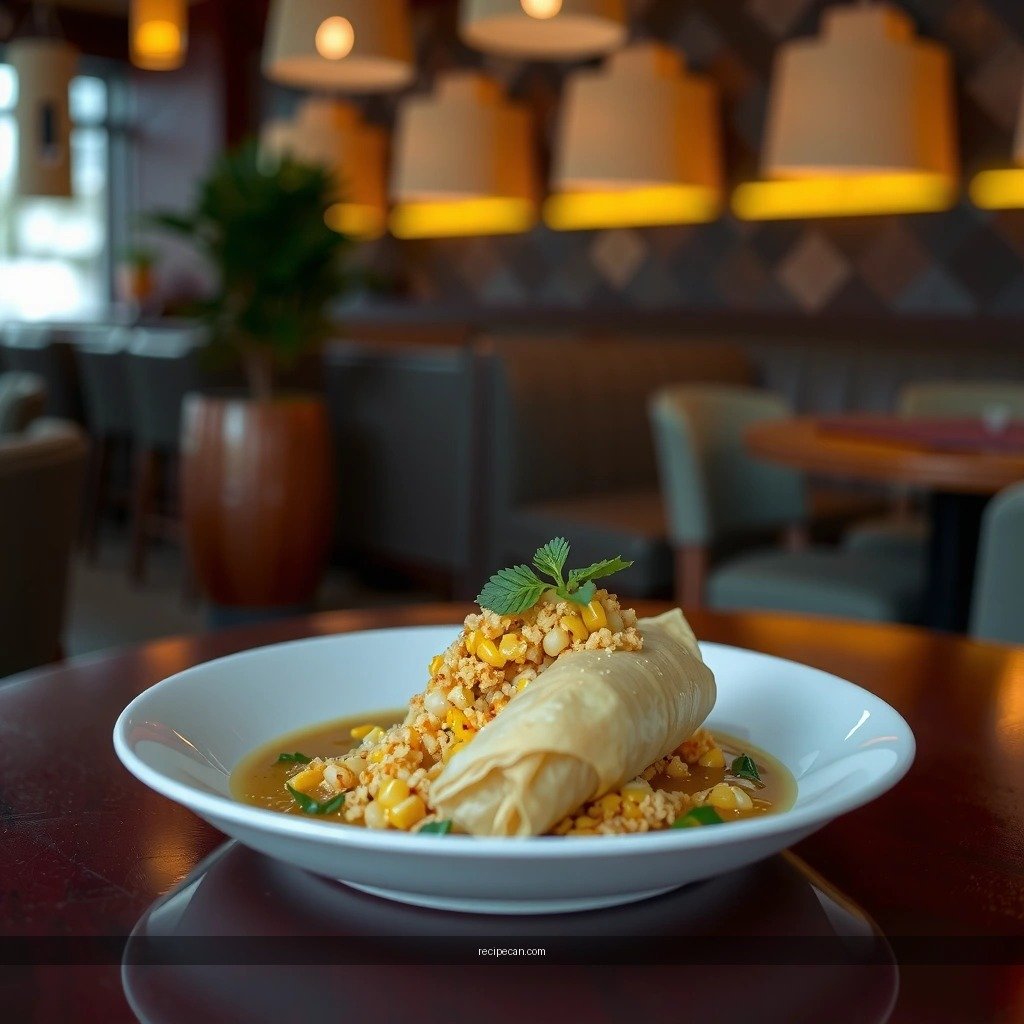
Humitas tamales rely on the right filling consistency: thick, smooth, and pourable enough to spread. The goal is to cook the corn mixture just until it thickens, so it sets during steaming rather than staying watery.
What to do:
1. Blend or finely process corn to create a smooth, thick mixture
Pulse corn kernels until you reach a thick, creamy texture. If you prefer a more traditional bite, you can pulse slightly less so a small amount of texture remains.
2. Mix in butter, salt, and any optional sugar or cheese for richness
– Start with salt to bring out sweetness.
– Add a small amount of sugar only if your corn is less naturally sweet.
– If using cheese, fold it in toward the end so it melts evenly without breaking the texture.
Consistency checkpoint (critical for quality):
– The mixture should coat the back of a spoon and leave a visible trail when you run your finger across it.
– If it looks thin, simmer longer over medium-low heat, stirring frequently to prevent scorching.
Flavor engineering for business-class reliability (yes, even in cooking):
– Keep a consistent ratio: too little fat makes the filling grainy; too much liquid makes it slump.
– Use unsalted butter if you’re also adding salty cheese, then adjust final seasoning after cooking.
Prepare and Soak Corn Husks
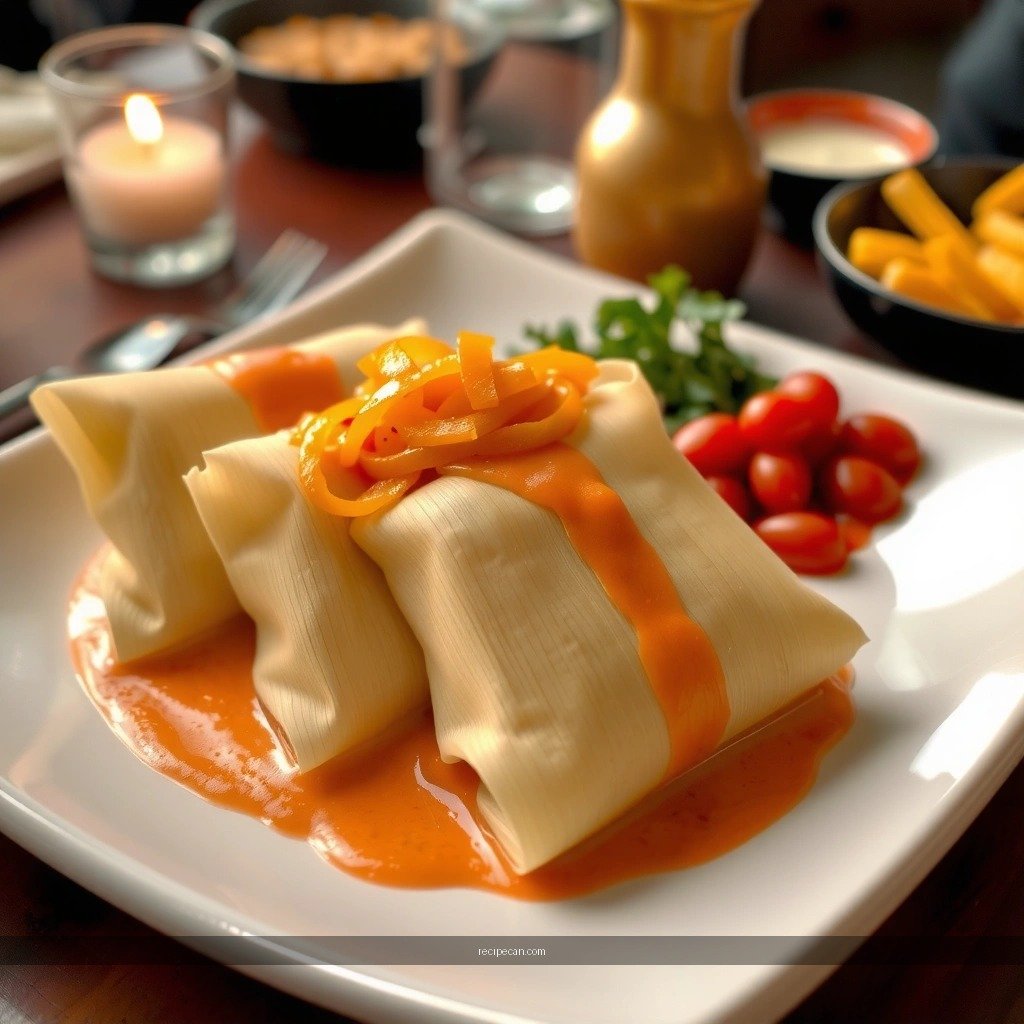
Correct husk prep prevents tears and helps tamales steam evenly. Since humitas are sealed parcels, husks must be pliable and able to withstand folding without splitting.
Step-by-step:
– Clean husks and remove debris for easier wrapping
Rinse and wipe away dirt. Trim any brittle ends that will crack when folded.
– Soak husks in warm water until pliable so they don’t tear
Warm water speeds softening. Soak until you can bend a husk without it snapping. If husks float, weigh them down with a plate.
Operational tip:
– Keep soaked husks covered so they stay hydrated while you assemble. Dry husks during wrapping can lead to leaks and uneven steaming.
Assemble the Humitas Tamales
Assembling is where craftsmanship shows. Even thickness and secure folding lead to consistent steaming—less risk of undercooked centers or filling that escapes.
Assembly technique:
– Spread filling onto husks in an even layer
Use a spoon to distribute filling so each tamale has similar volume. Aim for a manageable thickness—not so thick it becomes dense and hard to set, and not so thin that it dries out.
– Fold neatly and tie or secure with kitchen twine for consistent steaming
Fold to enclose filling, then tie lightly but firmly. Consistent wrapping pressure helps the humitas hold their shape after cooking.
Common failure points and fixes:
– Filling leakage: husks may be under-soaked or wrapping may be too open—re-wet and secure tighter.
– Uneven cooking: fillings of different thickness steam at different rates—standardize portions.
– Dry texture: filling likely over-thickened; reduce simmer time next batch.
Steam the Humitas Tamales
Steaming turns raw corn paste into tender, sliceable humitas tamales. Your success depends on water levels, steam intensity, and spacing.
– Arrange tamales upright or tightly packed for even cooking
Upright arrangement can help filling stay centered. Tight packing reduces steam loss and can improve consistency.
– Steam until firm and fragrant, checking water levels as needed
Maintain a steady boil that produces strong steam. Periodically check the pot and top up with hot water to prevent drying.
How to tell when they’re done:
– Husks should feel flexible but tamales should be firm enough to lift without sagging.
– Filling should appear fully set when you carefully open one tamale (use a test piece early rather than opening all).
Time/temperature reality check (practical ranges):
– Thicker tamales require longer steaming.
– If you’re using larger husks or heavier filling portions, plan additional time rather than raising heat drastically.
Serve and Store Your Tamales
Great humitas are not only about cook time—they’re also about resting, storage, and reheating. A short rest improves texture and reduces mess when unwrapping.
– Let tamales rest briefly for cleaner slices or easier unwrapping
Resting lets the filling firm up slightly so it slices cleanly and won’t smear inside the husk.
– Refrigerate leftovers and reheat by steaming or microwaving gently
Refrigeration firms the filling further, which is why reheating correctly matters:
– Best method: re-steam until hot and soft throughout (especially for meal service).
– Microwave option: warm gently, using short bursts and covering to prevent drying.
Storage guidance:
– Cool tamales fully before refrigerating to reduce condensation.
– For longer storage, freeze wrapped tamales and reheat from frozen by steaming first for best texture.
Serving ideas that maintain the “humitas” profile:
– Serve plain with a squeeze of lime (optional).
– Pair with a mild salsa or a fresh onion-cilantro mixture if you want bright contrast.
– For a heartier plate, complement with grilled vegetables rather than heavy, buttery sides.
—
Steaming is the key to getting tender, hold-together humitas tamales with that authentic corn flavor. Follow the steps above—prep the thick corn filling, soak and handle the husks properly, assemble evenly, and steam until fully set—and you’ll get a batch you can serve right away or save for later. Try it this week and make your next homemade tamales with confidence.
Frequently Asked Questions
What are humitas and how are they different from tamales?
Humitas are a traditional Latin American tamale-like dish made primarily from fresh corn, typically mixed with ingredients like onion, cheese, and sometimes chili, then steamed in corn husks. Unlike many tamales that use masa (corn dough) or a thicker dough base, humitas are often made with a softer corn mixture that creates a lighter, custardy texture. Both are wrapped and steamed, but the flavor profile of humitas is more “sweet corn forward,” while tamales can range from savory to spicier depending on the filling.
How do I make a classic humitas tamales recipe step-by-step?
Start by shucking fresh corn and grating or blending part of the kernels to create a mix of whole and creamed corn. Sauté onion (and optional chili or garlic), then combine it with the corn mixture, seasonings, and cheese if desired. Assemble the humitas by spreading the corn mixture onto cleaned corn husks, fold securely, and steam until the corn is tender and the packets set (often about 45–90 minutes depending on size). Let them rest briefly before unwrapping for best structure.
How can I prevent my humitas tamales from being dry or falling apart?
Dry humitas usually come from overcooking or using corn that’s too dry, so aim for fresh corn and don’t steam longer than needed. If your corn mixture seems stiff, add a small splash of milk or stock to keep it moist before wrapping. Also, wrap tightly in corn husks and ensure the seams are folded in so steam can circulate evenly and the humitas hold together.
Why do my humitas taste bland, and how do I boost flavor naturally?
Bland humitas often result from under-seasoning the corn mixture or using mild aromatics—onion, garlic, and a touch of chili can make a big difference. Add salt gradually, and consider balancing flavors with a hint of sweetness (such as a small amount of sugar or using naturally sweet corn). If your humitas tamales use cheese, choose one that melts well for a richer, savory finish.
What’s the best type of corn husk and which filling works best for a traditional humitas tamales recipe?
For the best humitas, use fresh, pliable corn husks that can be softened (by soaking in warm water) without tearing, which helps you wrap cleanly. If you’re choosing a filling, traditional humitas commonly include onion, queso fresco or similar melting cheeses, and sometimes cooked corn-based mixtures with herbs or chili for depth. This classic approach keeps the humitas tamales recipe firmly rooted in sweet corn flavor while still providing savory richness.
References
- Humita
https://en.wikipedia.org/wiki/Humita - Tamale
https://en.wikipedia.org/wiki/Tamale - https://www.britannica.com/topic/tamale
https://www.britannica.com/topic/tamale - Masa
https://en.wikipedia.org/wiki/Masa_harina - Husk
https://en.wikipedia.org/wiki/Corn_husk - Google Scholar Google Scholar
https://scholar.google.com/scholar?q=humitas+tamales+recipe - Google Scholar Google Scholar
https://scholar.google.com/scholar?q=tamales+recipe+masa+corn+husks+steaming - Google Scholar Google Scholar
https://scholar.google.com/scholar?q=humita+recipe+andes+corn+preparation - humitas tamales recipe – Search results
https://en.wikipedia.org/wiki/Special:Search?search=humitas+tamales+recipe - https://www.ncbi.nlm.nih.gov/search/research-articles/?term=humitas+tamales+recipe
https://www.ncbi.nlm.nih.gov/search/research-articles/?term=humitas+tamales+recipe