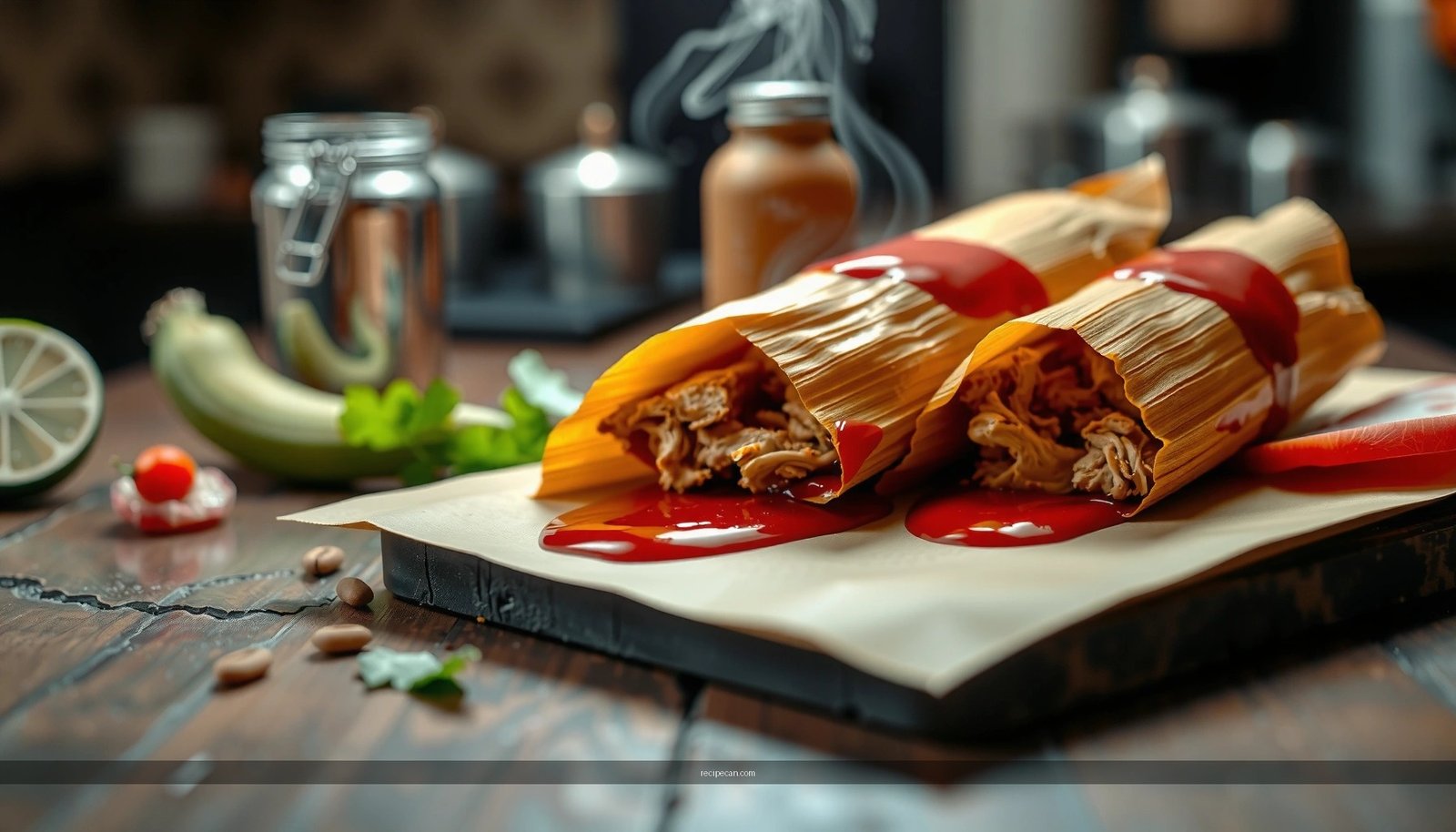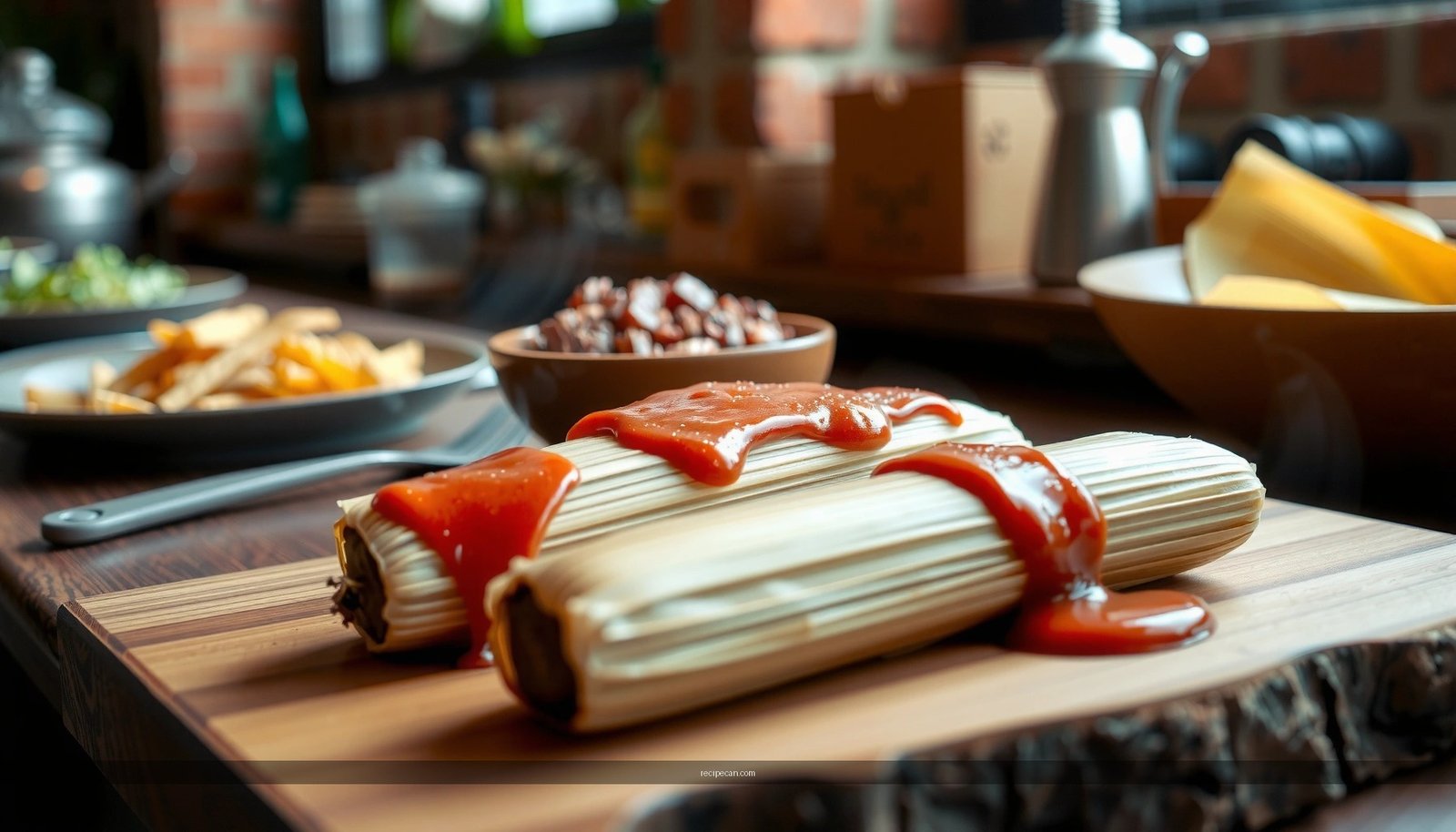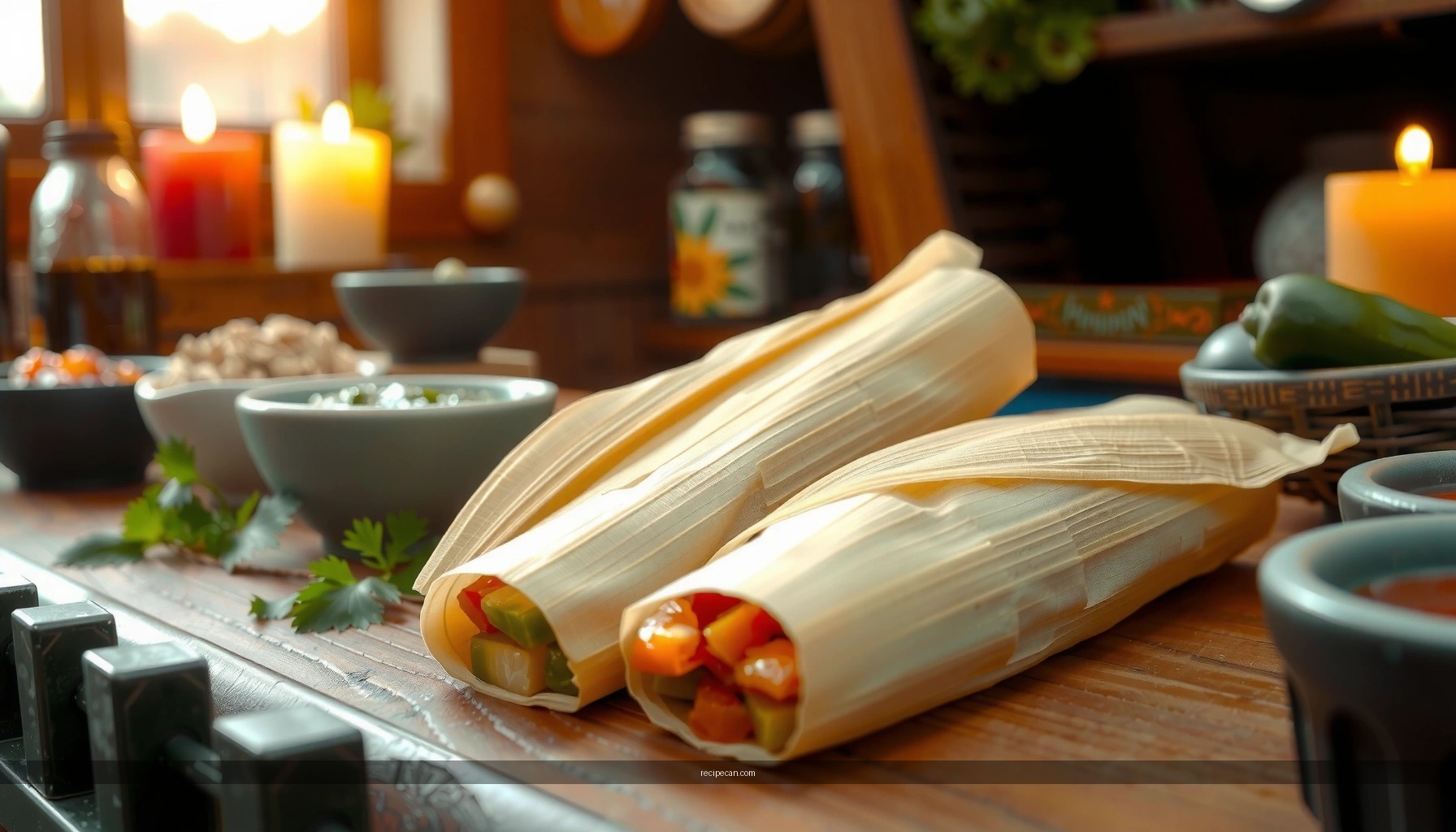
Get classic tamales recipes that actually work at home, with step-by-step guidance for masa, filling, and steaming. This is the best route if you want authentic results and reliable timing, even if you’re new to tamales. You’ll learn exactly how to assemble, cook, and test doneness so your tamales come out tender, flavorful, and ready to serve.
If you want classic tamales at home, focus on one thing first: build a smooth, well-seasoned masa and then steam them until the masa naturally releases from the husk. This guide walks you through a dependable from-scratch method—covering the right masa texture, reliable filling technique, proper wrapping, and steaming cues so your tamales come out tender, sliceable, and full of flavor.
Tamales recipes are all about building a flavorful masa, choosing a filling, and steaming them until tender. In this guide, you’ll learn a reliable method for making tamales from scratch, including key tips for texture and wrapping.
Essential Tamales Ingredients
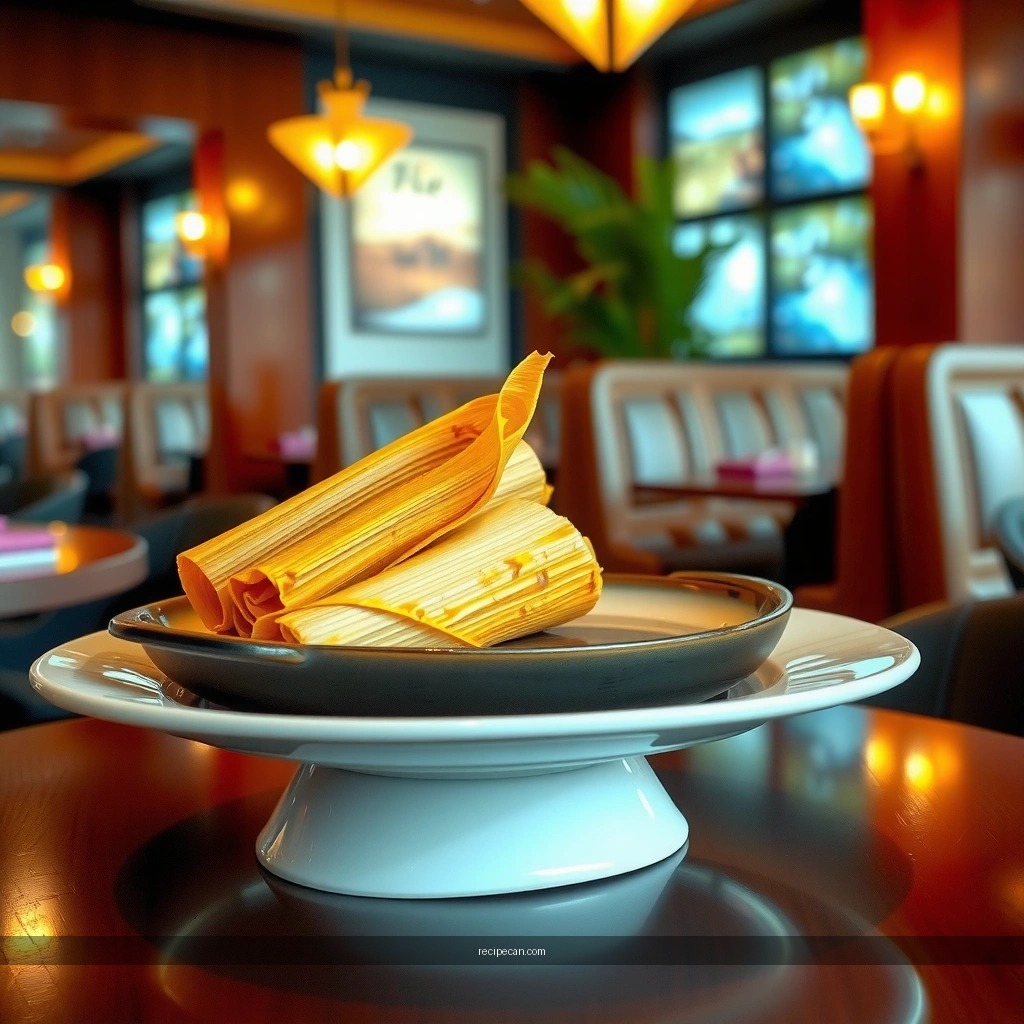
Classic tamales start with a few core ingredients that strongly determine taste and texture. The most important decision is your masa base: using masa harina (corn flour treated with lime/nixtamalization) gives tamales their signature flavor and structure. Unlike plain cornmeal, masa harina hydrates properly and forms a cohesive dough that steams into a tender, satisfying bite.
1) Masa harina + the right fats for smooth masa
– Masa harina: Look for instant-style or fine-ground masa harina that disperses evenly in liquid.
– Fat (usually lard): Lard creates a rich, traditional mouthfeel and helps the masa stay tender after steaming. If you substitute, choose fats that are solid at room temperature (like vegetable shortening) to mimic the masa’s steaming behavior.
2) Broth for hydration and savory depth
Many home cooks use chicken broth, pork broth, or a mix depending on the filling. Broth does more than add salt—it also builds an aromatic backbone so your tamales recipes taste complete even without extra sauce.
3) Complementary fillings: pork, chicken, cheese, or beans
Pick fillings that you can cook until seasoned, then keep moist but not watery. Too-wet fillings can loosen the masa and lead to uneven texture. For classic tamales, pork and chicken are reliable favorites; cheese and beans add great vegetarian or milder options when paired with assertive seasoning.
4) Corn husks and seasonings
– Corn husks: Choose flexible husks with no major splitting. Soak to soften before wrapping.
– Seasonings: Salt, chili powder, cumin, garlic, and dried oregano are common. For Mexican-style tamales, many people also use chile sauces (like red chile) for both flavor and color.
To keep your shopping and prep focused, here’s a practical “what matters most” view of key tamale components and their quality impact.
Masa & Filling Quality Drivers for Classic Tamales (Home Batch, ~30–35 Tamales)
| # | Component | Typical Amount | Why It Matters | Batch Impact Score |
|---|---|---|---|---|
| 1 | Masa harina | 1,000 g | Structure & corn flavor; proper hydration depends on it | 9.6/10 |
| 2 | Broth for masa | ~800–900 mL | Balances salt, improves aroma, and sets moisture | 8.9/10 |
| 3 | Lard or solid fat | ~250–300 g | Tenderness, richness, and lift during steaming | 9.1/10 |
| 4 | Salt level in masa | ~14–18 g | Directly affects flavor perception after steaming | 6.8/10 |
| 5 | Filling seasoning & cook time | ~1.2–1.5 kg cooked meat | Deep flavor inside tamales recipes | 9.3/10 |
| 6 | Soaked corn husk moisture | ~20–30 min soak | Wrap integrity + prevents tearing during assembly | 7.7/10 |
| 7 | Steaming duration & consistency | ~75–105 min | Ensures masa sets without drying | 9.0/10 |
Step-by-Step Tamales Dough (Masa) Guide
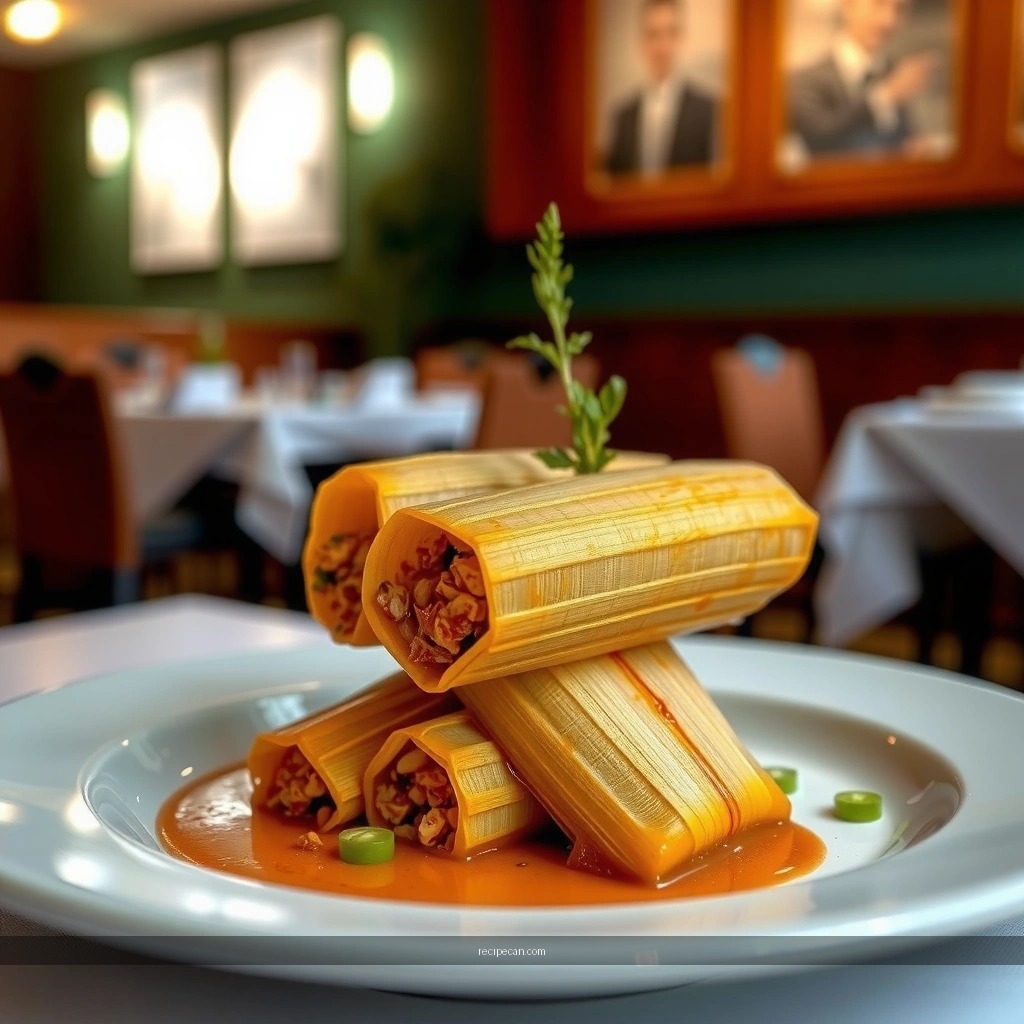
Your masa is the engine of classic tamales. If you nail the hydration and aeration, everything else becomes easier: the masa spreads smoothly, wraps cleanly, and steams to the right tenderness.
1) Mix masa harina with broth, fat, and salt
A dependable approach is to:
– Combine masa harina with salt first (so seasoning distributes).
– Add broth gradually, mixing to remove lumps.
– Whip in lard/solid fat until the masa becomes supple and uniform.
2) Add flavor gradually for a balanced taste
Many cooks add chili or garlic directly to the masa, but you can get classic results even with a more conservative masa and richly seasoned fillings. If you do season the masa, do it in layers:
– Start with salt and broth depth.
– Then add mild aromatics (garlic/onion powder) only if needed.
– Finish by tasting the raw masa mixture for “pleasant corn + savory fat” balance—not bland, not salty.
3) Test masa texture before assembling
Use the practical “spread and resilience” test:
– The masa should be spreadable like thick frosting.
– When you drag a spatula through it, it should hold lines briefly and then smooth slightly.
– If it feels grainy, add a small splash of broth. If it feels greasy or loose, mix in a bit more masa harina (a spoon at a time).
Commercial-style consistency tip: For business-minded reliability, measure hydration instead of guessing. Masa harina brands vary, so aim to add broth in increments (for example, 1/2 cup at a time), mix, and re-check.
Filling Ideas for Tamales
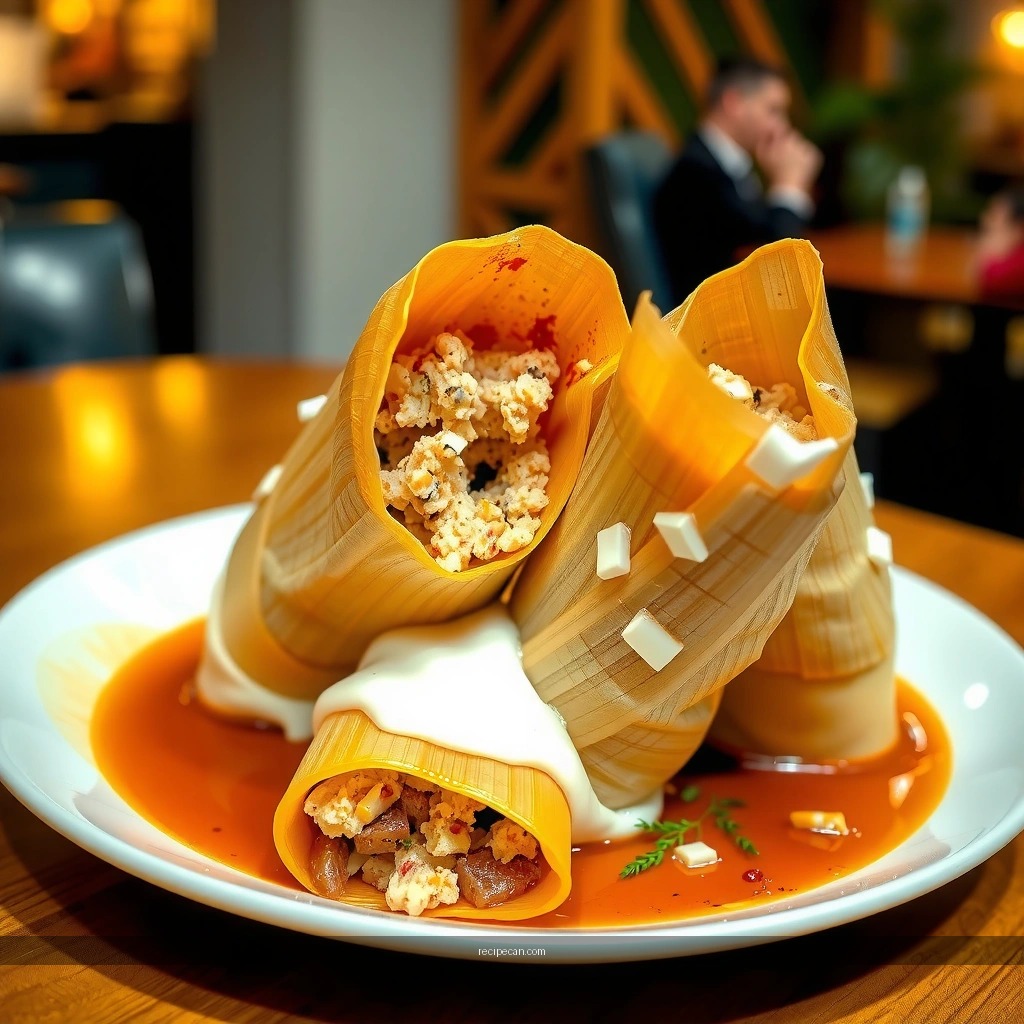
Fillings are where tamales recipes become unmistakably yours. The key is execution: cook thoroughly, season boldly, and manage moisture so the tamales stay tender during steaming.
Cook and season your filling thoroughly for deep flavor
Whether you choose pork, chicken, beans, or cheese, treat it like a sauce-worthy main:
– Brown or toast spices where appropriate (cumin/garlic) to bloom flavor.
– Simmer meats in chile sauce or broth until tender.
– Taste at the end; adjust salt and heat.
Keep fillings moist so the tamales stay tender
Moisture is a control lever. Too dry can lead to crumbly filling; too wet can compromise masa integrity. Aim for a filling that:
– Clings to a spoon,
– Releases slowly, and
– Doesn’t pool liquid.
Classic options that consistently work
– Pork in red chile sauce: Rich, slightly smoky, and ideal for gatherings.
– Pork in green chile sauce: Fresher herb notes; excellent with cheese.
– Chicken in salsa: Lighter and versatile; pair with roasted tomatillo salsa.
– Cheese + chile or beans: Use thicker fillings (less watery refried-style, more mashed with minimal liquid).
How to Assemble and Wrap Tamales
Assembly is a craftsmanship step, but it’s also a consistency system. Great tamales are largely the result of even thickness and tight, reliable wrapping.
Soften corn husks and use the right amount of masa
– Soak husks until flexible—typically until pliable but not limp.
– Pat off excess water to avoid soggy wraps.
– Spread masa to a consistent thickness (aim for uniform coverage so steaming time stays predictable).
Spread masa, add filling, and fold neatly
– Place masa on the husk, leaving margins so the wrapper closes.
– Add filling in a line or small mound in the center.
– Fold so the seam stays tight—use string or a husk strip if needed.
Wrap tightly to help even steaming
Tight wrapping helps steam circulate around masa, not leak out. If your tamales look “loose,” the filling may shift and the masa may cook unevenly.
Quality control shortcut: If you make a test tamale first, you can adjust masa thickness and filling quantity before committing to the full batch.
Steaming Tamales Perfectly
Steaming determines whether your classic tamales recipes deliver that tender, cohesive bite—or turn out uneven or dry.
Arrange tamales upright or angled correctly in the steamer
Most steamers work best when tamales stand upright with the seam side protected from direct water contact. If your steamer is shallow, place them angled so steam reaches the masa without letting wrappers sit directly in pooled water.
Maintain steady simmering water
– Use enough water so the pot doesn’t run dry during the process.
– Keep it at a steady simmer—not a violent boil (which can cause husks to loosen or create uneven cooking).
– Add water as needed, keeping the total level consistent through the steam time.
Steam until masa pulls cleanly from the husk
The doneness cue is the most reliable:
– When cooked, the masa should pull away easily from the husk edges.
– The tamale should feel set when you gently press it (no wet, sticky tug).
For many home batches, steaming typically falls in the 75–105 minute window depending on tamale size and steamer setup. Larger tamales need longer.
Common Tamales Troubleshooting Tips
Even experienced cooks run into issues—especially when learning tamales recipes at home. The good news: most problems have clear fixes that you can apply in real time.
Fix dry masa by adjusting broth/fat ratios
If your masa spreads reluctantly or feels dry after mixing:
– Add broth in small increments until it becomes spreadable.
– If the masa is dry but tastes bland, you may also need a small salt adjustment (taste guidance beats strict measuring here).
Prevent tough tamales by steaming long enough and keeping water levels stable
Toughness often comes from under-steaming or unstable heat:
– Steam until the masa consistently releases from the husk.
– Keep water at a reliable level and avoid pausing too long between checks.
– Don’t open the steamer repeatedly—each opening drops steam temperature and extends cook time unpredictably.
Improve flavor by seasoning fillings and masa separately
A common mistake is under-seasoning one component and over-seasoning the other. Instead:
– Season masa for balanced savory corn taste (not just salt).
– Season fillings for confident, layered flavor (chile, garlic, aromatics).
– If tamales taste “flat” after steaming, adjust in the next batch by increasing filling seasoning and sauce depth first.
If your tamales unravel or leak filling:
That usually points to wrapping technique (too loose), husk softness (not soaked enough), or overly runny filling. Correct the process before chasing recipe changes.
With the right masa, well-seasoned fillings, and steady steaming, tamales recipes become easy to master at home. Pick one filling you love, follow the steps above, and make your first batch—then adjust spice and sauce to create your perfect version.
Frequently Asked Questions
What are the best tamales recipes for beginners?
A beginner-friendly tamales recipe is one that uses a simple masa base (usually masa harina, broth, baking powder, and fat like lard) and a straightforward filling such as shredded chicken in salsa verde. Choose recipes with clear steaming times and don’t skip resting the dough, since well-hydrated masa helps prevent tearing. Look for instructions that specify how to test doneness and keep tamales from drying out.
How do I make tamales from scratch with masa that doesn’t crack?
Start by using warm broth and mixing masa harina thoroughly until smooth and spreadable, then fold in whipped fat to keep the texture tender. If your masa feels dry or cracks, add broth a little at a time until it holds together and spreads easily on the corn husk. Let the masa rest so it fully hydrates, which is key for consistent tamales results.
Why do my tamales take too long to steam or come out uneven?
Uneven steaming usually comes from overcrowding, inconsistent portion sizes, or varying thickness in the wrapped masa. Use a steamer with enough boiling water, keep the lid mostly closed, and stack tamales upright or in a way that allows steam circulation. Check frequently near the end of the estimated steaming time and test several tamales for doneness before assuming the whole batch is ready.
Which fillings work best for classic pork tamales recipes?
Classic pork tamales recipes often use chile braised pork, like pork shoulder simmered with red or green chile sauce, then shredded and seasoned. You can also add aromatics such as garlic, onions, and cumin for deeper flavor, and include a small amount of sauce so the filling stays moist. For a richer bite, consider adding a touch of lard to the filling or using broth from the braise to balance chile intensity.
What’s the easiest way to reheat tamales without drying them out?
The best method to reheat tamales is steaming them again—place tamales in a steamer basket over simmering water and cover them until hot throughout. Avoid microwaving if you want to keep the masa soft, since it can dry out or toughen the texture. If frozen, reheat longer and keep them covered so moisture stays trapped inside the husk.
References
- Tamale
https://en.wikipedia.org/wiki/Tamale - https://en.wikipedia.org/wiki/List_of_tamales
https://en.wikipedia.org/wiki/List_of_tamales - https://www.britannica.com/topic/tamale
https://www.britannica.com/topic/tamale - Google Scholar Google Scholar
https://scholar.google.com/scholar?q=tamales+recipe - Google Scholar Google Scholar
https://scholar.google.com/scholar?q=tamales+masa+dough+preparation - Google Scholar Google Scholar
https://scholar.google.com/scholar?q=how+to+make+tamales+traditional+methods - https://pubmed.ncbi.nlm.nih.gov/?term=tamales
https://pubmed.ncbi.nlm.nih.gov/?term=tamales - tamales – Search Results – PMC
https://www.ncbi.nlm.nih.gov/pmc/?term=tamales - https://www.sciencedirect.com/search?qs=tamales%20recipe
https://www.sciencedirect.com/search?qs=tamales%20recipe - https://www.ncbi.nlm.nih.gov/search/all/?term=tamales+corn+masa+preparation
https://www.ncbi.nlm.nih.gov/search/all/?term=tamales+corn+masa+preparation