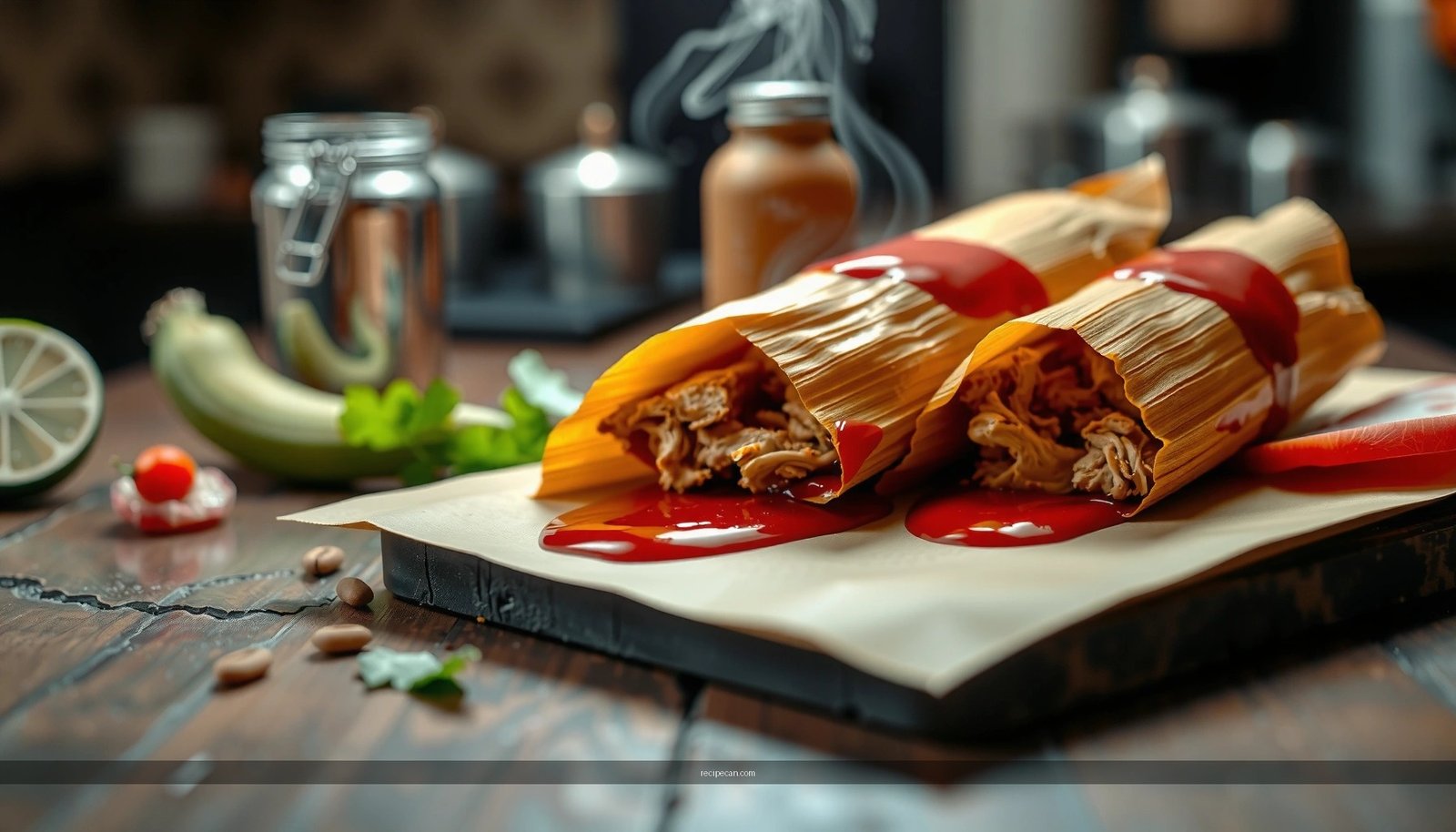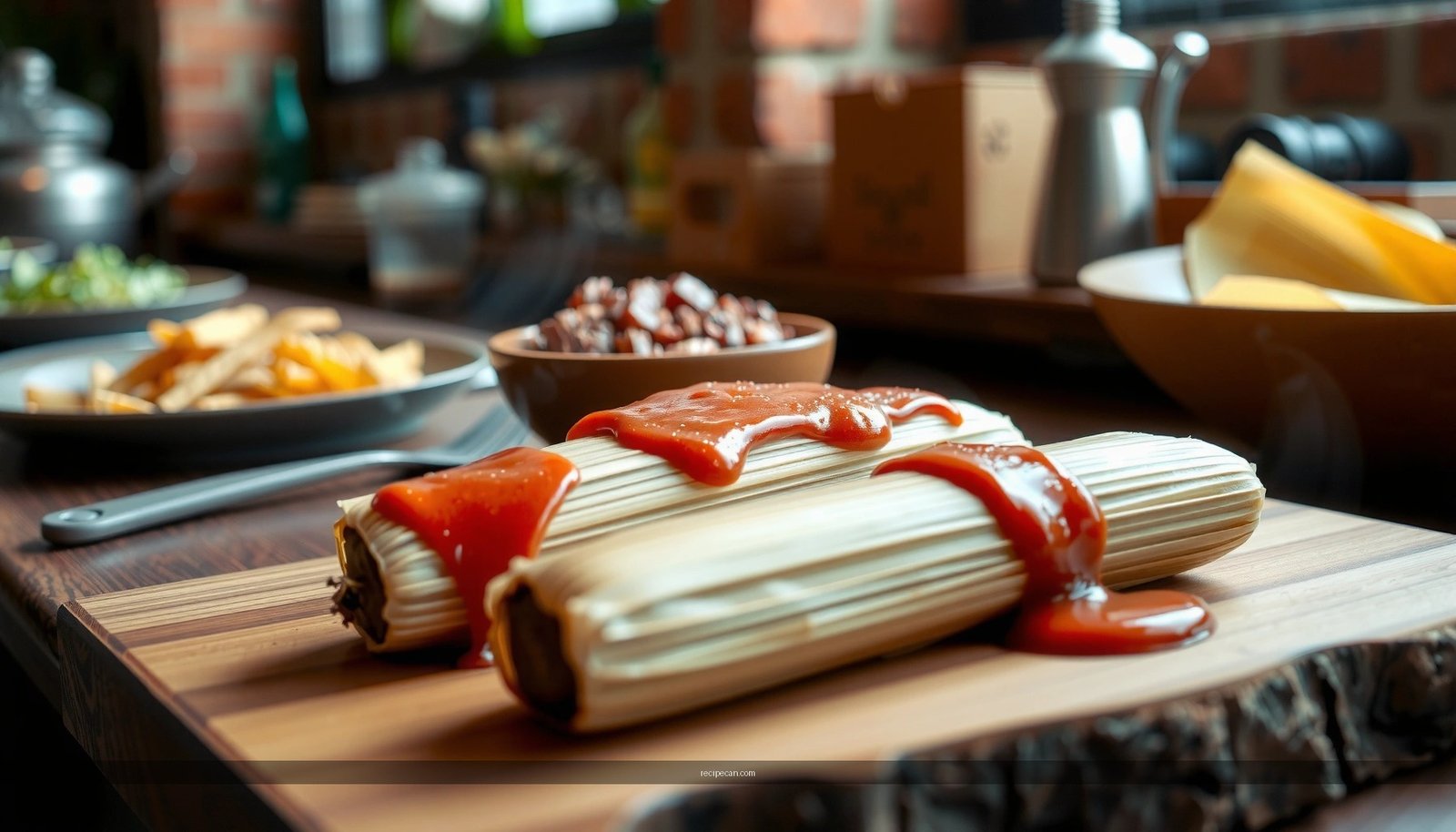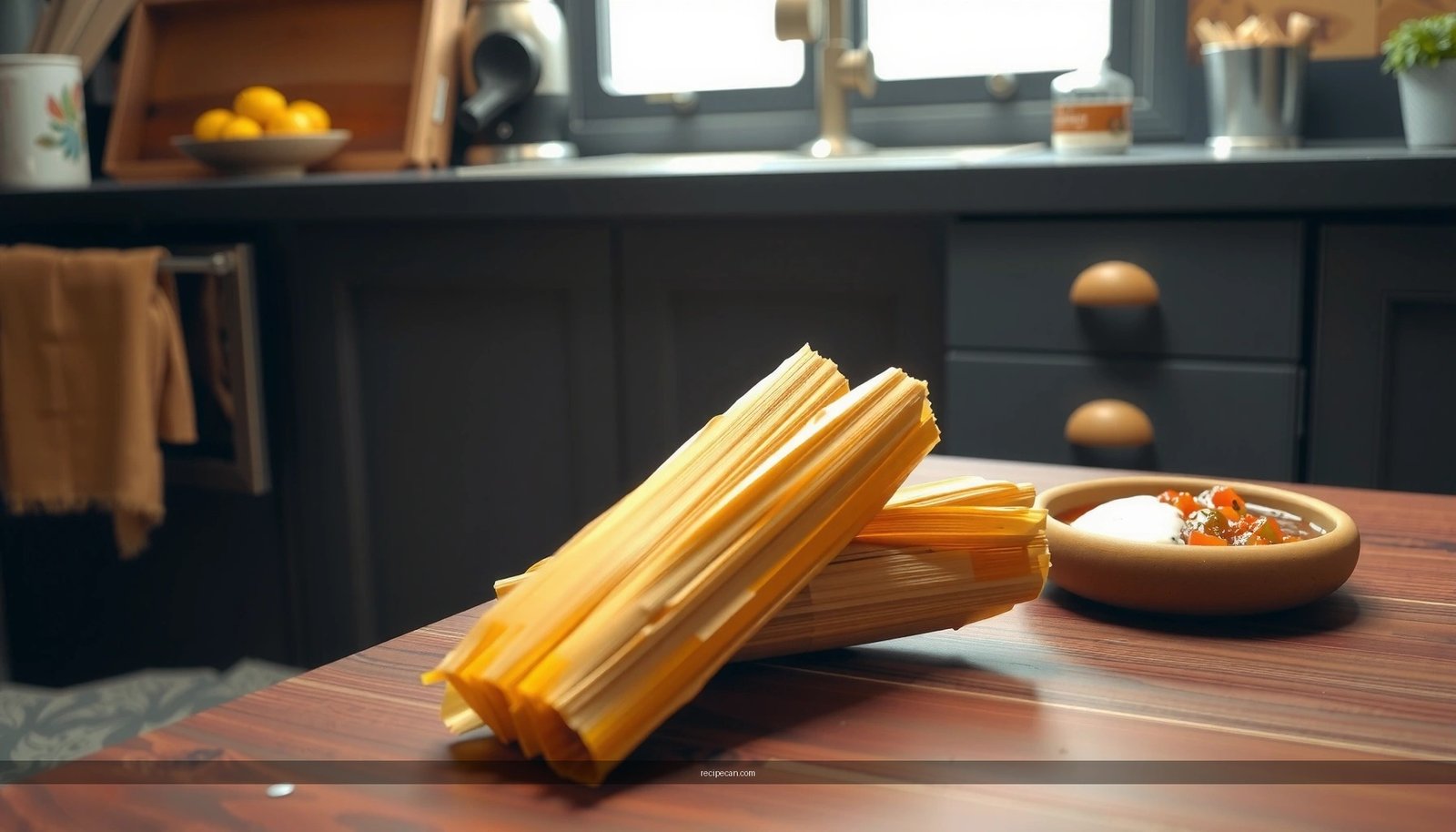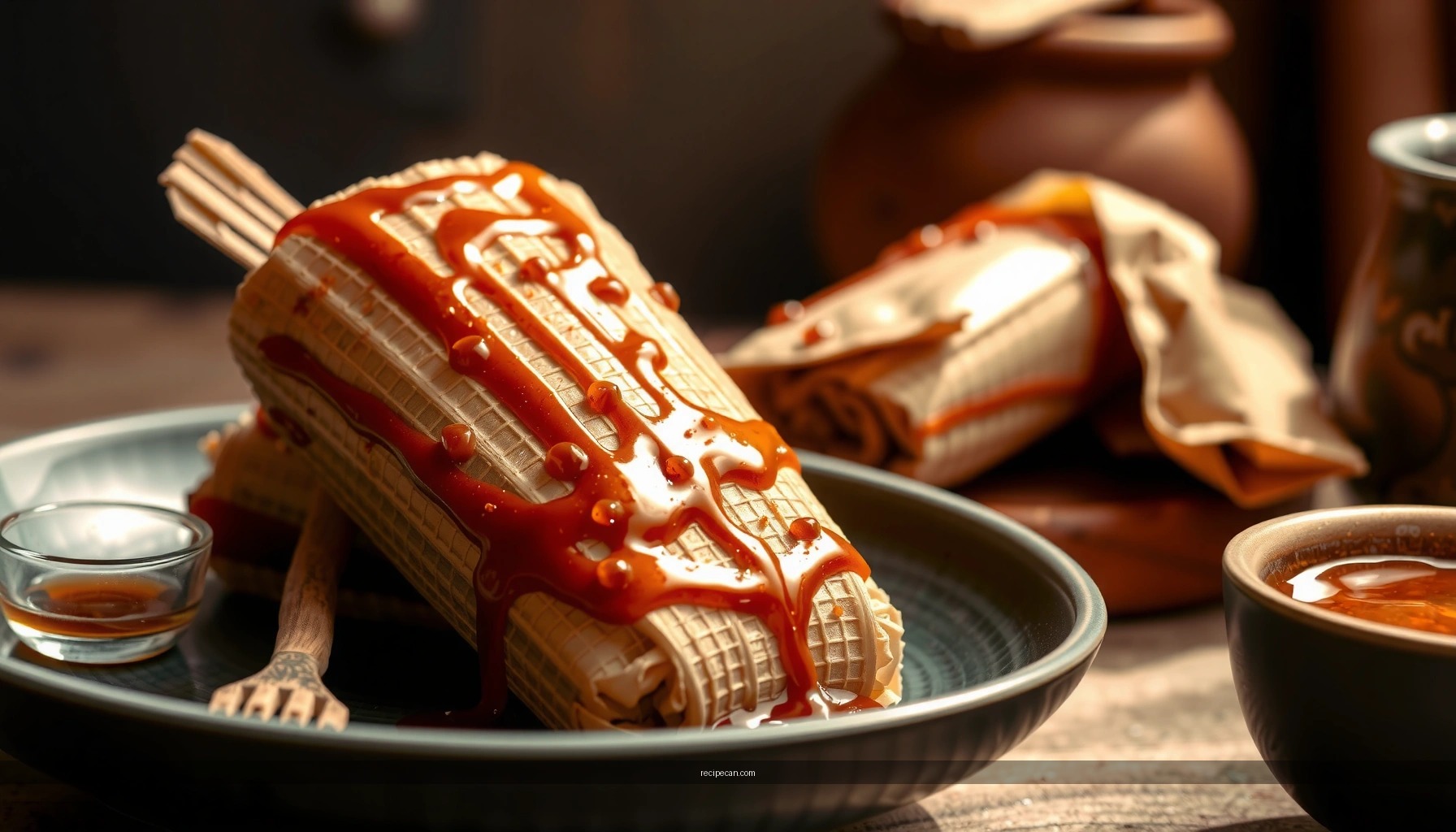
This sweet tamales recipe gives you a dependable, step-by-step method for making tamales that are flavorful, tender, and easy to follow from start to finish. You’ll get clear instructions for preparing the masa, choosing a sweet filling, assembling, and steaming so they come out right even if you’re new to tamale making. If your goal is consistently great sweet tamales without guesswork, this is the fastest path.
Sweet tamales are tender masa parcels filled with sweet ingredients and steamed until set—so yes, you can make them at home with reliable results. This easy sweet tamales recipe gives you a practical, step-by-step path: make a smooth, lightly sweetened masa; prepare an optional quick filling; assemble neatly; then steam until the masa pulls cleanly from the husk.
Sweet Tamales Ingredients
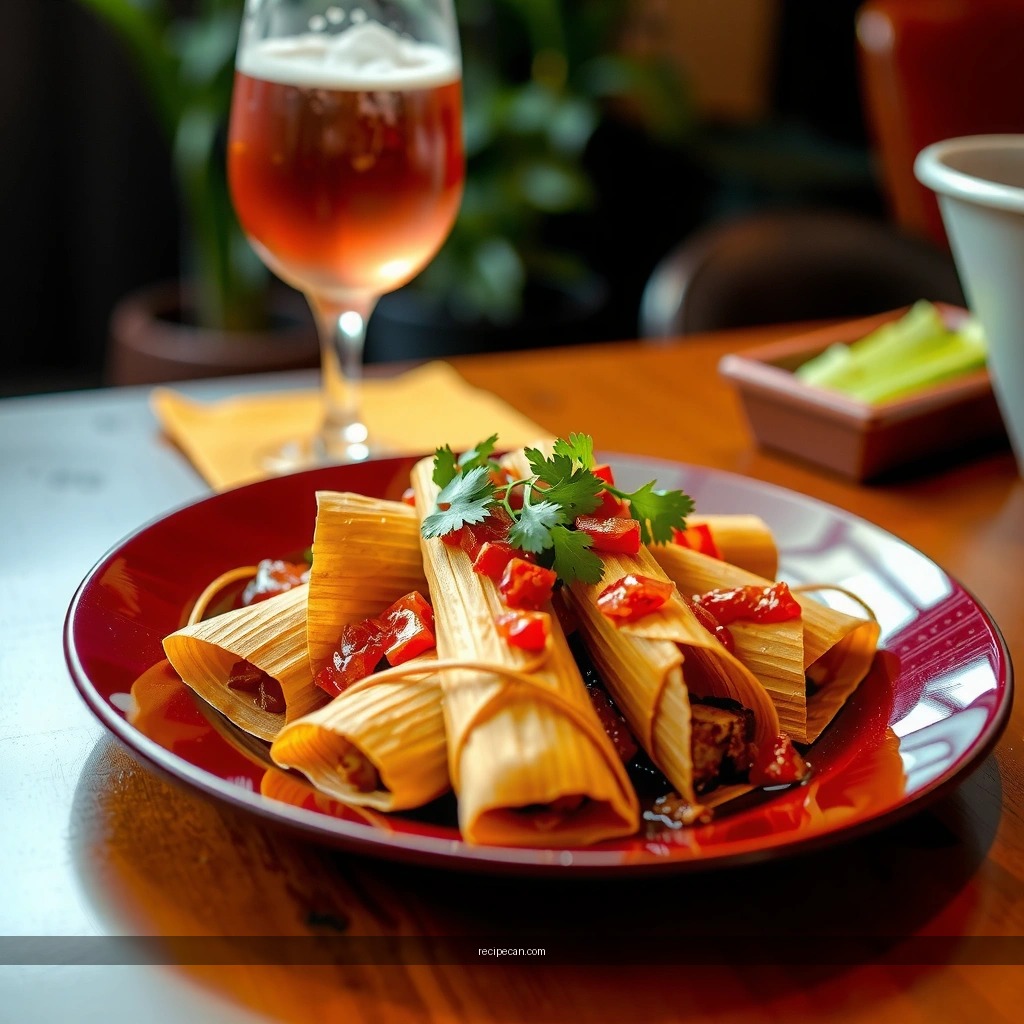
– Gather masa, baking powder, sugar, and salt for a balanced sweet masa
– Choose filling options like sweetened fruit, chocolate, or cinnamon-spread mixture
– Use corn husks (or banana leaves) for classic steaming
For sweet tamales, your goal is a masa that tastes clearly “sweet,” but not dessert-heavy—think tender bread-like richness with caramel notes from browning during steaming. Here’s what to plan for before you start:
Core masa ingredients (sweet base)
– Corn masa harina (masa flour): The foundation; use masa harina specifically intended for tamales (not general cornmeal).
– Baking powder: Lightens the texture so the tamale isn’t dense.
– Sugar: Provides sweetness and supports a gentle, golden flavor.
– Salt: Essential for balance—sweetness without salt tastes flat.
– Fat (commonly lard or vegetable shortening): Improves tenderness and mouthfeel.
– Warm water or broth: Helps you reach spreadable consistency without lumps.
– Flavoring options: Vanilla, cinnamon, orange zest, or a touch of ground anise can all work.
Sweet filling options (pick one approach)
– Sweet fruit filling: Cooked sweetened fruit (like pineapple, strawberry, or raisins) helps prevent watery tamales.
– Chocolate filling: Use chocolate chips or chopped chocolate mixed with a little sugar; keep portions controlled so it doesn’t leak.
– Cinnamon-spread filling: Combine softened butter (or oil) with cinnamon and sugar for a simple, classic option.
Wrapping/steaming
– Corn husks: Traditional and forgiving once properly soaked.
– Banana leaves: Add a subtle fragrance; trim and fold similarly to husks.
To ensure your sweet tamales taste consistent every time, it helps to know what your filling will do to texture. For example, fruit works best when cooked down and thickened slightly, while chocolate requires careful portioning and a tighter fold.
Sweet Tamale Fillings: Texture + Sweetness Impact (Practical Guidelines)
| # | Filling Type | Best Consistency | Sweetness Intensity | Leak Risk | Recommended Sugar (per 1 cup filling) |
|---|---|---|---|---|---|
| 1 | Cooked pineapple | Jam-like | ★★★ | Medium | 1/4 cup |
| 2 | Strawberry-raisin compote | Thick sauce | ★★★☆ | Low | 3 Tbsp |
| 3 | Raisin-cinnamon sugar | Dry-ish sprinkle | ★★ | Very low | 2 Tbsp |
| 4 | Chocolate chips (milk or semi-sweet) | Portioned bits | ★★★★ | Medium | 1 Tbsp |
| 5 | Cream cheese (lightly sweetened) | Soft but not runny | ★★★☆ | Medium | 2–3 Tbsp |
| 6 | Cinnamon-butter spread | Moist paste | ★★★ | Low | 3 Tbsp |
| 7 | Guava paste (small strip) | Firm strip | ★★★★ | Very low | None (paste is sweet) |
Prepare the Corn Husks
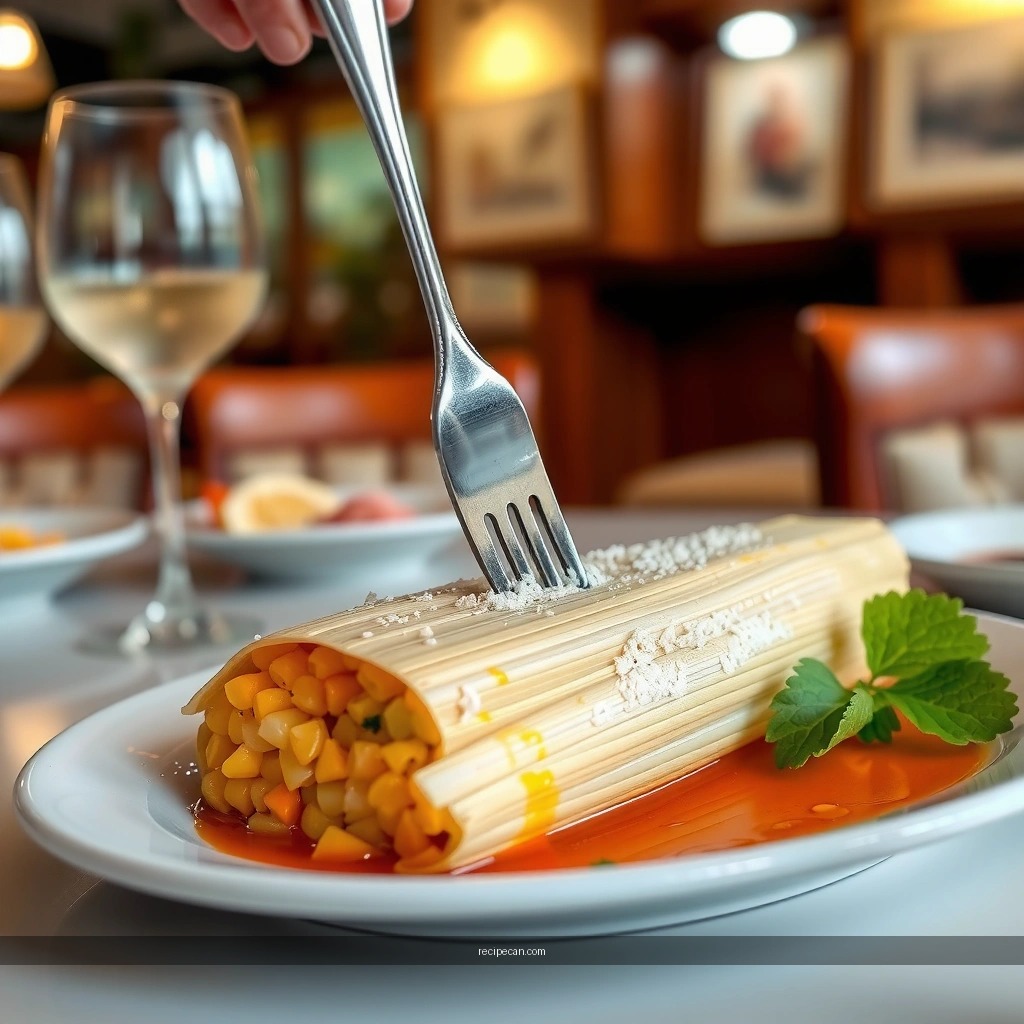
– Soak husks until pliable to prevent tearing
– Trim and portion husks for easy folding
– Rinse and pat dry if needed so they steam properly
Corn husks can be the difference between “beautifully wrapped” and “frustratingly sticky.” For consistent results, take a moment to prep them correctly:
1. Soak thoroughly: Submerge husks in warm water for 30–60 minutes (or until flexible). If they’re stiff or brittle, they’ll crack during folding, which can cause leaks.
2. Separate and trim: Lay husks flat and trim off any hard, uneven ends. Cut or tear down thicker portions so every wrap is roughly similar in size—this helps steaming evenness.
3. Rinse/pat dry (optional): If husks smell strongly or feel gritty, rinse quickly and pat dry. Too much water clinging to the surface can create steaming “puddles” around the masa.
Folding readiness check: A husk is ready when you can bend it without splitting and you can spread it smoothly on your work surface.
Make the Sweet Tamale Masa
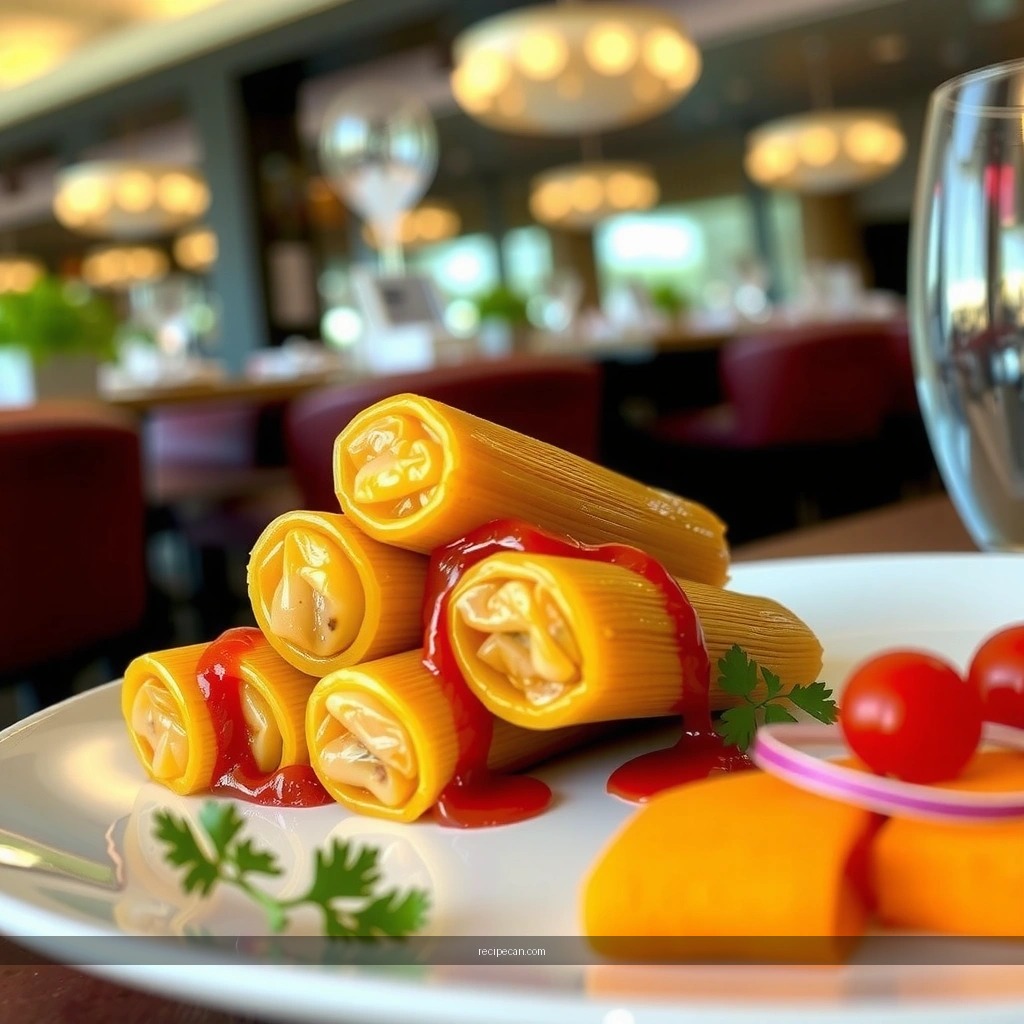
– Mix wet ingredients into masa until smooth and spreadable
– Add sugar and flavorings (like vanilla or cinnamon) to taste
– Rest the dough briefly for better texture
The masa is where sweet tamales get their signature tenderness. The technique matters as much as the ingredients.
1. Combine dry ingredients first: In a mixing bowl, whisk masa harina, baking powder, sugar, and salt so the leavening distributes evenly.
2. Add fat: Mix in lard/shortening (softened) until you get a crumbly, evenly coated texture. This step supports a richer mouthfeel.
3. Add warm liquid gradually: Add warm water (or unsweetened pineapple juice water, if you’re using fruit flavors) slowly while mixing. Stop when the dough is spreadable like thick frosting—not runny.
4. Flavor to taste: Stir in vanilla, cinnamon, or zest. A common professional approach is to start conservative (e.g., 1–2 tsp vanilla per standard batch) and adjust after a small taste test.
5. Rest briefly: Let the masa rest for 10–20 minutes. This hydration pause improves texture and helps the masa firm up during steaming.
How to judge masa consistency
– If it tears when spread: add a tablespoon of warm water at a time.
– If it spreads too thin or pools: add a tablespoon of masa harina.
– If it tastes bland: add a pinch of salt or a little sugar (salt is often the missing “sweetness enhancer”).
Assemble Your Sweet Tamales
– Spread masa evenly on husks with a consistent thickness
– Add your sweet filling in a line or small portion
– Fold and tie/secure to keep tamales sealed while steaming
Assembly is your quality control stage. Even small differences—too much filling, uneven masa thickness, poor folds—can affect texture and flavor.
1. Spread masa: Place the husk on a flat surface with the wider side facing you. Spread masa in an even layer, typically thin-to-medium—aim for uniform thickness so the tamales steam at the same rate.
2. Add filling carefully: Place a strip or small spoonful of your sweet filling near the center. Keep the quantity modest. Overfilling creates pressure that can push masa or filling out during steaming.
3. Fold tightly and secure: Fold the husk over the filling. Tie with kitchen twine if your method requires it, or use the husk flap to hold the seam closed. A good fold should feel sealed, not just “closed.”
Practical tip for beginners: Use a consistent filling portion (for example, roughly 1–2 tablespoons per tamale) and measure masa amounts by eye at first. Once you do a few, your rhythm will improve quickly.
Steam the Tamales
– Arrange tamales standing or layered with steam flow in mind
– Maintain gentle, steady simmering for even cooking
– Steam until masa is firm and pulls cleanly from husk edges
Steaming is gentle heat plus time—so the goal is steady, controlled steam, not a hard boil.
1. Set up your steamer: Add water to the base and bring to a gentle simmer. You want active steam, but not aggressive rolling bubbles.
2. Arrange tamales for airflow: Stand tamales upright if your steamer allows, or layer them with space for steam circulation. Avoid overcrowding.
3. Maintain steady heat: Check every 15–20 minutes. Add water as needed to keep steam consistent.
4. Steam time: Many sweet tamales take about 60–90 minutes depending on size and masa thickness. Use doneness cues rather than relying on time alone.
5. Doneness test: The masa should feel firm and the tamale should pull cleanly from the husk edges. If it sticks significantly, steam longer in 10–15 minute increments.
Quality cue: When done, sweet tamales should be tender throughout—not gummy in the center. Proper resting and even steaming produce a clean, uniform interior.
Serving and Storage Tips
– Let tamales cool slightly for cleaner slices and better flavor
– Serve with hot chocolate, coffee, or a fruit topping
– Store refrigerated and reheat by steaming or warming until soft
Sweet tamales taste best when served at the right temperature. Rushing straight from the steamer can make masa seem heavier and harder to evaluate.
Serving
– Cool briefly: Rest 10–20 minutes before eating. This helps the masa set and makes portions cleaner.
– Pairing ideas: Serve with hot chocolate, coffee, or a light fruit compote (especially if your filling is chocolate or cinnamon).
– Optional finishing touches: A dusting of powdered sugar or a drizzle of warmed caramel can work, but use sparingly so the tamales don’t become overly sweet.
Storage
– Refrigerate: Keep in an airtight container for up to 3–4 days.
– Reheat for best texture: Re-steam 8–15 minutes, or warm covered in the oven at a low temperature. The goal is to rehydrate the masa gently rather than dry it out.
– Freeze (optional): Freeze wrapped tamales individually for easier portioning, then thaw overnight in the refrigerator and reheat by steaming.
Pro tip: If your filling was fruit-forward, reheating by steaming helps prevent the fruit from drying and keeps the center moist.
Sweet tamales are easier than they sound: make a sweet masa, fill and fold with care, then steam until set. Follow this sweet tamales recipe step by step, taste-test the filling, and steam with steady heat—then share your batch or refrigerate leftovers for a quick, delicious treat later.
If you want, tell me which filling you prefer (fruit, chocolate, cinnamon spread, or guava), and I’ll tailor the sweetness level and assembly approach for that exact option.
Frequently Asked Questions
What is the best way to make sweet tamales without them drying out?
Start by using a well-moistened masa and make sure your fat (like lard or shortening) is creamed until fluffy for tender sweet tamales. Keep the husks or banana leaves hydrated so they steam properly and don’t tear. When steaming, avoid lifting the lid often, and steam until the masa pulls slightly from the edges of the husk. Let them rest after cooking so the sweet filling and masa set without becoming dry.
How do I prepare sweet tamales using corn husks so they peel easily after steaming?
Soak corn husks in warm water until pliable, then wipe off excess water so the masa adheres well. Spread a thin, even layer of masa, leaving space around the edges for a clean seal, and wrap tightly but not overly compact. Tie or fold securely to prevent gaps where filling can leak. After steaming, allow tamales to cool slightly, then peel gently to avoid breaking the masa.
Which sweet fillings work best for tamales—like pineapple, chocolate, or sweet corn?
Pineapple and cinnamon are a classic choice because they create a naturally sweet, aromatic filling that balances the masa. Chocolate (often combined with a little cinnamon and sugar) works best when melted or finely chopped so it distributes evenly. Sweet corn fillings can be blended or left slightly chunky for texture, especially when sweetened with brown sugar or panela. Choose a filling that’s thick enough to stay put during steaming for the best sweet tamales results.
Why does my sweet tamale masa turn out too dense or crumbly, and how can I fix it?
Dense masa usually happens when the fat isn’t whipped enough or the masa has too little liquid, so aim for a smooth, spreadable consistency. Crumbly masa can result from under-mixing or using masa harina that’s old or improperly hydrated. Add warm water or warm broth gradually and mix until the dough feels elastic, not gritty. If possible, use the “float test” (a small dab should rise slightly in water) as a reliable guide for proper hydration.
How long should sweet tamales be steamed, and how do I know they’re fully cooked?
Sweet tamales typically take about 60–90 minutes to steam, depending on size and your steamer’s heat level. They’re done when the masa is set, the center looks fully cooked, and a toothpick inserted comes out clean or with only minimal masa residue. You can also check by peeling a test tamale—if the masa pulls away slightly and doesn’t look wet in the middle, they’re ready. Keep them warm covered until serving so the sweet tamales maintain their flavor and texture.
References
- Tamale
https://en.wikipedia.org/wiki/Tamale - Masa
https://en.wikipedia.org/wiki/Masa_harina - Nixtamalization
https://en.wikipedia.org/wiki/Nixtamalization - Banana leaf
https://en.wikipedia.org/wiki/Banana_leaf - https://en.wikipedia.org/wiki/Corn_as_food
https://en.wikipedia.org/wiki/Corn_as_food - Mexican cuisine
https://en.wikipedia.org/wiki/Mexican_cuisine - Steaming
https://en.wikipedia.org/wiki/Steaming - https://www.britannica.com/topic/tamale
https://www.britannica.com/topic/tamale - Google Scholar Google Scholar
https://scholar.google.com/scholar?q=sweet+tamales+recipe - Google Scholar Google Scholar
https://scholar.google.com/scholar?q=tamales+dulces+pineapple+recipe