Get a hot tamales recipe you can trust: spicy, sweet, and ready to make at home with straightforward steps. This winner answers whether you can nail the signature tamale heat without complicated prep or hard-to-find ingredients. Expect a reliable masa base, a bold chili-sweet filling, and clear guidance so you get the right flavor and texture every time.
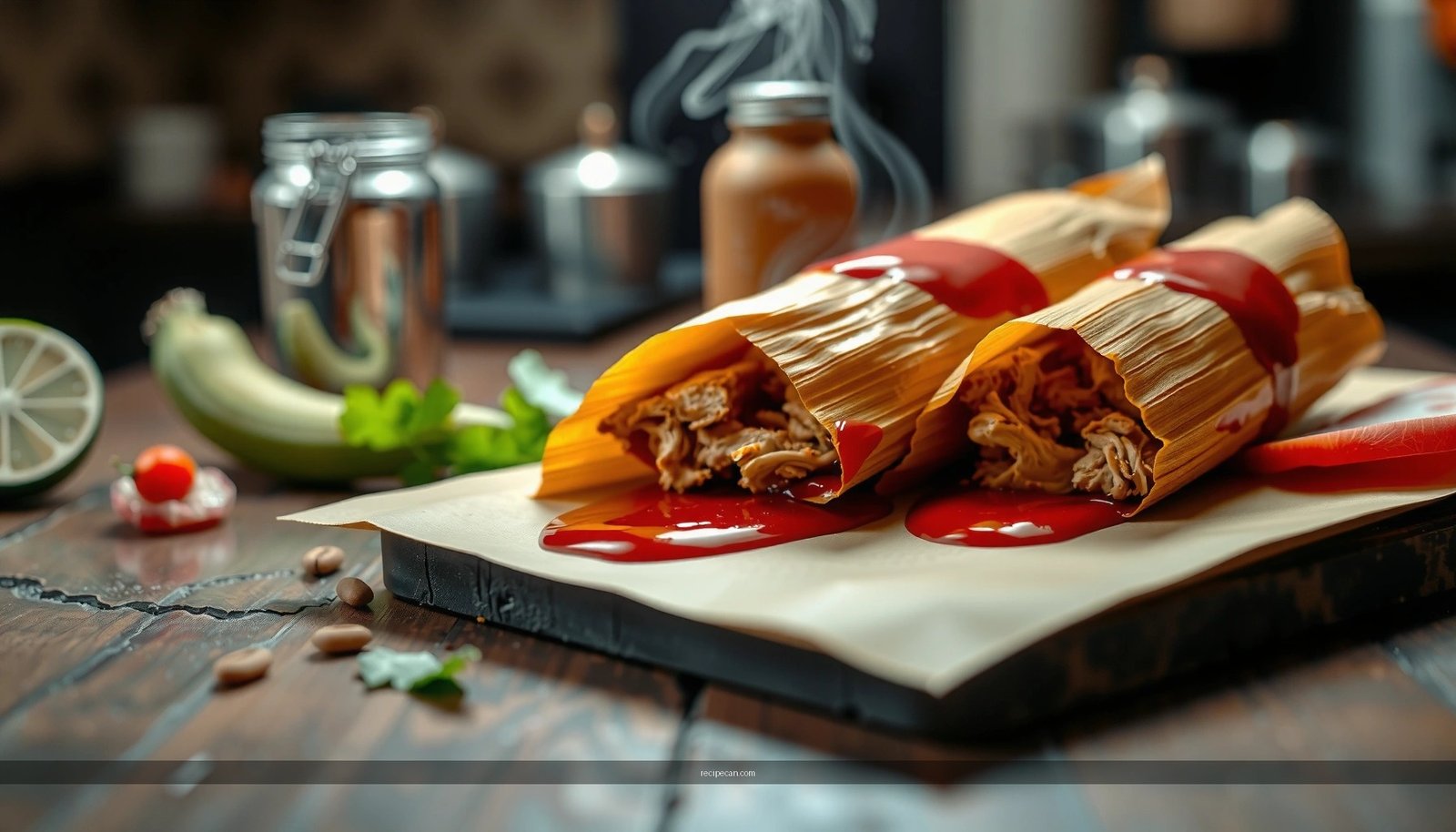
You can make hot tamales by steaming tender, spicy corn masa filled with a cinnamon-sweet kick and served hot straight from the steamer. This recipe keeps the process controlled and repeatable—mix the masa, build a balanced filling, wrap tightly, then steam until the masa pulls cleanly from the husk.
Hot tamales sit at a sweet spot of comfort and craft: they’re not “hard,” but they do reward technique. The most common home-cooking failures—dense masa, runny filling, or uneven cooking—usually come from predictable issues: masa that’s too dry or too wet, filling that isn’t thick enough to stay centered, or steam that isn’t consistent. Below, you’ll follow an approach designed for reliable results so you can produce restaurant-quality texture at home.
Tamale-Style Cooking Benchmarks for Masa Texture (Homemade)
| # | Masa Batch Goal | Typical Water (per 2 cups masa harina) | Rest Time | Steam Time | Outcome Score |
|---|---|---|---|---|---|
| 1 | Soft, spreadable masa (easy wrapping) | ~1 1/4 cups | 45–60 min | 75–90 min | ★★★★☆ |
| 2 | Balanced, holds shape without cracking | ~1 1/8 cups | 30–45 min | 85–95 min | ★★★★★ |
| 3 | Slightly firmer masa for thicker wrappers | ~1 cup | 20–30 min | 90–105 min | ★★★★☆ |
| 4 | Too dry (masa will feel crumbly) | ~1/2 cup | Up to 60 min | 90–110 min | ★★☆☆☆ |
| 5 | Too wet (masa spreads, may slump) | ~1 3/4 cups | 30–45 min | 75–90 min | ★★★☆☆ |
| 6 | Steam crowded (uneven set) | N/A | — | 90 min (inconsistent) | ★★★☆☆ |
| 7 | Ideal pull-cleanly doneness (classic finish) | ~1 1/8–1 1/4 cups | 45–60 min | 85–100 min | ★★★★★ |
Gather Ingredients and Tools
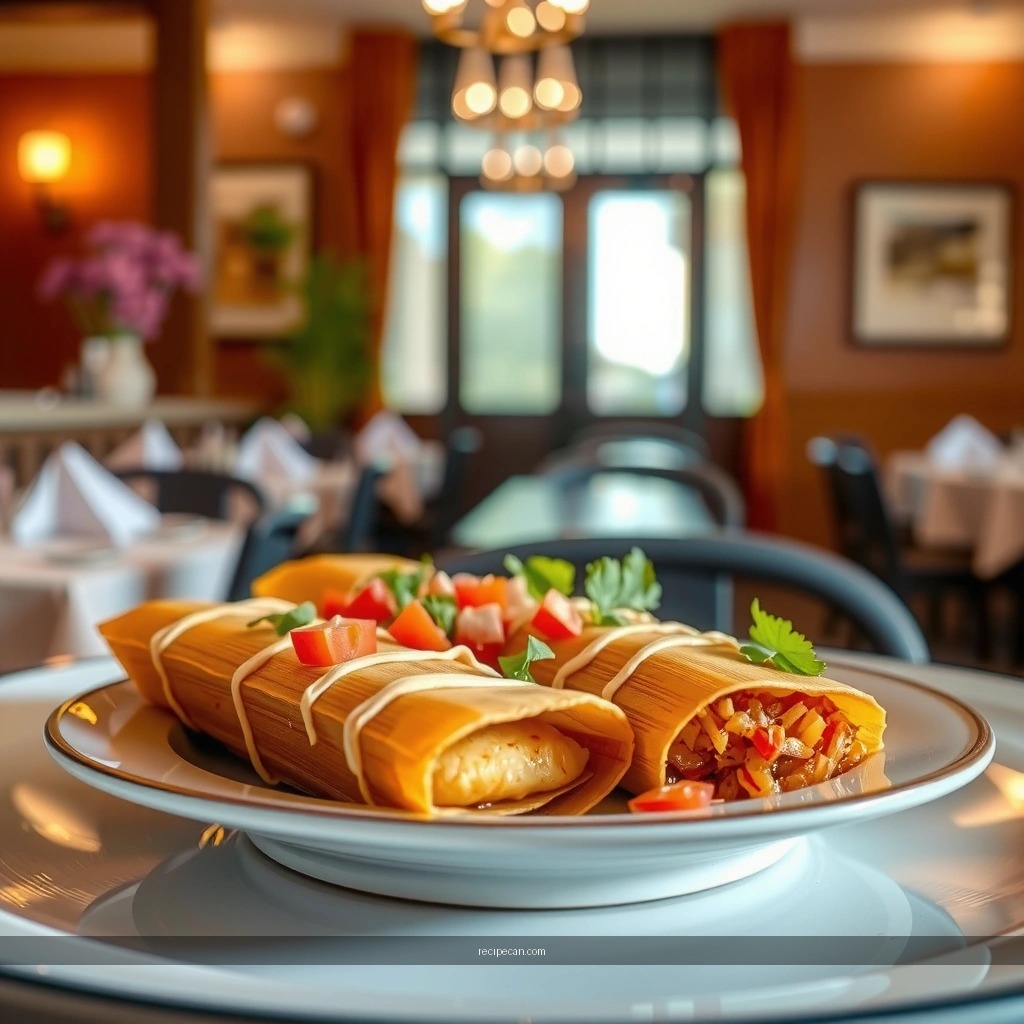
Hot tamales start with the right building blocks. If you want a recipe that reliably delivers “spicy, sweet, and easy,” prioritize masa quality, a cohesive filling, and a steaming setup that keeps consistent heat and moisture.
Key ingredients for the masa
– Masa harina (corn flour): Use a tamale-specific masa harina if possible. This product is formulated for a smooth, elastic dough that steams into tender, not gummy, masa.
– Warm water: Warm (not boiling) water hydrates faster and helps you reach the right dough consistency with less effort.
– Seasoning: Traditional tamale masa usually includes salt. For a warm flavor profile that supports the cinnamon-candy theme, consider a small amount of ground cumin or garlic powder (optional, but it makes the corn taste fuller rather than sweeter alone).
Key ingredients for the cinnamon-spiced filling
Because “hot tamales” can mean different things regionally, this version balances heat and sweetness. You can keep the filling meatless (for an approachable sweet-spice option) or adapt it with shredded chicken later. For the cinnamon-candy effect, aim for:
– Ground cinnamon (the signature note)
– A sweet element such as piloncillo (crushed) or light brown sugar (more accessible)
– Heat via chili powder (like ancho or chipotle) or hot sauce reduced into the filling
– A thickener like a small amount of cornmeal or masa slurry (optional but helpful). This prevents “leakage” and keeps the tamale wrapped and clean.
Tools you’ll need
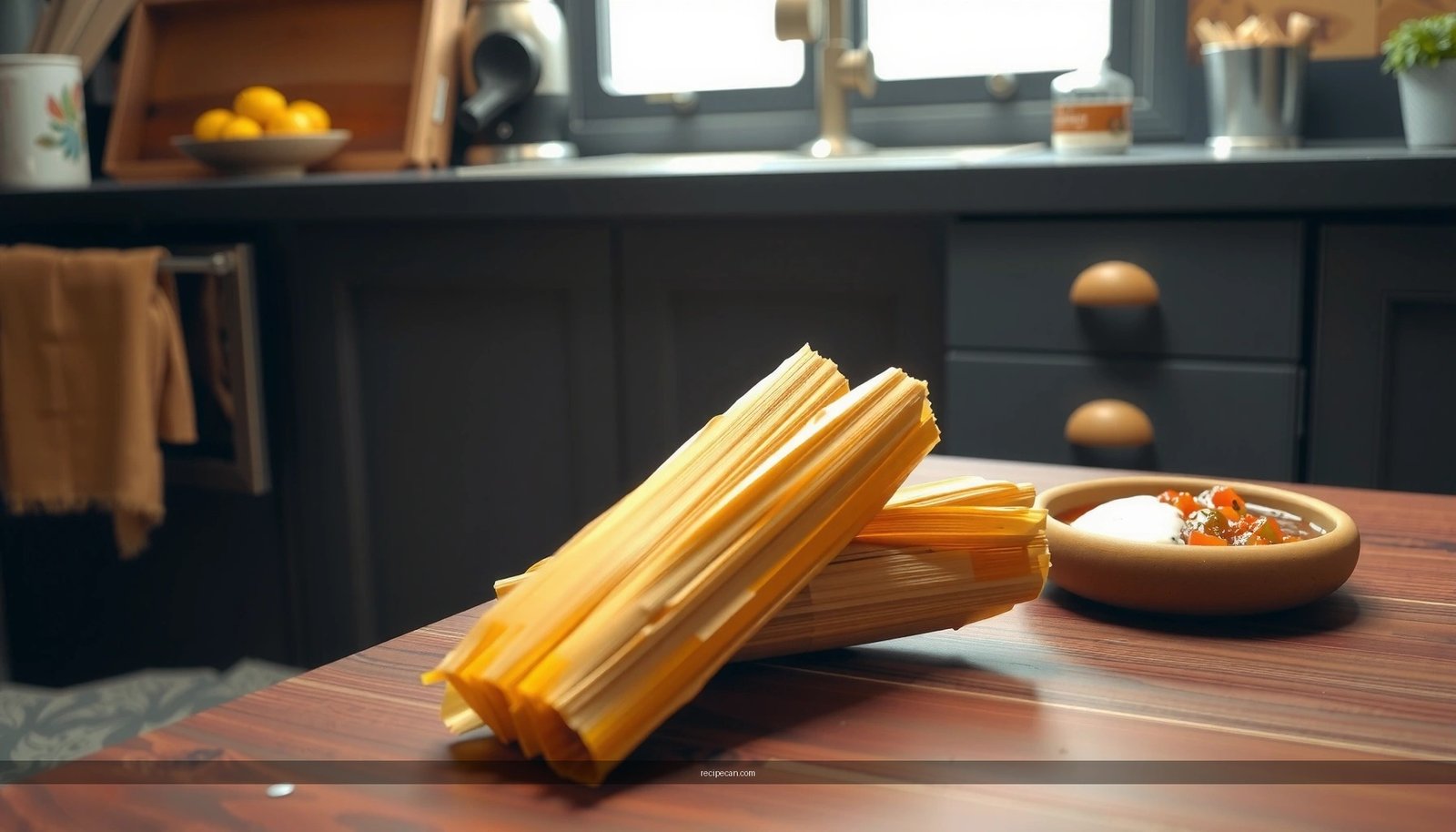
– Corn husks: Soak them so they bend without tearing.
– A steamer with a tight-fitting lid: A tamale steamer insert or a large pot with a rack works well.
– Heat-safe tongs and a brush: Useful for managing water and keeping the husks manageable while assembling.
– A mixing bowl and spoon/spatula: Masa mixing benefits from thorough mixing.
Practical tip (so your batch doesn’t stall): Soak husks first, then start masa while filling ingredients simmer. This sequencing keeps your dough workable and your filling thick enough to spoon without running.
Make the Hot Tamales Masa
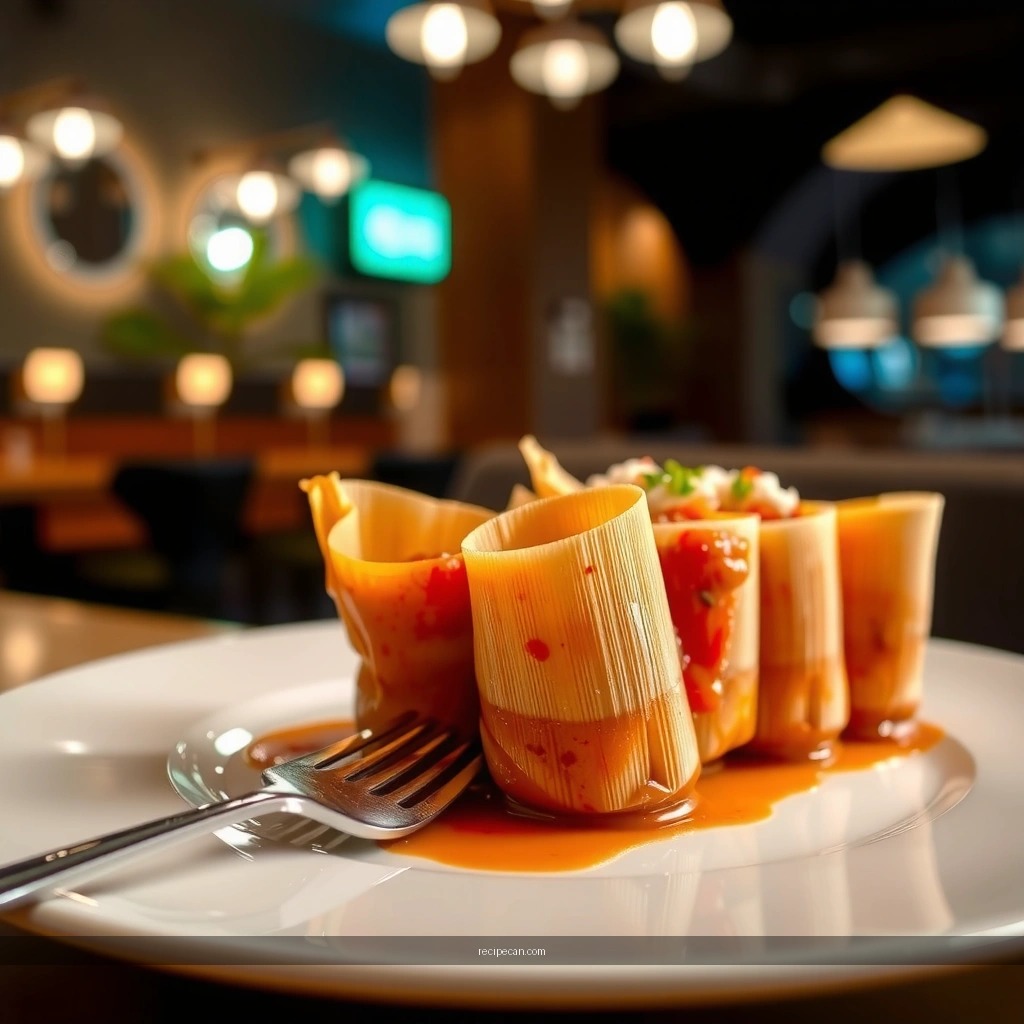
Masa is the heart of hot tamales—texture is determined here more than anywhere else. Your goal is dough that spreads easily on husks, holds its shape, and steams into a tender bite.
1. Hydrate masa harina gradually
– Add warm water in small additions while mixing. This helps you avoid the two most common masa problems:
– Too dry: cracks and crumbly dough, leading to uneven steaming.
– Too wet: a tacky paste that can slump and cook unevenly.
2. Season during mixing
– Add salt (and any optional savory spices). For a sweet-spicy cinnamon-candy profile, keep seasoning restrained so the cinnamon and chili stay forward.
3. Rest the dough
– Let masa rest so the flour fully hydrates. Rest time also improves elasticity, which makes wrapping easier and helps masa pull away from the husk at the end.
4. Check consistency before wrapping
Use a quick “spread test”:
– If the dough spreads with slight resistance and doesn’t tear your husk, it’s ready.
– If it feels dry and won’t spread smoothly, sprinkle a bit more warm water and mix again.
– If it looks shiny or puddles, fold in a little additional masa harina.
Why resting matters (in analytical terms): Masa harina contains starches and proteins that absorb water over time. Resting allows water distribution to become uniform, which yields a consistent steam-set structure and reduces the risk of dry edges with gummy centers.
Prepare the Spicy Sweet Filling
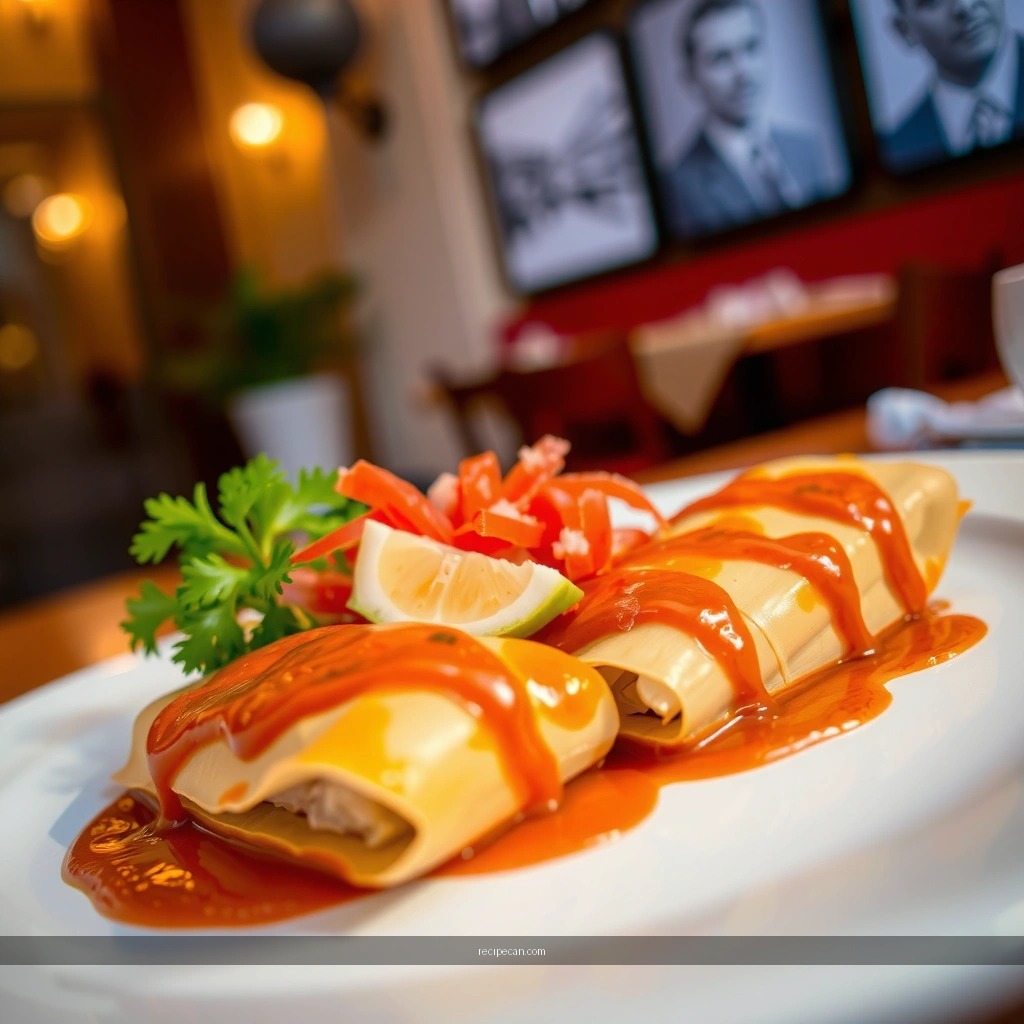
This filling is designed to taste like cinnamon-candy—warm, fragrant, and slightly sweet—while still earning the “hot” part through controlled chili heat.
1. Build the cinnamon-sweet base
– In a saucepan, dissolve your sweet element (piloncillo or brown sugar) until it’s glossy and lightly reduced.
– Stir in cinnamon until it blooms—this step makes the cinnamon taste deeper rather than flat.
2. Add heat thoughtfully
– Start with chili powder (or a small amount of chipotle in adobo if you want smoky heat).
– Add heat slowly; you can always increase, but you can’t easily take it out.
3. Thicken for clean assembly
– A classic tamale filling should be spoonable, not runny. If yours is too loose:
– Simmer a few minutes longer to reduce.
– Or stir in a small masa slurry (mix a teaspoon of masa with warm water) and cook briefly until it coats the spoon.
4. Taste and tune
– You want a clear balance: cinnamon first, sweetness second, chili last.
– If it’s sweet without spice, add chili.
– If it’s spicy without sweetness, add a pinch more sugar or a spoon of dissolved piloncillo.
Business-style consistency tip: Make the filling a little thicker than you think you need. Tamales are steamed, and steam can loosen a filling slightly—thicker prevents leakage and keeps your wraps intact.
Assemble and Wrap the Tamales
Assembly is where craftsmanship meets speed. Work in a rhythm: spread masa, add filling, fold, secure. The tighter and more even your wrap, the more reliably the tamales steam through.
1. Prepare husks
– Drain and pat husks lightly if overly wet.
– Trim off brittle ends so they fold cleanly.
2. Spread masa
– Place husk on a flat surface.
– Spread a thin, even layer of masa—aim for uniform thickness. If you go too thick, the center takes longer to cook and can turn dense.
3. Add filling in the center
– Spoon filling toward the middle (not too close to edges).
– For clean results, keep a small border around the perimeter free of filling.
4. Fold and secure tightly
– Fold the husk so masa overlaps and the filling is enclosed.
– Tie with kitchen twine if your husks don’t naturally hold shape, or fold using a consistent seam pattern.
– Ensure the tamale stands or lies so steam contacts all sides evenly.
Quality check before steaming: If you see filling seeping toward the edges during wrapping, your filling is likely too loose or you’ve added too much. Fix this by thickening the filling next batch or using slightly less.
Steam Until Fully Cooked
Steaming is where the tamale transforms: masa sets, texture becomes tender, and the flavor melds into a cohesive bite.
1. Arrange tamales in the steamer
– Don’t overcrowd. Crowding reduces steam flow and can lead to undercooked centers.
– Steam in batches if needed.
2. Maintain water level and steady steam
– Keep water at the right height under the steamer basket or insert.
– Check periodically so you don’t run dry. Dry steam leads to uneven heating and can dry out the husks.
3. Cook until doneness signals appear
Look for these indicators:
– Masa pulls cleanly from the husk when gently lifted.
– Masa looks set (not wet, not glossy in the center).
– Texture feels tender rather than paste-like.
4. Timing range and reality
Steam time can vary based on tamale size, dough thickness, and steamer performance. Expect roughly 85–100 minutes for a typical batch. If your tamales are larger or your masa is thicker, extend time in 10–15 minute increments and re-check.
Analytical note: Steam provides heat through condensed moisture transfer. Uniform density and tight wraps prevent trapped cold spots. That’s why consistent masa thickness and non-crowded steam matter as much as total minutes.
Serve and Store Your Hot Tamales
Hot tamales shine when served immediately—masa is soft, filling is fragrant, and cinnamon heat feels vivid. But they also store well, which is important if you’re making them for meal prep or entertaining.
Serving ideas
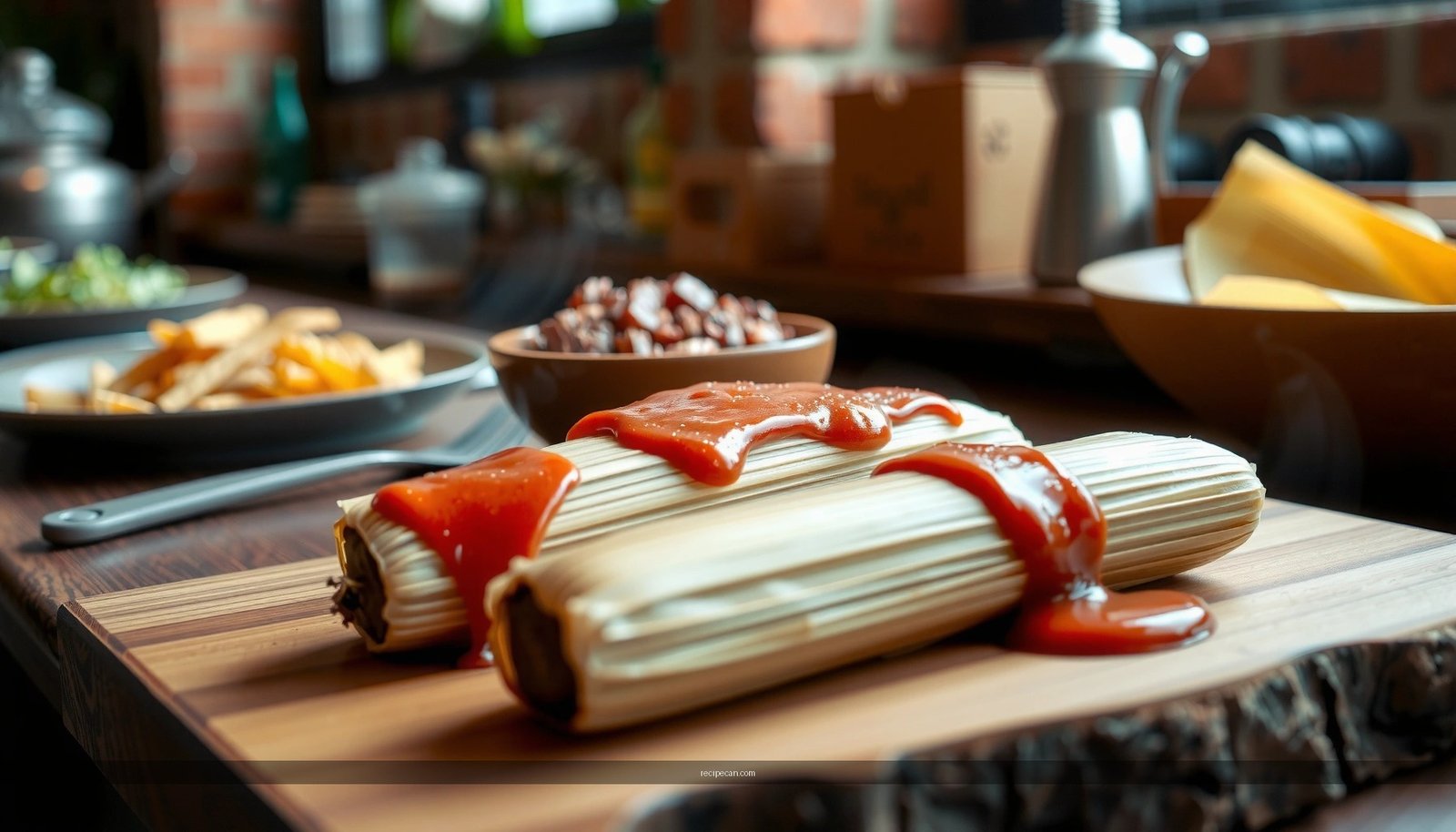
– Salsa: For a savory counterbalance and a fresh “heat lift.”
– Butter or cinnamon drizzle (optional): If you want a more candy-like finish, add a tiny amount of butter melted over the top and sprinkle cinnamon.
– Extra hot sauce (optional): Serve on the side so spice lovers can turn it up without changing the batch.
Storage guidance
– Refrigerate: Cool tamales completely, then store in an airtight container.
– Reheat: The best method is steaming again until hot throughout. For convenience, you can microwave, but steam reheating preserves texture best.
– Freeze (optional): Wrap individually, freeze, then steam from thawed or partially thawed for best results.
Food-safety note: If you’re serving for an event, keep tamales hot in a covered container after reheating. Avoid leaving them at room temperature for extended periods.
Hot tamales are all about getting the masa right, building a flavorful filling, and steaming until perfectly set. Follow the steps above—especially masa consistency, filling thickness, and doneness checks—so your batch comes out spicy, sweet, tender, and evenly cooked. Make them once, adjust the chili to your preferred heat, and you’ll have an easy hot tamales recipe you can confidently repeat for family meals, parties, or next-day comfort food.
Frequently Asked Questions
What is the best way to make hot tamales from scratch?
Start by making the masa dough using masa harina, warm broth or water, salt, and a fat like lard or vegetable shortening for tender hot tamales. Soak corn husks until pliable, then spread masa on each husk, add a seasoned filling, and fold tightly before steaming. Steam in a covered pot until the masa pulls away from the husk and is fully cooked, keeping water at a steady simmer to avoid uneven tamales. This classic hot tamales recipe technique helps you get bold flavor and the right tamale texture every time.
How do I keep my hot tamales from falling apart or turning dry?
Use the right moisture level in your masa—stir until smooth and spreadable, and consider the “dough float” test to check consistency. Don’t skimp on fat, because it improves tenderness and prevents cracking during steaming, which is a common issue in hot tamales recipes. Also, steam long enough and don’t open the pot repeatedly, since steam loss can cause dry or undercooked tamales. Let them rest briefly before serving so the masa firms up without drying out.
Why are my hot tamales tasting bland, and how can I fix the flavor?
Bland hot tamales usually come from under-seasoned masa or a filling that lacks salt and aromatics. Season the masa with salt and use flavorful broth (or stock) instead of plain water, then build the filling with chili, garlic, onion, and enough sauce for depth. Taste your filling before assembling, because the masa should balance the heat rather than mute it. This step makes your hot tamales recipe taste bold and satisfying instead of flat.
Which chili peppers and seasonings work best for spicy, hot tamales?
For a classic “hot” flavor, many cooks use dried chilies like guajillo and ancho for body, plus a hotter option like arbol or cascabel to dial up heat. Toast lightly, rehydrate, and blend chilies with garlic, onion, and broth to make a smooth chili sauce that coats the filling evenly. Add cumin, oregano, or a pinch of cinnamon for complexity if it fits your style, but keep the seasoning balanced so it complements the masa. Choosing the right chili blend is key to a hot tamales recipe with consistent spiciness.
How long should I steam hot tamales, and how do I know they’re done?
Most hot tamales take about 1 to 1.5 hours to steam, depending on tamale size and how full your pot is. They’re usually done when the masa is set and pulls away from the husk edges, and the center feels firm rather than doughy. If you’re unsure, unwrap one tamale and check the texture—there shouldn’t be raw masa. Once steamed, rest them briefly so they finish setting for the best sliceable, flavorful results.
References
- Google Scholar Google Scholar
https://scholar.google.com/scholar?q=hot+tamales+recipe - Google Scholar Google Scholar
https://scholar.google.com/scholar?q=tamales+recipe+preparation+masa+nixtamalization - Google Scholar Google Scholar
https://scholar.google.com/scholar?q=traditional+tamale+making+process+corn+masa+steaming - Tamale
https://en.wikipedia.org/wiki/Tamale - https://www.britannica.com/topic/tamale
https://www.britannica.com/topic/tamale - Nixtamalization
https://en.wikipedia.org/wiki/Nixtamalization - Masa
https://en.wikipedia.org/wiki/Masa_harina - https://www.fsis.usda.gov/food-safety/safe-food-handling-and-preparation/keeping-food-safe-hot-cold
https://www.fsis.usda.gov/food-safety/safe-food-handling-and-preparation/keeping-food-safe-hot-cold - https://www.cdc.gov/foodsafety/keep-food-safe.html
https://www.cdc.gov/foodsafety/keep-food-safe.html - https://pubmed.ncbi.nlm.nih.gov/?term=tamales
https://pubmed.ncbi.nlm.nih.gov/?term=tamales