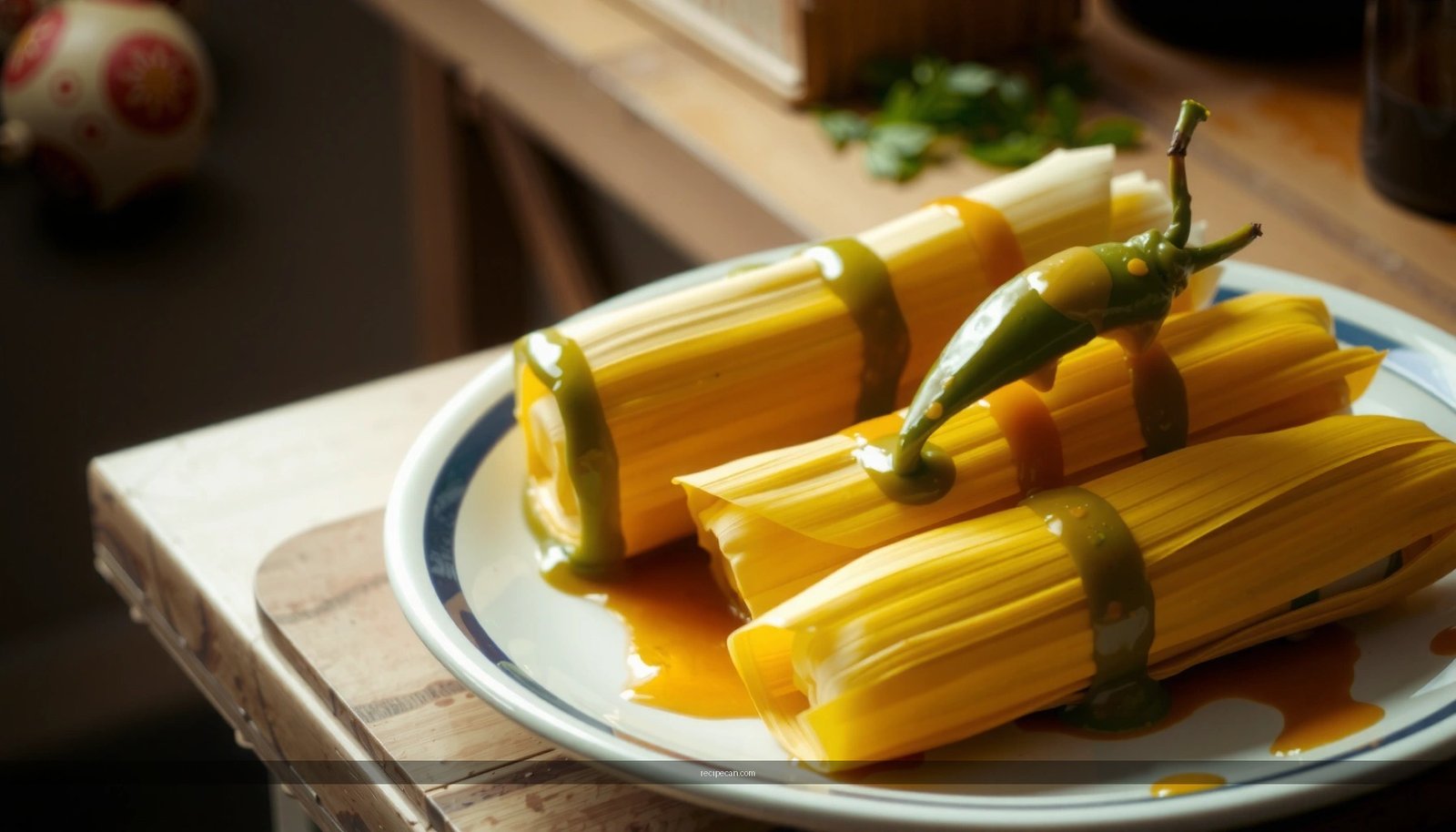
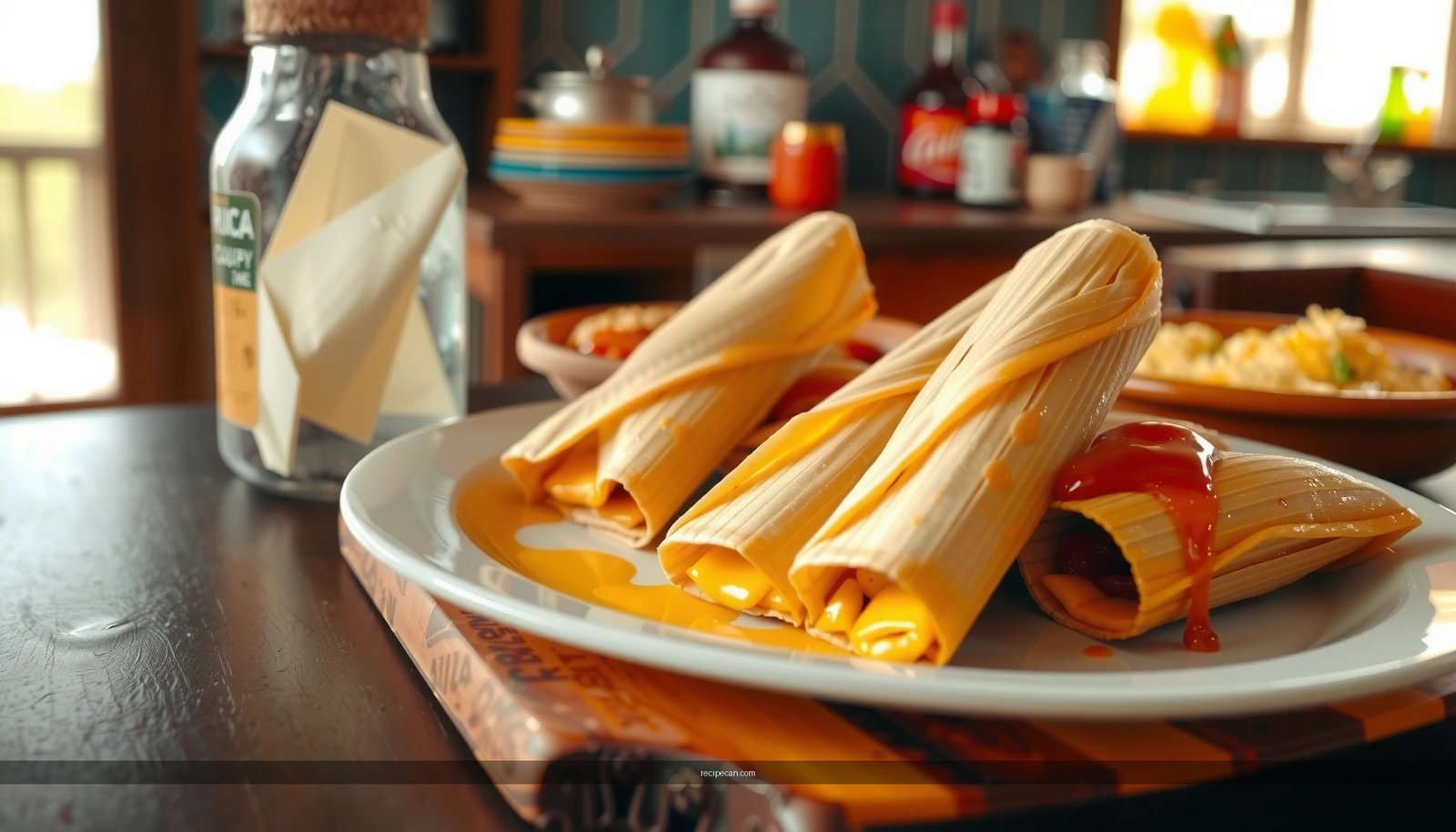
Get the masa for tamales recipe that reliably produces tender, flavorful tamales—every time. This step-by-step guide tells you exactly how to mix, spread, and steam masa so it holds together and tastes authentic. If you want the easiest method that still delivers restaurant-quality results, this is the one to follow.
Use masa harina mixed with warm broth (or water), fat, and salt to make smooth, spreadable tamale masa that steams up tender every time. In this guide, you’ll follow exact mixing steps and consistency checks—so your masa holds together on the husk, cooks evenly, and delivers the rich, comforting flavor tamales are known for.
Tamales rise to the occasion because the masa is more than a “dough”—it’s a controlled texture system. The masa harina hydrates, fat tenderizes, and salt boosts flavor, while steaming sets the structure. If your dough is too dry, it turns stiff; if it’s too loose, it won’t spread or will slump. The goal is a masa that spreads like thick frosting, then steams into a cohesive bite that clings to the filling.
Tamale Masa Ingredient Guide: Typical Portions by Yield (US units)
| # | Target Tamales | Masa Harina | Warm Broth/Water | Fat | Salt |
|---|---|---|---|---|---|
| 1 | 12 tamales | 3/4 cup (90 g) | 1 1/4 cups (300 ml) | 3 tbsp (42 g) | 3/4 tsp |
| 2 | 18 tamales | 1 1/4 cups (150 g) | 2 cups (480 ml) | 5 tbsp (70 g) | 1 1/4 tsp |
| 3 | 24 tamales | 1 1/2 cups (180 g) | 2 1/2 cups (600 ml) | 6 tbsp (84 g) | 1 1/2 tsp |
| 4 | 30 tamales | 2 cups (240 g) | 3 1/4 cups (780 ml) | 8 tbsp (112 g) | 2 tsp |
| 5 | 36 tamales | 2 1/2 cups (300 g) | 4 cups (960 ml) | 10 tbsp (140 g) | 2 1/2 tsp |
| 6 | 42 tamales | 3 cups (360 g) | 4 3/4 cups (1.14 L) | 12 tbsp (168 g) | 3 tsp |
| 7 | 50+ tamales | 3 1/2 cups (420 g) | 5 1/3 cups (1.25 L) | 14 tbsp (196 g) | 3 1/2 tsp |
Gather Ingredients for Masa
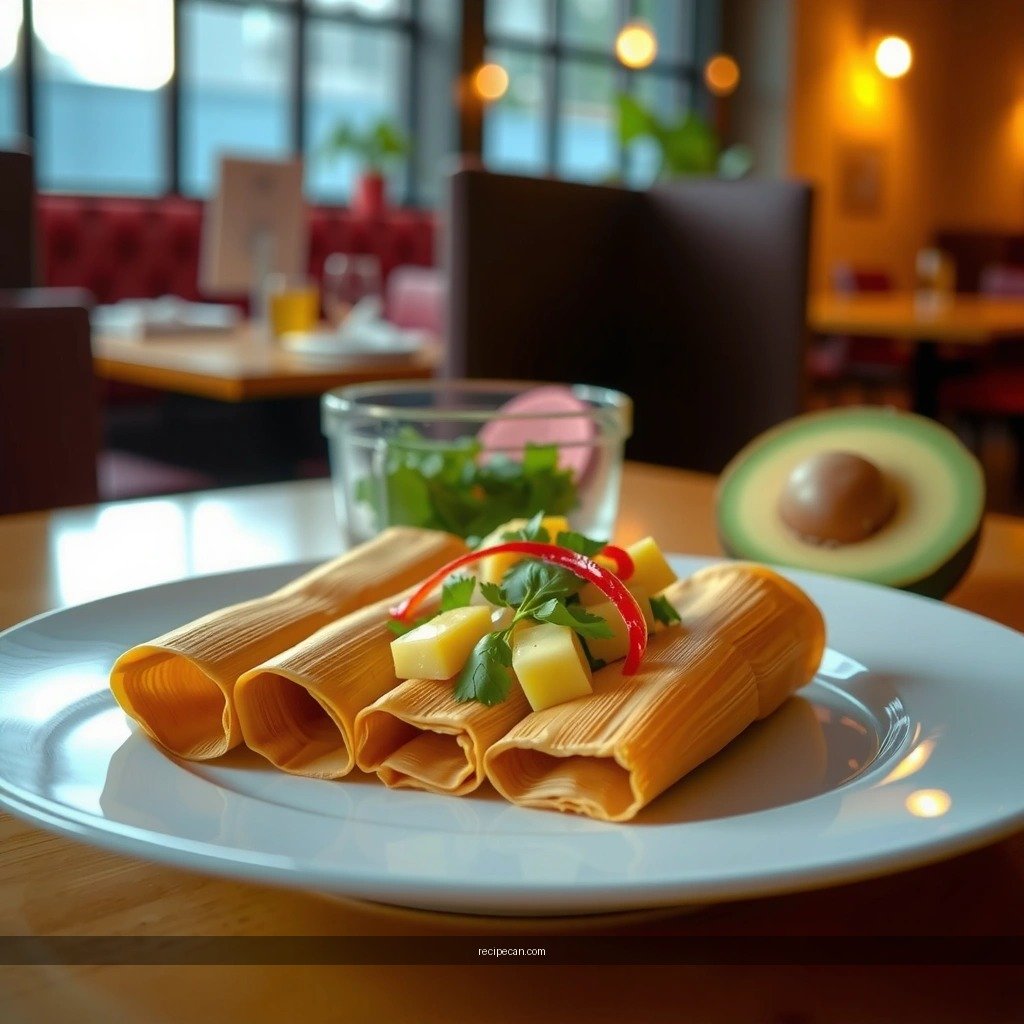
A reliable masa for tamales starts with four fundamentals: masa harina, warm broth (or water), fat, and salt. From a process standpoint, think of each ingredient as serving a specific function:
– Masa harina as the base for authentic tamale dough
Masa harina (corn flour specifically processed for dough) hydrates to form the structure. Choose a reputable brand and keep it fresh; stale masa harina can taste flat and may hydrate unevenly. If you’re aiming for consistency across batches, measure by weight when possible.
– Add fat (lard or vegetable shortening) and salt for richness and flavor
Fat tenderizes the masa and helps it spread and remain cohesive while steaming. Traditional tamales often use lard, which provides classic flavor and mouthfeel; modern cooks may use vegetable shortening for convenience and a neutral taste. Salt is essential not only for flavor, but also because it sharpens the corn’s natural sweetness and balances rich fillings like pork or chiles.
Practical ingredient notes
– Warm broth vs. water: Using warm broth adds depth. Neutral water is fine when your filling is heavily seasoned, but broth typically improves overall tamale flavor.
– Temperature matters: Warm (not boiling) liquid hydrates masa harina quickly and reduces lumps.
– Optional boosts (if your filling is mild): A small amount of garlic powder, onion powder, or toasted chile powder can integrate better into the masa—but only after your base technique is dialed in.
Mix the Tamale Masa Properly
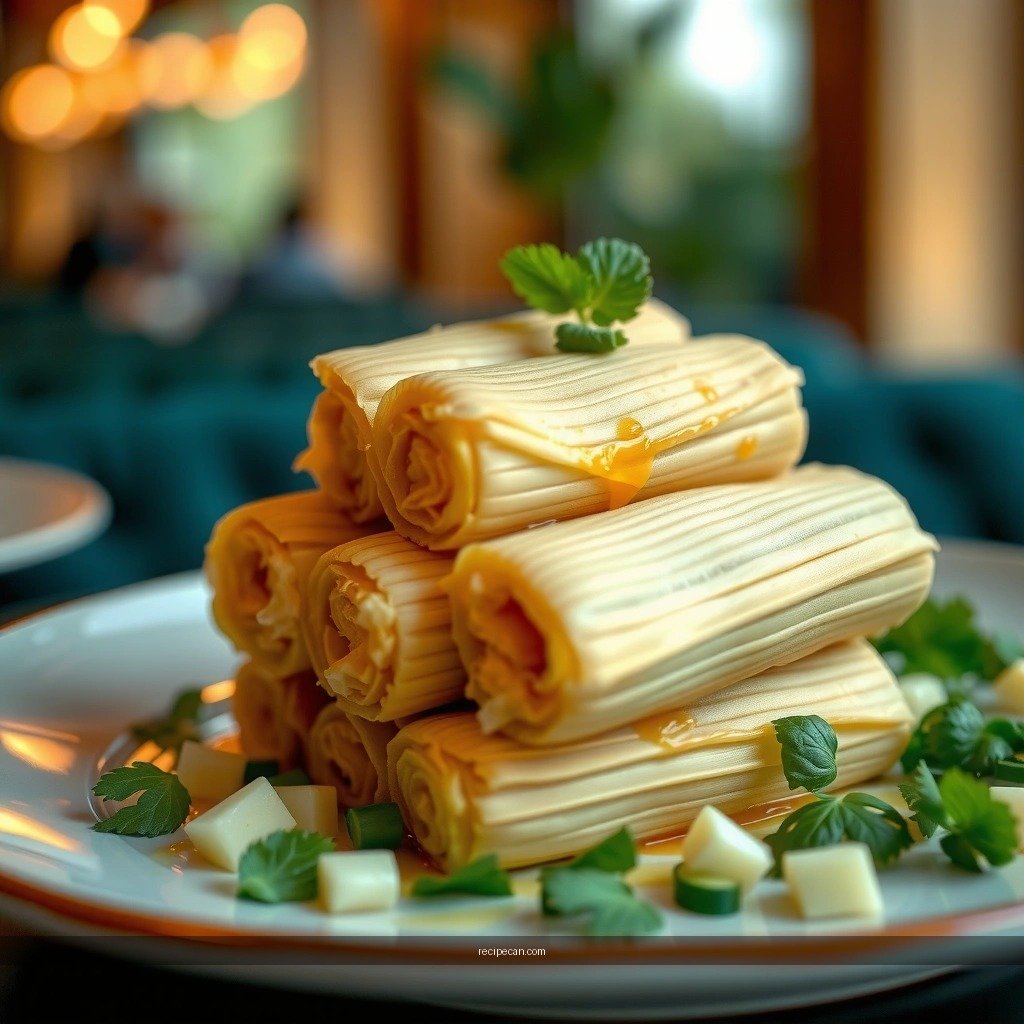
To get smooth, spreadable tamale masa, you need controlled hydration and thorough mixing. Most “masa problems” are actually mixing problems—either liquid added too fast, not enough time to hydrate, or insufficient agitation.
1. Combine masa harina with warm broth gradually for a smooth dough
Start with about 75–85% of the liquid, then add the remainder slowly as needed. Pouring all the broth at once often creates pockets of dry masa harina that are hard to fix without changing texture.
2. Mix until fully incorporated and avoid dry, crumbly texture
Use a sturdy spoon or mixer and mix long enough to hydrate the particles. Aim for a consistent, thick paste before you add fat and final liquid adjustments. If you see dry specks, keep mixing; if it becomes too thick, add warm broth one tablespoon at a time.
3. Incorporate fat and salt
Once the masa harina is hydrated, mix in softened fat and salt until the dough looks uniform. The mixture should lighten slightly and become smoother and more elastic as the fat disperses.
What “properly mixed” looks like
– The dough should hold together and smear without cracking.
– It should lose some grittiness as hydration completes.
– It should feel like thick mashed potatoes or very soft frosting—dense, not watery.
Achieve the Right Consistency
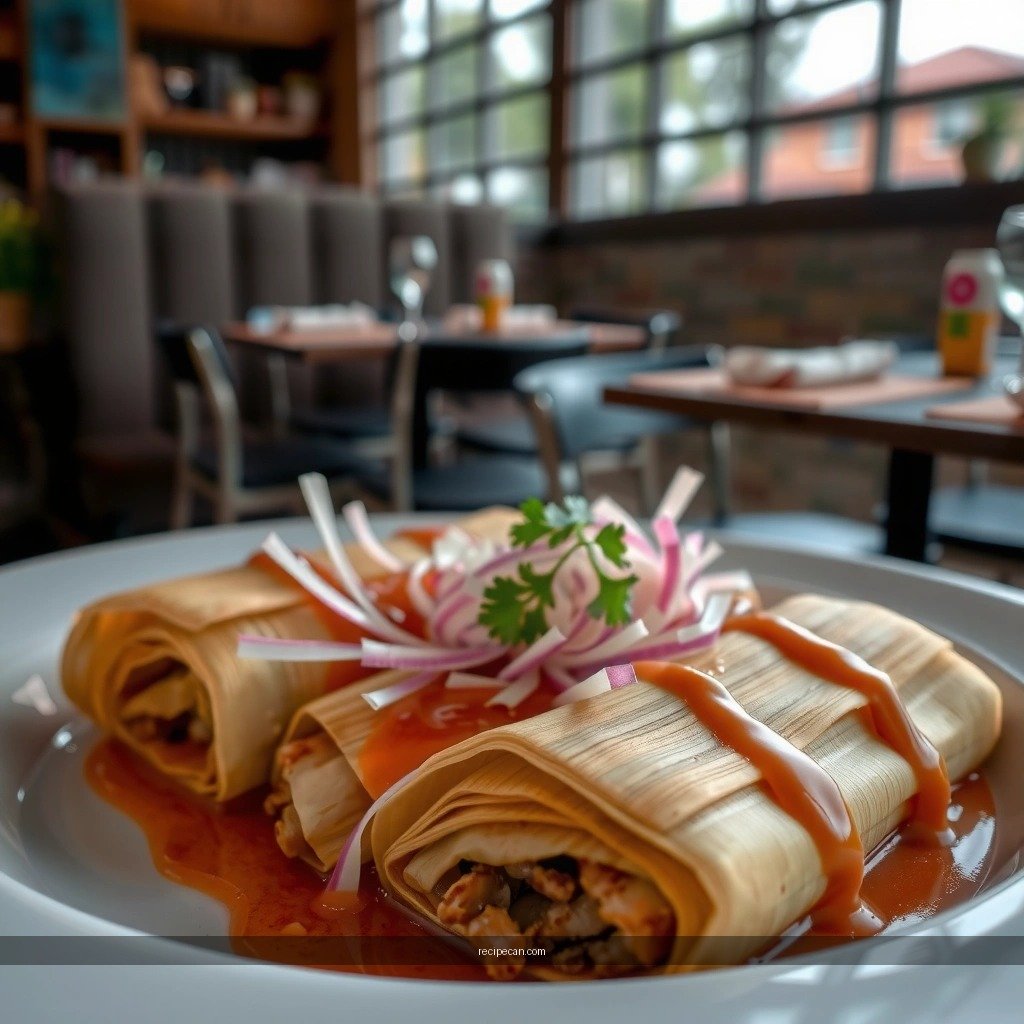
Consistency is your most important quality control step because it determines how the masa behaves on the husk and how it sets during steaming.
Target texture: spreadable without cracking
– Your masa should spread easily on the husk without cracking.
When you spread it, it should spread with light pressure and stay smooth. Cracking usually means the dough is too dry or hasn’t fully hydrated.
– Adjust with a splash more broth if too thick, or a bit more masa harina if too loose
Use small, incremental adjustments:
– If too thick: add warm broth in 1–2 tablespoon increments, mixing thoroughly each time.
– If too loose: add masa harina in 1 tablespoon increments, letting it mix and hydrate for a few minutes before deciding.
Consistency checks you can do immediately
– “Spoon test”: Scoop a spoonful and let it fall back into the bowl—thick ribbons are good; clumps that don’t level are too dry; a stream is too loose.
– “Spread test”: Spread a thin layer on a soaked husk—if it tears, it’s too dry; if it runs or pools, it’s too wet.
Rest and Prepare the Masa
After mixing, masa needs brief rest time so hydration finishes evenly and the texture becomes more forgiving for assembly.
– Let the masa rest briefly so it hydrates and becomes easier to spread
Rest the masa 15–30 minutes. During this time, remaining dry bits hydrate fully, and the dough’s spreadability improves.
– Keep covered to prevent drying while you assemble tamales
Cover the bowl with a damp towel or plastic wrap. Dried edges create streaks and uneven thickness on the husk, which can lead to inconsistent steaming.
Operational tip for batch cooks
If you’re assembling multiple tamales, keep the masa moving occasionally and re-stir if it tightens. Masa harina can continue absorbing liquid as it rests, so your consistency may subtly shift while you work.
Assemble and Cook Tamales with This Masa
Once your masa is smooth and correctly textured, assembly is straightforward—but technique still matters.
– Spread masa evenly on soaked corn husks before rolling
Soaked husks are pliable and won’t crack. Spread a consistent layer of masa, typically thick enough to anchor the filling without gaps. Uneven layers can cause some tamales to overcook while others remain underdone.
– Steam tamales until set and cooked through, then cool slightly before serving
Steam until the masa looks set and holds its shape when pulled. Cooking time depends on tamale size and your steamer setup, but the key indicator is set texture: the masa should no longer look wet or glossy in the center.
Food safety and quality
– Ensure the filling is fully heated as well (especially for meat).
– Cool tamales slightly before serving so the masa firms up and flavors harmonize.
Troubleshooting Common Masa Problems
Even experienced cooks run into masa issues—often due to humidity, broth concentration, or differences in masa harina brands. Use targeted fixes rather than “starting over.”
– If masa is too sticky, chill briefly and add a small amount of masa harina
Sticky dough can smear uncontrollably and make assembly messy. Chill 10–15 minutes to firm it, then add 1 tablespoon masa harina at a time, mixing thoroughly.
– If masa is dry or tough, mix in warm broth a little at a time
Dry masa leads to cracks on the husk and a chewy bite. Add warm broth gradually—one tablespoon increments—and mix until the dough regains elasticity.
Common “why it happens”
– Too little mixing time → uneven hydration
– Liquid added too quickly → lumps or dry pockets
– Cold broth/water → slower hydration and inconsistent texture
– Humidity or brand differences → minor hydration variance
Quick Reference: What to Do When Your Masa Is Off
Tamale Masa Fixes That Work Reliably
| # | Problem | Immediate Fix | Effectiveness | Outcome |
|---|---|---|---|---|
| 1 | Cracks while spreading | Add warm broth 1 tbsp at a time; mix 2–3 minutes between additions. | ★★★★★ | Tender set |
| 2 | Slumps or pools on husk | Chill 10 minutes, then add masa harina 1 tbsp at a time until it spreads. | ★★★★☆ | Holds shape |
| 3 | Dry crumbs after mixing | Switch to gradual hydration: add warm broth slowly and keep mixing until cohesive. | ★★★★☆ | Uniform dough |
| 4 | Bland flavor | Add salt in small pinches (¼ tsp at a time) and mix; taste after resting. | ★★★★★ | Balanced taste |
| 5 | Too greasy mouthfeel | Fold in a small amount of masa harina and rest 15 minutes to absorb excess fat. | ★★★☆☆ | May need extra steaming |
| 6 | Lumps in masa | Hydrate longer: mix thoroughly, then rest 20–30 minutes before assembling. | ★★★★☆ | Smooth spread |
After you follow these steps—mixing with warm broth, getting the right consistency, and resting before assembly—you’ll have masa that holds together and tastes great. Make this masa for tamales recipe once, then adjust texture to your preference. Try it on your next batch and share how it turns out!
Frequently Asked Questions
What is the best masa for tamales recipe?
The best masa for tamales recipe usually uses masa harina mixed with warm chicken or vegetable broth, plus a little salt. Many cooks prefer masa made specifically for tamales because it hydrates evenly and holds shape when steamed. For richer flavor and better texture, some recipes also include a small amount of fat (like lard or vegetable shortening) to help the masa taste authentic and stay tender.
How do I make masa for tamales that doesn’t crack or fall apart?
To prevent cracking, mix the masa harina with warm liquid gradually until it reaches a smooth, spreadable consistency. A good test is the “float test” (a small pinch of masa should float in water) and the dough should feel soft, not gritty. Also whip the fat into the masa thoroughly, since proper aeration helps the tamales steam evenly and stay intact.
Why do my tamales masa taste bland even when I season the filling?
Masa needs its own seasoning, because it makes up a large portion of each bite. Use enough salt in the masa mixture and consider adding warm broth instead of plain water for deeper flavor. If your masa still tastes flat, you can mix in a little garlic powder or a small amount of fat-rich flavor (like lard) to boost taste without overpowering the filling.
Which fat works best for masa for tamales—lard or shortening?
Lard is the traditional choice for many masa for tamales recipes because it creates a tender, flavorful dough and improves mouthfeel. Vegetable shortening can also work well, especially if you prefer a lighter flavor or need a more neutral taste. Either way, the key is creaming and mixing the fat well so the masa stays soft and steams with the right texture.
What is the correct masa consistency for steaming tamales successfully?
The correct masa for tamales should be soft and pliable, able to spread smoothly without being runny. When you press it between your fingers, it should feel moist and elastic, not dry or crumbly. If it’s too stiff, add a bit more warm broth; if it’s too loose, add masa harina a tablespoon at a time until the dough holds together.
References
- Tamale
https://en.wikipedia.org/wiki/Tamale - Masa
https://en.wikipedia.org/wiki/Masa_harina - Nixtamalization
https://en.wikipedia.org/wiki/Nixtamalization - Hominy
https://en.wikipedia.org/wiki/Hominy - Manteca
https://en.wikipedia.org/wiki/Manteca - Corn tortilla
https://en.wikipedia.org/wiki/Corn_tortilla - https://www.britannica.com/topic/tamale
https://www.britannica.com/topic/tamale - Google Scholar Google Scholar
https://scholar.google.com/scholar?q=masa+for+tamales+recipe - Google Scholar Google Scholar
https://scholar.google.com/scholar?q=nixtamalization+tamales+masa - Google Scholar Google Scholar
https://scholar.google.com/scholar?q=masa+harina+tamales+properties+hydration+fat