Get a foolproof ladyfingers tiramisu recipe with classic steps that deliver a creamy mascarpone filling and properly soaked ladyfingers every time. This guide answers whether you should dip ladyfingers briefly or dunk them—so your dessert stays set instead of turning soggy. Follow the method and you’ll get the perfect balance of espresso, cocoa, and sweet richness in every slice.
Yes—this ladyfingers tiramisu recipe delivers classic flavor and clean slices by getting three things right: the coffee-soak timing, a stable mascarpone cream, and an overnight chill. Follow the steps below and you’ll layer crisp ladyfingers with creamy mascarpone and coffee flavor in a no-stress process that works reliably whether you’re cooking for guests or preparing ahead.
Choose Your Ingredients for Ladyfingers Tiramisu

A great tiramisu starts with ingredients that match the dessert’s structure: crisp cookies that soften just enough, and a mascarpone cream that stays thick after chilling.
– Ladyfingers (savoiardi): Choose firm, dry ladyfingers so they can absorb coffee without collapsing into mush. If you can, buy a brand with consistent thickness for easier dipping and even layers.
– Mascarpone: Use full-fat mascarpone for the classic texture. Low-fat versions often create a looser cream that struggles to hold sharp edges after refrigeration.
– Eggs and sugar: Traditional tiramisu commonly uses egg yolks (for richness and stability) and sometimes whipped egg whites (for extra lightness). For food-safety confidence, use pasteurized eggs if available.
– Strong brewed coffee (or espresso): The coffee is the flavor backbone. Brew it strong and let it cool completely so the ladyfingers don’t over-soften instantly.
– Cocoa powder for dusting: Choose unsweetened cocoa powder. Dusting right before serving prevents a dull, absorbed surface.
– Optional liqueur (marsala or coffee liqueur): A splash adds depth and aroma, but it’s optional. If serving kids or avoiding alcohol, you can replace it with extra coffee or a small amount of vanilla extract.
Practical buying checklist: If you want the cleanest slices, aim for ladyfingers that are not too thin, mascarpone that’s not watery, and coffee that’s cooled—these three factors reduce most “failed tiramisu” outcomes.
Recommended Coffee Strength for Tiramisu-Style Soaking (Brewed at Home)
| # | Coffee brew method | Coffee-to-water ratio | Typical strength (relative) | Tiramisu outcome |
|---|---|---|---|---|
| 1 | Espresso (single shot) | 1:2 (approx.) | Very high | ★ Crisp-soak balance |
| 2 | Moka pot (classic) | ~1:8 to 1:10 | High | ★ Strong flavor, controllable soak |
| 3 | AeroPress (inverted) | 1:10 to 1:12 | High | ★ Even saturation |
| 4 | Stovetop Turkish-style (very concentrated) | ~1:6 | Very high | ★ Intense, use shorter dip |
| 5 | Pour-over (strong) | ~1:14 to 1:16 | Medium-high | ★ Balanced coffee presence |
| 6 | Cold brew (concentrated, diluted) | Start 1:4, dilute to 1:8–1:10 | High | ★ Smooth flavor, slower absorption |
| 7 | Drip coffee (standard, weak) | ~1:18 to 1:20 | Medium | ★★ More likely to taste muted |
Brew Coffee and Prep Your Soaking Setup

Coffee-soaking is where tiramisu either becomes elegant or turns soggy. The goal is quick flavor transfer, not full cookie saturation.
– Cool the coffee first: Warm coffee causes rapid breakdown of ladyfingers. Brew your coffee, then cool it to room temperature. If you’re in a hurry, spread it into a shallow bowl and refrigerate briefly—stir occasionally for even cooling.
– Use a shallow dish: Pour coffee into a wide bowl so you can dip efficiently without repeatedly touching the cookie.
– Stick to a “1–2 second” dip: Dip ladyfingers about 1–2 seconds per side. If your ladyfingers are thinner, lean closer to 1 second. If they’re thick or dry, you can go toward 2 seconds.
– Keep workflow moving: Lay ladyfingers onto the dish right after dipping. Tiramisu is built faster than people think—your timing controls the texture.
Analytical note: The soaking speed depends on cookie porosity and coffee temperature. That’s why cooling coffee is non-negotiable; it buys you consistency and reduces the risk of uneven softness.
Make the Mascarpone Cream

The mascarpone cream should be smooth, thick, and stable enough to support clean layers after chilling. Your technique determines whether it holds slices or spreads.
– Whip mascarpone with sugar: Start by mixing mascarpone with sugar until the mixture looks cohesive and glossy. Avoid over-whipping; mascarpone can become grainy if pushed too far.
– Add egg yolks: Mix in egg yolks gradually to maintain a stable emulsion. The yolks contribute richness and a classic custard-like depth.
– Optional: whip egg whites for lightness: If you’re using egg whites, whisk to soft peaks, then fold gently. Folding should be slow and respectful—overmixing deflates the air you worked to create.
Food-safety option: For business-grade risk control, use pasteurized eggs or a method where eggs are tempered before incorporation. If you use raw eggs, keep the tiramisu refrigerated and serve within a safe timeframe.
Texture target: Your cream should be spreadable like thick frosting—not runny, not stiff enough to tear when spreading.
Layer Like a Pro
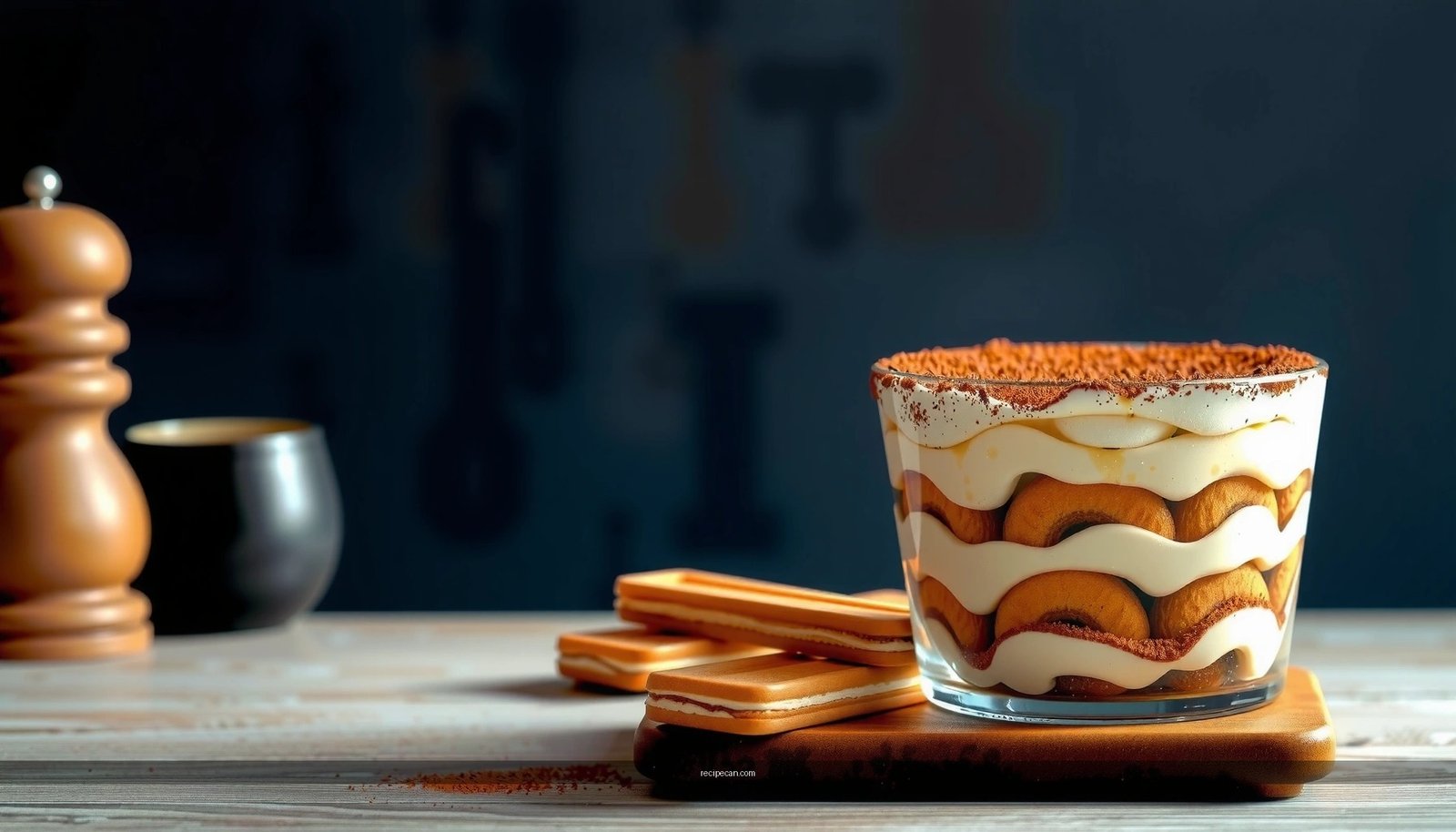
Layering is less about artistry and more about engineering. You’re creating a matrix: coffee-flavored cookies embedded in stable mascarpone.
– First layer: Arrange dipped ladyfingers in a single, even layer. Fill gaps tightly—small gaps let layers collapse more easily.
– Even cream distribution: Spread cream over the first layer with a spatula, aiming for consistent thickness. Uneven cream can cause “leaning” slices.
– Repeat methodically: Dip and place the second layer of ladyfingers, then add another layer of cream. If your dish is deep, use three layers of ladyfingers for better visual height (but maintain similar thickness across layers).
– Clean edges: Finish with a final cream layer. This helps the dessert look polished and makes slicing easier.
Best practice: Dip only what you can layer immediately. The longer dipped ladyfingers sit exposed, the more they soften beyond the intended range.
Chill for the Best Flavor and Texture
Chilling is where tiramisu becomes fully integrated—coffee, cookie, and cream meld into a cohesive dessert.
– Refrigerate at least 4–6 hours: This minimum time sets the structure so the cream firms and the cookies soften to the correct texture.
– For best results, chill overnight: 12–24 hours improves flavor distribution and gives the mascarpone time to harmonize with coffee bitterness and cocoa aroma.
– Dust cocoa right before serving: Cocoa can absorb moisture and lose its bright appearance. Apply a fresh dusting just before guests arrive.
Process timing tip: If you plan to serve the next day, assemble in the evening, chill overnight, and dust in the morning (or right before serving).
Serving and Troubleshooting Tips
Even experienced bakers run into texture issues. The good news: most problems have straightforward fixes.
Serving
– Slice cleanly: Use a sharp knife. Wipe the blade between cuts for neat portions—residue and cream drag can smear layers.
– Portion consistency matters: Keep servings even so the coffee-soak level and cream ratio are balanced across slices.
Troubleshooting
– If it’s runny or soupy:
– Chill longer (often the cream needs time to fully set).
– Check whether your mascarpone was too loose or if you over-diluted.
– Consider using pasteurized eggs or ensuring egg whites (if used) were folded gently.
– If it’s too stiff or dry:
– Your ladyfingers may have been dipped too briefly, or coffee may have been too weak.
– In future batches, increase dip time slightly (still within the 1–2 second window) and use stronger coffee.
– Ensure mascarpone was mixed until smooth but not overworked.
Quality control checkpoint: A well-made tiramisu feels set but tender—the slice holds shape while remaining moist and creamy, never watery.
Tiramisu is ultimately a controlled balance of soaking, cream stability, and chilling time—so when you follow this ladyfingers tiramisu recipe with disciplined coffee dipping, a smooth mascarpone cream method, and a proper overnight chill, the result will slice beautifully and taste truly classic. Make it today, plan to chill overnight if you can, and finish with a final cocoa dusting for the perfect, restaurant-style appearance.
In the end, a perfect ladyfingers tiramisu comes down to precision: cool strong coffee before dipping, whip and fold the mascarpone cream for stability and lightness, layer evenly for clean structure, and chill long enough for the flavors to integrate. Use the troubleshooting guidance if anything is off, and you’ll quickly dial in a reliable method that delivers consistently elegant results.
Frequently Asked Questions
What ingredients do you need for a ladyfingers tiramisu recipe?
A classic ladyfingers tiramisu recipe typically uses ladyfingers (savoiardi), mascarpone cheese, eggs (or egg yolks), sugar, brewed espresso (or strong coffee), and cocoa powder. Many versions also include a splash of coffee liqueur like Amaretto or rum, plus a pinch of salt to balance sweetness. For a foolproof setup, gather both the coffee for soaking and the cocoa for finishing before you start assembling.
How do you prevent ladyfingers from getting soggy in tiramisu?
To avoid soggy ladyfingers tiramisu, dip each cookie quickly—usually 1–3 seconds per side—so they absorb coffee without breaking down. Let the soaked ladyfingers rest briefly on a plate before layering, and use the right amount of moisture in the mascarpone mixture (not too loose). Chilling the assembled tiramisu for at least 4–6 hours helps it set, giving the ladyfingers tiramisu structure instead of turning watery.
Why do you need to chill tiramisu made with ladyfingers?
Chilling allows the flavors in a ladyfingers tiramisu recipe to meld and the mascarpone layer to firm up. It also gives the ladyfingers time to fully hydrate with the coffee, resulting in a clean slice and a creamy texture. If you serve it immediately, the layers may taste good but won’t hold together as well, especially when using softer savoiardi.
Which coffee works best for a ladyfingers tiramisu recipe?
Use freshly brewed espresso or strong, concentrated coffee so the coffee flavor stands up to the sweetness of mascarpone and sugar. If you find espresso too intense, dilute slightly but keep it strong enough to soak ladyfingers without becoming bland. For a deeper profile, consider flavored coffee or a small amount of coffee liqueur, but taste carefully so the tiramisu doesn’t turn overly sweet.
What’s the best way to assemble and layer ladyfingers tiramisu for even results?
Start with a thin base layer of mascarpone, then arrange a single layer of quickly soaked ladyfingers, making sure there are no large gaps. Add another generous layer of mascarpone, then repeat until you reach your desired height, finishing with mascarpone and a dusting of cocoa powder. Use an offset spatula to smooth the layers, and press gently so your ladyfingers tiramisu slices are even and consistent.
References
- Tiramisu
https://en.wikipedia.org/wiki/Tiramisu - Lady finger
https://en.wikipedia.org/wiki/Ladyfinger - Ladyfingers (biscuits)
https://en.wikipedia.org/wiki/Savoiardi - Mascarpone
https://en.wikipedia.org/wiki/Mascarpone - Espresso
https://en.wikipedia.org/wiki/Espresso - https://en.wikipedia.org/wiki/Egg_(food
https://en.wikipedia.org/wiki/Egg_(food - Tiramisu | Meaning, Ingredients, Origin, Desserts, & Taste | Britannica
https://www.britannica.com/topic/tiramisu - Google Scholar Google Scholar
https://scholar.google.com/scholar?q=ladyfingers+tiramisu+recipe - Google Scholar Google Scholar
https://scholar.google.com/scholar?q=savoiardi+ladyfingers+tiramisu - Google Scholar Google Scholar
https://scholar.google.com/scholar?q=mascarpone+tiramisu+food+science