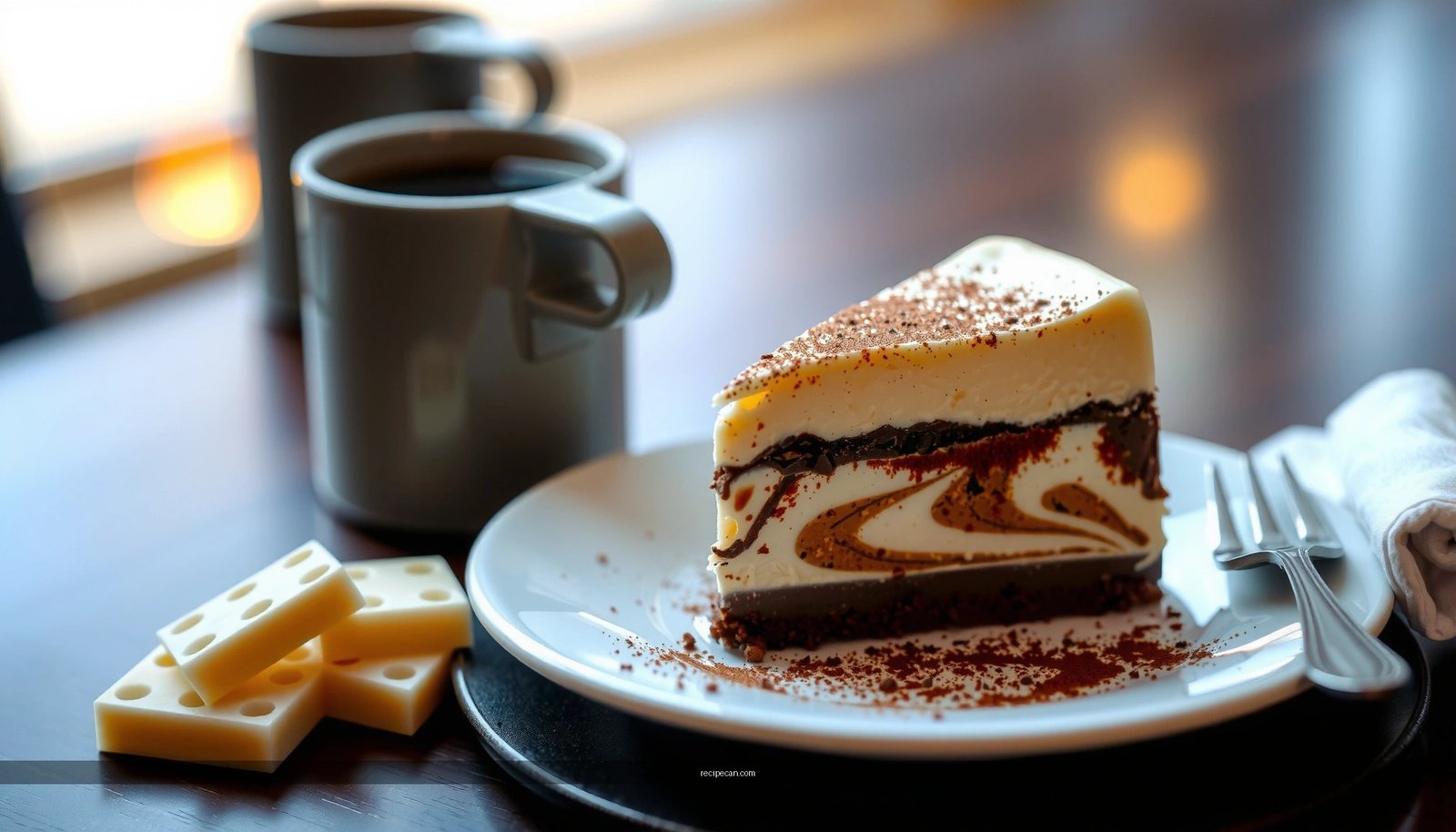
Get the Olive Garden tiramisu dessert recipe you can copy at home: a creamy, layered tiramisu that delivers the restaurant’s signature flavor and texture. This step-by-step guide answers whether you can recreate that rich mascarpone-style filling and coffee-soaked layers without guesswork—and it shows the exact method for getting them right. If you want the closest match in taste and consistency, follow this recipe.
Make Olive Garden tiramisu at home by layering espresso-soaked ladyfingers with a sweet mascarpone cream and finishing with a cocoa dusting—then chilling until set. This copycat tiramisu dessert recipe walks you through the exact build, how long to chill it, and the practical cues that ensure the classic creamy texture and clean slices you expect from the restaurant.
Key Ingredients for Olive Garden Tiramisu
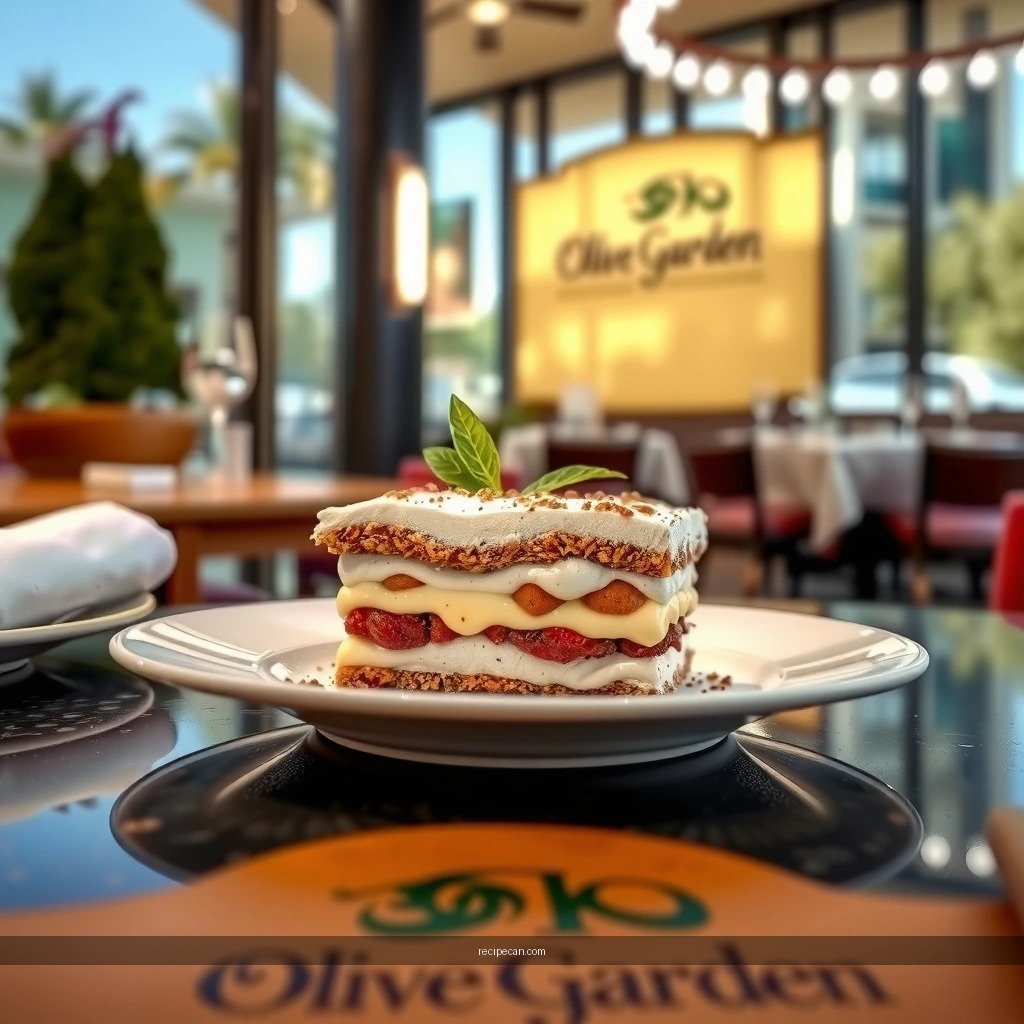
A true tiramisu is more than “coffee dessert”—it’s a controlled balance of creaminess, coffee flavor, and structured layering. The ingredient list below is designed to recreate the restaurant-style mouthfeel while staying realistic for home kitchens.
– Mascarpone, heavy cream, sugar, and vanilla for a rich filling
Mascarpone is the backbone: it’s thick, tangy-sweet, and gives tiramisu its dense-but-silky character. Heavy cream adds lift and softness so the filling doesn’t feel heavy or custard-like. A touch of vanilla rounds out the espresso bitterness.
– Espresso (or strong coffee) plus ladyfingers for the soaked layers
Use espresso for authenticity. If you don’t have an espresso machine, strong brewed coffee works well—just keep it concentrated. Ladyfingers (savoiardi) act like the sponge that absorbs coffee quickly without collapsing.
– Cocoa powder for the signature finish
Cocoa is the final flavor and the visual cue. Dusting right before serving preserves the cocoa’s aroma and prevents it from dissolving into the cream.
Pro tip on sourcing: If you can find *quality* mascarpone (often in cheese cases), you’ll notice the biggest difference in texture. Cheaper mascarpone tends to be looser and can make the filling harder to stabilize.
Tiramisu Layering Benchmarks for Home Copycats
| # | Build Step | Recommended Amount | Why It Matters | Impact Score |
|---|---|---|---|---|
| 1 | Mascarpone + cream ratio | 2:1 by volume | Keeps filling silky but sliceable | ★★★★☆ |
| 2 | Ladyfinger dip time | 1–2 seconds | Prevents watery layers | ★★★★★ |
| 3 | Coffee concentration | ~2× strength | Coffee flavor remains distinct after chilling | ★★★★☆ |
| 4 | Cream whipping target | Soft peaks | Light texture without graininess | ★★★★☆ |
| 5 | Layer thickness (cream) | ~1 cm per layer | Balanced proportion of cream to sponge | ★★★☆☆ |
| 6 | Chill minimum | 4–6 hours | Sets filling for clean slices | ★★★★☆ |
| 7 | Cocoa timing | Right before serving | Preserves aroma and prevents moisture bleed | ★★☆☆☆ |
Step-by-Step: Build the Tiramisu Layers
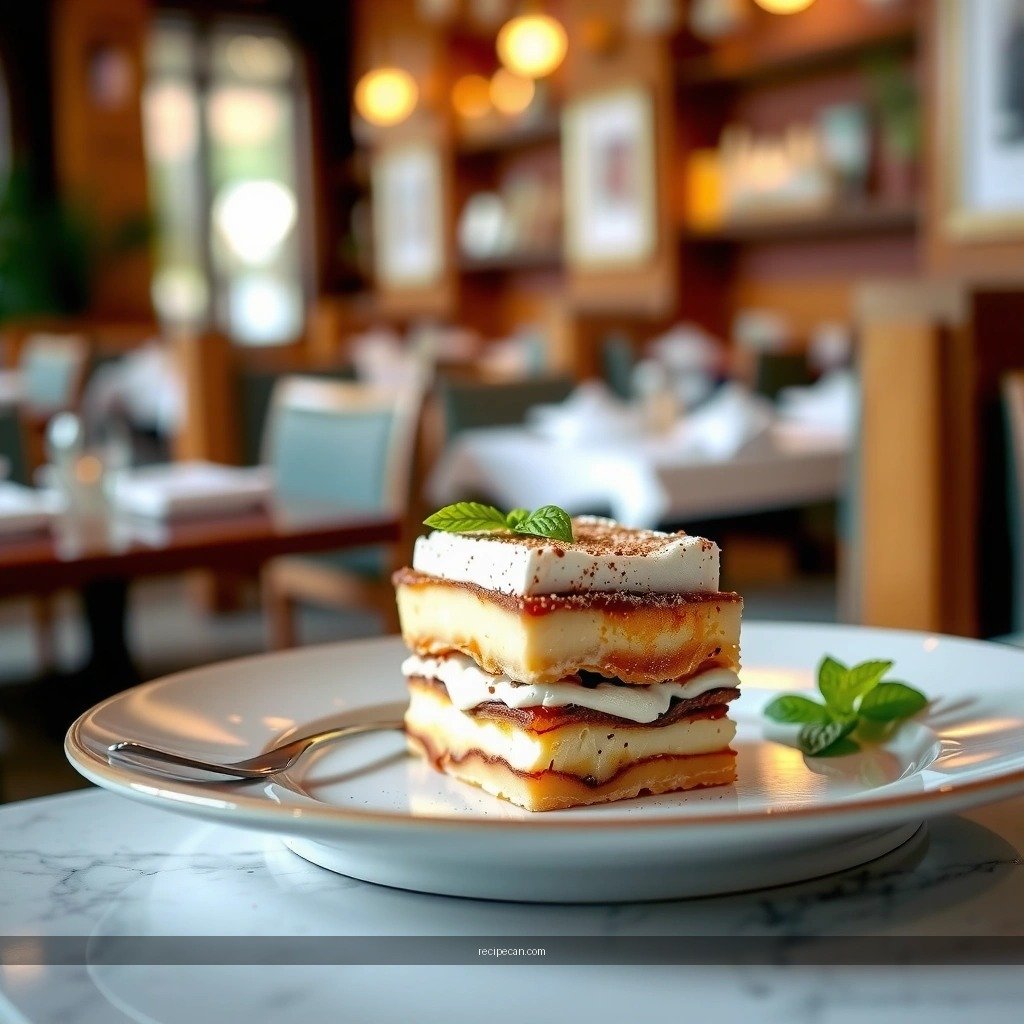
Tiramisu looks effortless, but the assembly is where most “home copycat” attempts either succeed—or turn watery. Think of this as two synchronized systems: quick coffee absorption and stable cream structure.
– Dip ladyfingers quickly in espresso and layer evenly in your dish
Work one ladyfinger at a time. Dip each into cooled espresso for about 1–2 seconds—you want it moistened, not saturated. Lay them in a single, even layer so every bite contains coffee-soaked sponge rather than dry edges or puddles.
– Spread mascarpone cream in thick, smooth layers for balanced texture
Spoon the mascarpone mixture onto the ladyfingers and spread with a spatula. Aim for a thickness that fully covers the sponge; uneven cream leads to inconsistent slice texture. Smooth the top layer because it affects how the final cocoa dusting settles.
– Repeat layers and finish with cocoa powder
Add a second ladyfinger layer, then the remaining cream. Finish by dusting cocoa powder lightly but thoroughly. If your crowd likes stronger cocoa, you can add an extra dusting after the first layer sets for a few minutes.
Analytical cue: If you see pooled espresso at the bottom of the dish after chilling, it usually means over-dipping (too long in coffee) or cutting ladyfingers unevenly so they tear and leak.
Get the Creamy Texture Right
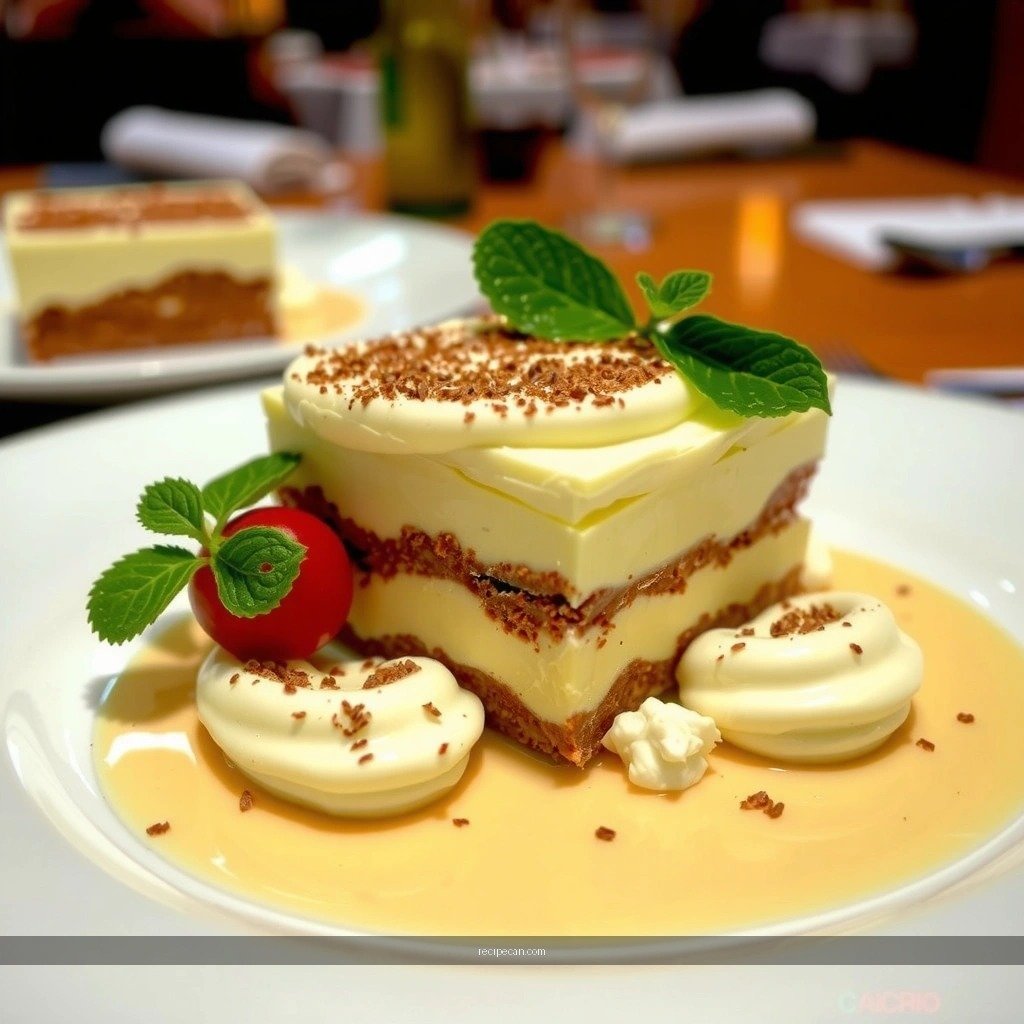
Restaurant-style tiramisu relies on a cream that’s light enough to be airy, but structured enough to slice. Achieving that texture is mostly technique, not ingredient substitution.
– Whip the cream to soft peaks before folding into mascarpone
Soft peaks give you volume and a smoother mouthfeel. If you whip to stiff peaks, the filling can become dense and may separate slightly when folded.
– Fold gently to keep the filling light and airy
Fold until the mixture is uniform, but stop before you overmix. Overmixing collapses air bubbles and can make mascarpone-based filling feel heavy. Use a spatula and slow strokes around the bowl edges.
– Chill until set for clean slices and best flavor
Chilling is not just “holding”—it’s what melds espresso flavor into the sponge and lets the cream firm up. Most home bakers underestimate time here. Overnight chilling typically produces the most cohesive, classic slice.
Serving expectation: Properly chilled tiramisu should hold its shape when spooned, with layers visible and cocoa sitting on top rather than soaking downward.
Best Espresso and Flavor Tips
Coffee is the dominant flavor signal in tiramisu. The goal isn’t “strong coffee” as in bitterness—it’s noticeable coffee depth without turning the dessert harsh.
– Use cooled, strong espresso so the cookies don’t get soggy
Warm espresso can continue cooking and soften ladyfingers too quickly. Let it cool to room temperature (or slightly cool) before dipping.
– Add a touch of coffee flavor (or espresso powder) if desired
If you want a more pronounced café-style profile, add a small amount of espresso powder to the filling or blend a portion into the espresso soaking liquid. Start small—tiramisu should taste creamy and sweet, not like straight coffee.
– Keep the sweetness balanced so the coffee notes stand out
Many homemade versions taste “too sweet,” which mutes the espresso. Taste your cream mixture before assembling: it should be sweet and vanilla-forward, with coffee bitterness held in check rather than erased.
Practical flavor balance: If your espresso tastes sharp, reduce the soaking time rather than adding more sugar. Shorter dipping preserves softness while keeping coffee notes intact.
Chilling, Serving, and Storage
Once assembled, tiramisu behaves like a layered mousse—time and temperature matter. Treat it like a chilled dessert, not a “set and forget” pudding.
– Refrigerate at least 4–6 hours (overnight is even better)
Minimum chilling firms the cream and gives you sliceable texture. Overnight often improves integration: espresso flavor disperses more evenly through the ladyfingers.
– Serve cold for the most classic tiramisu taste and texture
Serve directly from the fridge. If it warms too much, the filling can soften and the layers blur.
– Store covered in the fridge for up to 2–3 days
Keep it covered to prevent fridge odors from absorbing into the cream and sponge. For best quality, add or refresh cocoa just before serving day-after-day.
Quality note: While tiramisu can be stored for a few days, the ladyfingers will gradually absorb more moisture—flavor can deepen, but the structure may soften slightly by day three.
Common Mistakes to Avoid
Copycat success is mostly avoiding predictable failure points. These mistakes are common precisely because they seem minor while you’re assembling.
– Over-soaking ladyfingers, which can make the tiramisu watery
Watch the dip time. If the ladyfinger looks saturated or bends excessively after dipping, you’re soaking too long. Aim for quick contact only.
– Overmixing mascarpone, which can turn the filling dense
When folding, stop once the mixture looks cohesive. The more you mix after combining, the more you risk losing the airy texture.
– Not chilling long enough for proper setting
If slices slump, chill longer. Under-set tiramisu isn’t “bad”—it just isn’t ready. Refrigeration is part of the recipe, not an optional step.
Quick diagnostic: If your top layer looks runny after chilling, it’s usually either over-dipped sponge releasing liquid or overmixed filling losing structure.
Toss this olive garden tiramisu dessert recipe together by focusing on quick dipping, properly whipped-and-folded mascarpone cream, and a well-chilled assembly. Chill it overnight if you can, dust with cocoa right before serving, and you’ll get that classic creamy, layered restaurant vibe at home. Make a batch this week, serve it cold with an extra cocoa dusting, and share your results (and slices) with family and friends.
When you nail the dip time, whip-to-soft-peaks texture, and the overnight chill, tiramisu becomes one of the most reliably impressive desserts you can make—rich, coffee-forward, and beautifully sliceable every time.
Frequently Asked Questions
What is Olive Garden tiramisu and what makes it taste like the restaurant version?
Olive Garden tiramisu is a layered Italian-style dessert made with mascarpone (or a mascarpone-like cream), espresso-soaked ladyfingers, and a dusting of cocoa powder. The classic flavor comes from the balance of creamy mascarpone, bold coffee, and a light, airy sweetness in each bite. Many recipes aim to match the restaurant taste by using strong brewed espresso and folding the cream until smooth for a silky texture.
How do you make an Olive Garden tiramisu dessert at home without lumps?
Start by letting mascarpone come to room temperature so it blends easily with sugar and whipped cream. If you’re using dairy or sweetened cream, beat just until smooth—overmixing can cause a grainy texture. For the coffee layer, soak ladyfingers quickly so they don’t become gummy, and spread the mascarpone mixture evenly to create the signature tiramisu layers.
Why does tiramisu sometimes get watery, and how can you prevent it?
Watery tiramisu usually happens when ladyfingers soak too long or when the mascarpone mixture is too thin from warm ingredients. Use freshly brewed espresso (cooled slightly) and dip the ladyfingers briefly—just enough for flavor, not saturation. Also chill the assembled tiramisu for several hours so the layers set, which helps the dessert hold its shape like Olive Garden tiramisu.
What’s the best coffee to use for an Olive Garden tiramisu recipe?
The best coffee for tiramisu is espresso or strong coffee brewed to a concentrated flavor, since it stands up against the creamy mascarpone. If you don’t have an espresso machine, use a very strong dark roast and brew it more concentrated than usual. Cool the coffee before layering so it doesn’t melt the cream, keeping the tiramisu dessert texture smooth and creamy.
Which ingredients should you substitute if you can’t find mascarpone for Olive Garden tiramisu?
If mascarpone is hard to find, a good substitute is cream cheese softened and beaten smooth, though you may need a touch more sweetness to match the flavor. Another option is a mascarpone-style blend from the dairy aisle, or using Greek yogurt mixed with cream for a tangier profile. Keep the texture in mind—tiramisu relies on a thick, spreadable cream—so choose substitutions that whip well and hold their shape when layered.
References
- Tiramisu
https://en.wikipedia.org/wiki/Tiramisu - Tiramisu | Meaning, Ingredients, Origin, Desserts, & Taste | Britannica
https://www.britannica.com/topic/tiramisu - Mascarpone
https://en.wikipedia.org/wiki/Mascarpone - Lady finger
https://en.wikipedia.org/wiki/Ladyfinger - Espresso
https://en.wikipedia.org/wiki/Espresso - Marsala
https://en.wikipedia.org/wiki/Marsala - Google Scholar Google Scholar
https://scholar.google.com/scholar?q=Olive+Garden+tiramisu+recipe - Google Scholar Google Scholar
https://scholar.google.com/scholar?q=tiramisu+recipe+mascarpone+espresso+ladyfingers - Google Scholar Google Scholar
https://scholar.google.com/scholar?q=food+science+tiramisu+eggs+custard+stability - Google Scholar Google Scholar
https://scholar.google.com/scholar?q=olive+garden+tiramisu+dessert+recipe