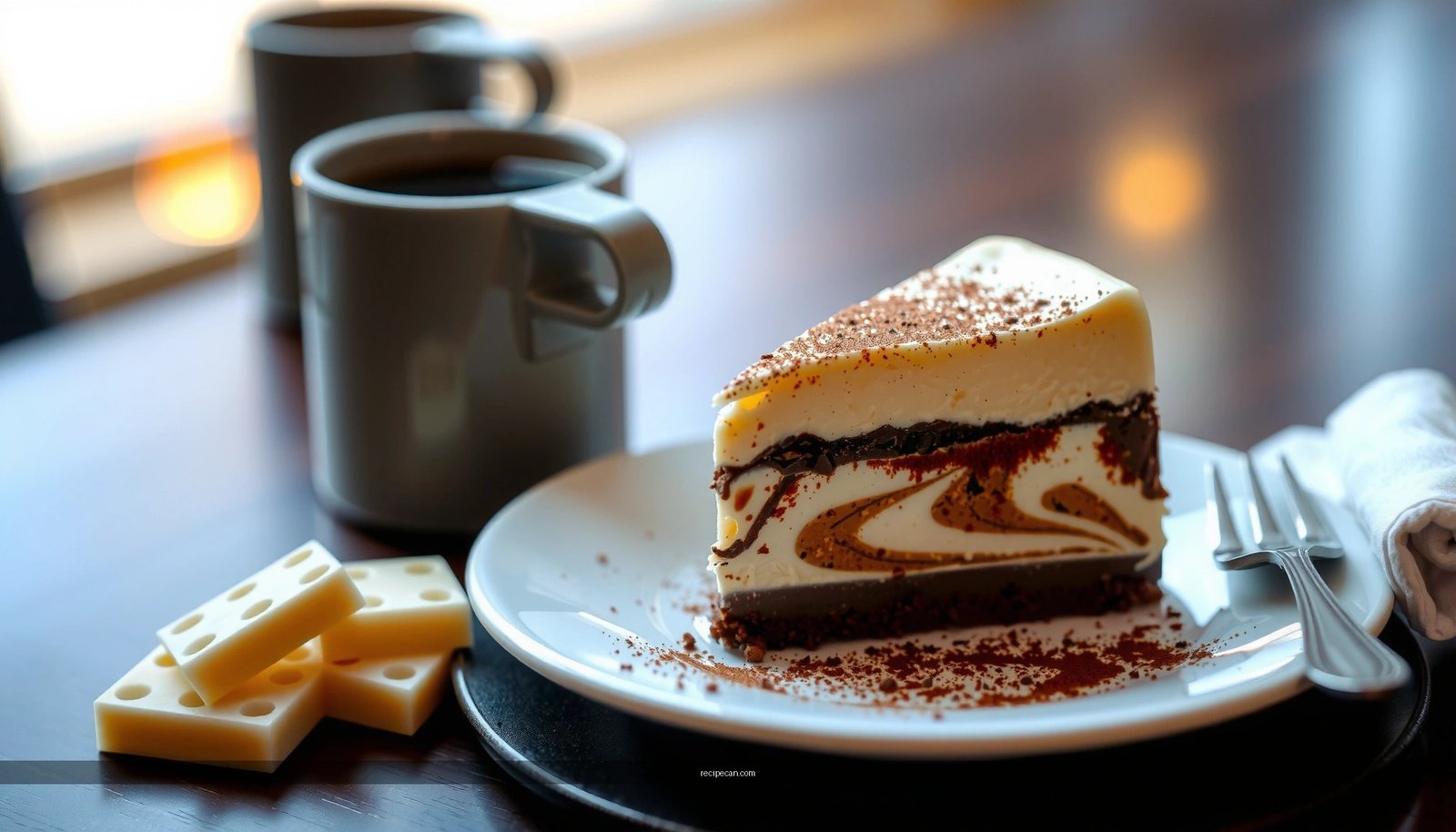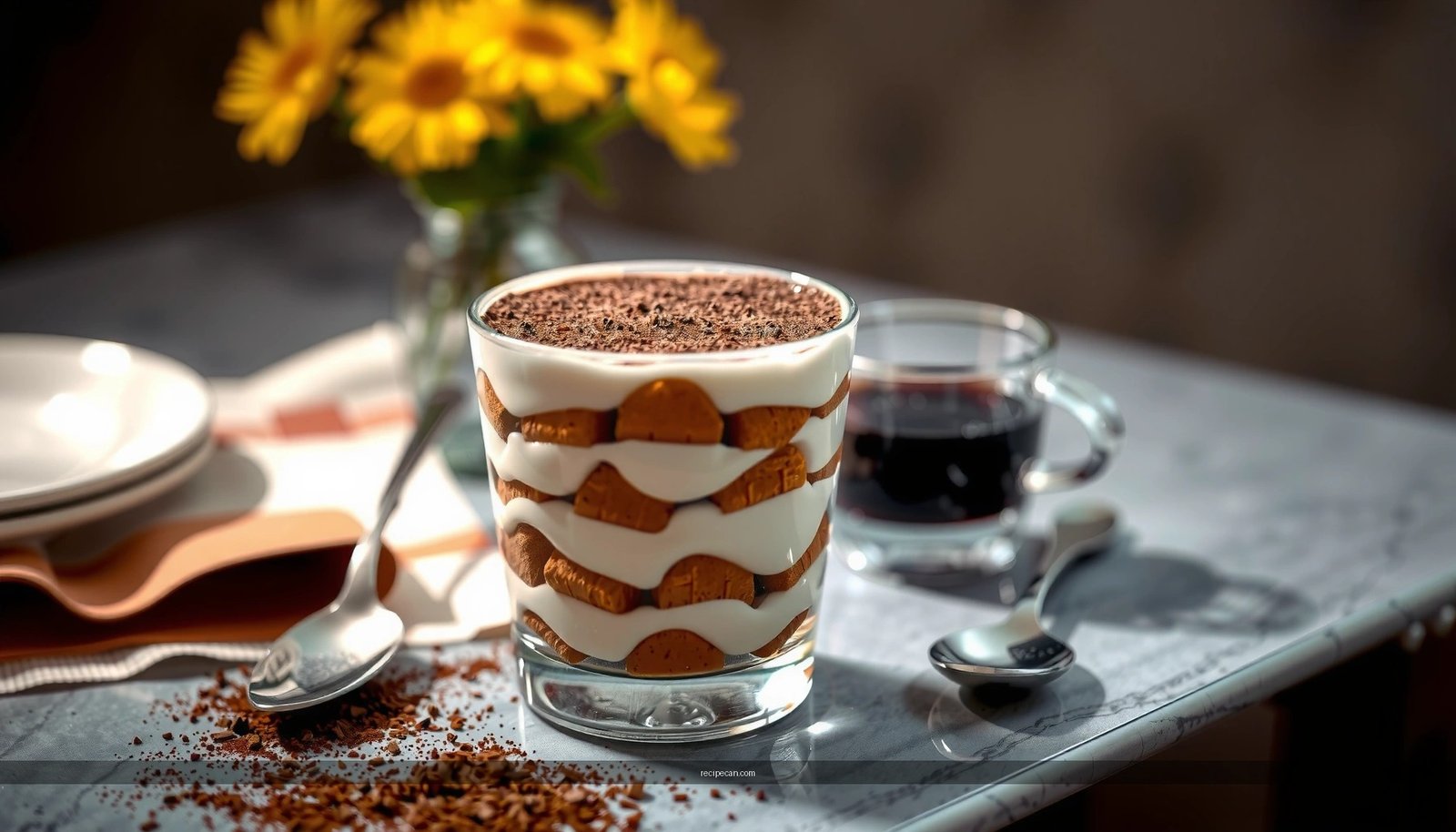
Looking for Jamie Oliver’s tiramisu recipe with easy, classic steps? This guide delivers the winner: a straightforward method that gives you a proper coffee-soaked, mascarpone-rich tiramisu without guesswork. If you want the cleanest path to restaurant-style results at home, follow these exact instructions and you’ll nail the finish every time.
Jamie Oliver tiramisu is one of the easiest ways to make a classic, spoonable Italian dessert at home: prioritize a smooth mascarpone-egg cream, quick espresso-soaked ladyfingers, and a long enough chill so the layers set. If you follow the steps below closely—plus the timing and texture tips—you’ll avoid the two most common failures (watery soak and soft, unset layers) while getting the authentic balance of coffee bitterness and creamy sweetness.
Ingredients You’ll Need

A foolproof tiramisu starts with the right ingredients and the right behavior from them. The goal isn’t to “cook” anything heavily—it’s to combine fresh, stable cream with coffee-soaked layers that hold their structure after chilling.
Core ingredients for the creamy base and flavor
– Mascarpone: Use full-fat mascarpone for a thick, rich mouthfeel. It whips and folds best when it’s not fridge-frozen (room temperature helps, but you don’t want it warm).
– Eggs: The egg mixture gives body and lightness. For food safety and best results, use fresh eggs and, if you prefer, consider pasteurized eggs.
– Sugar: Sweetens and helps stabilize the egg mixture.
– Espresso (or strong coffee): Brew it strong and let it cool slightly so it doesn’t melt the cream or over-saturate the ladyfingers.
Layering ingredients
– Ladyfingers (savoiardi) or similar biscuits: These are the classic sponge biscuits designed to absorb coffee quickly. If you substitute another biscuit, pick one that doesn’t crumble easily.
Optional but common enhancements (keep them restrained)
– Cocoa powder for finishing (unsweetened): Adds bitterness and the “classic” tiramisu look.
– A splash of Marsala or dark rum (optional): Many cooks add a small amount to the coffee for aroma, but don’t overpower the espresso character.
– Vanilla or espresso powder (optional): Use only if you want a modern twist; the recipe is classic without it.
The “Jamie Oliver style” approach is about simplicity: use quality mascarpone and strong espresso, assemble cleanly, and then let refrigeration do the setting work.
Tiramisu Layering: Cream vs. Soak Time Guidance (Practical Home Range)
| # | Tiramisu Component | Recommended Range | What It Controls | Impact on Texture |
|---|---|---|---|---|
| 1 | Espresso cooling before dipping | 10–15 minutes | Prevents melting/bleeding | + Stable layers |
| 2 | Ladyfinger dip time | 1–2 seconds per side | Coffee strength vs. sogginess | + Spoonable firmness |
| 3 | Cream fold thickness check | Visually holds ridges ~10–15 min | Ensures airy, stable mascarpone | + Lighter mouthfeel |
| 4 | Layer assembly pace | ~15–25 minutes total | Cream temperature control | + Clean edges |
| 5 | Minimum chill to set | 4 hours | Coagulation + moisture redistribution | — Likely soft |
| 6 | Ideal chill window | 8–12 hours | Best spoonable texture | + Classic slice |
| 7 | Topping timing (cocoa) | Right before serving | Prevents cocoa melt/absorption | + Visual finish |
Make the Tiramisu Cream

The cream is where most “easy tiramisu” versions succeed—or fail. You want a mascarpone-egg base that is silky, stable, and not grainy.
1) Whisk the egg mixture until smooth and properly aerated
– Start by whisking eggs with sugar until the mixture looks paler and slightly thicker.
– Aeration matters: it gives the cream a lighter structure and helps it hold after chilling.
– Avoid rushing—if the sugar hasn’t dissolved, you’ll get a slightly sandy texture.
2) Fold mascarpone gently to keep the texture light and creamy
– Add mascarpone gradually and fold rather than beat hard.
– Folding preserves air; aggressive mixing can deflate the mixture, leaving you with a heavier cream that doesn’t set as nicely.
– If your mascarpone is too cold and resists blending, let it sit at room temperature briefly (a few minutes), then continue folding.
Quality check you can use mid-process
– The cream should look glossy and thick enough to coat a spoon.
– If it looks runny, you may have overmixed the eggs before adding mascarpone or your mascarpone was very warm; chill the cream briefly (10–15 minutes) before assembling.
Prepare the Coffee Soak
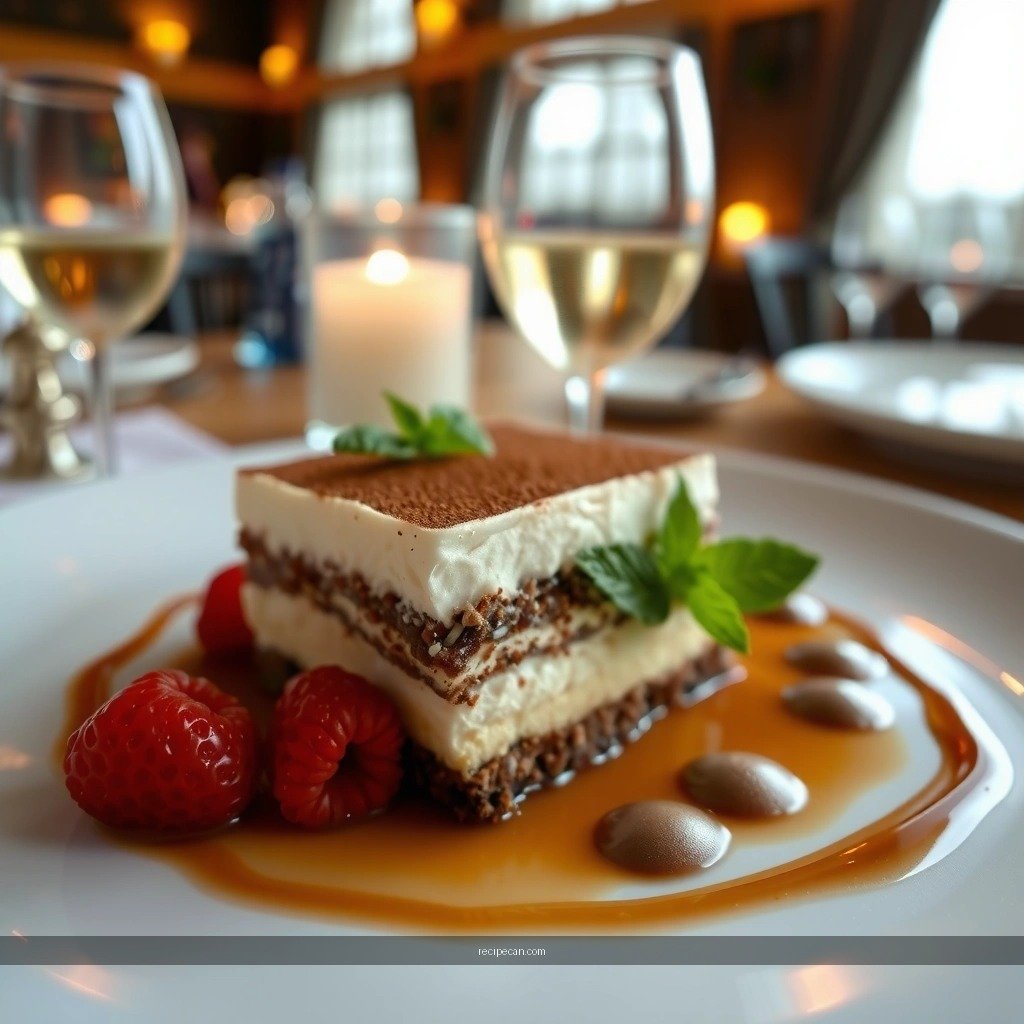
Tiramisu is not meant to be drenched; it’s meant to be flavored. Coffee soak time is the hidden variable behind “watery” or “perfectly spoonable.”
1) Brew strong espresso (or coffee) and let it cool slightly
– Strong coffee extracts more flavor even with fast dipping.
– Cooling prevents the ladyfingers from becoming too fragile and prevents heat from affecting the cream.
2) Dip ladyfingers quickly to avoid sogginess while still flavoring them
– Dip briefly—think 1–2 seconds per side—then place immediately on the serving dish.
– If the ladyfingers are very dry, you may go toward the upper end of the range, but avoid soaking long enough that they collapse.
– For consistent results, keep your espresso in a shallow dish for quick dipping.
Pro tip for uniform flavor
– Work in batches: dip, place, then move on. This maintains a consistent soak and prevents the first dipped pieces from drying before the cream goes on.
Assemble the Layers
Layering controls both the structure and the taste distribution. A clean assembly also makes portions more precise and reduces puddling.
1) Layer soaked ladyfingers with mascarpone cream for even coverage
– Use a thin but even layer of cream between ladyfingers so every bite contains coffee and cream.
– Don’t overfill the dish with cream; you want balance, not “cream mountain” density that can separate when chilled.
2) Repeat until you reach the top, finishing with cream
– Typical structure is two to three ladyfinger layers depending on your dish depth.
– Finish with cream on top and smooth it gently for a professional appearance.
Handling strategy to avoid breakage
– Place ladyfingers carefully; don’t press hard into the cream. Light contact is enough—the chilling process will do the final set.
Chill for the Best Texture
Chilling is not optional—it’s the part that transforms “assembled dessert” into tiramisu. Eggs and moisture redistribute as it cools, and the flavors meld.
1) Refrigerate for several hours (ideally overnight) to set the layers
– Aim for 8–12 hours if you want the classic slice and clean spoon.
– If you only chill for a short time, you risk a soft center and blurred layers.
2) Keep it covered to prevent absorbing fridge odors
– Tiramisu can pick up strong refrigerator smells.
– Cover with cling film or a lid before placing it in the fridge, especially if your fridge contains garlic, onions, or strong cheeses.
When to add the cocoa
– Add cocoa powder right before serving for the best color and flavor.
– If you add it too early, it can dissolve slightly and look uneven.
Common Mistakes to Avoid
If you want a “James Oliver–level” reliable result, avoid these predictable errors that affect texture and flavor.
– Over-soaking ladyfingers, which can make the tiramisu watery
– Symptom: pooling coffee liquid around edges or a loose, soggy bottom layer.
– Fix next time: reduce dip time, cool espresso more, and avoid pressing ladyfingers into cream.
– Not chilling long enough, preventing the dessert from setting properly
– Symptom: cream feels loose, spoon slides, layers blend instead of holding.
– Fix next time: refrigerate at least 8 hours and keep the dessert covered.
– Whisking eggs too briefly
– Symptom: graininess or weak structure.
– Fix next time: whisk until pale and slightly thick; ensure sugar dissolves.
– Overmixing mascarpone aggressively
– Symptom: dense or separated cream.
– Fix next time: fold gently until just combined and stop before the mixture loosens.
– Using weak or lukewarm coffee
– Symptom: flavor is flat and sweetness dominates.
– Fix next time: brew stronger espresso/coffee and cool it before dipping.
What “Jamie Oliver Tiramisu” Gets Right (and Why It Works)
Jamie Oliver tiramisu recipe comes down to three things: great mascarpone cream, quick coffee-soaking, and enough chilling time for perfect layers. His general approach aligns with how classic Italian tiramisu behaves on the plate: the cream must be stable before layering, the coffee must flavor rather than drown, and refrigeration must be long enough for the dessert to set and meld.
Use the steps here as a structured workflow:
1) Build a smooth, aerated cream.
2) Dip ladyfingers briefly and consistently.
3) Assemble cleanly with even cream distribution.
4) Chill long enough to lock in texture.
5) Finish with cocoa only when serving.
If you want to fine-tune sweetness, the easiest adjustment is to taste the espresso after cooling and decide whether to slightly reduce sugar in the egg mixture or choose a less sweet ladyfinger brand. Either way, your first priority remains the same: correct soak and sufficient chilling.
If you try it, taste and adjust sweetness next time—and consider sharing your result!
Tiramisu is at its best when it’s made with control, not speed: focus on smooth mascarpone cream, fast espresso dipping, and an overnight chill for a spoonable, classic finish. Follow the outlined steps and timing guidance, avoid the common mistakes, and you’ll consistently produce a dessert with clean layers, balanced coffee flavor, and the creamy texture that makes tiramisu a modern classic.
Frequently Asked Questions
What is Jamie Oliver’s tiramisu recipe and what ingredients do I need?
Jamie Oliver’s tiramisu recipe focuses on classic layers of mascarpone, espresso-soaked sponge fingers (or ladyfingers), and cocoa dusting. You’ll typically need mascarpone, eggs (often separated), sugar, strong espresso or coffee, savoiardi/sponge fingers, and cocoa powder. Many versions also include a splash of coffee liqueur, but you can omit it for a kid-friendly tiramisu.
How do you make Jamie Oliver tiramisu without curdling the mascarpone mixture?
To avoid curdling, whisk the egg components gently and only combine them with mascarpone when the other mixture is cool and not hot. If you’re using separated eggs, fold the whipped whites into the mascarpone base gradually rather than stirring aggressively. Chill the tiramisu after assembling—this helps the texture set and improves the flavor blend.
Why is my tiramisu watery, and how can I fix it using Jamie Oliver’s method?
Watery tiramisu usually comes from soaking the sponge fingers too long or using espresso that’s too warm and too much liquid. Dip the savoiardi quickly—just enough to coat—then layer immediately to prevent excess absorption. If yours is already loose, chilling for several hours (ideally overnight) often firms it up; you can also serve it slightly thicker by using fewer soak-dips next time.
What’s the best way to layer Jamie Oliver tiramisu so it slices cleanly?
For clean slices, spread each mascarpone layer evenly and keep the sponge fingers in a consistent thickness so the layers compress uniformly. Use a dish with straight sides, then press very lightly when assembling—don’t pack the tiramisu tightly. Chill for at least 4–6 hours, as Jamie Oliver tiramisu benefits from proper setting before you cut and serve.
Which coffee should I use for Jamie Oliver tiramisu—espresso, instant coffee, or something else?
Jamie Oliver tiramisu works best with strong coffee flavor, so espresso is a popular choice because it’s concentrated and not diluted. If you don’t have an espresso machine, use very strong brewed coffee or instant espresso/coffee made with less water to keep it punchy. Let the coffee cool before dipping the sponge fingers so you don’t accidentally soften them too much.
References
- Google Scholar Google Scholar
https://scholar.google.com/scholar?q=Jamie+Oliver+tiramisu+recipe - Google Scholar Google Scholar
https://scholar.google.com/scholar?q=tiramisu+recipe+mascarpone+egg+safety - Google Scholar Google Scholar
https://scholar.google.com/scholar?q=traditional+tiramisu+ingredients+history+recipe - Tiramisu
https://en.wikipedia.org/wiki/Tiramisu - Tiramisu | Meaning, Ingredients, Origin, Desserts, & Taste | Britannica
https://www.britannica.com/topic/tiramisu - Good Food
https://www.bbcgoodfood.com/search?q=tiramisu - Search Thousands of Recipes – NYT Cooking
https://cooking.nytimes.com/search?q=tiramisu - https://www.cdc.gov/foodsafety/keep-food-safe.html
https://www.cdc.gov/foodsafety/keep-food-safe.html - Eggs | Food Safety and Inspection Service
https://www.fsis.usda.gov/food-safety/safe-food-handling-and-preparation/eggs - Google Scholar Google Scholar
https://scholar.google.com/scholar?q=jamie+oliver+tiramisu+recipe