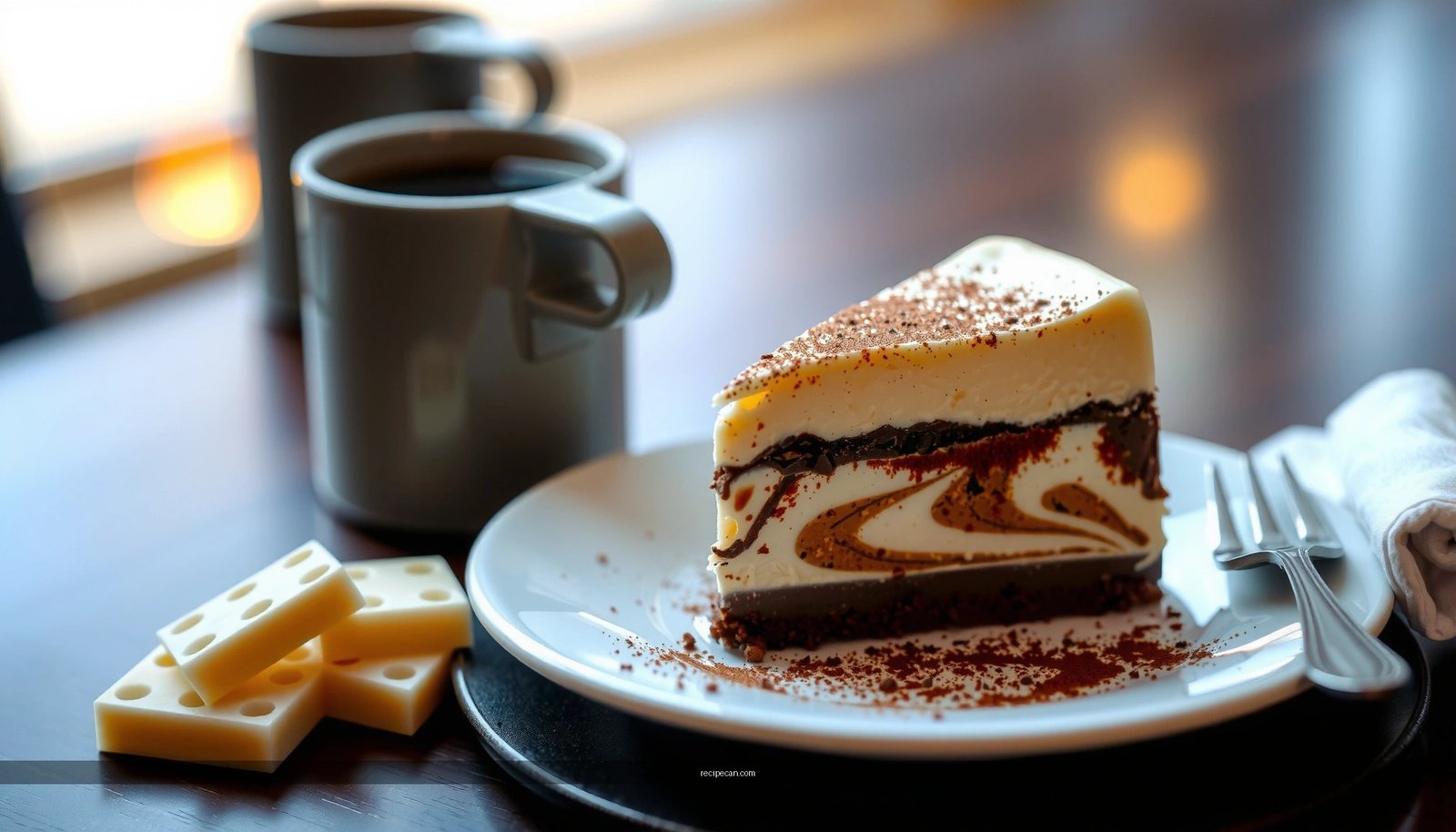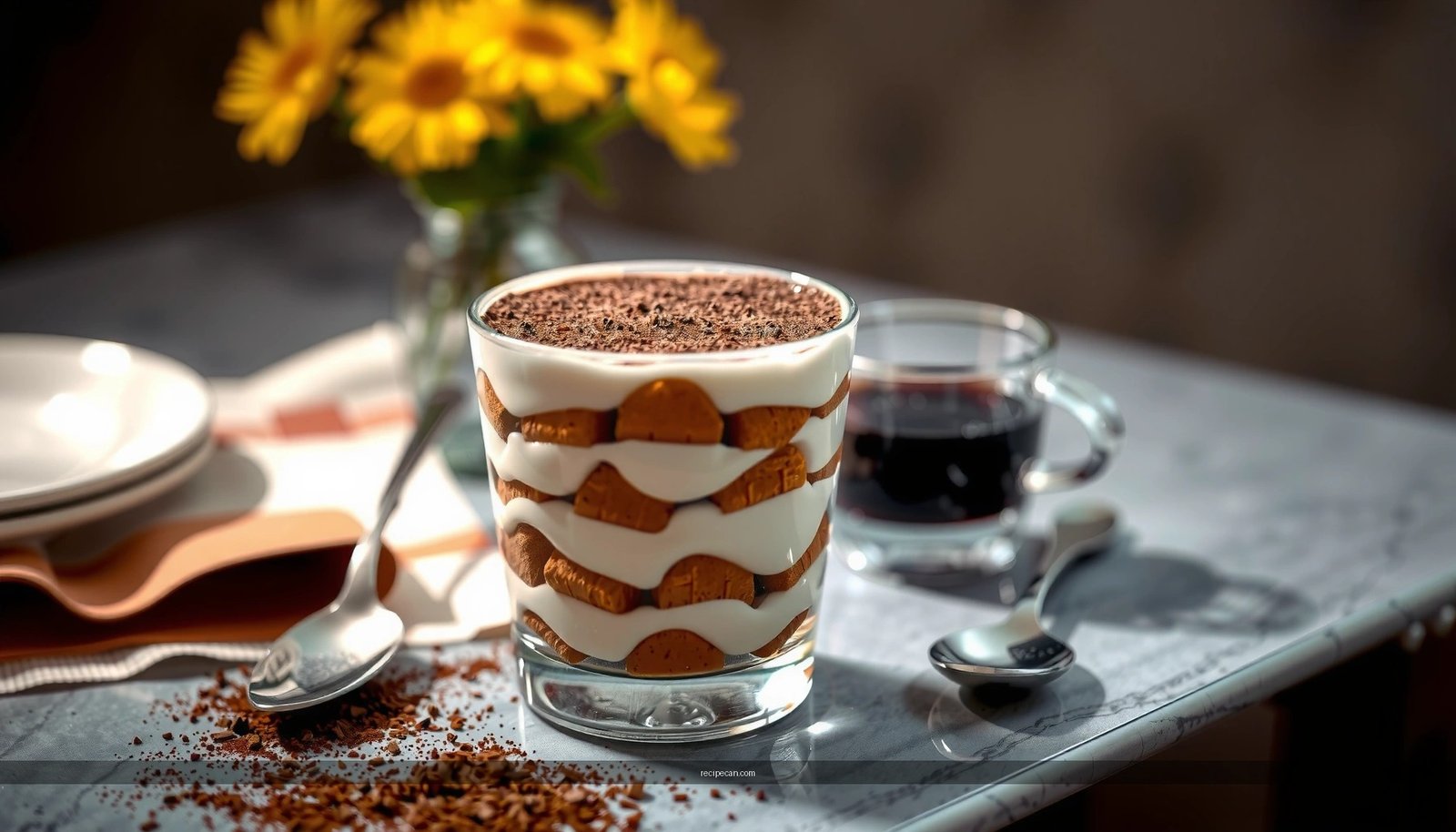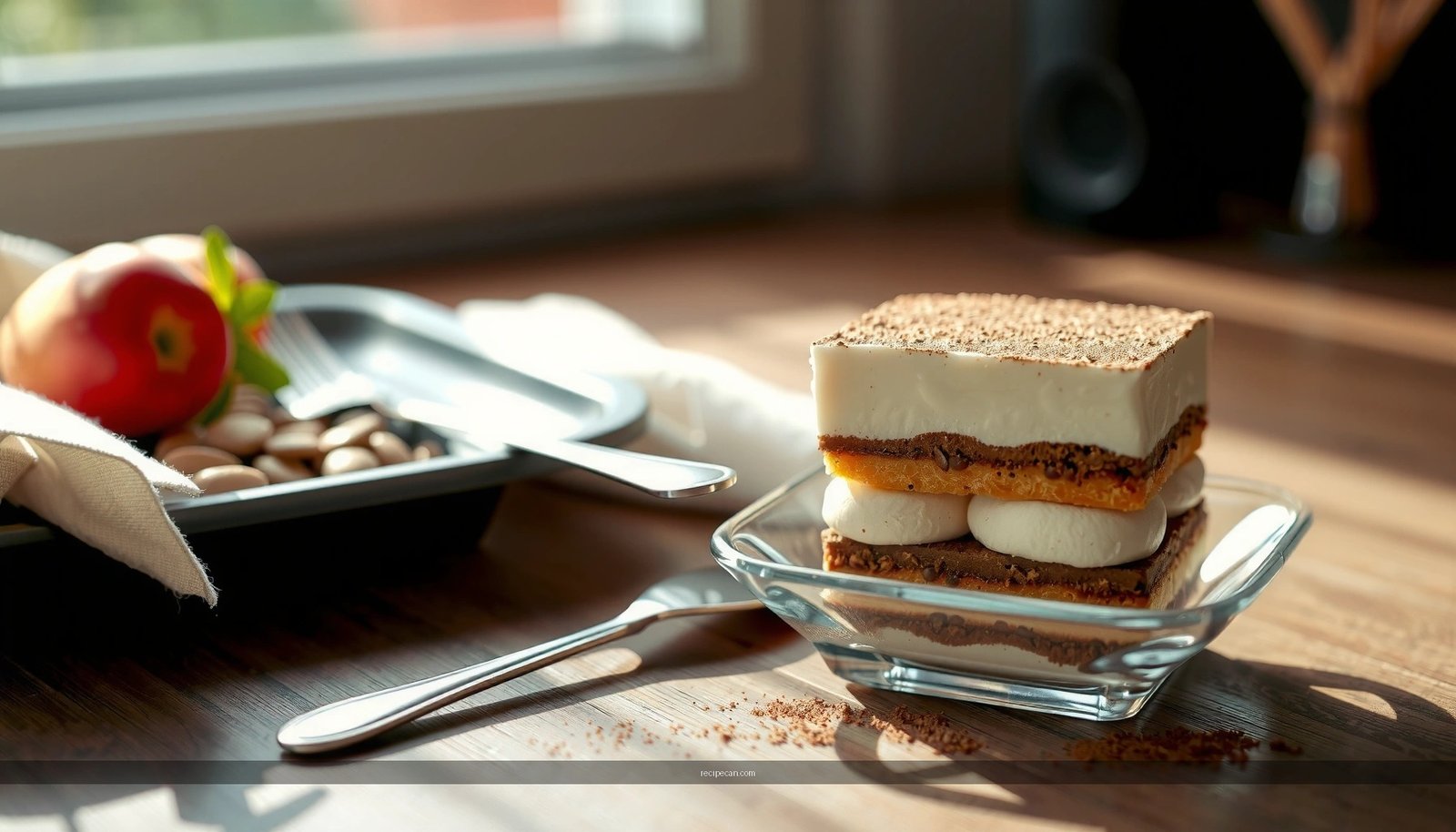
This best tiramisu recipe ever delivers the one outcome most people want: a creamy, coffee-soaked tiramisu that sets up perfectly without fuss. You’ll get an easy method that balances espresso intensity with a rich mascarpone filling, so every layer tastes bold and cohesive. If you’re searching for the winning version—smooth, not runny, and deeply coffee-forward—this is the recipe to follow.
This is the best tiramisu recipe ever because it locks in a creamy mascarpone texture, uses bold coffee at the right temperature, and dips ladyfingers only long enough to soak without turning soggy. If you follow the step-by-step method below—smooth cream, properly cooled espresso, quick assembly, and sufficient chilling—you’ll get a classic Italian-style tiramisu that slices cleanly and tastes bakery-fresh.
Ingredients for the Best Tiramisu Recipe Ever
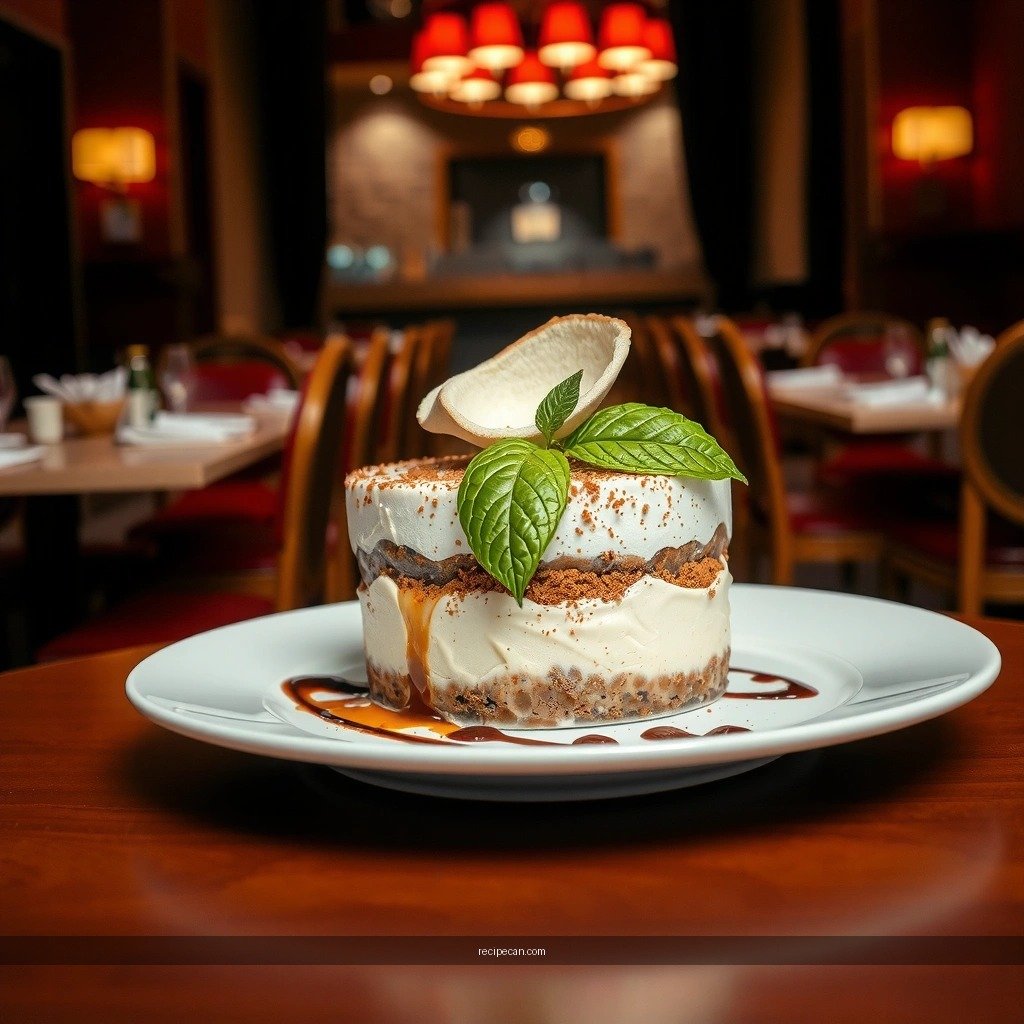
To make tiramisu that tastes truly “right,” focus on quality ingredients and a balanced structure: creamy mascarpone, strong espresso (or concentrated coffee), and ladyfingers that provide structure without excess moisture.
– Mascarpone cheese: the foundation of the cream layer. Choose a reputable brand for consistent thickness.
– Espresso or strong coffee: for authentic tiramisu flavor. Use freshly brewed coffee if possible.
– Ladyfingers (savoiardi): the sponge base. Classic tiramisu depends on their absorbency.
– Eggs (classic option) OR egg-free option: eggs help stabilize and lighten the cream.
– Sugar: for sweetening both the cream and—optionally—the coffee soak.
– Unsweetened cocoa powder: finish for that bitter-sweet chocolate aroma and visual contrast.
– Vanilla: use high-quality vanilla extract for warmth that complements coffee.
– Optional liquor (such as Marsala or dark rum): small amounts deepen aroma without making the dessert “boozy.”
Flavor and performance tips
– Vanilla matters more than you think: tiramisu cream is simple, so vanilla quality becomes noticeable.
– Cocoa choice affects the finish: choose unsweetened Dutch-process or natural cocoa depending on your preference; either works, but Dutch-process tends to taste smoother and darker.
– Temperature is an ingredient: cold mascarpone whips differently than room-temperature mascarpone—keep ingredients in a controlled range for a smooth texture.
Coffee Strength Guide for Tiramisu (Brew-to-Soak Target)
| ID | Brew Method | Typical Dose | Strength Rating | Best Use in Tiramisu |
|---|---|---|---|---|
| 1 | Espresso (single shot) | ~7 g coffee | ★★★★★ | Top flavor |
| 2 | Moka pot espresso-style | ~60–90 g/L | ★★★★☆ | Even soak |
| 3 | AeroPress “strong” | ~15 g / 200 g | ★★★★☆ | Reliable strength |
| 4 | Brewed coffee, extra concentrate | 1:8 to 1:10 | ★★★☆☆ | Needs quick dip control |
| 5 | Cold brew (unsweetened, concentrated) | ~1:4 to 1:5 | ★★★☆☆ | Soak may taste milder |
| 6 | Instant espresso reconstituted | 1–2 tsp per 2/3 cup | ★★☆☆☆ | Workable in a pinch |
| 7 | Regular drip coffee (standard strength) | ~1:15 to 1:17 | ★☆☆☆☆ | Often tastes underpowered |
Make the Cream Layer (No Grainy Mascarpone)
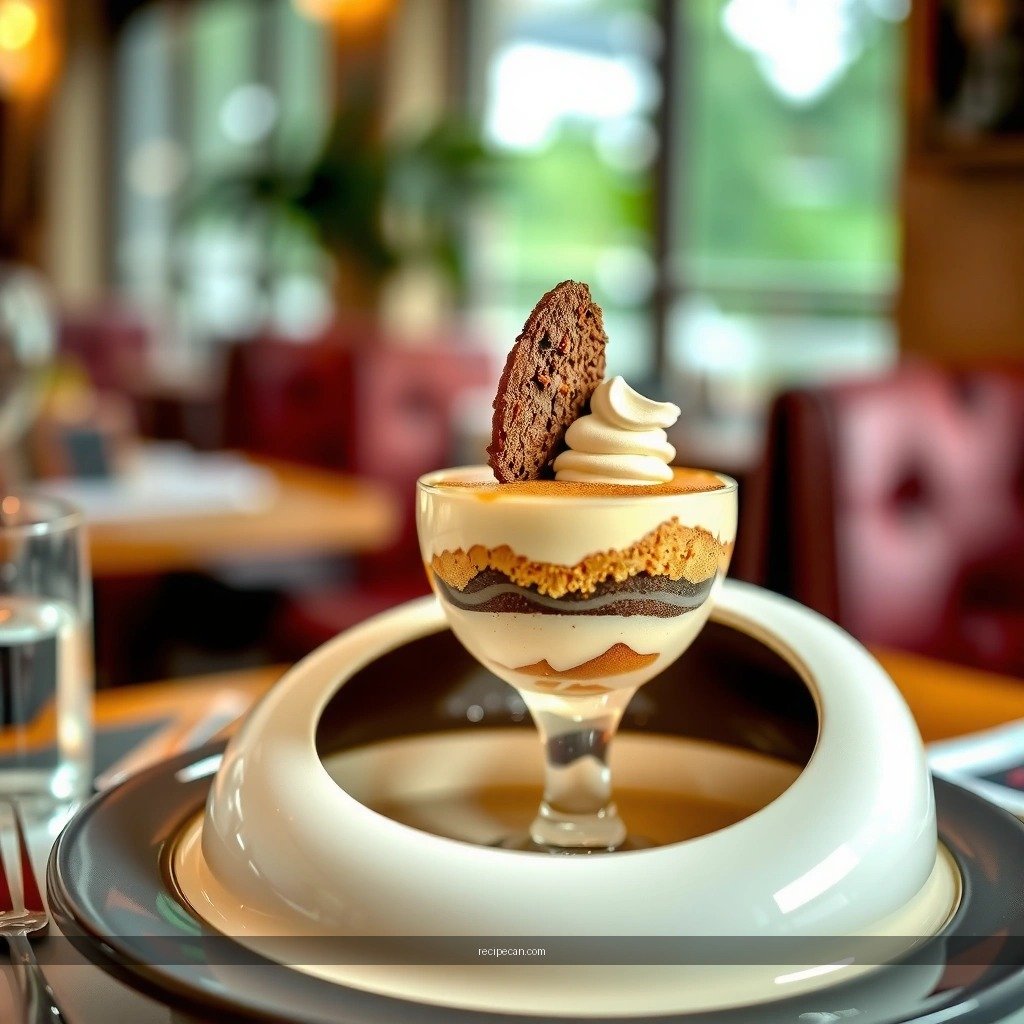
The cream layer is where most tiramisu attempts succeed or fail. The target is silky mascarpone with a light, stable structure—never gritty, never runny, never overly stiff.
What causes graininess
– Mascarpone turns grainy when it’s overheated or aggressively whisked.
– It can also become slightly textured when cold eggs enter warm mixture (or vice versa), causing uneven mixing.
A reliable classic approach (eggs-based)
1. Whip mascarpone briefly to loosen it—just until smooth. Avoid long, high-speed whipping.
2. Prepare the egg mixture (typically yolks + sugar; sometimes with additional whites depending on method).
3. Fold gently: combine the egg mixture with mascarpone using a spatula, not a mixer. Folding preserves air and prevents texture issues.
How to keep it smooth
– Keep temperatures moderate: let egg mixture cool slightly before combining.
– Work with soft, not melted mascarpone.
– If you’re in a hot kitchen, set the bowl over a cool water bath for a minute, then continue gently—don’t over-chill.
Egg-free option (high-level performance goal)
If you prefer egg-free tiramisu, aim for the same end-state: smooth, stable cream. Many cooks use mascarpone folded with whipped cream or a stabilized dairy base. The key is still gentle mixing and controlled temperature so the cream holds shape after chilling.
Brew the Coffee Like a Pro
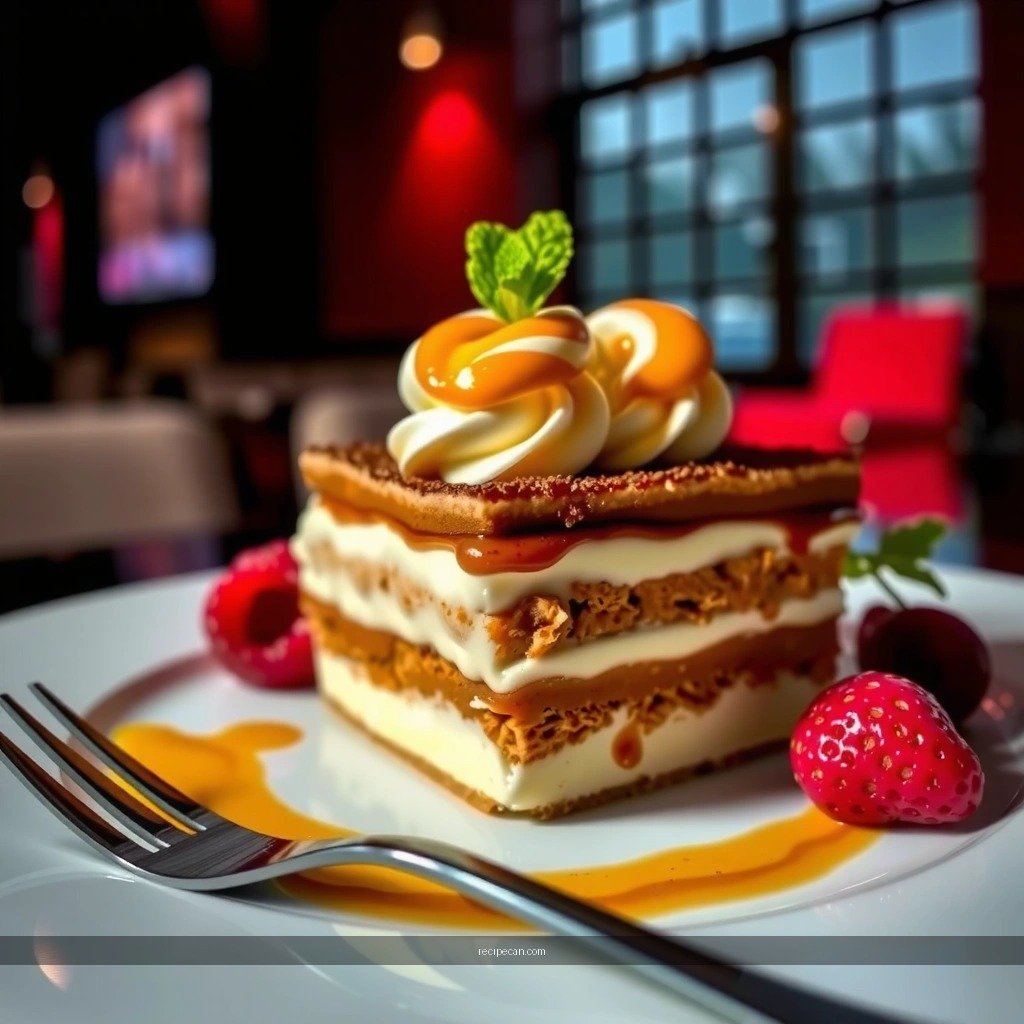
Tiramisu is not a “coffee-flavored” dessert—it’s a coffee-forward dessert balanced by fat and sweetness. The coffee needs body, not just caffeine.
Choose strong, then cool
– Brew espresso or a concentrate using a higher coffee-to-water ratio.
– Allow the coffee to cool until it’s warm or room temperature—hot coffee will push moisture into the ladyfingers too quickly and can dull the cream.
Sweeten in the right place
– A small amount of sugar in the coffee helps it taste harmonious rather than sharp.
– If you already sweeten the cream properly, keep coffee sweetness minimal; otherwise tiramisu can become cloying fast.
Optional liquor: use it like seasoning
If you use Marsala, dark rum, or coffee liqueur:
– Add just enough to round out aroma (think: a subtle lift, not an obvious alcoholic note).
– If serving children or avoiding alcohol, omit it—still use strong coffee and a touch of vanilla to carry flavor.
Practical “taste test”
Before assembly, dip a small piece of ladyfinger (or even a corner of one) into the coffee and taste:
– If it’s too bitter on its own, soften the coffee (tiny sugar adjustment).
– If it’s too sweet, reduce coffee sugar and rely on cocoa bitterness for balance.
Assemble Without Sogginess
Sogginess usually comes from one of two problems: over-dipping or overstacking. The solution is speed, control, and even layering.
The correct dipping technique
– Dip each ladyfinger quickly—typically 1–2 seconds per side depending on thickness.
– The goal is coffee penetration without saturation. You want the surface to look slightly darkened, not collapsing.
Build even layers for clean slices
– Use a consistent layer thickness across the dish. Uneven layers cause some sections to remain dry while others become too wet.
– Press lightly with an offset spatula after each cream layer. This helps tiramisu set into a sliceable structure during chilling.
How to prevent “floating” cream
If your cream is too soft at assembly time, it can smear into coffee. To avoid this:
– Keep cream cool but still spreadable.
– If needed, refrigerate cream briefly (5–10 minutes) and then continue folding/assembling calmly.
If you’re making ahead
Assembling and then rushing to serve increases the risk of messy texture. Always honor chilling time so the cream stabilizes and the coffee absorbs evenly.
Chill Time for the Perfect Set
Chilling isn’t optional—it’s the mechanism that transforms mixed components into a cohesive dessert.
Minimum and ideal timeline
– Refrigerate at least 4–6 hours to set.
– Overnight is best for the deepest coffee-cocoa integration and a more cohesive slice.
Rest before serving
– Take the tiramisu out 10–15 minutes before serving.
– This brief tempering improves spreadability of the cream and enhances cocoa and coffee aroma.
Texture expectations
– After chilling, the ladyfingers should be fully integrated—tender, not mushy.
– The cream should hold a defined shape at the edges and remain creamy in the center.
Serving and Storage Tips
A great tiramisu deserves a proper finishing move and smart storage practices.
Cocoa dusting
– Dust with cocoa powder right before serving to keep the top looking fresh and prevent it from dissolving into a darker paste.
– Use a fine sieve for an even, bakery-style cocoa layer.
Portioning
– Use a sharp knife and wipe the blade between cuts for the cleanest slices.
– For best presentation, lift slices with a flat spatula so the layered structure stays intact.
Storage
– Store covered in the fridge for up to 2–3 days.
– Freezing is not ideal because the dairy cream can soften and water separation may occur after thawing. If you must freeze, portion first and thaw in the fridge rather than at room temperature.
Quality checks after storage
– If the dessert seems slightly looser after refrigeration, that’s usually normal—chilling firms it back up.
– If cocoa looks absorbed, add a light dusting before serving again.
The best tiramisu recipe ever comes down to smooth mascarpone, strong cooled coffee, quick dipping, and proper chilling. Make it once using this method, then adjust two levers—sweetness in the cream/coffee and coffee strength—to match your personal taste. If you want, tell me your preferred style (classic eggs vs. egg-free) and how strong you like your coffee, and I’ll tailor the exact cream and soak ratios to fit your kitchen and palate.
Frequently Asked Questions
What is the best tiramisu recipe ever for a classic, authentic flavor?
The best tiramisu recipe ever uses espresso-soaked ladyfingers and a light mascarpone filling made with eggs, sugar, and a touch of vanilla. Choose real mascarpone (not cream cheese) and brew strong espresso so the coffee flavor stands out against the sweetness. For classic authenticity, fold the mascarpone and whipped egg mixture gently so the texture stays airy rather than heavy.
How do you make the best tiramisu recipe ever without runny cream?
To prevent runny tiramisu, ensure your mascarpone mixture is cold and your eggs are properly temperated if you’re making a cooked or semi-cooked version. Whip until you reach soft peaks, then fold carefully—overmixing can break the emulsion. Also, chill the tiramisu at least 4–6 hours (overnight is best) so the layers set and hold their shape.
Which coffee should you use for the best tiramisu recipe ever?
Use freshly brewed espresso or an espresso-style coffee because it provides a deep, balanced bitterness that cuts through the sweetness. Avoid very watery or weak coffee—if the brew is too light, the tiramisu can taste bland and watery. If needed, let the espresso cool to room temperature before dipping the ladyfingers for better control over soaking.
Why do my ladyfingers get soggy in tiramisu, and how can I fix it?
Soggy tiramisu usually happens when the ladyfingers soak too long or when you use overly wet coffee or add extra liquid. Dip each side quickly (about 1–2 seconds) and let excess drip off before layering. Then chill immediately so the best tiramisu recipe ever sets with a tender, sliceable texture instead of a mushy one.
What are the best tips to get restaurant-level tiramisu that tastes amazing?
For the best tiramisu recipe ever, focus on texture: fold gently, don’t overwhip, and give it ample chill time so the flavors meld. Use fresh mascarpone and high-quality cocoa powder (unsweetened) for that signature finish—sift it right before serving to avoid clumps. If you want extra flavor, add a small splash of dark rum or coffee liqueur, but keep it subtle so the espresso and mascarpone remain the stars.
References
- Tiramisu
https://en.wikipedia.org/wiki/Tiramisu - Mascarpone
https://en.wikipedia.org/wiki/Mascarpone - Lady finger
https://en.wikipedia.org/wiki/Ladyfinger - Tiramisu | Meaning, Ingredients, Origin, Desserts, & Taste | Britannica
https://www.britannica.com/topic/tiramisu - https://pubmed.ncbi.nlm.nih.gov/?term=tiramisu
https://pubmed.ncbi.nlm.nih.gov/?term=tiramisu - https://pubmed.ncbi.nlm.nih.gov/?term=mascarpone
https://pubmed.ncbi.nlm.nih.gov/?term=mascarpone - https://www.sciencedirect.com/search?qs=tiramisu
https://www.sciencedirect.com/search?qs=tiramisu - Google Scholar Google Scholar
https://scholar.google.com/scholar?q=best+tiramisu+recipe - Google Scholar Google Scholar
https://scholar.google.com/scholar?q=tiramisu+history+mascarpone+ladyfingers - Google Scholar Google Scholar
https://scholar.google.com/scholar?q=tiramis%C3%B9+recipe+egg+safety+food+science