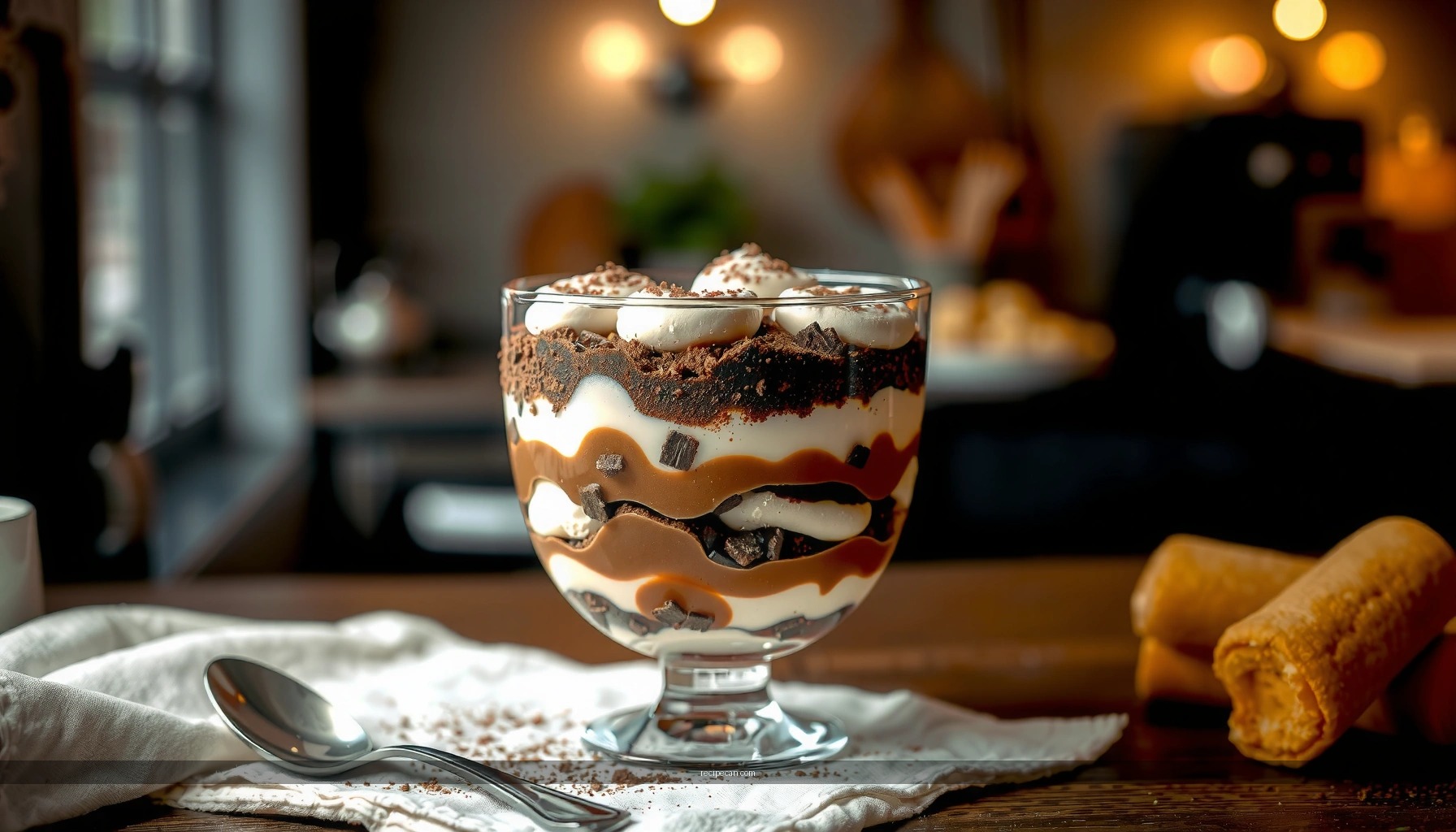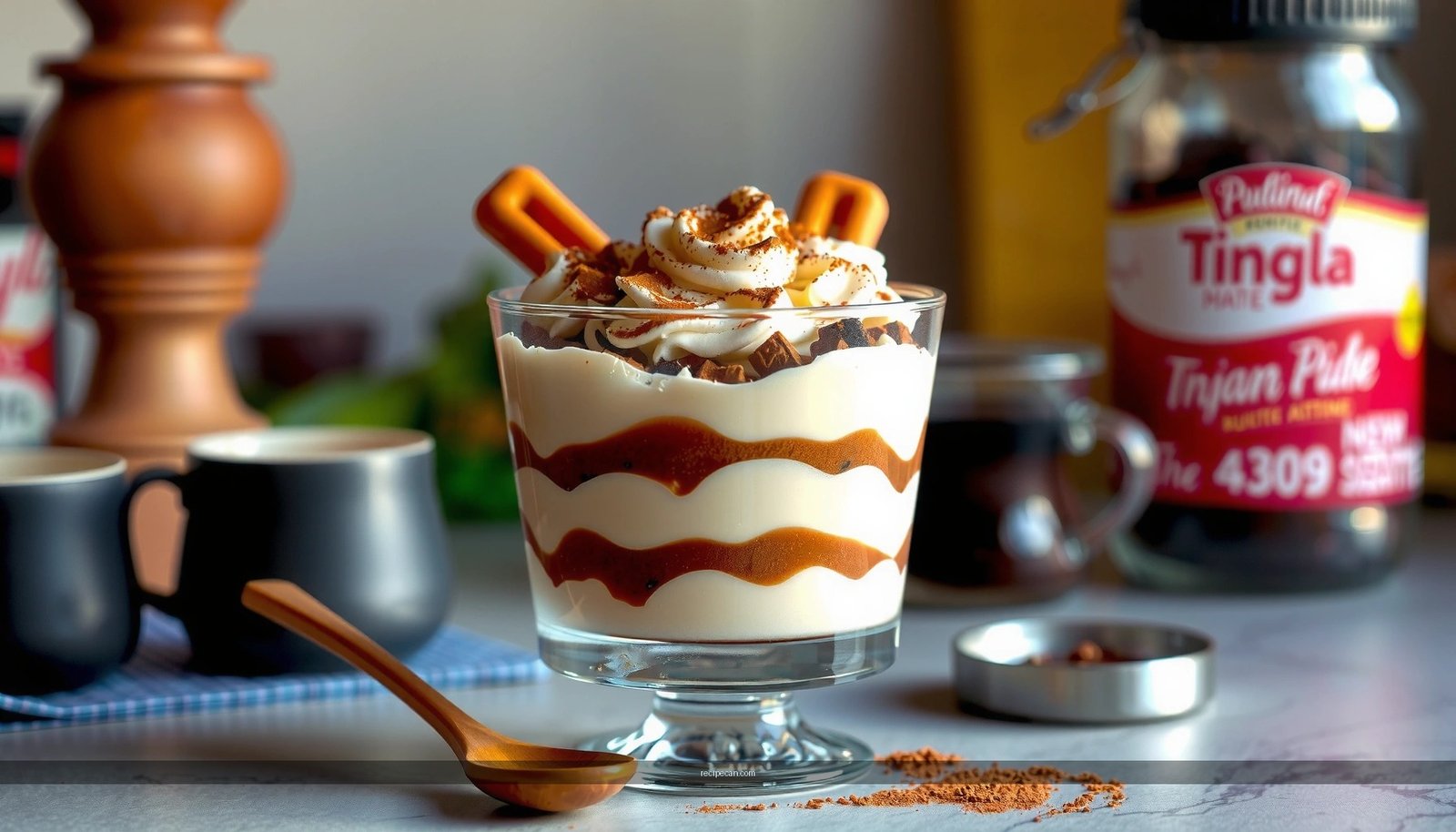
Get a trifle tiramisu dessert recipe with no-bake, layered instructions that actually work the first time. This easy guide answers whether you can build a showstopping tiramisu-style trifle without tempering eggs or turning on the oven. You’ll learn how to layer coffee-soaked savoiardi, creamy mascarpone filling, and finishing touches for clean slices and bold tiramisu flavor.
You can make a trifle tiramisu dessert with clean, no-bake layers by alternating coffee-soaked ladyfingers (or sponge) and a thick mascarpone cream, then chilling until the structure fully sets. This recipe is built around the exact components and layering order you need for classic tiramisu flavor—rich espresso notes, creamy mascarpone body, and a neatly finished cocoa top.
Ingredients for a Trifle Tiramisu Dessert
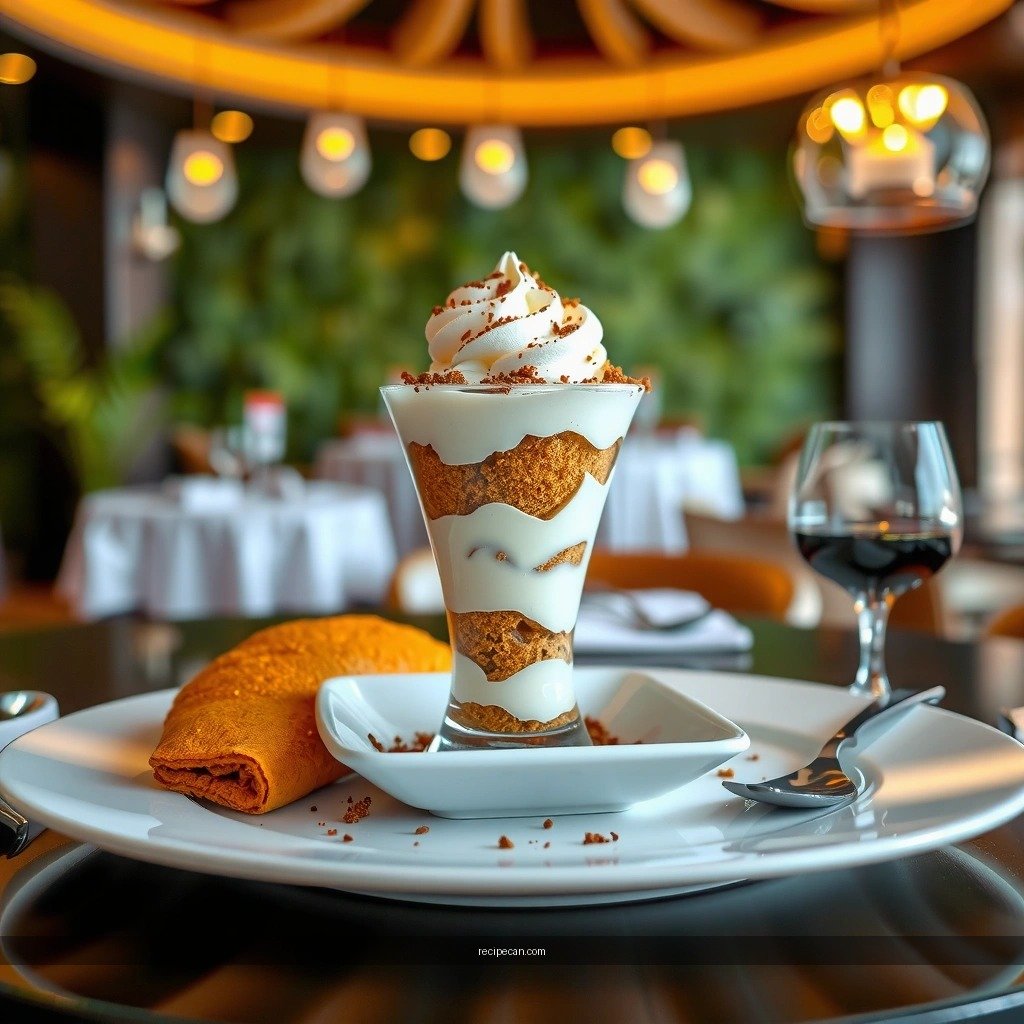
– Gather mascarpone, heavy cream, sugar, eggs (optional), espresso/coffee, and cocoa powder
– Use ladyfingers or sponge cake, plus chocolate shavings for garnish
To keep this layered tiramisu trifle stable (and sliceable), choose ingredients that behave predictably when chilled:
– Mascarpone: The hero of the dessert. Its high fat content helps the cream set firmly in the refrigerator without needing baking.
– Heavy cream: Adds lightness and volume. Use cream labeled heavy (at least ~36% milkfat) for the best whip and texture.
– Sugar: Balances espresso bitterness. Powdered sugar dissolves more quickly, but granulated works if fully whipped with the mascarpone.
– Eggs (optional): Traditional tiramisu sometimes uses yolks (or yolks plus a meringue). In a trifle, eggs can improve richness, but they’re not required for a great no-bake result.
– Espresso/coffee: Brew strong coffee so it still tastes like coffee after dilution from the soak and cream.
– Cocoa powder: For the top “tiramisu” finish. Choose unsweetened cocoa for the classic bittersweet profile.
– Ladyfingers or sponge: Ladyfingers are traditional; sponge cake is more forgiving and absorbs coffee smoothly.
– Chocolate shavings: Optional, but they elevate presentation and add texture contrast.
Smart swap ideas (without harming structure):
– Instead of ladyfingers, use store-bought savoiardi-style cookies or thick sponge cake cut into even rectangles.
– If you want a punchier coffee aroma, stir a teaspoon of instant espresso powder into the brew while it’s still warm, then cool.
Coffee Strength vs. Flavor After Chilling (Trifle Use-Case)
| # | Coffee Brew Strength | Typical Taste Profile | Best for 4–6 hr Chill | Best for Overnight |
|---|---|---|---|---|
| 1 | Espresso (single/double) | Bold & concentrated | ★ 4.7/5 | ★ 4.9/5 |
| 2 | Moka pot coffee | Thick, chocolate notes | ★ 4.5/5 | ★ 4.7/5 |
| 3 | Strong drip (2× dose) | Punchy, less sharp | ★ 4.2/5 | ★ 4.4/5 |
| 4 | Normal drip | Balanced but may fade | ★ 3.6/5 | ★ 3.2/5 |
| 5 | Decaf (strong) | Softer bitterness | ★ 4.0/5 | ★ 4.1/5 |
| 6 | Cold brew (standard) | Smooth, low acidity | ★ 4.1/5 | ★ 4.3/5 |
| 7 | Instant coffee (strong) | Easy control, reliable | ★ 3.9/5 | ★ 4.0/5 |
Make the Creamy Mascarpone Layer
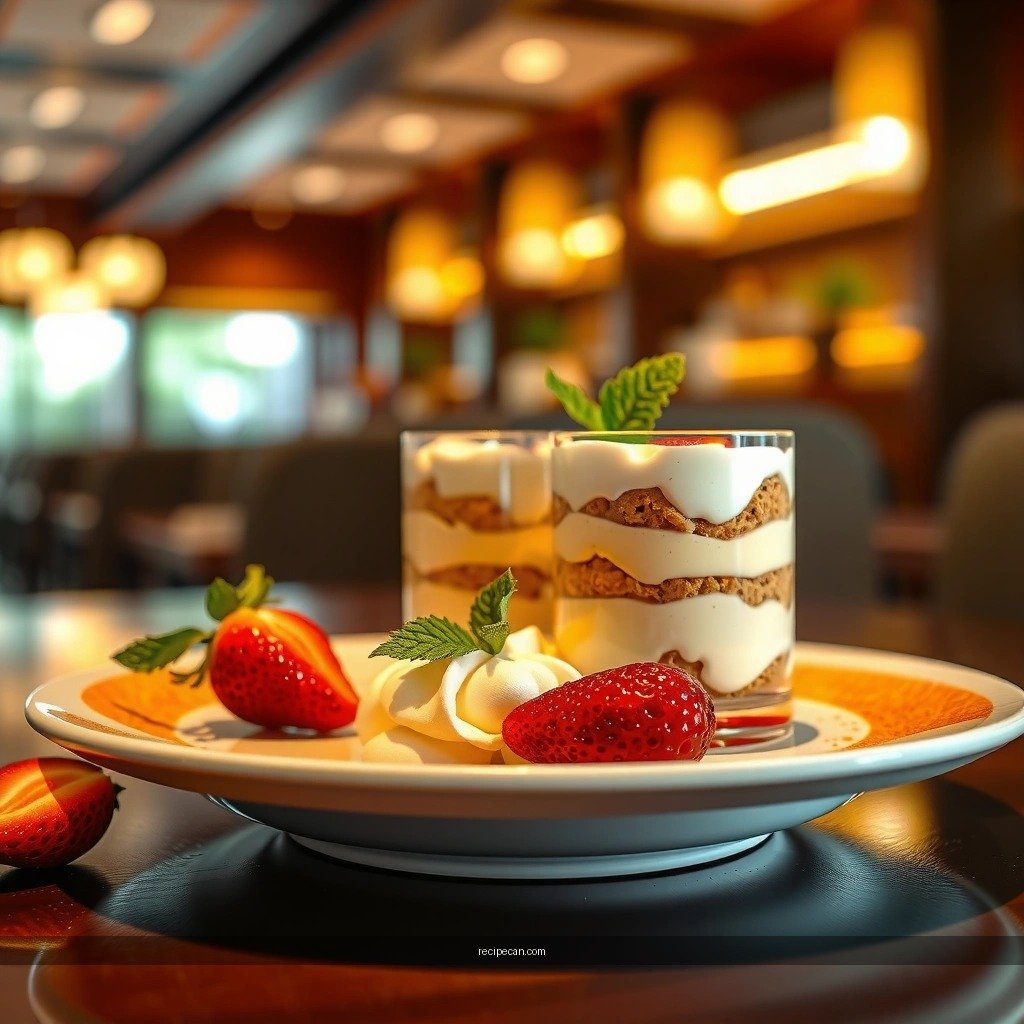
– Whip mascarpone with sugar until smooth and thick
– Fold in whipped cream (and egg mixture if using) for a light, mousse-like texture
This layer is what prevents your trifle tiramisu from tasting heavy or becoming overly wet. The goal is thick, spoonable cream that holds its shape when you cut the dessert.
Core approach (no eggs, simplest method):
1. Soften and whip mascarpone: Use room-temperature mascarpone for easier blending. Whip with sugar until the mixture looks glossy and smooth—no grainy lumps.
2. Whip heavy cream separately: Whip to medium peaks (not stiff butter). Medium peaks keep the cream airy but still firm enough for layering.
3. Fold carefully: Combine mascarpone base with whipped cream using a gentle folding motion. Folding reduces the risk of deflating the mousse-like texture.
Optional egg approach (richer, more classic tiramisu feel):
– Many tiramisu styles incorporate egg yolks to add body. If you include eggs, temper them (to avoid scrambling) and cook/warm them just enough to stabilize. For a trifle—especially one served to guests—consider using a pasteurized egg product or a safe tempering method.
Practical texture checks:
– The cream should be thick enough to mound slightly on a spoon.
– If it looks loose, chill it 10–15 minutes before assembling—cold fat firms up quickly.
Brew the Coffee Soak and Layer
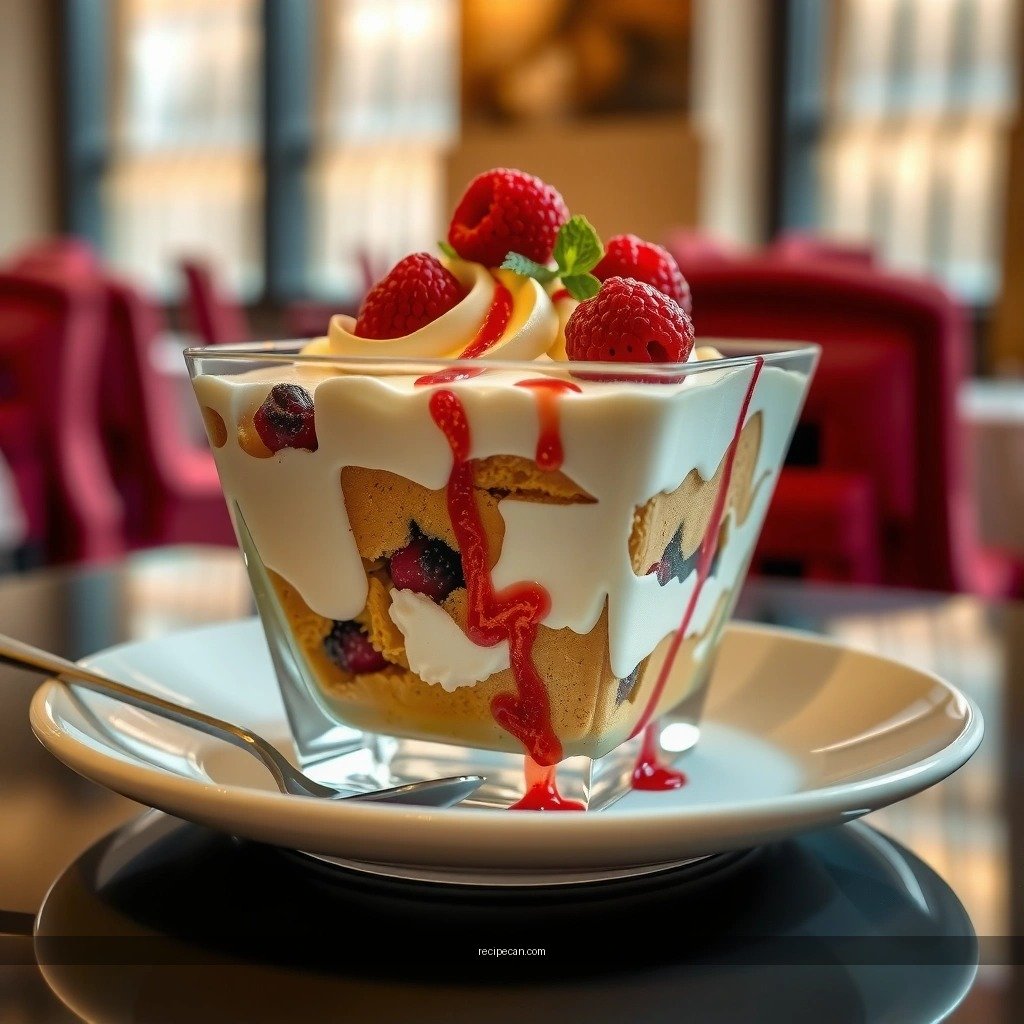
– Brew strong espresso or coffee and let it cool slightly
– Quick-dip ladyfingers/sponge pieces so they absorb flavor without turning watery
This is where most home bakers either nail tiramisu or accidentally create a “coffee mush” bottom layer. The fix is simple: control the soak time.
How to brew for trifle performance
– Brew strong coffee (or espresso) and cool until warm—not hot. Hot liquid melts fat and can loosen the cream.
– If you like a sweeter tiramisu, add a small amount of sugar to the coffee (start modestly; mascarpone already provides sweetness).
How to soak without oversaturating
– Ladyfingers: Dip for 1–2 seconds per side, just long enough to darken.
– Sponge: Brush or spoon coffee onto the surface rather than fully submerging, especially if your sponge is thin.
– Work in batches: Soak only what you will layer immediately, so the cake doesn’t sit and absorb too long.
Analytical perspective: why “quick-dip” matters
When cake absorbs liquid, it expands and releases moisture into nearby layers. Chilling later firms the mascarpone, but excess moisture can still pool. Your objective is “flavor transfer” rather than “liquid saturation.”
Assemble the Trifle (Best Layer Order)
– Add a bottom layer of coffee-soaked cake, then mascarpone cream, then repeat
– Finish with cocoa powder and optional chocolate shavings on top
Layering isn’t just for looks—it’s engineering. The correct order ensures even distribution of coffee intensity and a clean, stable cut when served.
Best layer order (repeatable and consistent)
1. Bottom: coffee-soaked cake (ladyfingers or sponge), pressed gently into place.
2. Middle: mascarpone cream, spread to the edges.
3. Repeat: cake → cream until you reach your desired height.
4. Top finish: dust cocoa powder evenly and add chocolate shavings right before serving (or shortly before chilling if you prefer minimal fuss).
Pro tips for cleaner layers
– Even thickness: Aim for similar cream thickness between layers so the trifle sets uniformly.
– Edge coverage: Spread cream to the container sides—this reduces “gaps” that can look messy after chilling.
– Don’t overpack: If you pack cake too tightly, it squeezes cream out and can reduce structural definition.
Portioning guidance
– For a standard trifle bowl (8–10 inches wide), 2–3 cake layers plus 2 cream layers typically yield a balanced ratio.
– If you want dramatic height, build taller but keep each layer thin enough that the coffee and cream fully integrate in the refrigerator.
Chill and Set for the Perfect Texture
– Refrigerate at least 4 hours (overnight is best for best layering)
– Keep it covered to prevent the top from drying out
Chilling is not a passive step—it completes the transformation from “layered ingredients” into a cohesive dessert.
Minimum and best timing
– 4 hours: Usually workable for a first impression and immediate serving.
– Overnight (8–12 hours): Best for clean layering, integrated coffee flavor, and a mascarpone texture that feels mousse-like rather than watery.
Covering matters
– Cover the trifle to prevent:
– Cocoa drying (top becomes dusty/uneven)
– Surface crust formation on exposed cream
– Refrigerator odor absorption
Temperature target
– Refrigerate at standard cold settings (typically ~35–40°F / 2–4°C). Warmer fridges can delay set and increase the risk of looseness.
Serving Tips and Variations
– Serve cold with extra cocoa or grated dark chocolate
– Try variations like adding a splash of rum, swapping in espresso syrup, or using dairy-free mascarpone alternatives
Once set, serve with presentation in mind: tiramisu trifle should look layered, not smeared.
Service best practices
– Use a sharp spoon or small offset spatula to lift straight down through each layer.
– Dust cocoa right before serving if you want maximum aroma and visual contrast.
– For an elevated finish, grate a small amount of dark chocolate over the top.
High-impact variations
– Rum variation (adult-friendly): Add a teaspoon or two of rum to the cooled coffee. It complements the roasted coffee notes without overpowering mascarpone.
– Espresso syrup: Reduce espresso with a small amount of sugar until lightly syrupy, then cool and soak quickly. This intensifies coffee flavor while reducing excess liquid.
– Flavor pairing: Consider a hint of vanilla in the cream or a pinch of salt to sharpen sweetness balance.
– Dairy-free option: Use dairy-free mascarpone-style alternatives plus coconut cream that whips well. Expect a slightly different mouthfeel, but chilling will still help structure.
Common pitfalls to avoid
– Over-soaking the cake (most common)
– Under-whipping cream (leads to slumping)
– Cutting too soon (layers haven’t fused)
– Dusting cocoa too early (dry crust look)
To help you decide quickly, here’s a practical “fit for purpose” look at how different trifle approaches perform in a real service scenario:
Trifle Tiramisu Build: Performance Checklist (Home Production)
| # | Technique Choice | Layer Stability | Coffee Intensity | Guest Appeal |
|---|---|---|---|---|
| 1 | Espresso quick-dip (1–2 sec) | ★ 4.8/5 | ★ 4.9/5 | ★ 4.8/5 |
| 2 | Normal drip + shorter chill (4 hr) | ★ 3.4/5 | ★ 3.2/5 | ★ 3.7/5 |
| 3 | Strong drip + overnight chill | ★ 4.5/5 | ★ 4.2/5 | ★ 4.4/5 |
| 4 | Cake brushed with coffee (sponge) | ★ 4.6/5 | ★ 4.0/5 | ★ 4.3/5 |
| 5 | Heavy cream under-whipped | ★ 2.7/5 | ★ 3.8/5 | ★ 2.9/5 |
| 6 | Cocoa dusting 24 hr early | ★ 4.1/5 | ★ 3.9/5 | ★ 3.3/5 |
| 7 | Rum in coffee + espresso base | ★ 4.4/5 | ★ 4.3/5 | ★ 4.7/5 |
Toss this trifle tiramisu dessert together in layers, chill it until fully set, and you’ll get rich coffee flavor with a creamy mascarpone finish. Follow the ingredient list and layering order, then refrigerate for the right texture—make it once and you’ll be ready to impress at your next gathering.
In conclusion, success with a no-bake trifle tiramisu comes down to three controllable variables: thick mascarpone cream, correctly timed coffee soaking (so the cake flavors the dessert without flooding it), and sufficient chilling to let the layers set into clean, sliceable structure. Use strong coffee, fold whipped cream for mousse-like texture, assemble cake-to-cream in repeat layers, and refrigerate overnight for the most consistent results.
Frequently Asked Questions
What is a trifle tiramisu dessert and how is it different from classic tiramisu?
A trifle tiramisu dessert layers tiramisu-style flavors—such as espresso-soaked ladyfingers or sponge, mascarpone cream, and cocoa—inside a trifle glass or dish. The main difference is structure: classic tiramisu is typically assembled in a single baking dish, while a trifle is built in layers so you can see distinct strata. This presentation makes a layered trifle tiramisu easier to serve, portion, and customize.
How do you layer a trifle tiramisu recipe without making the ladyfingers soggy?
For a layered trifle tiramisu recipe, briefly dip or quickly brush ladyfingers with espresso so they absorb flavor without becoming mushy. Use a firm mascarpone mixture (often with whipped cream) to help maintain structure between layers. If you’re preparing ahead, assemble and refrigerate for a short time—then avoid soaking for too long before serving to keep the best texture.
Which ingredients are best for authentic tiramisu flavor in a trifle?
Use strong brewed espresso or dark coffee (including espresso powder in the soaking liquid) for the signature tiramisu bitterness and aroma. For the creamy layer, mascarpone is key—avoid substitutes if you want true tiramisu flavor. Add cocoa powder for dusting, and consider pure vanilla or a splash of coffee liqueur (optional) to deepen the dessert notes.
Why does my trifle tiramisu turn runny, and how can I fix it?
Runny trifle tiramisu usually happens when the mascarpone mixture is overmixed, the mascarpone is too warm, or the whipped cream isn’t properly stabilized. Chill the mascarpone and mixing bowl before whipping, fold gently, and ensure your whipped cream reaches soft peaks before combining. If it’s already runny, you can sometimes salvage by chilling longer to firm up, or by adding a small amount of stabilized whipped cream to thicken the layers.
Best way to make trifle tiramisu ahead of time—how long should it chill?
For the best flavor and layer cohesion, prepare a trifle tiramisu dessert up to 24 hours in advance and refrigerate covered. This gives the espresso-soaked layers time to meld with the mascarpone cream while still holding shape. For optimal texture, assemble closer to serving if you prefer firmer ladyfingers, and dust with cocoa right before serving to keep the top layer fresh and visually appealing.
References
- Google Scholar Google Scholar
https://scholar.google.com/scholar?q=trifle+tiramisu+dessert+recipe - Google Scholar Google Scholar
https://scholar.google.com/scholar?q=tiramisu+recipe+mascarpone+egg+ladyfingers - Google Scholar Google Scholar
https://scholar.google.com/scholar?q=trifle+dessert+recipe+history - Tiramisu
https://en.wikipedia.org/wiki/Tiramisu - Trifle
https://en.wikipedia.org/wiki/Trifle - Mascarpone
https://en.wikipedia.org/wiki/Mascarpone - Lady finger
https://en.wikipedia.org/wiki/Ladyfinger - Tiramisu | Meaning, Ingredients, Origin, Desserts, & Taste | Britannica
https://www.britannica.com/topic/tiramisu - Trifle | Fruit, Custard & Cream | Britannica
https://www.britannica.com/topic/trifle - Ladyfingers (biscuits)
https://en.wikipedia.org/wiki/Savoiardi