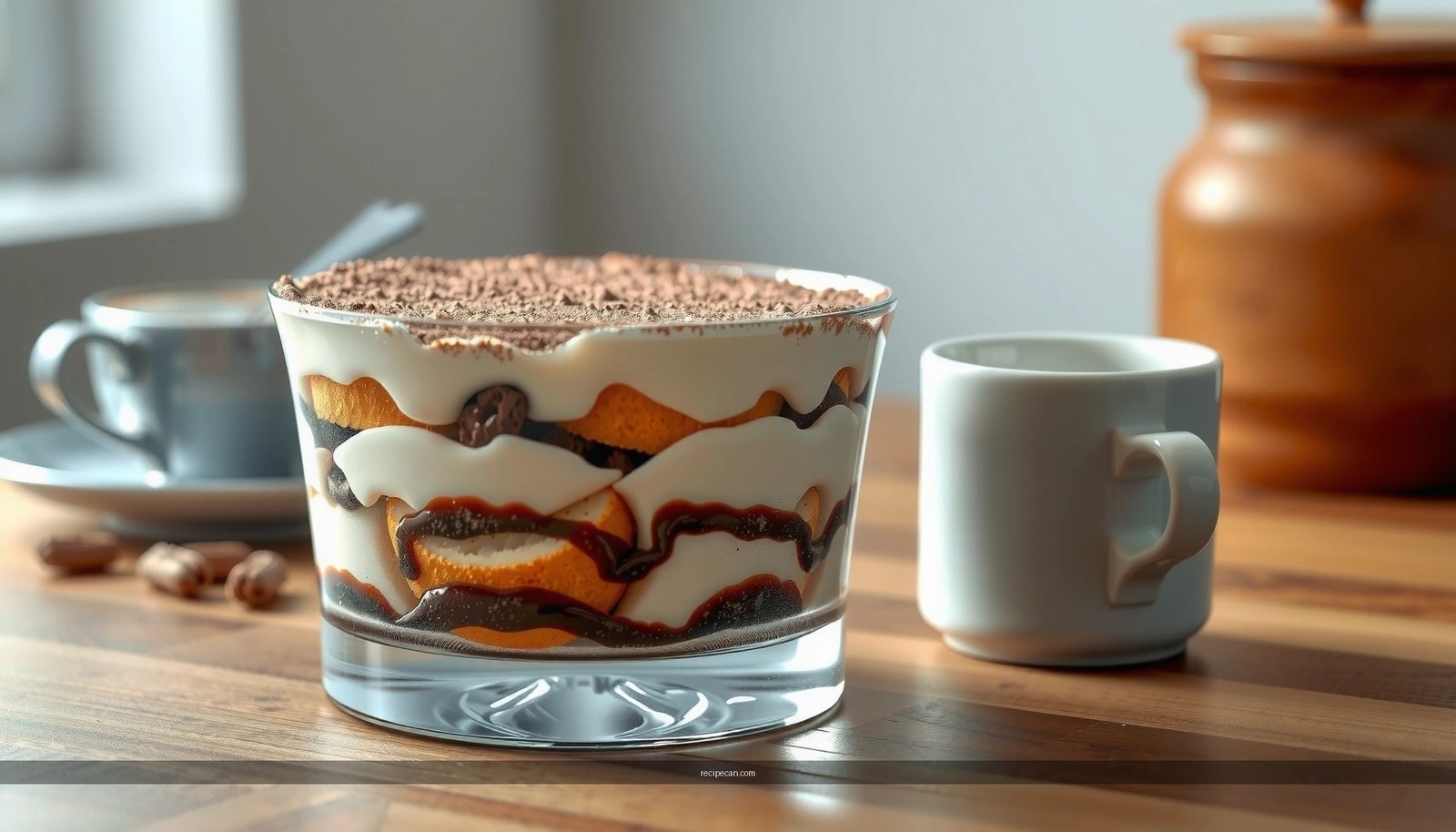
Need a tiramisu recipe without mascarpone cheese, but still want the classic creamy, coffee-soaked taste? This guide picks the best mascarpone substitute for the texture you care about—smooth and rich—then delivers an easy step-by-step method you can follow immediately. If you’ve struggled with runny fillings or bland flavor swaps, this version tells you exactly what to use and how to get it right.
Skip mascarpone and still get classic tiramisu texture: choose the right substitute (cream cheese for rich thickness or Greek yogurt for a lighter result), then build the filling and layers with quick, controlled dipping and proper chilling. This guide walks you through foolproof tiramisu filling methods—no specialty cheese required—so you can serve a creamy, sliceable dessert with the same coffee-and-cocoa payoff.
Choose the Best Mascarpone Substitute
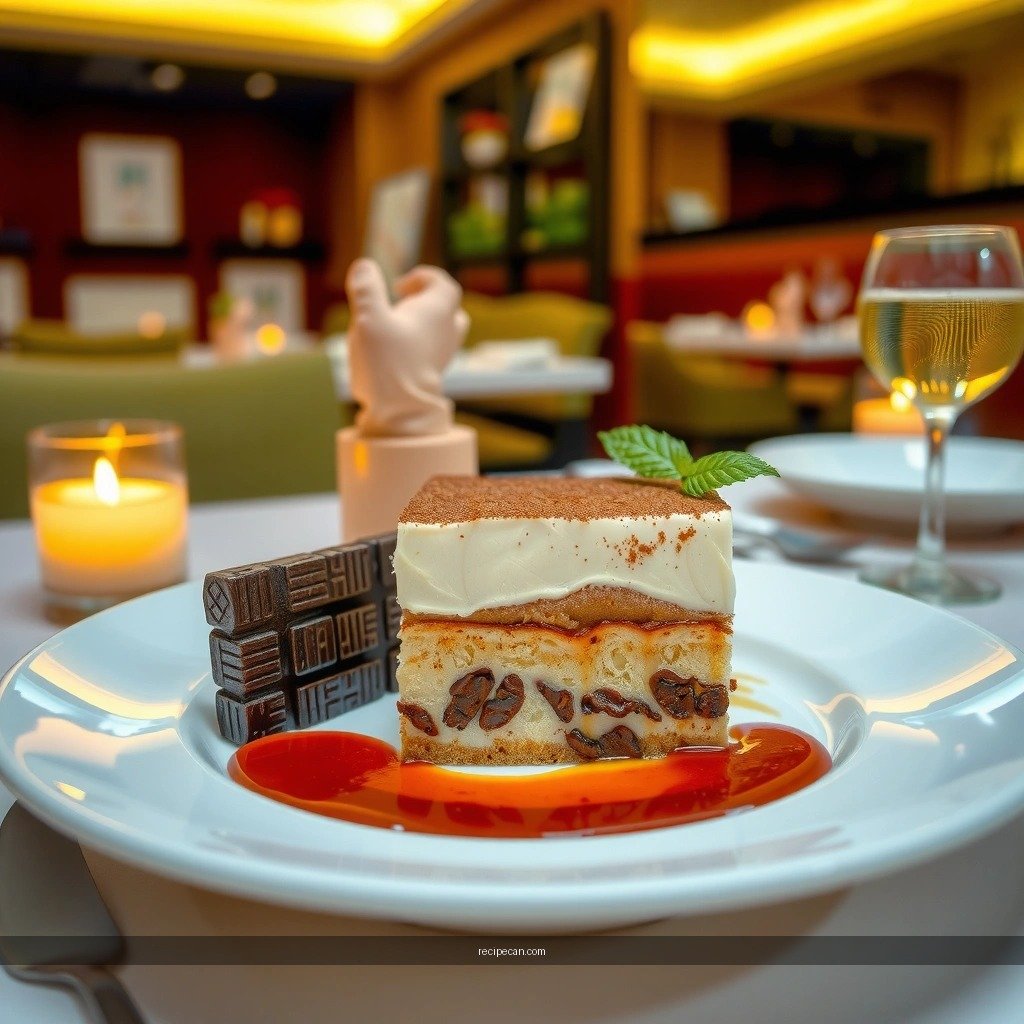
Mascarpone is valued for its mild, creamy flavor and high-fat body. Without it, the goal is to recreate two things: (1) a smooth, spoonable cream texture and (2) stability so the dessert slices cleanly after chilling. The best mascarpone substitutes depend on whether you prioritize richness or lightness.
– Use cream cheese for a thick, classic-style creaminess
Cream cheese is the closest match in mouthfeel when you start with a smooth, full-fat block (not whipped). To avoid tang, blend it briefly until silky, then sweeten and flavor it (vanilla + a pinch of salt). For best results, aim for a filling that holds soft peaks when you stop mixing—thick but still spreadable.
– Use Greek yogurt for a lighter option (and adjust sweetness)
Greek yogurt creates a tangier profile and can be looser depending on brand. If your yogurt is “stirred” style or low-fat, it may weep liquid over time—so you’ll want to drain it (even 10–20 minutes) to concentrate the texture. To mimic mascarpone’s mellow flavor, balance tang with a little extra sweetener and vanilla, and consider using a thicker variety like “Greek-style” or “strained.”
Quick selection rule:
If you want tiramisu that’s easiest to slice and most similar to traditional texture, pick cream cheese. If you prefer a lighter dessert and enjoy a subtle tang, pick Greek yogurt—then stabilize with draining and proper chilling.
Gather Ingredients for Tiramisu Without Mascarpone

A great tiramisu is mostly about balance: bold coffee, enough sweetness, and a cream layer that isn’t watery. Start with reliable components you can control—especially the filling substitute and the soaking process.
Core ingredients (works for both substitutes):
– Ladyfingers (savoiardi)
– Espresso or strong brewed coffee (cooled to warm-room temperature)
– Cocoa powder (unsweetened, for classic bitterness)
– Sweetener (granulated sugar, powdered sugar, or a blend)
Filling add-ins to recreate mascarpone richness:
– Vanilla extract (for the “dessert cream” aroma)
– A pinch of salt (sharpens flavor and smooths sweetness)
– Optional: a small splash of milk or cream to adjust thickness if needed
Ingredient notes for success:
– Coffee strength matters more than coffee type. Use strong espresso-style coffee or brew a dark roast at higher concentration; watery coffee makes weak flavor and looser layers.
– Cocoa should be fresh and unsweetened. If you use Dutch-process or “dark” cocoa, start with slightly less sweetener because it tastes richer.
Best Mascarpone Substitutes for Tiramisu: Texture, Flavor & Stability (Home Results)
| # | Mascarpone Substitute | Texture Match (★) | Tang Level (1–5) | Slicing Stability | Best For |
|---|---|---|---|---|---|
| 1 | Full-fat cream cheese (block) | ★★★★☆ | 2/5 | High | Classic, thick layers |
| 2 | Cream cheese + Greek yogurt mix | ★★★★☆ | 3/5 | High | Balanced flavor & light tang |
| 3 | Drained Greek yogurt (whole milk) | ★★★☆☆ | 4/5 | Medium-High | Lighter tiramisu, strong coffee |
| 4 | Mascarpone-style vegan cream cheese | ★★★☆☆ | 1/5 | Medium | Dairy-free with mild flavor |
| 5 | Neufchâtel (reduced-fat cream cheese) | ★★★☆☆ | 2/5 | Medium | When fat content is limited |
| 6 | Cottage cheese (blended) | ★★☆☆☆ | 4/5 | Low-Medium | Budget option with extra straining |
| 7 | Whipped cream + yogurt stabilization | ★★★☆☆ | 3/5 | Medium | Temporarily airy tiramisu |
Make the Creamy Tiramisu Filling

This is where most “no mascarpone” tiramisu succeeds or fails. You want a smooth cream that blends into the coffee without collapsing. Treat the filling like a controlled emulsion: blend until uniform, then fold in flavor—don’t just dump ingredients together and hope.
For cream cheese filling (thick, classic):
1. Soften and smooth: Let cream cheese sit at room temperature for 20–30 minutes. Then beat until completely lump-free.
2. Add sweetness gradually: Mix in powdered sugar (or finely granulated) until glossy and thick.
3. Flavor balance: Add vanilla extract and a pinch of salt. Taste and adjust—salt is a small step with a big impact.
4. Adjust thickness if needed: If it’s too stiff, loosen with 1–2 teaspoons of milk or cream. If too loose, chill the mixture 10–15 minutes.
For Greek yogurt filling (lighter, with tang control):
1. Drain for structure: Line a strainer with a paper towel and drain whole-milk Greek yogurt for 10–20 minutes. You’re removing excess whey so the layers stay stable.
2. Whisk until smooth: Whisk vigorously to reduce graininess.
3. Sweeten to match: Add powdered sugar until the cream tastes dessert-like rather than tang-forward.
4. Vanilla + salt: Vanilla provides warmth; salt moderates perceived acidity.
5. Chill briefly: If the mixture feels loose, refrigerate while you prep the coffee and assemble.
Texture target (both options):
When you spread the cream with a spoon, it should hold a ridged surface for a few seconds rather than flowing immediately. That’s the sweet spot for layer integrity.
Assemble the Tiramisu Layers
Layering is less about artistic perfection and more about timing. Ladyfingers absorb coffee quickly; if you soak too long, they turn to mush and collapse into a muddy middle layer.
1. Prepare coffee: Brew strong espresso or coffee, then cool until warm-room temperature. Hot coffee can soften ladyfingers too fast and can also affect cream consistency.
2. Quick dip, don’t soak: Dip each ladyfinger for 1–2 seconds per side, then lift immediately. You want the surface saturated, not soaked through.
3. First layer: Place dipped ladyfingers in the baking dish in a single even layer.
4. Add filling: Spread half the cream filling in an even layer. Smooth the surface with an offset spatula or the back of a spoon.
5. Repeat: Add a second layer of coffee-dipped ladyfingers, then the remaining cream filling.
6. Final smoothing: Even out the top so the cocoa dusting lands uniformly.
Best practice for even layers:
If your ladyfingers vary in size, trim them so gaps are minimal. Air gaps can create coffee pockets that slightly darken and soften the cream.
Layering checkpoint:
Before chilling, the top should look creamy and cohesive—no visible runny liquid. If you see pooling, it usually means the coffee was too hot, the ladyfingers were dipped too long, or the yogurt wasn’t drained enough.
Chill for the Right Texture
Chilling is non-negotiable for tiramisu. It sets the cream texture, hydrates ladyfingers evenly, and melds coffee and cocoa into a cohesive flavor profile.
– Refrigerate at least 4–6 hours (overnight is best)
Minimum 4 hours gives you a stable dessert; overnight creates a smoother slice and deeper flavor. If you’re serving for an event, assemble the night before.
Cocoa timing:
Finish with cocoa dusting just before serving. Cocoa can absorb moisture during storage and lose that dry, classic “snow” look.
Food-safety note (practical):
Keep tiramisu refrigerated until serving. If you’re doing it for a business event or catering timeline, plan for transport time so it stays cold—tiramisus with yogurt or lighter substitutes are particularly sensitive to temperature changes.
Serving Tips and Troubleshooting
Even with the right substitute, small execution variables can shift texture. Use these targeted fixes rather than starting over.
– If it’s too thick, loosen with a splash of coffee or milk
Sometimes cream cheese-based filling can be slightly stiff depending on room temperature. Stir in 1 teaspoon at a time of coffee (for flavor continuity) or milk (for neutral adjustment) until the spreadability returns. Re-spread and chill again.
– If it’s too runny, chill longer or add a bit more whipped/firm structure
For Greek yogurt: runny filling often means insufficient draining. Chill 30–60 minutes and check again. For immediate rescue, you can fold in 2–3 tablespoons of extra drained yogurt or chill a bit longer before final layering. For next time, drain longer and sweeten to help mask whey tang.
Other common issues (and fixes):
– Tastes too tangy (yogurt option): Increase powdered sugar slightly and add an extra pinch of salt. Vanilla also helps round flavor edges.
– Too bitter: Use slightly less cocoa on top and consider a mildly sweeter coffee (still strong, just not harsh).
– Ladyfingers fell apart: Dip for shorter time (1 second per side) and ensure coffee isn’t hot.
Enjoy your tiramisu without mascarpone by choosing the right substitute, mixing for a smooth creamy texture, and chilling long enough for the flavors to set. Make this today—pick your substitute option, follow the layering steps, and top with cocoa for a classic finish.
If you want the closest “traditional” outcome, go with full-fat cream cheese and keep the dipping fast. If you prefer lighter tiramisu, drain Greek yogurt, sweeten for dessert balance, and chill overnight for the best slice. Either way, you’ll end up with a creamy, coffee-soaked dessert that tastes like tiramisu—without mascarpone.
Frequently Asked Questions
What can I use instead of mascarpone cheese in a tiramisu recipe?
If you’re avoiding mascarpone, you can use alternatives that mimic its creamy texture, like full-fat cream cheese (whipped to soften), Greek yogurt (thick and strained), or a mascarpone-style blend of cream cheese plus a little heavy cream. For a dairy-light option, coconut cream can work, but it may change the flavor slightly. Choose an option that’s thick enough to hold its shape in tiramisu so the layers don’t become watery.
How do I make tiramisu without mascarpone cheese that still tastes creamy?
To keep a mascarpone-free tiramisu creamy, beat your substitute (such as cream cheese or thick Greek yogurt) with sugar and flavorings until smooth, then fold it gently with whipped cream or egg whites if your recipe uses them. This step prevents lumps and adds airiness, which is key to that classic tiramisu texture. Chill the dessert long enough—at least 4 hours, ideally overnight—so the coffee-soaked ladyfingers fully hydrate and the flavors meld.
Why does my mascarpone-free tiramisu turn runny, and how can I fix it?
Runny tiramisu usually comes from using a substitute that’s too thin (like unstrained yogurt) or over-soaking the ladyfingers. Use thick ingredients (strain Greek yogurt or use full-fat cream cheese) and briefly dip the cookies in espresso so they absorb without collapsing. If it’s already runny, refrigerate longer to firm up, and consider adding a stabilizer next time (like whipped cream folded in just before assembling).
Best coffee and dipping method for tiramisu when you’re skipping mascarpone?
For bold flavor, use strong brewed espresso or very concentrated coffee, ideally cooled to room temperature so it doesn’t melt the filling. Dip each ladyfinger quickly—about 1–2 seconds per side—so it becomes infused but still holds its structure. This matters even more in a mascarpone-free tiramisu because some cream substitutes don’t have the same fat content, so you want to control moisture.
Which mascarpone substitute is best for a classic tiramisu flavor and texture?
For the closest classic taste and texture, full-fat cream cheese is often the best mascarpone replacement—especially when whipped smooth with a bit of sugar (and optionally a splash of cream to loosen it). If you want tangier but still creamy tiramisu, thick Greek yogurt is a good option, but strain it to remove excess whey. For the smoothest, most sliceable results, aim for a thick, well-whipped filling that sets well after chilling.
References
- Tiramisu
https://en.wikipedia.org/wiki/Tiramisu - Mascarpone
https://en.wikipedia.org/wiki/Mascarpone - Ricotta
https://en.wikipedia.org/wiki/Ricotta - Cream cheese
https://en.wikipedia.org/wiki/Cream_cheese - Tiramisu | Meaning, Ingredients, Origin, Desserts, & Taste | Britannica
https://www.britannica.com/topic/tiramisu - Mascarpone | Cheese, Meaning, Recipe, & Tiramisu | Britannica
https://www.britannica.com/topic/mascarpone - https://pubmed.ncbi.nlm.nih.gov/?term=tiramisu
https://pubmed.ncbi.nlm.nih.gov/?term=tiramisu - Google Scholar Google Scholar
https://scholar.google.com/scholar?q=tiramisu+mascarpone+substitute - Google Scholar Google Scholar
https://scholar.google.com/scholar?q=tiramisu+without+mascarpone+ricotta+cream+cheese - Google Scholar Google Scholar
https://scholar.google.com/scholar?q=mascarpone+substitute+cream+cheese+ricotta+recipe