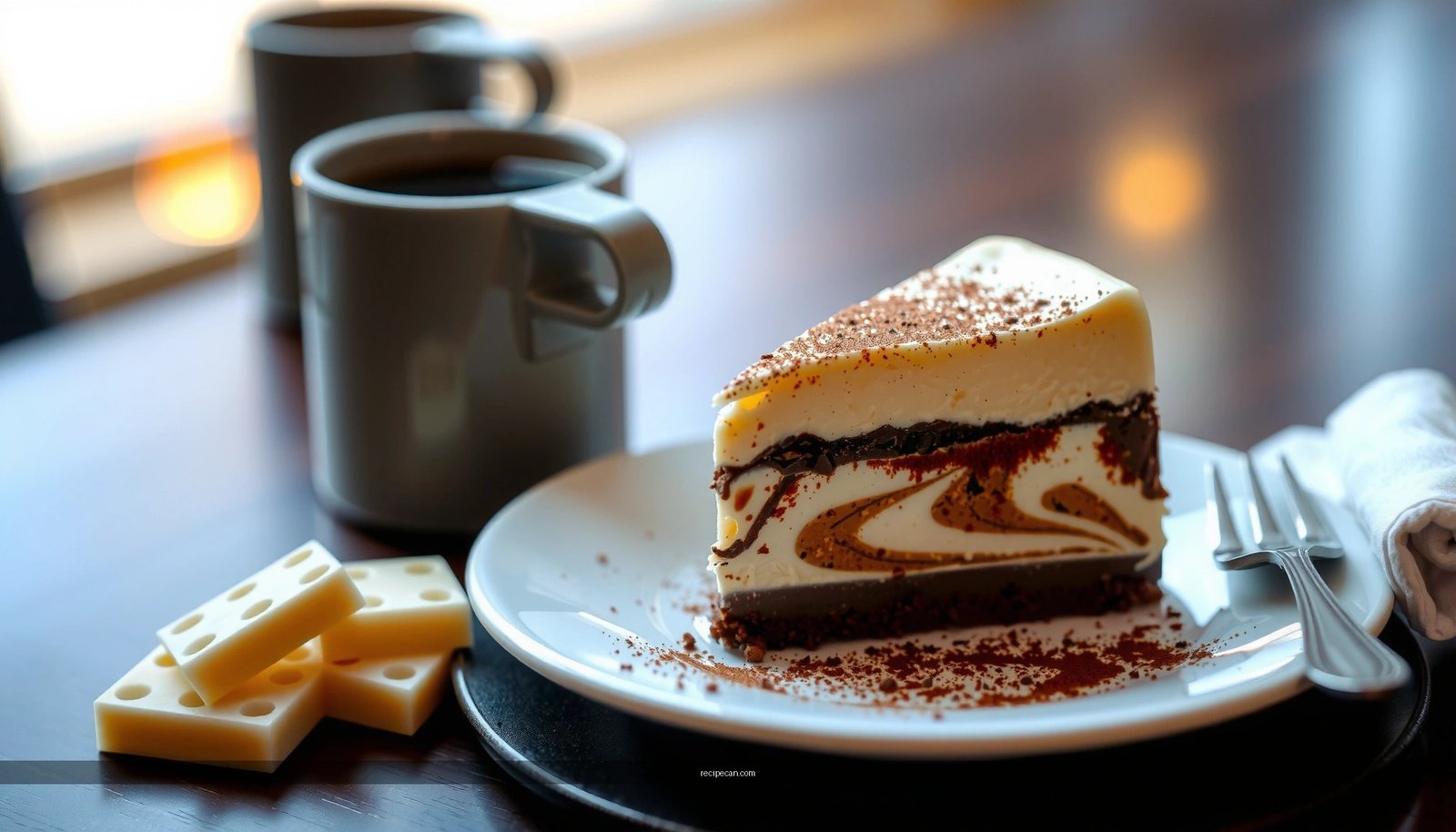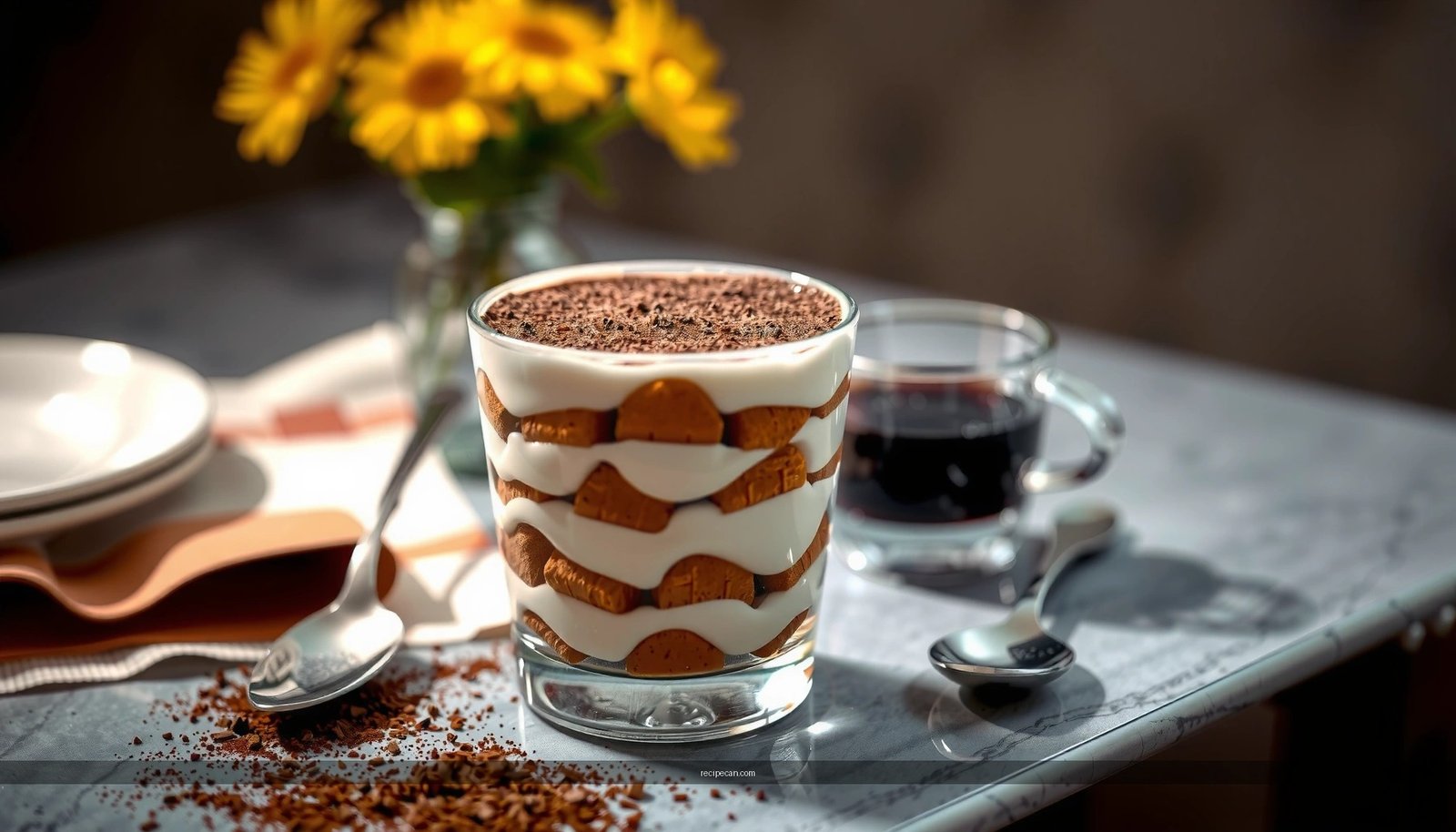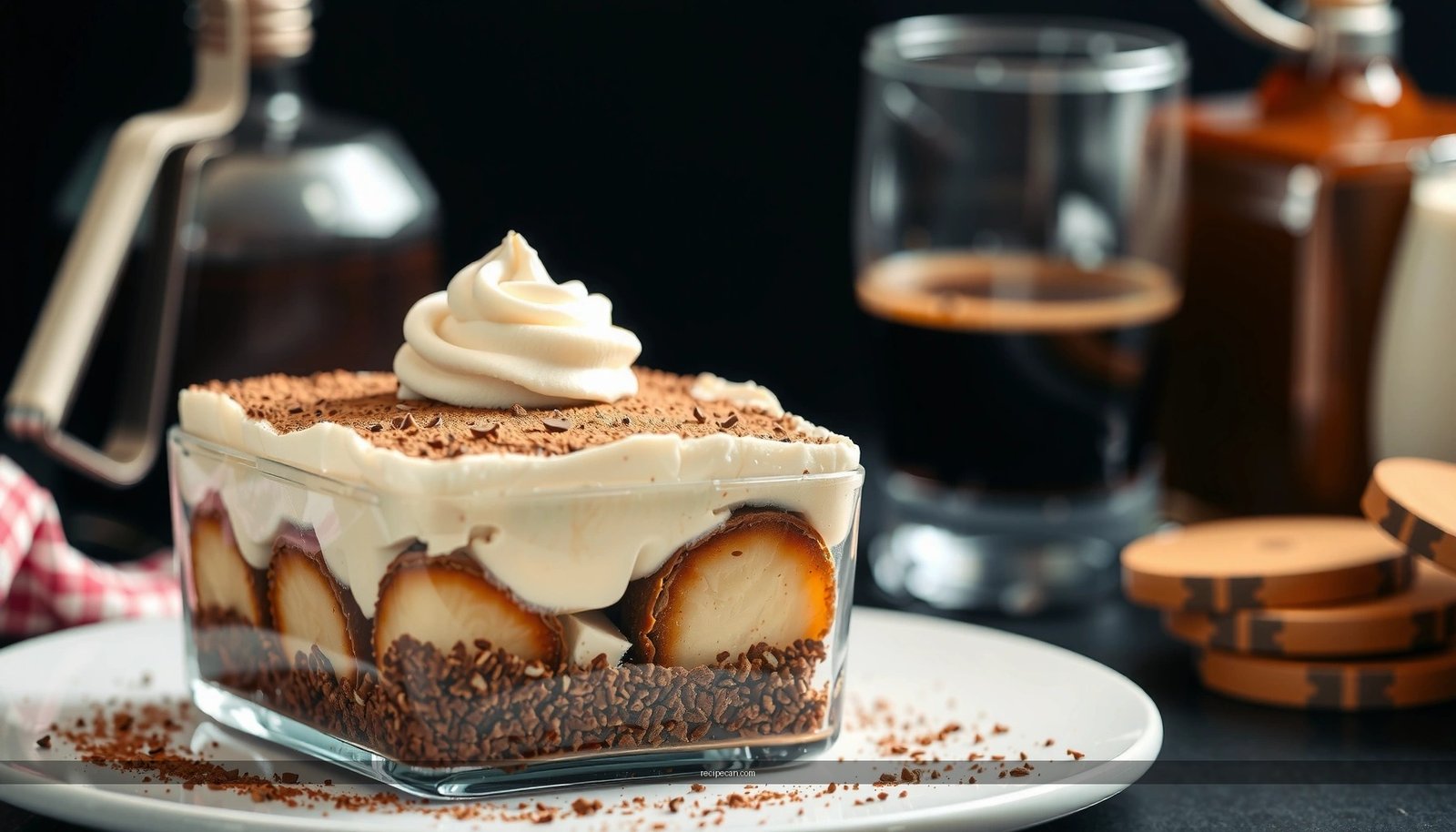
Looking for a tiramisu recipe with mascarpone that comes out classic every time—no guesswork? This guide gives you the easy, step-by-step method for layering mascarpone cream over espresso-soaked ladyfingers and finishing with the right dusting of cocoa. If you want the traditional taste and texture of authentic tiramisu, follow these steps for the clear win.
Make classic tiramisu with mascarpone by layering espresso-soaked ladyfingers and a smooth mascarpone cream, then chilling it long enough to set—this is what delivers the signature texture (firm but creamy) and bold coffee flavor. Follow the order of operations carefully: properly whipped/combined mascarpone, controlled soaking (moist, not soggy), and an overnight chill that lets flavors mature and the structure stabilize.
Ingredients for Tiramisu Recipe with Mascarpone
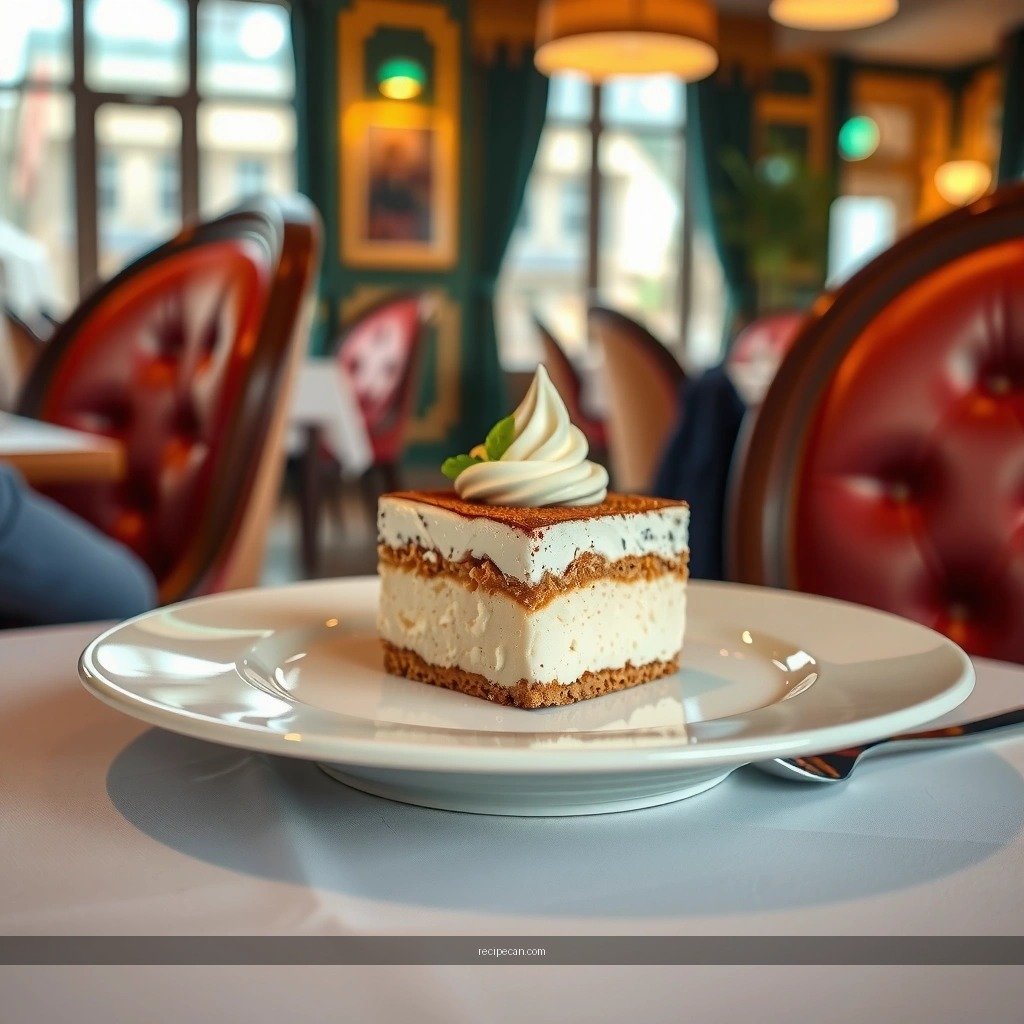
– Use mascarpone, espresso (or strong coffee), ladyfingers, and cocoa powder as the base.
– Add eggs (or an egg-free option) and sugar for a stable, creamy filling.
Classic tiramisu is built on a few non-negotiable ingredients: mascarpone for the dense, creamy mouthfeel; espresso for concentrated bitterness and aroma; ladyfingers for the structural “cake” layer; and cocoa powder for the final aromatic finish. The rest is technique—especially how you treat the eggs (or choose an egg-free alternative) and how quickly you dip the ladyfingers.
Ingredient guidance (what to look for):
– Mascarpone (full-fat): Choose plain mascarpone (not “tiramisu filling” mixes) for best texture and reliable flavor.
– Espresso / strong coffee: Brew something concentrated. If you use an alternative like cold brew, keep it strong and unsweetened.
– Ladyfingers: Traditional savoiardi are best; they soak evenly without disintegrating too quickly.
– Cocoa powder: Use unsweetened cocoa for the classic bittersweet finish; Dutch-process cocoa gives a darker, smoother flavor, while natural cocoa can be a little brighter.
– Eggs (optional): Many classic recipes use separated eggs (whites whipped to add lift). If you prefer an egg-free approach, use stabilized whipped cream or a mascarpone-based cream with a thickening strategy.
Mascarpone Cream vs. Coffee Roasts: Flavor Balance Table
Recommended Coffee Strength for Classic Tiramisu
| # | Coffee Profile | Brew Strength (Ratio)* | Expected Bitterness | Tiramisu Score |
|---|---|---|---|---|
| 1 | Classic Espresso Blend | 1:2 (15g:30g) | Balanced | 9.3 ★ |
| 2 | Dark Roast Espresso | 1:2.2 (16g:35g) | Higher | 8.7 ★ |
| 3 | Medium Roast Espresso | 1:2.5 (18g:45g) | Moderate | 9.0 ★ |
| 4 | Brewed Coffee (Aeropress) | 1:6 (20g:120g) | Smooth | 8.4 ★ |
| 5 | Light Roast (Americano-Style) | 1:5 (18g:90g) | Lower | 7.2 ★ |
| 6 | Decaf (Unsweetened) | 1:2.2 (15g:33g) | Softer | 7.9 ★ |
| 7 | Weak Drip Coffee | 1:10 (20g:200g) | Thin | 5.8 ★ |
*Strength ratio indicates coffee grounds to final brewed liquid by weight; stronger coffee helps counterbalance mascarpone’s richness.
Make the Mascarpone Cream
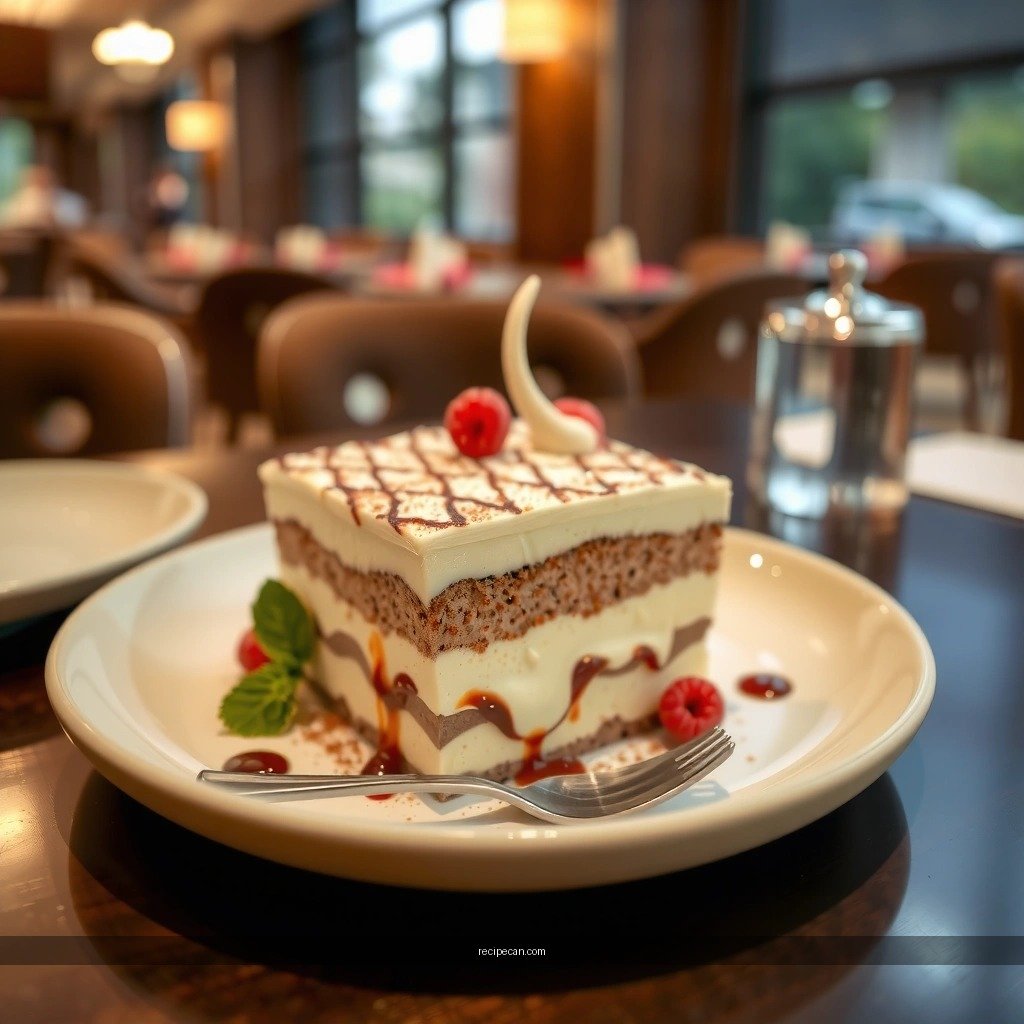
– Whisk mascarpone with sugar until smooth and lump-free.
– Fold in whipped egg whites (or whipped cream, if using an alternative) for a light, airy texture.
The mascarpone cream is where “easy classic steps” become “professional results.” The goal is a stable, spoonable filling that holds its shape after chilling. To get there, you want three outcomes: smooth mascarpone, evenly distributed sweetness, and air incorporated gently (not deflated).
Step-by-step approach:
1. Soften and whisk mascarpone first.
Mascarpone is dense. If it’s cold, it can resist mixing and leave streaks. Let it come to room temperature for 10–20 minutes, then whisk with sugar until glossy and uniform.
2. Whip whites (if using eggs) to medium-stiff peaks.
Medium-stiff peaks are critical: too soft and the cream may weep; too stiff and it can become grainy or lose smoothness when folded.
3. Fold, don’t stir.
Fold whipped egg whites into the mascarpone base gradually. Use a spatula and turn the bowl to preserve the air pockets that give tiramisu its signature lightness.
4. Taste and adjust sweetness cautiously.
Cocoa and coffee add bitterness. If you’re using a particularly mild espresso, slightly increasing sugar in the cream may help—but keep it moderate to avoid a dessert that tastes “sweet cream with coffee notes” rather than coffee-forward tiramisu.
Common failure modes (and how to avoid them):
– Lumpy mascarpone: Always whisk mascarpone with sugar thoroughly before adding air.
– Runny filling: Usually caused by under-whipped whites, over-lubricated mixing, or warm ingredients. Keep your whites cold and fold gently.
– Grainy cream: Often from overmixing after incorporating whites or using mascarpone that’s too cold and not fully softened.
Brew and Prep the Espresso
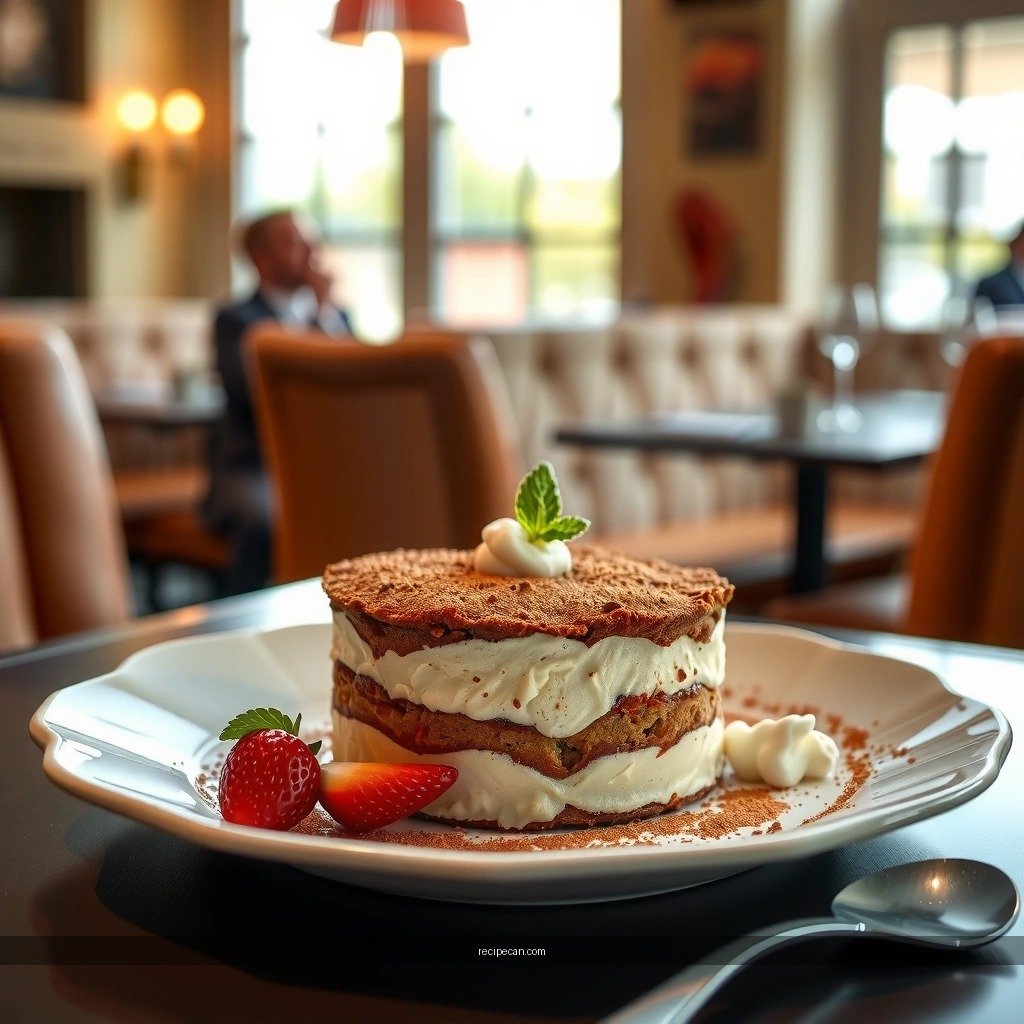
– Brew strong espresso and let it cool slightly for better dipping control.
– Keep it moist but not soggy when soaking ladyfingers.
The coffee layer must deliver flavor across every bite. If the espresso is too hot, it can melt the mascarpone cream slightly and degrade the texture of ladyfingers. If it’s too weak or you soak too long, you end up with a wet, collapsing dessert.
Brew and cool correctly:
– Brew strong espresso (or strong black coffee).
– Cool to warm-to-room temperature—you should be able to dip quickly without steaming the ladyfingers.
Soaking strategy (the “control point”):
– Dip each side of a ladyfinger for about 1–2 seconds, then place immediately.
– Ladyfingers should look moistened, not saturated. They’ll continue to absorb liquid while the tiramisu chills, so excessive initial soaking is unnecessary.
Optional refinements for coffee depth:
– Use unsweetened cocoa plus coffee bitterness to balance richness.
– If you want a more aromatic profile, add a small splash of coffee liqueur or vanilla to the espresso—keep it modest so the mascarpone remains the dominant creamy note.
Assemble the Tiramisu Layers
– Layer soaked ladyfingers, then mascarpone cream, repeating until you reach the top.
– Finish with a cocoa dusting (and optional chocolate shavings).
Layering is where structure becomes visible. A tiramisu slice should show clean bands: coffee-soaked ladyfingers and creamy mascarpone layers. That requires even distribution and confident handling.
Assembly checklist:
1. Choose a dish with straight sides (or a springform pan for easier slicing).
2. Create the first base layer:
Arrange a single even row of dipped ladyfingers. Press gently—just enough to level.
3. Add cream in a consistent thickness:
Spread mascarpone cream to the edges. Uneven thickness creates soft pockets and inconsistent set.
4. Repeat layers until you reach the top.
Typically, 2–3 layers depending on pan size gives the best balance of structure and height.
5. Cocoa dusting at the end.
Dust cocoa right before serving or dust shortly before chilling if you prefer a darker top—but note that cocoa can absorb moisture and darken over time.
Finish options:
– Cocoa powder only for the classic look.
– Optional dark chocolate shavings or a light sprinkle of cinnamon for subtle aroma contrast.
Chill and Set for Best Texture
– Refrigerate at least 4–6 hours, ideally overnight, to let flavors meld.
– Keep it covered to prevent the top from drying out.
Tiramisu improves with time because the ladyfingers hydrate evenly while the mascarpone sets into a cohesive, sliceable cream. Chilling is not optional if you want the classic texture.
Recommended chilling timeline:
– Minimum: 4–6 hours (often workable for a same-day dessert).
– Best: overnight (8–12 hours) for the smoothest texture and most integrated coffee flavor.
How to cover:
– Cover loosely with plastic wrap or use a lid that doesn’t press into the surface.
– If the top dries, the cocoa and cream can become visually patchy and taste slightly stale.
Texture targets after chilling:
– Cream should feel firm but not brittle.
– Ladyfingers should be tender, not disintegrated.
– Coffee flavor should taste balanced, with no harsh bitterness or diluted, watery notes.
Tips for Perfect Tiramisu Every Time
– Don’t over-soak ladyfingers—brief dips create the best structure.
– For serving, use a sharp knife and wipe between cuts for clean layers.
Even with perfect ingredients, technique dictates results. These practical tips reduce risk and help you consistently produce restaurant-style tiramisu.
1) Over-soaking is the #1 texture problem.
If your ladyfingers become mushy, next time dip for less time and use slightly cooler espresso. Remember: the refrigerator does the final “soak.”
2) Temperature control protects the cream.
Keep mascarpone and egg whites at appropriate temperatures. If everything is warm, your cream may lose body.
3) Clean slicing matters.
Use a sharp knife, and for best presentation:
– wipe the blade after each cut
– wipe, then re-cut with steady pressure
4) Plan ahead for best flavor integration.
If you’re serving for an event, prepare the night before. That schedule aligns with the biology of flavor blending and the physics of setting.
Tiramisu is easiest when you nail the mascarpone cream, control the espresso soaking, and chill long enough to set. Gather your ingredients, make the cream, layer carefully, and refrigerate overnight—then slice, dust with cocoa, and enjoy.
As a final note, the “classic” standard in tiramisu with mascarpone isn’t about complicated steps—it’s about precision where it counts: smooth mascarpone, airy-but-stable structure, properly cooled strong espresso, and a long, covered chill. Nail those elements, and you’ll get clean layers, balanced coffee flavor, and the unmistakably creamy, elegant finish that makes tiramisu a perennial favorite.
Frequently Asked Questions
What is the best mascarpone tiramisu recipe ratio for beginners?
A reliable classic mascarpone tiramisu recipe typically uses about 500g mascarpone, 4 eggs (separated), and 80–100g sugar for a 20–25 cm (8–10 inch) serving. Add strong espresso (cooled) plus ladyfingers for soaking, usually around 24–36 soaked biscuits depending on thickness. Keeping the mascarpone well mixed and not over-soaking the ladyfingers helps the tiramisu recipe hold its shape.
How do I make mascarpone tiramisu without curdling the egg mixture?
To avoid curdling, whisk egg yolks with sugar until the mixture looks pale, then slowly incorporate the yolks into mascarpone only after it’s smooth and at a similar temperature. If using egg whites, whip them to medium-stiff peaks and fold gently into mascarpone, rather than stirring aggressively. For extra insurance, many people use a lightly cooked zabaglione-style yolk mixture, which can improve stability in a mascarpone tiramisu recipe.
Why does my tiramisu with mascarpone taste too bitter or too sweet?
Bitterness usually comes from espresso that’s too strong, too hot, or over-soaked ladyfingers, so let the espresso cool and keep soaking quick. For sweetness, adjust the sugar level in the mascarpone cream—some tiramisu recipes also balance sweetness with a touch of salt or extra cocoa powder. If you’re searching for a “tiramisu recipe mascarpone” that tastes balanced, taste the cream before assembling and tweak sugar gradually.
Which mascarpone tiramisu recipe uses raw eggs, and is it safe?
Many traditional tiramisu recipe mascarpone versions use raw or lightly handled eggs, especially when separating and whisking yolks and folding whipped whites. For safer results, use pasteurized eggs, or consider a version where yolks are gently warmed before mixing into mascarpone. If you’re serving guests who are pregnant, elderly, or immunocompromised, opting for pasteurized eggs is the best practical choice.
How long should I chill mascarpone tiramisu before serving for the best texture?
For the best texture, chill mascarpone tiramisu for at least 4–6 hours, but overnight (8–12 hours) is ideal for fully blending flavors. This resting time allows the ladyfingers to soften without becoming mushy and lets the mascarpone cream set properly. When serving, dust tiramisu with cocoa just before cutting to keep the surface looking fresh.
References
- Tiramisu
https://en.wikipedia.org/wiki/Tiramisu - Mascarpone
https://en.wikipedia.org/wiki/Mascarpone - Tiramisu | Meaning, Ingredients, Origin, Desserts, & Taste | Britannica
https://www.britannica.com/topic/tiramisu - https://www.bbc.com/food/recipes/tiramisu_66863
https://www.bbc.com/food/recipes/tiramisu_66863 - https://www.theguardian.com/food/2017/may/24/tiramisu-recipe
https://www.theguardian.com/food/2017/may/24/tiramisu-recipe - https://cooking.nytimes.com/recipes/1021803-tiramisu
https://cooking.nytimes.com/recipes/1021803-tiramisu - Google Scholar Google Scholar
https://scholar.google.com/scholar?q=tiramisu+mascarpone+recipe - Google Scholar Google Scholar
https://scholar.google.com/scholar?q=mascarpone+cheese+composition+fat+protein - Google Scholar Google Scholar
https://scholar.google.com/scholar?q=raw+eggs+tiramisu+food+safety - https://pubmed.ncbi.nlm.nih.gov/?term=tiramisu
https://pubmed.ncbi.nlm.nih.gov/?term=tiramisu