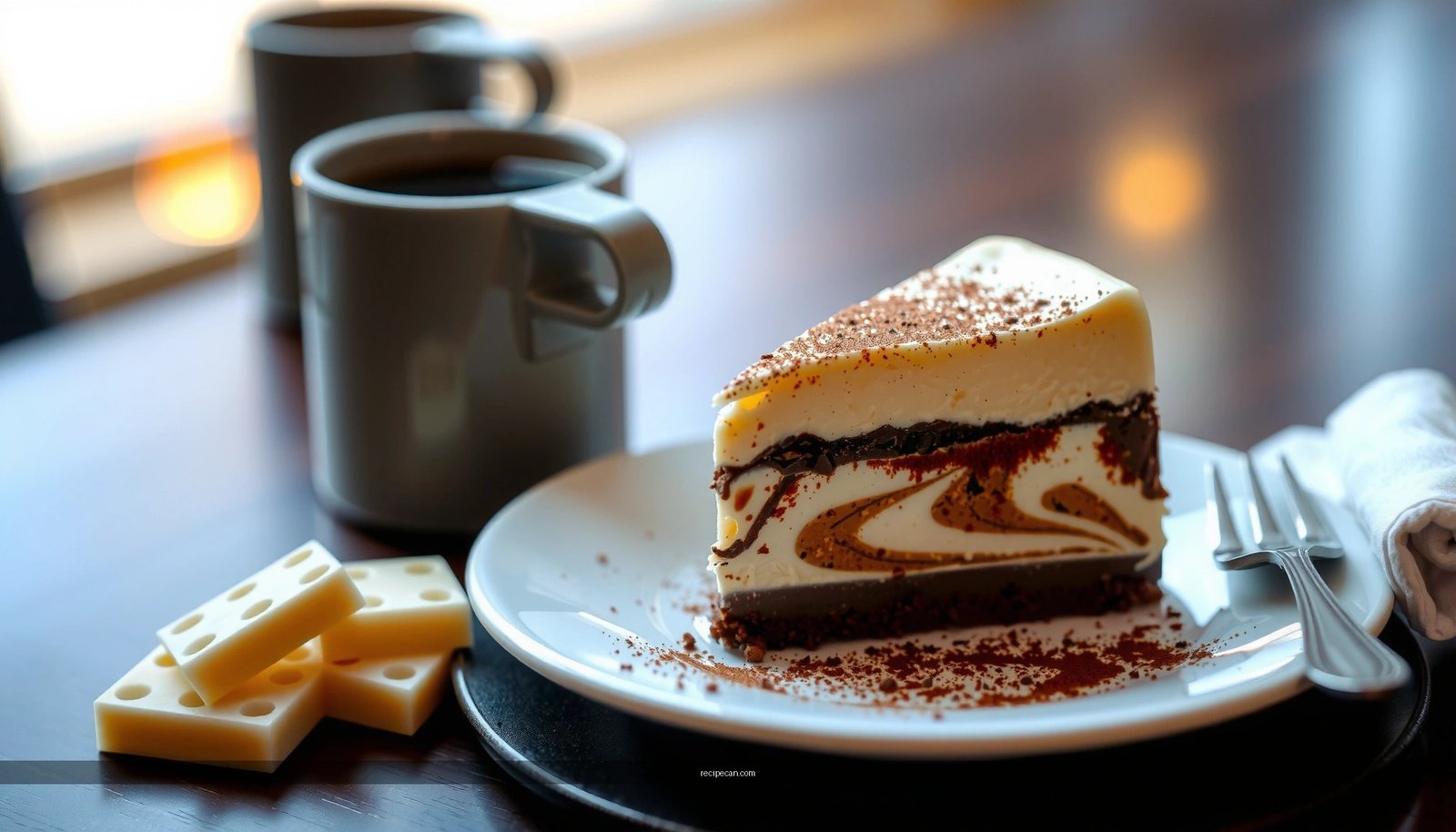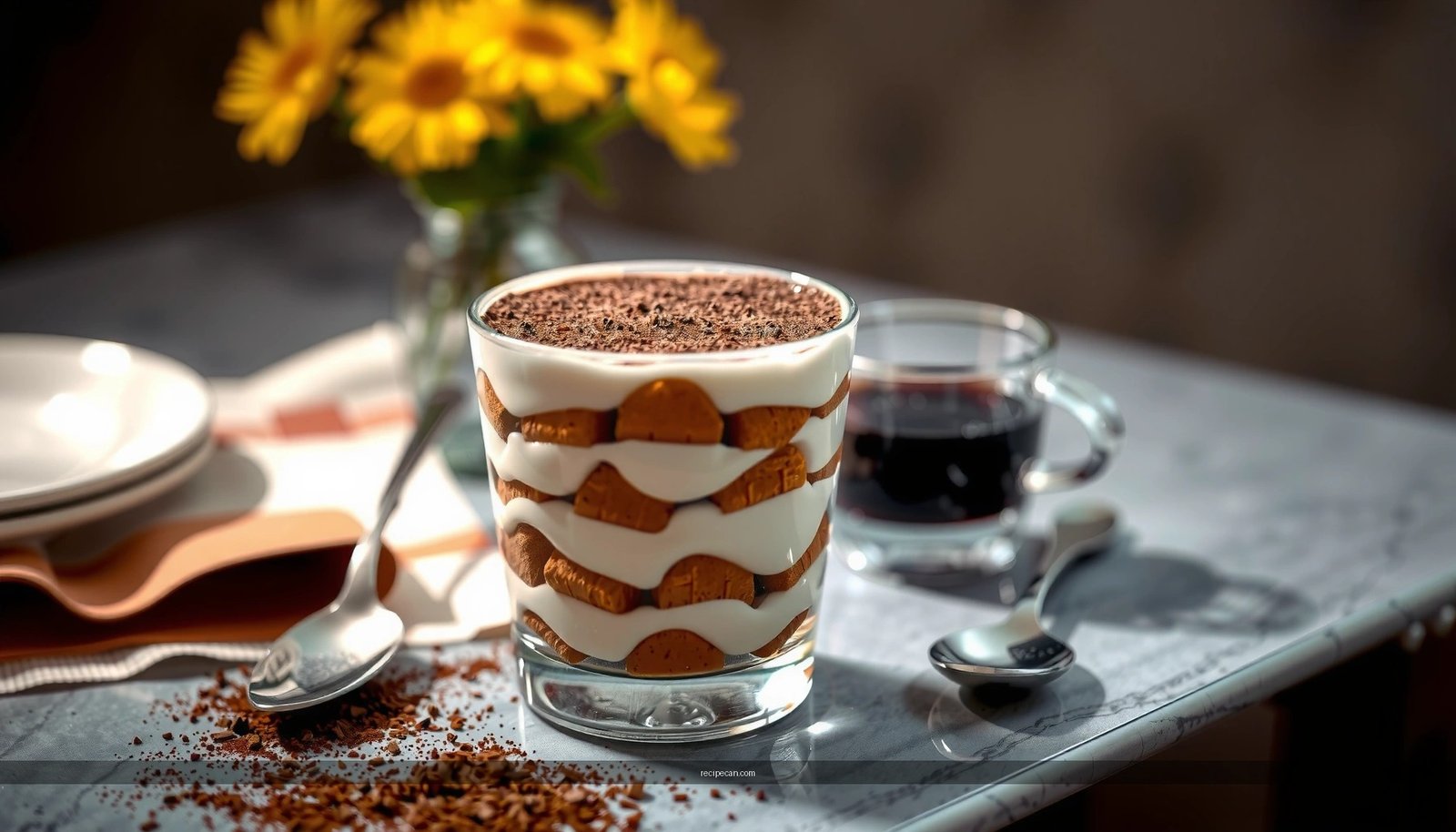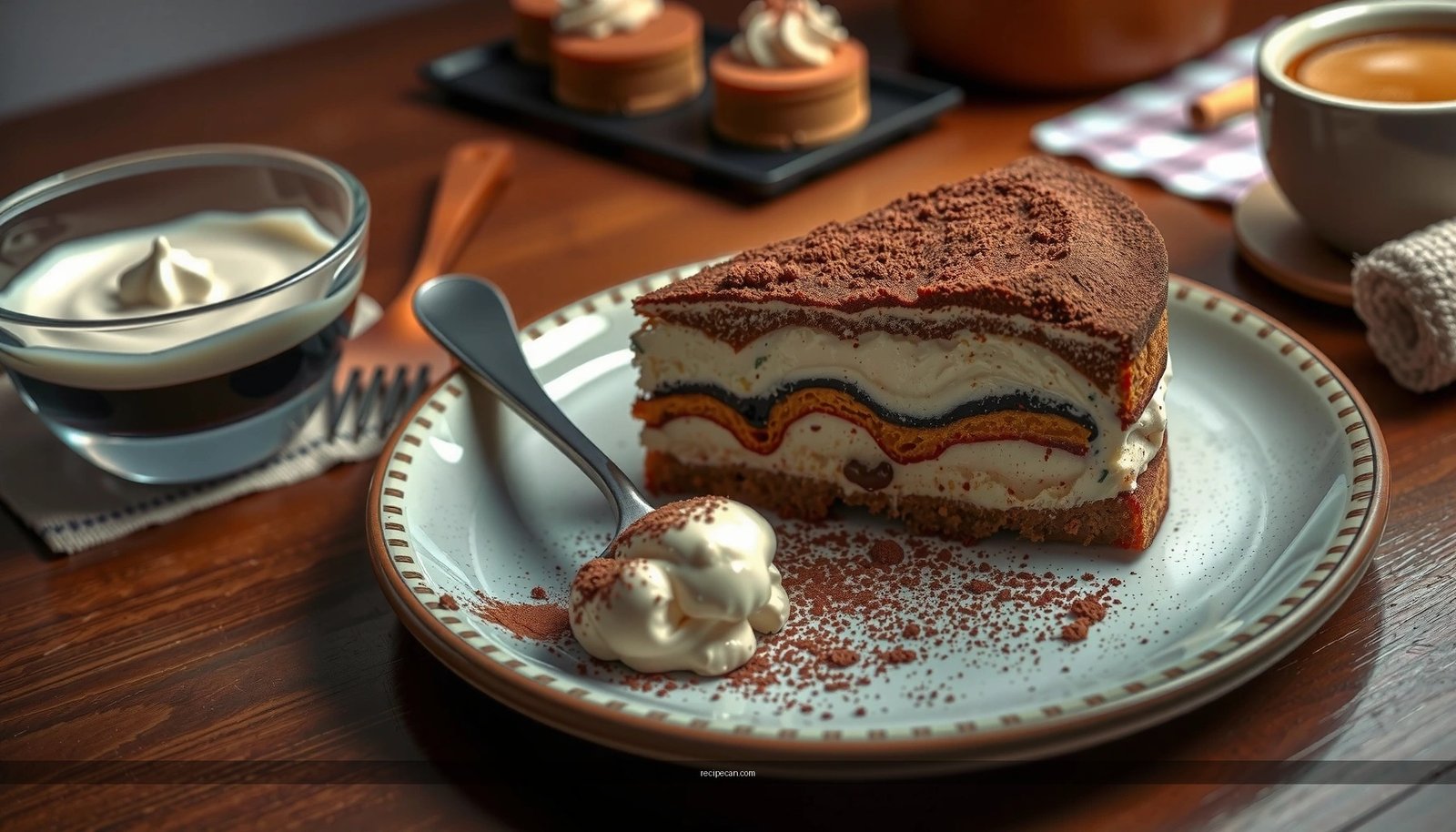
This simple tiramisu cake recipe delivers the fastest path to an easy, creamy dessert without fiddly steps or special equipment. You’ll get a clear, reliable method for building the cake with coffee-soaked layers and a smooth mascarpone cream that holds its shape. The result answers one key question: how to make tiramisu cake that tastes like the classic—stress-free, every time.
This simple tiramisu cake recipe delivers classic espresso-and-mascarpone flavor with minimal effort—no baking required, just careful assembly and proper chilling. If you focus on three fundamentals (a smooth mascarpone cream, correctly cooled coffee, and a long enough rest in the fridge), you’ll reliably get a creamy set dessert instead of a runny or soggy result.
Simple Ingredients for Tiramisu Cake

A successful tiramisu cake starts with ingredients that behave consistently, especially for the creamy mascarpone layer and the coffee-soaking step.
Core ingredients (the “signal” flavors and textures):
– Mascarpone: The signature base for a rich, creamy layer. Choose one labeled *mascarpone* (not a cream cheese substitute) for best texture.
– Heavy cream (cold): Helps aerate the mascarpone and create a light, spoonable consistency.
– Espresso or strong coffee: The flavor backbone. Use brewed coffee with enough intensity that it tastes noticeable even after dilution.
– Ladyfingers (savoiardi) or cake layers: The structural component that “locks in” the dessert once chilled.
Finishing ingredients (sweetness, balance, and visual appeal):
– Cocoa powder: Adds the classic bitter-sweet finish. Use unsweetened cocoa for better balance.
– Sugar (optional): Depending on brand and preference, you may need a small amount in the cream layer.
– Optional vanilla or espresso powder: Helpful if your coffee is mild; otherwise, keep it simple.
Practical buying guidance: If you’re making a tiramisu cake for guests or for repeated servings, buy a mascarpone brand with consistent fat content and use ladyfingers that aren’t overly soft—firmer ladyfingers hold their shape longer during dipping.
Recommended Coffee Soak Time for Tiramisu Texture
| # | Ladyfinger Type | Soak Time (sec) | Expected Result | Outcome Score |
|---|---|---|---|---|
| 1 | Firm savoiardi | 2–3 | Balanced softness, holds shape | 9.5★ |
| 2 | Standard ladyfingers | 1–2 | Cream sets cleanly, creamy bite | 9.1★ |
| 3 | Soft ladyfingers | <1 | Minimal soak, avoids collapse | 8.7★ |
| 4 | Dry, slightly stale ladyfingers | 2–4 | More absorption, still slices well | 8.9★ |
| 5 | Over-soaked (standard) | 4–6 | Too wet; layer shifts and bleeds | 5.4★ |
| 6 | Under-soaked (firm) | 0–1 | Dry bite; coffee flavor muted | 6.3★ |
| 7 | Cake layers (sponge) | 5–8 (brush) | Even moisture without mush | 9.0★ |
Make the Tiramisu Cream Layer

The mascarpone cream is where most “easy tiramisu” recipes either succeed beautifully—or turn grainy or overly dense. You’re not trying to whip butter; you’re trying to create a smooth, airy, stable layer.
Step-by-step approach:
– Whip the heavy cream to soft peaks.
Soft peaks mean the cream holds shape briefly and then relaxes—ideal for a creamy mouthfeel. If you go to stiff peaks, the cream can become too thick and harder to fold smoothly.
– Fold mascarpone in gradually.
Add mascarpone in portions so you maintain control over texture. Folding should be gentle but thorough: stop once the mixture looks uniform and glossy.
– Sweeten strategically (if needed).
Some mascarpone and ladyfinger brands are subtly different in sweetness. Taste the cream: if it reads bitterly neutral, add sugar in small increments rather than mixing in a large amount at once.
Texture checkpoints for professionals:
– The cream should be spreadable, not pourable.
– It should form soft ridges when spooned—proof that it’s airy but stable.
– If it looks slightly lumpy early on, continue folding gently; overmixing is what can worsen graininess.
Avoid these common cream failures:
– Warm mascarpone or warm mixing bowl: can weaken structure.
– Over-whipping the cream: leads to a heavier, less luxurious layer.
– Overmixing after folding: can break the emulsion and reduce stability.
Brew and Prep the Coffee So It Soaks Perfectly
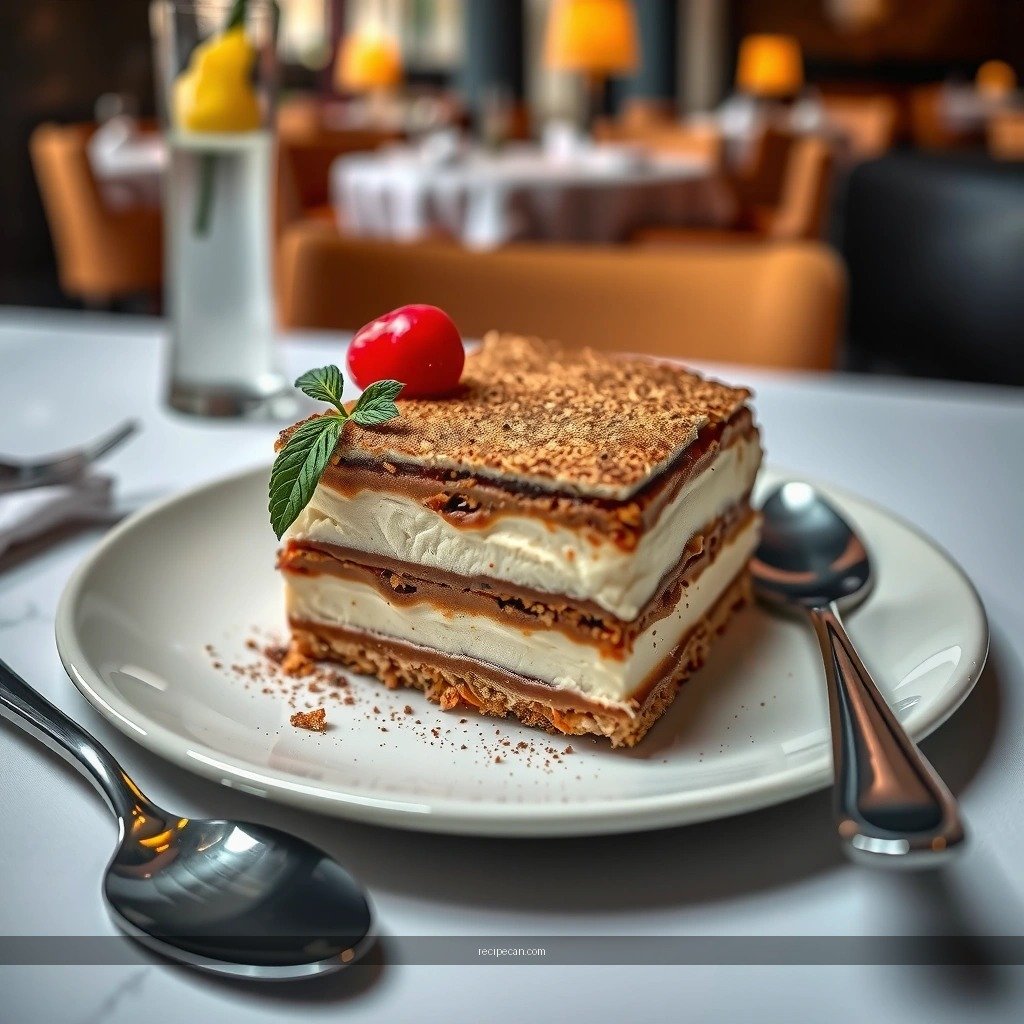
Tiramisu is only “no-fuss” if the coffee is treated correctly. Coffee that’s too hot soaks too fast; coffee that’s too weak doesn’t taste like tiramisu.
Brew with intensity:
– Brew espresso if you have it, or use strong coffee with a bold roast profile.
– If using instant, choose a high-strength variety and dissolve fully.
Cool it properly:
– Let the coffee cool slightly—aim for warm, not hot. Warm coffee distributes better than cold, but hot coffee will melt cream and collapse ladyfingers.
Control the soak:
– Dip quickly or brush: the goal is flavor transfer, not saturation.
– Work in batches so the ladyfingers don’t sit in liquid.
How to adjust to your environment:
– In a warm kitchen, work faster and keep coffee covered to slow temperature creep.
– If your ladyfingers are very soft, shorten dipping time and focus on a brief contact.
Assemble Your Simple Tiramisu Cake
Assembly is where the recipe becomes “cake” instead of “dessert bowl.” Your objective is even layering and clean stacking so each slice holds together.
Layering method:
– Place a base layer of coffee-dipped ladyfingers (or sponge/cake strips if you’re using layers).
– Spread a generous, even layer of mascarpone cream.
– Repeat for one to two additional layers depending on your pan depth.
Professional assembly tips:
– Even spread beats thick blobs. Spoon the cream and smooth with an offset spatula.
– Press lightly after each cream layer—just enough to remove major air pockets.
– Keep edges clean. If cream smears along the pan sides, it can harden unevenly and affect slice presentation.
Presentation note: If you want a neat, bakery-style finish, smooth the top thoroughly; dusting cocoa later will conceal minor surface imperfections, but it won’t fix major unevenness.
Chill and Serve for the Best Flavor
Chilling is non-negotiable for tiramisu cake. The rest period allows:
– The coffee to distribute throughout the layers.
– The mascarpone cream to set into a stable, sliceable structure.
– The flavors to integrate so each bite tastes “complete,” not segmented.
How long to refrigerate:
– Minimum: 4–6 hours
– Best results: overnight (8–12 hours)
Why overnight works: The coffee continues to hydrate the sponge/ladyfingers more gradually, and the cream firms without drying out.
Cocoa timing:
– Dust generously right before serving to avoid dissolving and turning muddy.
– Use a fine-mesh sieve for consistent coverage.
Serving approach:
– Wipe the knife between slices for clean cuts.
– Let the cake sit 5–10 minutes at cool room temperature if your kitchen is very cold—this improves slice texture and aroma.
Easy Variations and Troubleshooting
Even simple recipes benefit from prepared adjustments. Here’s how to tailor your tiramisu cake to ingredients on hand and common texture issues.
Variations that keep the tiramisu identity:
– Use store-bought ladyfingers: Choose a brand that’s firm enough to dip briefly without disintegrating.
– Swap in sponge cake for convenience: Brush sponge with coffee instead of soaking. This reduces mushiness and makes layering easier.
– Add a hint of alcohol (optional): A small amount of rum or coffee liqueur mixed into the coffee can deepen aroma. Start small so it doesn’t overpower the classic profile.
Troubleshooting guide (quick diagnosis):
– If it’s too soft / won’t slice: Chill longer (often 2–4 extra hours). Also check that your cream was whipped to soft peaks and folded without overmixing.
– If the coffee tastes too strong or bitter: Either use a milder brew next time or reduce coffee concentration. You can also increase sweetness slightly in the cream.
– If the cake tastes bland: Your coffee may be too weak or too lightly soaked. Brew stronger and dip/brush consistently.
– If layers bleed liquid: The soak time is likely too long or the coffee too hot. Next batch, cool coffee more and shorten dipping.
Tiramisu cake is fundamentally a process-driven dessert: creamy mascarpone texture, correctly soaked coffee, and enough chilling time to set. Follow this simple tiramisu cake recipe step-by-step, then dust with cocoa and serve chilled—want to make it again? Save the recipe and try a variation next time.
When you treat the coffee like a flavor ingredient (not a soak-through liquid) and respect the refrigeration window, a no-fuss tiramisu cake becomes reliably impressive. Use soft-peaked whipping, gentle folding, brief dipping/ brushing, and an overnight chill to consistently achieve that signature creamy espresso-and-cream experience.
Frequently Asked Questions
What is a simple tiramisu cake recipe for beginners?
A simple tiramisu cake recipe typically layers a light sponge cake (or ladyfingers) with mascarpone cream, espresso-soaked layers, and a final dusting of cocoa powder. Start by whisking mascarpone with sugar and folding in whipped cream for an airy texture, then layer with cooled espresso. Chill the cake for several hours so the tiramisu flavors set and the cake slices cleanly.
How do I make a tiramisu cake without raw eggs?
To avoid raw eggs, use a mascarpone cream base with whipped cream instead of egg yolks, or choose a version that uses lightly cooked eggs in a zabaglione-style filling. Many simple tiramisu cake recipes rely on mascarpone + sugar + whipped cream for a safe, smooth result. If you want extra richness, add vanilla and a pinch of salt to balance the espresso flavor without needing eggs.
How can I prevent my tiramisu cake from becoming soggy?
The key to a simple tiramisu cake recipe is controlling how much espresso you soak into the cake. Dip quickly or use a spoon to drizzle cooled espresso rather than soaking for long periods, and make sure the sponge layer is completely cooled before assembling. Chill the cake long enough—at least 4 to 6 hours—so the mascarpone cream firms up and the layers hold together.
Why is chilling important in a tiramisu cake recipe?
Chilling is essential because it lets the mascarpone cream thicken and the espresso-soaked layers evenly absorb flavor. This resting time improves slice consistency and gives you that classic tiramisu texture—creamy but not runny. For best results, cover and refrigerate your simple tiramisu cake for several hours before serving, ideally overnight.
Which mascarpone substitute works best if I can’t find mascarpone?
If mascarpone isn’t available, the closest substitute is a thick, high-fat cream cheese blended with a little heavy cream to mimic mascarpone’s creamy consistency. Use full-fat cream cheese and beat it until smooth, then fold in whipped cream for a lighter tiramisu cake filling. While the flavor will be slightly tangier than mascarpone, a well-mixed substitute still creates a satisfying espresso mascarpone-style cream.
References
- Tiramisu
https://en.wikipedia.org/wiki/Tiramisu - Tiramisu | Meaning, Ingredients, Origin, Desserts, & Taste | Britannica
https://www.britannica.com/topic/tiramisu - Lady finger
https://en.wikipedia.org/wiki/Ladyfinger - Mascarpone
https://en.wikipedia.org/wiki/Mascarpone - Google Scholar Google Scholar
https://scholar.google.com/scholar?q=simple+tiramisu+cake+recipe - Google Scholar Google Scholar
https://scholar.google.com/scholar?q=no-bake+tiramisu+recipe - Google Scholar Google Scholar
https://scholar.google.com/scholar?q=tiramisu+recipe+mascarpone+eggs+coffee+ladyfingers - Good Food
https://www.bbcgoodfood.com/search?q=tiramisu - https://www.theguardian.com/search?q=tiramisu
https://www.theguardian.com/search?q=tiramisu - https://www.nytimes.com/search?query=tiramisu
https://www.nytimes.com/search?query=tiramisu