Want the best Earl Grey Tea Latte recipe that’s creamy, cozy, and truly easy to make? This recipe delivers a rich, smooth latte by steeping Earl Grey properly and blending it into steamed milk with just enough sweetness to bring out the bergamot. Follow it once and you’ll know exactly how strong to brew the tea, so your latte tastes right every time.
Skip the coffee: brew a strong Earl Grey tea base, then warm or steam milk until silky and creamy—blend and finish with a light foam for a café-style Earl Grey tea latte at home. This recipe walks you through steeping times, the milk-to-tea ratio, and how to balance bergamot so it tastes bright and smooth rather than bitter or perfumey.
Brew the Perfect Earl Grey Base
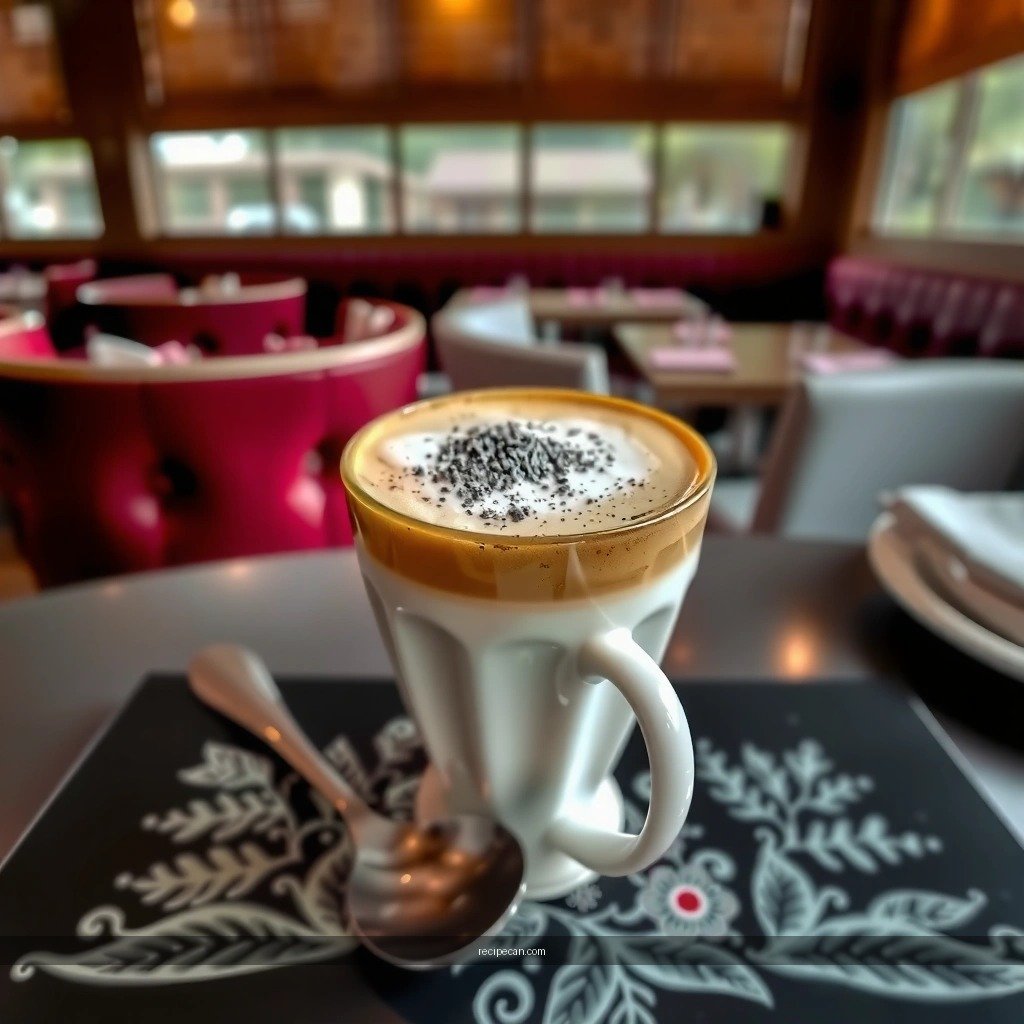
A great Earl Grey tea latte starts with a properly extracted tea concentrate. Bergamot—the citrusy oil character in Earl Grey—can turn sharp if the tea is over-steeped, but it will taste muted if you under-brew. Your goal is flavor clarity: aromatic, structured, and strong enough to stand up to milk.
Steep Earl Grey tea just long enough to keep it flavorful, not bitter.
For most black Earl Grey blends, a reliable baseline is 3 to 4 minutes in 200–205°F (93–96°C) water. If your blend is finer (or if you’re using a stronger tea), lean toward 3 minutes. If it’s a lighter or more delicate blend, aim closer to 4 minutes.
Strain if needed for a smoother latte texture.
If you’re using loose leaf Earl Grey, straining removes tiny leaf particles that can create a grainy mouthfeel once milk is added. With bagged tea, you can skip straining, but if you notice any cloudiness, pour through a fine-mesh sieve.
Taste the concentrate before adding milk to fine-tune strength.
This is the most “barista” step: brew your tea concentrate, taste it straight, and assess the intensity. For a latte, you typically want the tea to taste noticeably strong and slightly bold, not gentle. Milk will round off bitterness and amplify perceived sweetness, so if it tastes only lightly flavored at this stage, it may be too weak after blending.
To make this process repeatable, here’s a practical reference for common batch sizes and strengths.
Earl Grey Tea Concentrate Guide for Creamy Lattes
| # | Serve Size | Tea (g) | Water (ml) | Steep (min) | Brew Strength Rating |
|---|---|---|---|---|---|
| 1 | Single (8 oz / 240 ml) | 3.0 | 90 | 3.5 | ★ ★ ★ ★ ☆ |
| 2 | Single, bolder (8 oz / 240 ml) | 3.6 | 85 | 3.0 | ★ ★ ★ ★ ★ |
| 3 | Tall (12 oz / 350 ml) | 4.5 | 135 | 3.5 | ★ ★ ★ ★ ☆ |
| 4 | Iced base (12 oz / 350 ml) | 4.0 | 125 | 4.0 | ★ ★ ★ ★ ☆ |
| 5 | Extra creamy (12 oz / 350 ml) | 4.2 | 115 | 3.25 | ★ ★ ★ ★ ★ |
| 6 | Half-caf style (12 oz / 350 ml) | 2.8 | 135 | 3.0 | ★ ★ ☆ ☆ ☆ |
| 7 | Very gentle (10 oz / 300 ml) | 2.5 | 120 | 3.0 | ★ ★ ★ ☆ ☆ |
Choose and Prep Your Milk
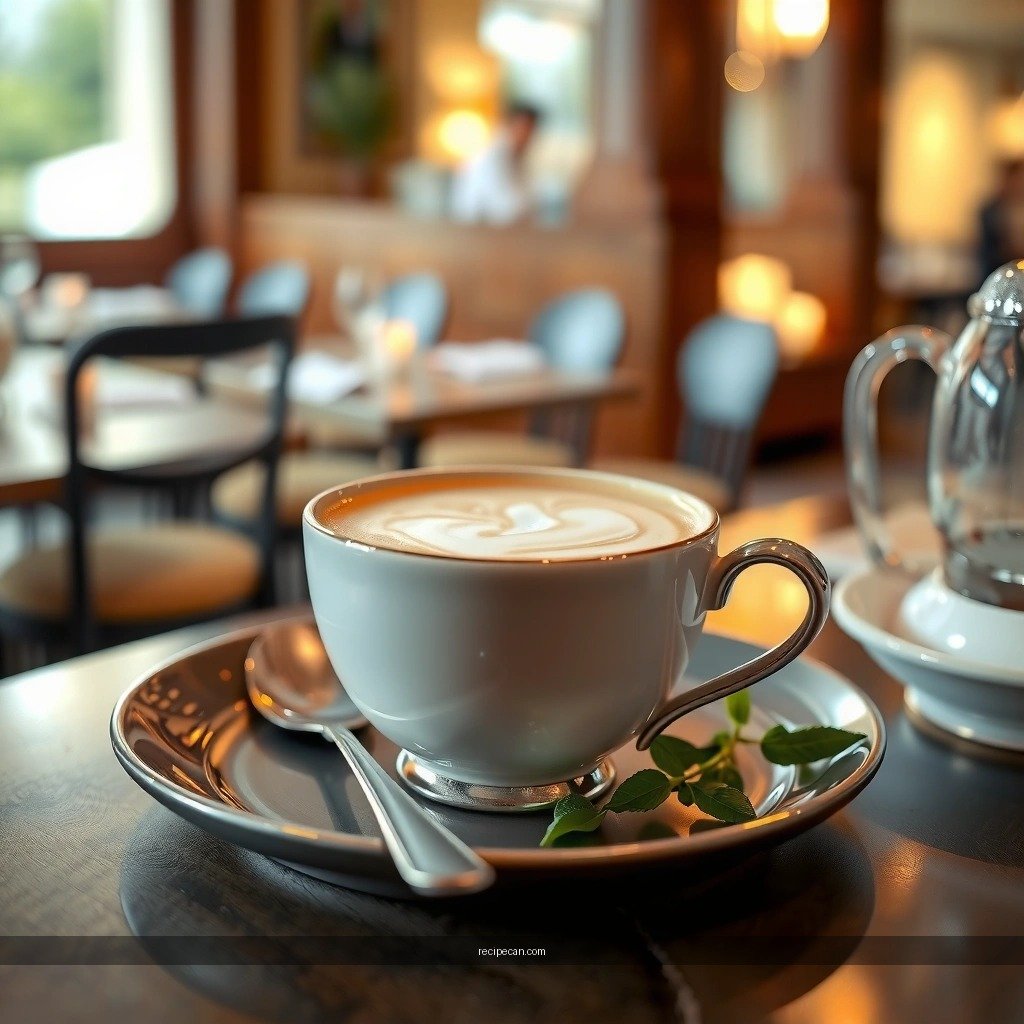
Milk choice and handling determine whether your Earl Grey tea latte tastes thick and comforting—or thin and flat. For a café-style result, you want gentle heat, not boiling, and you want enough fat/protein for foam stability.
Use whole milk for the creamiest result, or oat milk for a dairy-free option.
– Whole milk: Best for classic texture and natural sweetness.
– 2% milk: Still creamy, slightly less rich.
– Oat milk: Excellent for barista-style foam if you choose a barista blend (often higher in oils and stabilizers).
Warm milk gently to avoid scorching and preserve sweetness.
Heat milk over medium-low and stir. Target 150–160°F (65–71°C)—warm enough to feel luxurious, not hot enough to scorch or mute flavor. If you see bubbles on the edges or the milk smells “toasty,” you’ve likely gone too far.
Froth or whisk for a classic latte feel and light foam.
No espresso machine? Use one of these:
– French press method: Add warm milk, pump the plunger rapidly for 20–30 seconds.
– Hand frother: Froth for 30–60 seconds until you see fine microfoam.
– Whisk: Whisk vigorously in a small saucepan off heat for quick foam.
The key is microfoam: small bubbles that mix smoothly instead of a froth that collapses instantly.
Sweeten and Balance the Flavor
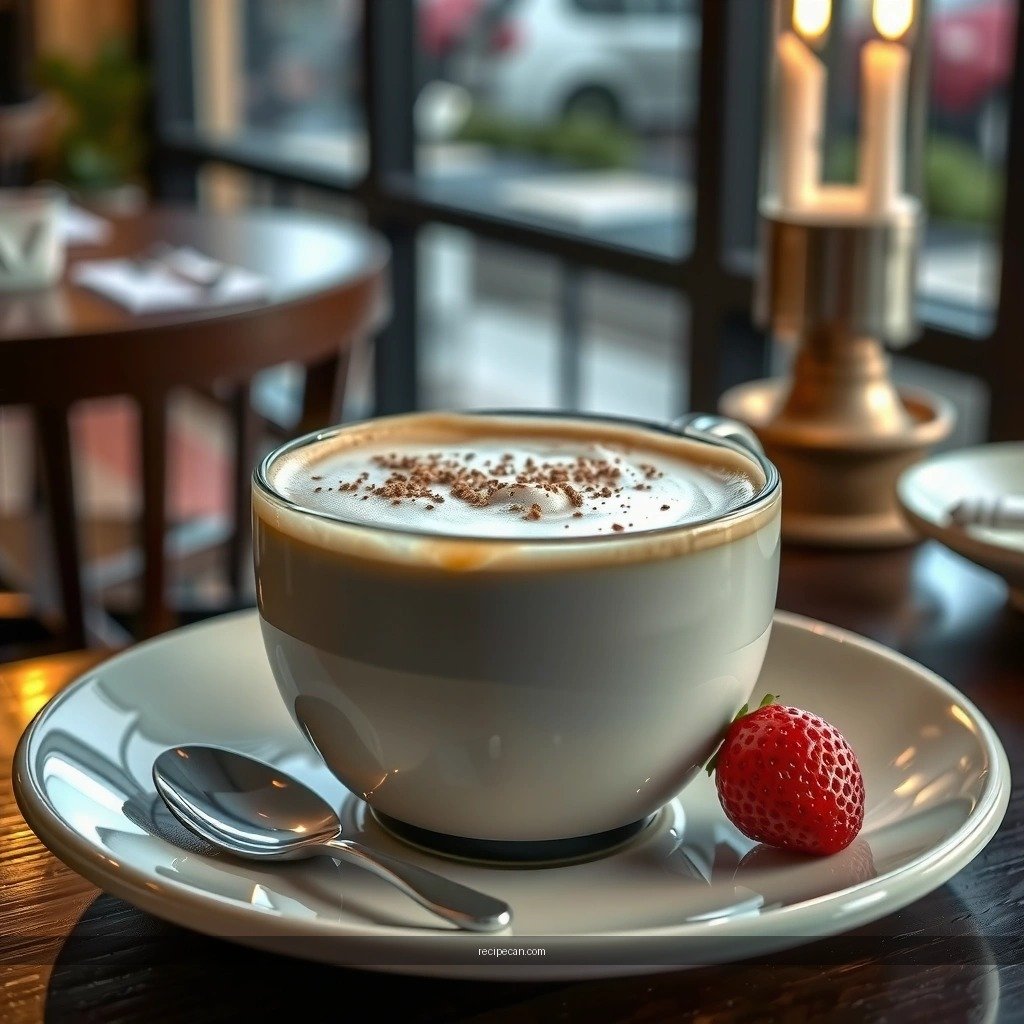
Bergamot is aromatic and distinct, but it’s not inherently sweet. Proper balancing makes the tea taste like a refined citrus tea rather than an overly fragrant beverage.
Add sugar, honey, or vanilla to enhance bergamot without overpowering tea.
Start small:
– Sugar: Dissolves cleanly—good for consistent sweetness.
– Honey: Adds floral notes that harmonize with black tea; add a teaspoon at a time.
– Vanilla: Rounds out citrus edges and makes the latte taste more “dessert-like.”
Start with a small amount and adjust to your preference.
A typical starting point for one latte is 1 to 2 teaspoons of sweetener per serving (depending on how strong your tea is and your taste). If your bergamot tastes sharp, sweetening and slightly increasing milk will help.
Optional: a pinch of cinnamon for extra warmth.
Cinnamon adds perceived warmth and complexity. Use a light touch—too much can dominate the delicate bergamot character that makes Earl Grey special.
Pro tip: if you’re using honey, add it after warming but before blending tea and milk, so it integrates evenly.
Assemble Your Earl Grey Tea Latte
This is where the recipe becomes a “finished drink.” A good assembly step ensures full bergamot integration and a consistent texture in every sip.
Combine tea concentrate with steamed milk to reach your ideal strength.
A straightforward ratio for a creamy latte is 1 part tea concentrate to 2 parts milk by volume. For example:
– 90 ml tea concentrate + ~180 ml milk = one smooth 8–9 oz latte base (depending on your cup size).
If you prefer a more tea-forward London Fog-style profile, adjust toward 1:1.5 (tea concentrate slightly higher).
Stir well to fully blend the bergamot and creaminess.
Once you pour steamed milk into the tea (or vice versa, depending on your workflow), stir gently for 10–15 seconds. This prevents separation and makes the flavor uniform.
Add foam on top for a barista-style finish.
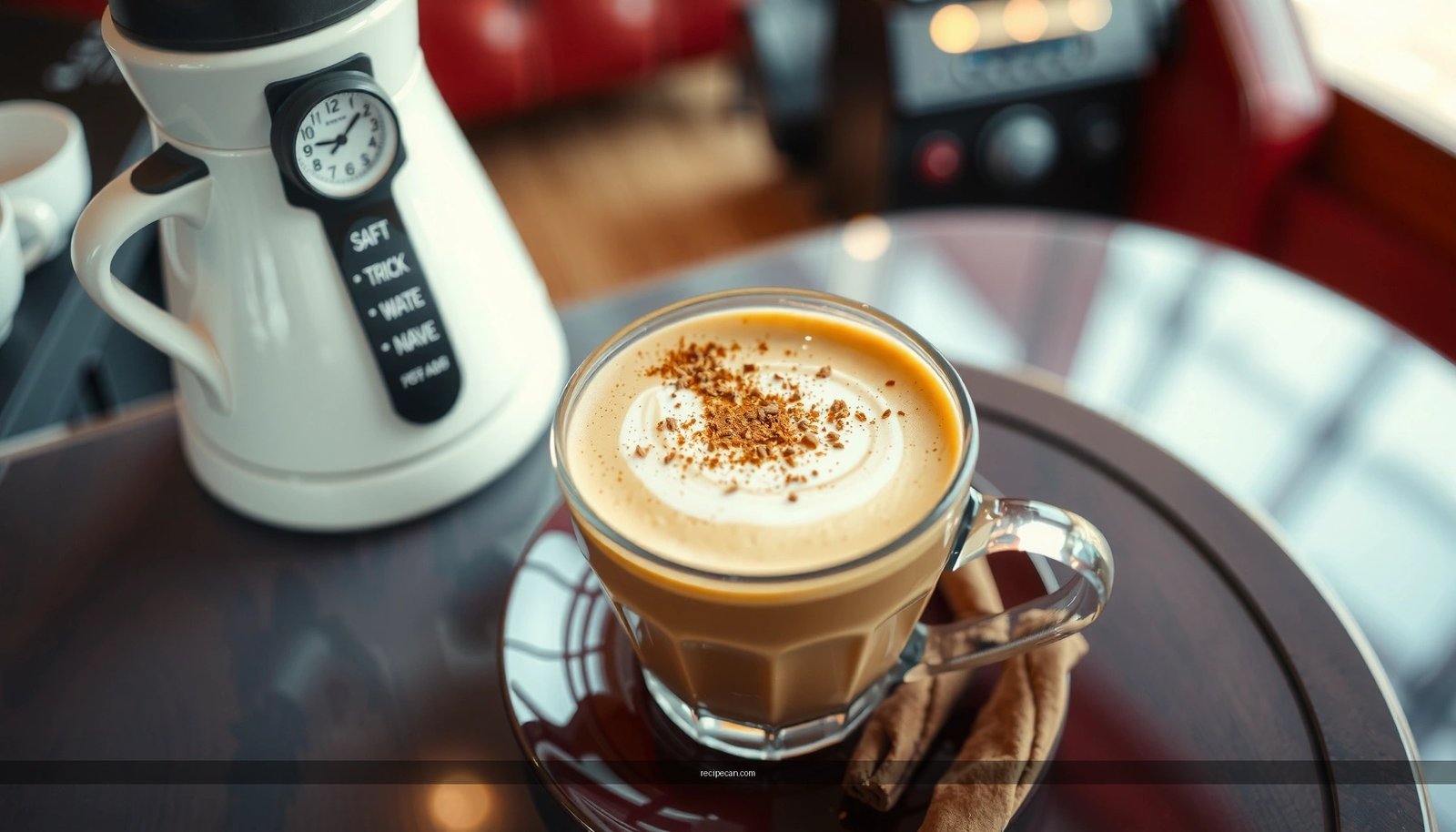
Pour the foam last. For a café look, hold back the largest bubbles and let the fine foam settle on top. Finish with a dusting of cinnamon or a tiny pinch of zest (optional) if you want visual aroma.
A quick build sequence (hot)
1. Brew Earl Grey concentrate.
2. Taste and adjust strength if needed.
3. Warm and froth milk.
4. Sweeten the milk or the tea concentrate (choose one for consistency).
5. Combine at 1:2 tea-to-milk ratio.
6. Stir, top with foam, garnish.
Flavor Variations to Try
Earl Grey tea lattes are highly adaptable. Once your base is dialed in, changing one variable—temperature, sweetness, or aromatics—yields a new style without changing your core technique.
Make it iced by chilling the tea concentrate and pouring over ice.
For iced lattes:
– Brew the tea concentrate a bit stronger (use the bolder concentrate table row).
– Cool fully (or chill quickly), then pour over ice.
– Steam/warm milk is still optional; you can use cold milk for a lighter texture, but warm milk often gives a rounder mouthfeel even when you stir it into iced tea.
Add a splash of vanilla syrup or a touch of citrus zest.
Vanilla syrup amplifies the “London Fog” vibe without increasing bitterness. A small amount of orange zest or lemon zest can brighten the bergamot further—use lightly so it doesn’t turn sharp.
Try a London Fog-style version with extra vanilla (optional).
London Fog typically leans into vanilla and sometimes a slightly softer tea extraction. If you want this style:
– Increase vanilla (or use vanilla syrup) to taste.
– Keep tea steeping at the shorter end (about 3 minutes) to prevent bergamot from turning edgy.
If you’re serving guests or a team meeting, offering hot and iced versions from the same concentrate improves consistency and reduces prep time.
Serving Tips and Storage
Small handling decisions significantly affect flavor, especially for tea-based drinks where aroma fades quickly.
Serve immediately for the best texture and aroma.
Bergamot is volatile—fresh aroma is part of the experience. Aim to assemble and serve within a few minutes of brewing and steaming milk.
Keep leftover tea base separate, refrigerate, and reheat gently.
The best practice is to store:
– Tea concentrate only (not combined with milk).
This preserves texture and prevents the milk from warming unevenly or developing an “off” note.
Reheat gently on the stovetop or microwave in short intervals, stirring in between. Avoid repeatedly heating the tea base.
Avoid over-steeping when reheating to prevent bitterness.
If you must reheat the whole drink, do it briefly and stir often. But for consistent results, reheat the tea concentrate and re-steam fresh milk (even quickly) for the best foam and mouthfeel.
Conclusion
An Earl Grey tea latte is easy to nail when you treat it like a two-part system: brew a strong-but-not-bitter bergamot tea concentrate, then warm or steam milk to creamy, foam-ready texture and assemble at about a 1:2 tea-to-milk ratio. Use the steeping window of 3–4 minutes, taste your concentrate before adding milk, and adjust sweetness in small steps so bergamot stays smooth—then enjoy it hot or iced, with vanilla and cinnamon variations whenever you want a café-style upgrade at home.
Frequently Asked Questions
What is an Earl Grey tea latte and how do you make one at home?
An Earl Grey tea latte is a creamy drink made with brewed Earl Grey tea (black tea infused with bergamot) and steamed milk, often finished with a touch of vanilla or honey. To make it, steep 1–2 teaspoons of Earl Grey tea in hot water for 3–5 minutes, then combine with warm milk in a mug. Sweeten to taste and stir well; for a café-style finish, steam or froth the milk before adding.
How do you brew Earl Grey tea the right strength for a latte?
For a balanced Earl Grey tea latte recipe, aim for a strong tea base since milk can mellow the flavor. Use about 1–2 teaspoons of loose leaf Earl Grey or 1 tea bag per mug and steep for 3–5 minutes in hot water (around 90–95°C/195–203°F). Taste the brewed tea first—if it’s too mild on its own, extend steeping by 30–60 seconds next time or slightly increase the tea.
Which milk is best for an Earl Grey tea latte—dairy or non-dairy?
Dairy milk like whole milk or oat milk froths well and helps carry the bergamot aroma in an Earl Grey tea latte. If you prefer non-dairy, choose barista-style oat milk for a creamy texture or soy milk for a richer mouthfeel. Avoid very watery options, and keep in mind that the right milk can dramatically affect whether the latte tastes smooth or thin.
Why does my Earl Grey latte taste bitter, and how can I fix it?
Bitter Earl Grey tea latte flavors usually come from over-steeping, using water that’s too hot, or letting the tea simmer too long. Try steeping for 2–4 minutes and remove the tea promptly, or lower the temperature slightly to avoid harsh notes. If it’s still sharp, balance with a little more milk or a small amount of honey to round out the bergamot and black tea.
What’s the best way to make an iced Earl Grey tea latte?
To make an iced Earl Grey tea latte, brew a stronger batch of Earl Grey tea and let it cool before pouring over ice. Then add chilled milk (dairy or non-dairy) and stir, or shake tea and milk in a jar for even mixing. For extra flavor without dilution, use an ice cube made from leftover Earl Grey tea or brew a concentrate so the iced drink stays bold.
References
- Earl Grey tea
https://en.wikipedia.org/wiki/Earl_Grey_tea - Latte
https://en.wikipedia.org/wiki/Latte - Tea
https://en.wikipedia.org/wiki/Tea - Milk
https://en.wikipedia.org/wiki/Milk - Earl Grey tea | beverage | Britannica
https://www.britannica.com/topic/Earl-Grey-tea - https://pubmed.ncbi.nlm.nih.gov/?term=milk+foaming+protein+stability
https://pubmed.ncbi.nlm.nih.gov/?term=milk+foaming+protein+stability - https://www.sciencedirect.com/search?qs=milk+foam+stability
https://www.sciencedirect.com/search?qs=milk+foam+stability - Google Scholar Google Scholar
https://scholar.google.com/scholar?q=Earl+Grey+tea+latte+recipe - Google Scholar Google Scholar
https://scholar.google.com/scholar?q=Earl+Grey+bergamot+milk+infusion - Google Scholar Google Scholar
https://scholar.google.com/scholar?q=latte+milk+steaming+frothing+science