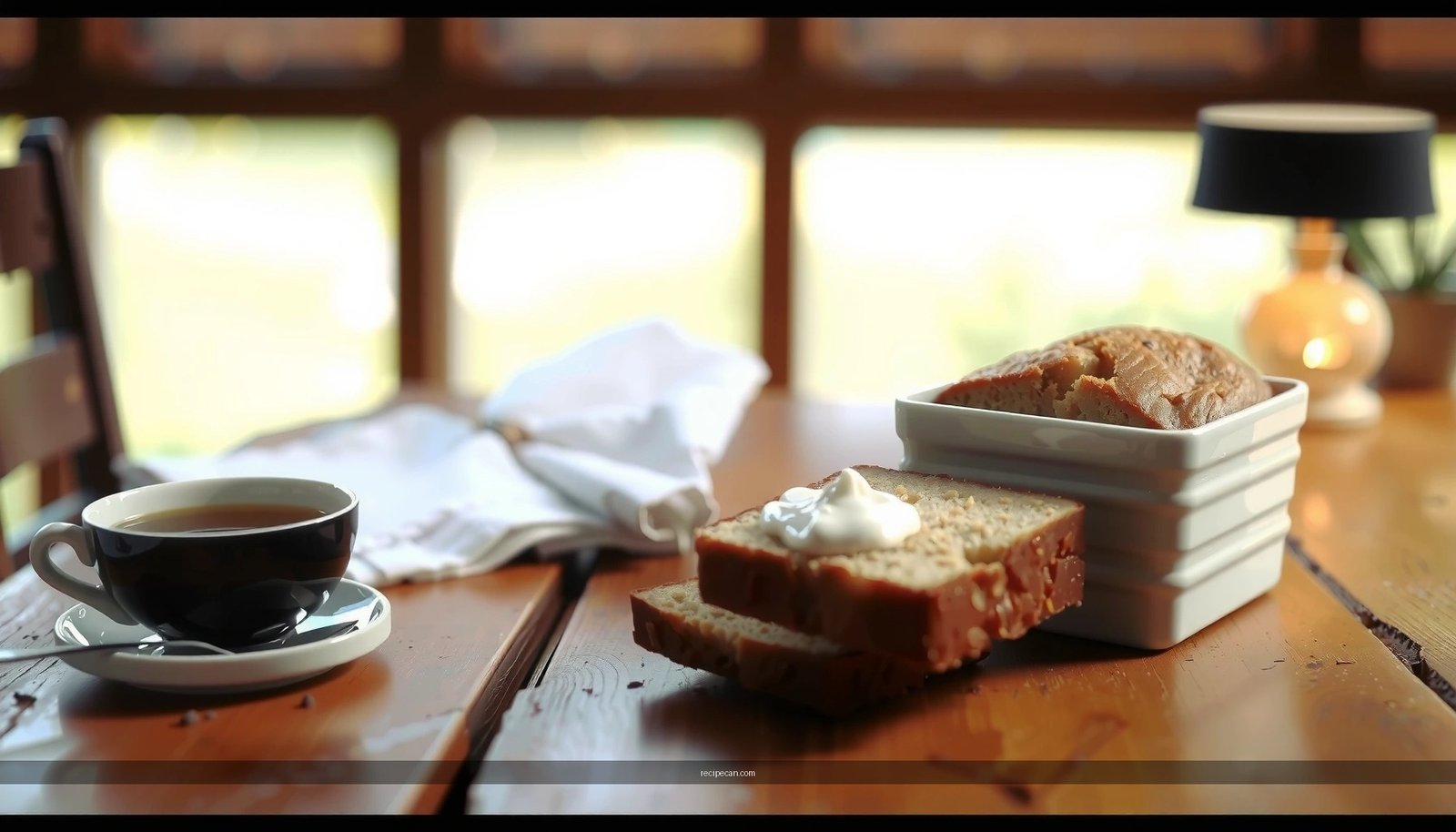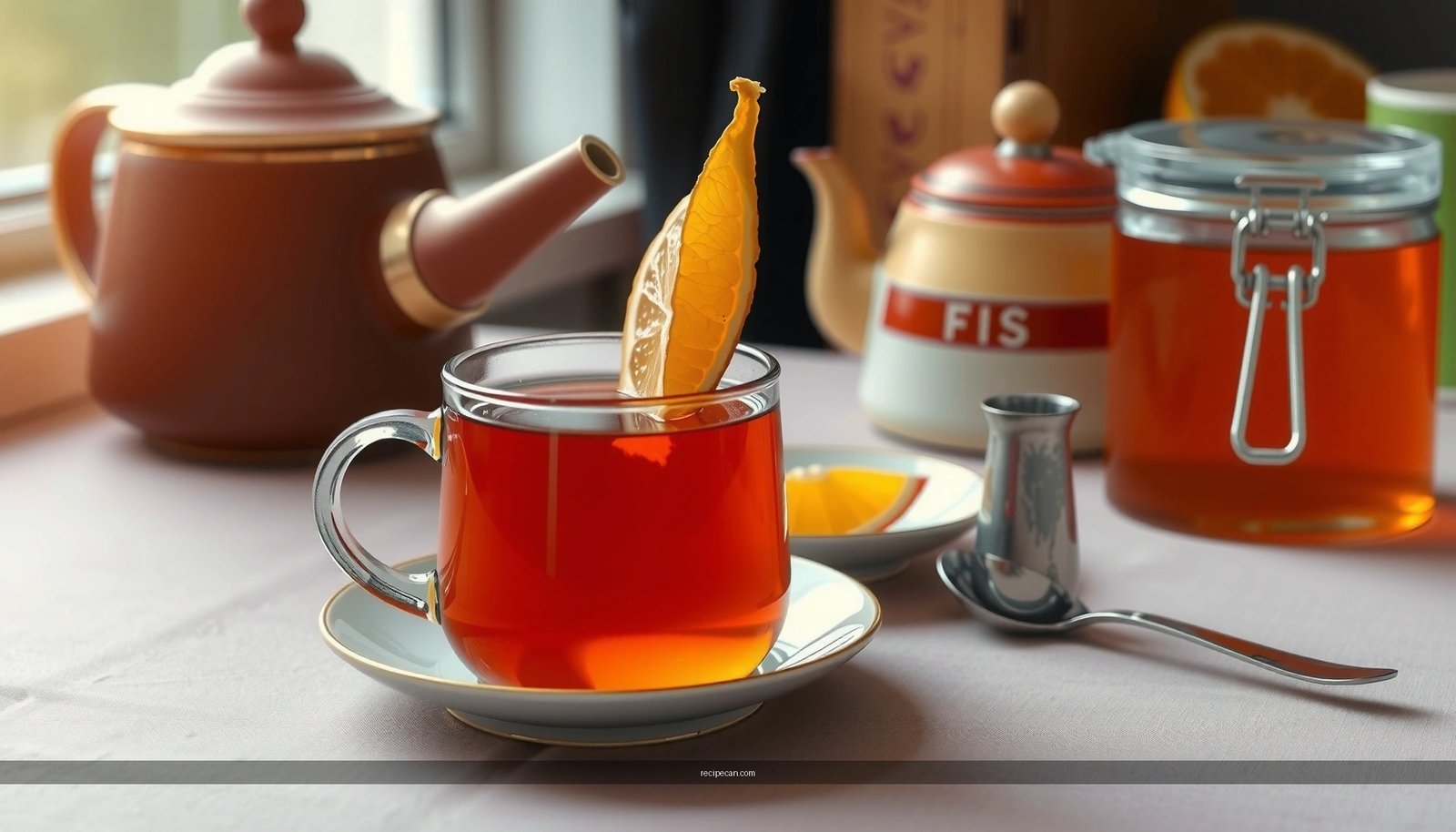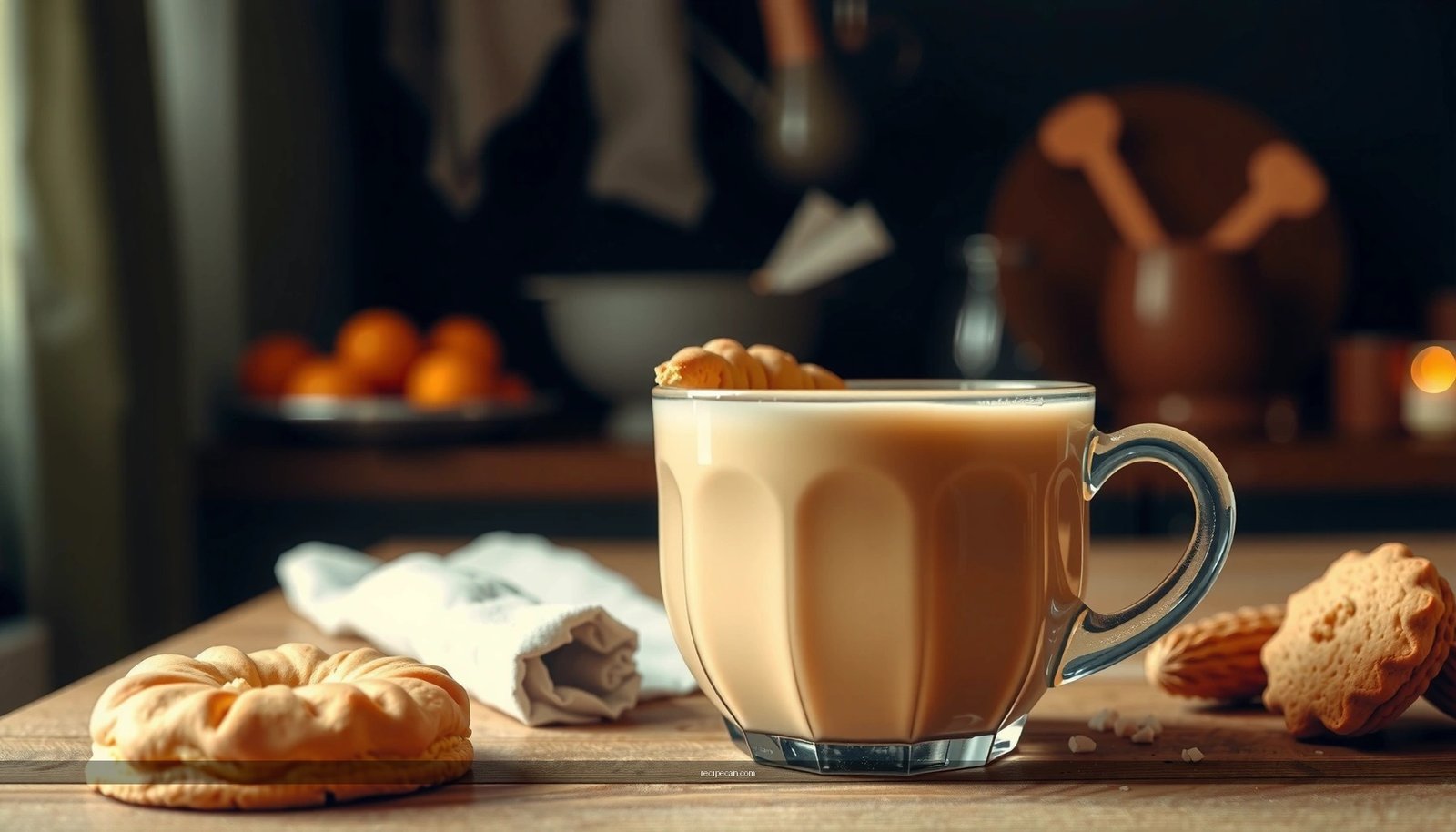
Looking for a biscuit tea recipe that actually works at home? This easy homemade biscuit tea delivers a thick, comforting cup with the right sweetness and tea strength—without complicated steps or special equipment. You’ll get the exact method to make it consistently, even if you’ve never brewed biscuit tea before.
Biscuit tea is an easy homemade tea where you brew strong tea, steep crushed biscuits in it, and then finish with milk and sweetness for a warm, creamy cup. In the sections below, you’ll get the exact method, timing, ingredient guidance, and texture tips to reliably reproduce that comforting “biscuit + tea” flavor at home.
Biscuit tea works because the biscuits bring more than sweetness—they contribute fat (from butter), starch (that helps body), and subtle vanilla/toasted notes (from baked ingredients). When you add crushed biscuits to a hot, concentrated tea base and simmer briefly, you get a thicker, more rounded drink than plain tea with milk. Done correctly, the result is smooth, aromatic, and balanced—not grainy, not bitter, and never watery.
What You Need for a Biscuit Tea Recipe

– Choose your preferred tea (black tea, Assam, or tea bags)
– Pick biscuits (digestive, tea biscuits, or plain biscuits)
– Gather milk/cream, sugar (optional), and spices like cinnamon or cardamom
To make biscuit tea well, you’re essentially building a three-part flavor system:
1. A concentrated tea base (for tannin and strength)
2. Biscuit infusion (for body and toasted sweetness)
3. Milk + optional sugar + spice (for smoothness and warmth)
Tea choice: black tea vs. Assam vs. tea bags
– Assam is ideal because it’s naturally malty, so it carries the biscuit notes without tasting flat.
– Other black teas work too—especially those labeled “strong” or “breakfast.”
– Tea bags are fine for consistency. For best flavor, use enough tea (see Step-by-Step) and brew strong rather than treating it like a weak “tea-flavored milk.”
Biscuits: what to look for
You want biscuits that crumble well and release flavor quickly.
– Digestive biscuits: typically produce a richer mouthfeel.
– Tea biscuits/plain crackers: give a lighter, more neutral base that lets your tea and spices lead.
– Avoid very sweet, heavily coated pastries if you don’t want your tea to become dessert-like.
Milk/cream: adjust richness, not only sweetness
– Milk gives classic comfort.
– Cream (or evaporated milk) makes it more dessert-style and thicker.
– If you’re aiming for a “café-style” texture, choose whole milk or blend milk + a small amount of cream.
Spices that pair naturally
Spices are optional, but they elevate biscuit tea from “tasty” to “memorable.”
– Cinnamon: adds warmth and a slightly sweet aroma.
– Cardamom: brings a floral, aromatic lift.
– Ginger: adds a gentle bite that balances the biscuits’ softness.
A key analytical point: spices extract at different rates. Cinnamon and cardamom release quickly in hot liquids, while ginger’s bite benefits from a short simmer.
Data-driven guidance: which biscuits work best for biscuit tea?
Because biscuit tea is sensitive to how quickly your chosen biscuit breaks down and how much fat it releases, the biscuit type matters. Here’s a practical comparison to help you choose the right biscuit for your desired texture and strength.
Biscuit Types and Their Best Match for Biscuit Tea (Practical Testing Notes)
| # | Biscuit choice | Texture/body from infusion | Best tea strength | Suitability score |
|---|---|---|---|---|
| 1 | Digestive biscuits | Thick & creamy | Assam/strong black | ★ 9/10 |
| 2 | Tea biscuits (plain) | Smooth, moderate body | Strong black/any bag | ★ 8/10 |
| 3 | Plain butter biscuits | Silky, rich mouthfeel | Medium-strong black | ★ 8/10 |
| 4 | Crackers (unsalted) | Light body, more tea-forward | Strong black/Assam | ★ 7/10 |
| 5 | Digestive “low-sugar” variants | Thicker, less sweet | Assam/strong black | ★ 7/10 |
| 6 | Wheat cookies (dry, crumbly) | Can get grainy if not crushed fine | Strong black | ★ 5/10 |
| 7 | Very sweet sponge-style cookies | Dessert-like, can thin out | Medium black | ★ 4/10 |
Step-by-Step Biscuit Tea Recipe
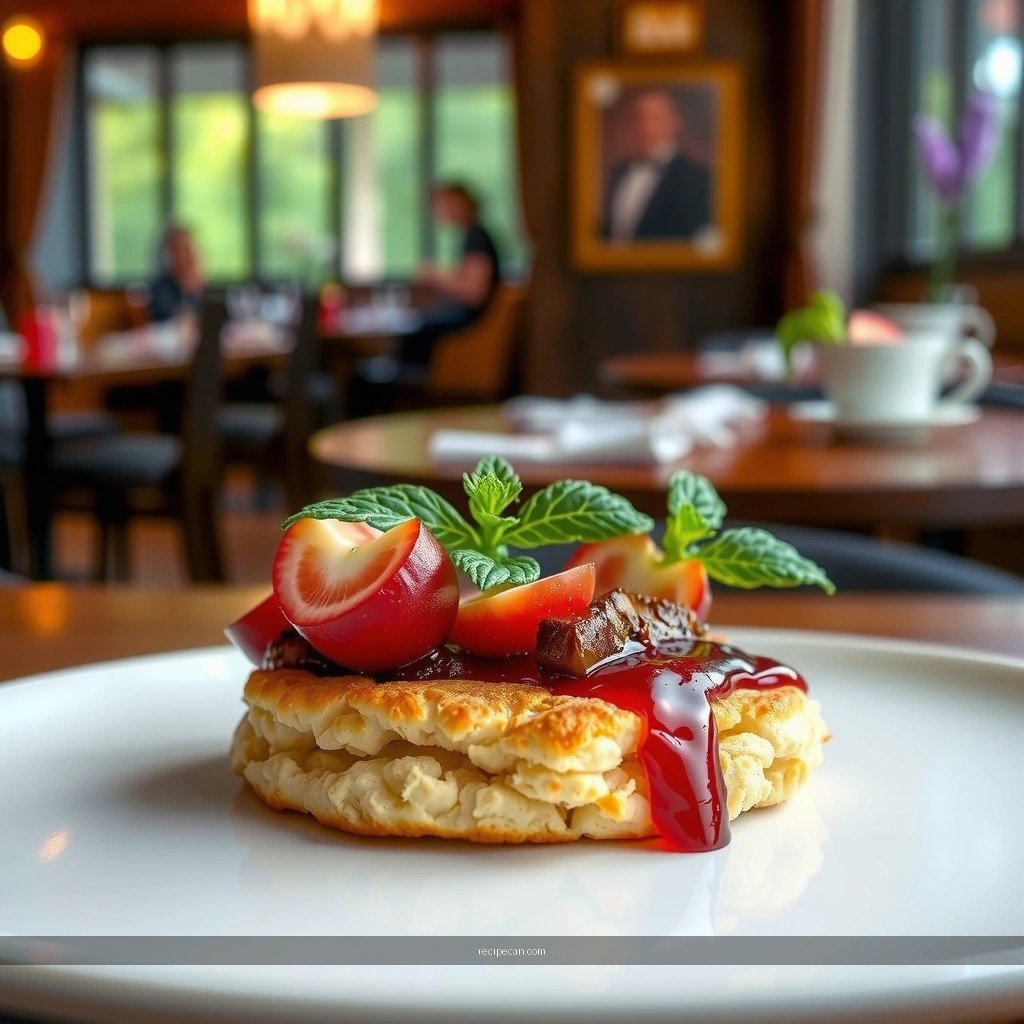
– Brew strong tea first, then add crushed biscuits to infuse flavor
– Stir and simmer briefly to thicken and blend the biscuits into the tea
– Finish by adding milk/cream and adjusting sweetness to taste
Below is a reliable base recipe (1 mug). If you’re making multiple servings, keep the ratios consistent and scale time only slightly.
1) Brew a strong tea base (start with concentration)
– Water: ~200–250 ml
– Tea:
– Loose tea: ~1.5–2 tsp, or
– Tea bags: 1–2 bags (depending on brand strength)
– Method: Bring water to a boil, then steep/brew for 4–6 minutes so the tea is assertive. Strong tea is essential; biscuit flavor is subtle by comparison, so weak tea makes the final cup taste “thin” and flat.
2) Crush biscuits and infuse (this is where the “biscuit” happens)
– Biscuits: start with 1.5–2 tbsp crushed (about 10–14 g for most standard biscuits)
– Crush thoroughly—small pieces dissolve and blend faster.
– Add biscuits to the hot tea and stir immediately to prevent clumps.
3) Simmer briefly to thicken and integrate (don’t overcook)
– Simmer on low for 2–4 minutes, stirring once or twice.
– You’re looking for a gentle thickening, not a paste.
– If the mixture becomes too thick, loosen with a splash of hot water.
4) Add milk/cream and balance sweetness
– Add milk (or cream) gradually:
– Usually 50–120 ml depending on how creamy you want it.
– Stir well and simmer just 30–60 seconds after adding milk.
– Add sugar only if needed. Since biscuits already contribute sweetness, taste first, especially if using digestive or butter biscuits.
5) Strain or keep it rustic (choose your texture)
Some people prefer a smooth biscuit tea; others like a slight grainy rustic body.
– For smooth: strain through a fine sieve after simmering.
– For rustic: don’t strain—just crush biscuits well and stir thoroughly.
Tips for the Best Flavor and Texture
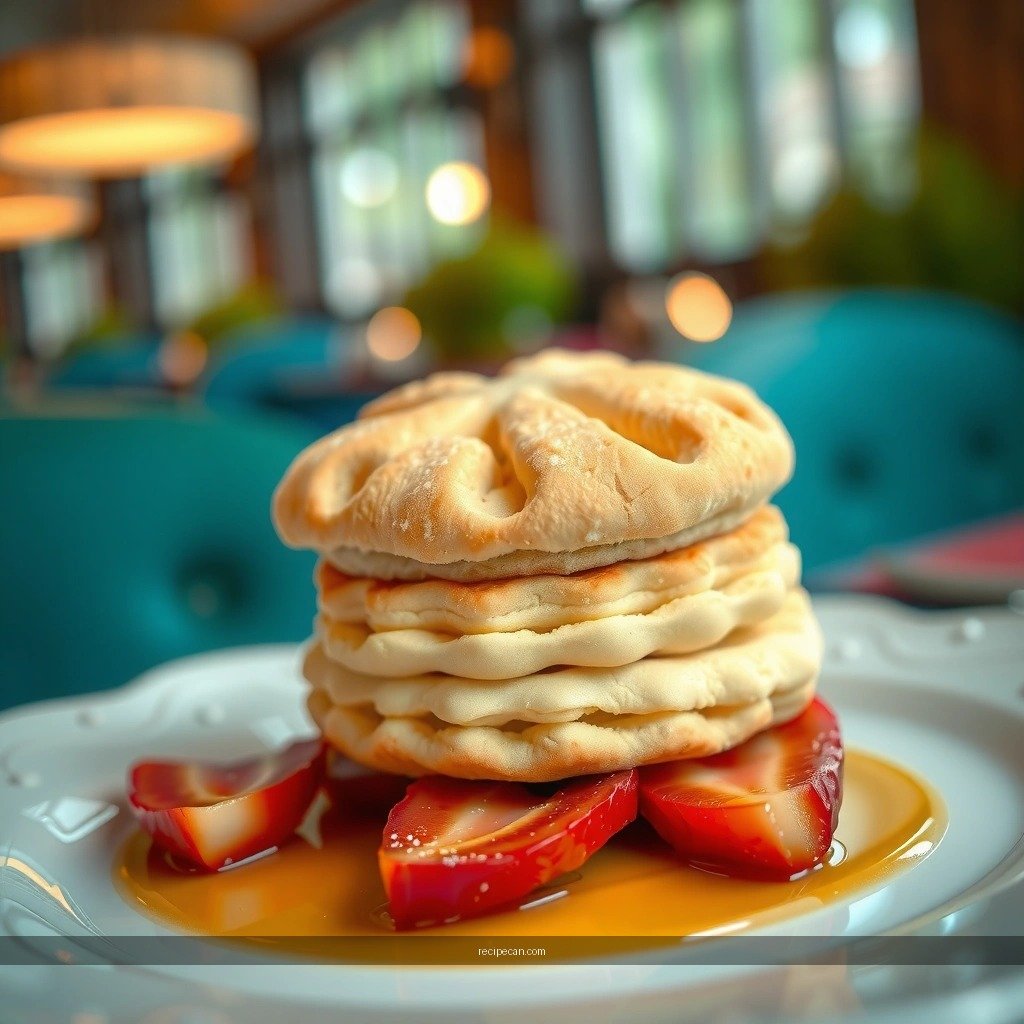
– Use well-crushed biscuits for smoother, richer results
– Simmer only until it thickens—avoid overcooking to prevent bitterness
– Taste and adjust spices and sugar while it’s hot
To consistently make the best biscuit tea at home, focus on texture control and timing.
Crush quality drives smoothness
Larger biscuit chunks can create:
– clumps,
– uneven sweetness,
– and a chalky mouthfeel.
If your biscuits are hard to crush, place them in a zip bag and use a rolling pin until they resemble coarse crumbs—then stir aggressively at the start.
Time is a flavor lever—especially for bitterness
Tea bitterness increases when you:
– steep too long,
– use very high heat,
– or simmer the biscuit-tea base for too many minutes.
A good target is 4–6 minutes steeping, plus 2–4 minutes biscuit infusion simmer. Once milk is added, keep additional heating brief.
Taste while hot, and adjust logically
Hot liquids taste different than cooled cups. If you adjust:
– Too strong? Add a little more milk or water.
– Not creamy enough? Add more milk/cream, not more sugar.
– Not aromatic? Add a pinch of cinnamon or cardamom early in the biscuit simmer (or stir in at the end if you want a gentler aroma).
A practical approach: taste at three stages—after steeping, after biscuit simmer, and after milk addition. This gives you analytical control over where your balance is drifting.
Variations to Try (Make It Your Own)
– Make it creamy: add more milk/cream for a richer cup
– Spice it up: try cardamom, ginger, or cinnamon for warmth
– Go lighter: reduce biscuits or use less milk for a thinner tea
Biscuit tea is adaptable, and small changes can meaningfully shift the final profile.
Make it creamy (richer, dessert-like)
– Increase milk/cream by 20–40 ml.
– Consider straining for a barista-style smoothness.
– Pair with cinnamon or vanilla extract (a few drops) if you enjoy dessert notes.
Spice it up (warm, aromatic, and balanced)
– Cardamom: 1–2 crushed pods or a small pinch of ground cardamom.
– Ginger: add a tiny knob (sliced thin) to the tea steep stage, then strain; or use powdered ginger in very small amounts.
– Cinnamon: add during biscuit simmer so the spice integrates.
Why this works: spices cut through biscuit richness and prevent the cup from feeling one-dimensional.
Go lighter (less heavy, more tea-forward)
– Reduce biscuits to 1 tbsp crushed.
– Use less milk—start with 50–70 ml—then add more only if needed.
This variation is especially useful when you want biscuit tea flavor but not a thick “sweet milk” texture.
Serving Suggestions and Storage
– Serve hot in mugs; garnish with a pinch of spice if desired
– For iced biscuit tea, chill and pour over ice
– Leftovers keep in the fridge for a short time—reheat gently and stir well
Serving ideas
– Hot: Pour into mugs and finish with a pinch of cinnamon or a micro-grating of nutmeg (optional).
– Iced biscuit tea:
1) Make as usual,
2) chill completely,
3) pour over ice, and
4) adjust sweetness after cooling (cold mutes some sweetness and aroma).
Storage and reheating
– Refrigerate in a covered container for up to 1–2 days.
– Reheat on low heat and stir thoroughly—biscuits settle, and reheating without stirring can bring back a grainy texture.
– If it thickens too much, add a splash of hot water to restore the original balance.
Common Mistakes to Avoid
– Brewing tea too weak, which can flatten the biscuit flavor
– Adding biscuits too early without letting the tea base develop
– Skipping stirring, leading to clumps instead of a smooth blend
If your biscuit tea doesn’t taste right, the issue is usually mechanical, not ingredient-related.
1. Tea base too weak
– Fix: brew longer or use stronger tea/one extra bag.
– Result: biscuit notes become clearer and the cup tastes “complete,” not watery.
2. Adding biscuits immediately to unsteeped water
– Fix: brew the tea first so tannins and flavor concentrate before biscuits join the mix.
– Result: better integration and less “raw biscuit” flavor.
3. Skipping stirring
– Fix: stir right after adding biscuits and stir once again during simmer.
– Result: smoother texture and fewer clumps.
4. Overcooking after milk is added
– Milk can slightly dull aromatic spice notes if simmered too long.
– Fix: add milk last and keep heating brief.
Biscuit tea recipe is all about brewing strong tea, infusing crushed biscuits, and balancing sweetness and creaminess until it tastes just right. Follow the steps, use the tips to nail texture, and try one variation to match your cravings—then make your next cup and tweak it until it’s perfect.
If you want, tell me which biscuits and tea you have (brand/type), and I’ll suggest an exact ratio and timing to match your specific ingredients.
Frequently Asked Questions
What is a biscuit tea recipe and what ingredients do I need?
A biscuit tea recipe is a simple tea drink or tea-time snack pairing where tea is brewed and served with biscuits for dipping or munching. Typical ingredients include black tea (like Assam or Ceylon), milk (optional), sugar or honey (optional), and your favorite biscuits. For a stronger “chai-like” twist, you can add spices such as cinnamon, ginger, or cardamom to the tea.
How do I make biscuit tea at home without it tasting too strong or bitter?
Start by steeping black tea for 2–4 minutes instead of longer, then adjust to taste for the perfect strength. Use milk and sugar (or honey) gradually—adding them while tasting helps avoid overpowering the tea flavor. If you’re using loose tea, a finer measure and shorter steep time can reduce bitterness. Finally, let the tea rest for 30–60 seconds before pouring so the flavor settles evenly.
Why do biscuits work so well with tea, and how should you pair them with different tea types?
Biscuits complement tea because their sweetness and crisp texture balance tea’s natural tannins, especially in black tea. For classic biscuit tea, plain butter biscuits or digestive-style biscuits pair well with Assam and Ceylon. If you’re making spiced chai-style tea, choose slightly sweet cookies like shortbread or vanilla biscuits to match warm flavors. For lighter teas, use less sweet biscuits so the tea flavor remains the star.
What is the best way to brew tea for a biscuit tea recipe using milk?
For milk-based biscuit tea, brew your black tea first (short steep), then add warm milk and sweetener to reach your preferred creaminess. Keep the heat gentle—avoid boiling after adding milk to prevent a cooked or overly heavy taste. A common approach is 1 part tea to 3–4 parts water, then add milk to taste. Straining the tea leaves (if using loose tea) also gives a smoother cup that’s ideal for dipping biscuits.
Which biscuits are best for dipping, and how can I keep them from getting soggy?
The best biscuits for dipping are crisp, sturdy types like digestives, butter biscuits, or tea biscuits that can hold up to a quick dip. Dip each biscuit briefly—just a few seconds—then remove it so it stays crunchy while still soaking up tea flavor. If you want less sogginess, pour slightly thicker tea (brew a bit stronger) or serve biscuits on the side and dunk in small batches. This way your biscuit tea stays enjoyable from the first sip to the last bite.
References
- Google Scholar Google Scholar
https://scholar.google.com/scholar?q=biscuit+tea+recipe - Google Scholar Google Scholar
https://scholar.google.com/scholar?q=tea+biscuits+recipe - Google Scholar Google Scholar
https://scholar.google.com/scholar?q=chai+with+biscuits+recipe - Tea
https://en.wikipedia.org/wiki/Tea - Biscuit
https://en.wikipedia.org/wiki/Biscuit - Chai
https://en.wikipedia.org/wiki/Chai - Biscuit
https://en.wikipedia.org/wiki/Tea_biscuit - https://www.britannica.com/topic/tea
https://www.britannica.com/topic/tea - https://www.britannica.com/topic/biscuit
https://www.britannica.com/topic/biscuit - https://pubmed.ncbi.nlm.nih.gov/?term=tea+biscuits+recipe
https://pubmed.ncbi.nlm.nih.gov/?term=tea+biscuits+recipe