Get a spice tea recipe that tastes cozy, balanced, and ready to drink in minutes—no guesswork on spice amounts or steeping time. This guide delivers the best way to make spiced tea with a clear, reliable method for ginger, cinnamon, cloves, and black or herbal tea. If you want the single quickest path to a warm, fragrant mug, follow this recipe.
Spice tea is easy to make: steep or simmer warm spices with your preferred tea base, then sweeten to taste. In this recipe, you’ll get a reliable spice ratio, exact steeping and simmer guidance, and practical ways to shift the drink from mild and comforting to bold and aromatic—so you can recreate your “perfect cup” every time.
Ingredients for a Simple Spice Tea Recipe
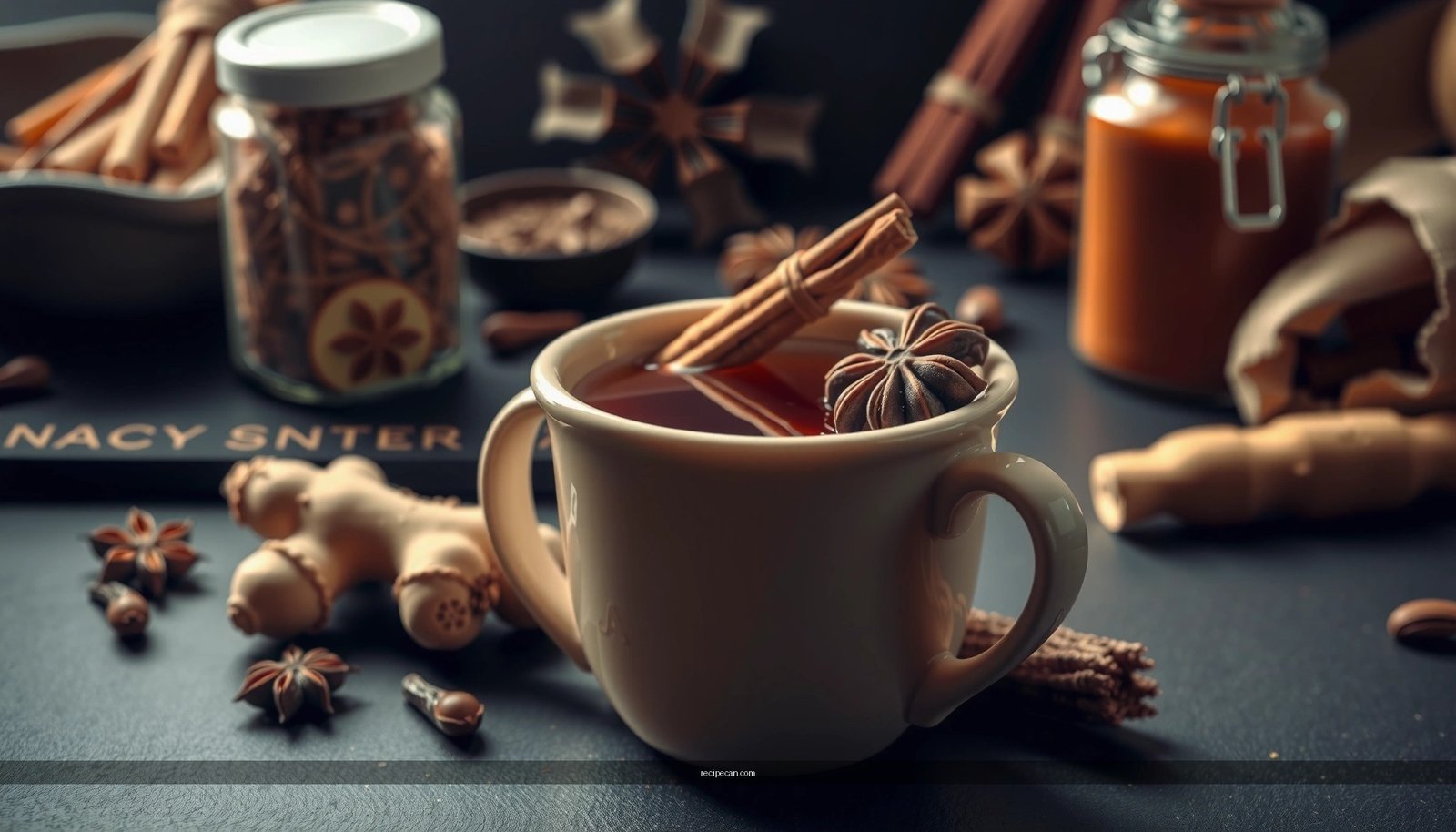
A great spiced tea starts with a strong tea base plus a calibrated blend of whole spices (or measured ground spices). The goal is balanced extraction: enough heat to pull aromatic oils from spices like cinnamon, ginger, and cloves, without turning the drink harsh or bitter.
Your ingredients (one mug, ~12 oz / 350 ml):
– Choose a base (black tea, chai, or herbal tea like rooibos)
– Black tea (English Breakfast, Assam): classic body and depth.
– Chai tea: built-in spice profile; reduce additional spices slightly to avoid overpowering.
– Rooibos (herbal): naturally caffeine-free with a caramel-like sweetness; excellent for evening.
– Gather warming spices: cinnamon stick, ginger, cloves, and/or cardamom
– Cinnamon stick (or 1/2 tsp ground cinnamon): sweet warmth and structure.
– Fresh ginger (about 1–2 thin slices) or ground ginger (1/4–1/2 tsp): bright, peppery heat.
– Cloves (2–3 whole cloves or 1/8 tsp ground): deep, intense aroma—use sparingly.
– Cardamom pods (2–3 pods) or ground cardamom (1/8–1/4 tsp): a fragrant, “bakery” note that rounds the blend.
– Add sweetener and liquid options (honey, sugar, milk, or lemon)
– Sweetener: honey, brown sugar, maple syrup, or white sugar (start with 1–2 tsp and adjust).
– Liquid: water is standard; milk or cream creates a cozy chai-style finish.
– Citrus option: a few drops of lemon juice can sharpen flavors, especially with cloves and ginger.
Spice Strength and Flavor Control Table (Batch-Friendly Benchmarks)
Use these benchmarks to keep results consistent whether you’re making one cup or a small pitcher. (The best spiced tea is repeatable—consistency comes from measurable amounts.)
Spice Tea Scaling Guide (1 cup → 1 liter)
| # | Blend Type | Cinnamon | Ginger | Cloves | Cardamom | Sweetness (Start) | Best For |
|---|---|---|---|---|---|---|---|
| 1 | Mild Cozy | 1/2 stick | 1 slice | 1–2 | 1 pod | 1 tsp honey | ★ ★ ★ ★ ☆ |
| 2 | Classic Warming | 1 stick | 2 slices | 2–3 | 2 pods | 2 tsp honey | ★ ★ ★ ★ ★ |
| 3 | Bold & Spicy | 1 1/2 sticks | 3–4 slices | 3–4 | 3 pods | 2–3 tsp maple | ★ ★ ★ ★ ☆ |
| 4 | Rooibos Night Cap | 1/2 stick | 1 slice | 1 | 1–2 pods | 1 tsp maple | ★ ★ ★ ★ ☆ |
| 5 | Iced Spice Tea | 1 stick | 2 slices | 2 cloves | 2 pods | 2 tsp sugar (dissolve) | ★ ★ ★ ★ ★ |
| 6 | Cardamom-Forward | 1/2 stick | 1–2 slices | 1–2 | 3 pods | 1–2 tsp honey | ★ ★ ★ ★ ☆ |
| 7 | Ultra-Fast (Single Serve) | 1/2 stick | 1 slice | 1 clove | 1 pod | 1 tsp honey | ★ ★ ★ ☆ ☆ |
Step-by-Step Instructions
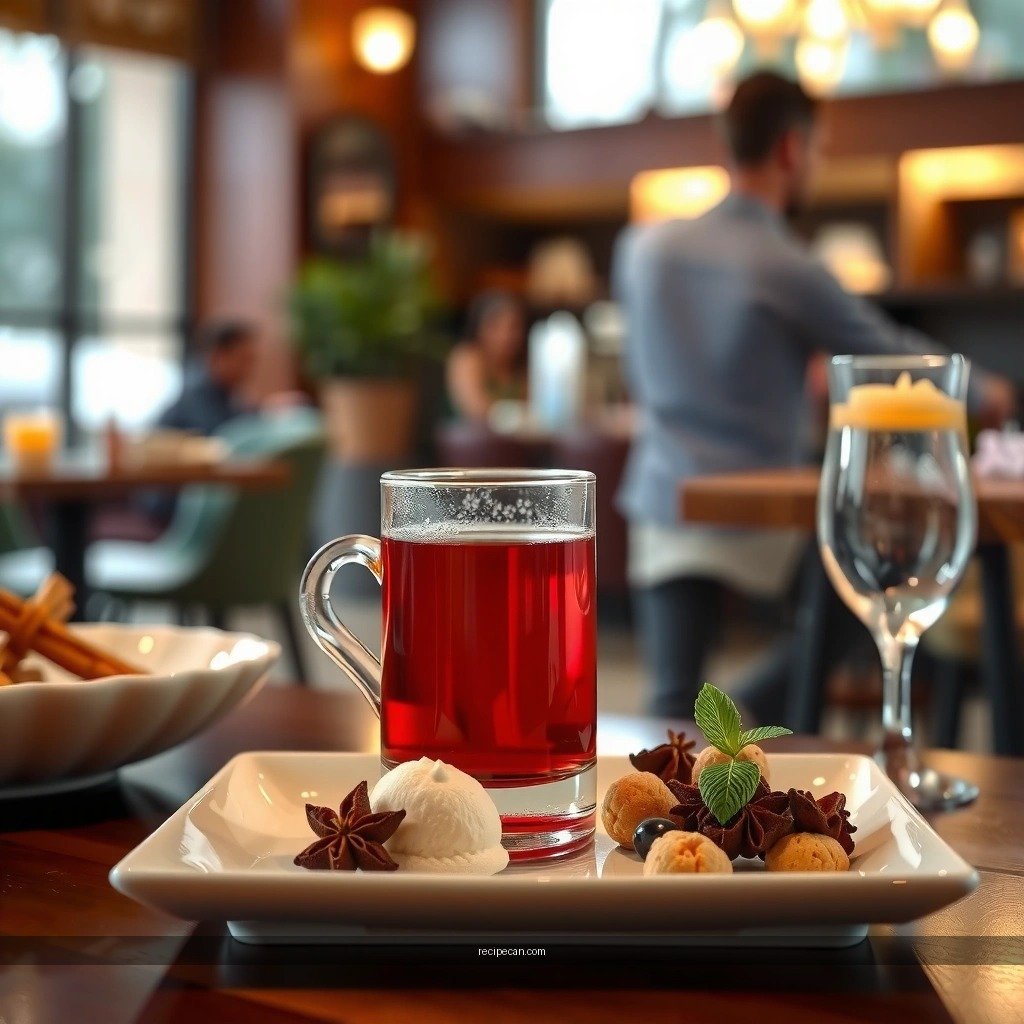
The key to a consistently good spice tea is sequencing: extract spice flavor first (briefly), then steep the tea base, then sweeten and adjust. This prevents over-extracting tannins from tea and keeps the spices aromatic rather than medicinal.
Option A: Steep (best for delicate teas and herbal bases)
1. Add water and spices: In a mug or small pot, bring water to a near-boil (about 90–95°C / 194–203°F). Add cinnamon, ginger, cloves, and/or cardamom.
2. Steep spices briefly: Steep the spices 5 minutes for mild or 7 minutes for classic intensity.
3. Add tea base: Add black tea (or chai tea) or a rooibos herbal tea.
– Black tea: steep 3–4 minutes
– Rooibos: steep 5–6 minutes (avoid going much longer)
4. Strain and serve: Strain out spices, then sweeten.
Why this works: spices release aromatic oils quickly; the additional steeping time should go to the tea, not the spices.
Option B: Simmer (best for deeper, bolder spice extraction)
1. Simmer spices: In a small saucepan, combine water + whole spices. Simmer gently for 6–10 minutes (start at 6).
2. Add tea: Turn heat low, then add your tea base and steep off the heat:
– Black tea: 3 minutes
– Chai-style tea: 2–3 minutes
3. Finish: Strain, sweeten, and optionally add milk.
Timing for strong vs lightly spiced tea (practical rules)
– Light spice: 5 minutes spice extraction + 3–4 minutes tea steep
– Medium spice: 7 minutes spice extraction + 4 minutes tea steep
– Bold spice: 9–10 minutes spice extraction + shorter tea steep (around 2–3 minutes) to avoid bitterness
If your tea tastes “too bitter,” shorten the tea steeping first—oversteeping tea is the most common cause of harshness.
Best Spice Combinations to Try
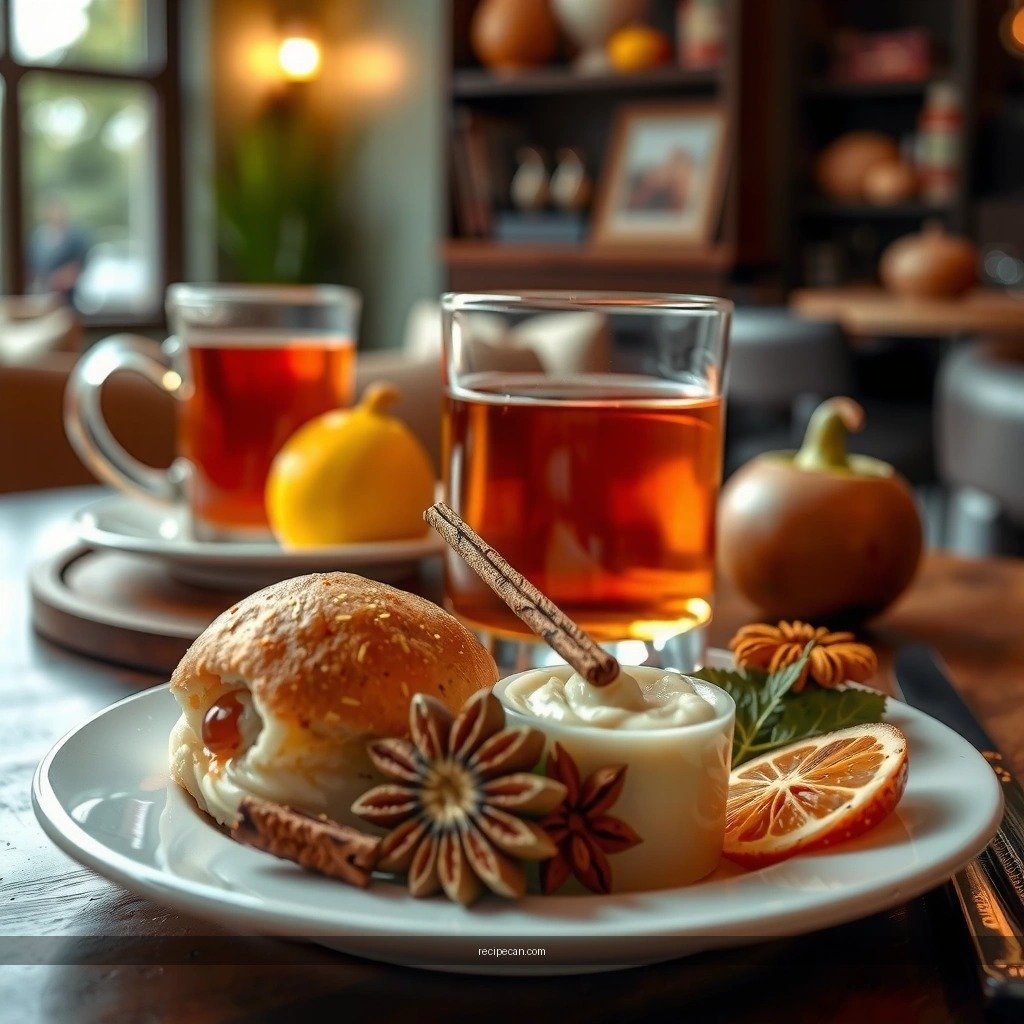
Spice tea becomes exciting when you treat spices like a flavor system. Cinnamon provides sweetness and warmth, ginger adds a sharp, energizing bite, and cloves bring depth—but cloves dominate quickly, so they’re best used in measured amounts.
– Classic blend: cinnamon + ginger + cloves
Use 1 cinnamon stick, 2 thin ginger slices, and 2–3 cloves. This is the “cozy default” for black tea or chai.
– Citrus twist: add orange peel or a small amount of lemon
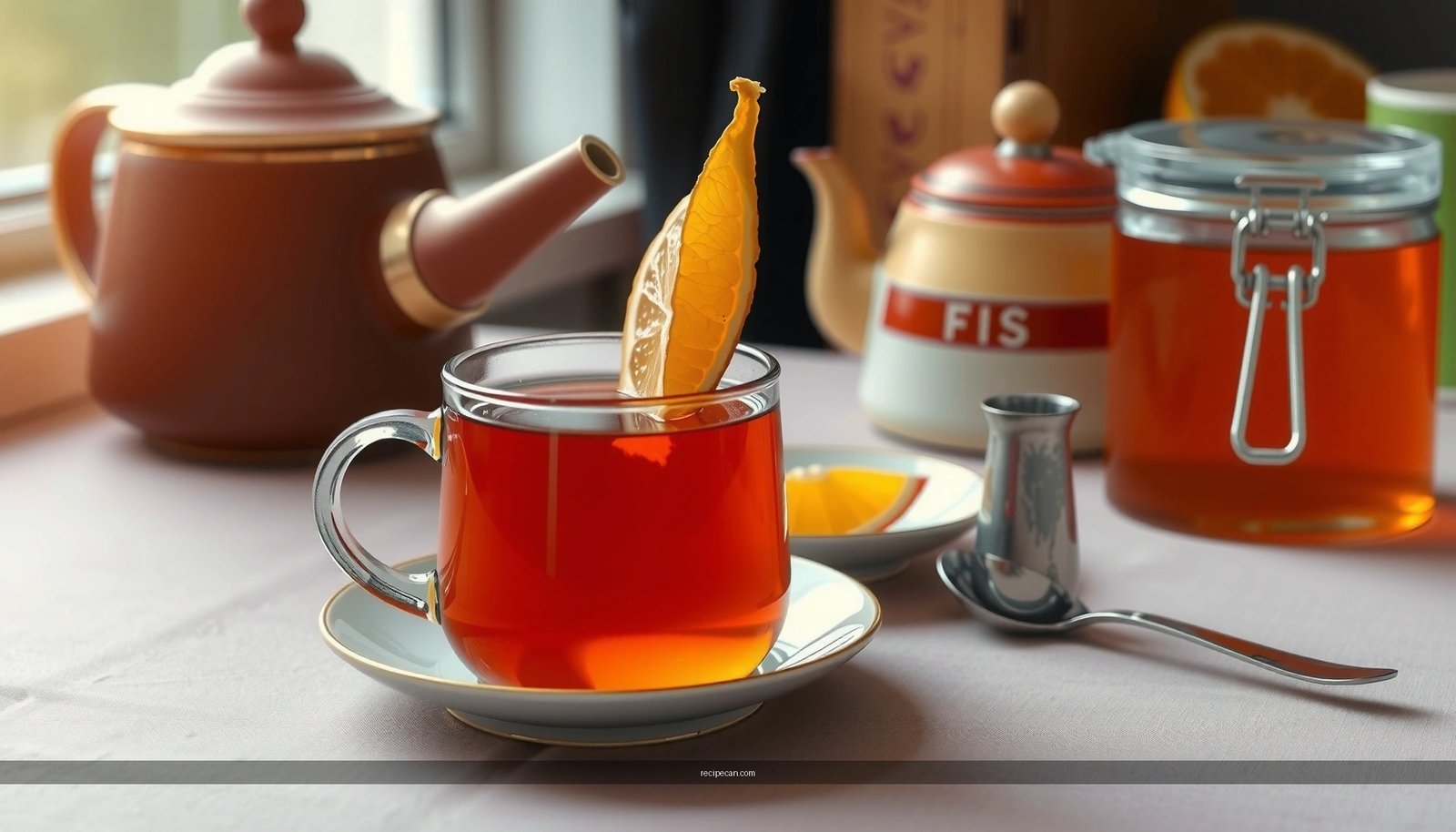
Add a small strip of orange peel during the spice extraction (remove before steeping the tea). Or finish with 1–2 tsp lemon juice after straining for a brighter cup.
– Creamy style: use cardamom and serve with milk or cream
Try cardamom pods (2–3) with cinnamon and a small amount of cloves. Simmer briefly, then add steamed milk after straining for a chai-inspired profile.
Pro tip for consistency: if you switch from whole spices to ground spices, reduce by about half and steep shorter—ground spices extract faster.
Sweeten and Customize Your Flavor
Sweetness isn’t just taste; it affects spice perception. Higher sweetness often rounds sharp ginger and makes cloves feel less intense. Conversely, low sweetness emphasizes spice complexity and works well with citrus.
– Adjust sweetness with honey, brown sugar, or maple syrup
Start with 1–2 tsp. If you’re using cloves, you may need a touch more sweetness because cloves can read as “dry” or sharp.
– Control intensity by adding more/less spices or steeping longer/shorter
– Need more spice? increase spice extraction minutes by 1–2, not tea steep time.
– Too strong? reduce cloves first, then shorten spice extraction by 2 minutes.
– Decide whether to serve hot, iced, or with a splash of citrus
– Hot: full aroma delivery; stir and drink immediately.
– Iced: cool quickly, then pour over ice. Consider a slightly stronger base because cold dulls flavor.
– Citrus finish: add lemon/orange at the end to preserve fresh notes.
If you want the most “coffeehouse” experience, sweeten while the tea is hot so honey dissolves fully and integrates with the spice oils.
Serving Ideas and Storage Tips
A spiced tea routine works best when it’s easy to serve repeatedly—whether you’re prepping for guests or building a daily ritual.
– Garnish with cinnamon stick, orange peel, or fresh ginger slices
This adds aroma at the moment of serving. For iced tea, garnish visually with orange peel or a thin ginger slice near the glass edge.
– Make a batch and refrigerate for up to 3 days
Cool completely, strain spices, then store in a sealed container. Reheat gently (do not boil aggressively, which can flatten aromatics).
– Reheat gently or use cooled tea to make iced spice tea
– Reheat: microwave in short bursts or warm on low heat.
– Iced: pour over ice and adjust sweetness after chilling (taste changes with temperature).
Batch strategy: if you anticipate multiple servings, simmer spices slightly longer (within reason) but steep tea briefly to avoid bitterness over time.
Safety Notes and Flavor Consistency
Spice tea is generally safe, but careful handling of spices and mindful timing prevents unpleasant outcomes and supports a reliable “best cup” experience.
– Use whole spices or measured ground spices to avoid bitterness
Whole spices are easier to remove and control. If using ground spices, measure precisely and strain well.
– Avoid over-steeping delicate herbal bases
Herbal teas like rooibos can become muted or overly strong with extended extraction. Keep it within 5–6 minutes for best results.
– Keep spice amounts consistent for repeatable results
Record what you used (e.g., “1 stick cinnamon, 2 ginger slices, 3 cloves”) and your steep times. Small changes—especially in cloves—can shift flavor dramatically.
Also, remember that cloves are potent. For most people, 2–3 whole cloves per 12 oz is the safe zone for a balanced drink.
—
Spice tea is easy: steep or simmer warm spices, combine with your tea base, and sweeten to taste. Follow the step-by-step timing for mild versus bold intensity, try one of the recommended spice combinations, and then tweak the ratio until it matches your preferred strength—make your first cup today and save the spice ratio for next time.
Frequently Asked Questions
What are the best spices for a spice tea recipe?
A classic spice tea recipe often uses cinnamon sticks, whole cloves, ginger, and cardamom for a warm, aromatic base. You can also add star anise or nutmeg for deeper flavor, but start with 2–4 spices so the tea doesn’t taste overpowering. If you’re sensitive to strong flavors, use milder options like cinnamon and ginger first.
How do I make a simple homemade spice tea recipe without bitterness?
Use whole spices and simmer gently instead of boiling hard, since high heat can pull harsher flavors from certain ingredients. Steep the tea for 10–15 minutes, then strain promptly, and avoid reusing the same spices too long. If you’re using black tea or chai tea in the spice tea recipe, keep the steep time shorter (around 3–5 minutes) for a smoother cup.
Why does my spice tea taste too strong or too weak, and how can I fix it?
Strength usually comes down to the spice-to-water ratio and steep time, so adjust gradually rather than making big jumps. If it tastes too strong, dilute with hot water or add more plain tea/milk; if it tastes too weak, simmer a little longer or add a small pinch of cinnamon or ginger. For consistent results, measure your spices (for example, 1 cinnamon stick or 3–5 cloves per 2 cups) and keep the same steeping time each batch.
Which milk or sweetener works best in a chai-style spice tea recipe?
For a chai-style spice tea recipe, dairy milk (whole milk or oat milk) creates a creamy texture that balances the spice blend. If you prefer less sweetness, try honey or maple syrup and add it gradually while the tea is warm so it dissolves well. You can also skip sweeteners entirely and rely on naturally sweet spices like cinnamon and cardamom for flavor.
What is the best way to store and reuse spices for a spice tea recipe?
Store whole spices in an airtight container in a cool, dark place to preserve aroma, which is key for flavorful spice tea. You can reuse spices once, but flavor will usually be lighter, so reduce steep time and taste as you go. For convenience, keep a “spice tea blend” portioned (for example, cinnamon stick pieces, cloves, ginger slices, and cardamom pods) so your next batch is quick and consistent.
References
- Masala chai
https://en.wikipedia.org/wiki/Masala_chai - Chai
https://en.wikipedia.org/wiki/Chai - https://www.britannica.com/topic/chai
https://www.britannica.com/topic/chai - Ginger: Usefulness and Safety | NCCIH
https://www.nccih.nih.gov/health/ginger - Cinnamon: Usefulness and Safety | NCCIH
https://www.nccih.nih.gov/health/cinnamon - Turmeric: Usefulness and Safety | NCCIH
https://www.nccih.nih.gov/health/turmeric - https://pubmed.ncbi.nlm.nih.gov/?term=chai+tea
https://pubmed.ncbi.nlm.nih.gov/?term=chai+tea - Google Scholar Google Scholar
https://scholar.google.com/scholar?q=spice+tea+recipe - Google Scholar Google Scholar
https://scholar.google.com/scholar?q=masala+chai+recipe+cardamom+ginger - Google Scholar Google Scholar
https://scholar.google.com/scholar?q=chai+tea+health+effects+cinnamon+ginger+cardamom