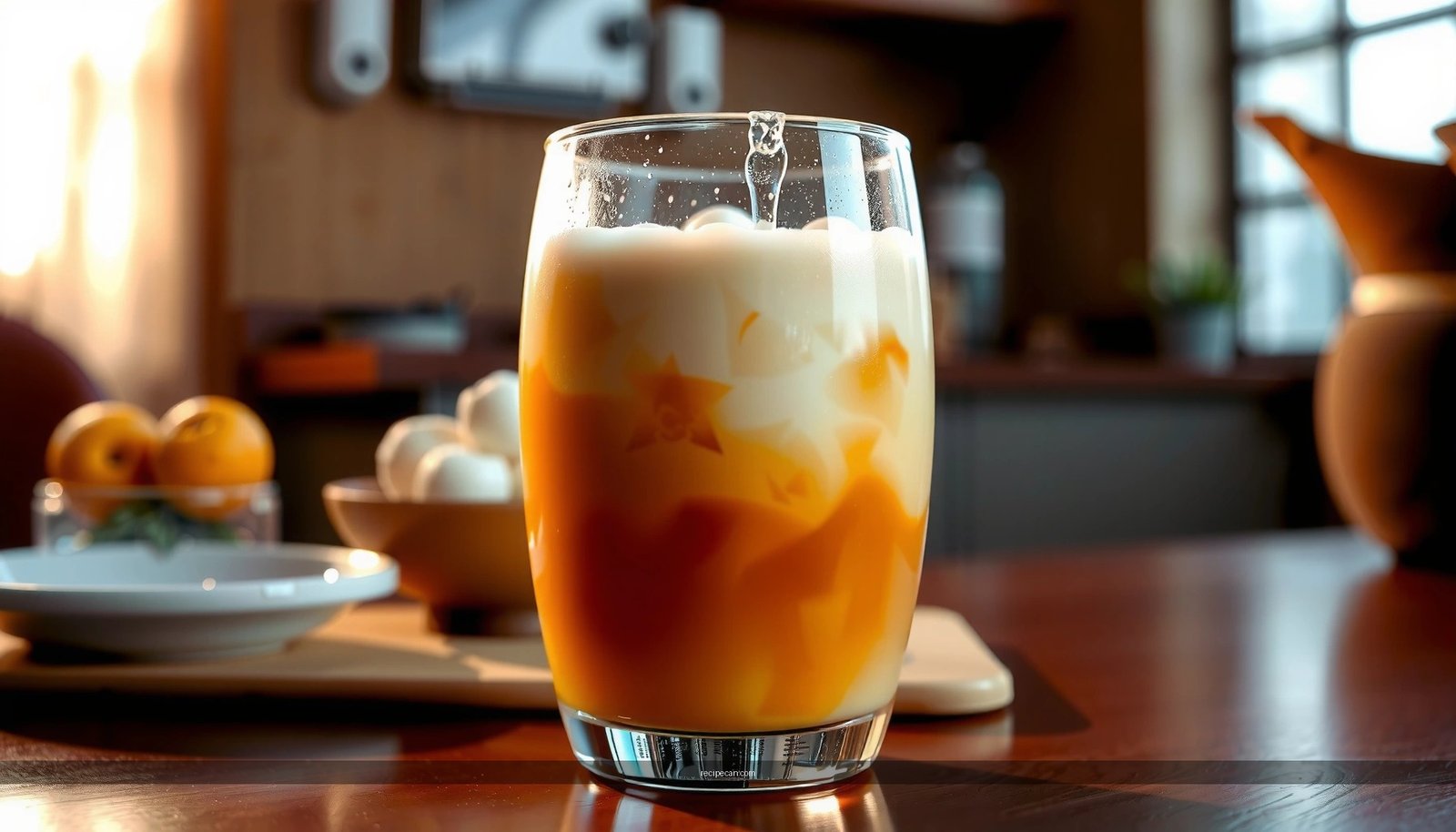
This Thai tea with milk recipe delivers the creamiest homemade Thai tea, with the right balance of strong tea flavor and sweet, smooth dairy richness. You’ll get step-by-step instructions to brew, strain, and mix Thai tea so it turns out bold and fragrant every time. If you want a practical method for making café-style Thai tea at home, this is the one to follow.
Make Thai tea with milk at home by brewing strong Thai tea until it’s dark and fragrant, then mixing it with sweetened condensed milk (and evaporated or regular milk for creaminess). Once you chill the tea base and assemble it over ice, you get a classic, bar-style Thai tea drink that’s easy to dial in for sweetness and strength.
What You Need (Ingredients)
To make an authentic-tasting Thai tea with milk, you need three core components: a properly brewed Thai tea base, a sweetener system (condensed milk is the classic), and cream (optional but highly recommended for that “creamy Thai tea” texture).
– Thai tea tea bags or Thai tea concentrate
– Tea bags are the most convenient option for homebrewers.
– Concentrate (or ready-made “Thai tea mix”) can shortcut brewing, but you still want to check flavor intensity before mixing.
– Sweetened condensed milk and milk of choice (evaporated or regular)
– Sweetened condensed milk provides the signature caramelized sweetness and body.
– Evaporated milk is a traditional step-up for a thicker, creamier mouthfeel. Regular milk works too, especially if you want it lighter.
– Optional: sugar, salt, and ice
– Ice is essential because Thai tea is typically served chilled.
– Salt (a pinch) can sharpen flavor and balance overly sweet condensed milk.
– Sugar is only needed if your condensed milk isn’t the type you prefer (or you’re using a non-traditional sweetener approach).
Condensed-Milk Ratios for Creamy Thai Tea (per 8 oz / 240 ml)
| # | Condensed Milk (8 oz base) | Evaporated Milk | Sweetness | Creaminess | Overall Score |
|---|---|---|---|---|---|
| 1 | 1 tbsp (15 ml) | 0 tbsp | 4/10 | ★★★☆☆ | 7.3 |
| 2 | 2 tbsp (30 ml) | 1 tbsp (15 ml) | 6/10 | ★★★★☆ | 8.1 |
| 3 | 3 tbsp (45 ml) | 1 tbsp (15 ml) | 7/10 | ★★★★☆ | 8.6 |
| 4 | 4 tbsp (60 ml) | 2 tbsp (30 ml) | 8/10 | ★★★★★ | 9.2 |
| 5 | 5 tbsp (75 ml) | 2 tbsp (30 ml) | 9/10 | ★★★★★ | 8.8 |
| 6 | 3 tbsp (45 ml) | 3 tbsp (45 ml) | 7/10 | ★★★★★ | 8.9 |
| 7 | 2 tbsp (30 ml) | 3 tbsp (45 ml) | 6/10 | ★★★★☆ | 7.6 |
Use this as a starting point: for a classic “creamy Thai tea,” most people land around 3–4 tbsp condensed milk plus 1–2 tbsp evaporated milk per 8 oz. If you prefer it less sweet, reduce condensed milk first; if you prefer it thicker, increase evaporated milk second.
How to Brew Thai Tea

Brewing is the part that most strongly determines whether your Thai tea with milk tastes like the drink you remember—or like lightly flavored black tea.
1. Steep Thai tea until dark and fragrant
– Aim for strong extraction: dark color, aromatic tea notes, and a slightly bold bitterness that can stand up to condensed milk.
– If using tea bags, steep until the liquid looks noticeably dark (often longer than you’d steep regular black tea). If using concentrate, follow its strength guidance—but still taste before mixing.
2. Strain well for a smooth, consistent flavor
Thai tea is often blended with ingredients that can create fine sediment. For a smoother texture (especially important in chilled drinks), strain through a fine mesh strainer or tea strainer. This helps prevent graininess and improves mouthfeel when the drink is iced.
3. Let it cool slightly before mixing
Condensed milk blends best when the tea base is warm to comfortably hot, not boiling hot. Over very high heat, condensed milk can sometimes taste a bit “cooked” and may separate more easily. Cooling for a few minutes also makes mixing more predictable.
Pro workflow for repeatability: brew a batch of Thai tea base, strain, then chill. When it’s time to serve, you simply measure and mix to taste.
Mix the Thai Tea with Milk
Once your Thai tea base is brewed, the mixing stage is where you build the creamy, sweet, balanced drink profile. This is also where you should adjust strength and sweetness in a controlled way.
1. Combine brewed tea with sweetened condensed milk
Start with a measured amount (for consistency), stir until fully dissolved, and taste. If you’re making multiple servings, mix in a small pitcher so the drink stays uniform.
2. Add evaporated milk or regular milk for creaminess
– Evaporated milk: thicker, more traditional creaminess, and it helps create that “rounded” Thai tea flavor.
– Regular milk: lighter body; works well if you want a less heavy drink.
3. Taste and adjust sweetness and strength
Consider adjusting in this order:
– If it’s not sweet enough: add a bit more condensed milk.
– If it tastes flat: add a tiny pinch of salt to enhance flavor.
– If it’s too bitter or too strong: dilute slightly with more milk or reduce the condensed milk (condensed milk can amplify perceived bitterness).
Business-style consistency tip: write down your ratio once you find your ideal version. Thai tea is forgiving, but the best “replicable” results come from fixed measurements.
Traditional Serving Style
A classic Thai tea with milk isn’t just about ingredients—it’s also about the serving method, which affects texture and perceived sweetness.
– Fill glasses with ice
Use plenty of ice. As it melts, it gradually softens intensity, so starting slightly stronger is usually beneficial.
– Pour Thai tea with milk over ice
Pour slowly so the drink mixes evenly and doesn’t separate. For the smoothest results, stir your pitcher before each pour.
– Optional: top with a swirl of extra condensed milk
A small swirl on top adds both visual appeal and a denser, sweeter first sip—similar to what many shops do for a premium look.
If you’re serving guests, consider preparing the Thai tea base and condensed-milk blend ahead of time, then finishing with milk + ice close to serving to preserve the chilled, creamy texture.
Flavor Variations to Try
Once you’ve mastered the classic Thai tea with milk, variations can help you tailor the drink to different preferences, dietary needs, or seasonal flavor profiles.
– Add a splash of vanilla or pandan for aroma
Vanilla adds warmth; pandan adds a subtle, fragrant sweetness. Add a small amount first (you can’t easily remove strong flavor afterward).
– Make it dairy-free using coconut milk + a sweetener
Coconut milk can mimic the creamy body, but it changes the flavor profile toward tropical notes. Use a sweetener that dissolves well (and taste because sweetness perception changes with coconut).
– Try less sweet or more tea-forward versions
– Less sweet: reduce condensed milk and increase tea strength slightly.
– More tea-forward: steep longer for the base, then use slightly less condensed milk so the tea character remains clear.
These variations are also useful for product development—if you’re testing a menu, you can segment customers by sweetness preference without changing the base brewing process.
Storage and Reheating Tips
Thai tea works best when the tea base is separated from milk until you’re ready to serve. This protects texture and prevents dilution from repeated refrigeration.
– Store brewed tea base separately from milk for best texture
Keep the strained Thai tea base in an airtight container in the refrigerator. Add milk and condensed milk only when serving.
– Chill for later and re-mix before serving
When you’re ready, mix the chilled tea base with condensed milk and milk. Stir thoroughly, then pour over fresh ice.
– Avoid boiling after adding milk for a smoother drink
Heat can slightly dull flavors and affect the drink’s emulsified texture. If reheating is needed (some people prefer warm Thai tea), heat the tea base only, then mix with condensed milk and milk off the heat.
Recommended storage approach: brew and strain → chill tea base → mix per serving → serve immediately.
Chill your brewed Thai tea, mix it with sweetened condensed milk (plus evaporated or regular milk), then serve over ice for a creamy, classic Thai tea with milk. Make it once, taste, and adjust the sweetness to your preference—then try a variation like extra creaminess or a dairy-free version next.
In short, great Thai tea with milk comes from three repeatable choices: brew a dark, fragrant Thai tea base, strain and cool it appropriately, then build creaminess and sweetness with condensed milk and evaporated (or regular) milk. Once you follow that sequence—plus consistent ice-forward serving—you’ll get a reliable homemade Thai tea that tastes like a specialty drink, every time.
Frequently Asked Questions
What is the easiest recipe for Thai tea with milk at home?
Start by brewing Thai tea concentrate using Thai tea leaves (or Thai tea bags) in hot water, then sweeten it with condensed milk and/or sugar to taste. Strain the tea well, then mix it with milk (evaporated milk, whole milk, or coconut milk) and chill. Serve over ice for a classic Thai tea with milk flavor that’s creamy and fragrant.
How do I make Thai tea with milk that tastes like Thai restaurants?
Use the right ingredients—Thai tea leaves (preferably Thai tea mix), plenty of steeping time, and a sweetener combination like condensed milk plus evaporated milk. For the signature look and flavor, steep the tea until deeply colored, then strain twice to remove bitter sediment. Chill the brewed Thai tea thoroughly before combining with milk so the drink stays smooth over ice.
Why does my Thai tea with milk taste bitter, and how can I fix it?
Bitterness usually comes from over-steeping Thai tea leaves, not straining properly, or using low-quality tea mix. Try reducing steep time, using the recommended amount of Thai tea leaves, and straining through a fine mesh (or paper filter). Also balance bitterness by adjusting sweetness with condensed milk and/or sugar gradually.
Which milk is best for Thai tea with milk: evaporated milk, condensed milk, or coconut milk?
Traditional Thai tea is often made with evaporated milk and sweetened condensed milk for a creamy, lightly caramel-like flavor. If you want a richer texture, use evaporated milk plus condensed milk; for a dairy-free variation, coconut milk can work well but may change the flavor profile. Taste as you go and adjust sweetness and milk ratios to keep the Thai tea flavor dominant.
What’s the best way to brew Thai tea for a strong, flavorful drink with milk?
Brew Thai tea leaves or bags in hot water (near simmering) and steep long enough to get a deep amber color and strong aroma. Use the proper tea-to-water ratio, then strain carefully to remove gritty bits that can affect taste and mouthfeel. Once brewed, cool or chill the concentrate before mixing with milk and serving over ice for the best Thai tea with milk experience.
References
- Thai tea
https://en.wikipedia.org/wiki/Thai_tea - Thai tea
https://en.wikipedia.org/wiki/Thai_iced_tea - https://en.wikipedia.org/wiki/Cha_yen
https://en.wikipedia.org/wiki/Cha_yen - Google Scholar Google Scholar
https://scholar.google.com/scholar?q=thai+tea+recipe+milk - Google Scholar Google Scholar
https://scholar.google.com/scholar?q=thai+iced+tea+with+condensed+milk+brewing+method - Google Scholar Google Scholar
https://scholar.google.com/scholar?q=Thai+tea+ingredients+black+tea+spices+evaporated+milk - https://www.theguardian.com/food/2020/jul/22/thai-iced-tea-recipe
https://www.theguardian.com/food/2020/jul/22/thai-iced-tea-recipe - https://www.nytimes.com/guides/well/eat/thai-tea-recipe
https://www.nytimes.com/guides/well/eat/thai-tea-recipe - https://www.britannica.com/topic/Thai-tea
https://www.britannica.com/topic/Thai-tea - Google Scholar Google Scholar
https://scholar.google.com/scholar?q=recipe+for+thai+tea+with+milk